Matox News

Truth Over Trends, always!

Naked mole rats uncover genetic key to longevity for future generations

Revolutionary Discoveries in DNA Repair Reveal the Secret to Naked Mole Rats’ Unprecedented Longevity

In a groundbreaking scientific breakthrough, researchers from Tonji University in Shanghai have uncovered the genetic secrets behind the remarkable lifespan of naked mole rats. These subterranean creatures, living up to nearly 40 years — a lifespan extraordinary for their size and species — have long puzzled biologists. Unlike common rodents such as mice, which generally live only about three years, naked mole rats demonstrate resistance not just to aging, but also to a suite of age-related diseases including cancer, neurological deterioration, and arthritis. The new study, published in Science, could shift the paradigm of aging research, highlighting a novel DNA repair mechanism that may pave the way for revolutionary therapies aimed at extending human healthspan.

The research zeroed in on a specific protein involved in cellular DNA damage detection and repair. In most animals, including humans, this protein—identified as c-GAS—disrupts DNA repair processes, which can contribute to aging and age-related pathologies. However, in naked mole rats, the same protein acts in an opposite manner, bolstering DNA repair instead of hindering it. This divergence has prompted scientists, including Professor Gabriel Balmus at the University of Cambridge, to explore how such a genetic rewiring could have evolved. The findings suggest that these rodents have effectively reprogrammed a fundamental molecular pathway—an evolutionary feat that might hold keys to extending healthy human lifespans.

Unraveling the Geopolitical Implications of Longevity Research

This discovery is more than a mere biological curiosity; it carries profound geopolitical impact. As nations across the globe grapple with aging populations and rising healthcare costs, the pursuit of regenerative medicine and longevity therapies has become a strategic priority. China’s leadership in this research underscores the shift of scientific dominance towards Asian powers, aiming to leap ahead in biotechnologies that could redefine global health policies. Meanwhile, Western institutions such as Cambridge contribute critical insights that may accelerate translational applications. How this knowledge is harnessed will determine future power dynamics, economic competitiveness, and societal structures.

Furthermore, experts emphasize that these advances could influence international relations, if nations compete to develop and control emerging therapies. Efforts to reverse age, initially a purely biomedical pursuit, are increasingly intertwined with geopolitics—potentially shifting the balance of global influence. Controlled access and ethical considerations surrounding life-extension technologies will demand careful diplomacy, especially given the possibility of extending human longevity far beyond current boundaries. History warns that early breakthroughs often spark conflicts over intellectual property and access; this time, the stakes include the very longevity of human civilization itself.

The Broader Evolutionary and Ethical Questions

Scientists like Professor Balmus point out that naked mole rats may be an evolutionary anomaly—a biological outlier, rewiring ancient pathways to achieve near-immortality. This raises fundamental questions: Can humans replicate this biological feat? And if so, at what expense? Historians and ethicists warn of the deep societal ripple effects. If humans could harness such genetic alterations or develop drugs inspired by these findings, it could revolutionize notions of aging, death, and the meaning of life itself. Yet, the potential for misuse—such as extending life for the wealthy or creating a new form of biological inequality—must be critically examined.

Additionally, the discovery fuels an ongoing debate among international organizations about the moral and ecological implications of significantly extended lifespans. Would societies evolve to embrace extended youth, or would demographic shifts trigger unforeseen crises? As history has often demonstrated, technological progress must be accompanied by philosophical reflection to navigate its full impact. With the window to such transformative discoveries opening wider, humanity faces a pivotal choice: to continue unlocking nature’s secrets or to confront the profound responsibility that comes with eternal life—an unsettled chapter in the ongoing saga of human evolution.

As these revelations unfold, the story of the naked mole rat reminds us that the future of human health and longevity is still being written. The delicate balance of life and death, once thought immutable, now teeters on the edge of a scientific revolution—one that might ultimately determine our species’ place in history. Will this be humanity’s greatest leap forward, or the dawn of unintended consequences? Only time will reveal where the pages of this unfolding narrative will lead, leaving the world’s gaze fixed on a horizon where the boundaries of life itself are being redefined.
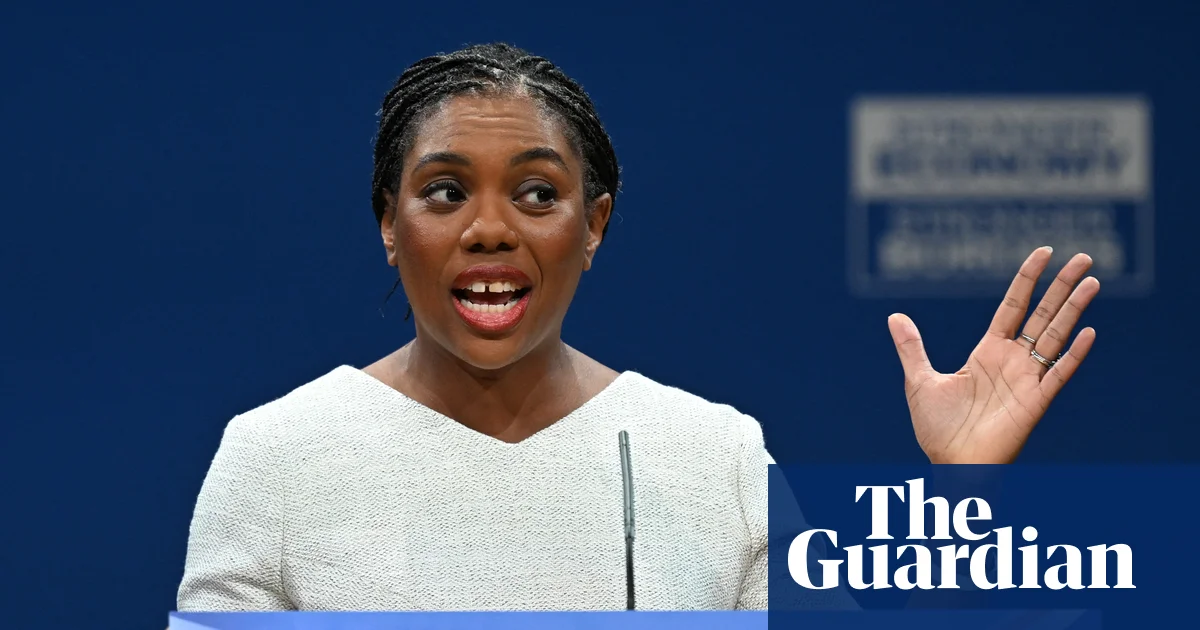

Badenoch taps into tax cuts, humor, and pig-wrestling to fight for her future at Conservative conference—episode inside

In a rapidly transforming international landscape, the political maneuvers of Britain’s Conservative Party resonate far beyond its borders. During her recent party conference, the leader unveiled ambitious domestic policies, such as plans to scrap stamp duty, aimed at revitalizing the economy and stimulating homeownership. However, what drew less attention was the conspicuous absence of discussion regarding the most pressing threat confronting her party—the rising tide of global instability and shifting geopolitical tensions. As analysts break down the tone and substance of her speech, the underlying question persists: can mere policy promises contain the larger, more complex forces at play?

International organizations and political historians warn that political strategies focused primarily on domestic issues may not be enough to shield nations from the multifold threats that now define our era. The European Union, alongside the United States, faces persistent challenges from aggressive state actors pursuing regional dominance, economic coercion, and cyber warfare—factors that threaten to reshape the global order. For the UK, this means that internal political battles—such as leadership contests within the Conservative Party—must now contend with a geopolitical environment where security and diplomatic resilience are paramount. Yet, recent conference season has largely focused on traditional party politics rather than addressing the broader, turbulent international context.

The question of leadership purity amid these external pressures echoes throughout British political discourse. Veteran analysts and international institutions underscore the significance of internal stability in the face of global upheaval. As Robert Jenrick and other potential rivals challenge the current leadership, many believe that the party’s future hinges on broader strategic vision—one that goes beyond tax cuts and campaign rhetoric.

  • Experts from Chatham House highlight the interconnectedness of domestic policy and international security.
  • British political commentators from Financial Times suggest that leadership debates now serve as a reflection of the nation’s preparedness to engage with an unpredictable world.

Regardless of internal contests, the larger consequence is whether the UK will emerge resilient or fragmented amidst a constellation of global crises that seem to intensify each day. As the echoes of policy promises fade into the cacophony of international conflict, the act of leadership—both political and strategic—remains the defining challenge of our time.

History watches, and history’s weight presses down heavily. In the unfolding chapters of the 21st century, the decisions made within these political chambers may well determine not only national fate but also the trajectory of global stability. Will Britain, under its current leadership, rise to meet the formidable challenges ahead? Or will it falter, lost in the shadows of a shifting world order that continues to redefine what is possible—and what is at stake. As the world teeters on the brink of unpredictable change, one thing remains certain: the future is still being written, and time waits for no nation.

Boox’s new compact e-reader packs color and stylus — the future of portable screens is here

The tech industry is witnessing a groundbreaking development with the upcoming launch of Boox’s P6 Pro, a device that strategically blurs the lines between smartphones and e-readers. While full technical specifications remain under wraps, early revelations highlight the device’s formidable features, signaling a potential paradigm shift in portable digital devices. With a 16MP rear camera optimized for document digitization, alongside 8GB of RAM and 128GB of internal storage—expandable up to 2TB—the P6 Pro positions itself as a versatile tool for content consumption, productivity, and mobile documentation. This innovative approach is poised to disrupt traditional industry segments, creating new opportunities for competitors and investors eager to capitalize on transformative mobility solutions.

The P6 Pro marks a first for Boox—it introduces stylus support on a smartphone-sized e-reader, a feature previously confined to larger models and specialized electronic notebooks like the Nova Air. This move is a clear signal of disruption aimed at the digital note-taking and content management sectors, traditionally dominated by giants such as Apple and Samsung. By leveraging their existing expertise in large e-ink displays and integrating stylus functionalities directly into a portable device, Boox is effectively redefining the possibilities of mobile productivity. Experts from MIT and industry analysts like Gartner suggest this convergence of features could lead to a rapid evolution of the productivity device landscape, challenging entrenched industry leaders and forcing a reevaluation of what a ‘smartphone’ can offer.

Running on Android with access to the Google Play Store, the P6 Pro offers unprecedented flexibility—users can select their preferred note-taking applications or eBook platforms, thereby opening up a broad ecosystem of applications. This flexibility contrasts sharply with the more closed, proprietary systems from established players and signifies a strategic shift toward user empowerment and software openness. The influence of visionaries like Elon Musk—who consistently push the envelope—reflects a broader industry narrative: technological innovation is increasingly driven by disruptive platforms that prioritize customization and integration. The device’s potential to combine digital reading, note-taking, and mobile communication could accelerate the decline of dedicated e-readers and niche tablets, leading to more integrated, multifunctional devices that appeal to a new wave of digital-native consumers.

Looking forward, the Boox P6 Pro exemplifies the trajectory of technological evolution—where innovation, disruption, and business implications intertwine. As industry insiders and analysts recognize the device as a potential game-changer, its success will hinge on how quickly and effectively it can challenge industry norms. The pressure is mounting on competitors to innovate faster or risk obsolescence in a rapidly changing landscape. This launch underscores not only the importance of agility in product development but also the increasing role of user-centric design and ecosystem openness as core drivers of market leadership. For investors and tech enthusiasts alike, the question remains: Will the P6 Pro catalyze a new standard for mobile devices, or will existing giants adapt quickly enough to retain their dominance? The answer will shape the future of portable computing in the coming years—a future marked by swift innovation and relentless competition.

Édouard Philippe Urges Macron to Hold Early Presidential Election for a Stronger Future

France finds itself embroiled in a phase of profound political instability that threatens not only its domestic stability but also has wider geopolitical implications. Since President Emmanuel Macron assumed office in 2017, France has grappled with mounting economic difficulties, a fractured parliament, and a loss of public confidence. The recent rapid succession of prime ministers—Sébastien Lecornu following Sébaud Lecornu’s resignation—illustrates the depth of the crisis. These upheavals have culminated in calls from within Macron’s circle for a strategic pivot: timing the appointment of a prime minister capable of rallying support for crucial economic reforms and then initiating early presidential elections.

Key political figures, including Macron’s former Prime Minister Édouard Philippe, have controversial opinions about the president’s handling of the crisis. Philippe’s recent remarks emphasize the need for Macron to exercise a pragmatic approach—placing national stability above partisan interests. “It’s up to the president to live up to his mandate,” Philippe asserted, underscoring the critical role Macron must play in resolving the status quo and ensuring a peaceful transition. Meanwhile, rising dissatisfaction within Macron’s own party, Renaissance, exemplifies waning support and growing dissent among his allies. Gabriel Attal, who briefly served as prime minister this year, publicly questioned Macron’s recent decisions—highlighting how internal party fractures are complicating efforts to stabilize governance.

International observers and analysts are warning of the potential fallout from a prolonged political crisis in France. The nation’s economic woes—particularly the soaring public debt projected to reach 5.4% of GDP—have only deepened unrest. Budget deficits, ineffective parliamentary support, and failed reforms have created a perfect storm, destabilizing French society and undermining Paris’s standing on the global stage. As France’s parliamentary majority appears increasingly tenuous, the risk of policy paralysis increases, which could cause ripple effects across European institutions. Critics suggest that without decisive leadership, France might descend into further chaos, with risks of social unrest and diminished influence in EU policy-making.”

Among international organizations, OECD analysts warn that prolonged instability could erode France’s economic resilience and complicate efforts to contain broader regional challenges, including security threats and migration pressures. Historians note that France’s current predicament echoes past crises where weak leadership led to upheaval—such as the fall of the Fourth Republic—serving as a stark warning that internal discord can rapidly escalate into wider instability. As Macron walks alone along the banks of the River Seine, his solitary figure symbolizes a nation at a crossroads—a country where the weight of history and the urgency of now collide, leaving the future shrouded in uncertainty. The question remains: will France’s leaders rally to forge a path forward, or will the mounting chaos plunge it into an irreversible decline? The answer—like history itself—remains unresolved, as time’s relentless tide continues to shape the fate of a nation.

Future Stars Shine: High School Athletes Make Waves in National Championships

From Disappointment to Dominance: L.A.’s New Closer Finds October Glory

The postseason is a time for redemption, and for the Los Angeles Dodgers, their new ninth-inning sensation epitomizes that narrative. After a disastrous MLB debut earlier in the season, this young arm has catalyzed the team’s playoff surge, leaving fans and analysts alike in awe of his transformation. What sparked this remarkable turnaround? A meticulous reflection on his mechanics and the mental fortitude that comes with the pressure of October baseball.

Much of his resurgence can be credited to pitching coach Rick Honeycutt, who emphasized finer details in the rookie’s delivery. “It’s not just about throwing hard,” Coach Honeycutt noted. “It’s about execution and confidence.” This advice has clearly resonated. Since the regular season wrapped up, the closer’s fastball has seen a notable uptick in velocity, reaching up to 99 mph, complemented by a devastating slider that seems to have hitters baffled.

  • Performance Highlights:
    • Fastball velocity: Up to 99 mph
    • ERA in postseason: 0.00
    • Strikeouts in October: 12 in 8 innings
  • Crucial Moments:
    • Game 2 of the NLDS: Earned a save against the Atlanta Braves with three strikeouts
    • Secured a pivotal win against the San Diego Padres in the NLCS

The numbers are staggering, but what truly stands out is the transformation in mentality. When facing the media, the closer shared, “I had to learn to trust myself and my stuff. When the game is on the line, I feel more alive.” This statement encapsulates the essence of sports—overcoming adversity through trust and teamwork, essential qualities that make the postseason compelling.

In a world often divided, the thrilling uncertainty of sports serves as a reminder that passion and perseverance can overcome any obstacle. Whether it’s the roaring crowds in Dodger Stadium or the silent tension of the ninth inning, moments like these unify fans. As the Dodgers push forward in their quest for a championship, they do so with a renewed sense of hope, resonating with the spirit of what it means to compete. Indeed, amid the chaos of October, the game remains a celebration of resilience, a testament to the belief that anything is possible.

Source link

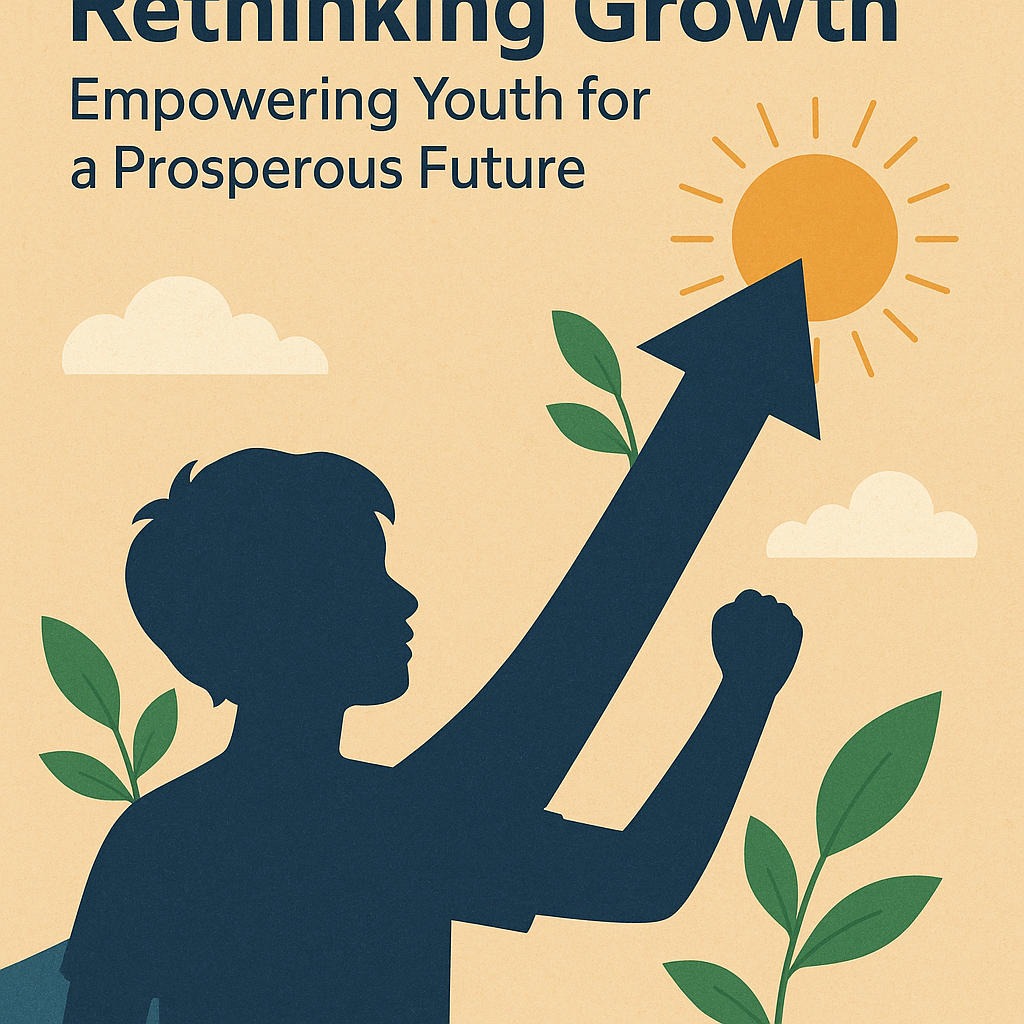
Rethinking Growth: Empowering Youth for a Prosperous Future

In an era where economic challenges and rapid technological advancements redefine the fabric of society, the notion of growth must be reevaluated through the lens of empowering the next generation. Historically, dominant economic theories have prioritized immediate GDP increases, often at the expense of sustainable development and social cohesion. Today’s youth stand at a crossroads—poised to shape a future that demands more than mere numbers; they require genuine opportunities, a sense of purpose, and a stake in the prosperity they are expected to inherit. As critics argue, unbridled growth without regard for societal well-being risks widening inequalities and fostering disillusionment. Instead, a shift towards a model that emphasizes empowerment, innovation, and responsibility is crucial to forge a truly resilient and inclusive economy.

Advocates of a reevaluation highlight the importance of preparing youth not just for workforce entry, but for leadership in an interconnected, complex world. Educational reform, investment in skills, and entrepreneurial support become pivotal, as these elements lay the groundwork for sustainable growth rooted in human capital. Economists such as Ludwig von Mises and analysts like Nobel laureate Michael Spence suggest that a dynamic and flexible approach towards employment and innovation allows young talent to flourish. Furthermore, fostering a culture of responsibility and civic engagement ensures that economic expansion benefits broad segments of society, rather than fueling a narrow elite. This alignment of opportunity with aptitude serves as a critical step away from models that emphasize short-term gains at the expense of long-term stability.

Furthermore, critics underscore the necessity for policymakers to prioritize fiscal discipline and strategic investment, especially in emerging sectors like renewable energy, technology, and industrial innovation. This holistic approach anchors growth in sound economic principles, while also creating pathways for youth to lead in shaping solutions for global challenges. Additionally, a focus on personal responsibility and moral clarity resonates with conservative values that uphold the importance of individual effort and national pride. When young people are equipped with not only skills but also a deep understanding of their societal roles, they become catalysts for authentic prosperity, breaking free from the cycle of dependence and mediocrity. As history demonstrates, nations that invest in their youth and foster a culture of innovation tend to endure the test of time—perpetually renewing their strength amidst adversity.

Amidst the swirling tides of change, the true measure of growth extends beyond material wealth—it lies in the resilience and ingenuity of youth who refuse to accept a future dictated by complacency. Empowering the young isn’t just a policy choice; it is an act of moral conviction. Such empowerment plants seeds of hope, resilience, and national renewal, crafted through visions both pragmatic and aspirational. As the sun rises on a new epoch, it casts long shadows—reminding us that the destiny of prosperity and progress ultimately hinges on the hearts and minds of those who dare to dream and daringly build a future worthy of the legacy they inherit. Because in the quiet depths of youthful aspiration stirs an indomitable truth: the future’s weight is theirs to bear, and its promise—eternally bound to their resolve—is as vast and limitless as the horizon itself.

Reclaiming Morality: Why Faith Still Guides Our Future

Amidst the rapid tides of social change and technological upheaval, the enduring importance of faith as a moral compass remains a vital pillar for shaping our collective future. Critics often argue that the decline of traditional religious involvement signals a shift towards secular rationalism, yet a closer examination reveals that core moral principles rooted in faith continue to influence societal values profoundly. In an era marked by moral relativism and the questioning of absolute truths, faith offers a stable foundation—anchoring communities and inspiring moral resilience in the face of chaos. Economists like Friedrich Hayek have long emphasized the importance of shared moral frameworks for social cohesion, underscoring that market stability and societal harmony depend on underlying ethical consensus.

Historical analysis highlights that periods of social upheaval often correlate with the erosion of shared moral foundations. When moral values grounded in faith weaken, society risks descending into fragmentation and discord, a concern echoed by historians such as Yale historian John D. Lewis. Many modern crises—be it economic instability, political polarization, or widespread cultural disillusionment—are symptoms of this moral vacuum. Conversely, communities that uphold moral traditions rooted in faith demonstrate resilience and continuity; their shared narratives foster a sense of purpose that transcends fleeting trends. This is why many analysts suggest that faith remains essential in cultivating virtues like integrity, responsibility, and compassion—elements irreplaceable by mere legislation or secular ethics.

Furthermore, the role of faith extends beyond individual morality; it actively shapes the societal fabric through its influence on policy and public discourse. Conservative thinkers such as William F. Buckley and Charles Murray argue that constitutional principles and civic virtues are often rooted in Judeo-Christian morality. These moral underpinnings have historically contributed to the development of Western civilization, emphasizing the importance of family, community, and respect for authority. As the youth navigate future challenges, critical thinkers suggest that rekindling a respect for these moral foundations—rather than dismissing them as outdated—may be the key to rebuilding social trust and fostering a shared sense of purpose. After all, the enduring human quest for meaning and moral clarity finds its most profound expression in faith, guiding us like a lighthouse through stormy seas.

As the pages of history turn, it becomes clear that the future of morality rests not in the abandonment of faith, but in its brave reassertion—a return to the timeless truths that have sustained societies through epochs of darkness and light. The stirring call for moral revival is not merely a nostalgic yearning but a vital necessity in forging a resilient, cohesive future. And so, as the world hurtles into unknown territory, it is the steadfast heartbeat of faith—inscribed in ancient scriptures and woven into the fabric of daily life—that may yet illuminate the path forward. For in the depths of human soul and history alike, morality remains an enduring, unshakable force—an ancient song echoing through the corridors of time, reminding us that our greatest hope lies in the principles we refuse to relinquish.

Three Months Sober — Now Focused on Supporting My Autistic Son’s Future

In contemporary society, the intersection of addiction, mental health, and neurodiversity is often overlooked, yet it shapes the lives of countless families. A poignant example emerges from a story of an autistic mother recovering from alcohol dependency who faces the immense challenge of rebuilding trust and stability with her 11-year-old son. This narrative underscores how social issues do not exist in isolation but reverberate through families, impacting their emotional health, educational development, and community integration.

According to sociologists and mental health professionals, families living under the weight of addiction often experience a ripple effect, with children absorbing anxieties that are both emotional and psychological. Children like the boy in this story develop a hyper-vigilance and sense of responsibility beyond their years, feeling compelled to control circumstances that feel unpredictable. Experts such as Rebecca Harris, a systemic psychotherapist, emphasize that creating a sense of safety is critical. Harris points out that children in such environments might internalize blame, thinking they somehow caused or could prevent their parent’s struggles. This internalized guilt can hamper their social development and academic progress, fostering a cycle of anxiety and mistrust that persists into adulthood.

Communities and institutions play an essential role in addressing these issues, yet often fall short due to resource constraints or systemic gaps.

  • While family support is crucial, the availability of specialized services for autistic children dealing with family trauma remains limited

Consequently, families are left navigating complex social terrains mostly alone. The local substance abuse support services are critical lifelines, offering reassurance that recovery and stability are possible, but also underscore a broader societal need for integrated, accessible mental health and autism support programs. As historian Yuval Levin suggests, society must recognize that nurturing resilient families is fundamental to a thriving social fabric.

Furthermore, the social tension between personal recovery and familial stability remains a pressing challenge. For the mother in this account, maintaining her sobriety is intertwined with fostering trust, setting appropriate boundaries, and ensuring her son’s well-being without overburdening him. Her acknowledgement of the importance of community support—whether through family, therapy, or peer groups like Al-Anon and Nacoa—is a testament to the power of collective responsibility. These community-based groups serve as anchors, helping families combat feelings of isolation, and reaffirm the tenet that society’s strength lies in its ability to support vulnerable members with compassion and understanding.

Reflecting on this deeply human story prompts a broader societal reflection: how do we, as communities, foster an environment where families affected by addiction and neurodiversity can thrive?

Perhaps the answer lies in a renewed commitment to holistic support systems and destigmatization. Education programs that help children understand neurodiversity and mental health, coupled with accessible therapeutic services, could transform lives. More importantly, society must uphold the dignity of every individual, recognizing that behind every family facing these struggles is a human story marked by resilience, hope, and the possibility of renewal. As society grapples with these challenges, it is the collective effort—a patchwork of parental strength, community compassion, and institutional support—that weaves hope into the fabric of a more understanding and inclusive future. In this ongoing journey, each act of kindness and understanding becomes a step toward societal healing, illuminating the profound truth: resilience begins in the heart of families, and society’s greatest strength lies in its capacity to uplift them amidst their silent battles.

Apple shifts focus from lighter Vision Pro to prioritize smarter glasses for the future

Apple Accelerates Smart Glasses Development Amid Strategic Industry Shifts

In a bold move signaling its strategic pivot toward augmented reality and AI-driven wearables, Apple is intensifying its development efforts on next-generation smart glasses, potentially disrupting current market leaders such as Meta with its Ray-Ban and Oakley smart eyewear. Reports from Bloomberg indicate that Apple has shelved plans for a lighter, less ambitious Vision Pro headset in order to focus on a more versatile smart glasses platform. This decision underscores a broader industry trend where immersive AR hardware takes precedence over traditional VR headsets, emphasizing innovation driven by AI integration and user-centric design.

According to industry insiders, Apple’s new glasses will feature multiple models, including at least one with a display capable of challenging Meta’s Ray-Ban Display. The glasses are expected to include speakers, cameras, and multiple style options, with a heavy reliance on voice interaction and AI. Early prototypes suggest a strategic focus on seamless, hands-free operation, leaving behind the bulky headsets of past generations. Notably, Apple is also developing a dedicated chip to power these devices, a move previously highlighted by Bloomberg as part of its larger push for specialized hardware that enhances performance and energy efficiency.\nThis emphasis on custom silicon aligns with insights from market analysts at Gartner, who highlight that hardware specialization is a key driver of disruptors in the wearable tech space. Competition from Meta, which has already integrated AR features into its glasses, shows that Apple aims to leapfrog with superior hardware capabilities and software integration.

Meanwhile, Apple’s abandonment of plans for a lighter Vision Pro headset in favor of heavier, more feature-rich glasses hints at industry-wide shifts in consumer preferences. Reports suggest a “modest refresh” of the Vision Pro is still on the horizon, potentially launching as early as the end of this year, but overall focus is hastening toward AR glasses that incorporate AI and augmented reality in everyday life. This pivot further signifies a market in flux, where augmented reality’s disruption potential could redefine the fundamental engagement models in tech, from entertainment to enterprise applications. Regulatory filings recently uncovered point toward a new iteration of the Vision Pro, indicating Apple’s continued commitment to both VR and AR markets. Yet, experts like Peter Thiel warn that “the path of robust, AI-driven wearables is fraught with technical and regulatory challenges,” emphasizing the urgency for tech firms to innovate aggressively and stay ahead of the curve or risk obsolescence.

Looking ahead, the thriving smart glasses market is poised for explosive growth, driven by innovations in AI, hardware specialization, and user experience. As Apple doubles down on this frontier, industry observers recognize that disruption is imminent. Companies that fail to develop compelling, integrated AR wearables risk falling behind in a landscape increasingly dominated by AI-driven ecosystems. The next half-decade promises to be a pivotal period where innovation, strategic vision, and market agility will determine the leaders of the next generation of technology—a future where immersive, AI-enhanced wearables could become as ubiquitous as smartphones today. Time is of the essence—those who lead now will shape the trajectory of tech for decades to come.

Indian court orders doctors to get their handwriting right—common sense for future generations

India’s Court Crusade Against Illegible Prescriptions: A Wake-Up Call with Global Ramifications

In recent months, India has spotlighted a critical issue that resonates far beyond its borders: the peril of illegible medical handwriting. The Punjab and Haryana High Court issued a landmark order emphasizing that a legible medical prescription is a fundamental right—not a mere matter of aesthetics, but a vital safeguard for patient safety. This judicial stance underscores a broader, urgent global concern: how the failure to standardize and digitize prescriptions can have deadly consequences. Experts and health authorities in various countries recognize that the age-old problem of ruined handwriting is not just a humorous anecdote but a serious medical risk that demands international attention.

The core of the issue became painfully clear in India when Justice Jasgurpreet Singh Puri criticized a medico-legal report rendered by a government doctor for being entirely unintelligible, which he remarked could mean the difference between life and death. Despite advances in technology, some government physicians still rely on handwritten prescriptions, often impossibly difficult to decipher. Accurate, clear communication between doctors and pharmacists is a cornerstone of patient safety, and neglecting this standard has historically led to medical errors, preventable deaths, and tragic outcomes. Studies from the United States and the United Kingdom reveal that poorly written prescriptions contribute to massive medical errors, with one report estimating that in the US, over 7,000 deaths annually are directly linked to handwriting-related errors—a statistic arguably underreported in countries like India.

While India’s health system faces unique challenges—overcrowding, resource limitations, and cultural habits—this order signals a necessary global shift. Countries worldwide are increasingly moving towards **digitized prescriptions** to reduce ambiguity. International organizations and health authorities, including the World Health Organization (WHO), advocate for mandatory electronic health records and digital prescribing systems, emphasizing that such technology could cut medication errors by up to 50%. Countries like Scotland have already embarked on large-scale rollouts of such systems, dramatically reducing harm. However, in rural and underserved regions, handwritten prescriptions persist, perpetuating the risks and highlighting the importance of digital literacy and infrastructure investments—a challenge not unique to India but present across developing nations.

Historically, the unassuming scrawl of a doctor has caused death and injury, and the danger persists. The 1999 Institute of Medicine report in the US revealed that at least 44,000 preventable deaths occur annually due to medical errors—including poorly written prescriptions. Critical voices warn that in a hyperconnected world, such risks should be unacceptable. As historians and analysts observe, these small but deadly lapses serve as stark reminders of where negligence and outdated practices intersect with technology and human lives. This latest judicial ruling from India is more than a national story; it’s a clarion call for global healthcare systems to prioritize clarity, transparency, and technological modernization. How nations choose to address this issue—through policy, innovation, and education—will shape the course of healthcare safety for generations.

As the threads of global health, technology, and law weave together in this unfolding story, history’s weight presses heavily on the shoulders of policymakers and practitioners worldwide. The silent tragedy of unreadable prescriptions persists—yet it is within this silence that the echoes of change are stirring. The question remains: will the world heed the urgent warnings and act decisively, or will we allow the pages of history to continue turning, with lives, perhaps, hanging in the margins of illegibility?

Social Media Auto Publish Powered By : XYZScripts.com