Matox News

Truth Over Trends, always!

LinkedIn CEO Steps Down – No Need for Emotional Farewells, Just the Future Ahead

LinkedIn’s Leadership Shift Signals a New Era of Innovation and Market Disruption

In a move that underscores the relentless pace of transformation within the tech industry, Ryan Roslansky has announced his departure as CEO of LinkedIn after an impactful six-year tenure steering the platform through rapid growth and technological evolution. The company has appointed Dan Shapero, its current COO, as the new CEO, marking a strategic pivot that could accelerate innovation and reshape the professional networking landscape. This leadership change arrives at a critical juncture where the intersection of AI, data-driven insights, and business connectivity is redefining industry standards.

LinkedIn’s ascent has been marked by a relentless drive to leverage disruptive technologies—most notably artificial intelligence and machine learning—to enhance user engagement, facilitate talent acquisition, and empower enterprise solutions. Under Roslansky’s leadership, the platform integrated features such as AI-powered content recommendations, precision targeting for recruiters, and expanded learning modules. Now, with Shapero at the helm, analysts anticipate an intensified focus on market differentiation through innovation, setting the stage for a possible acceleration in growth and diversification of revenue streams. Such strategic realignment could challenge traditional professional networks and catalyze a new wave of startup activity targeting freelancer platforms, remote work tools, and AI consulting.

From an industry perspective, this leadership transition is poised to trigger significant shifts across multiple dimensions. Gartner and leading tech think tanks have identified AI-driven enterprise solutions as the primary driver of next-generation productivity enhancements. The key question for investors and competitors alike is whether LinkedIn under new leadership will continue to disrupt ecosystem standards or if it will face challenges in maintaining its dominant trajectory. Notably, the move aligns with broader market trends emphasizing digital transformation and workforce automation, which have been accelerated by recent global economic shifts and the proliferation of remote work.

The business implications are profound.

  • The potential for integrated AI tools to streamline recruitment, onboarding, and professional development could redefine talent engagement strategies.
  • This shift could create a competitive moat for LinkedIn, shielding it from emerging platforms that are leveraging new AI models and data analytics.
  • Emergent industry players, such as Glassdoor and Indeed, must now innovate aggressively to maintain relevance in a rapidly evolving digital landscape driven by social networking and enterprise SaaS integration.

Esteemed innovation figures like Elon Musk and Peter Thiel have long championed the importance of disruptive leadership to stay ahead of the curve. With the tech giant’s new leadership, the industry is witnessing a pivotal moment that could see LinkedIn redefine its role as not just a networking tool but as an indispensable hub for AI-enabled, highly personalized professional ecosystems. As the platform navigates this transition, stakeholders must remain agile and vigilant, recognizing that this leadership change could catalyze the next wave of market disruption—with profound implications for the global workforce and the future of work itself.

In conclusion, the leadership shift at LinkedIn exemplifies the dynamic tension between innovation, disruption, and strategic positioning. This transition underscores the urgency for industry players to harness emerging technologies proactively, lest they fall behind in an intensely competitive environment. As the platform enters its next chapter, it promises to be a bellwether for broader industry trends—where the convergence of AI, data, and connectivity will determine the future trajectory of the global professional landscape. The clock is ticking for businesses and entrepreneurs eager to capitalize on what’s next—an era where agility and innovation are the keys to sustained success.

Nigeria’s Alleged Coup Plotters Deny Treason — Defending Their Future

Allegations of Coup Plot Surface Amid Political Unrest in Nation X

The recent emergence of allegations concerning a potential coup attempt in Nation X has sent shockwaves through the international community. Initially surfacing last year when a national Independence Day parade was unexpectedly canceled, these warnings have since evolved into widespread concern among global analysts and diplomatic officials. The cancellation, originally dismissed as logistical or security considerations, now appears to have been a precursor to deeper internal tensions threatening to destabilize the country’s fragile political landscape.

Sources familiar with Nation X’s security apparatus suggest that behind-the-scenes intelligence had uncovered signs of clandestine plots aimed at ousting the current government. These revelations prompted the leadership to tighten control over critical communications and military troop movements. Experts in regional geopolitics warn that such internal power struggles can have severe repercussions beyond borders, especially when they involve nations of strategic importance. Several analysts, including those from the International Crisis Group, emphasize that these developments highlight the vulnerability of many emerging states where institutional resilience is still being tested amid rising populist sentiments and external influences.

Global Reactions and Implications

The unfolding crisis in Nation X has prompted reactions from multiple global powers and international organizations. While some regional allies advocate for a cautious approach, emphasizing sovereignty and non-interference, others call for urgent diplomatic engagement to prevent escalation. At the UN Security Council, debates have intensified over ways to support peaceful political processes, emphasizing the importance of stability for regional security. The United States, the European Union, and neighboring countries have all issued statements expressing concern over the potential for violence and democratic backsliding, which could destabilize broader regional security architecture.

Historian and geopolitical analyst Dr. Lena Marks notes that history shows how fragile regimes can turn into open conflicts when internal factions believe their survival is threatened. “The stakes are high, and the risk of a broader proxy confrontation cannot be discounted, especially if external actors choose to exploit the chaos,” she warned. As the situation continues to evolve, the geopolitical impact remains uncertain, with predictions ranging from a swift resolution to a prolonged period of unrest that could ripple over neighboring nations.

How Decisions Shape Nations and Societies

Nation X‘s internal power struggles underscore the profound influence that leadership choices and judicial integrity have on societal stability. The international community watches with keen interest, knowing that the outcome could serve as a test case for the resilience of democratic institutions in a modern era marked by geopolitical competition. Decisions made now—whether to favor dialogue or suppression—will shape the fabric of Nation X‘s future for generations.

As history hangs in the balance, the potential for conflict looms, reminding all observers that undercurrents of internal dissent can rapidly morph into larger upheavals—events that not only reconfigure national landscapes but also reshape the course of international relations. The unfolding saga in Nation X remains a stark reminder: in an interconnected world, the fate of one nation can become a reflection of global stability, echoing through history’s expansive corridors where every decision writes a new chapter of uncertainty.

Future Stars Shine: Rising Athletes Capture National Championship Spotlight

Green Bay’s Grit Shines in New Album Rollout

In an unexpected blend of sports and music, Canadian rapper Drake made headlines recently by posing in front of blocks of ice while donning a Green Bay Packers jacket during the rollout for his latest album, “Iceman.” This striking imagery not only highlights his affinity for the Packers but also speaks to a broader cultural connection between sports and the arts. The Packers, a storied franchise with a legacy of excellence, continue to influence more than just the field of play.

The timing of the album’s release couldn’t be more pertinent, as the Packers gear up for another competitive season in the NFC North. With an underwhelming showing in previous playoffs and a determined roster, fans are hoping that this season might herald a return to glory. Head Coach Matt LaFleur has emphasized the need for a balanced offense, especially with stars like Aaron Rodgers and Davante Adams eyeing career milestones. As commentator and former player Troy Aikman remarked, “The Packers have the tools to surprise this year if they play smart.”

The intersection of sports and popular music is not new, but this particular moment serves as a timely reminder of how interconnected these worlds can be. As summer wanes and autumn approaches, Packers fans eagerly anticipate the excitement of game day. Recent statistics from last season suggest that fan engagement is at an all-time high, with over 70,000 spectators attending home games consistently. The communal impact of witnessing a Packers game at Lambeau Field can transform an ordinary weekend into an unforgettable experience.

As the launch of “Iceman” and the start of the NFL season coincide, it is clear that sports are more than just a competition; they are a powerful unifying force. This connection between Drake and the Packers celebrates the essence of community and passion that defines fandom. In the end, whether through roaring crowds in a stadium or the beats of a musical masterpiece, it is clear that the spirit of competition and creativity will continue to bond us all, transcending mere scores and embroidered jackets.

Source link

John Oliver explores the bold future of predictions markets — what’s next for your money and our society

Prediction Markets: The Rise of Betting on Future Events

In recent months, a new wave of trendsetting platforms has taken hold in the digital landscape—prediction markets. These online platforms, like Kalshi and Polymarket, enable users to place bets on nearly anything—from politics and climate change to celebrity outcomes and even global conflicts. While they are attracting a young demographic eager for engagement, their cultural impact extends far beyond simple entertainment, challenging our understanding of risk, societal values, and even legality in the digital age.

This phenomenon is prompting intense debate among sociologists, legal experts, and digital activists about the social relevance of such betting markets. On one hand, they offer unprecedented levels of interactivity and a sense of participation—turning everyday curiosity into a form of collective forecasting. Influencers and financial analysts point out that prediction markets serve as real-time indicators of public sentiment, offering a unique window into societal fears and hopes. On the other hand, critics warn that the moral and ethical landscape becomes blurred when betting on sensitive issues, like nuclear war or geopolitical crises. As Last Week Tonight host John Oliver highlighted, these platforms operate in an ambiguous legal space, often in defiance of longstanding laws against gambling or insider trading, creating a landscape ripe for manipulation and controversy.

Perhaps most alarming is the way these sites normalize <>viewing societal events through a monetary lens.

  • Increased participation from younger audiences who see these markets as a cool way to engage with the world
  • Media outlets inadvertently giving these platforms legitimacy by reporting odds like they are news, not speculative gambling
  • Growing concerns among watchdog groups about insider trading and their potential influence on actual policy or conflict escalation

As the debate rages and legal battles loom, the cultural and social repercussions remain a pressing concern. The core question being, are we embracing these prediction markets as tools for societal insight or sliding toward a future where every aspect of reality is commodified—where even the unpredictability of world events is reduced to a betting game? Sociologist Dr. Emily Shaw warns that the next wave of societal shifts might not be about whether we can regulate these platforms, but whether we are prepared to face what it means when society itself starts to see uncertainty as a gamble.

The big question for future generations is: Will these prediction markets help us better understand the world, or are they simply encouraging a culture of superficial engagement and financialized fear? As society navigates this digital frontier, one fact remains clear: the next big challenge isn’t just about regulation, but about reevaluating how we assign value—whether in money or meaning—and whether our societal priorities are prepared to change in response to these emerging trends.

Top Meta Glasses of 2026: Ray-Ban, Oakley, and the Future of AR Tech

Meta’s Oakley Meta HSTN: Disrupting Wearable Tech Market with Innovation & Disruption

In a bold move that exemplifies the relentless push for innovation in wearable technology, Meta has unveiled a new line of high-performance smart glasses—the Oakley Meta HSTN. These devices are not just another iteration of augmented eyewear; they represent a strategic disruption targeting outdoor enthusiasts, athletes, and social influencers alike. By seamlessly integrating with platforms like Strava and Apple Music, Meta is demonstrating that the future of wearable technology hinges on robust ecosystem integration—an essential for capturing consumer loyalty in an increasingly competitive landscape.

Meta’s move signals a clear industry shift, emphasizing versatility and immersion in outdoor and sports activities. The Oakley Meta Vanguard smart glasses, introduced last year, are designed as multifaceted devices—combining high-end sports sunglasses, workout headphones, and even action cameras. Unlike traditional devices constrained by single-functionality, these glasses embody the ongoing trend of disrupting standalone device markets. Analysts from Gartner emphasize that such convergence of functionalities can redefine consumer expectations, forcing incumbents to innovate or risk obsolescence. The Vanguard’s innovative camera placement—on the bridge of the nose—eliminates fisheye distortion, signaling Meta’s focus on enhanced user experience through technical refinement.

The business implications are significant. As Meta continues to craft devices tailored for athletes, content creators, and influencers, the market approach appears to favor disruption through high-end hardware paired with intelligent AI integration. Features like auto-capture enabled via Garmin watches showcase an emerging trend: smart devices that automate and streamline content creation, empowering users to produce professional-quality material effortlessly. This convergence creates an ecosystem where hardware and AI work symbiotically—a strategy that none of the Big Tech companies previously masterfully executed at this scale. Such innovations threaten traditional camera and audio markets and signal new revenue streams rooted in subscription services, platform lock-in, and data monetization.

Looking forward, industry leaders like Elon Musk and Peter Thiel are watching this evolution closely, recognizing that the integration of AI and hardware is fundamentally transforming consumer behavior and commerce. MIT researchers have highlighted how these disruptions accelerate adoption of AR/VR workflows, with Meta’s advancements setting a new benchmark in wearable tech design and functionality. Time is now for competitors to adapt or face being left behind. As the race for dominance in smart wearables intensifies, the real question is how fast these innovations can scale and integrate into our daily lives—raising both opportunities and urgent calls for strategic agility within the tech sector.

Future Stars Shine: Rising Talents Illuminate Latest Sports Tournament

High School Football: Rising Stars Dillon Thieneman and Monroe Freeling Emerge as Standout Prospects

The high school football landscape is rapidly evolving, with Dillon Thieneman and Monroe Freeling leading the charge as top prospects. Since the start of last season, both players have significantly boosted their recruitment stock, solidifying their positions as athletes to watch in the upcoming college football landscape. Coaches and scouts alike are taking notice, and their recent performances have set them apart from their peers.

Thieneman’s impressive agility and game intelligence have combined to create a formidable quarterback in the making. With an astonishing completion rate of 72% in his last season, he has been lauded by commentators as a potential game-changer for college teams. He attributes his success to meticulous preparation, saying, “Every game is a new opportunity to showcase what I have learned on the field.” His commitment to hard work has not gone unnoticed, elevating both his team’s performance and his own future prospects.

On the other hand, Monroe Freeling has made waves as a defensive lineman, boasting exceptional strength and speed. His stats speak volumes; with an average of 1.5 sacks per game in the last season, he is recognized as a disruptor on defense. His coach remarked, “Monroe’s determination to improve is unmatched. He embodies what it means to be a fierce competitor.” As recruitment season heats up, Freeling’s skills are making him a hot commodity for college programs in need of rugged defensive talent.

  • Thieneman’s completion rate: 72%
  • Freeling’s average sacks per game: 1.5
  • Both players are rising in recruitment rankings due to outstanding performance.

In a world where sports often transcend mere scores, the journeys of athletes like Dillon Thieneman and Monroe Freeling become powerful narratives of perseverance and excellence. These young athletes not only provide inspiration to their peers but also embody the spirit of competition and camaraderie that thrives in sports. As these two continue to carve their names in football history, we witness the unifying force of athletics—bringing together communities and fans around shared commitments and collective hopes, beyond just the final scoreboard.

Source link

Nine universities sue over student loan mess, risking future fairness for students

The recent controversy surrounding Bath Spa University exemplifies a broader crisis facing our higher education institutions and the fragile social fabric they are meant to serve. According to Prof Georgina Andrews, vice-chancellor of Bath Spa University, the institutions have acted in “good faith,” yet their sudden decision—though unspecified in detail—has had profound repercussions. This decision reportedly “punished those who are the most vulnerable in our society”, highlighting a troubling disconnect between policy decisions in academia and the social responsibilities these institutions hold toward marginalized communities.

At the core of this dispute lies a troubling reality: educational access and opportunity are increasingly intertwined with social equity. When universities implement unforeseen policies or financial barriers—be it tuition hikes, program cuts, or restrictive admission criteria—they disproportionately impact disadvantaged families and young individuals from marginalized backgrounds. As sociologists like Michael Sandel have argued, education is not merely a path to individual advancement but a critical social institution that sustains the moral and economic vitality of broader communities. When that institution wavers or retracts support, the ripple effects extend into neighborhoods, schools, and families, further widening the socio-economic gap.

This societal rift is further compounded by shifts in cultural values and demographic representation. As younger generations navigate an increasingly competitive landscape, they face not only greater financial hurdles but also social tensions rooted in inequality. The decision by Bath Spa University reflects a broader pattern of institutions struggling to balance fiscal integrity with social responsibility. Historians like Arthur M. Schlesinger Jr. have noted that when education systems prioritize profit over access, societies risk eroding the foundational values of equality and opportunity, fueling intergenerational frustration and social unrest.

  • Challenges: Growing financial barriers, reduced institutional support, and policy instability that threaten equitable access.
  • Impact on families: Increased burden on parents and guardians striving to secure higher education prospects for their children amid shrinking opportunities.
  • Community consequences: Disinvestment from education leads to fewer skilled workers, diminished civic engagement, and widened socio-economic divides.
  • Proposed solutions: Reinforcing government investment, fostering community-based educational initiatives, and developing policies centered on inclusivity and affordability.

Ultimately, these social issues underscore a fundamental moral question: how society values and sustains its most vulnerable members. As society grapples with rising inequalities, the role of educational institutions must be redefined—not merely as gateways for individual success but as pillars of community resilience. Social commentators emphasize that “the strength of a society is measured by how it treats its most disadvantaged,” a principle that challenges the current trajectory and calls for renewed collective commitment. In the shadows of these systemic challenges, there remains a quiet hope: that society can, through deliberate action, rekindle its moral compass and forge an inclusive future where education ceases to be a privilege for the few and becomes a universal right.

As society stands at this crossroads, pondering the future of learning and social cohesion, it is essential to remember that each policy decision echoes in the lives of families, shaping generations yet to come. The enduring question remains: can we rebuild a society where opportunity is accessible, and community bonds stronger than ever, before the very fabric of social trust unravels? In that challenge lies the potential for genuine transformation—a testament to resilience, hope, and the enduring human desire for justice and equality.

UK Culture Secretary Warns BBC Job Cuts Are a Serious Concern for the Future

The British Broadcasting Corporation (“BBC”), long heralded as a bastion of British influence and a symbol of the nation’s soft power, has announced a wave of significant internal restructuring—cutting as many as 2,000 jobs over the next three years. This decision, revealed amid mounting financial pressures, sparks a broader debate over the disconnect between the priorities of senior management and the morale of the workforce. Critics argue that these cuts—though designed to tighten budgets—may inadvertently weaken Britain’s influence on the global stage, especially given how public broadcasting has historically served as a conduit for soft diplomacy, cultural exports, and ideological influence across continents.

Analysts suggest that the timing of these cuts cannot be dismissed as purely domestic concern. As international institutions and foreign governments watch, Britain’s strategic soft power assets are being reshaped—potentially at a cost. Many younger employees and those at the early stages of their careers have expressed frustration, warning that the perception of prioritization toward highly paid senior figures and external hires—such as incoming Director-General Matt Brittin, a former Google executive—risks diluting the broadcaster’s connection with its core audience and undermining its role as a reliable voice in a rapidly changing global information landscape. The sentiment is echoing among those who believe that
tough luck” policies threaten to erode a foundation that for decades has served as an extension of Britain’s national identity. Such internal turmoil, compounded by the lack of transparency and perceived favoritism, could have unforeseen consequences on Britain’s reputation abroad.

This internal upheaval not only reveals domestic instability but also underscores how decisions on national cultural institutions can ripple through the broader geopolitical fabric. As British political leaders toe the line between fiscal responsibility and cultural stewardship, international observers—particularly in the Commonwealth and allied nations—are watching keenly. The BBC’s struggles mirror global shifts where traditionally strong state-funded or publicly trusted media outlets face existential threats from rising misinformation, commercial competition, and political interference. For example, some international analysts warn that weakening Britain’s diplomatic cultural efforts could enlarge Russia’s and China’s influence in regions where they aim to fill the informational void left by Western institutions’ decline. The international community is increasingly aware that the health of a nation’s soft power—its ability to shape narratives without overt military or economic coercion—translates into long-term strategic advantage.

Esteemed historians and global think tanks have documented that media institutions like the BBC serve as a vital component of a nation’s global posture. As the United States contends with its own crises of trust in public broadcasting, and European nations grapple with similar austerity measures, Britain’s choices are seen as a potential bellwether. The decision to cut jobs at the broadcaster during a period of international upheaval—marked by geopolitical conflicts and shifting alliances—raises questions: How will the marginalization of a once-global media giant impact Britain’s influence and societal cohesion? Will it undermine a generation’s understanding of their cultural heritage and international role?

As history continues to unfold, the narrative remains dangerously open-ended. The actions taken now could either fortify Britain’s strategic resilience or diminish its standing on the global stage, echoing across continents and decades. The weight of this transformation underscores that, in the theatre of international politics, even a single broadcast corporation’s fate can ripple into the fabric of geopolitical stability, societal identity, and the very war of narratives that defines our times. The world watches, waiting for the next chapter to be written—and how history will measure this moment remains uncertain.

X-energy, backed by Amazon, seeks $800M IPO to energize the future

Innovation in Nuclear Power: X-energy Leads the Disruption of Traditional Energy Paradigms

In a bold stride towards energy innovation, X-energy is positioning itself at the forefront of the nuclear power renaissance, leveraging revolutionary reactor technology that could redefine the global energy landscape. As the world grapples with surging electricity demands driven by AI data centers and widespread electrification, this startup’s high-temperature, gas-cooled reactor design has attracted significant institutional backing, notably from Amazon. The tech giant’s recent $500 million Series C-1 funding round underscores the strategic pivot of major players into nuclear energy, signaling a paradigm shift in how industry giants view reliable, low-carbon power sources. Amazon’s ambitious pledge to purchase up to 5 gigawatts of nuclear capacity from X-energy by 2039 highlights the substantial business implications of this emerging sector and the disruptive potential of small modular reactors (SMRs) as scalable, flexible energy sources.

The technical innovation behind X-energy’s approach emphasizes SAFETY and efficiency. Its TRISO fuel—encased in ceramic and carbon spheres—aims to dramatically reduce risks associated with conventional reactors, providing a safer alternative amidst the nuclear industry’s history of setbacks and delays. This is especially relevant as governments and private investors grow cautious after years of stalled projects and excessive costs, particularly outside of China where development hurdles persist. Industry analysts from Gartner and MIT are watching closely, emphasizing that successful commercialization hinges on achieving cost reductions in the “Nth-of-a-kind” reactors—projected to decrease costs by approximately 30% compared to initial deployments. Such advancements could tip the scales toward mass adoption, disrupting energy markets by providing a reliable alternative to intermittent renewables and fossil fuels.

However, the road to widespread nuclear innovation remains fraught with legal, financial, and technical challenges. X-energy has publicly disclosed ongoing patent disputes, notably with Ultra Safe Nuclear Corporation (USNC). The bankruptcy of USNC and recent acquisition of its assets underscore the turbulent environment for smaller nuclear startups, which face high barriers to entry and the necessity of overcoming technical and regulatory hurdles. Despite these challenges, the industry’s trajectory is unmistakably disruptive: emerging startups are racing against time to build viable small reactors, with a current target deadline aligned with political directives—namely, the U.S. government’s 2024 goal to achieve demonstration plant readiness. If these efforts succeed, the industry could witness a significant shift, with small modular reactors becoming a central component of a resilient, low-carbon energy future.

Looking forward, the fusion of innovation, strategic capital allocation, and regulatory support suggests that the nuclear sector is entering a critical phase of disruption. Industry leaders like Elon Musk and Peter Thiel have long been vocal about the critical need for disruptive energy solutions, and the current momentum appears poised to deliver on that promise. The upcoming TechCrunch event in San Francisco from October 13-15, 2026, is likely to feature key developments and unveilings from these startups, marking a new chapter in energy technology. As the push for affordable, scalable, and safe nuclear power accelerates, stakeholders must remain vigilant. The pace of innovation and the regulatory environment will determine whether nuclear power reemerges as the backbone of the future energy grid or remains a technological hope deferred. Either way, the future of energy is being reshaped now—those who grasp the urgency of this disruption will be best positioned to succeed in the emerging global economy.

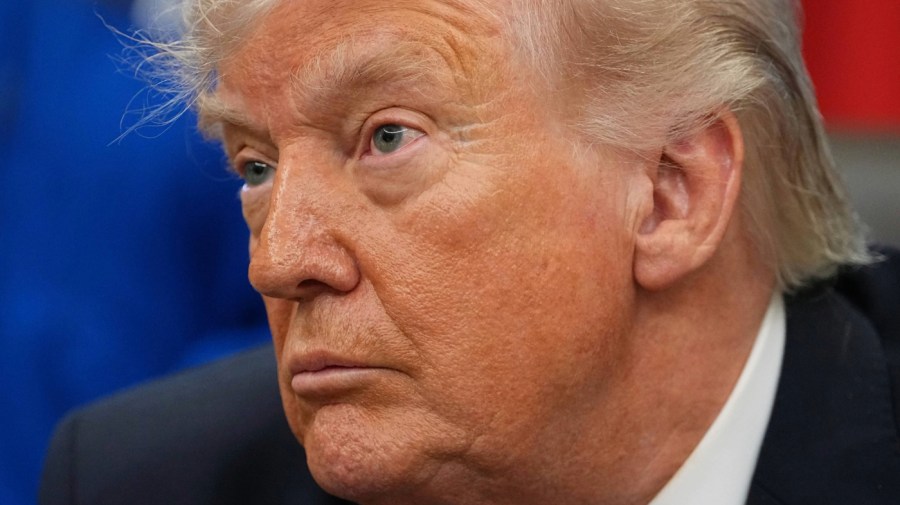
Trump Praises Magyar’s Future Potential, Slightly Cuts Distance from Orbán – Europe Live

In a remarkable turn of events, Hungary’s new leadership under Péter Magyar has signaled a decisive break from the legacy of Viktor Orbán, causing ripples across European geopolitics. Following Hungary’s recent elections, Magyar, representing the opposition Tisza party, has finalized plans to swiftly establish a new government by mid-May. This transition marks a significant departure from Orbán’s long-standing rule, with Magyar emphasizing the importance of “restoring the rule of law” and rehabilitating Hungary’s fractured relationship with the European Union (EU), which had been riddled with recurrent conflicts over legal standards and funding compliance.

One of the earliest steps announced by Magyar involves a pivotal overhaul of Hungary’s state-controlled media landscape. In a move aimed at dismantling years of government propaganda, Magyar openly declared intentions to suspend the ongoing news broadcasts of state media outlets like Kossuth Rádió and M1 TV, promising a transition toward unbiased and transparent journalism. This ambitious attempt to restore media independence echoes broader efforts often championed by Western democracies to strengthen societal trust and institutional integrity. International observers, including prominent analysts and watchdogs, view this as a deliberate effort to dismantle media propaganda under Orbán’s regime, potentially setting a precedent across the region.

Meanwhile, the European Union’s stance appears cautiously optimistic. The EU’s defense commissioner, Andrius Kubilius, indicated that a “new wind is blowing” in Hungary, expressing readiness to implement a significant €80 billion loan to Ukraine, contingent on Hungary removing its veto—which has delayed a €90 billion aid package for Kyiv. Magyar’s government hints at concessions, stating it would drop the veto as long as Hungary retains its opt-out clause and is not required to contribute to the loan, as previously agreed with Orbán’s administration. This demonstrates Hungary’s strategic leverage and its ongoing negotiation on the terms of EU funding, which remains a focal point of contention.

Domestically, Magyar’s approach signals a period of internal upheaval, with plans to replace the outgoing president, Tamás Sulyok, seen as a symbol of Orbán’s authoritarian tendencies. Magyar declared that Sulyok was “unworthy of representing the unity of the Hungarian nation” and suggested he should step down or could be forcibly removed. This internal power struggle underscores the broader aim of Magyar’s coalition to reshape Hungary’s political and media institutions fundamentally, pushing towards a more democratic and rule-of-law oriented governance model.

As history continues to unfold, the implications are profound. The emergence of a government promising transparency and media reforms, coupled with Hungary’s cautious engagement with the EU, presents a pivotal moment for Central Europe. This is a story not merely of political transition but of a nation potentially rewriting its identity amidst forces seeking to redefine the balance of sovereignty and integration in Europe. Such choices will reverberate beyond Hungary’s borders, challenging longstanding alliances, and testing the global community’s resolve to uphold democratic principles amid shifting geopolitical tides. The world watches with bated breath as Hungary’s future, teetering on the brink of reform or retreat, writes the next chapter in the history of freedom and sovereignty.

Social Media Auto Publish Powered By : XYZScripts.com