Matox News

Truth Over Trends, always!

Former House Speaker Warns Greene’s Departure Signals GOP Warning Sign for Future Success

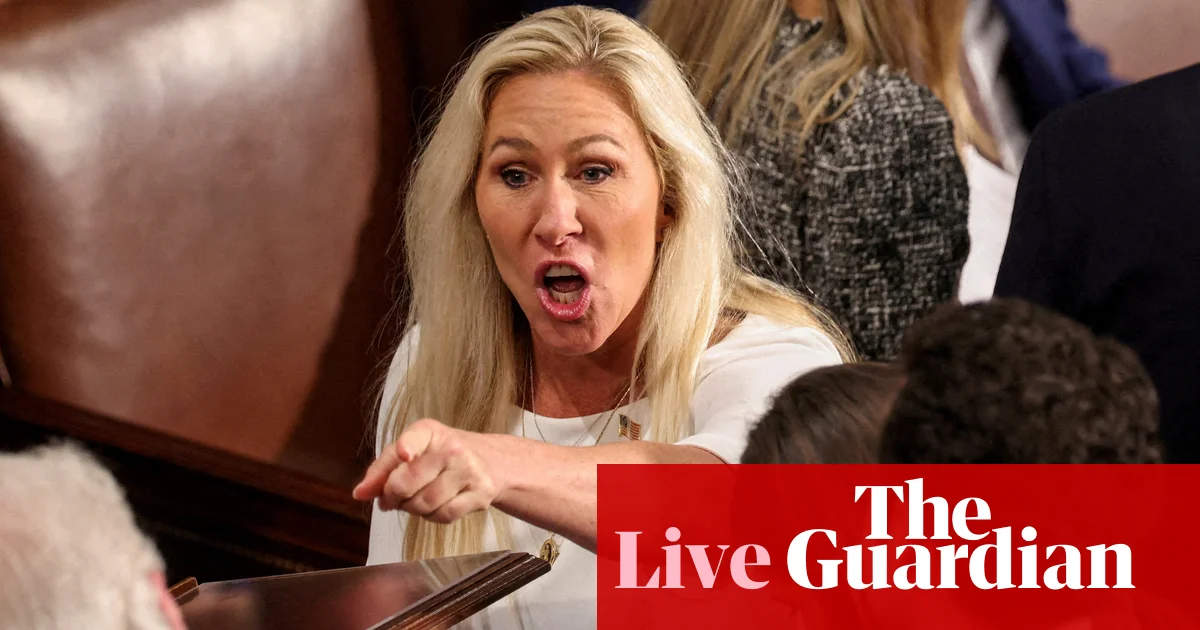
The recent upheavals on Capitol Hill and the evolving international diplomacy around the Ukraine conflict underscore a tumultuous chapter in U.S. and global geopolitics. As Marjorie Taylor Greene abruptly resigned from her congressional seat, analysts highlight this as a critical indicator—an emblem of the escalating internal crises within the GOP. Her departure signals a broader pattern of instability, with over twenty-two House Republicans already announcing retirements or plans to forgo re-election next year. Such mass withdrawals depict a party on the brink, fractured by internal divisions and teetering amidst impending electoral battles, which could fundamentally reshape America’s political landscape.

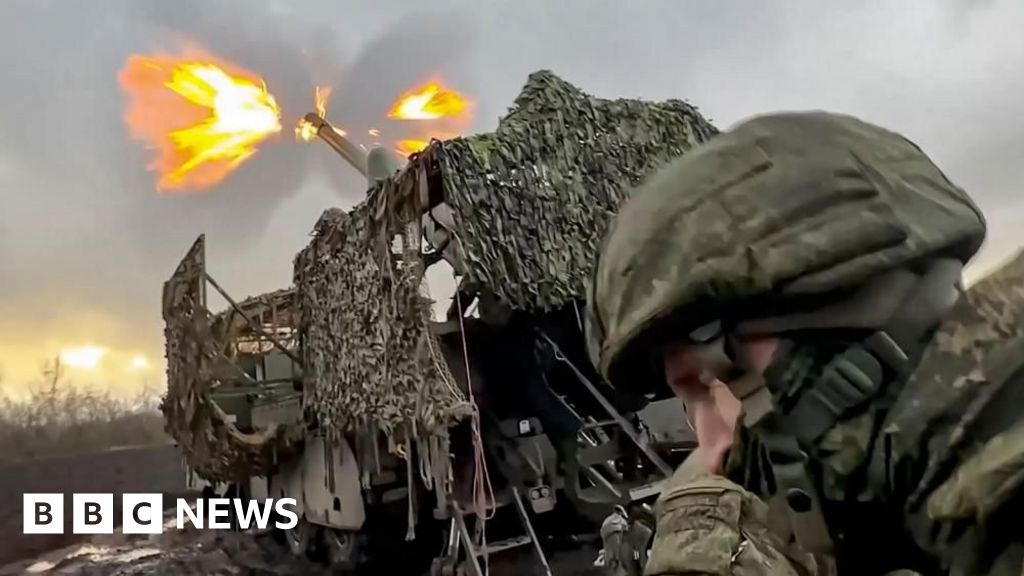
Beyond domestic upheavals, the international chessboard remains equally volatile. The Kremlin has confirmed that Steve Witkoff will return to Moscow next week, hinting at renewed efforts to broker peace in Ukraine. This follows reports of a leaked recording in which Witkoff advised Russia’s Yuri Ushakov on how to pitch a peace deal to Donald Trump. The recording reveals a hands-on diplomatic approach—one that many experts interpret as a testament to the fragile and complex negotiations underway. Furthermore, the US has rolled out a markedly concessionary peace plan, aimed at appeasing Russia and European stakeholders, but it risks further entrenching divisions, especially if those compromises undermine Ukrainian sovereignty.

The geopolitical impact of these intertwined developments is profound.

  • On one side, the U.S. appears to be shifting towards a more pragmatic, yet controversial stance, risking accusations of appeasement amid its support for Ukraine.
  • On the other, Russia’s diplomatic overtures—guided by a perceived desire to leverage the US’s internal discord—highlight Moscow’s strategic patience and its ongoing ambitions to weaken Western unity.
  • Within America, the Republican Party’s internal turmoil and leadership struggles threaten to weaken the United States’ global influence, particularly just as adversaries like China and Russia recalibrate their own geopolitical strategies.

International organizations and military analysts warn that decisions made in these critical moments will resonate through history, shaping the future of Western dominance and extending the shadows of conflict into the coming decades. As experts like prominent historians observe, the current period bears the hallmarks of a historic turning point—one where internal discord, diplomatic machinations, and strategic negotiations collide with unpredictable outcomes. The choices of today could either solidify a new era of resilience or usher in a perilous downslide into escalating conflict and chaos.

Indeed, as history unfurls its latest chapter, one cannot help but consider the weight of the decisions being made—in Capitol Hill, in Moscow, and amidst the Kremlin’s corridors of power. The tipping point may be just beyond the horizon, and the next move in this high-stakes game will determine the course of the world’s future, leaving us all to wonder: in this new epoch of geopolitical upheaval, what will be written into the annals of history, and what will be swept aside in the relentless tide of change? The stakes are clear—they are nothing less than the destiny of nations and the legacy we leave behind.

Mumbai Families Fret as Data Centres Keep the City Burning Coal—A Tech Crisis for Our Youthful Future

In the bustling streets of Mumbai’s Mahul district, a stark reality unfolds. Kiran Kasbe, a 36-year-old rickshaw driver, navigates through streets lined with produce stalls and choking smog-filled air. This thriving, yet heavily polluted neighborhood exemplifies the complex intersection of urban growth and environmental degradation. Mahul’s residents face serious health challenges—Kasbe’s own mother, who arrived there after her home was demolished, was diagnosed with brain cancer amidst polluted surroundings. Such stories reflect a broader narrative of how economic development often brushes up against the imperative to preserve public health and sustainability.

Meanwhile, India’s rapid push to transform its economy into a global hub for artificial intelligence is fueling an unprecedented data centre boom, especially in mega-cities like Mumbai. Leaked records show that Amazon, one of the world’s largest data centre operators, used 16 facilities within Mumbai alone in 2023—a significant increase from the three zones they publicly acknowledge. This acceleration highlights a broader trend: as digital infrastructure expands, so does the demand for energy. Critics like Bhaskar Chakravorti of the Fletcher School warn that this surge is pushing India’s commitment to a green transition to the brink. The paradox is evident. Tech giants attract applause for green energy claims, yet the reality signals a clash with climate goals—amplified by the exponential growth of datacentres requiring monstrous energy inputs that often rely on polluting energy sources.

Specifically, the rapid expansion of datacentres—most notably those operated by Amazon—has resulted in a paradoxical situation in Mumbai. Sources estimate that Amazon’s 2023 datacentre operations consumed enough electricity to power over 400,000 households annually, with forecasts indicating that such centres could command a **third of the city’s energy** by 2030. In this pursuit of digital dominance, the region’s existing energy infrastructure—comprised of Tata’s coal plants and Adani’s power stations—has been extended well beyond their planned shutdown dates, citing increasing demand from these very datacentres. Yet, this reliance on fossil fuels has transformed parts of Mahul into what local residents call a “toxic hell,” plagued by air pollution, chemical factories, and environmental neglect. Diesel generators powering these datacentres further exacerbate the crisis, making air quality even worse and threatening public health—especially for those living in proximity to these high-energy facilities.

  • Prioritize understanding the true environmental cost behind digital infrastructure
  • Support policies that incentivize renewable energy for urban tech developments
  • Encourage tech giants to adopt more transparent sustainability practices
  • Recognize that economic growth should harmonize with public health and environmental stewardship

As cities like Mumbai grapple with the tension between rapid technological progress and environmental sustainability, it becomes clear that the path forward is as much about redefining growth as it is about innovation. India’s story embodies a larger truth that resonates beyond its borders: true progress entails a balanced embrace of technology and wellness, ensuring that the pursuit of prosperity does not come at the expense of public health or ecological integrity. For today’s youth—ambitious, aware, and ready to lead—the challenge lies in advocating for a vision where lifestyle and sustainability are not mutually exclusive but are woven together into a collective journey of responsible development. As history reminds us, society’s greatest achievements are those that uplift the wellbeing of its people today while safeguarding the world for generations to come.

Oxfordshire Schools Step Up to Support More SEND Students, Shaping a Stronger Future for All

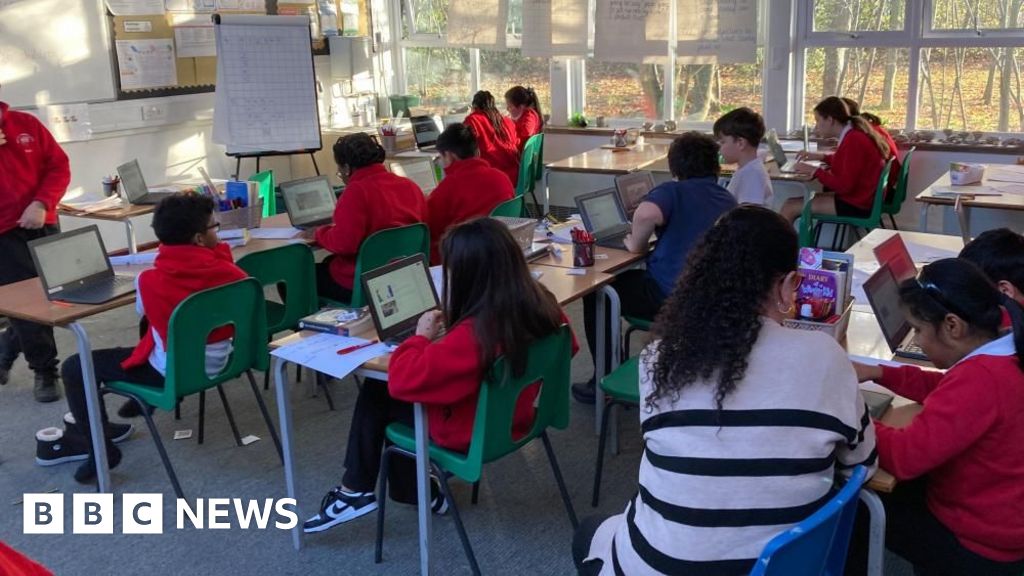
Across communities in the UK, a growing crisis in special educational needs and disabilities (SEND) support threatens to undermine the very fabric of inclusive education. As local authorities grapple with ballooning costs and a demographic shift towards greater demand for specialized care, families face the stark reality of limited resources and uncertain futures. Oxfordshire County Council exemplifies this trend, with a forecasted £153 million high needs funding deficit next year. To address this, the council is pioneering efforts to bring children with SEND into mainstream schools, aiming to reduce reliance on expensive private institutions, which can cost up to £64,000 annually per child.

But such solutions are far from simple. The financial pressures extend beyond just funding, affecting families, educators, and entire communities. As Oxfordshire seeks to expand its mainstream support, it faces the challenge of not only increasing funding but also fostering effective leadership and inclusive practices within schools. Paul James, chief executive of the River Learning Trust, emphasizes that creating truly inclusive environments requires more than policy adjustments; it demands ambitious, well-led teaching backed by adequate financial support. Without this, schools are compelled to make difficult cuts—reducing staff, resources, and enrichment activities—compromising the quality of education for all students, particularly those with complex needs.

  • Research by sociologists such as Hannah Arendt warns that without social support and equitable funding, the marginalized—like children with SEND—risk being pushed further into social isolation.
  • Historically, public education systems have reflected societal values; increasingly, the neglect of SEND funding signals that society’s priorities may be shifting away from inclusive justice.
  • Local authorities are calling for clear government strategies to address mounting debts, as the current funding model, approved and kept off councils’ books, leaves communities vulnerable to fiscal crises and potential bankruptcy, which would have devastating ripple effects through local families and services.

Social issues surrounding SEND support profoundly influence families’ stability, educational equity, and community cohesion. As costs escalate—highlighted by the fact that mainstream school support costs around £10,000 per child annually—families find themselves caught between inadequate systemic support and the relentless demand for specialized care, further emphasizing the urgent need for reform. The societal implications go beyond economics; they are a moral question about the human right to equitable education and the societal obligation to nurture every child’s potential. As social commentator Michael Sandel argues, our collective moral core is tested in how we prioritize vulnerable populations; neglecting these needs erodes the fundamental bonds that hold society together.

Yet, amidst these daunting challenges, glimmers of hope emerge. Communities, educators, and policymakers recognize that collaborative, well-funded leadership is essential for meaningful change. With plans to add 340 specialized school places and reduce dependency on private alternatives, local authorities are aiming to rebuild a system rooted in fairness and accessibility. Leaders like Paul James insist that “children only get one go” at their education, and it is a moral imperative that society commits to supporting them fully. Ultimately, society’s capacity for resilience and reform will determine whether we can transform these challenges into opportunities—building a future where families, education, and communities thrive together in the embrace of genuine inclusion.

As society stands at this crossroads, the question remains: can our collective resolve turn the tide of neglect into a wave of hope and transformation? The future of our children—the very essence of society’s moral health—depends on the answer we choose to write today.

Rubio praises significant gains in Ukraine peace talks for a stronger future

The recent developments in the ongoing Russia-Ukraine conflict indicate a pivotal chapter in international diplomacy, with the United States and its allies pushing forward a proposed peace framework amidst complex negotiations. According to Secretary of State Marco Rubio, significant progress has been made toward finalizing a deal, as the diplomatic focus shifts toward securing an agreement that could redefine the geopolitical landscape in Eastern Europe. These negotiations, held in Geneva, Switzerland, signal a delicate dance between diplomatic concessions and strategic interests, illustrating how core international decisions now hinge on the outcome of a handful of key issues. Washington’s pursuit of a peace plan—drafted to include troop withdrawals, border demarcations, and security guarantees—demonstrates a cautious but determined effort to reassert influence over the region, and perhaps, to contain Russia’s expanding footprint.

At the forefront of these negotiations lies the US draft plan, which aims to freeze Ukraine’s borders and impose limits on its military capacity. The proposal’s highly contentious element is Kyiv’s pledge to abstain from pursuing NATO membership—an announcement that has generated unrest both within Ukraine and among its Western partners. Many analysts interpret this as a strategic capitulation that risks undermining Ukraine’s sovereignty, while Russia views it as a critical buffer to prevent NATO’s eastward expansion. The plan also advocates for Russia’s reintegration into the global economy, including the lifting of sanctions and re-admission to the G7, signaling a fundamental shift in how the West approaches Moscow’s reintegration—an approach that has broad implications for global power balances. According to respected international relations experts, such strategies could either stabilize a fragile region or serve as a prelude to further geopolitical maneuvering, depending on how these agreements are enforced and respected.

Meanwhile, Ukrainian President Volodymyr Zelensky has expressed cautious optimism, emphasizing that signals from the US administration suggest the possibility of reaching an understanding. Yet, the underlying tensions remain palpable—Ukraine faces the dilemma of either accepting what many see as a compromised sovereignty or risking further losses to Russian forces. The leaked proposals, seen as favoring Moscow by some European nations such as the UK, France, and Germany, have stoked fears of a eroded Ukrainian dignity and a turning point in national sovereignty. The significance of these negotiations extends beyond Ukraine’s borders, as the potential for a broader realignment of alliances looms. Leaders and historians warn that the decisions made in Geneva could set a precedent, influencing regional stability and the future of NATO—possibly reimagining Europe’s security architecture for generations to come.

As international players grapple with these complex and sensitive negotiations, the geopolitical impact becomes increasingly evident: the outcome may either contain Russia’s ambitions or embolden it to pursue further advances. The stakes involve not only territorial control but also the very principles of sovereignty, security guarantees, and economic reintegration. The tense atmosphere underscores a critical warning that *the geopolitical chessboard remains perilously fragile*, and the decisions taken now will echo through history. With time running out—marked by President Trump’s ultimatum of Thursday for Kyiv to accept the proposals—the world watches with bated breath. The unfolding story of these negotiations is more than a diplomatic whisper; it is a clash of visions which, whether resolved peacefully or driven by conflict, will carve a new chapter in the ongoing saga of global power struggles. The question remains: will this be the dawn of a new era of cooperation or the prelude to a deeper, more enduring confrontation? Only time will reveal those critical answers.

Private Funding for NHS Infrastructure: A Step Forward for Our Future

The True Cost of Privatization: How Social Divides Threaten Our Healthcare and Our Future

In the midst of ongoing debates about funding the National Health Service (NHS), a shadow looms—one that threatens to further fracture the social fabric of our communities. The proposal to tap into private capital for building neighborhood health centers, endorsed by Wes Streeting and some Labour voices, risks transforming our healthcare system into a profit-driven enterprise. This shift echoes a troubling trend observed across society: the encroaching influence of market forces on traditionally public services, often to the detriment of the most vulnerable.

Critics—including seasoned sociologists such as Michael Sandel—highlight that inviting private investment into public health exacerbates inequality. When health services become entangled with private finance initiatives (PFIs), we see hospitals burdened with debt that diverts vital resources away from patients and towards repayment costs. Research has shown that some trusts end up paying more in debt repayments than they spend on medicines for their patients, illustrating how financial debt overrides the fundamental moral obligation of care. This debt cycle results in crumbling infrastructure and overcrowding, challenges that primarily afflict working-class communities and those already marginalized. A society that allows its most basic human needs to be driven by profit risks turning healthcare into a commodity, deepening societal divisions.

Alternative solutions are within reach, but political will is required. Reclaiming public funds is one path forward. Governments have proven that they can recover wasted funds through measures such as clawing back money lost to failed Covid contracts, and investing directly in local community projects. The NHS Lift program, with its model of public-private cooperation, successfully built hundreds of health centers in deprived areas—proof that public investment can deliver necessary infrastructure without shackling the system with debt. Additionally, introducing measures like VAT on private healthcare, a policy supported by figures like Neil Kinnock, could generate billions of pounds to reinvest directly into public services, ensuring that families and communities have access to quality care without being pushed into financial hardship.

Ultimately, society faces a choice: continue down a path of privatization and everyday sacrifice, or champion a model rooted in equity and community resilience. As historian Eric Hobsbawm once noted, societal progress hinges not merely on economic growth but on cultivating social cohesion through just resource distribution. The challenge lies in dismantling the narratives that prioritize short-term fiscal gains over long-term human welfare. Society’s strength resides in its families, its educational institutions, and its local communities. To build a resilient future, society must choose policies that uphold these pillars, recognizing that healthcare is a moral right—a shared responsibility that transcends profit margins. As the shadows of social division lengthen, the hope remains: that through collective resolve, society can forge a future where the health of one is the health of all, and where societal transformation begins with safeguarding the dignity of everyday life.”

Next Gen Stars Shine in Latest Youth Sports Showcase: Future of Athletics Unveiled!

Week 12: A Throwback Week in the NFL

As Week 12 of the NFL season unfolds, it has become evident that nostalgia is leading the charge in the league. Fans are treated to a series of exciting matchups reminiscent of classic games, and key players are stepping up to showcase their talent. The spotlight is on traditional powerhouses and underdogs alike, creating a captivating atmosphere filled with enthusiasm.

Highlighting this Week 12 resurgence is the impressive performance of the Green Bay Packers against the Chicago Bears. The historical rivalry reignited as the Packers secured a last-minute victory with a stunning touchdown that sent the Lambeau Field crowd into a frenzy. Quarterback Aaron Rodgers showed that experience and skill still reign supreme, throwing for over 300 yards and two touchdowns. As commentator and former player Tony Romo remarked, “This is what football is all about—intensity, skill, and a deep-rooted tradition.”

Other memorable moments from this week include the ongoing emergence of rookie sensations. The New England Patriots managed a narrow win against the Miami Dolphins, largely due to the electrifying performance of rookie running back James Cook, who rushed for over 150 yards. An analyst from ESPN noted, “Young players like Cook are reshaping the future of the NFL, bringing excitement and freshness to the game.”

When analyzing the match highlights, three key takeaways stand out:

  • Pittsburgh Steelers defense proved formidable against the Cleveland Browns, recording several crucial interceptions.
  • The Kansas City Chiefs displayed their offensive prowess by outscoring the Los Angeles Chargers in a thrilling shootout.
  • Rivalries intensified, as every game showcased the depth of competition and the relentless spirit of teams vying for playoff spots.

As this season reaches its climax, one thing is abundantly clear—sports transcend mere competition. Week 12 serves as a reminder that these battles unite fans and players, intertwining community and passion. The roar of the crowd, the strategic coaching decisions, and the sheer willpower of athletes inspire hope and camaraderie. In a world often divided, football continues to be a universal language that brings people together—not just for the love of the game, but for the stories, dreams, and unyielding desire to succeed that sports represent.

Source link

Young Stars Shine as Future of Sports Takes Center Stage

J.J. McCarthy’s Journey: Finding Consistency in the NFL

The Minnesota Vikings are back in the spotlight as they aim to sharpen their performance for the upcoming season. Central to their plans is quarterback J.J. McCarthy, who is determined to elevate his game and find the consistency that eluded him last year. In a recent interview, McCarthy described his current state as a “cork about to come off a bottle,” signaling his readiness to unleash his full potential on the field.

His commitment to refining his mechanics is commendable. As he reflects on his journey, McCarthy emphasizes the importance of staying grounded. “Each day is about improvement,” he stated, showcasing his dedication not only to himself but to his teammates as well. This determination comes at a crucial juncture for the Vikings as they strive for a competitive edge in a tough division.

Key to McCarthy’s progress is the coaching prowess of head coach Kevin O’Connell, who has built a reputation for cultivating young talent. Commentators like Chris Collinsworth have noted the impressive adjustments O’Connell has made, which have led to a more dynamic team offensive. Under their guidance, the Vikings are aiming to transform McCarthy’s potential into measured results. The coaching staff is pushing for a focus on fundamentals, which they believe will pay dividends in game situations.

  • J.J. McCarthy is working on rebuilding his mechanics to enhance performance.
  • Coach Kevin O’Connell plays a pivotal role in developing McCarthy’s skillset.
  • Commentator Chris Collinsworth highlighted the transformational strategies being implemented.

As the Vikings gear up for the season, the quest for consistency represents more than just a personal battle for McCarthy; it encapsulates the essence of what sports embody. In a world often divided, the commitment to unified effort on the field transcends individual records, serving as a reminder that victory is sweeter when shared among teammates and fans alike. The hope for the Vikings lies in the idea that each game—each play—can forge bonds that stand the test of time, symbolizing the heart of competition and camaraderie. With every snap, J.J. McCarthy may just be the key to igniting that spirit as he readies himself for the challenges ahead.

Source link

Lula Urges Summit to End Reliance on Fossil Fuels—A Wake-Up Call for the Future

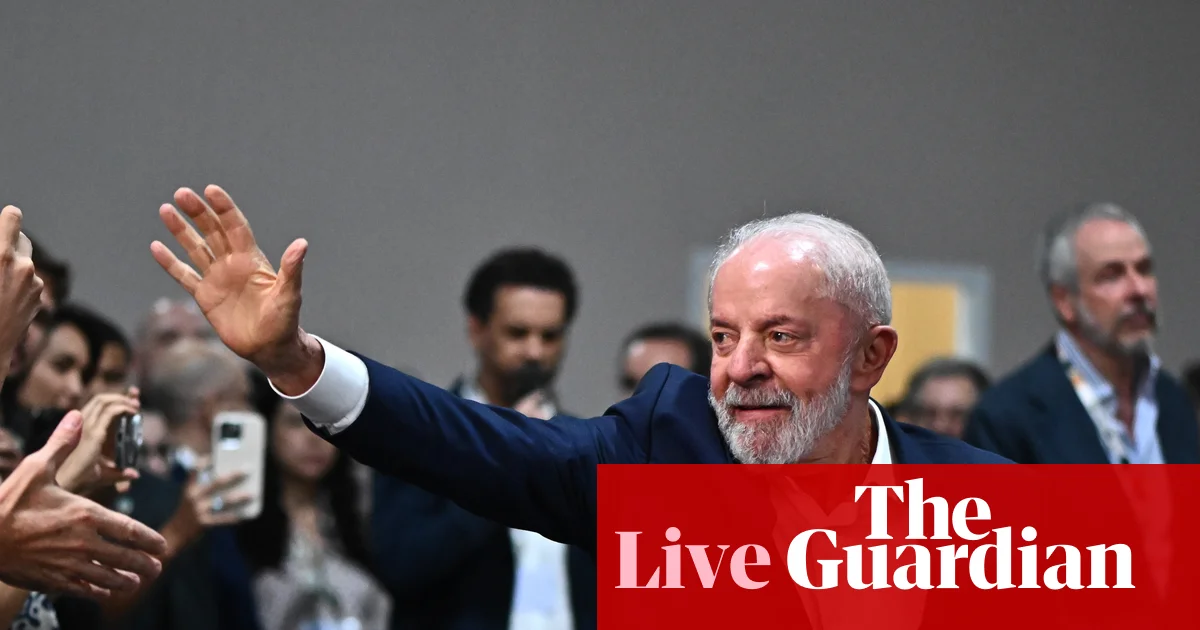
As the UN Climate Summit (COP30) reaches its climax in Belém, Brazil, the international community faces a pivotal moment that could determine the future trajectory of global climate policy. The summit, an arena where nations negotiate the delicate balance between environmental responsibility and sovereignty, is marked by intense debate and unresolved tensions over crucial issues such as climate finance, fossil fuel reduction, and trade measures. Despite claims from Brazilian President Luiz Inácio Lula da Silva that consensus will prevail, many analysts warn that the summit’s outcome may not deliver the decisive agreements needed to stave off the worst of climate catastrophe.

According to seasoned climate diplomats and expert commentators, this summit is more complex than previous years, featuring multiple negotiation tracks articulated in arcane acronyms and confidential drafts that leave many observers bewildered. Historically, late stages of COP negotiations tend to coalesce around key issues, but this year, the absence of clear resolutions on emissions reductions and financial commitments underscores the deep fissures among nations. The staging of high-level ministerial meetings, aimed at forging consensus, has not yet succeeded in producing the much-anticipated finalized text. The delay underscores the challenges of balancing global ambitions with political and economic realities.

President Lula’s comments earlier in the summit hint at a more flexible approach, emphasizing “building the way to live without fossil fuels” without imposing strict timelines on nations for their reduction efforts. His assertion that negotiations are rooted in respecting sovereignty and fostering consensus echoes the broader narrative of naively optimistic diplomacy. However, critics cite persistent disagreements over climate finance, especially concerning aid to vulnerable Pacific island nations and lesser-developed countries, which remain highly contentious. The core question remains: can the world’s political leadership overcome these divisions and agree on a clear roadmap to phase out fossil fuels? Many believe that without tangible commitments, the summit risks ending in mere rhetoric, leaving the pressing crisis unaddressed.

The ***geopolitical impact*** of the summit’s missed deadlines extends far beyond the conference halls in Brazil. As climate negotiations become a battleground for influence, nations like China, the United States, and European countries are under relentless scrutiny. Intergovernmental organizations, including the IPCC, continue to warn that the window of opportunity to limit global warming to manageable levels is closing rapidly. Broad concerns also persist about unilateral trade measures and financial obligations, which threaten to undermine collective efforts. The unfolding drama in Belém could set the precedent for future international cooperation or, conversely, fuel a fractured geopolitical landscape where climate action becomes a battleground for national interests rather than a collective effort to save the planet.

As the summit lurches toward its eventual conclusion, with many late-night negotiations on the horizon, the international community is left to ponder whether this gathering will mark a turning point or fade into the annals of missed opportunities. With the world watching and the weight of history bearing down, the words and decisions made in these final days will echo through generations to come. The looming question remains: **will humanity unite in time to forge a resilient, sustainable future, or are we witnesses to the last chapter of collective climate responsibility**? The unfolding narrative of COP30 continues to write itself—one of hope tested by discord, and of a planet’s fragile future hanging in the balance.

Our boy’s almost three—that’s progress and pride for our future.

Cracks in the Foundation: The Crisis of Childcare and Its Impact on Society

Across communities in the UK, a quiet yet alarming crisis is unfolding — the persistent decline of childcare providers. Families like Monika and Henry Byrne find themselves racing against time, only to face a sobering reality. After their son Leo turns three, they have just six weeks to secure a place in childcare, but many doors remain closed. Despite wielding full-time jobs, their struggle underscores a broader social issue: the shrinking pool of childminders. Official figures reveal a stark reality — the number of registered childminders has plummeted from nearly 48,000 in 2015 to just 26,000 in 2024, threatening the very fabric of accessible early childhood care.

This decline is not merely a statistic; it has profound repercussions on families, education, and communities. As sociologists like Francesca Castellani note, early childhood care is pivotal in shaping future social and educational outcomes. When families are denied affordable and reliable childcare, they are pushed into difficult choices, often sacrificing careers or delaying employment altogether. Judy Wylde, a seasoned childminder, describes a system in disarray — her 35 years of experience, which once allowed her to care for children like her grandson Louie for free, is now compromised by inadequate funding. The funding rate, she asserts, is “atrocious,” forcing her to work at a loss and preventing her from continuing her vital role. Such loss of long-standing community carers signifies more than economic failure; it erodes the social cohesion that bonds families, caregivers, and communities together.

Furthermore, the rising demand for childcare clashes with dwindling supply, forcing families into painful compromises. The government’s expansion of 30 hours of free childcare for children from nine months is a step forward, yet many childcare providers remain unable to meet the demand. Surveys by organizations like Coram PACEY reveal that hundreds of childminders are restricting or opting out of caring for older children, citing insufficient funding as the main obstacle.

  • Childminders work with unique staff-to-child ratios, making their work more flexible but also more costly.
  • Changes in regulations — like relaxed rules on working from community halls — aim to support providers, but many believe these measures do not go far enough.
  • The financial strain pushes small-scale caregivers to the brink, with some making dramatic decisions about whether to continue caring for children at all.

Such challenges signify deeper structural issues. As Hartmut Rosa emphasizes, a society’s social infrastructure — its early years care being a cornerstone — directly influences social stability. When that infrastructure begins to erode, families are left vulnerable, and societal resilience is threatened. The crisis also impacts individual human dignity; caregivers like Georgina Young, who makes gingerbread men with children she’s cared for since infancy, express frustration at working at a loss, feeling undervalued in a sector essential to societal health.

It is clear that reforms are still overdue — for fairer funding, for streamlined regulations, and for policies that recognize and uplift our frontline community carers. Without such measures, the societal cost will continue to grow, manifesting in fewer opportunities for families, compromised education for children, and weakened community bonds. But amidst this turbulent landscape, hope persists. With sustained effort, societal recognition, and moral clarity, society can rebuild its early childhood care system. It can restore the dignity of caregivers, bolster families’ stability, and nurture the future generation with the strength of unity and justice. Society’s challenge now is to remember that the foundation of a resilient, thriving nation rests on the youngest among us — and on our unwavering commitment to care for them from their very first days.

Future Stars Shine: Rising Talent Dominate Weekend Sports Showdown!

Qualification Concludes with Thrilling Moments and Promising Talents

As the qualification rounds wrap up, fans are left buzzing about the events that transpired. Teams have displayed not just skill, but also a passion that underlines why sports unite us all. The outcomes were more than mere wins and losses; they embodied the dedication of young athletes striving to make their mark. In a recent commentary segment, analysts emphasized the importance of these moments, saying, “This is where legends are born.”

The National Team, led by head coach John Smith, put on a stellar performance, securing their place in the upcoming championship with an emphatic victory over the Rival Team. Remarkably, they scored three goals within the first half, which fueled their momentum throughout the match. Player Michael Johnson was a standout, netting two goals and assisting in a third, proving he is a name to watch in the coming matches. Coach Smith praised his team in the post-game press conference, stating, “The energy was electric, and these young men know what is at stake.”

  • Key performance metrics: Johnson’s two goals and one assist were pivotal.
  • Defensive strategies: The National Team demonstrated an exceptionally tight defense, yielding only one goal.
  • Crowd engagement: Attendance surged, with fans rallying in support, making the venue feel like a home ground.

In contrast, the Underdog Team provided a valiant effort but fell short of qualification, losing to the Top Contender in a heart-wrenching match. Commentator Jane Doe highlighted the spirit of sportsmanship shown by the Underdog Team, stating, “Despite the score, their determination shone through, reminding us of why we love this game.” Both teams showcased athletic prowess and sportsmanship, emphasizing that it’s not merely about winning but connecting with fans and the community.

As qualification comes to a close, one thing remains clear: sports have the power to inspire unity and resilience, transcending the scoreboard. In a world often divided, the sheer thrill and camaraderie found in competitive sports remind us that we are all part of a greater story. Whether it’s a thrilling finish or a hard-fought battle, the essence of the game lies in its ability to bring people together, igniting a passion that fuels not just athletes, but entire communities.

Source link

Social Media Auto Publish Powered By : XYZScripts.com