Matox News

Truth Over Trends, always!

£800m to Fix Failing NI Schools and Secure Our Future Millennials

Social Crisis in Northern Ireland Schools: Foundations of Future Society at Risk

Amid the echoes of faded chalkboards and crumbling brickwork lies a stark reality: the state of Northern Ireland’s educational infrastructure reflects deeper societal failures. Many schools across the region are caught in a cycle of neglect, characterized by a backlog of maintenance estimated at between £600m and £800m. This crisis is not merely structural but fundamentally impacts families, communities, and the very fabric of future generations. As sociologists like Charles Murray have argued, the environments in which children grow significantly influence their capacity to thrive, yet the systemic disrepair and poor management threaten to erode these foundations.

A damning report from Stormont’s Public Accounts Committee (PAC) paints a picture of systemic failure, with many children and teachers working amidst overcrowded, poorly heated, and dilapidated structures. Many educational institutions are now in a state of deferred maintenance—an issue that compromises safety and educational quality, and that critics consider an ethically unacceptable neglect of societal duty. The report highlights a reactive approach to infrastructure management rather than a comprehensive, forward-looking plan, leading to conditions where learning environments become a battleground for survival rather than a sanctuary for growth. Such neglect disproportionately affects families in less affluent communities, deepening the cycle of poverty and social exclusion that has persisted for decades, according to social historians like E.P. Thompson.

School heads, such as Emma Quinn of Rathcoole Primary School, describe their days as dominated by “chasing works,” reporting leaks, and fixing broken windows”. The frustration is palpable—their schools are described as “simply not fit for purpose,” with students enduring inadequate heating, leaky roofs, and crumbling infrastructure. These conditions, while seemingly physical, strike at the moral heart of society’s obligation to safeguard its youngest members. The disparities in funding and maintenance are especially severe for schools serving disadvantaged communities, emphasizing how socio-economic divides are entrenched within educational environments.

What Can Be Done?

  • The Department of Education (DE) and Education Authority (EA) are urged to implement a clear and sustainable management strategy with regular condition surveys and monthly maintenance planning.
  • Swift action on urgent repair backlogs, especially in classrooms where improper heating and hazardous environments threaten the health and morale of students and staff alike.
  • Broader investment is necessary, with officials like Education Minister Paul Givan calling for cross-party support to secure funding for infrastructure improvements and to address soaring costs in special educational needs provision—a sector that has seen an 850% increase in emergency placements over six years.

As society’s sociologists have pointed out, these issues extend beyond bricks and mortar—they threaten the social cohesion and moral fabric of communities. The prolonged neglect signals a failure of governance and resource allocation that, if left unaddressed, could erode trust and social mobility for generations. Yet, amidst this grim landscape, hope persists in the realization that intentional societal change—prioritized investments, strategic planning, and community engagement—can reverse these trends. In the end, society’s strength lies in its commitment to its children and the collective responsibility to build nurturing environments. Society must reflect deeply on these social wounds, for without immediate action, the very future of the next generation remains in jeopardy—an unspoken legacy of societal neglect that demands urgent redress.

Marvel Unveils Exciting New Shows at NYCC—Get Ready for the Future of Marvel!

Marvel Sets Sights on the Future: A New Era of Innovation and Industry Disruption

The entertainment giant Marvel Studios continues to redefine the landscape of digital storytelling, signaling a shift that extends beyond traditional media into a new frontier of technological disruption. With recent announcements at the New York Comic Con, Marvel unveiled an ambitious pipeline of upcoming series, hinting at a strategic focus on innovation that could set new standards for the industry. While specific release dates remain elusive, the broad timelines and thematic previews underscore a decisive move to harness cutting-edge visuals and narrative techniques, aimed at captivating the increasingly digital-native youth demographic.

Strategic Streaming Expansion and Technological Innovation

Marvel’s upcoming slate includes sequels and new installments for acclaimed titles such as Wonder Man, Your Friendly Neighborhood Spider-Man (season two), X-Men ‘97, Daredevil: Born Again, and VisionQuest. These IP expansions indicate a masterclass in leveraging existing brands for immersive storytelling, but they also reflect a broader industry trend: the convergence of entertainment and advanced technology. Notably, the inclusion of innovative storytelling elements—like the “black, oozy substance” in Spider-Man’s next chapter—hints at advanced CGI and visual effects that push the envelope of digital display capabilities.

  • Enhanced CGI technology elevates character realism and special effects, engaging youth audiences used to high-quality, interactive media.
  • Integration of virtual production techniques allows faster, cost-effective content creation without sacrificing visual fidelity.
  • Interactive storytelling, potentially leveraging AR/VR, could redefine viewer engagement and open up new monetization avenues.

This push towards technological innovation underscores Marvel’s strategic goal: creating a digitally immersive universe that outpaces competing platforms and captures the next generation’s preferences. Gartner’s latest industry reports highlight that media companies adopting **AR/VR** and **AI-powered content generation** are gaining competitive advantages — an approach Marvel seems poised to champion.

Disruption in Industry Norms & Business Implications

The move to target younger viewers with complex narratives and high-tech visual effects signals a disruption of traditional television and streaming formats. Industry analysts, including MIT Media Lab researchers, assert that “the next decade will be defined by seamless, immersive experiences that blur the lines between gaming, streaming, and virtual worlds.” Marvel’s renewed focus on serialized storytelling with rich visual storytelling not only aims to distinguish its content but also threatens established distribution models, prompting competitors to accelerate their own innovation efforts.

Furthermore, the renewed emphasis on legacy IP with updated narratives — such as the return of Jessica Jones in Daredevil: Born Again — reinforces the importance of deep content libraries. However, the industry’s broader shift toward fast-paced, technologically integrated productions suggests hurdles for traditional broadcasters still reliant on static content. The implications are clear: **business models must adapt rapidly** to leverage new technology, or risk obsolescence in an increasingly competitive, digitally-driven landscape.

The Road Ahead: Innovation as a Catalyst for Industry Transformation

As industry leaders like Elon Musk and Peter Thiel emphasize, *disruption* often accompanies rapid technological evolution. Marvel’s latest announcements serve as a bellwether for the industry: the future belongs to those who innovate at the intersection of storytelling, technology, and market agility. With groundbreaking advancements in CGI, virtual production, and audience engagement strategies, Marvel is positioning itself as a pioneer of the next media revolution. It is imperative for media enterprises, creators, and investors alike to recognize that **the next wave of success hinges on technological mastery and disruptive innovation**.

In a landscape where consumer preferences evolve at lightning speed, the urgency for strategic realignment cannot be overstated. Marvel’s integrated approach demonstrates a clear roadmap — one where innovation fuels growth, disruption redefines boundaries, and the industry as a whole must accelerate to stay ahead of the curve. The question is no longer whether technology will transform entertainment, but how swiftly and profoundly this transformation will reshape the future of media consumption.

Microplastics in our bodies: a hidden threat to our health and future generations

Microplastics and Society: A Hidden Crisis in Our Communities

In recent years, a startling discovery has emerged revealing microplastics—tiny particles less than 5mm in size—are present in almost every corner of our environment and inside the human body itself. From bloodstreams to placentas, lungs to brains, the pervasive reach of these minuscule plastics has sparked a social reckoning about the impact on families, education, and communities. According to leading scientists and sociologists, the widespread infiltration of microplastics is not just an environmental concern but a deeply social issue that threatens the very fabric of our society and the health of future generations.

It is now understood that microplastics shed from everyday items such as packaging, clothing, cosmetics, and even vehicle tires, infiltrate our bodies, often unnoticed. Recent studies suggest that our tissues—especially our blood and vital organs—may be full of these particles, which could have serious implications for public health. Dr. Jaime Ross, a neuroscientist, highlights that experiments with mice have already shown behavioral changes indicative of neurological stress, raising questions about long-term consequences for humans. Reflection on sociological theories by thinkers like Ulrich Beck, who warned about the “risk society,” reveals that these unseen hazards are testing our collective resilience and prompting an urgent cultural shift toward increased consumer awareness and lifestyle modification.

These environmental and biological revelations profoundly impact families, schools, and vulnerable populations. The rise of microplastic exposure coincides with the increasing prevalence of synthetic materials in everyday life, from children’s clothing to household products. Such exposure disproportionately affects communities with limited access to safer alternatives, which raises moral questions about equity and social responsibility. As sociologist Michael Kearns argues, the challenge is not just scientific, but moral: society must decide how to protect its most vulnerable from an invisible threat that knows no prejudice. The societal infrastructure—healthcare systems, public policy, educational programs—must adapt to address these hidden risks, with a focus on preventative measures and community education.

While the task is daunting, emerging solutions point toward systemic change.

  • Promoting the use of glass and stainless steel over plastic in households and schools
  • Implementing stricter regulations on microplastic emissions from industries and vehicles
  • Incorporating education about microplastics into school curricula to foster awareness among youth
  • Supporting scientific research to better understand the biological effects of microplastics and identify vulnerable populations

Despite the considerable gaps in current knowledge, many communities and individuals are beginning to act—reconsidering daily habits, reducing plastic use, and advocating for policy changes. The story of society’s response to microplastics is still unfolding, and with thoughtful engagement, it holds the possibility of transforming our relationship with consumption and environmental stewardship. As the sociologist David Harvey reminds us, societal change is often driven by the recognition of injustice—perhaps this pervasive plastic affliction can serve as that catalyst for a more conscientious, resilient future where health and community well-being are safeguarded from unseen threats. Only by confronting the microcosm can we hope to heal the macrocosm of society.

Rising Stars Shine: Young Athletes Redefine the Future of Sports

Falcons Face Bills Without Mooney: An Injury Blow Ahead of Monday Night Football

As the Atlanta Falcons prepare for their highly anticipated match against the Buffalo Bills on Monday Night Football, they will have to adjust their game plan considerably. The team confirmed that wide receiver Darnell Mooney has been ruled out due to a lingering hamstring injury. This news comes as a significant setback for the Falcons as Mooney has emerged as a key player in their aerial attack.

Mooney’s absence could reshape the dynamics of the game. With the season’s intensity ramping up, the Falcons’ head coach Arthur Smith must find creative ways to offset the impact of losing one of his top targets. Mooney has not only shown his ability to stretch the field but also to make crucial plays that change the momentum of a game. As highlighted by commentator Mike Tirico, “Without Mooney, teams will likely focus their coverage on other receiving threats, making it harder for the Falcons to find advantageous matchups.”

  • Darnell Mooney, ruled out for Monday’s game against the Bills due to a hamstring injury.
  • Mooney ranks among the top second-year receivers in receiving yards this season.
  • Coach Arthur Smith must find innovative solutions to fill the gap in Mooney’s absence.

The injury to Mooney is undeniably disappointing for Falcons fans. However, sports have a way of showcasing resilience and unity, especially in tough circumstances. Players must now step into elevated roles, with backup receivers gaining the spotlight. Veterans like Drake London and Kyle Pitts will need to shoulder the bulk of the responsibility, setting the stage for a gripping showdown in prime time.

As the Falcons take the field against the Bills, both teams will not just contend for a win, but they will also engage in a spirit of competition that transcends statistics. This game serves as a reminder that in the world of sports, every challenge presents an opportunity for growth and camaraderie. With each snap of the ball, fans will witness a powerful testament to teamwork and determination, crystallizing the idea that sports have the innate ability to unite people, regardless of the final score.

Source link

Campus jobs vanish as financial crisis hits youth future

Society at a Crossroads: The Human Cost of Higher Education Budget Cuts

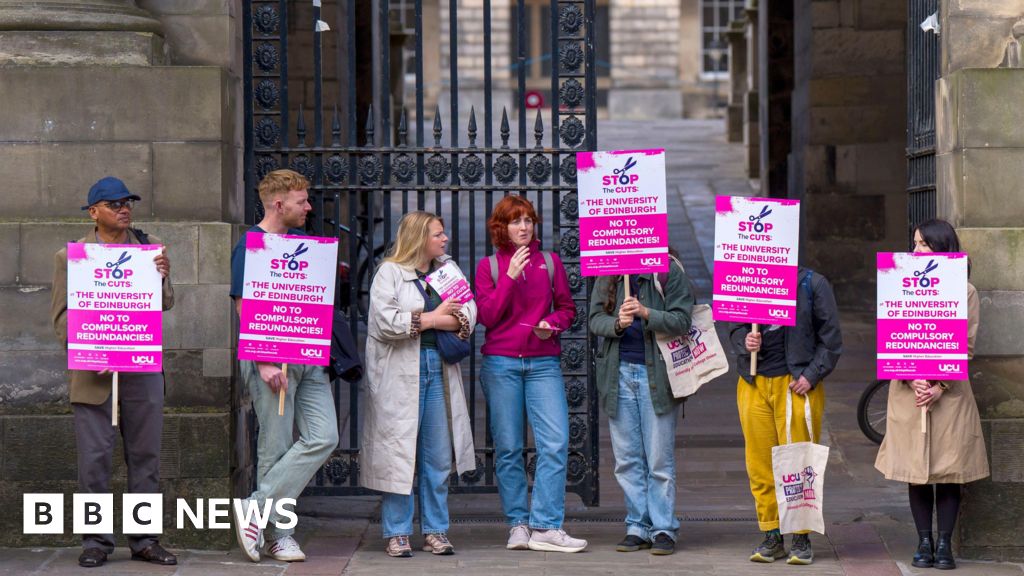
Across the landscape of British higher education, recent years have revealed a troubling trend: an unprecedented wave of financial austerity measures that threaten the very fabric of our educational communities. The University and College Union (UCU) reports that more than 12,000 jobs have been slashed in the last year alone, with an additional 3,000 positions at risk due to ongoing cost-saving initiatives. These reductions go beyond mere numbers— they echo deeply within the lives of students and staff, altering the core of our societal structure where families, education, and community tie together. As universities grapple with the need to tighten budgets, the moral and social consequences ripple outward: what does it mean for a student aiming for a future, or a lecturer whose livelihood hinges on decisions made in boardrooms?

Disturbingly, this climate of cutbacks fuels a demoralized workforce— university staff report being “exhausted, furious, and undervalued,” as Jo Grady, UCU general secretary, starkly describes. The sustenance of >4 million students in England alone is now shadowed by uncertainty, with many witnessing the disconsolidation of vital support services such as disability resources and cleaning staff. Such austerity measures are not just financial; they strike at the ethical heart of what it means to serve the public good. Sociologists like Michael Apple warn that these policies prioritize economic “efficiencies” at the expense of societal well-being, leading to a long-term decline in social mobility and access to higher education for the most vulnerable.

Among those facing the harshest consequences are academic staff like Dr. Zak Hughes, a chemistry lecturer at the University of Bradford, who describes the stark reality: he risked losing his job and, if that happens, will have to move back with his mother into her home, a stark symbol of societal insecurity. Meanwhile, in Edinburgh, a similar story unfolds where a planned £140 million in cuts looms over nearly 1,800 jobs, casting a shadow of doubt over students’ futures. Young people like Caspar Cubitt, a theology student, admit that the uncertainty has caused them to question their very decision to pursue higher education, stirring a cultural shift where aspirations are replaced with apprehensions. The historian David Brooks underscores that these trends threaten the foundations of our civic identity, as universities have long been pillars of societal progress and moral debate.

In response, some institutions call for “swift and decisive action” from the government, emphasizing that financial stability must be balanced against the moral obligation to support future generations. Yet, the crisis illuminates a deeper societal tension: how do we preserve the integrity of education in a system increasingly driven by economic imperatives? For families, this means reconsidering their investments in their children’s futures; for communities, it signals a fracturing of the social fabric that binds generations together. As the philosopher Francis Schaeffer once noted, society is only as strong as its moral commitment to human dignity and shared purpose. The challenge now is to envision a way forward—one that not only mitigates these cuts but also redefines the role of higher education as a true societal good, rooted in the promise of opportunity, hope, and resilience. In this moment of crisis, society is called to reflect: can it transform hardship into a catalyst for moral renewal, ensuring that the pursuit of knowledge remains a pursuit of justice?

Are Tech Billionaires Overreacting? Is Doom-Prepping the Future?

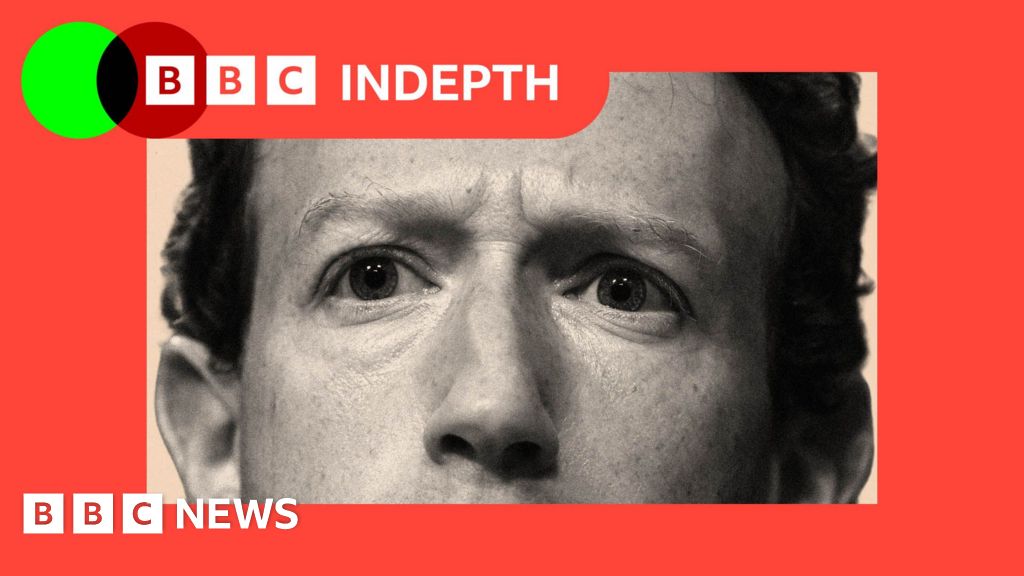
The enduring landscape of geopolitical power is shifting beneath our feet as technological advancements and covert developments reshape the global order. Recent revelations about the private pursuits of Silicon Valley billionaires and the silent expansion of military-grade bunkers signal more than mere eccentricity—these are signs of a deeper stratification of society and a potential prelude to conflicts that could redefine nations’ futures. Mark Zuckerberg’s clandestine construction of a sprawling compound on Hawaiian soil, reportedly including a bunker-like storage with self-sufficient energy and food supplies, exemplifies a trend among the ultra-wealthy to insulate themselves from global disruptions. Neighboring residents hint at these projects being “bunkers” or “billionaire’s bat caves,” yet the true magnitude of their intent remains hidden behind high walls guarded by non-disclosure agreements.

While the wealthy fortify their retreats, >international organizations< and security analysts warn that, given the rapid progression of artificial intelligence (AI), a new kind of existential threat is emerging. Prominent voices like Harvard historian Yuval Noah Harari and the World Economic Forum suggest that exceptional technological breakthroughs in AI and the concept of “the singularity” could catalyze a fresh round of global chaos if mismanaged. Experts report that OpenAI’s chief scientist Ilya Sutskever has even discussed the importance of constructing underground shelters for scientists ahead of the release of artificial general intelligence (AGI), fearing unpredictable outcomes. Such disclosures highlight a disturbing narrative—tech insiders are aware of the risks, yet society at large remains unprepared for the potential consequences.

Predictions of a Near Future

Leading tech entrepreneurs and visionaries are increasingly confident that AGI could arrive sooner than most expect, with figures like Sam Altman of OpenAI claiming that the breakthrough is imminent. Such assertions, echoed by DeepMind‘s Sir Demis Hassabis, point to a future where superintelligent AI surpasses human cognition. This prospect fuels hopes of solving climate change, eradicating disease, and achieving “sustainable abundance”—visions espoused enthusiastically by billionaires like Elon Musk. Yet, skeptics, including esteemed academics such as Dame Wendy Hall of Southampton University, argue these claims are nothing more than marketing hype designed to excite investment. They stress that fundamental breakthroughs required for true AGI remain elusive, and that artificial superintelligence (ASI)—an intelligence that outstrips all human capability—is still a distant, perhaps impossible, horizon.

Nonetheless, history warns us that humankind’s greatest dangers often come from its own pursuits. The concept of “the singularity”, initially attributed to John von Neumann in 1958, underscores the risk that AI could develop in unpredictable ways, threatening human sovereignty. “The development of ASI could be the biggest risk in history,” warns Neil Lawrence, professor of machine learning at Cambridge University. The question remains: are we truly prepared to engage with a power that might decide our fate?

In the shadows of their private fortresses, societies around the world hold their collective breath, while debates about control, containment, and unintended consequences intensify. As Sam Altman and fellow tycoons hint at a future where machines might govern or even eliminate human oversight, the historical weight of these choices becomes undeniable. We are witnesses not just to the dawn of a new technological era, but to a pivotal point where the course of history hangs in the balance—a story still being written by the bold, the reckless, and the foresighted alike. The question that remains echoing in the corridors of power and across the silent depths of underground bunkers is clear: what will tomorrow hold, and who will have the last say?

Naked mole rats uncover genetic key to longevity for future generations

Revolutionary Discoveries in DNA Repair Reveal the Secret to Naked Mole Rats’ Unprecedented Longevity

In a groundbreaking scientific breakthrough, researchers from Tonji University in Shanghai have uncovered the genetic secrets behind the remarkable lifespan of naked mole rats. These subterranean creatures, living up to nearly 40 years — a lifespan extraordinary for their size and species — have long puzzled biologists. Unlike common rodents such as mice, which generally live only about three years, naked mole rats demonstrate resistance not just to aging, but also to a suite of age-related diseases including cancer, neurological deterioration, and arthritis. The new study, published in Science, could shift the paradigm of aging research, highlighting a novel DNA repair mechanism that may pave the way for revolutionary therapies aimed at extending human healthspan.

The research zeroed in on a specific protein involved in cellular DNA damage detection and repair. In most animals, including humans, this protein—identified as c-GAS—disrupts DNA repair processes, which can contribute to aging and age-related pathologies. However, in naked mole rats, the same protein acts in an opposite manner, bolstering DNA repair instead of hindering it. This divergence has prompted scientists, including Professor Gabriel Balmus at the University of Cambridge, to explore how such a genetic rewiring could have evolved. The findings suggest that these rodents have effectively reprogrammed a fundamental molecular pathway—an evolutionary feat that might hold keys to extending healthy human lifespans.

Unraveling the Geopolitical Implications of Longevity Research

This discovery is more than a mere biological curiosity; it carries profound geopolitical impact. As nations across the globe grapple with aging populations and rising healthcare costs, the pursuit of regenerative medicine and longevity therapies has become a strategic priority. China’s leadership in this research underscores the shift of scientific dominance towards Asian powers, aiming to leap ahead in biotechnologies that could redefine global health policies. Meanwhile, Western institutions such as Cambridge contribute critical insights that may accelerate translational applications. How this knowledge is harnessed will determine future power dynamics, economic competitiveness, and societal structures.

Furthermore, experts emphasize that these advances could influence international relations, if nations compete to develop and control emerging therapies. Efforts to reverse age, initially a purely biomedical pursuit, are increasingly intertwined with geopolitics—potentially shifting the balance of global influence. Controlled access and ethical considerations surrounding life-extension technologies will demand careful diplomacy, especially given the possibility of extending human longevity far beyond current boundaries. History warns that early breakthroughs often spark conflicts over intellectual property and access; this time, the stakes include the very longevity of human civilization itself.

The Broader Evolutionary and Ethical Questions

Scientists like Professor Balmus point out that naked mole rats may be an evolutionary anomaly—a biological outlier, rewiring ancient pathways to achieve near-immortality. This raises fundamental questions: Can humans replicate this biological feat? And if so, at what expense? Historians and ethicists warn of the deep societal ripple effects. If humans could harness such genetic alterations or develop drugs inspired by these findings, it could revolutionize notions of aging, death, and the meaning of life itself. Yet, the potential for misuse—such as extending life for the wealthy or creating a new form of biological inequality—must be critically examined.

Additionally, the discovery fuels an ongoing debate among international organizations about the moral and ecological implications of significantly extended lifespans. Would societies evolve to embrace extended youth, or would demographic shifts trigger unforeseen crises? As history has often demonstrated, technological progress must be accompanied by philosophical reflection to navigate its full impact. With the window to such transformative discoveries opening wider, humanity faces a pivotal choice: to continue unlocking nature’s secrets or to confront the profound responsibility that comes with eternal life—an unsettled chapter in the ongoing saga of human evolution.

As these revelations unfold, the story of the naked mole rat reminds us that the future of human health and longevity is still being written. The delicate balance of life and death, once thought immutable, now teeters on the edge of a scientific revolution—one that might ultimately determine our species’ place in history. Will this be humanity’s greatest leap forward, or the dawn of unintended consequences? Only time will reveal where the pages of this unfolding narrative will lead, leaving the world’s gaze fixed on a horizon where the boundaries of life itself are being redefined.

Badenoch taps into tax cuts, humor, and pig-wrestling to fight for her future at Conservative conference—episode inside

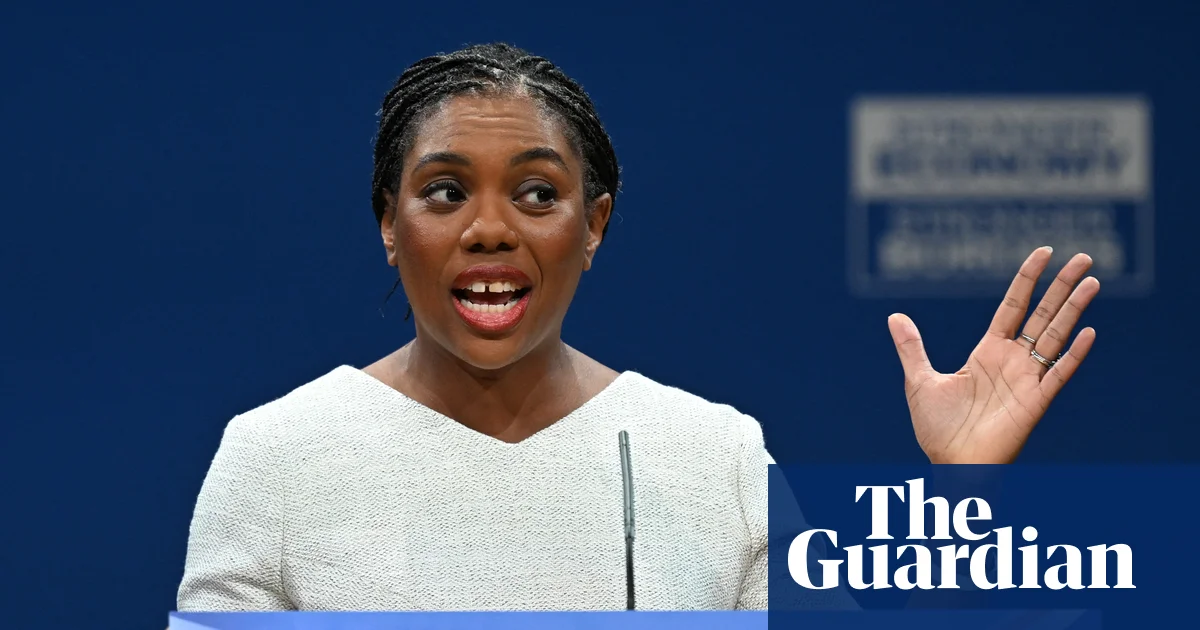
In a rapidly transforming international landscape, the political maneuvers of Britain’s Conservative Party resonate far beyond its borders. During her recent party conference, the leader unveiled ambitious domestic policies, such as plans to scrap stamp duty, aimed at revitalizing the economy and stimulating homeownership. However, what drew less attention was the conspicuous absence of discussion regarding the most pressing threat confronting her party—the rising tide of global instability and shifting geopolitical tensions. As analysts break down the tone and substance of her speech, the underlying question persists: can mere policy promises contain the larger, more complex forces at play?

International organizations and political historians warn that political strategies focused primarily on domestic issues may not be enough to shield nations from the multifold threats that now define our era. The European Union, alongside the United States, faces persistent challenges from aggressive state actors pursuing regional dominance, economic coercion, and cyber warfare—factors that threaten to reshape the global order. For the UK, this means that internal political battles—such as leadership contests within the Conservative Party—must now contend with a geopolitical environment where security and diplomatic resilience are paramount. Yet, recent conference season has largely focused on traditional party politics rather than addressing the broader, turbulent international context.

The question of leadership purity amid these external pressures echoes throughout British political discourse. Veteran analysts and international institutions underscore the significance of internal stability in the face of global upheaval. As Robert Jenrick and other potential rivals challenge the current leadership, many believe that the party’s future hinges on broader strategic vision—one that goes beyond tax cuts and campaign rhetoric.

  • Experts from Chatham House highlight the interconnectedness of domestic policy and international security.
  • British political commentators from Financial Times suggest that leadership debates now serve as a reflection of the nation’s preparedness to engage with an unpredictable world.

Regardless of internal contests, the larger consequence is whether the UK will emerge resilient or fragmented amidst a constellation of global crises that seem to intensify each day. As the echoes of policy promises fade into the cacophony of international conflict, the act of leadership—both political and strategic—remains the defining challenge of our time.

History watches, and history’s weight presses down heavily. In the unfolding chapters of the 21st century, the decisions made within these political chambers may well determine not only national fate but also the trajectory of global stability. Will Britain, under its current leadership, rise to meet the formidable challenges ahead? Or will it falter, lost in the shadows of a shifting world order that continues to redefine what is possible—and what is at stake. As the world teeters on the brink of unpredictable change, one thing remains certain: the future is still being written, and time waits for no nation.

Boox’s new compact e-reader packs color and stylus — the future of portable screens is here

The tech industry is witnessing a groundbreaking development with the upcoming launch of Boox’s P6 Pro, a device that strategically blurs the lines between smartphones and e-readers. While full technical specifications remain under wraps, early revelations highlight the device’s formidable features, signaling a potential paradigm shift in portable digital devices. With a 16MP rear camera optimized for document digitization, alongside 8GB of RAM and 128GB of internal storage—expandable up to 2TB—the P6 Pro positions itself as a versatile tool for content consumption, productivity, and mobile documentation. This innovative approach is poised to disrupt traditional industry segments, creating new opportunities for competitors and investors eager to capitalize on transformative mobility solutions.

The P6 Pro marks a first for Boox—it introduces stylus support on a smartphone-sized e-reader, a feature previously confined to larger models and specialized electronic notebooks like the Nova Air. This move is a clear signal of disruption aimed at the digital note-taking and content management sectors, traditionally dominated by giants such as Apple and Samsung. By leveraging their existing expertise in large e-ink displays and integrating stylus functionalities directly into a portable device, Boox is effectively redefining the possibilities of mobile productivity. Experts from MIT and industry analysts like Gartner suggest this convergence of features could lead to a rapid evolution of the productivity device landscape, challenging entrenched industry leaders and forcing a reevaluation of what a ‘smartphone’ can offer.

Running on Android with access to the Google Play Store, the P6 Pro offers unprecedented flexibility—users can select their preferred note-taking applications or eBook platforms, thereby opening up a broad ecosystem of applications. This flexibility contrasts sharply with the more closed, proprietary systems from established players and signifies a strategic shift toward user empowerment and software openness. The influence of visionaries like Elon Musk—who consistently push the envelope—reflects a broader industry narrative: technological innovation is increasingly driven by disruptive platforms that prioritize customization and integration. The device’s potential to combine digital reading, note-taking, and mobile communication could accelerate the decline of dedicated e-readers and niche tablets, leading to more integrated, multifunctional devices that appeal to a new wave of digital-native consumers.

Looking forward, the Boox P6 Pro exemplifies the trajectory of technological evolution—where innovation, disruption, and business implications intertwine. As industry insiders and analysts recognize the device as a potential game-changer, its success will hinge on how quickly and effectively it can challenge industry norms. The pressure is mounting on competitors to innovate faster or risk obsolescence in a rapidly changing landscape. This launch underscores not only the importance of agility in product development but also the increasing role of user-centric design and ecosystem openness as core drivers of market leadership. For investors and tech enthusiasts alike, the question remains: Will the P6 Pro catalyze a new standard for mobile devices, or will existing giants adapt quickly enough to retain their dominance? The answer will shape the future of portable computing in the coming years—a future marked by swift innovation and relentless competition.

Édouard Philippe Urges Macron to Hold Early Presidential Election for a Stronger Future

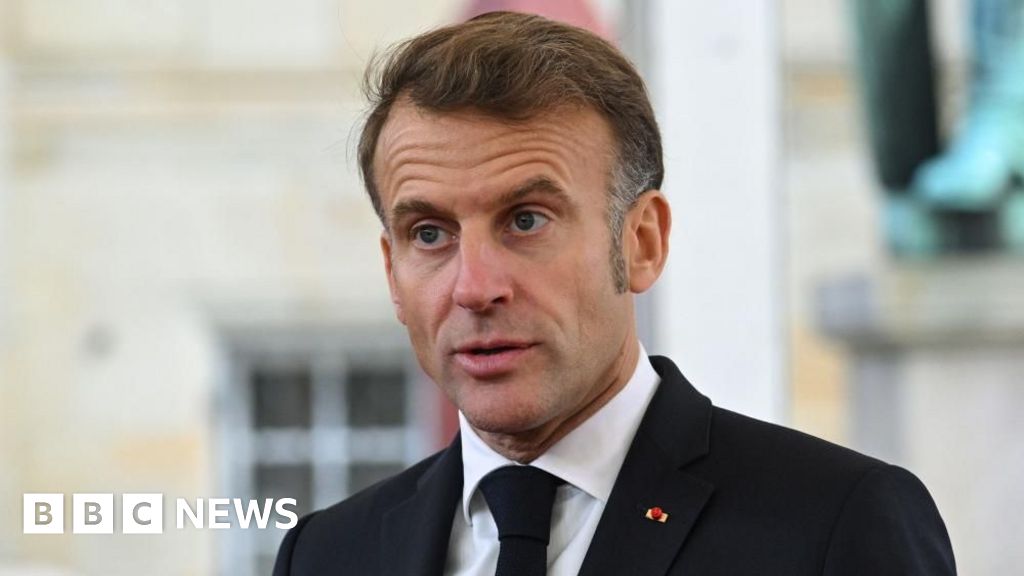
France finds itself embroiled in a phase of profound political instability that threatens not only its domestic stability but also has wider geopolitical implications. Since President Emmanuel Macron assumed office in 2017, France has grappled with mounting economic difficulties, a fractured parliament, and a loss of public confidence. The recent rapid succession of prime ministers—Sébastien Lecornu following Sébaud Lecornu’s resignation—illustrates the depth of the crisis. These upheavals have culminated in calls from within Macron’s circle for a strategic pivot: timing the appointment of a prime minister capable of rallying support for crucial economic reforms and then initiating early presidential elections.

Key political figures, including Macron’s former Prime Minister Édouard Philippe, have controversial opinions about the president’s handling of the crisis. Philippe’s recent remarks emphasize the need for Macron to exercise a pragmatic approach—placing national stability above partisan interests. “It’s up to the president to live up to his mandate,” Philippe asserted, underscoring the critical role Macron must play in resolving the status quo and ensuring a peaceful transition. Meanwhile, rising dissatisfaction within Macron’s own party, Renaissance, exemplifies waning support and growing dissent among his allies. Gabriel Attal, who briefly served as prime minister this year, publicly questioned Macron’s recent decisions—highlighting how internal party fractures are complicating efforts to stabilize governance.

International observers and analysts are warning of the potential fallout from a prolonged political crisis in France. The nation’s economic woes—particularly the soaring public debt projected to reach 5.4% of GDP—have only deepened unrest. Budget deficits, ineffective parliamentary support, and failed reforms have created a perfect storm, destabilizing French society and undermining Paris’s standing on the global stage. As France’s parliamentary majority appears increasingly tenuous, the risk of policy paralysis increases, which could cause ripple effects across European institutions. Critics suggest that without decisive leadership, France might descend into further chaos, with risks of social unrest and diminished influence in EU policy-making.”

Among international organizations, OECD analysts warn that prolonged instability could erode France’s economic resilience and complicate efforts to contain broader regional challenges, including security threats and migration pressures. Historians note that France’s current predicament echoes past crises where weak leadership led to upheaval—such as the fall of the Fourth Republic—serving as a stark warning that internal discord can rapidly escalate into wider instability. As Macron walks alone along the banks of the River Seine, his solitary figure symbolizes a nation at a crossroads—a country where the weight of history and the urgency of now collide, leaving the future shrouded in uncertainty. The question remains: will France’s leaders rally to forge a path forward, or will the mounting chaos plunge it into an irreversible decline? The answer—like history itself—remains unresolved, as time’s relentless tide continues to shape the fate of a nation.

Social Media Auto Publish Powered By : XYZScripts.com