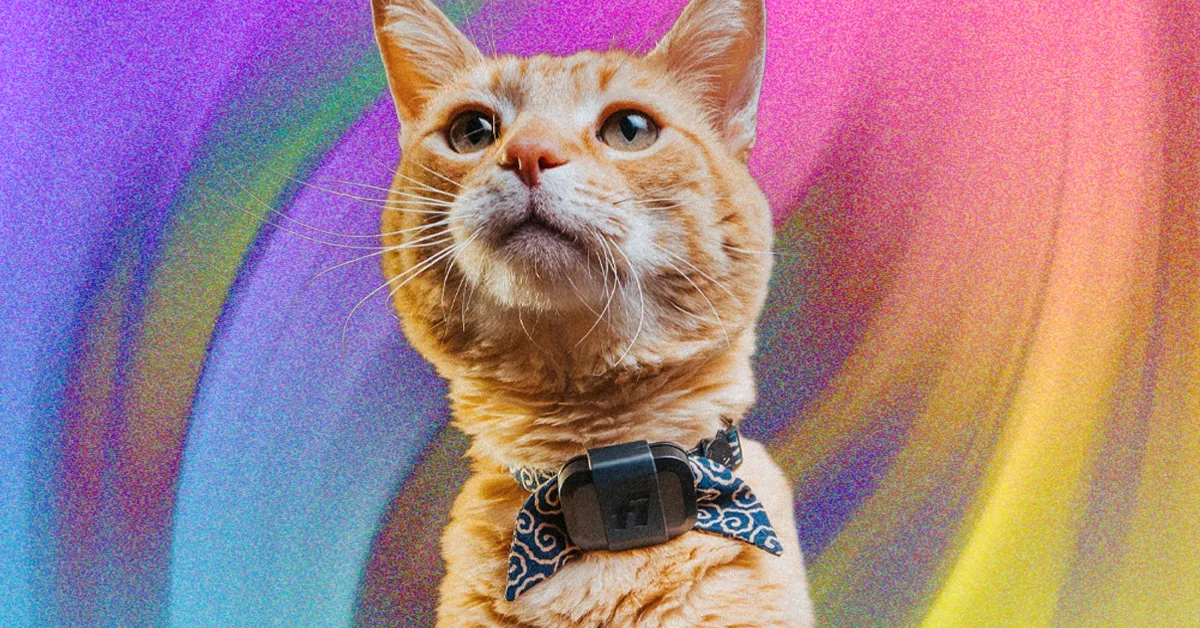

Progress in Pet-Tech: How Fi Is Disrupting the Monitoring Market
In an era where technological innovation continues to reshape industry standards, the emergence of advanced pet-tracking solutions such as Fi‘s latest devices signals a significant disruption within the broader health and safety technology sector. Priced competitively with flexible subscription plans—ranging from monthly to biennial options—Fi leverages streamlined business models and aggressive discounting strategies to capture a growing segment of tech-savvy pet owners. As industry leaders like Gartner predict, companies that integrate smart connectivity and user-centric design will dominate emerging markets. This presents an opportunity for incumbents and startups alike to harness innovation for competitive advantage.
At the core of Fi’s disruptive appeal is its focus on device innovation and system disruption. The tracker utilizes a USB-C charge port, promoting ease of use and quick energy replenishment, with battery life extended through a dedicated Base module that reduces power drain by connecting via Bluetooth. Such features exemplify disruptive innovations that can redefine hardware standards, as analyzed by MIT’s latest research on IoT device energy efficiency. The device’s ability to last up to six weeks on a single charge represents a milestone in pet-tech, although user experiences suggest three-week operational norms—highlighting a need for ongoing refinement.
Business implications of these developments extend beyond hardware. By integrating subscription models, discounting, and multi-pet discounts, Fi is innovating how pet safety services are packaged and sold. The companion app, which requires user setup of pet profiles—detailing factors like breed, weight, and photo—epitomizes a broader trend of data-driven personalization. Given the ascendancy of connected devices, the market shift towards comprehensive, app-enabled solutions reflects a fundamental transformation in how consumers value real-time location accuracy. However, notable limitations persist; for example, the tracker’s minimum safe zone size may limit effectiveness in densely populated urban environments, as experienced by users in Brooklyn with indoor-only cats. Such gaps underscore both the promise and the challenges faced by the industry—challenges that companies like Fi must navigate to maintain leadership and innovate further.
Future Outlook: From Pet Tracking to Broader Disruption
As disruption continues to ripple through the pet-tech industry, the implications for other sectors poised at the nexus of AI, IoT, and connectivity are profound. Industry analysts endorse the perspective of visionaries like Elon Musk and Peter Thiel, who emphasize the importance of rapid innovation and market agility. Incremental improvements in hardware and software, combined with strategic business models, are expected to catalyze new revolutions. The question remains: Will companies like Fi pioneer the next wave of connected health and safety solutions—spanning personal security, smart cities, and beyond?
In this dynamic landscape, staying ahead requires relentless innovation, strategic deployment, and an acute understanding of user needs. The race for dominance in the connected device market is not just about hardware but also about fostering ecosystems that anticipate future demands. Tech leaders and entrepreneurs must act swiftly—timing is critical. For those who succeed, the future will be defined by disruption, opportunity, and the relentless pursuit of smarter, safer solutions for consumers worldwide.