Matox News

Truth Over Trends, always!

Honor’s Robot Phone is dropping later this year — tech just got even cooler for the next-gen.

Honor Unveils Robot Phone and humanoid robots at MWC 2026: A Disruptive Leap in Tech Innovation

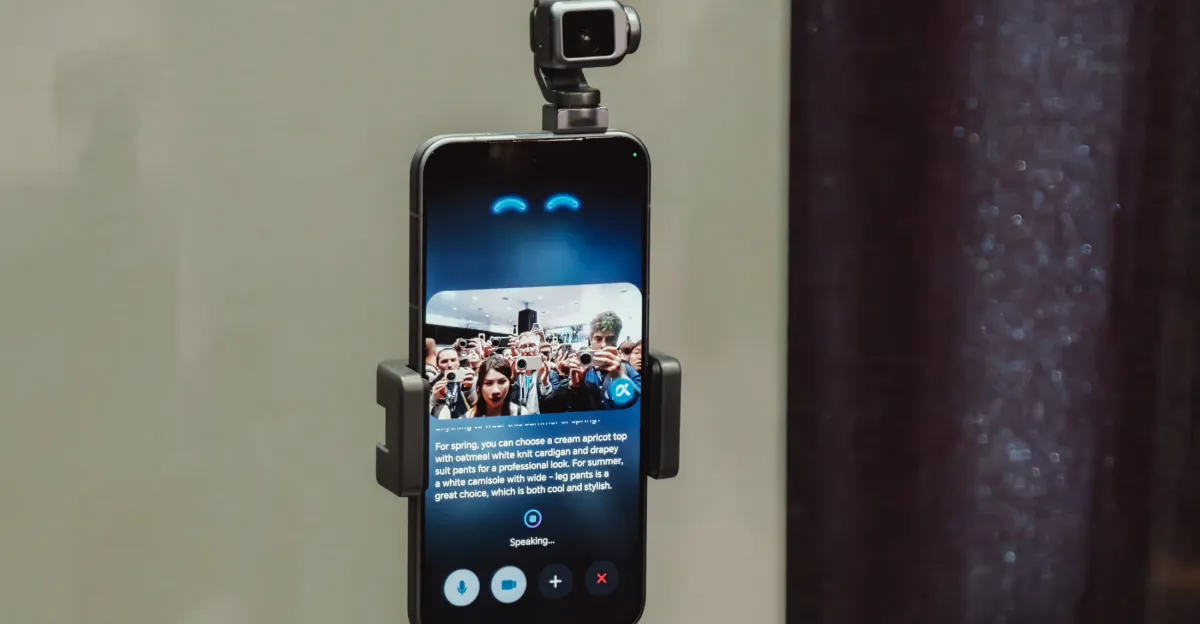
The Mobile World Congress 2026 in Barcelona marked a significant milestone as Honor announced and demonstrated its pioneering efforts in robotics and mobile technology with the debut of the so-called Robot Phone. While details remain scant, the showcased device signifies a bold step toward integrating advanced AI and robotics into consumer electronics, signaling a potential shift in how technology interacts with everyday users. The demonstration featured a working prototype capable of holding AI-enabled conversations, movably folding back, and mimicking human gestures—hallmarks of disruptive innovation aimed at positioning Honor firmly in the forefront of next-generation device development.

During the event, Honor also exhibited a humanoid robot, which impressed spectators with its agility, including dance routines and backflips—albeit with some ambiguity about whether the robot was remotely teleoperated or acting autonomously. Demonstrations of the robot haltingly waving and shaking hands hinted at rapid advancements in robotics behavior, but also highlighted lingering questions about the maturity and reliability of such machines in real-world applications. This dual showcase underscores a broader industry trend toward integrating autonomous robotics into consumer platforms, promising to redefine service, security, and entertainment sectors. Notably, Honor’s willingness to reveal these prototypes signals an industry-wide pivot toward robotics as a core strategic area, with the potential to challenge incumbent tech giants entrenched in mobile and AI markets.

Market analysts and industry leaders, including Gartner and MIT researchers, underscore the business implications of these developments. The convergence of AI-enabled smartphones and humanoid robotics is poised to accelerate the disruption of traditional industries, from customer support to personal assistants. Honor’s pivot into robotics — coupled with the planned release of the Robot Phone expected in China later this year — exemplifies how innovative companies are leveraging rapid technological advances to carve out unique market niches. This strategic move could catalyze a new era of integrated AI ecosystems, where devices are not just tools but partners capable of complex interactions and autonomous functions.

As the industry hurtles toward this future, stakeholders face the dual challenge of harnessing the immense potential of robotics and AI while managing the risks associated with interoperability, safety, and ethical deployment. Experts like Elon Musk and Peter Thiel emphasize that the coming decade will be pivotal; failure to adapt quickly to the disruptive wave of AI and robotics could render current market leaders obsolete. With Honor’s latest prototypes nudging the boundaries of what’s technologically feasible, it is clear that the race for control of this new frontier is intensifying. The urgency for established corporations and startups alike to innovate at breakneck speed has never been greater. The industry’s trajectory suggests that those who lead in AI-powered robotics and ubiquitous intelligent devices will dominate the next wave of global tech dominance, making the immediate future one of unparalleled opportunity and strategic risk. The clock is ticking — the future belongs to the bold, the innovative, and those willing to disrupt.”
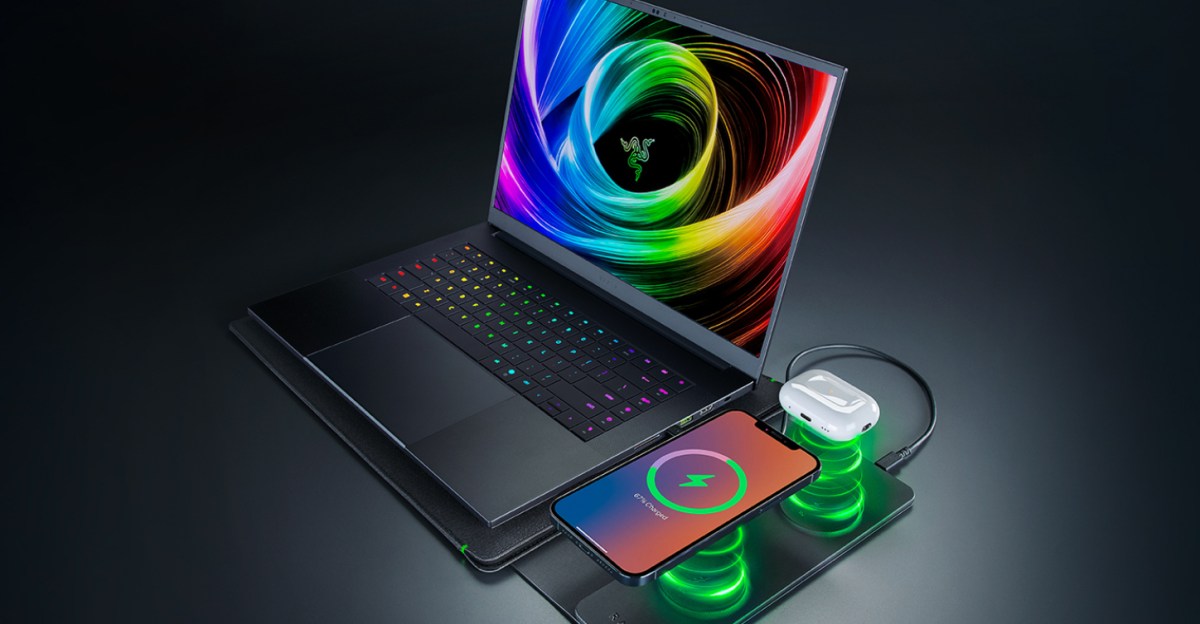

Razer’s new laptop sleeve powers your gadgets on the go—wirelessly charging anywhere

Razer’s New Laptop Sleeve Combines Protection with Cutting-Edge Wireless Charging

The technology landscape continues to evolve rapidly, with leading brands like Razer pushing the boundaries of device accessories. Recently, Razer unveiled its Laptop Sleeve 16”, a product that exemplifies disruption by merging robust protection with integrated wireless charging capabilities. At a premium price point of $129.99, this accessory marks a notable shift in how gaming and tech companies approach user-centric innovation.

Equipped with dual wireless charging pads embedded within its cover flap, the sleeve transforms the typical protective case into a mobile charging station. This feature addresses the escalating demand among young, tech-savvy professionals for convenient, on-the-go power solutions— especially for smartphones, earbuds, and other wireless peripherals. The integration of this technology points to a broader trend where disruptive accessories are blurring the lines between hardware protection and functional augmentation. Industry analysts from Gartner suggest that such innovations could lead to a new wave of multifunctional device accessories, catalyzing a shift in the standard consumer expectations across electronics markets.

Implications for the Business Ecosystem and Industry Dynamics

This development carries significant business implications. As companies like Razer introduce premium features into relatively niche accessories, competition will intensify among gadget accessory manufacturers seeking differentiation through innovation. The upgrade in user experience demonstrates a move toward premium, integrated solutions that not only serve as protection but also enhance daily productivity. However, this also introduces challenges—potentially regarding supply chain complexity and compatibility issues, as not all laptops can support full wireless charging at optimal speeds due to power limitations via USB-C ports. The cautious approach from tech giants and startups alike signals that future success depends on balancing innovation with reliable performance.

Experts such as Elon Musk and Peter Thiel have long advocated for transformative technologies that empower individual users and disrupt established markets. The Razer Sleeve epitomizes this philosophy, illustrating how the convergence of smart design and connectivity is reshaping accessory paradigms. As industry leaders and startups race to embed wireless charging, solar power, and other disruptive features into everyday devices, the potential emerges for entirely new categories of office-to-outdoor gear. This trend aligns with the strategic visions outlined by leading institutions like MIT, emphasizing the importance of integrating hardware advancements with software ecosystems for a seamless user experience.

Looking Ahead: The Future of Tech Innovation and Critical Disruption

The arrival of innovative accessories such as Razer’s wireless-charging sleeve signifies a pivotal moment for the tech industry—a demand for more integrated, multifunctional, and intelligent designs will only accelerate. As the market shifts toward these disruptive innovations, companies that hesitate risk falling behind in a fiercely competitive landscape. The pace of change suggests that the next decade will see an explosion of integrated, AI-enhanced devices that reconfigure how users interact with their technology daily. For forward-thinking organizations and consumers alike, the key will be to monitor these trends closely, preparing to adapt to a future where the boundary between accessories and core devices becomes almost indistinguishable. In this rapidly evolving environment, those who can innovate swiftly will dominate the next chapter of tech evolution.

The Verge’s 2026 Top Tech Gifts for Her—Feel the Love, Upgrade Your Game

Emerging Technologies and Market Disruption Signal a New Era for Business Innovation

As the technological landscape accelerates at an unprecedented pace, industry leaders are closely monitoring breakthrough innovations that threaten to reshape the global economy. Artificial Intelligence (AI), quantum computing, and biometric authentication are leading the charge, disrupting established sectors and opening pathways for new business models. According to recent analyses from Gartner and top-tier research institutions, these advancements could redefine competitive advantages across tech-driven markets. Marketers and entrepreneurs alike must prepare for a future where agility and technological literacy are no longer optional but essential for survival.

One of the most compelling shifts is led by AI-powered automation, which is rapidly transforming industries from finance to healthcare. Companies like Microsoft and Google are deploying AI systems capable of complex decision-making, dramatically reducing costs and increasing speed. Similarly, the advent of quantum computing—a domain long considered theoretical—has entered practical testing phases at institutions like MIT and tech giants such as IBM. These technologies promise to unlock processing power that can solve previously intractable problems, undermining traditional encryption and data analysis methods used by legacy firms.

The disruptive potential extends beyond operational efficiencies; it impacts competitive strategies and market dominance. Analysts warn that pioneering companies embracing these innovations will gain substantial first-mover advantages, potentially cornering major sectors and upending market share. Biometric authentication and decentralized blockchain solutions are also gaining ground, offering enhanced security and transparency. This wave of innovation enforces a shift toward a more decentralized and digitally secured marketplace, challenging the historical dominance of centralized institutions. Firms that adapt quickly will be positioned for future growth, whereas those slow to innovate risk obsolescence.

Looking forward, the convergence of these technologies suggests a future where the boundaries between digital and physical realities blur, accelerating a technological arms race that demands urgent strategic recalibration. As Elon Musk and Peter Thiel emphasize, disruption is an inevitability; the question is whether organizations will be the disruptors or the disrupted. Now is the critical moment for businesses to leverage innovation, invest in R&D, and foster a culture of agility. With market shifts occurring faster than ever, future success hinges on recognizing emerging trends early and capitalizing on disruptive opportunities before competitors do. The urgency to innovate has never been greater—those who act decisively today will define the industry standards of tomorrow.

20 Must-Have Gadgets for Valentine’s Day, Selected by Verge—On Sale Now

Tech Disruption Accelerates as Consumer Gadgets Redefine Industry Standards

In an era where rapid innovation and strategic disruption fuel the consumer electronics landscape, industry leaders are unleashing a wave of next-generation devices that promise not only to redefine user experience but also to reshape the very fabric of technological business models. As market dynamics shift, driven by cutting-edge features and strategic pricing, giants like Apple, Google, and Sonos are capitalizing on emerging trends to maintain dominance while startups innovate with disruptive products that appeal to digitally savvy youth audiences.

One visionary staple, Aura, has revolutionized digital photo sharing in the form of the Aura Aspen — a sleek, 12-inch LCD digital frame that transforms static memories into dynamic displays accessible from anywhere via companion apps or email. The device exemplifies how disruption in traditional photo framing merges seamlessly with digital connectivity, offering a product that’s both nostalgic and hyper-connected. The tech industry recognizes this as a clear indicator of industry-wide shifts towards interconnected, AI-enabled home décor, which stands to unlock new streams of revenue while challenging entrenched offline paradigms.

Smart and Connected Devices: Elevating Consumer Engagement and Business Strategies

Meanwhile, the smart home ecosystem is further invigorated by products like Amazon’s Echo Dot Max and Google TV Streamer (4K). Experts from Gartner note that smart speakers and streaming devices are transitioning from novelty items to essentials for millennial and Gen Z consumers. The Echo Dot Max, now priced at an attractive $79.99, features advanced sound quality and support for Matter, Thread, and Zigbee protocols, enabling smoother integration with a broader range of smart home devices.

In the visual content realm, the Google TV Streamer pushes the boundaries of streaming innovation by combining exceptional interface design with built-in Ethernet and smart home compatibility. Disruption occurs not only in content delivery but also in how consumers control their entertainment and smart environments, supported by industry reports highlighting the shift toward integrated, user-centric smart ecosystems. These platforms are increasingly becoming critical for businesses to foster brand loyalty while progressing toward more intelligent, anticipatory home environments.

Gaming, Health & Personalization: New Frontiers of Business Opportunity

In wearable tech, products like Amazfit Active 2 and Google Pixel Watch 4 serve as proof points for how health and fitness tracking deeply integrate into youth-centric lifestyles. Analysts from MIT highlight that wearables are evolving from simple fitness aids into comprehensive health monitoring platforms with embedded AI and personalized insights — opening lucrative avenues for health-tech startups and established players alike. The Pixel Watch 4 also exemplifies hardware design that prioritizes *repairability*, signaling an industry shift towards sustainability and longer product lifecycles, which investors see as a key strategic move to sustain brand loyalty amid fierce competition.

In the audio space, Sonos advances with the Era 100 and Arc Ultra. These devices cater to a consumer base demanding immersive entertainment experiences, blending high fidelity sound with smart speaker capabilities. The disruption here lies in the integration of Dolby Atmos technology and multi-platform support, forcing competitors to leapfrog with innovation if they wish to stay relevant in this highly competitive segment.

Looking Ahead: Innovation as the Lifeblood of Tech Giants and Startups Alike

Collectively, these industry shifts reveal a powerful underlying trend: disruption driven by innovation, smart integration, and consumer-centric business models. With strategic discounts and feature upgrades, companies are positioning themselves for market dominance in a future where connected, intelligent devices are woven into daily life. Experts like Peter Thiel warn that companies slow to innovate will quickly fall behind as startups leverage emerging tech to carve out new niches, intensifying competitive pressures.

With consumer expectations accelerating, the imperative for brands to innovate fast and disrupt the status quo has never been clearer. As technological advancements continue to cascade into every facet of daily life, industry stakeholders must recognize that standing still equates to falling behind. The future will belong to those who harness the power of innovation, disrupt entrenched markets, and continuously push the boundaries of possibility. The urgency to adapt and lead in this rapidly evolving environment is now greater than ever—disruption is here to stay, and the clock is ticking.

Smart AI Notetakers: Boost Your Meetings with Seamless Recording & Transcription

Emerging AI Notetaking Devices Signal Disruption in Productivity Tech

In a rapidly evolving landscape of professional productivity tools, the advent of physical AI notetakers is positioning itself as a transformative force—challenging traditional methods of recording, transcribing, and analyzing conversations. These devices, ranging from sleek credit-card-sized gadgets to wearable pins and pendants, incorporate state-of-the-art AI and miniaturization, offering seamless integration into everyday professional routines. Major players like Plaud, Mobvoi, and Comulytic are leading the charge, revealing a new paradigm where disruption is just beginning to reshape business communication and knowledge management.

The innovation driving this shift is evident in the broad array of features embedded in these devices. For instance, Plaud Note Pro packs a small screen, four microphones, and the ability to record audio within a three- to five-meter radius, accommodating both in-person and call recording with remarkable flexibility. Priced at just $179, it offers 300 minutes of free transcription monthly, emphasizing affordability without sacrificing performance. Similarly, Mobvoi TicNote leverages real-time transcription and translation support for over 120 languages, with 25 hours of continuous recording and overlay functionalities like automatic highlight extraction and summary creation—tools that redefine how youth and professionals alike capture and analyze discussions.

From a business perspective, these innovations signal a disruptive wave targeting traditional note-taking and manual transcription sectors. Companies like Comulytic stand out by offering unlimited, subscription-free transcription for just $159, a stark contrast to SaaS-based models that often impose recurring fees. Moreover, Omi Pendant and Viaim RecDot emphasize versatility and integration, with open-source hardware and app support, fostering a developer ecosystem that could rapidly accelerate industry adoption. These devices collectively are setting a new industry standard—one that prioritizes disruption of incumbents and the future of real-time, accessible, and portable AI-driven knowledge capture.

Experts from Gartner and MIT highlight that the market for AI-enabled productivity devices is poised for exponential growth, driven by widespread remote work, the push for automation, and the demand for smarter AI assistants. Elon Musk and Peter Thiel have emphasized the importance of innovation in hardware and AI synergy, foreshadowing a future where such tools will be essential for competitive advantage. As these technologies grow more sophisticated—integrating live translation, intelligent summarization, and customizable workflows—the potential for business disruption extends beyond note-taking into areas like legal documentation, education, and even military communications. The urgency for organizations to adapt arises from the convergence of this technological momentum with rapid market adoption, making these AI notetakers not just gadgets, but catalysts of a foundational shift in how information is gathered and processed.

The future seems clear: those who leverage these disruptive innovations early will command a significant strategic advantage. The ongoing miniaturization, software extensibility, and multi-language support portend a massive leap forward in productivity tools—possibly rendering traditional note-taking obsolete. As industry figures and tech giants continue to refine these devices, the window to capitalize on this wave of disruption narrows, underscoring the urgency for forward-thinking organizations and youth entrepreneurs to stay ahead of the curve and harness the full potential of AI-driven hardware innovations.

Top Deals Alert: AirPods 4 and Google’s 4K Streamer Lead the Week’s Hottest Tech Offers

Disruptive Innovation in Consumer Tech: A Look at the Latest Market Shifts

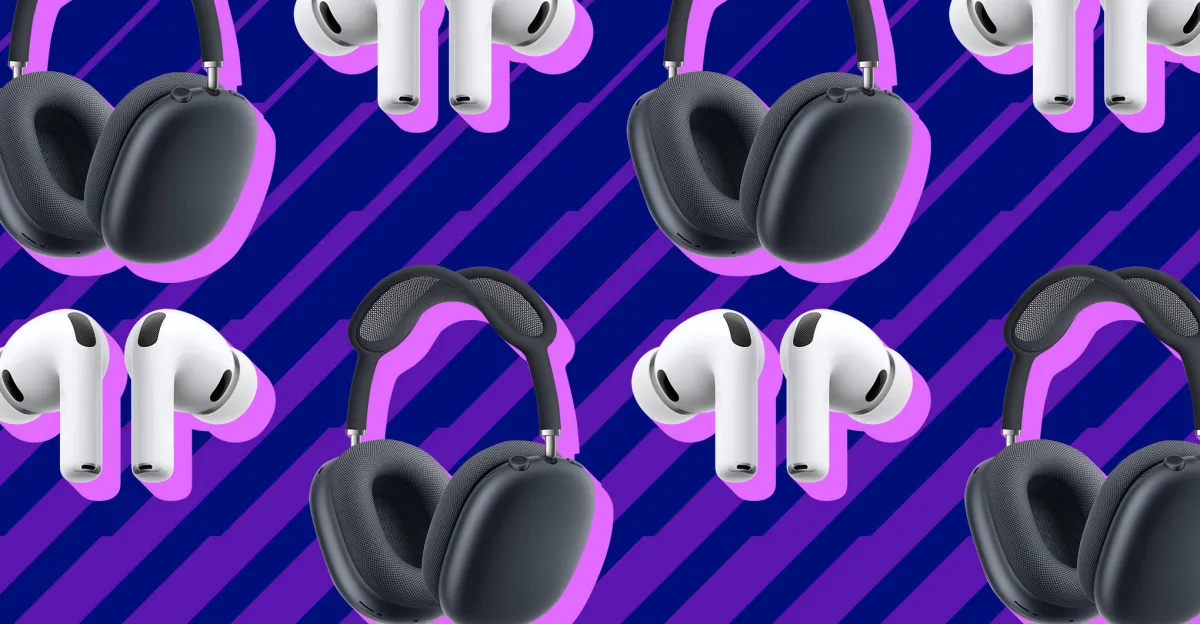
The rapidly evolving landscape of consumer electronics continues to be driven by constant innovation and strategic disruption. Industry giants like Apple and Google are pushing the boundaries of what technology can achieve, particularly in the realm of personal audio and smart home devices. The recent rollout of AirPods 4 with Active Noise Cancellation exemplifies this momentum, offering consumers compelling features that rival even the most premium models. At just $119 on sale—near historic lows—these earbuds are not just a product but a strategic move by Apple to dominate the mid-tier market and retain user lock-in within its ecosystem. The integration of features such as head-tracking spatial audio, automatic device switching, and live translation underscores Apple’s focus on ecosystem lock-in and user experience, which analysts from Gartner suggest will be the blueprint for future device development.

Meanwhile, Google’s Chromecast successor boldly advances the smart home and entertainment markets, supporting Dolby Vision and Dolby Atmos—features historically reserved for high-end setups. With a built-in Find My function for locating misplaced remotes and compatibility with Matter and Thread protocols, Google’s device signals a shift toward hub-centric smart home ecosystems. However, its reliance on Wi-Fi 5 highlights industry caution: technological lag could hinder fully seamless future integrations, especially as Wi-Fi 6 and 6E become standards. This strategic move hints at a broader industry pivot where disruption is not merely about adding features but about establishing ecosystems that control user behavior and data, echoing concerns raised by industry veterans like Elon Musk and Peter Thiel about technological stagnation and market dominance.

Amidst these technological leaps, content remains king. The return of popular series like Drops of God and Shrinking, along with the imminent premiere of Ted Lasso‘s latest season, illustrates how content curation and exclusive streaming services continue to influence consumer engagement and spending habits. As streaming platforms acquire exclusive content rights, industry analysts warn of evolving subscription fatigue—a scenario where consumers are overwhelmed by competing paywalls, potentially affecting the profitability and innovation strategies of media giants. This industry dynamic could lead to further consolidation or innovation in monetization models, which could complement or compete with the hardware ecosystem strategies by companies like Apple and Google.

Looking Forward: Innovation or Stagnation?

As these developments unfold, the industry stands at a pivotal crossroads. With disruption accelerating in both hardware and software, the firms that can innovate rapidly and embed themselves into daily life will command the future market. The integration of advanced features such as spatial audio, smart home hubs, and embedded AI translation marks a new phase of hyper-connected consumer environments. However, industry insiders warn that lagging behind on technological standards, like Wi-Fi 6, could impede full ecosystem potential. The challenge remains for manufacturers to balance innovation with rapid deployment, a factor that could shape market leaders for decades to come.

Indeed, the future belongs to those who not only innovate but also disrupt established paradigms. As critics and industry figures emphasize, “Tech advancement is a race, and the speed of adoption often determines market dominance”. For consumers and investors alike, staying ahead of this curve will require vigilant attention to evolving standards and strategic moves by tech giants. Disruption is relentless; the choice is clear: innovate boldly or risk being left behind in the wake of the next industry wave.

Peloton Cuts 11% of Staff Amid AI Hardware Launch—Are Tech Times Changing?

Peloton Restructures Amid Market Turmoil and AI-Driven Innovation

In a decisive move indicative of broader industry disruptions, Peloton announced it will lay off approximately 11 percent of its workforce, primarily targeting engineers involved in technology and enterprise initiatives. This follows an earlier 6 percent reduction last August, marking a continued effort to realign its business model in a challenging market environment. Industry analysts see these cuts as a sign that Peloton is struggling to maintain its pandemic-fueled growth, with sales figures showing a prolonged decline despite launching innovative hardware featuring Peloton IQ AI. These developments underscore the aggressive shift in how fitness technology companies must innovate or face obsolescence in a hyper-competitive landscape.

The company’s latest strategic pivot involves deploying AI-powered features across its product lineup, aiming to deliver personalized, real-time performance insights that could disrupt traditional workout routines. The Cross Training Series, introduced last October, includes a revamped bike, treadmill, and rowing machine—each integrated with AI capabilities such as real-time form correction, exercise analysis, and AI-generated routines. These features, meant to elevate user engagement and justify increased subscription costs, exemplify how disruption in the fitness tech industry hinges on harnessing AI to maximize user outcomes and retain loyalty. Yet, despite these technological advancements, initial sales have been sluggish, raising concerns about whether Peloton’s innovation can translate into immediate commercial success.

The industry’s trajectory underscores a growing trend where traditional fitness companies are forced to pivot rapidly, investing heavily in AI and data-driven personalization to compete against tech giants and emerging startups. This massive shift toward intelligent, autonomous workout systems echoes predictions by firms like Gartner, which emphasize that AI and machine learning will be core drivers of competitive advantage in the coming decade. However, Peloton’s recent struggles highlight a crucial lesson: technological innovation alone cannot guarantee market resurgence. Instead, it must be coupled with effective marketing, product differentiation, and scalable operations—areas where Peloton has faced setbacks, as it attempts to counteract declining subscriber growth and mounting financial pressure.

From a business perspective, Peloton’s ongoing downsizing and technology overhaul signal a broader warning to industry players: Disruption is only beneficial if it sustains user engagement and profitability. Meanwhile, industry watchers like Elon Musk and Peter Thiel suggest that the surge toward AI-enhanced fitness is inevitable and will redefine the entire health and wellness sector. The imperative now is for companies to move beyond incremental enhancements and embrace radical innovation that leverages AI not just for customization but for creating entirely new business models and ecosystems. As the market evolves, so too must the strategic agility of industry leaders to avoid obsolescence and harness the disruptive potential of AI-driven fitness technology.

Looking ahead, the timeframe for Peloton’s recovery remains uncertain, emphasizing the urgency of strategic adaptation in a hyper-accelerated technological landscape. The industry’s next chapter is poised to be defined by companies that successfully integrate emerging AI capabilities with scalable, engaging user experiences. Those who fail to do so risk being overshadowed by nimble startups and digital giants forging entirely new markets. In this context, Peloton’s ongoing transformation exemplifies the pressing need for bold innovation and relentless adaptation—because in the race for market dominance, standing still is equivalent to moving backward.

Smart Ring Watch: Your All-in-One Heart, Sleep, and Fitness Tracker for the Modern Youth

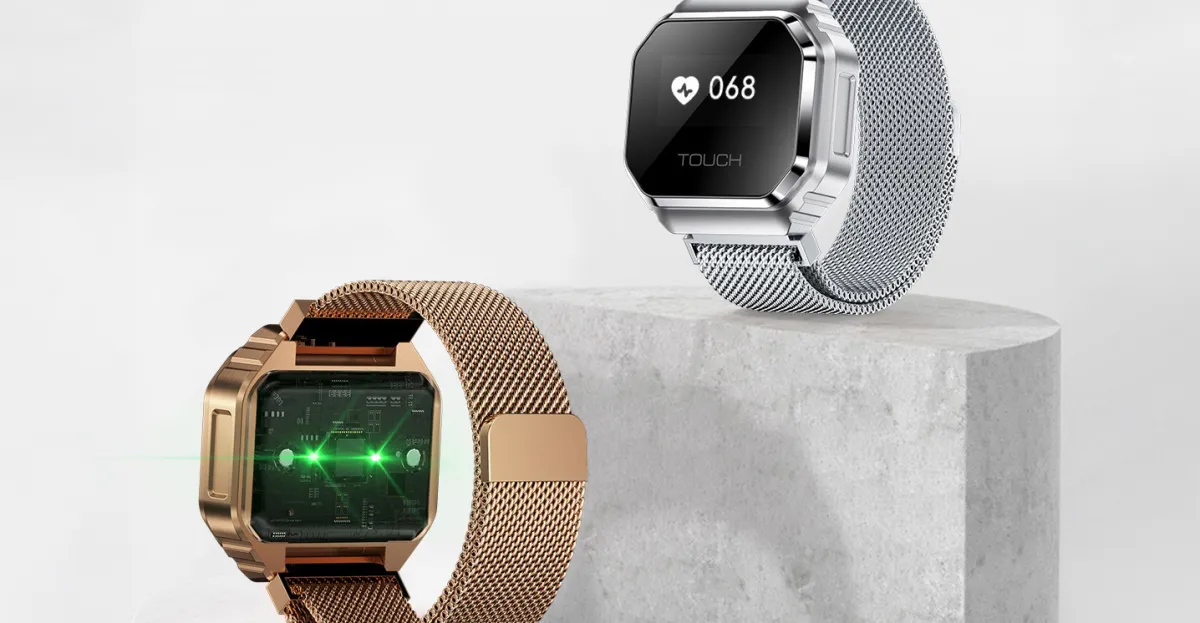
The wearable technology landscape is experiencing a significant disruption with the launch of the Fusion ring watch, an innovative product that is redefining accessible health & fitness tracking in a compact form factor. Priced competitively at $49.99—a stark contrast to traditional counterparts from brands like Casio and Timex, which retail above $100—the Fusion leverages cutting-edge miniaturized display and sensor technology to deliver a multifunctional device in a sleek, ring-shaped form. The introduction of this product signals a strategic move toward democratizing wearable tech, disrupting established industry giants that have historically dominated the premium segment.

The Fusion’s standout feature is its 0.49-inch OLED screen, which offers a crisp display for time, date, and health metrics. This compact yet powerful display challenges the notion that functionality must come at the expense of style or size. Equipped with an optical heart rate sensor and a suite of motion sensors capable of tracking over 100 different sports, this device exemplifies disruption through miniaturization. Its impressive battery life of approximately five days of active usage and up to eight days on standby ensures extended utility, a crucial criterion in consumer adoption. Such tech innovations are poised to warp the traditional wearable market, pushing other brands to innovate beyond basic smartwatches and fitness bands.

Industry analysts, including Gartner and researchers from MIT, emphasize that this product heralds an era where wearable devices are becoming more integrated into daily life through seamless form factors. Innovation driven by miniaturization and multi-sensor integration places a premium on features traditionally reserved for larger devices, now condensed into a ring — a radical shift in hardware design paradigms. This product’s breakthrough challenges the established notion that advanced health metrics and comprehensive monitoring require bulk and cost. It also opens pathways for business model innovation, with potential for integration into broader health ecosystems, enterprise wellness programs, and even fashion tech. Tech giants and startups alike are closely monitoring this development, recognizing that the next frontier lies in pervasive, unobtrusive biometrics tracking.

Looking ahead, the advent of products like the Fusion ring reveals a broader trend: disruption driven by innovation, affordability, and user-centric design. As Peter Thiel and Elon Musk have often cautioned, the future belongs to those who dare to reimagine possible, and this device exemplifies that philosophy — blending hardware prowess with urban, youth-oriented aesthetics. With other tech incumbents facing rising pressure to redefine their offerings, market competitors must adapt quickly. As the industry accelerates toward a future where wearable tech is ubiquitous and invisible, stakeholders must embrace the urgency of innovation — or risk being left behind. The next chapter of wearables is being written today, and it’s characterized by agility, disruption, and unrelenting ambition.

Top AirPods Picks for 2025: Gear Up for the Future

Apple’s Next-Generation Earbuds Push Industry Boundaries with Strategic Innovations

In a move poised to redefine the wireless audio industry, Apple is reportedly preparing to launch its latest iteration of earbuds, building on its tradition of disruption and ecosystem-centric innovation. According to recent reviews and industry leaks, these new earbuds are expected to incorporate a suite of advanced features that emphasize disruption in both hardware and ecosystem integration, with potential implications for competitors like Bose, Sony, and emerging tech giants—pushing the boundaries of what consumers now expect from wireless audio devices.

Key features under development suggest a focus on elevating sound quality, comfort, and ecosystem synergy, challenging established norms. Industry analysts from Gartner and institutions like MIT underscore the significance of innovation-driven product differentiation. The new earbuds are anticipated to boast

  • Enhanced active noise cancellation (ANC) capable of competing with premium models such as the AirPods Max
  • Extended battery life, promising up to 8 hours with ANC enabled
  • Improved ergonomic fit with adjustable foam-plus-silicone tips—including XXS sizes to cater to diverse ear shapes
  • Health and fitness features, notably a built-in heart rate sensor, positioning these earbuds as personal health trackers
  • Advanced ecosystem connectivity, including seamless integration with iOS, macOS, and Windows devices, along with sound-rich features like live translation and clinical-grade hearing aid support

Implications for Business and Industry Dynamics

The disruption extends beyond hardware to influence the broader market shift towards integrated, multi-functional wearable devices. As Elon Musk and Peter Thiel have emphasized, business innovation in tech hinges on ecosystem lock-in and user experience. Apple’s targeted enhancements threaten to widen its lead in the premium wireless earbuds segment, while incentivizing competitors to innovate or cede ground. The strategic introduction of tailored features—such as active health monitoring and immersive spatial audio—signal a future where earbuds serve as multifunctional health and entertainment hubs, disrupting traditional product categories.

Furthermore, the adoption of *new materials and form factors*—like foam-infused tips—highlight Apple’s push for premium comfort and better fit, addressing longstanding consumer pain points—especially for users who find tight ear tips uncomfortable. This focus on personalization and user-centered design is expected to escalate competition, compelling brands to invest in dual-purpose innovations that blendaudio excellence with health and lifestyle functionalities.

Conclusion: A Turbulent Future Demands Urgency

The upcoming launch signals a critical juncture in tech innovation, urging stakeholders across the industry to remain vigilant. As Apple continues to leverage its extensive ecosystem, the company’s new earbuds are set to redefine the standards for disruption, innovation, and ecosystem control. Industry observers warn that those slow to adapt risk obsolescence in an increasingly fast-paced market environment, where the integration of health, AI, and high-fidelity audio becomes the new battleground. For developers, manufacturers, and competitors alike, this is a stark reminder: The future belongs to rapid innovation rooted in a seamless ecosystem experience.

In an era characterized by relentless technological evolution, the race for supremacy in premium earbuds is more urgent than ever. With Apple’s strategic moves, the industry is likely to witness a cascade of disruptive innovations that will shape consumer habits and corporate strategies alike for years to come.

Top Deals This Week: Nex Playground & Pixel Buds 2A Lead the Charge

Technological Innovation Reshaping Consumer Electronics: The Rise of Interactive and Disruptive Devices

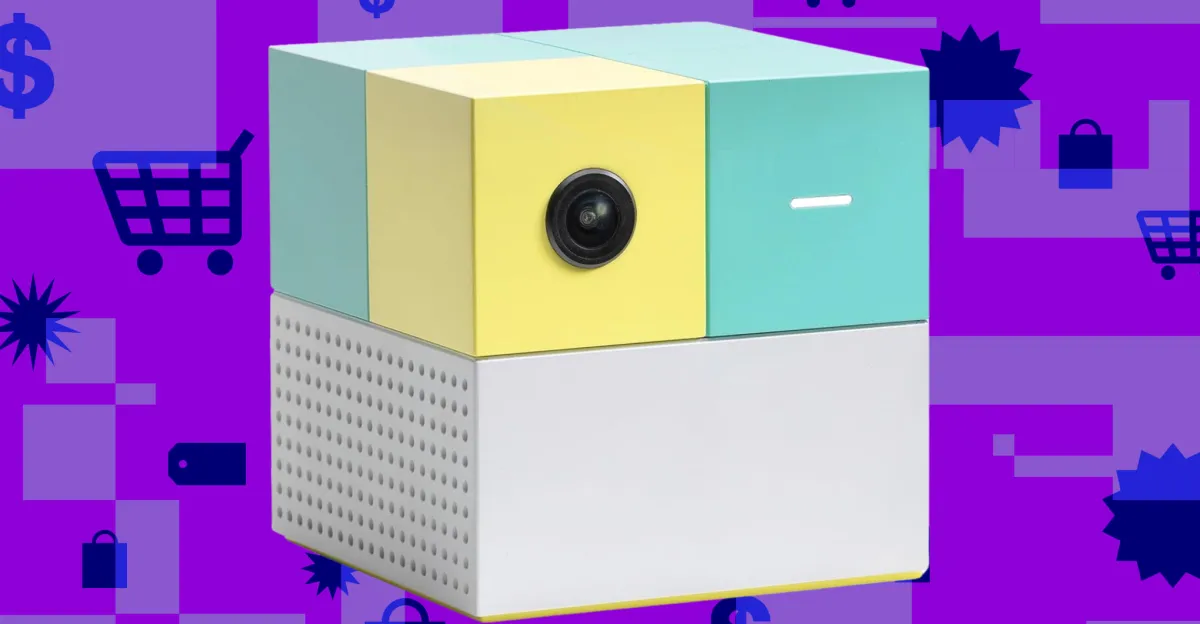
The ongoing holiday season has spotlighted a surge in innovative consumer electronics that are poised to transform the entertainment landscape and redefine how users interact with technology. Among the most notable is the Nex Playground, a cube-shaped console that leverages advanced AI-driven motion tracking to provide a kid-friendly, immersive gaming experience. With a sleek, TV-connected design, this device exemplifies the fusion of interactive AI and traditional gaming, delivering an alternative to conventional controllers and fostering active engagement in digital entertainment. Its feature set—comprising five core games and an extensive catalog accessible through a subscription model—signifies a strategic shift towards service-driven consumption, echoing broader trends in cloud gaming and digital content monetization.

This product’s disruptive potential extends beyond individual entertainment, hinting at a future where adaptive AI and motion-control interfaces become standard in family-centric tech solutions. Industry analysts underscore that devices like the Nex Playground could catalyze a paradigm shift in the gaming and AR/VR markets, aligning with predictions from Gartner that immersive, AI-augmented platforms will dominate consumer hardware by the next decade. The emphasis on family-friendly, motion-enabled play also signals a move away from sedentary gaming consoles towards healthier, more social interaction models—an approach increasingly favored by parents, educators, and health advocates.

Meanwhile, the accessories market continues its disruptive trajectory with products like Genki’s Moonbase. This power strip exemplifies design innovation and multifunctionality that meet the demands of tech-savvy consumers seeking minimalist aesthetics without sacrificing power and utility. Priced at an all-time low of $89.99, the Moonbase’s sleek, retro-futuristic design houses three AC outlets and four USB-C ports capable of delivering up to 240W of total power—making it a potent solution in ultramodern workspaces and digital ecosystems. Its touch-sensitive controls and dynamic LED lighting further elevate user experience, emphasizing that even the most utilitarian devices are now becoming avenues of creative self-expression.

The business implications of such innovations are profound; they demonstrate that product differentiation in a saturated market hinges on integrating advanced functionality with compelling design. Companies that leverage these technologies—both hardware and software—stand to disrupt traditional power accessory manufacturers and carve out niches at the nexus of form and function. Strategic partnerships with AI firms and IoT innovators can amplify these effects, placing big players like Google and Genki at the forefront of a new wave of smart, connected environments. This convergence is also reflected in Google’s recent holiday sales, where flagship products such as the Pixel Buds 2A returned to historically low prices—embodying a market shift towards affordability and value without compromising on advanced features like active noise cancellation and transparency modes.

As we look toward the future, these developments highlight a compelling narrative: disruption, driven by innovation, is rewriting the rules of consumer electronics. The timeline suggests a move away from isolated gadgets to integrated ecosystems where AI, IoT, and immersive experiences combine seamlessly. For industry leaders, this era demands urgency in adopting and investing in emerging technologies—those who fail to innovate risk obsolescence amidst a rapidly evolving landscape. As Elon Musk and Peter Thiel have repeatedly emphasized, the winners in tomorrow’s tech economy will be those who anticipate and steer these disruptive currents today. The innovative wave cresting now signals not just incremental change, but a fundamental redefinition of digital interaction—one that urges us to stay alert and adapt swiftly, or be left behind in the wake of transformation.

Social Media Auto Publish Powered By : XYZScripts.com