Matox News

Truth Over Trends, always!

Top Bluetooth Trackers for Your Apple and Android Devices

Revolutionizing Personal Asset Management: The Future of Bluetooth Trackers

In recent years, Bluetooth trackers have transitioned from novelty gadgets to critical tools shaping the landscape of personal asset management and security. Leading tech giants like Apple, Tile, and emerging players such as Pebblebee are aggressively innovating, disrupting traditional methods of item recovery and security. The latest advancements—particularly integration with ultra-wideband (UWB) technology—are positioning these trackers as essential components in the New Digital Ecosystem. This evolution not only enhances user experience but significantly impacts how businesses and consumers handle lost items, theft prevention, and safety protocols, marking a profound shift in both consumer electronics and security industries.

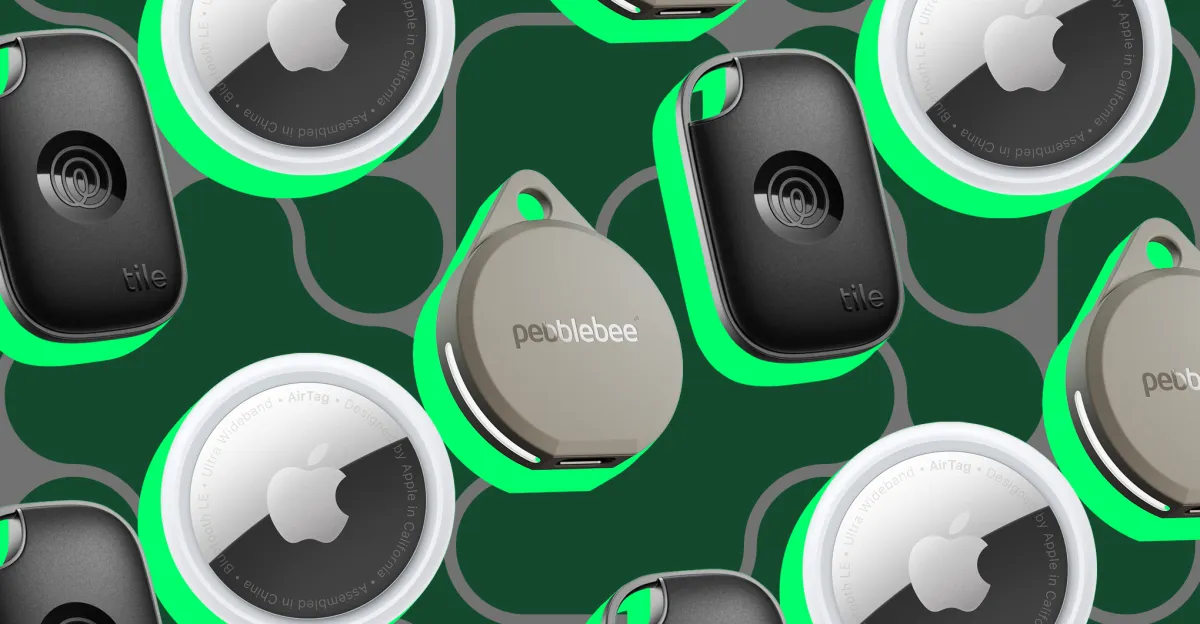
At Apple, the introduction of second-generation AirTags exemplifies this innovation surge. Equipped with an upgraded UWB chip, the new AirTag delivers precision finding capabilities that far surpass the accuracy of traditional Bluetooth trackers. The device leverages Apple’s extensive Find My network, turning billions of Apple devices into a seamless, anonymous tracking grid—an industry disruptor that competitors are racing to emulate. The implications for disruption are colossal; Apple’s integration of UWB and proprietary features rest on a strategic business move that consolidates its ecosystem dominance, making it a formidable gatekeeper in personal tracking security. The trend towards hyper-precise tracking is poised to redefine user expectations, elevate security standards, and drive market growth in the next decade.

Emerging Competition and Market Dynamics

While Apple primes the market with precision, Android-based solutions are rapidly catching up. Tile continues to be the dominant provider for Android households, offering versatile form factors such as the Tile Slim and the larger Tile Pro. Notably, Tile’s recent support for anti-theft features—including ‘Scan and Secure’ alerts—demonstrates a burgeoning focus on consumer safety, addressing concerns around unauthorized tracking and privacy breaches. As a result, the market sees industry shifts towards anti-stalking technology, inspired by regulations and user safety demands, such as the highly innovative anti-stalking features coming with Tile’s recent lineups.

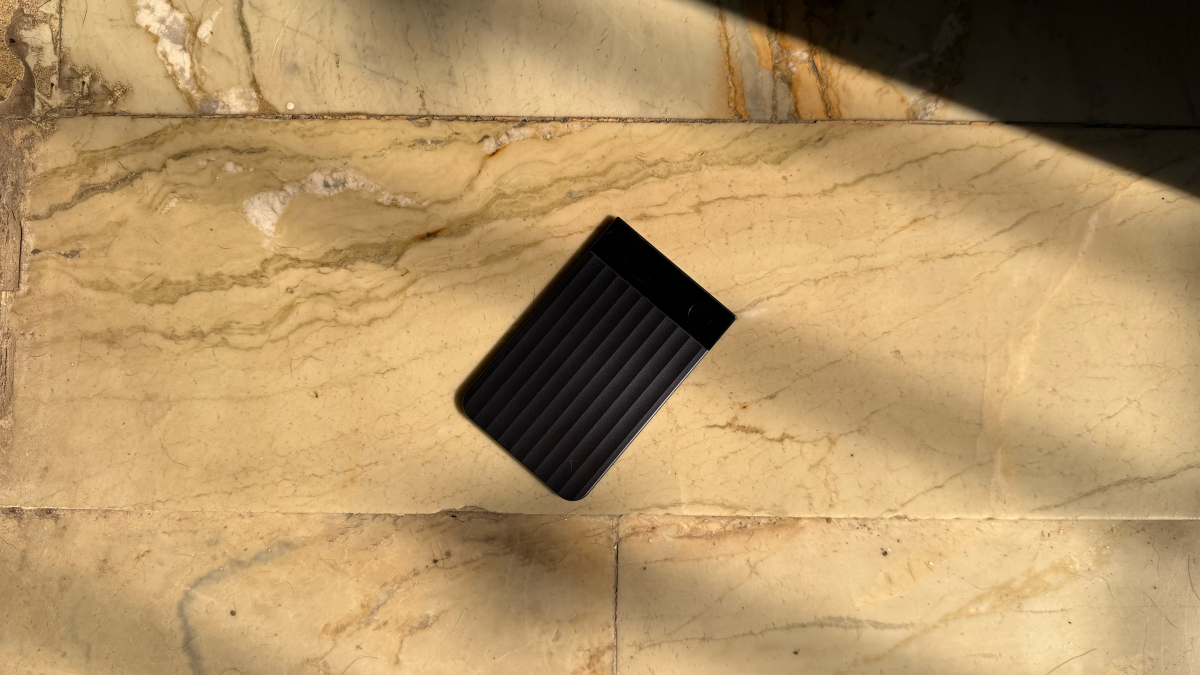
Furthermore, companies like Pebblebee and Samsung are innovating with features like rechargeable batteries, water resistance, and integration with large ecosystems—including Google’s Find Hub. The upcoming Eufy SmartTrack Card E40 aims to blend wireless charging with broad compatibility, including support for Google’s network. These developments signify market polarization—where innovation, privacy features, and cross-platform compatibility become key differentiators—shaping a fiercely competitive environment that demands agility and strategic foresight from industry leaders.

Implications for Business and Consumer Security

The disruption fueled by these technological strides carries enormous business implications:

  • Increased Market Penetration: Companies integrating UWB and privacy-centric features will access new consumer segments particularly concerned about security and theft prevention.
  • Enhanced Ecosystem Lock-in: Apple’s ecosystem advantages become more pronounced as their trackers leverage the Find My network, which, combined with innovative features, could create significant barriers for competitors.
  • Regulatory and Ethical Challenges: As anti-stalking and privacy protection features become standard, companies must navigate complex regulatory environments and develop ethics-focused security protocols.

Looking ahead, the rapid pace of innovation compels industry stakeholders to prioritize disruption-ready strategies—leveraging new tech like UWB, cross-device compatibility, and privacy innovation. With market dynamics tilting towards integrated, precise, and ethically conscious solutions, the race to dominate won’t just be thermal—it’s about shaping the security realities of tomorrow. For forward-thinking businesses and tech aficionados, seizing this moment is critical; the innovations now unfolding will define the next era of personal security and asset recovery, urging an immediate embrace of disruption or risk obsolescence.


Fresh leaks: Apple’s smart home display arriving this fall alongside iOS 27

Apple Delays Launch of Revolutionary HomePod with Integrated Screen and Robotics-Driven Devices

In a significant pivot within the smart home and consumer device sectors, Apple Inc. has postponed the highly anticipated “HomePod with a screen” from its initial launch window of 2025 to an unspecified fall timeframe. This delay, confirmed by industry leak sources such as X insider Kosutami and echoed by Bloomberg journalist Mark Gurman, signals a strategic hold as Apple recalibrates its entrance into the burgeoning intelligent home market amidst evolving AI and virtual assistant capabilities. The device, which has been shrouded in secrecy, is reportedly a sleek, silver aluminum-cased gadget featuring a 7-inch display, utilizing a custom version of tvOS 27 and powered by USB-C—a clear move to unify its ecosystem under a more flexible port standard.

This delay is not isolated but part of a broader, phased rollout of innovative products aimed at disrupting the traditional consumer electronics market. Alongside the HomePod refresh, Apple is also revamping its lineup of smart home products, including a new version of the Apple TV 4K, and a smart home sensor currently in development. These devices are expected to leverage the latest advances in artificial intelligence and machine learning to offer enhanced automation, security, and seamless integration within the Apple ecosystem. The upcoming devices are anticipated to run on future OS updates—iOS, macOS, and tvOS—set to debut in 2027, aligning with Apple’s broader strategy to position itself as an indispensable hub in every connected home.

The planned introduction of a robot arm-equipped device, initially projected for this year, has now been postponed until 2027, underscoring the company’s cautious approach amid ongoing AI advancements and supply chain considerations. Industry analysts from institutions like Gartner highlight that these disruptions, although initially frustrating, create opportunities for disruptive innovation. Apple’s focus on integrating AI-driven features and hardware versatility could redefine user engagement in smart living spaces, propelling it ahead of competitors like Amazon and Google in the smart speaker and home automation sectors.

The business implications are profound: Apple’s strategy to stagger product launches—covering foldable iPhones, updated software, and smarter home devices—indicates a conscious effort to maximize market impact and maintain exclusivity in a rapidly saturated market. By aligning product timelines with AI and Siri enhancements, Apple is reinforcing its vision to become the central control point for digitally interconnected households.

  • Enhanced AI integration for personalized user experiences
  • Expansion into sensors and automation for smarter homes
  • Continued ecosystem lock-in to boost hardware and service revenue

Such moves collectively underline a broader industry shift towards disruptive innovation—where hardware becomes secondary to end-to-end smart environments driven by AI. As industry experts from MIT to Peter Thiel warn, the next decade will favor companies that can rapidly iterate on AI-powered hardware while maintaining ecosystem lock-in, a game-changing power play.

Looking ahead, the postponement of these flagship devices signals both challenges and massive opportunities. Apple’s cautious approach ensures it can deliver polished, AI-driven experiences capable of disrupting entrenched players, but it also presses the urgency for startups and incumbents to accelerate their innovation cycles. As AI continues to evolve from a supportive role to a core strategic asset, the next 12-24 months will be crucial in defining who dominates the smart home and consumer tech landscape—and those who fall behind risk being swept away by the relentless tide of technological disruption.

Apple gears up for premium push with new ‘Ultra’ lineup set to dominate

Apple’s Innovation Trajectory: Folding Devices, Visual-Enhanced Earbuds, and Market Disruption

Apple continues to push the boundaries of consumer technology, signaling a strategic shift towards integrating disruptive innovations across its product lineup. Rumors indicate that the tech giant is on the cusp of releasing a foldable iPhone priced at approximately $2,000, which would introduce a new dimension to premium mobile devices. This move positions Apple firmly in the competitive high-end segment, where innovation often dictates clear market leadership. Additionally, the upcoming touchscreen MacBook Pro, expected by fall, exemplifies Apple’s commitment to blending portability with cutting-edge display technology—a move that could redefine professional computing.

However, it is the evolution of wearable technology that exemplifies Apple’s focus on disruption and innovation. The rumored next-generation AirPods are said to include embedded cameras capable of feeding visual context directly to Siri, signifying a leap toward more intelligent, context-aware devices. This suggests a future where auditory and visual inputs are seamlessly integrated into a unified user experience, elevating the potential for how consumers interact with AI. Platforms like Apple Silicon and branding extensions such as AirPods Ultra are expected to consolidate the company’s market dominance, while also challenging established players in the wearables space.

Market Strategies: Going Both Up and Down

Apple’s approach appears to be twofold: expanding into high-end premium markets with ultra-luxury foldable devices and venturing into more affordable, versatile form factors to capture emerging consumer segments. The development of multiple foldable devices and the Neo model hints at a strategy to appeal to both tech enthusiasts seeking the latest innovation and mainstream users seeking adaptability. This “dual-market” approach could disrupt traditional product hierarchies, compelling competitors like Samsung and Google to reevaluate their offerings and innovate faster.

Analysts at Gartner emphasize that this dual trend might accelerate industry-wide disruption, fostering a more dynamic, competitive landscape. According to MIT researchers, such portfolio diversification aligns with the broader industry trend toward convergence of mobile, AI, and wearable tech, foreshadowing a new era of interconnected devices. As industry leaders like Elon Musk and Peter Thiel have consistently highlighted, innovation’s velocity is fundamental to maintaining economic dominance; Apple’s moves indicate it is fully attuned to this imperative.

The Road Ahead: Accelerating Innovation and Industry Transformation

The implications for businesses are profound. As Apple invests in disruptive technologies that blend form, function, and AI capabilities, competitors will need to accelerate their own R&D efforts to keep pace. The industry’s future hinges on seamlessly integrated, smart devices that redefine consumer expectations. The emergence of foldables, AI-powered wearables, and versatile form factors will likely serve as catalysts for industry-wide disruption. Time is of the essence—companies that fail to adapt swiftly risk obsolescence in an era where technological innovation drives market leadership.

As we look forward, one thing remains certain: the pace of change in consumer tech will only accelerate. Apple’s current trajectory underscores a clear reality—those who innovate fastest and adapt most nimbly will shape the digital landscape of tomorrow. Industry insiders and analysts warn that delays in embracing these emerging trends could leave others behind as the market evolves into a hyper-competitive, AI-integrated environment. The coming years will be pivotal, demanding bold moves and relentless innovation from all players seeking to secure their place at the forefront of the next tech revolution.

Honor’s Robot Phone is dropping later this year — tech just got even cooler for the next-gen.

Honor Unveils Robot Phone and humanoid robots at MWC 2026: A Disruptive Leap in Tech Innovation

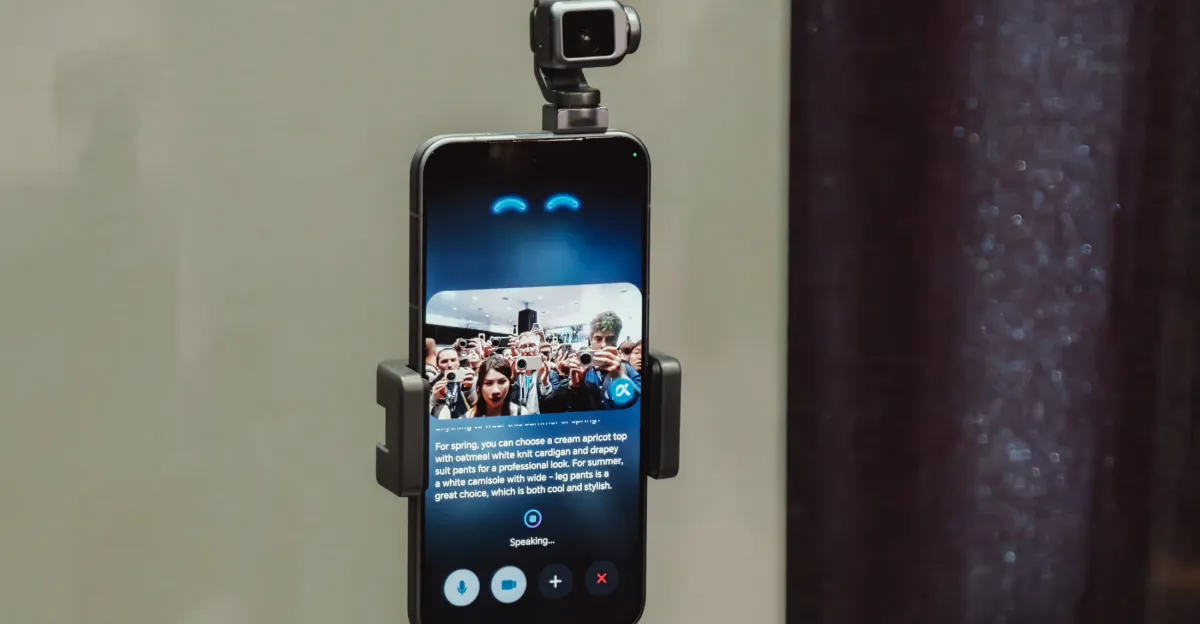
The Mobile World Congress 2026 in Barcelona marked a significant milestone as Honor announced and demonstrated its pioneering efforts in robotics and mobile technology with the debut of the so-called Robot Phone. While details remain scant, the showcased device signifies a bold step toward integrating advanced AI and robotics into consumer electronics, signaling a potential shift in how technology interacts with everyday users. The demonstration featured a working prototype capable of holding AI-enabled conversations, movably folding back, and mimicking human gestures—hallmarks of disruptive innovation aimed at positioning Honor firmly in the forefront of next-generation device development.

During the event, Honor also exhibited a humanoid robot, which impressed spectators with its agility, including dance routines and backflips—albeit with some ambiguity about whether the robot was remotely teleoperated or acting autonomously. Demonstrations of the robot haltingly waving and shaking hands hinted at rapid advancements in robotics behavior, but also highlighted lingering questions about the maturity and reliability of such machines in real-world applications. This dual showcase underscores a broader industry trend toward integrating autonomous robotics into consumer platforms, promising to redefine service, security, and entertainment sectors. Notably, Honor’s willingness to reveal these prototypes signals an industry-wide pivot toward robotics as a core strategic area, with the potential to challenge incumbent tech giants entrenched in mobile and AI markets.

Market analysts and industry leaders, including Gartner and MIT researchers, underscore the business implications of these developments. The convergence of AI-enabled smartphones and humanoid robotics is poised to accelerate the disruption of traditional industries, from customer support to personal assistants. Honor’s pivot into robotics — coupled with the planned release of the Robot Phone expected in China later this year — exemplifies how innovative companies are leveraging rapid technological advances to carve out unique market niches. This strategic move could catalyze a new era of integrated AI ecosystems, where devices are not just tools but partners capable of complex interactions and autonomous functions.

As the industry hurtles toward this future, stakeholders face the dual challenge of harnessing the immense potential of robotics and AI while managing the risks associated with interoperability, safety, and ethical deployment. Experts like Elon Musk and Peter Thiel emphasize that the coming decade will be pivotal; failure to adapt quickly to the disruptive wave of AI and robotics could render current market leaders obsolete. With Honor’s latest prototypes nudging the boundaries of what’s technologically feasible, it is clear that the race for control of this new frontier is intensifying. The urgency for established corporations and startups alike to innovate at breakneck speed has never been greater. The industry’s trajectory suggests that those who lead in AI-powered robotics and ubiquitous intelligent devices will dominate the next wave of global tech dominance, making the immediate future one of unparalleled opportunity and strategic risk. The clock is ticking — the future belongs to the bold, the innovative, and those willing to disrupt.”

Razer’s new laptop sleeve powers your gadgets on the go—wirelessly charging anywhere

Razer’s New Laptop Sleeve Combines Protection with Cutting-Edge Wireless Charging

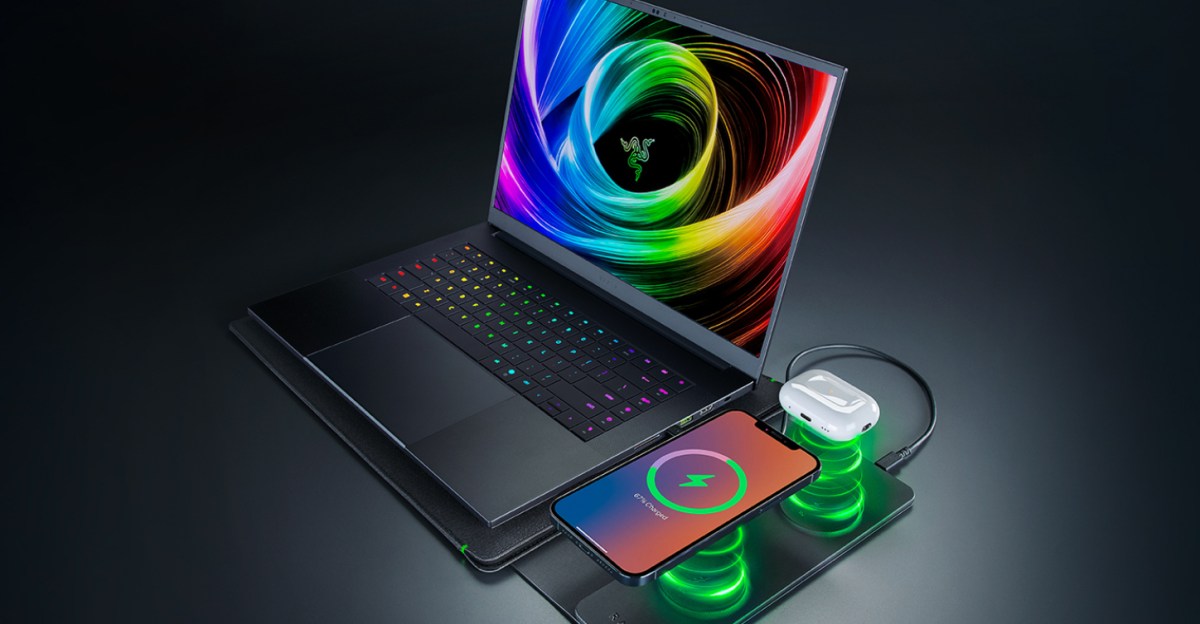
The technology landscape continues to evolve rapidly, with leading brands like Razer pushing the boundaries of device accessories. Recently, Razer unveiled its Laptop Sleeve 16”, a product that exemplifies disruption by merging robust protection with integrated wireless charging capabilities. At a premium price point of $129.99, this accessory marks a notable shift in how gaming and tech companies approach user-centric innovation.

Equipped with dual wireless charging pads embedded within its cover flap, the sleeve transforms the typical protective case into a mobile charging station. This feature addresses the escalating demand among young, tech-savvy professionals for convenient, on-the-go power solutions— especially for smartphones, earbuds, and other wireless peripherals. The integration of this technology points to a broader trend where disruptive accessories are blurring the lines between hardware protection and functional augmentation. Industry analysts from Gartner suggest that such innovations could lead to a new wave of multifunctional device accessories, catalyzing a shift in the standard consumer expectations across electronics markets.

Implications for the Business Ecosystem and Industry Dynamics

This development carries significant business implications. As companies like Razer introduce premium features into relatively niche accessories, competition will intensify among gadget accessory manufacturers seeking differentiation through innovation. The upgrade in user experience demonstrates a move toward premium, integrated solutions that not only serve as protection but also enhance daily productivity. However, this also introduces challenges—potentially regarding supply chain complexity and compatibility issues, as not all laptops can support full wireless charging at optimal speeds due to power limitations via USB-C ports. The cautious approach from tech giants and startups alike signals that future success depends on balancing innovation with reliable performance.

Experts such as Elon Musk and Peter Thiel have long advocated for transformative technologies that empower individual users and disrupt established markets. The Razer Sleeve epitomizes this philosophy, illustrating how the convergence of smart design and connectivity is reshaping accessory paradigms. As industry leaders and startups race to embed wireless charging, solar power, and other disruptive features into everyday devices, the potential emerges for entirely new categories of office-to-outdoor gear. This trend aligns with the strategic visions outlined by leading institutions like MIT, emphasizing the importance of integrating hardware advancements with software ecosystems for a seamless user experience.

Looking Ahead: The Future of Tech Innovation and Critical Disruption

The arrival of innovative accessories such as Razer’s wireless-charging sleeve signifies a pivotal moment for the tech industry—a demand for more integrated, multifunctional, and intelligent designs will only accelerate. As the market shifts toward these disruptive innovations, companies that hesitate risk falling behind in a fiercely competitive landscape. The pace of change suggests that the next decade will see an explosion of integrated, AI-enhanced devices that reconfigure how users interact with their technology daily. For forward-thinking organizations and consumers alike, the key will be to monitor these trends closely, preparing to adapt to a future where the boundary between accessories and core devices becomes almost indistinguishable. In this rapidly evolving environment, those who can innovate swiftly will dominate the next chapter of tech evolution.

The Verge’s 2026 Top Tech Gifts for Her—Feel the Love, Upgrade Your Game

Emerging Technologies and Market Disruption Signal a New Era for Business Innovation

As the technological landscape accelerates at an unprecedented pace, industry leaders are closely monitoring breakthrough innovations that threaten to reshape the global economy. Artificial Intelligence (AI), quantum computing, and biometric authentication are leading the charge, disrupting established sectors and opening pathways for new business models. According to recent analyses from Gartner and top-tier research institutions, these advancements could redefine competitive advantages across tech-driven markets. Marketers and entrepreneurs alike must prepare for a future where agility and technological literacy are no longer optional but essential for survival.

One of the most compelling shifts is led by AI-powered automation, which is rapidly transforming industries from finance to healthcare. Companies like Microsoft and Google are deploying AI systems capable of complex decision-making, dramatically reducing costs and increasing speed. Similarly, the advent of quantum computing—a domain long considered theoretical—has entered practical testing phases at institutions like MIT and tech giants such as IBM. These technologies promise to unlock processing power that can solve previously intractable problems, undermining traditional encryption and data analysis methods used by legacy firms.

The disruptive potential extends beyond operational efficiencies; it impacts competitive strategies and market dominance. Analysts warn that pioneering companies embracing these innovations will gain substantial first-mover advantages, potentially cornering major sectors and upending market share. Biometric authentication and decentralized blockchain solutions are also gaining ground, offering enhanced security and transparency. This wave of innovation enforces a shift toward a more decentralized and digitally secured marketplace, challenging the historical dominance of centralized institutions. Firms that adapt quickly will be positioned for future growth, whereas those slow to innovate risk obsolescence.

Looking forward, the convergence of these technologies suggests a future where the boundaries between digital and physical realities blur, accelerating a technological arms race that demands urgent strategic recalibration. As Elon Musk and Peter Thiel emphasize, disruption is an inevitability; the question is whether organizations will be the disruptors or the disrupted. Now is the critical moment for businesses to leverage innovation, invest in R&D, and foster a culture of agility. With market shifts occurring faster than ever, future success hinges on recognizing emerging trends early and capitalizing on disruptive opportunities before competitors do. The urgency to innovate has never been greater—those who act decisively today will define the industry standards of tomorrow.

20 Must-Have Gadgets for Valentine’s Day, Selected by Verge—On Sale Now

Tech Disruption Accelerates as Consumer Gadgets Redefine Industry Standards

In an era where rapid innovation and strategic disruption fuel the consumer electronics landscape, industry leaders are unleashing a wave of next-generation devices that promise not only to redefine user experience but also to reshape the very fabric of technological business models. As market dynamics shift, driven by cutting-edge features and strategic pricing, giants like Apple, Google, and Sonos are capitalizing on emerging trends to maintain dominance while startups innovate with disruptive products that appeal to digitally savvy youth audiences.

One visionary staple, Aura, has revolutionized digital photo sharing in the form of the Aura Aspen — a sleek, 12-inch LCD digital frame that transforms static memories into dynamic displays accessible from anywhere via companion apps or email. The device exemplifies how disruption in traditional photo framing merges seamlessly with digital connectivity, offering a product that’s both nostalgic and hyper-connected. The tech industry recognizes this as a clear indicator of industry-wide shifts towards interconnected, AI-enabled home décor, which stands to unlock new streams of revenue while challenging entrenched offline paradigms.

Smart and Connected Devices: Elevating Consumer Engagement and Business Strategies

Meanwhile, the smart home ecosystem is further invigorated by products like Amazon’s Echo Dot Max and Google TV Streamer (4K). Experts from Gartner note that smart speakers and streaming devices are transitioning from novelty items to essentials for millennial and Gen Z consumers. The Echo Dot Max, now priced at an attractive $79.99, features advanced sound quality and support for Matter, Thread, and Zigbee protocols, enabling smoother integration with a broader range of smart home devices.

In the visual content realm, the Google TV Streamer pushes the boundaries of streaming innovation by combining exceptional interface design with built-in Ethernet and smart home compatibility. Disruption occurs not only in content delivery but also in how consumers control their entertainment and smart environments, supported by industry reports highlighting the shift toward integrated, user-centric smart ecosystems. These platforms are increasingly becoming critical for businesses to foster brand loyalty while progressing toward more intelligent, anticipatory home environments.

Gaming, Health & Personalization: New Frontiers of Business Opportunity

In wearable tech, products like Amazfit Active 2 and Google Pixel Watch 4 serve as proof points for how health and fitness tracking deeply integrate into youth-centric lifestyles. Analysts from MIT highlight that wearables are evolving from simple fitness aids into comprehensive health monitoring platforms with embedded AI and personalized insights — opening lucrative avenues for health-tech startups and established players alike. The Pixel Watch 4 also exemplifies hardware design that prioritizes *repairability*, signaling an industry shift towards sustainability and longer product lifecycles, which investors see as a key strategic move to sustain brand loyalty amid fierce competition.

In the audio space, Sonos advances with the Era 100 and Arc Ultra. These devices cater to a consumer base demanding immersive entertainment experiences, blending high fidelity sound with smart speaker capabilities. The disruption here lies in the integration of Dolby Atmos technology and multi-platform support, forcing competitors to leapfrog with innovation if they wish to stay relevant in this highly competitive segment.

Looking Ahead: Innovation as the Lifeblood of Tech Giants and Startups Alike

Collectively, these industry shifts reveal a powerful underlying trend: disruption driven by innovation, smart integration, and consumer-centric business models. With strategic discounts and feature upgrades, companies are positioning themselves for market dominance in a future where connected, intelligent devices are woven into daily life. Experts like Peter Thiel warn that companies slow to innovate will quickly fall behind as startups leverage emerging tech to carve out new niches, intensifying competitive pressures.

With consumer expectations accelerating, the imperative for brands to innovate fast and disrupt the status quo has never been clearer. As technological advancements continue to cascade into every facet of daily life, industry stakeholders must recognize that standing still equates to falling behind. The future will belong to those who harness the power of innovation, disrupt entrenched markets, and continuously push the boundaries of possibility. The urgency to adapt and lead in this rapidly evolving environment is now greater than ever—disruption is here to stay, and the clock is ticking.

Smart AI Notetakers: Boost Your Meetings with Seamless Recording & Transcription

Emerging AI Notetaking Devices Signal Disruption in Productivity Tech

In a rapidly evolving landscape of professional productivity tools, the advent of physical AI notetakers is positioning itself as a transformative force—challenging traditional methods of recording, transcribing, and analyzing conversations. These devices, ranging from sleek credit-card-sized gadgets to wearable pins and pendants, incorporate state-of-the-art AI and miniaturization, offering seamless integration into everyday professional routines. Major players like Plaud, Mobvoi, and Comulytic are leading the charge, revealing a new paradigm where disruption is just beginning to reshape business communication and knowledge management.

The innovation driving this shift is evident in the broad array of features embedded in these devices. For instance, Plaud Note Pro packs a small screen, four microphones, and the ability to record audio within a three- to five-meter radius, accommodating both in-person and call recording with remarkable flexibility. Priced at just $179, it offers 300 minutes of free transcription monthly, emphasizing affordability without sacrificing performance. Similarly, Mobvoi TicNote leverages real-time transcription and translation support for over 120 languages, with 25 hours of continuous recording and overlay functionalities like automatic highlight extraction and summary creation—tools that redefine how youth and professionals alike capture and analyze discussions.

From a business perspective, these innovations signal a disruptive wave targeting traditional note-taking and manual transcription sectors. Companies like Comulytic stand out by offering unlimited, subscription-free transcription for just $159, a stark contrast to SaaS-based models that often impose recurring fees. Moreover, Omi Pendant and Viaim RecDot emphasize versatility and integration, with open-source hardware and app support, fostering a developer ecosystem that could rapidly accelerate industry adoption. These devices collectively are setting a new industry standard—one that prioritizes disruption of incumbents and the future of real-time, accessible, and portable AI-driven knowledge capture.

Experts from Gartner and MIT highlight that the market for AI-enabled productivity devices is poised for exponential growth, driven by widespread remote work, the push for automation, and the demand for smarter AI assistants. Elon Musk and Peter Thiel have emphasized the importance of innovation in hardware and AI synergy, foreshadowing a future where such tools will be essential for competitive advantage. As these technologies grow more sophisticated—integrating live translation, intelligent summarization, and customizable workflows—the potential for business disruption extends beyond note-taking into areas like legal documentation, education, and even military communications. The urgency for organizations to adapt arises from the convergence of this technological momentum with rapid market adoption, making these AI notetakers not just gadgets, but catalysts of a foundational shift in how information is gathered and processed.

The future seems clear: those who leverage these disruptive innovations early will command a significant strategic advantage. The ongoing miniaturization, software extensibility, and multi-language support portend a massive leap forward in productivity tools—possibly rendering traditional note-taking obsolete. As industry figures and tech giants continue to refine these devices, the window to capitalize on this wave of disruption narrows, underscoring the urgency for forward-thinking organizations and youth entrepreneurs to stay ahead of the curve and harness the full potential of AI-driven hardware innovations.

Top Deals Alert: AirPods 4 and Google’s 4K Streamer Lead the Week’s Hottest Tech Offers

Disruptive Innovation in Consumer Tech: A Look at the Latest Market Shifts

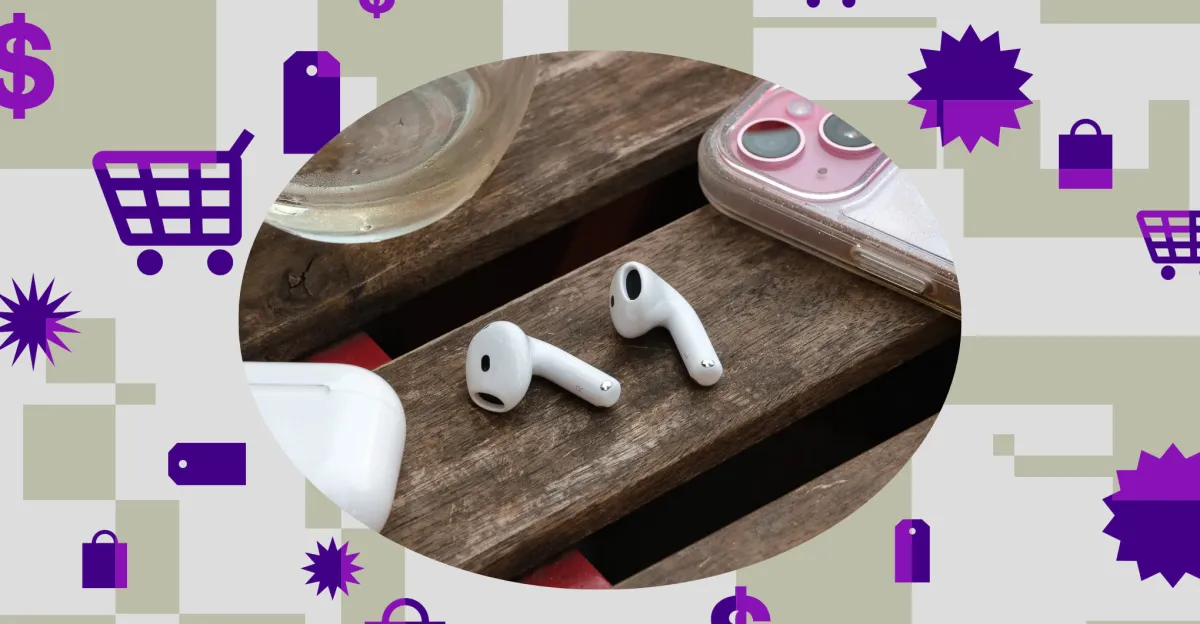
The rapidly evolving landscape of consumer electronics continues to be driven by constant innovation and strategic disruption. Industry giants like Apple and Google are pushing the boundaries of what technology can achieve, particularly in the realm of personal audio and smart home devices. The recent rollout of AirPods 4 with Active Noise Cancellation exemplifies this momentum, offering consumers compelling features that rival even the most premium models. At just $119 on sale—near historic lows—these earbuds are not just a product but a strategic move by Apple to dominate the mid-tier market and retain user lock-in within its ecosystem. The integration of features such as head-tracking spatial audio, automatic device switching, and live translation underscores Apple’s focus on ecosystem lock-in and user experience, which analysts from Gartner suggest will be the blueprint for future device development.

Meanwhile, Google’s Chromecast successor boldly advances the smart home and entertainment markets, supporting Dolby Vision and Dolby Atmos—features historically reserved for high-end setups. With a built-in Find My function for locating misplaced remotes and compatibility with Matter and Thread protocols, Google’s device signals a shift toward hub-centric smart home ecosystems. However, its reliance on Wi-Fi 5 highlights industry caution: technological lag could hinder fully seamless future integrations, especially as Wi-Fi 6 and 6E become standards. This strategic move hints at a broader industry pivot where disruption is not merely about adding features but about establishing ecosystems that control user behavior and data, echoing concerns raised by industry veterans like Elon Musk and Peter Thiel about technological stagnation and market dominance.

Amidst these technological leaps, content remains king. The return of popular series like Drops of God and Shrinking, along with the imminent premiere of Ted Lasso‘s latest season, illustrates how content curation and exclusive streaming services continue to influence consumer engagement and spending habits. As streaming platforms acquire exclusive content rights, industry analysts warn of evolving subscription fatigue—a scenario where consumers are overwhelmed by competing paywalls, potentially affecting the profitability and innovation strategies of media giants. This industry dynamic could lead to further consolidation or innovation in monetization models, which could complement or compete with the hardware ecosystem strategies by companies like Apple and Google.

Looking Forward: Innovation or Stagnation?

As these developments unfold, the industry stands at a pivotal crossroads. With disruption accelerating in both hardware and software, the firms that can innovate rapidly and embed themselves into daily life will command the future market. The integration of advanced features such as spatial audio, smart home hubs, and embedded AI translation marks a new phase of hyper-connected consumer environments. However, industry insiders warn that lagging behind on technological standards, like Wi-Fi 6, could impede full ecosystem potential. The challenge remains for manufacturers to balance innovation with rapid deployment, a factor that could shape market leaders for decades to come.

Indeed, the future belongs to those who not only innovate but also disrupt established paradigms. As critics and industry figures emphasize, “Tech advancement is a race, and the speed of adoption often determines market dominance”. For consumers and investors alike, staying ahead of this curve will require vigilant attention to evolving standards and strategic moves by tech giants. Disruption is relentless; the choice is clear: innovate boldly or risk being left behind in the wake of the next industry wave.

Peloton Cuts 11% of Staff Amid AI Hardware Launch—Are Tech Times Changing?

Peloton Restructures Amid Market Turmoil and AI-Driven Innovation

In a decisive move indicative of broader industry disruptions, Peloton announced it will lay off approximately 11 percent of its workforce, primarily targeting engineers involved in technology and enterprise initiatives. This follows an earlier 6 percent reduction last August, marking a continued effort to realign its business model in a challenging market environment. Industry analysts see these cuts as a sign that Peloton is struggling to maintain its pandemic-fueled growth, with sales figures showing a prolonged decline despite launching innovative hardware featuring Peloton IQ AI. These developments underscore the aggressive shift in how fitness technology companies must innovate or face obsolescence in a hyper-competitive landscape.

The company’s latest strategic pivot involves deploying AI-powered features across its product lineup, aiming to deliver personalized, real-time performance insights that could disrupt traditional workout routines. The Cross Training Series, introduced last October, includes a revamped bike, treadmill, and rowing machine—each integrated with AI capabilities such as real-time form correction, exercise analysis, and AI-generated routines. These features, meant to elevate user engagement and justify increased subscription costs, exemplify how disruption in the fitness tech industry hinges on harnessing AI to maximize user outcomes and retain loyalty. Yet, despite these technological advancements, initial sales have been sluggish, raising concerns about whether Peloton’s innovation can translate into immediate commercial success.

The industry’s trajectory underscores a growing trend where traditional fitness companies are forced to pivot rapidly, investing heavily in AI and data-driven personalization to compete against tech giants and emerging startups. This massive shift toward intelligent, autonomous workout systems echoes predictions by firms like Gartner, which emphasize that AI and machine learning will be core drivers of competitive advantage in the coming decade. However, Peloton’s recent struggles highlight a crucial lesson: technological innovation alone cannot guarantee market resurgence. Instead, it must be coupled with effective marketing, product differentiation, and scalable operations—areas where Peloton has faced setbacks, as it attempts to counteract declining subscriber growth and mounting financial pressure.

From a business perspective, Peloton’s ongoing downsizing and technology overhaul signal a broader warning to industry players: Disruption is only beneficial if it sustains user engagement and profitability. Meanwhile, industry watchers like Elon Musk and Peter Thiel suggest that the surge toward AI-enhanced fitness is inevitable and will redefine the entire health and wellness sector. The imperative now is for companies to move beyond incremental enhancements and embrace radical innovation that leverages AI not just for customization but for creating entirely new business models and ecosystems. As the market evolves, so too must the strategic agility of industry leaders to avoid obsolescence and harness the disruptive potential of AI-driven fitness technology.

Looking ahead, the timeframe for Peloton’s recovery remains uncertain, emphasizing the urgency of strategic adaptation in a hyper-accelerated technological landscape. The industry’s next chapter is poised to be defined by companies that successfully integrate emerging AI capabilities with scalable, engaging user experiences. Those who fail to do so risk being overshadowed by nimble startups and digital giants forging entirely new markets. In this context, Peloton’s ongoing transformation exemplifies the pressing need for bold innovation and relentless adaptation—because in the race for market dominance, standing still is equivalent to moving backward.

Social Media Auto Publish Powered By : XYZScripts.com