Matox News

Truth Over Trends, always!

Top Black Friday Tech Deals for Students: Laptops, TVs & More Savings

Black Friday Sparks Innovation Surge & Industry Disruption

As the countdown to Black Friday 2023 begins, the technology sector is witnessing not only an influx of unprecedented deals but also a clear signal of shifting market dynamics driven by rapid innovation and strategic disruption. Well-established giants like Apple and Bose are offering deep discounts, yet the symposium of sales underscores a deeper narrative: the acceleration of competitive innovation that could redefine industry standards in the near future. In a landscape where consumer expectations continually shift toward integrated, ultra-connected devices, the tech giants are vying to lead the next wave of hardware evolution.

Among the most compelling trends is the aggressive pricing strategy that is fostering a disruptive environment for traditional players. For instance, Apple’s latest 13-inch MacBook Air has dropped to an all-time low of $749.99, representing a strategic milestone that could threaten entrenched market shares of Windows-based rivals. Meanwhile, Bose’s QuietComfort Ultra Earbuds are on sale for $50 off, exemplifying how premium brands are balancing innovation with price competitiveness to lure consumers. This model of competitive discounting indicates a broader industry shift—where cost and performance innovations are pushing consumer devices into more accessible territory without sacrificing core functionalities.

Disruption & Business Implications

  • Enhanced Product Ecosystems: Companies are increasingly integrating AI, biometric sensors, and improved wireless connectivity to create more cohesive user experiences, driving loyalty and market differentiation.
  • Emerging Market Leaders: Smaller firms and startups leveraging AI-driven manufacturing and supply chain disintermediation could upend traditional giants, accelerating the pace of innovation.
  • Consumer Data & AI: Heavy investments in AI for personalization and predictive analytics are transforming how companies approach product development and customer engagement, as highlighted by Gartner’s latest forecasts on AI adoption.

Industry analysts such as Gartner and MIT scholars warn that the race for technological supremacy is now intensifying, with startups and established players alike betting heavily on disruptive innovations. Companies like Tesla and Elon Musk have demonstrated the disruptive potential of integrating AI and automation into core business operations—trends that are now permeating the consumer electronics sector. The innovation race is no longer limited to hardware but extends to software, services, and integrated hardware-software ecosystems—setting a precedent for a future where disruption becomes the new normal.

Future Outlook: The Need for Vigilance & Strategic Foresight

As the industry accelerates toward an era of unprecedented innovation, the urgency for companies to adopt proactive strategies grows. The next wave of technological disruption promises to eliminate legacy barriers and democratize access to advanced consumer electronics. However, market leaders must remain vigilant, investing in R&D and safeguarding intellectual property amid increasing competitive pressures. The industry’s trajectory indicates that only those who leverage disruptive innovation while navigating the complexities of global supply chains will thrive.

In conclusion, this holiday season marks more than just a shopping frenzy; it is a tangible reflection of a broader technological revolution that is poised to reshape the business landscape. Innovation, disruption, and strategic agility will be the key drivers of success in the coming years, compelling industry insiders to stay alert and adapt swiftly to emerging trends. The race for technological dominance is heating up, and future competitiveness will hinge on the ability to anticipate and capitalize on next-generation breakthroughs—fundamentally changing how we connect, work, and play.


Lock in 50% Off Walmart Plus — Deal Ends December 2nd!

Walmart’s Innovative Strategies Amidst Holiday Shopping Frenzy

In a remarkable display of retail agility, Walmart is leveraging innovative marketing tactics to solidify its presence within the fiercely competitive e-commerce landscape. The company’s recent rollout of a heavily discounted Walmart Plus annual membership at just $49—half off the regular price—illustrates a targeted approach to disrupt traditional shopping patterns. by pioneering this aggressive promotional strategy, Walmart not only enhances its consumer engagement but also sets a new benchmark in subscription-based retailism, echoing the kind of disruptive innovation that analysts at Gartner see as vital for survival in today’s digital economy.

This move is not merely a sale but a calculated step to deepen market penetration during the critical holiday shopping season. Walmart plans to deploy its Black Friday deals in multiple waves, starting online at 7 PM ET on Thursday, November 13th, exclusively for Walmart Plus members. The phased rollout continues with early deals launching for the general public on November 14th and a second wave beginning on November 28th, stretching right into Cyber Monday. This strategic timing maximizes consumer engagement while subtly alerting competitors of Walmart’s intent to dominate the holiday discount narrative. Such sequencing leverages the concept of disruption, where traditional sales events are being replaced or supplemented by continuous, engagement-driven campaigns that extend consumer touchpoints over a monthlong period, fostering brand loyalty and increasing revenue streams.

Business Implications of Walmart’s Disruption Strategy

Walmart’s tactical deployment demonstrates a nuanced understanding of the shifting retail landscape, where innovation-driven customer retention and data-driven marketing are key to staying ahead. The company’s focus on subscription models like Walmart Plus not only diversifies revenue streams but also creates a sticky ecosystem that discourages consumer defection to competitors such as Amazon. According to industry experts, this approach echoes the strategies advocated by visionaries like Elon Musk, who emphasize the importance of integrated ecosystems in ensuring long-term business resilience. With the pandemic accelerating e-commerce adoption, Walmart’s seamless blending of online and in-store experiences positions it as a formidable disruptor capable of outpacing legacy retail giants.

Moreover, the ongoing integration of discount programs with digital membership services signals a paradigm shift. It not only influences consumer buying behavior but influences industry standards toward subscription-based loyalty models. The risk, however, becomes evident if automation and subscription fatigue lead consumers to question long-term value versus cost. Such concerns underscore the importance of transparency and adaptable service offerings to sustain long-term growth in a hyper-competitive market. The decision to keep the renewal process transparent—urging consumers to reassess before automatic renewal—indicates Walmart’s awareness of evolving consumer sentiments, which could be pivotal as other retailers emulate similar models.

Forward Outlook: A New Frontier in Retail Disruption

Looking ahead, Walmart’s concerted push into innovative marketing and operational strategies reflects a broader industry trend—disruption as a necessity for survival. Tech giants and retail innovators alike recognize that the future belongs to those who can deploy data, automation, and subscription services to create frictionless shopping experiences. As the global economy pivots toward digital-first strategies, businesses that adapt swiftly will lead the charge, while those clinging to traditional models risk obsolescence.

The implications extend beyond consumer savings; they foreshadow a future where disruption is not merely a competitive tactic but a core business principle. Industry leaders and investors must stay attuned to these shifts, or risk falling behind in the relentless march of technological progress. In this fast-evolving landscape, the urgency to innovate and adapt has never been greater, and the companies that recognize this now will shape retail’s future in the years to come.

Apple’s sleek M4 MacBook Air hits new lows just in time for Black Friday

Apple’s M4-Powered MacBook Air Sets New Benchmark for Portable Computing

The recent rollout of the 13-inch and 15-inch MacBook Air models featuring Apple’s cutting-edge M4 chip signifies a seismic shift in the portable computing landscape. As the industry witnesses a swell of disruption and innovation, Apple’s latest offerings—available at unprecedented discounts ahead of Black Friday—highlight its strategic focus on delivering maximum performance in ultra-slim form factors. With the base 13-inch model now retailing for just $749.99—$250 off at Amazon—Apple is not only increasing accessibility but also challenging entrenched notions of premium hardware pricing.

At the core of this tech renaissance is the Apple M4 chip, which has quickly become a critical enabler of faster performance, enhanced battery life, and seamless integration with macOS 26. Gartner analysts note that the M4’s architecture signifies a paradigm shift, promising to disrupt traditional PC segments and accelerate Apple’s market dominance. The MacBook Air now features

  • Double the RAM at 16GB
  • Expanded webcam capabilities with a 12-megapixel Center Stage camera
  • Thunderbolt 4 ports upgrade

. These enhancements reinforce Apple’s strategic move to deliver higher-value experiences, placing the new MacBook Air well ahead of competitors in the ultralight category.

The implications extend beyond Apple’s product line. Industry watchers forecast a ripple effect, with other OEMs racing to adopt advanced ARM-based architectures inspired by Apple’s disruptive approach. MIT’s computer science faculty emphasize that such shifts point towards a future where integrated, efficient, and AI-optimized chips define the standard for next-generation laptops. This aligns with broader trends where software and hardware integration become pivotal for business agility, mobility, and innovation.

For businesses and consumers alike, this evolution signals a decisive move towards ultra-portable devices that do not compromise on performance. The 15-inch variant, with a superior six-speaker system and larger display, underscores Apple’s ambitions to tap into the professional segment without sacrificing portability. Meanwhile, the industry as a whole faces a decisive question: who will lead the next wave of disruption? As Elon Musk and Peter Thiel warn of a tech arms race driven by AI and hardware innovation, such advancements could reshape entire markets within the next few years—a race that tech pioneers must engage in decisively.

In conclusion, Apple’s latest MacBook Air models exemplify how innovation and disruption drive business strategies in the technology sector. With the combined power of the M4 chip and strategic pricing falls, Apple is reaffirming its leadership in shaping the future of portable computing. For industry stakeholders, the message is clear: timing is critical to stay ahead of the curve. The coming months will be pivotal as competitors scramble to respond, and early adopters profit from the cutting-edge capabilities that define tomorrow’s standards in portable hardware. The race to dominate the AI-integrated, ultra-light device market is intensifying—making now the critical moment for strategic investment and innovation-led growth.

This week’s top steals: Google Pixel Watch 3 and Anker’s dual-headed USB-C cable—gear up smart!

Emerging Trends Signal Disruption in Consumer Tech Industry

In an era marked by rapid technological innovation and market disruption, companies are leveraging new hardware and software advancements to secure their footholds in a fiercely competitive landscape. Google’s Pixel Watch 3 exemplifies this shift, showcasing not only the integration of Wear OS 6 with revolutionary AI features but also emphasizing the importance of health-centric wearables in the evolving ecosystem of Android devices. As Victoria Song highlights in her recent review, the watch’s extended battery life, seamless integration with Pixel devices, and multi-functional capabilities—including remote Google TV control and offline navigation—highlight how Google is positioning itself to challenge established players like Samsung and Apple.

Beyond smartwatches, accessory innovators such as Anker and Microsoft are driving disruption in the accessory and gaming markets. Anker’s new 2-in-1 USB-C cable restructures charging logistics, allowing consumers to charge multiple devices simultaneously with peak power throughput when paired with a 140W adapter, such as Apple’s latest offering. This move not only signifies a technological leap but also signals a shift towards more efficient, space-saving… device management—crucial in a market where productivity and convenience are paramount. Meanwhile, Microsoft’s Xbox Wireless Controller, now retailing at record lows, underscores how timeless hardware design—founded on user comfort and durability—continues to influence the gaming industry.

Implications for Business and Industry Leaders

These innovations are emblematic of a broader industry trend that favors disruption over tradition. Tech giants and startups alike recognize that differentiation now hinges on integrated ecosystems. For instance, Google’s push into AI-powered health tracking and software-driven updates reflect an understanding that continuous innovation is essential for maintaining competitive advantage. Analysts from Gartner suggest the wearables and accessories markets could see compound annual growth exceeding 20% over the next five years, driven by consumer desire for smarter, more interconnected devices.

Such market shifts compel established companies to reevaluate their strategies, while new entrants capitalize on niche innovations. The business implications are profound, including heightened patent activity, strategic acquisitions, and a focus on AI-driven feature development. As industry leaders like Elon Musk and Peter Thiel emphasize, disruption in technology not only challenges the status quo but also creates enormous opportunities for those who can harness these innovations swiftly and effectively. Competition will intensify, and companies must prioritize agility and strategic foresight to avoid being rendered obsolete.

Looking Forward: Seizing the Future of Tech Innovation

As we look ahead, one thing remains clear: The technological landscape is undergoing a fundamental transformation, driven by rapid advances in AI, wearable tech, and smart accessories. Industry insiders warn that failing to innovate could leave legacy companies trailing behind more agile disruptors. The convergence of hardware and software, exemplified by products like the Pixel Watch 3 and Anker’s new charging solutions, signals an era where disruptive innovations will redefine consumer expectations and redefine market winners.

For young entrepreneurs and established players alike, the challenge is to anticipate, adapt, and accelerate amidst this dynamic upheaval. In a world where technology is no longer an enabler but a core differentiator, the race for innovation is more urgent than ever, and those who capitalize on emerging trends now will shape the digital economy of tomorrow.

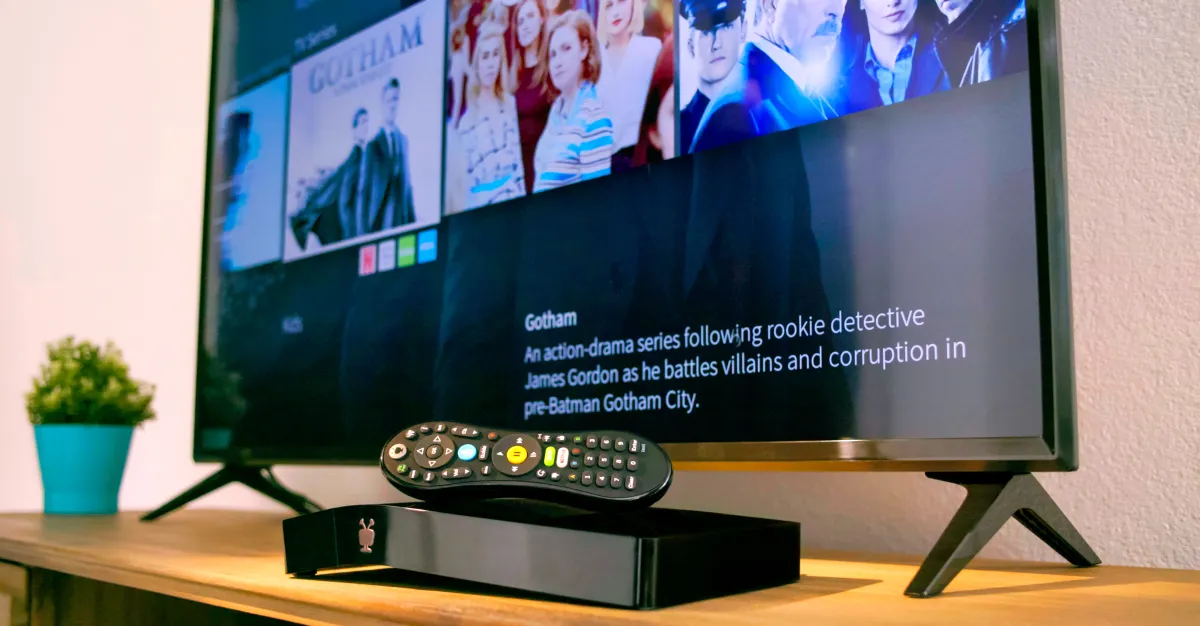
TiVo Fights Courts, but Misses the TV Revolution

TiVo’s Decline: A Lesson in Innovation and Industry Disruption

Once hailed as a pioneer in digital video recording, TiVo now stands as a cautionary tale of missed opportunities amidst the relentless pace of technological disruption. The company’s early dominance with its advanced DVR technology was built on a series of groundbreaking features, protected fiercely through the now-infamous US Patent 6,233,389, popularly known as the Time Warp patent. However, despite its patenting strength, TiVo’s focus on prolonged intellectual property battles with industry giants such as Motorola, Time Warner, AT&T, and others diverted its energy from innovation to litigation. The company’s victory streak in patent suits culminated in a $500 million settlement with EchoStar, but critics argue this legal fervor drained resources that could have been used to pioneer the next wave of entertainment technology.

Failure to Capitalize on Industry Shifts

The television and digital video space rapidly evolved with the advent of streaming services and smart TVs. TiVo, despite adding support for Netflix and Hulu, struggled to keep pace with the disruptive market forces. Rivals like Roku and Google Chromecast exemplified this shift by offering low-cost, plug-and-play streaming solutions at impulse-purchase prices—sometimes as low as $49.99—eroding the premium perception of TiVo’s hardware. Meanwhile, the smart TV operating systems gained in capability, making dedicated set-top boxes increasingly redundant. The company’s traditional advantage—the user-friendly interface and iconic peanut remote—became less relevant as consumers gravitated towards integrated, smart TV platforms fueled by massive changes in consumer expectations and wider industry trends. TiVo’s incremental approach, heavily reliant on licensing its patents and litigating, starkly contrasted with the innovative disruption led by companies embracing software-first, streaming-focused environments.

From Hardware to Patent Licensing: A Changing Business Model

The acquisition of Rovi in 2016, a firm specializing in patent licensing, epitomized TiVo’s shift from hardware pioneer to patent troll. Instead of developing cutting-edge hardware or new OS platforms, the company pivoted towards monetizing its extensive patent portfolio through licensing and litigation. When Xperi acquired TiVo in 2020, it marked the end of an era for consumer hardware innovation, with the TiVo Edge being last of its kind before hardware production was quietly discontinued. The new focus on licensing underscores a broader trend where patent hoarding and legal battles replace technological innovation as industry drivers. Critics like Gartner analysts warn that such a model, while profitable in the short term, could spell long-term obsolescence in a competitive market that favors agility and consumer-centric innovation.

The Future of Digital Video Technology

The shift away from traditional hardware to software-driven platforms is accelerating, with giants like Apple and Google investing heavily in their own ecosystems. The announced focus of TiVo’s successor operations—namely a new smart TV OS—comes *15 years too late* amid a landscape dominated by native platform integrations. Industry insiders such as Elon Musk and Peter Thiel emphasize the importance of disrupting entrenched legacy systems with truly innovative, consumer-first solutions, rather than relying on old patent hoarding tactics. The key for future success will hinge on how quickly and effectively emerging players can leverage AI, edge computing, and next-generation streaming services to outpace competitors and redefine consumer expectations. Industry momentum is shifting decisively towards integrated, streaming-first, software-centric ecosystems—those that innovate rather than litigate will seize the future.

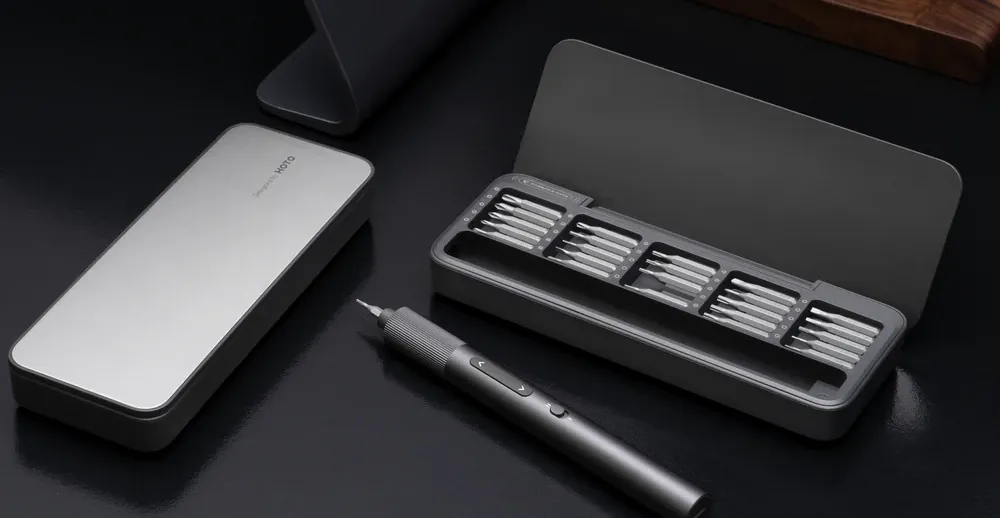
Score big—my go-to electric screwdriver is 40% off for DIY win!

In an era marked by rapid technological progression and the democratization of innovation, DIY tools such as Hoto’s Electric Precision Screwdriver ADV exemplify how accessible, compact hardware is transforming individual and small-scale repair industries. Priced at an all-time low of $29.99 during Prime Big Deal Days on Amazon, this device leverages innovations in miniaturization and user-centric design. Its pen-style grip, magnetic case, and one-button operation signal a disruptive shift toward streamlined, professional-grade electronic repair tools optimized for millennials and Gen Z consumers eager to challenge traditional repair paradigms.

Beyond individual DIYers, this trend signals a broader disruption in the electronics and repair sectors, potentially impacting major players like iFixit and traditional service centers. The device’s features—such as a rechargeable 350mAh battery capable of two hours of operation and a 25-piece bit set spanning Phillips, Torx, and Pentalobe types—highlight a move toward multipurpose, portable repair solutions that empower users to extend the lifespan of their gadgets and smaller appliances. This democratization of repair aligns with the philosophies of industry disruptors such as Elon Musk and Peter Thiel, who advocate for empowering individuals through innovative tools that challenge big tech and corporate monopolies of repair.

Furthermore, Hoto’s expanding product line, including laser measures, rotary tools, and inflator pumps like the Hoto Air Pump Pocket, underscores a strategic pivot toward modular, lightweight devices with broad applications. The inflator, with its adjustable PSI and rotating nozzle, exemplifies innovation in portability and user autonomy, key factors driving industry shifts towards on-the-go, multitasking gadgets. These advancements threaten to faze out bulky, conventional equipment, offering instead a new ecosystem where disruption hinges on mobility, affordability, and versatility. Market analysts from Gartner predict that these trends will accelerate as more consumers seek affordable, high-quality tools for quick repairs, moving away from reliance on professional services for minor fixes.

Looking ahead, the technological trajectory indicates an unstoppable acceleration of disruptive innovation in the personal repair and maker spaces. The rise of intelligent, connected tools powered by microelectronics, AI, and IoT — areas actively researched at institutions like MIT — suggests that future devices will be even more integrated, intuitive, and capable of diagnostics. As industry veterans and startups compete in this space, the industry must grapple with the implications of decentralized repair ecosystems and the erosion of traditional service monopolies. The imperative for established players is clear: adapt quickly or risk obsolescence. For the most ambitious entrepreneurs and developers, the future belongs to those who harness these innovations to push the boundaries of what individuals can achieve, reshaping the landscape of consumer electronics repair and beyond with unmatched speed and efficiency.

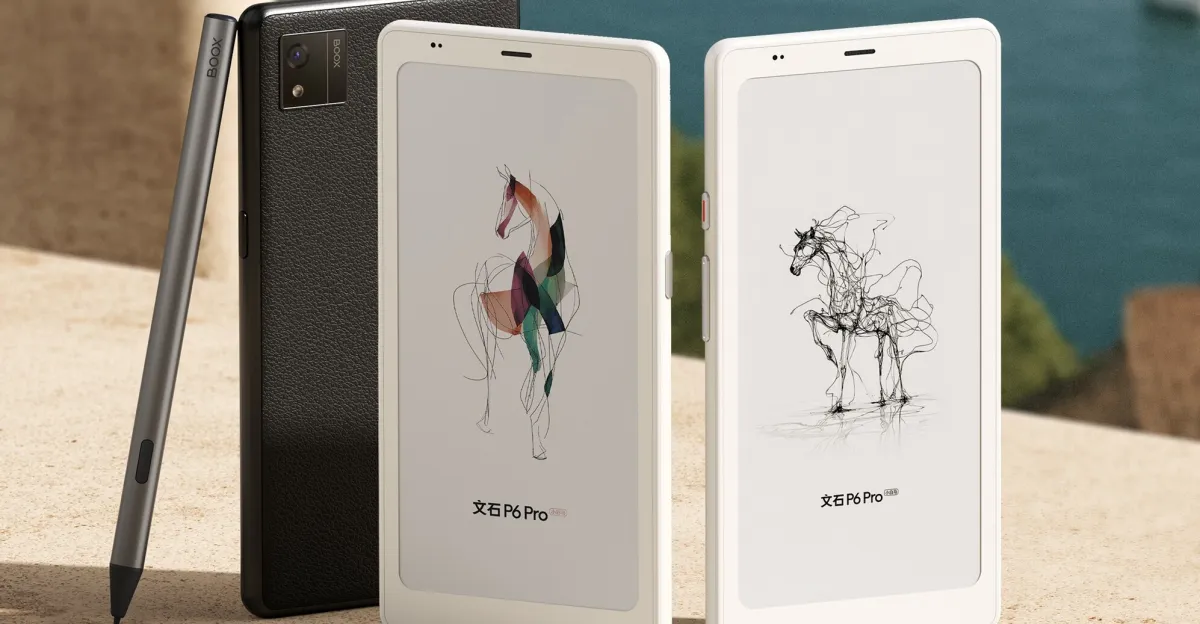
Boox’s new compact e-reader packs color and stylus — the future of portable screens is here

The tech industry is witnessing a groundbreaking development with the upcoming launch of Boox’s P6 Pro, a device that strategically blurs the lines between smartphones and e-readers. While full technical specifications remain under wraps, early revelations highlight the device’s formidable features, signaling a potential paradigm shift in portable digital devices. With a 16MP rear camera optimized for document digitization, alongside 8GB of RAM and 128GB of internal storage—expandable up to 2TB—the P6 Pro positions itself as a versatile tool for content consumption, productivity, and mobile documentation. This innovative approach is poised to disrupt traditional industry segments, creating new opportunities for competitors and investors eager to capitalize on transformative mobility solutions.

The P6 Pro marks a first for Boox—it introduces stylus support on a smartphone-sized e-reader, a feature previously confined to larger models and specialized electronic notebooks like the Nova Air. This move is a clear signal of disruption aimed at the digital note-taking and content management sectors, traditionally dominated by giants such as Apple and Samsung. By leveraging their existing expertise in large e-ink displays and integrating stylus functionalities directly into a portable device, Boox is effectively redefining the possibilities of mobile productivity. Experts from MIT and industry analysts like Gartner suggest this convergence of features could lead to a rapid evolution of the productivity device landscape, challenging entrenched industry leaders and forcing a reevaluation of what a ‘smartphone’ can offer.

Running on Android with access to the Google Play Store, the P6 Pro offers unprecedented flexibility—users can select their preferred note-taking applications or eBook platforms, thereby opening up a broad ecosystem of applications. This flexibility contrasts sharply with the more closed, proprietary systems from established players and signifies a strategic shift toward user empowerment and software openness. The influence of visionaries like Elon Musk—who consistently push the envelope—reflects a broader industry narrative: technological innovation is increasingly driven by disruptive platforms that prioritize customization and integration. The device’s potential to combine digital reading, note-taking, and mobile communication could accelerate the decline of dedicated e-readers and niche tablets, leading to more integrated, multifunctional devices that appeal to a new wave of digital-native consumers.

Looking forward, the Boox P6 Pro exemplifies the trajectory of technological evolution—where innovation, disruption, and business implications intertwine. As industry insiders and analysts recognize the device as a potential game-changer, its success will hinge on how quickly and effectively it can challenge industry norms. The pressure is mounting on competitors to innovate faster or risk obsolescence in a rapidly changing landscape. This launch underscores not only the importance of agility in product development but also the increasing role of user-centric design and ecosystem openness as core drivers of market leadership. For investors and tech enthusiasts alike, the question remains: Will the P6 Pro catalyze a new standard for mobile devices, or will existing giants adapt quickly enough to retain their dominance? The answer will shape the future of portable computing in the coming years—a future marked by swift innovation and relentless competition.

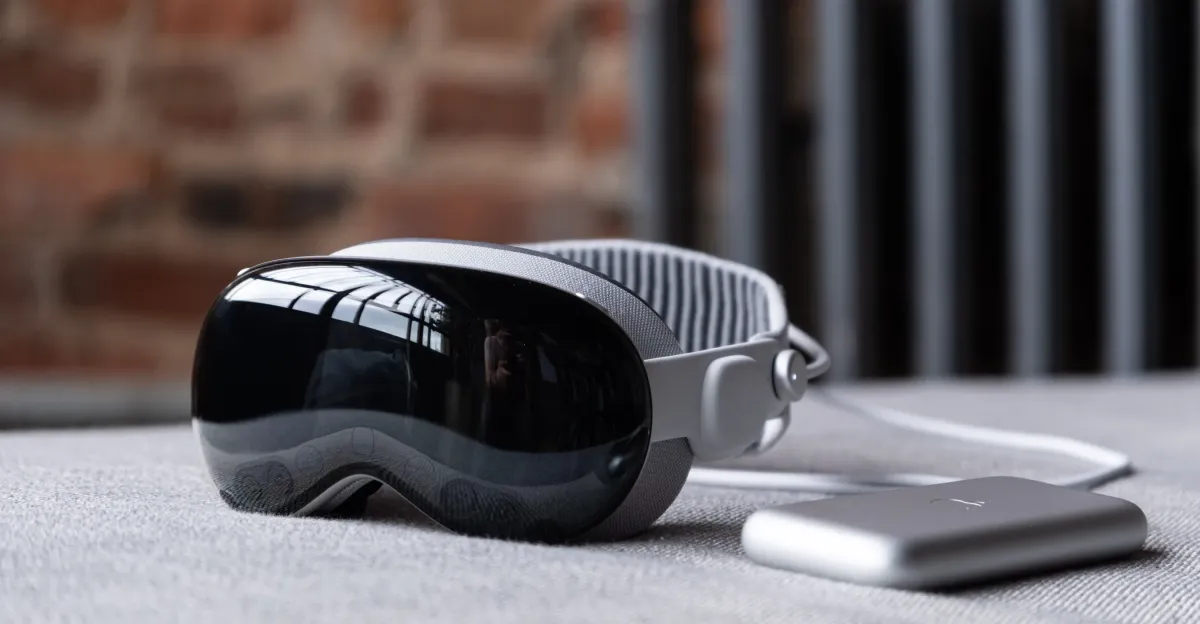
Apple shifts focus from lighter Vision Pro to prioritize smarter glasses for the future

Apple Accelerates Smart Glasses Development Amid Strategic Industry Shifts

In a bold move signaling its strategic pivot toward augmented reality and AI-driven wearables, Apple is intensifying its development efforts on next-generation smart glasses, potentially disrupting current market leaders such as Meta with its Ray-Ban and Oakley smart eyewear. Reports from Bloomberg indicate that Apple has shelved plans for a lighter, less ambitious Vision Pro headset in order to focus on a more versatile smart glasses platform. This decision underscores a broader industry trend where immersive AR hardware takes precedence over traditional VR headsets, emphasizing innovation driven by AI integration and user-centric design.

According to industry insiders, Apple’s new glasses will feature multiple models, including at least one with a display capable of challenging Meta’s Ray-Ban Display. The glasses are expected to include speakers, cameras, and multiple style options, with a heavy reliance on voice interaction and AI. Early prototypes suggest a strategic focus on seamless, hands-free operation, leaving behind the bulky headsets of past generations. Notably, Apple is also developing a dedicated chip to power these devices, a move previously highlighted by Bloomberg as part of its larger push for specialized hardware that enhances performance and energy efficiency.\nThis emphasis on custom silicon aligns with insights from market analysts at Gartner, who highlight that hardware specialization is a key driver of disruptors in the wearable tech space. Competition from Meta, which has already integrated AR features into its glasses, shows that Apple aims to leapfrog with superior hardware capabilities and software integration.

Meanwhile, Apple’s abandonment of plans for a lighter Vision Pro headset in favor of heavier, more feature-rich glasses hints at industry-wide shifts in consumer preferences. Reports suggest a “modest refresh” of the Vision Pro is still on the horizon, potentially launching as early as the end of this year, but overall focus is hastening toward AR glasses that incorporate AI and augmented reality in everyday life. This pivot further signifies a market in flux, where augmented reality’s disruption potential could redefine the fundamental engagement models in tech, from entertainment to enterprise applications. Regulatory filings recently uncovered point toward a new iteration of the Vision Pro, indicating Apple’s continued commitment to both VR and AR markets. Yet, experts like Peter Thiel warn that “the path of robust, AI-driven wearables is fraught with technical and regulatory challenges,” emphasizing the urgency for tech firms to innovate aggressively and stay ahead of the curve or risk obsolescence.

Looking ahead, the thriving smart glasses market is poised for explosive growth, driven by innovations in AI, hardware specialization, and user experience. As Apple doubles down on this frontier, industry observers recognize that disruption is imminent. Companies that fail to develop compelling, integrated AR wearables risk falling behind in a landscape increasingly dominated by AI-driven ecosystems. The next half-decade promises to be a pivotal period where innovation, strategic vision, and market agility will determine the leaders of the next generation of technology—a future where immersive, AI-enhanced wearables could become as ubiquitous as smartphones today. Time is of the essence—those who lead now will shape the trajectory of tech for decades to come.

Honor Magic 8 Pro drops a new AI button — tech gets smarter for the next-gen user

Honor Launches the Magic 8 Series: Aiming to Disrupt the Premium Smartphone Arena

In a move highlighting ongoing innovation within the competitive premium smartphone segment, Honor has unveiled its flagship Magic 8 series, combining cutting-edge hardware with emerging AI functionalities. The Magic 8 Pro, set to debut initially in China before arriving in Europe, underscores the company’s ambition to challenge industry titans like Apple and Samsung through strategic innovation and disruptive design. Priced at over €1,000 ($1,200), the Magic 8 aims to deliver flagship-level performance with a focus on AI enhancements, camera prowess, and processing power.

Key to its disruptive approach is the phone’s integrated AI button, a feature that signals a shift in how smartphones prioritize user experience through AI-driven functionalities. Honor clarifies that this button is dedicated solely to AI-related tasks, suggesting a future where smartphones become more intuitive and personalized. Coupled with the latest Qualcomm Snapdragon 8 Elite Gen 5 processor—an upgrade also adopted by the upcoming Xiaomi 17 series—the Magic 8 Pro is positioned as a powerhouse built for high-performance AI applications and demanding workflows. Analysts from Gartner project that such hardware integrations will become industry standard, transforming mobile devices into portable supercomputers.

The business implications of this positioning are clear: Honor is not merely offering a smartphone but is disrupting the traditional flagship formula by emphasizing AI innovation and disruption in user interface paradigms. Additionally, new features like Magic Color, an AI-powered tool for dynamically restyling images and videos using different color palettes, exemplify how AI is being woven into core smartphone capabilities. These enhancements not only elevate the user experience but also open avenues for revenue through app ecosystem upgrades, AI-driven services, and possibly subscription models, echoing trends seen in tech giants like Apple and Google.

With plans to introduce a range of models—including the anticipated Magic 8 Ultra and Mini—Honor is betting on sustained innovation to consolidate its position in the high-end mobile space. The upcoming unveiling of the Magic Pad 3 Pro, also powered by the Snapdragon 8 Elite Gen 5, signals an integrated ecosystem push that could redefine consumer expectations for interconnected devices. Industry experts suggest that the rapid rollout of these advanced models may accelerate a broader industry shift towards AI-centric hardware, with firms like MIT and Stanford emphasizing AI’s role as the next major leap in mobile tech evolution.

Looking forward, the competitive edge for Honor and similar disruptors hinges on their ability to leverage disruptive AI applications and hardware innovations to outpace established incumbents. As giants continue to refine their own flagship offerings, the importance of AI-driven features and high-performance chips will only intensify. The coming months could mark a pivotal moment, where tactical innovation and bold business strategies determine the future landscape of premium mobile technology. For tech enthusiasts and industry watchers alike, the race to dominate the AI-powered mobile future has begun—and the speed of innovation is unlikely to slow down anytime soon.

Sharge’s New SSD: A Magnetic Powerhouse with Built-in USB Hub!

Sharge Unveils the Innovative Disk Pro SSD: A Game-Changer in Data Storage

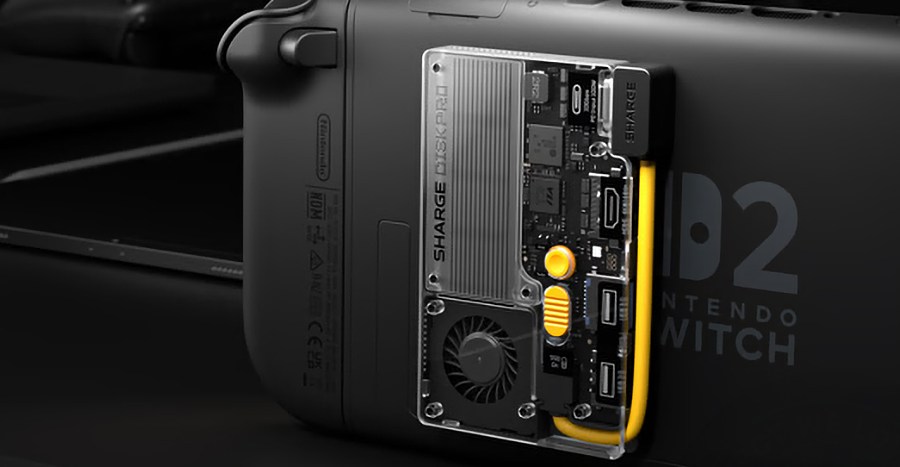
In an era where data management and performance are paramount, Sharge has introduced a groundbreaking external SSD known as the Disk Pro, currently generating buzz on platforms like Kickstarter. This device not only delivers storage solutions but also tackles a common issue among SSDs: overheating. By integrating a cooling fan directly into the design, Sharge stands at the forefront of innovation, highlighting a shift towards more efficient and reliable external storage solutions.

The Disk Pro is available in multiple capacities—1TB, 2TB, and 4TB—priced at discounted rates of $189, $289, and $469, respectively. As solid-state drives (SSDs) evolve, the issue of excess heat has become increasingly critical, especially in slim models lacking appropriate airflow. This can lead to performance throttling when SSDs reach temperatures of 70 degrees Celsius. The built-in fan in the Disk Pro mitigates this risk by offering two operational modes: a *Turbo Mode* that maintains peak cooling at 10,000 RPM, and an *Auto Mode* that adjusts fan speed based on temperature, effectively keeping the drive’s operating temperature around 50 degrees Celsius.

The Tech-Savvy Features of Disk Pro

  • Read/Write Speeds: Up to 10 Gbps
  • Cooling Options: Turbo and Auto modes with temperature regulation
  • Additional Ports: USB-C, USB-A, and HDMI output supporting 4K/144Hz and 8K/30Hz
  • Power Delivery: Can supply up to 80W to connected devices

The implications of the Disk Pro for consumers and businesses alike are significant. This device exemplifies the current drive toward *disruption* in the tech industry, where efficiency and multifunctionality are paramount. By allowing users to connect various accessories like laptops and smartphones while simultaneously managing data transfers, Sharge redefines the external SSD landscape. Major industry analysts, including those at Gartner, affirm that such innovations will likely set trends for future technology, marking a decisive shift towards versatile, all-in-one devices.

However, the introduction of the Disk Pro invites a more critical examination of the industry. With burgeoning competitors keen to enter this market segment, established brands may need to re-evaluate their strategies or risk becoming obsolete. Experts like Elon Musk and Peter Thiel have often noted that the tech sector thrives on relentless innovation and disruption. The current landscape necessitates solutions that not only meet consumer needs but anticipate future challenges, all while navigating the competitive market dynamics.

As the tech world braces for the impact of the Disk Pro, the excitement is palpable. This launch serves as a clear indicator that user-centric innovation is not merely a trend but a necessity. For young professionals and tech enthusiasts, staying informed and adaptable in such a rapidly evolving realm can define success and enable greater business implications. The advancing capabilities of devices like the Disk Pro urge us to ask: what will come next? With incessant technological advancements, the horizon glows bright, and businesses must accelerate their strategies to keep pace or risk falling behind.

Social Media Auto Publish Powered By : XYZScripts.com