Matox News

Truth Over Trends, always!

Olympic Flame Reaches Rome as Winter Games Near—Italy Prepares for Winter Sports Celebration

The Upcoming Olympic Winter Games Milano Cortina 2026 and Its Global Significance

As the world anticipates the Olympic Winter Games Milano Cortina 2026, slated to unfold in February, geopolitical analysts are observing more than just the medals and athletic feats. This event signifies a pivotal moment in how nations project soft power and shape international perceptions amidst a rapidly shifting global order. Historically, host nations leverage the Olympics to bolster national pride and foster diplomatic ties; however, in today’s geopolitics, the games also serve as a litmus test for global stability and regional influence.

The transition from hosting merely a sports spectacle to a symbol of soft power underscores the importance of international diplomacy in sports diplomacy. Countries like Italy seek to leverage the games to showcase the resilience and unity of European traditions amidst renewed challenges—ranging from economic strains to geopolitical rivalries. Milano and Cortina, historically vital centers of culture and commerce, will become stages for a broader contest—not just of athletic achievement but of influence. According to analysts from the International Institute for Strategic Studies, the Olympics often serve as a mirror to broader political currents, revealing underlying tensions or alliances that might soon shape global events.

The Geopolitical Landscape: Shifts and Challenges

In recent years, global institutions and major powers have recalibrated their strategies for influence. The U.S.-China rivalry, Russia’s relationships with Western nations, and the European Union’s quest for strategic unity all shape the backdrop against which Milano Cortina 2026 will unfold. While Italy aims to present itself as a stable and unifying force, critics from various geopolitical corridors warn of the increasing instrumentalization of multi-national events. The U.S. and China, for example, are already competing to use the Games as platforms for soft power, signaling their global ambitions through diplomatic gestures and media narratives.

Meanwhile, the European Union faces internal upheavals and external pressures, including from Russia and Turkey. Many experts, such as Dr. Ingrid Müller of the European Policy Centre, observe that the Games could become a strategic chessboard—where the allegiances and rivalries of tomorrow are played out today. How Italy navigates these complex waters will not only determine the success of the event but also influence the continent’s trajectory in the broader geopolitical arena.

The Cultural and Societal Impact: A Reflection of Nations

The Olympics’ influence on societies extends beyond politics. It embodies a convergence of national identities, cultural pride, and youth aspirations. For many nations, particularly those in Europe and North America, the games symbolize resilience against societal fragmentation, economic hardship, and external pressures. As noted by international observers, the young generation views the Olympics as a culmination of years of national effort, hope, and unity. Their participation—whether as athletes or spectators—carries the weight of history and the promise of future cooperation.

However, critics argue that the Olympic platform also risks being marred by political symbolism and controversies, such as issues surrounding human rights and environmental concerns. Yet, despite these debates, the core message remains clear: -utilizing such a grand event to promote unity and progress remains central to the enduring spirit of international sports. America’s youth, alongside Europe’s, watch carefully, aware that every decision made now could ripple across decades—shaping the fabric of global affairs for generations to come.

The Unfinished Story of Global Diplomacy and Power

As history continues to unfurl beneath the towering icy peaks of the Dolomites and the sleek concrete of Milano, the 2026 Winter Olympics stands not just as a celebration of athletic excellence but as a testament to the enduring complexity of international relations. The medals to be won, the controversies to be debated, and the alliances to be forged will inevitably echo into an uncertain future. For now, the world holds its breath in anticipation, knowing that in this icy arena, the true battle for influence and identity is quietly heating up—an unseen struggle that will define the very course of history yet to be written.
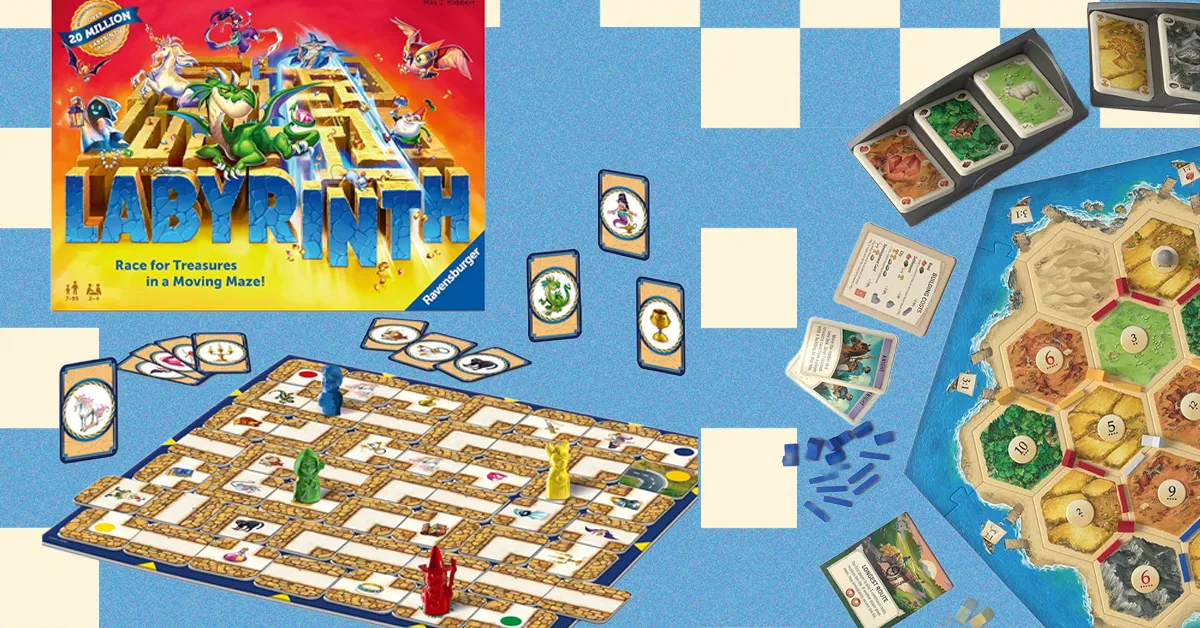
Top Family Board Games of 2025: Catan, Ticket to Ride, Codenames & More

Emerging Trends in Digital Gaming Signal Disturbance in Traditional Markets

In a landscape marked by relentless innovation, the digital gaming explosion exemplifies pioneering disruption capable of transforming entire industries. This wave is driven by advancements in augmented reality, artificial intelligence, and new interactive platforms that have begun to redefine how businesses conceptualize entertainment, engagement, and revenue models. A prime example is the emergence of warehouse-like, multiplayer, and cooperative game formats that lean heavily on digital interconnectivity, challenging traditional paradigms of family entertainment and social interaction.

Leading firms like Exploding Kittens and Wired are capitalizing on these innovations by shifting from conventional board games to digital-integrated experiences. Notably, these companies leverage AI-assisted game design, real-time analytics, and crowdsourced content to craft immersive, fast-paced, and highly social experiences that appeal to the tech-savvy youth demographic. Furthermore, the industry is witnessing a notable pivot towards virtualized, multiplayer setups that transcend geographical limitations, heralding a new era where physical game assets evolve into digitally enriched entertainment ecosystems. This shift is also reinforced by data from Gartner, which predicts that by 2025, the majority of family and social gaming will be rooted in interactive, digitally networked platforms, foreshadowing a steep decline in traditional physical game sales and a rise in hyper-disrupted content delivery channels.

One of the most disruptive elements lies in the business model innovation facilitated by these technologies. Subscription-based access, microtransactions for in-game assets, and on-demand gaming experiences are fundamentally altering the revenue stream, much like the monetization strategies seen in AI-powered cloud services and streaming giants. Companies such as Ultra PRO and others are now offering digital packages that integrate seamlessly with social media, further accelerating the shift towards a gig economy of gaming content, where user-generated content feeds into monetization pipelines. This transition into a **digital economy** is a wake-up call for legacy board game manufacturers and retail giants, many of whom are ill-prepared for the scale of disruption.

With industry heavyweights like MIT and analysts such as Peter Thiel warning about the stagnation of non-digital entertainment sectors, it becomes clear that the race for technological dominance is intensifying across gaming, social interaction, and consumer engagement. Those who fail to adapt risk being left behind in an era where innovation in AI and augmented reality revolutionizes consumer expectations overnight. As the landscape evolves with new formats—from visually stimulating tile-building games to fast-paced guessing competitions—the urgency for incumbent businesses to innovate is more critical than ever. Leaders in tech and entertainment must collaborate, harness data-driven insights, and accelerate the deployment of next-generation gaming infrastructures—failing which their market share is destined to erode significantly. Recognizing this seismic shift, stakeholders need to deploy aggressive R&D strategies and prioritize open platforms that foster community-driven content and cross-platform integration.

Future Outlook

Looking forward, the persistent acceleration of digital disruption demands proactive adaptation from market players. The advent of AI-integrated game design, virtual reality, and advanced analytics promises to unlock unprecedented levels of engagement and profitability. Companies that view this as an opportunity—rather than a threat—will dominate the new digital gaming frontier. The window to capitalize on these innovations is closing rapidly; industry leaders must act decisively to secure a competitive edge, or risk becoming obsolete in the blink of an eye. The future belongs to those who can orchestrate disruptive technologies at scale, merging innovation with business agility. The question is no longer if but when and how the next wave of digital entertainment will redefine the marketplace—those who recognize the urgency now will shape its future trajectory.

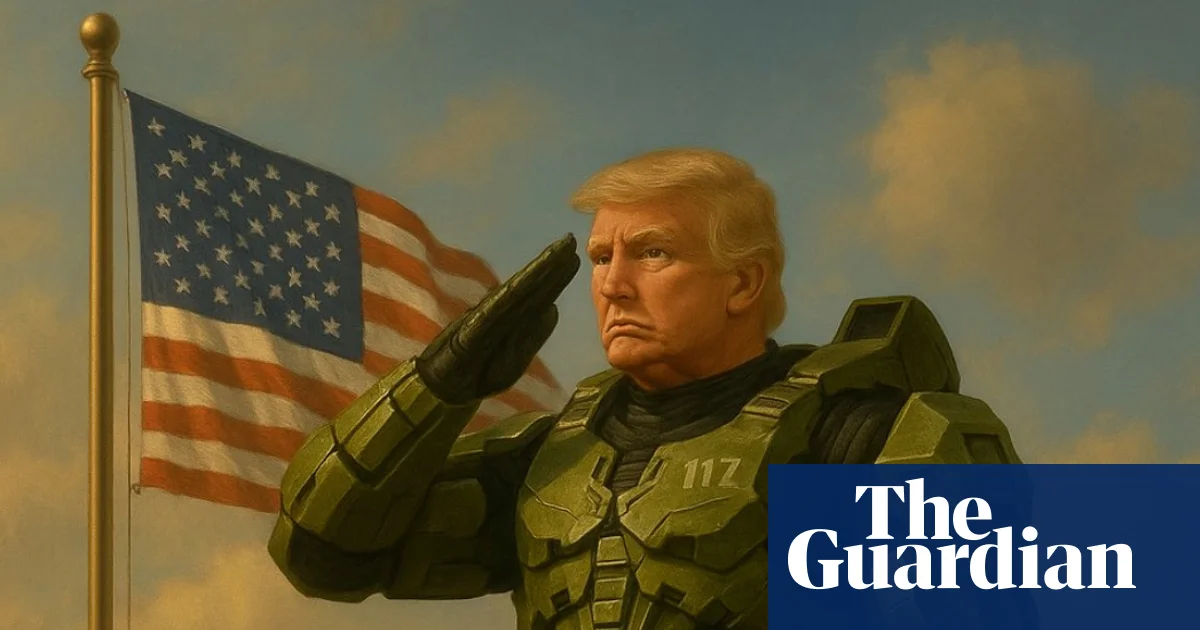
How Trump’s White House Leverages Video Game Memes to Inspire a New Generation of ICE Supporters | Games

In an era where cultural symbols serve as battlegrounds for political identity, the convergence of gaming culture and state symbolism reveals a profound shift in the sociopolitical landscape. Recently, the White House intertwined the realm of video games and political messaging in a manner that underscores the growing significance of culture as both a reflection and an instrument of societal power. An image posted on X — showing President Donald Trump clad in the armor of Master Chief, the iconic hero of Halo — demonstrates how modern political figures are increasingly harnessing pop culture icons to resonate with younger demographics. This strategic cultural syncretism echoes historical parallels, where national identity was often crafted through shared symbols, from Roman standards to the Churchillian war posters, but now manifests through the pixelated and meme-infused language of our digital age.

What makes this development particularly notable is the deliberate deployment of gamer culture as a tool for political mobilization and narrative shaping. The involvement of figures like Steve Bannon, who previously confronted the power dynamics within online gaming communities, demonstrates an understanding that the virtual realm is a potent domain for ideological influence. His recognition that “these rootless white males have monster power” highlights how this demographic, often dismissed as a niche, wields significant cultural and political influence—an influence that Bannon exploited to activate a memetic army supporting Trump’s campaigns. The imagery of Halo and other video game references have not only infiltrated political discourse but also redefined how political warriors rally their base, emphasizing that culture is the bedrock of societal loyalty and collective identity.

This strategic recasting of culture takes on even more significance when viewed through the lens of history’s recurring theme: societies mobilize and reinforce their values through shared myths, heroes, and narratives. As Ortega y Gasset argued, culture sustains a unity of purpose and a sense of continuity, anchoring societal identity amidst chaos. In the contemporary landscape, the White House’s engagement with gaming imagery—be it memes about ICE raids or the humorous use of Pokémon references—serves as a reminder that the cultural battlefield is where the values of sovereignty, tradition, and national pride are contested and reaffirmed. These media tactics, whether innocent or calculated, reinforce the idea that culture is both memory and prophecy, a vital force that shapes where we come from and guides where we are headed.

As we stand on this digital frontier where politics, culture, and identity collide, we are reminded that the deeper significance of this syncretism lies in its ability to forge a collective narrative. It echoes the notion by T.S. Eliot that “the past blows like a wind into the future,” urging us to view these cultural currents not merely as transient memes but as carriers of our enduring identity. In the theatre of history and life, culture becomes a living memory—a prophecy whispered through symbols, stories, and images—reminding us that the human story is told not only through grand edifices or sacred texts but also through the smallest of icons, the shared jokes, the heroic myths of our digital age. To engage with this landscape is to recognize that culture, at its core, remains the living, breathing testimony of humanity—what we remember and what we yet may become.

Social Media Auto Publish Powered By : XYZScripts.com