Matox News

Truth Over Trends, always!

Adelaide Uni Cancels Event with UN Gaza Investigator Over Controversy

Global Tensions Escalate as Free Speech Battles Reflect Broader Political Struggles

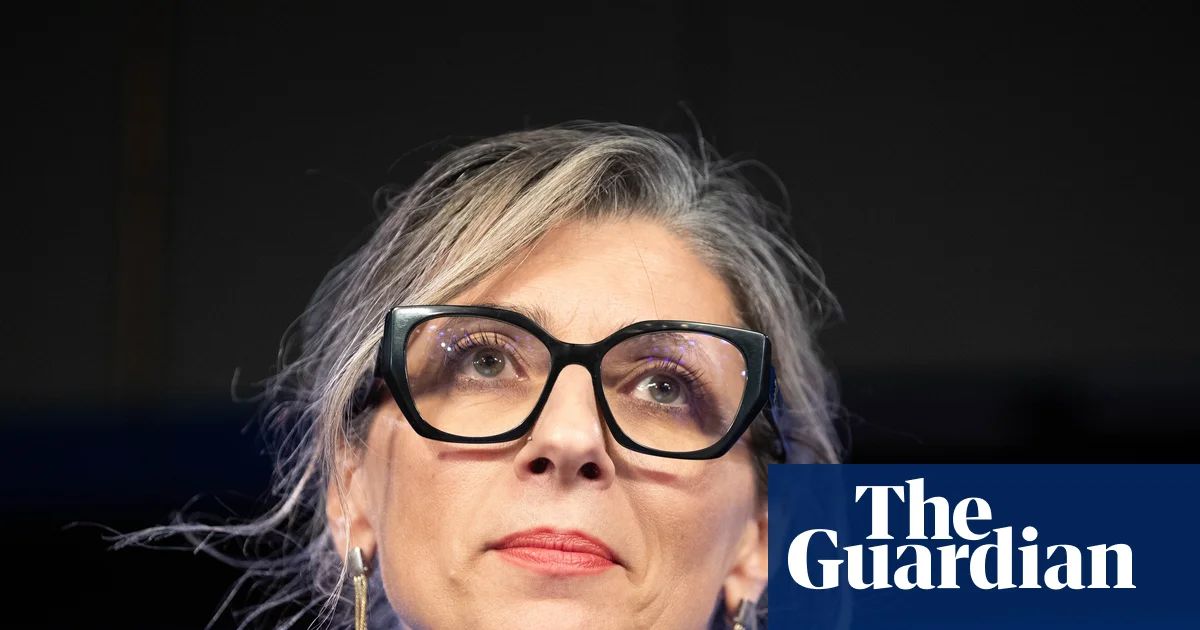
In a striking demonstration of the shrinking boundaries of free speech within academic and cultural institutions, Australia’s venerable Adelaide University has recently faced significant backlash after abruptly cancelling a high-profile event featuring UN Special Rapporteur Francesca Albanese. The event, intended to delve into issues surrounding settler colonialism and human rights in the occupied Palestinian territories, was part of the grassroots Constellations: Not Writers’ Week literary festival—an alternative platform born in the wake of the cancellation of the traditional Adelaide Writers Week. The decision to cancel the event signifies more than a mere administrative misstep; it exemplifies the growing resistance among some institutions to hosting controversial figures aligned with critical perspectives on Israel and Palestine.

This cancellation has ignited fierce debates on what constitutes acceptable discourse in Western democracies. Louise Adler, the former director of Adelaide Writers’ Week, condemned the move as a sign of institutional cowardice, asserting that universities and arts organizations are becoming “Moscow-on-the-Torrens,” a stark metaphor for their apparent capitulation to political pressures and censorship. Meanwhile, APIL (The Association for the Promotion of International Law), organizer of the event, claims the university’s cancellation was based on procedural grounds, asserting that all preparations had been completed and that no due process violations occurred. However, implying that the university’s decision stems from fear of controversy, critics argue that this reflects a troubling trend where fear of external criticism inhibits the exchange of challenging, yet critical ideas vital for healthy democracies.

The geopolitical *underpinning* of this controversy extends far beyond Australia. The event’s guest, Albanese, has become a symbol of a global debate over how democratic societies handle dissent regarding Middle Eastern conflicts. Since July, Albanese has been subjected to US sanctions imposed by the Trump-era Treasury Department, which accused her of “lawfare” and “political warfare” aimed at undermining Israel’s narrative. Critics in the US, including Senator Marco Rubio, have portrayed Albanese as an anti-Semitic figure supporting terrorism and condemn her outspoken stance against alleged Israeli policies. These accusations exemplify the international politicization of human rights debates, where critiques of a vital and contentious region are weaponized within the broader tug-of-war between global powers—namely the United States, Israel, and their opponents.

Internationally, observers and analysts warn that such instances — be it censorship at prestigious universities or sanctions against critics — threaten to undermine the very essence of democratic debate and free expression. United Nations experts and independent voices, like Chris Sidoti, argue that this echoes a troubling trend of *intimidation*, where the mere expression of dissent becomes grounds for suppression. The palpable fear of offending powerful interests, especially those aligned with US and Israeli agendas, indicates a broader geopolitical shift where free speech increasingly faces threats from both domestic and international pressure campaigns. The ongoing battle between free expression and political correctness has the potential to stifle the vital exchange of ideas necessary for a resilient, informed society—an authentic foundation of democracy.

As history continues to unfold, the significance of these conflicts extends well beyond individual case studies. The battles over free speech, whether at universities or on the international stage, are shaping the very fabric of society’s capacity to confront complex truths. With each censorship and sanction, nations grapple with their identity: will they uphold courage and transparency, or succumb to fear and conformity? As the dust settles in Adelaide and beyond, the weight of history reminds us that these moments—whispered warnings or bold declarations—are the chapters where the future of free societies is inscribed, and the outcomes remain perilously uncertain. The world waits, watching whether the flame of open discourse will endure or flicker out amid mounting forces seeking to silence dissent.
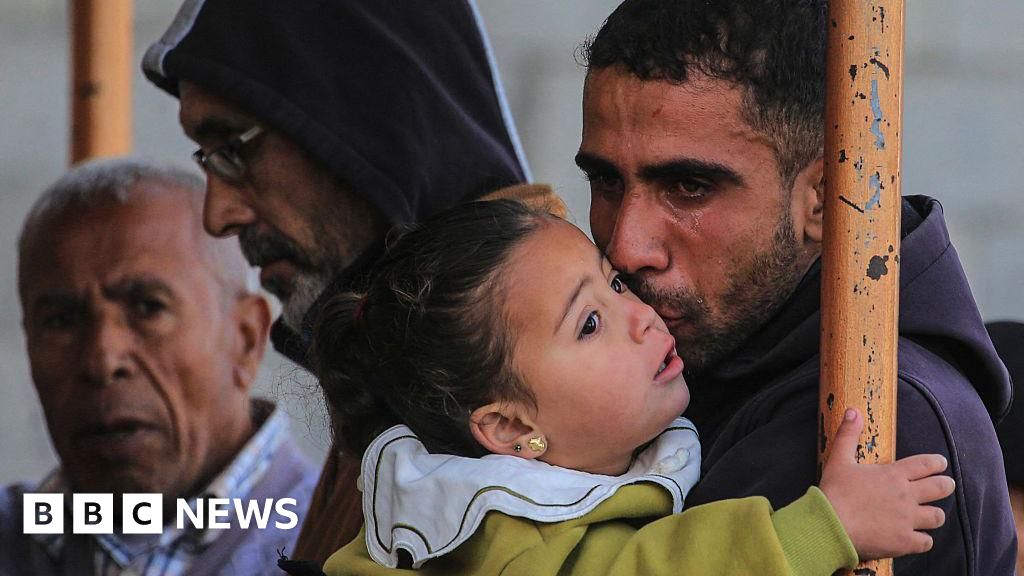
Trump’s Peace Council members commit $7bn for Gaza aid—big move for peace-minded youth

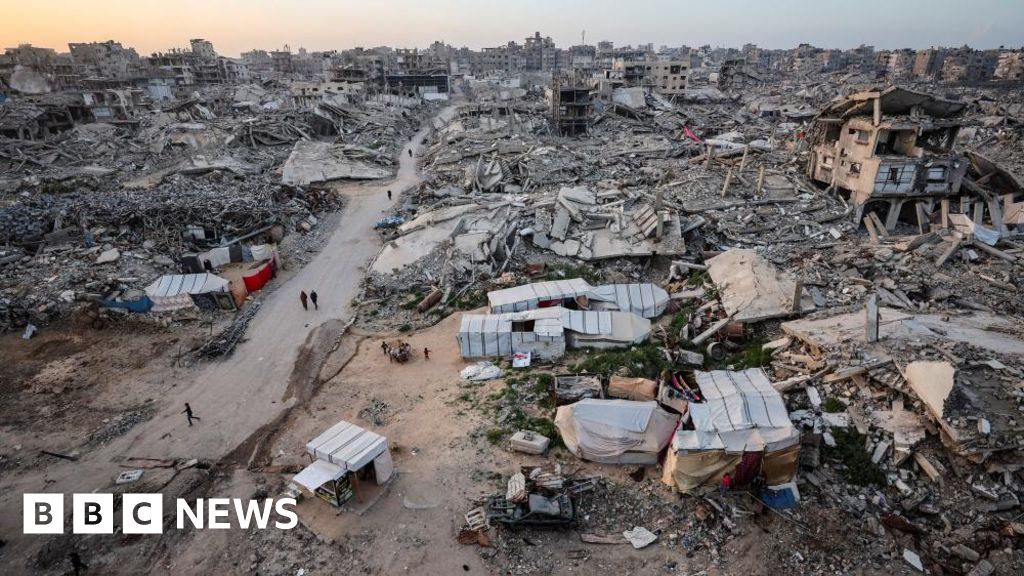
In a statement that has sent ripples through international diplomatic circles, former U.S. President Donald Trump recently expressed a cautiously optimistic outlook, suggesting that Hamas might disarm. His remark came amidst growing concerns over the group’s apparent resurgence in the Gaza Strip, despite pervasive international efforts aimed at curbing the militant organization’s influence. While Trump’s comment appears to signal a potential de-escalation, recent signs point toward a more complex reality on the ground, where Hamas is undoubtedly regrouping, testing the limits of peace and undermining longstanding efforts toward stability in the region.

According to analysts, Trump’s assessment, while optimistic, does little to account for the recent evidence of Hamas’s resilience and strategic realignments. Intelligence reports and on-the-ground observations reveal that the militant organization is actively rearming, recruiting, and consolidating influence among local populations. This resurgence challenges the narrative of an imminent disarmament and underscores the intricate power struggles shaping the geopolitics of the Middle East. Experts from institutions such as the Council on Foreign Relations and the Middle East Institute warn that disregarding these signs of regrouping could result in renewed violence, destabilizing an already fragile region. The international community remains divided over how to approach this volatile equation, with some advocates emphasizing diplomatic engagement, while others urge a firmer stance against militant regrouping.

Such developments carry profound geopolitical implications. Decisions made at the highest levels of diplomacy will resonate across nations, influencing regional alliances, economic stability, and the future of peace negotiations. The Biden administration, along with allies in Europe and the Middle East, faces mounting pressure to reassess their strategies. Historically, efforts to suppress militant movements have often been sidetracked by internal political divides and shifting alliances. As mentioned by security analysts, this pattern underscores the importance of comprehensive, long-term approaches rather than temporary tactical victories. Meanwhile, the United Nations continues to call for de-escalation, but critics argue that such calls lack the enforcement power necessary to curb militant encroachment.

In the backdrop of these developments, the narrative of Middle Eastern conflict remains as complex and treacherous as ever. The implications extend far beyond regional borders, affecting global security and economic interests. The United States, in particular, finds itself again at a crossroads, weighing whether to double down on military support or renew diplomatic efforts. As history has demonstrated, symbols and statements carry weight, but it is the tangible actions—those taken in corridors of power and on the battlefield—that ultimately shape the course of future generations. The world watches with bated breath, aware that the unfolding story in the Middle East is not merely a regional conflict but a pivotal chapter in the larger narrative of global stability, where alliances are tested and the faint hope of peace remains an elusive, yet fervently pursued, beacon amidst the chaos. For in the game of nations, history is written not in words but in deeds—and every move now could echo for generations to come.

Eleven Dead in Gaza Strikes as Rescuers Respond

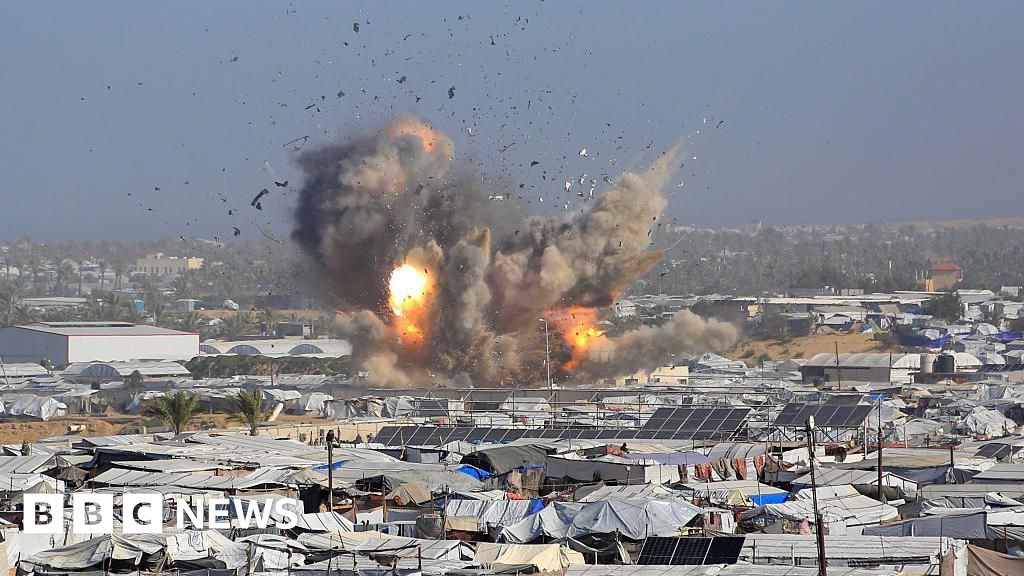
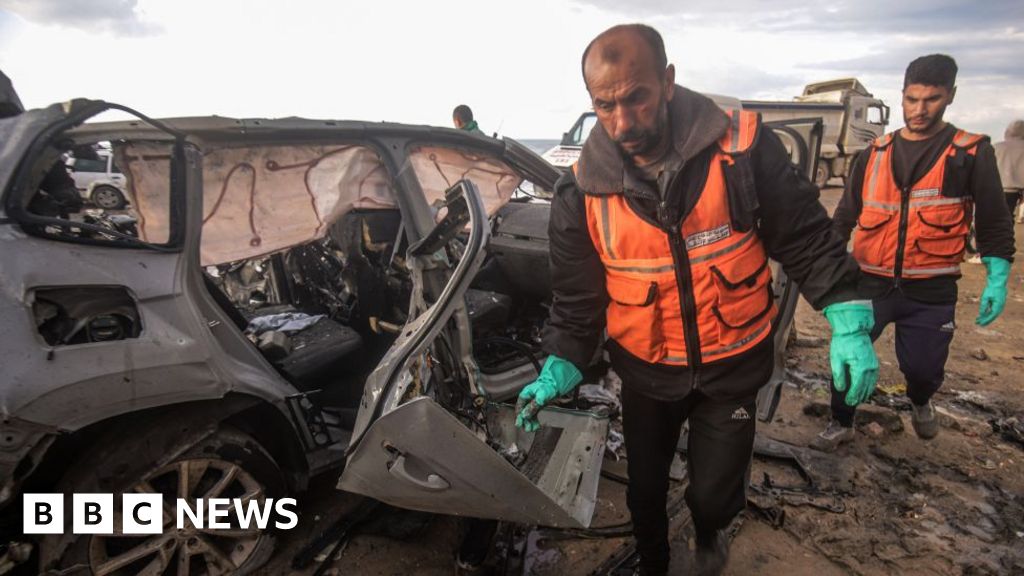
The Palestinian Red Crescent has reported a devastating incident in northern Gaza, where a strike on a tent encampment resulted in at least six fatalities. This tragic event underscores the ongoing volatility in the region, highlighting how seemingly isolated acts of violence continue to escalate an already dire humanitarian crisis. As the conflict persists, the implications extend far beyond immediate casualties, affecting the geopolitical stability of the Middle East and challenging the global community’s efforts to foster peace.

In recent days, international observers and regional analysts have been vocal about the destabilizing consequences of such attacks. Historical commentators warn that these incidents threaten to perpetuate a cycle of violence that risks drawing neighboring states into a broader conflict. Meanwhile, agencies like the United Nations have expressed concern over the worsening humanitarian situation, especially as evidence mounts of the profound suffering experienced by civilians caught in the crossfire. The targeting of civilian settlements, including the tent encampment, exemplifies the dangerous erosion of the norms that once aimed to protect non-combatants amidst warfare, further complicating peace prospects.

As the international community grapples with this latest escalation, key questions arise about the role of regional powers and international institutions in de-escalating tensions. Nations such as Egypt and Jordan have historically acted as mediators, but recent developments test their influence amid mounting violence. Meanwhile, the United States remains a pivotal player, balancing support for allies and advocacy for a resolution, while presses for a ceasefire that seems increasingly fragile. Some analysts argue that the current cycle of violence signals a turning point—where diplomatic efforts risk being overshadowed by irrevocable facts on the ground.

The geopolitical impact of these brutal incidents extends far beyond Gaza, resonating across the Middle East and echoing through global power dynamics. As regional alliances shift and superpower interests intersect, the perception of a resilient, if fractured, international order is tested. Countries like Iran and Turkey observe these developments closely, weighing their options in a complex chess game driven by ideological, strategic, and humanitarian considerations. These decisions will indelibly shape the future landscape of the Middle East, affecting millions of lives and the course of history itself.

Readers are left to confront the stark reality: the unfolding story of Gaza is but a chapter in a larger saga of struggle and sovereignty—a saga where every decision echoes across generations. As the world watches, the delicate balance of peace teeters perilously on the edge, hinting that this moment may define the course of history for decades to come—unless decisive action awakens a new hope amidst enduring chaos.

Her Father's Gaza War Grave Destroyed by Israel: Aussie Military Woman Seeks Justice and Truth
Her Father’s Gaza War Grave Destroyed by Israel: Aussie Military Woman Seeks Justice and Truth

The ongoing conflict in Gaza has once again underscored the devastating consequences of regional instability on historical and national memory. Recent satellite imagery reveals significant damage and possible destruction of the Gaza War Cemetery, where Australian soldiers from World War II are buried. The mutilation of these graves, reportedly caused by the Israel Defense Forces (IDF) during military operations, has stirred a global outcry, especially among families of the fallen and nations who hold those sacrifices sacred. Wilma Spence, among many, mourns the apparent obliteration of her father’s grave—an act she perceives as a profound disrespect to those who served and died for freedom.

This incident exemplifies how international conflicts are not contained solely within theatres of war but have profound effects on societal memory and diplomatic relations. The IDF’s justification—that graves were destroyed to address “underground terrorist infrastructure”—fails to quell skepticism among international observers and veteran communities. The Commonwealth War Graves Commission has expressed concern over the damage, with experts warning that the full extent of destruction may take years to repair. Such actions, analysts argue, threaten to rewrite history and undermine the moral authority of nations committed to safeguarding their war dead—especially when these graves symbolize sacrifice amid the chaos of global confrontation.

The geopolitical impact of these incidents extends beyond grief. Regional powers like Israel are engaging in complex military operations that often blur the lines between combatant and civilian zones, raising questions about international accountability. The diplomatic fallout influences alliances, aid policies, and international perceptions of legitimacy. The withdrawal or destruction of war graves challenges the notion of respect for tradition and international law, igniting debates on how contemporary military actions should reconcile with historical memory. Experts from institutions like The International Crisis Group warn that such acts may fuel resentment and be exploited by proxy groups, jeopardizing prospects for lasting peace in the region.

Meanwhile, families of the fallen, such as Wilma’s, highlight the broader social consequences. The loss of grave sites not only erases physical symbols of heroism but also scars collective memory and national identity. Wilma’s persistent efforts—writing to government officials and demanding accountability—illustrate the ongoing struggle of societies to reconcile military necessity with moral obligation. As President Isaac Herzog of Israel prepares to visit Australia amidst rising tensions, the question remains: will world leaders uphold their responsibilities to preserve history, or will the tides of warfare continue to wash away the foundations of collective remembrance?

The future of international diplomacy hinges on how these controversies are addressed. Will international organizations step in to enforce respect for war graves, or will regional and global powers prioritize strategic interests over historical dignity? The unfolding narrative leaves an indelible mark, emphasizing that in a world fraught with conflict, history—whether in the form of graves or memories—is both a heritage and a battleground. As witnesses like Wilma watch their ancestors’ resting places vanish, the weight of history presses heavily on the present, casting a shadow over the promise of peace and remembrance. The story of the Gaza war cemetery is not merely about physical destruction; it is a stark reminder that the consequences of war resonate across generations, shaping the destiny of nations and the moral fabric of humanity itself.”

Intelligence Chief’s Brother Caught Smuggling Cigarettes into Gaza

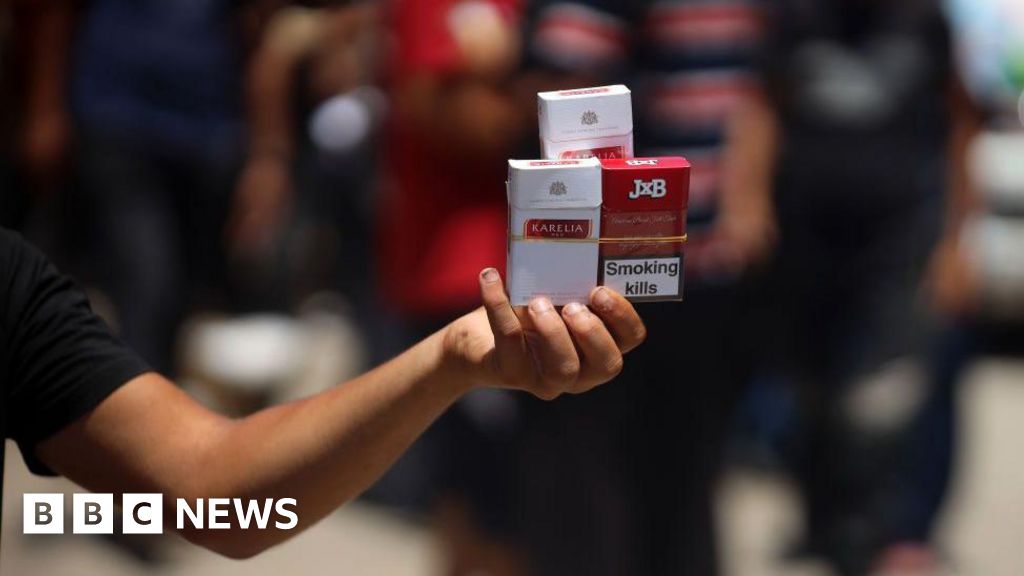
In a development that underscores the persistent challenges within Israel’s security and law enforcement spheres, Bezalel Zini, an Israeli military reservist on active duty, has been formally accused of engaging in a significant smuggling operation. According to official reports, Zini allegedly facilitated the trafficking of 14 cartons of cigarettes, a seemingly routine contraband, in exchange for approximately $117,000. While this incident might seem isolated, its implications extend far beyond individual misconduct, touching on broader issues of national security, internal stability, and the fragile balance of law enforcement integrity within a key international player.

Israel’s geopolitical landscape remains tightly intertwined with ongoing regional tensions, especially concerning its immediate neighbors and the broader Middle East. The incident involving a reservist on active duty raises questions about potential vulnerabilities within the country’s military and security apparatus. Critics, including prominent international analysts and some human rights organizations, argue that such breaches – whether at the individual or systemic level – could be exploited by adversaries to undermine Israel’s strategic deterrence. Furthermore, questions abound about the extent of illicit activities operating within the military establishment and how they might be leveraged for foreign influence or destabilization efforts.

Historically, Israeli military officers and government officials have emphasized the importance of integrity within the armed forces, viewing any breach of discipline as a potential risk to national security. According to security experts and organizations like the International Institute for Strategic Studies (IISS), maintaining an unassailable reputation is vital not only for internal cohesion but also for fostering confidence among allies and the global community. The Zini case sparks broader debates about whether internal corruption or lax oversight could jeopardize Israel’s diplomatic standing, especially amidst an ever-evolving geopolitical environment marked by regional upheavals and the persistent threat of asymmetric warfare.

The incident also echoes historical warnings given by analysts such as Michael Oren and Avner Cohen, who have long cautioned about the potential for internal fissures within Israel to manifest as external vulnerabilities. As the Jewish state faces mounting security challenges, including threats from Iran and militant groups, any hint of compromised integrity within the ranks could provide openings for opportunistic actors to sow discord and destabilization. This case serves as a stark reminder that internal discipline—or the lack thereof—can have profound ramifications for geopolitical stability. As international institutions continue to monitor developments in the region, the incident is a sobering testament to the importance of vigilance, oversight, and accountability in safeguarding a nation’s sovereignty.

As history unfolds and the world watches, the emergence of internal vulnerabilities remains a potent symbol of the delicate balance upon which national security rests. The Zini affair is more than a simple case of smuggling; it is a microcosm of the challenges faced by modern states fighting to maintain legitimacy and resilience in an unpredictable era. With each decision and each revelation, the narrative of Middle Eastern geopolitics is being written anew—ambiguous, complex, and driven by the ongoing struggle to define the future. In the shadow of this incident, one thing remains clear: the weight of history continues to press down upon us, as nations and societies brace for the next chapter in an unfolding drama of power, trust, and survival.

Israeli Airstrikes Kill 21 in Gaza as Crossings at Rafah Stall, Palestinian Officials Warn

Intensified Violence and Political Stalemates in Gaza Signal Deepening Regional Instability

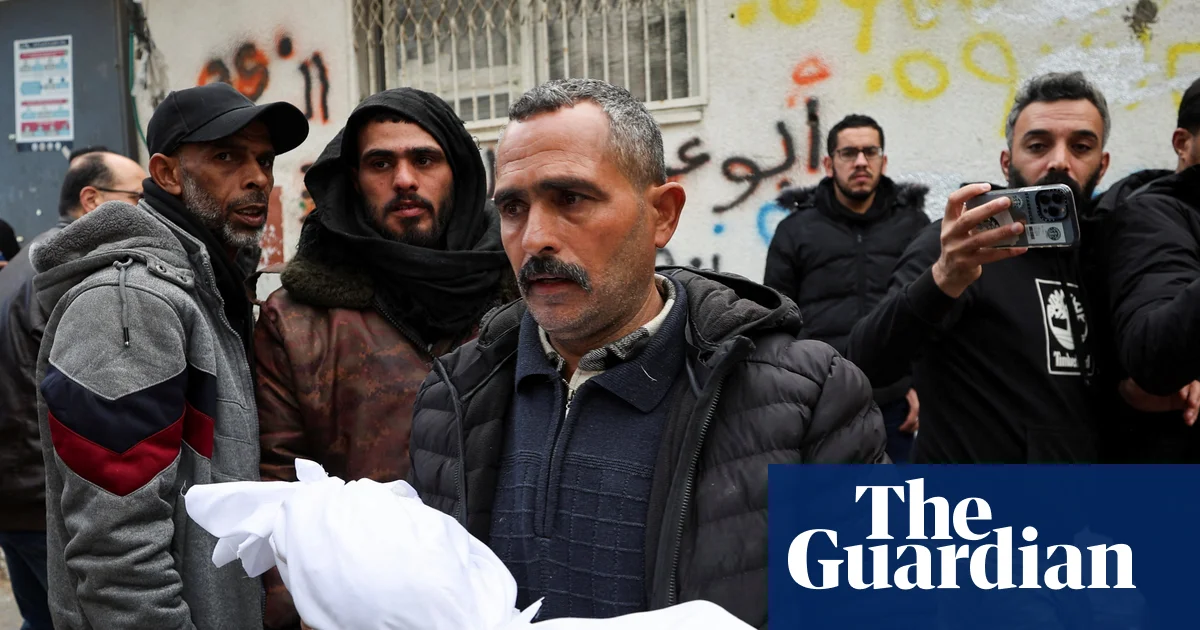
The recent surge of Israeli military operations in Gaza has again highlighted the fragile state of peace in one of the most volatile regions of the world. According to reports, Israeli tank shelling and airstrikes have resulted in at least 21 fatalities, including children and women, underscoring the devastating human toll of ongoing hostilities. In a tragic sequence of events, even medical personnel responding to initial casualties were killed by subsequent strikes, exemplifying the relentless brutality faced by civilians caught in the crossfire. These strikes targeted Gaza City and Khan Younis after an alleged attack on Israeli soldiers by Palestinian gunmen, prompting Israel to justify its defensive actions. Historians and analysts note that these incidents reflect a pattern of escalating violence that significantly complicates diplomatic efforts to establish sustainable peace, especially as the ceasefire remains fragile and frequently violated.

The geopolitical impact of these hostilities extends beyond the immediate borderlands. Israel claims that its military operations are justified, but the continued civilian casualties and destruction of infrastructure in Gaza intensify international concerns regarding human rights and stability. Gaza’s health system is under enormous strain; reports suggest that over 556 Palestinians have been killed since a prior ceasefire—most civilians—while Israeli casualties remain comparatively low. The international community, including human rights groups and UN agencies, warns that the cycle of violence risks igniting broader regional instability. As the United States and European nations call for de-escalation, critics argue that such calls ignore the deeper geopolitical issues—namely, the unresolved status of Gaza’s governance, the Israeli occupation, and the disarmament of Hamas—whose future remains uncertain amid persistent conflict.

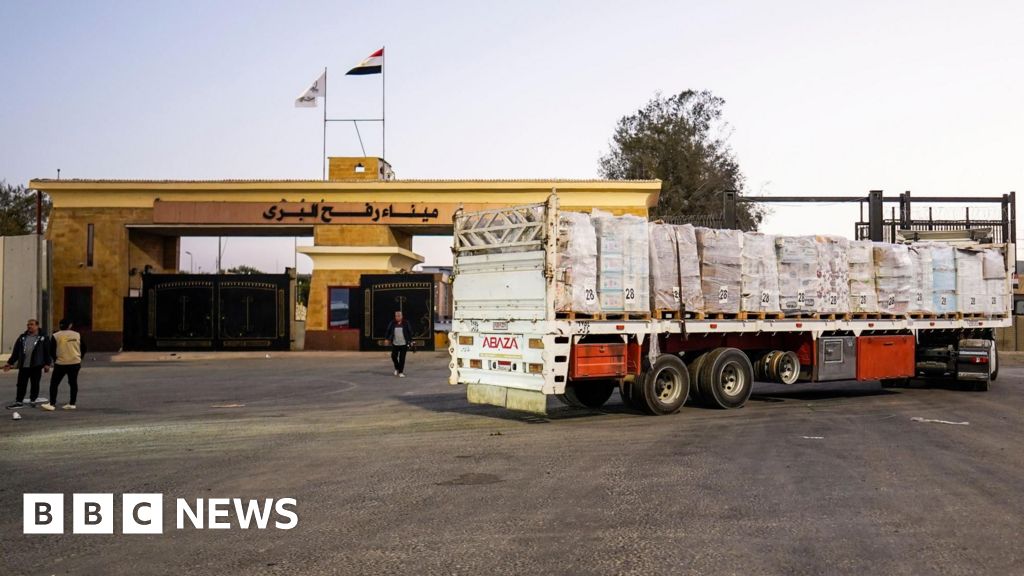
Meanwhile, amid the ongoing violence, a crucial element of the ceasefire—the Rafah border crossing—has faced renewed closures, impeding vital humanitarian aid and medical evacuations for Gaza’s besieged population. Although the crossing partly reopened earlier, Israel has halted all crossings citing security concerns. Reports from sources in Egypt indicate ongoing diplomatic efforts to reopen Rafah; however, the decision underscores the deep mistrust and strategic calculations that continue to undermine peace initiatives. The World Health Organization and Egyptian officials have expressed frustration over the delays, which threaten to exacerbate the humanitarian crisis. As Gaza’s hospitals report waiting patients unable to cross, analysts warn that such restrictions may fuel further resentment and radicalization, making lasting peace even more elusive.

Specialists and regional commentators note that the October ceasefire, brokered under the auspices of U.S. diplomacy and the Trump administration’s plan, has yet to translate into substantive political progress. Key issues—namely the withdrawal of Israeli forces from Gaza’s occupied regions and the disarmament of Hamas—remain unresolved. As violence continues to erupt daily, critics argue these unresolved matters threaten to unravel the fragile peace framework, possibly plunging the region into broader conflict. Historian Robert Kaplan warns that without decisive political action, Gaza is set on a perilous path toward further devastation, its residents condemned to an endless cycle of suffering and strife.

As the conflict spills into another day of violence, the weight of history presses down heavily. The world watches as this small strip of land becomes a crucible where the fates of nations hang in delicate balance. Will diplomacy prevail, or will the lines of conflict deepen into a new and possibly irreparable chapter? The story of Gaza is still being written—its future uncertain, its lessons profound—and the world’s response may ultimately shape the course of history. The echoes of this crisis remind us that beneath the surface of geopolitics lie human beings enduring the consequences of decisions made by global powers, forever etched in the annals of history.

Israel bans MSF from Gaza over staff list refusal

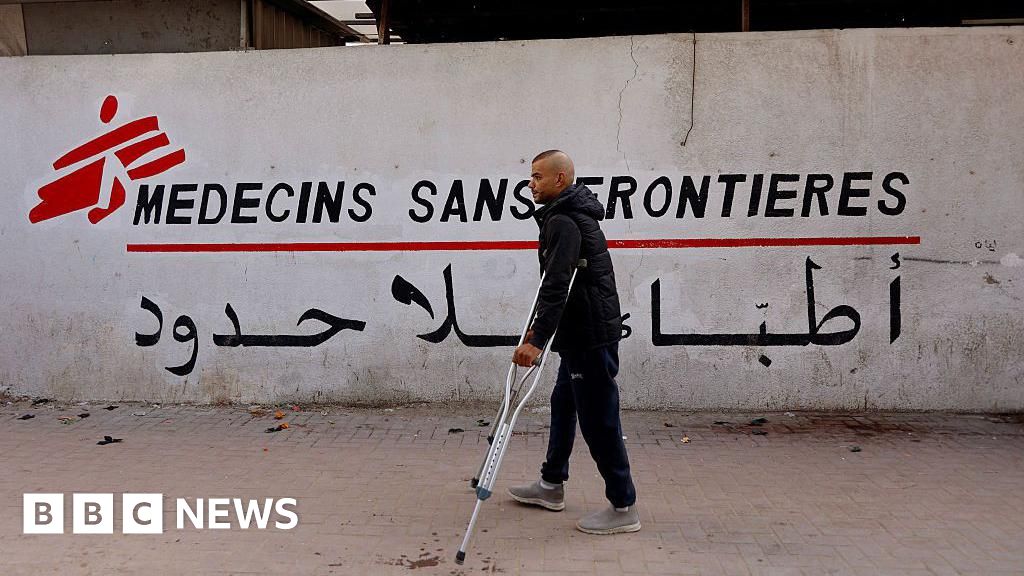
In an era marked by geopolitical upheaval and rising international tensions, the decision by Medical Sans Frontières (MSF) not to disclose its recent operational list underscores the growing complexities faced by humanitarian organizations working in the world’s most volatile regions. Citing safety concerns for its staff, MSF emphasized that sharing detailed operational information could jeopardize the lives of its personnel amidst ongoing conflicts. This stance reflects a broader awareness among NGOs that, in a fractured global landscape, the safety of aid workers increasingly depends on delicate, often clandestine, planning and secure communication channels.

The refusal to publish operational data highlights a critical shift in how aid agencies navigate conflict zones. Analysts note that, since the escalation of violence in regions such as Syria, Yemen, and parts of Africa, aid organizations face unprecedented risks—not only from hostile armed groups but also from collapsing governments and chaotic border controls. The decision by MSF also signals the urgent need for international institutions to reevaluate security protocols and reinforce the safety frameworks for humanitarian missions. Without transparency, however, the international community faces increased difficulty in assessing the scope of humanitarian needs and coordinating effective responses.

Historians and geopolitical analysts warn that these developments have a far-reaching geopolitical impact. As aid organizations retreat into silence, state actors and warring factions may interpret their silence as weakness or disorganization, potentially emboldening further aggression or territorial expansion. Furthermore, the United Nations and other multilateral bodies find themselves caught between the necessity of diplomatic engagement and the realities of dangerous operational environments. The decision by MSF underscores a growing consensus: the safety of aid workers is now an integral part of the larger geopolitical struggle for influence and stability in fragile states.

Veteran analysts warn that these trends could significantly influence future international responses to crises. Noted geopolitical strategist Jonathan Rees emphasizes that the loss of transparency could hinder diplomatic efforts—reducing international pressure on conflict parties to cease hostilities, while encouraging more clandestine and unpredictable violence. As global power dynamics continue to shift, and as nations prioritize national security concerns over international humanitarian commitments, the world stands at a crossroads. The ongoing challenges faced by organizations like MSF serve as a stark reminder: the very fabric of humanitarian work is intertwined with the volatile and often violent realities of contemporary geopolitics.

In the shadow of these unfolding events, history beckons us with a somber warning. As aid agencies grapple with the dangerous landscape of today’s conflicts, the question persists: will the international community rise to secure both the lives of aid workers and the stability of zones torn apart by war? Or will silence become the new language of diplomacy, leaving countless vulnerable populations without aid? The answer, undoubtedly, will further define our era—a chapter written in the blood and resilience of those caught in the crossfire of history’s relentless march forward.

Israeli Airstrikes Smash Gaza, Over 32 Palestinians Reported Killed

In a development that underscores the fragile and volatile nature of Middle Eastern diplomacy, Israel’s military confirmed a series of recent strikes amidst a fragile ceasefire with Hamas. This escalation occurs despite both parties publicly accusing each other of violating the ceasefire agreement, highlighting the ongoing risks of renewed conflict in a region already scarred by decades of instability. The timing of these strikes has raised alarms among global observers who watch the situation with growing concern about potential escalation into broader regional hostilities.

The recent surge in violence occurs at a critical juncture where international mediators, including Egypt and the United Nations, have been exerting diplomatic pressure to solidify a lasting peace. However, analysts from institutions like the Brookings Institution and Chatham House emphasize that the underlying issues—territorial disputes, political divisions, and economic hardships—remain unresolved, making peace fragile and susceptible to breakdown. The ceasefire was initially brokered as a step toward de-escalation, but the continuation of hostilities signals the deep-rooted tensions that continue to threaten regional stability.

The geopolitical impact of these developments extends far beyond the borders of Israel and Palestine. Countries such as Iran, which backs militant groups like Hamas, are closely observing the situation, with many analysts concerned that a renewal of conflicts could ignite wider regional confrontations involving Lebanon and Syria. Additionally, the United States and Russia remain engaged behind the scenes, balancing their strategic interests in the region amidst these flashpoints. The International Crisis Group warns that unresolved conflicts threaten to unravel fragile alliances, creating a geopolitical tinderbox that could ignite broader conflicts.

Historian and Middle Eastern expert Dr. Laura Jensen points out that, “Contemporary conflicts in the region are less about immediate territorial disputes and more about the persistence of identity, ideology, and power dynamics.” She warns that a failure to address the root causes could lead to a cycle of violence that might last generations. International organizations like the United Nations continue to call for restraint, but critics argue that diplomatic efforts often fall short of addressing the structural issues at root. As hostilities flare and peace remains precarious, the world faces a stark reminder of how thin the veneer of stability truly is in such a turbulent sea of history.

As the dust settles after recent military actions, the future of this embattled region hangs in the balance. The conflicting narratives of victory, victimhood, and survival persist, tangled in a complex web of history and politics that shapes the destiny of millions. With each new escalation, the international community is reminded that the choices made today will echo through decades to come. In this unfolding story of conflict and diplomacy, history’s relentless march continues—a powerful reminder that, in the world of geopolitics, peace is often just one misstep away from chaos.

Israel Reopens Gaza Crossings After Confirming Hostage's Body
Israel Reopens Gaza Crossings After Confirming Hostage’s Body

Unfolding Crisis: Israel, Gaza, and the International Stakes

The ongoing turmoil surrounding Gaza and Israel has transitioned into an uncertain period of diplomacy intertwined with military operations. Recent developments reveal that Israel has conditioned the reopening of the key border crossing at Rafah — the critical gateway between Gaza and Egypt — on the retrieval of the remains of Israeli soldier, Master Sgt. Ran Gvili, who has been held captive since the Hamas-led attack of October 7, 2023. According to Israeli authorities, the military has launched focused searches in northern Gaza, including efforts at Gaza City cemeteries, reflecting a broader strategy to solidify leverage over the fragile ceasefire and future negotiations.

This move signifies a turning point in Israel‘s approach to the Gaza conflict, where security concerns have repeatedly overshadowed diplomatic efforts. Prime Minister Benjamin Netanyahu‘s government announced a *limited reopening* of the Rafah crossing for pedestrian traffic, accompanied by comprehensive Israeli inspection mechanisms. Such measures, as reported by Haaretz, include oversight of entry and exit lists and additional screening points along the territory’s Yellow Line, which delineates the area under Israeli control. These stringent controls underscore the prioritization of security over humanitarian access, reflecting the intense pressure on Israeli policymakers amid the ongoing search operations and warfare repercussions.

Global Mediation and the Fragile Peace Process

Meanwhile, international mediators, including U.S. officials led by special envoy Steve Witkoff and Jared Kushner, have intensified diplomatic efforts. Recent meetings with Israel’s leadership signal a push to implement phase two of former President Donald Trump’s peace plan—aiming to establish a new Palestinian government in Gaza, oversee reconstruction, and enforce full demilitarization, including disarmament of Hamas and allied groups. This ambitious agenda remains in jeopardy, as ongoing military operations and deep-seated mistrust threaten to undermine any progress.

The continuation of violence has brought profound humanitarian consequences, with reports of over 71,650 casualties — a figure that highlights the devastating toll on civilians under the Hamas-led military campaign. The Gaza health ministry, controlled by Hamas, provides grim documentation of this human cost, casting a long shadow over the prospects for peace. Such devastation has prompted debates among analysts and historians about whether the cycle of retaliation and blockade can be broken, or if the region is heading toward an inexorable future of conflict.

The Geopolitical Impact and Future Uncertainties

The unfolding events demonstrate how U.S. and European efforts to mediate peace are coupled with realpolitik. The conditional reopening of the Rafah crossing and Israel’s intensified search for Gvili’s remains illustrate a complex negotiation matrix, where security concerns dominate and humanitarian needs are often sidelined. Analysts warn that these military and diplomatic maneuvers could deepen regional instability. Moreover, Egypt’s stance on the border underscores the delicate diplomatic dance, insisting on open movement in both directions to facilitate the return of Palestinians displaced by war. Such demands complicate international efforts and reflect the intricate web of regional interests at stake.

As international organizations, including the United Nations, monitor these developments, historians and geopolitical strategists warn that humanity stands at a crossroads. Will this crisis catalyze meaningful peace, or will it spiral into a prolonged saga of violence and despair? The decisions being made today will echo across generations, shaping the future of the Middle East and testing the resolve of international diplomacy. With each military strike and diplomatic handshake, the weight of history lingers, reminding the world that the path to stability remains fraught with peril and temptation, and that the outcome is still clinging to fragile hope or destructive chaos.

Israel hits top Hamas leader in major Gaza strike

The recent precision strike by Israel targeting a senior Hamas commander in Gaza underscores the ongoing volatility and deeply entrenched conflict in the region. The elimination of Raed Saad, the head of weapons production for Hamas’s military wing, the Qassam Brigades, signifies a calculated escalation by Israeli forces amid heightened tensions following the October 7 attacks, which resulted in over 1,200 deaths and more than 250 hostages taken. The extent of this operation reveals the precise nature of Israel’s military approach, aimed at dismantling Hamas’s leadership structure, yet it also amplifies international concerns regarding the broader humanitarian crisis unfolding in Gaza.

  • In the aftermath, reports from Gaza suggest that multiple casualties resulted from the strike, including Saad’s aide and another lower-ranking official, raising questions about the collateral damage inflicted on civilians.
  • The strike took place within a sensitive border area controlled by Israel, near the so-called Yellow Line, since 10 October, when a shaky US-led ceasefire was established. This fragile peace continues to be tested as violence persists on both sides, with analysts warning of how such targeted killings risk unleashing further cycles of retaliation.
  • Israel’s ongoing efforts to eliminate key Hamas figures, including Saad who had survived multiple prior attempts, illustrates its unwavering resolve to weaken the militant organization’s capabilities. However, critics argue that such tactical moves could undermine the broader geopolitical stability of the region, potentially emboldening hardline factions and complicating diplomatic prospects.

Meanwhile, international organizations and security analysts are closely monitoring how these events shape the ongoing saga of the Palestinian-Israeli conflict. The Biden administration’s support for Israel’s right to defend itself remains firm, even as the humanitarian toll in Gaza mounts to catastrophic levels. The UN and human rights groups continue to voice concerns about the sheer scale of Palestinian casualties—more than 70,000 fatalities reported by Hamas-run health authorities—highlighting the devastating impact on civilians caught amidst military operations. These developments have so far stalled any meaningful progress towards lasting peace, leaving millions in limbo as the specter of war looms large.

Driven by this escalating cycle of violence, the geopolitical landscape shifts once again with the implementation of President Trump’s 20-point peace plan. Its core premise involves disarmament of Hamas, regional de-radicalization, and the establishment of a transitional Palestinian governance under an international “Board of Peace,” overseen by a reconfigured U.S. administration. While many in Israel oppose a Palestinian state, viewing it as a security threat, others see this framework as a potential pathway to stability—if all parties commit to the arduous process of reconciliation. The plan’s future hinges on complex negotiations, with Benjamin Netanyahu set to meet President Trump on 29 December to discuss its prospects, a meeting that could determine whether the region steps toward a long-awaited resolution or descends further into chaos.

As history continues to unfold, analysts warn that the decisions made in these perilous moments will resonate for generations. The fate of Gaza, the resilience of its people, and the security of Israel are all intertwined in a web of geopolitical ambitions and regional loyalties. In this crucible of history, where peace remains elusive, the weight of unresolved conflicts demands not only strategic resolve but visionary leadership—lest the promise of peace be forever overshadowed by the shadows of war.

Social Media Auto Publish Powered By : XYZScripts.com