Matox News

Truth Over Trends, always!

Israeli Airstrikes Kill 21 in Gaza as Crossings at Rafah Stall, Palestinian Officials Warn

Intensified Violence and Political Stalemates in Gaza Signal Deepening Regional Instability

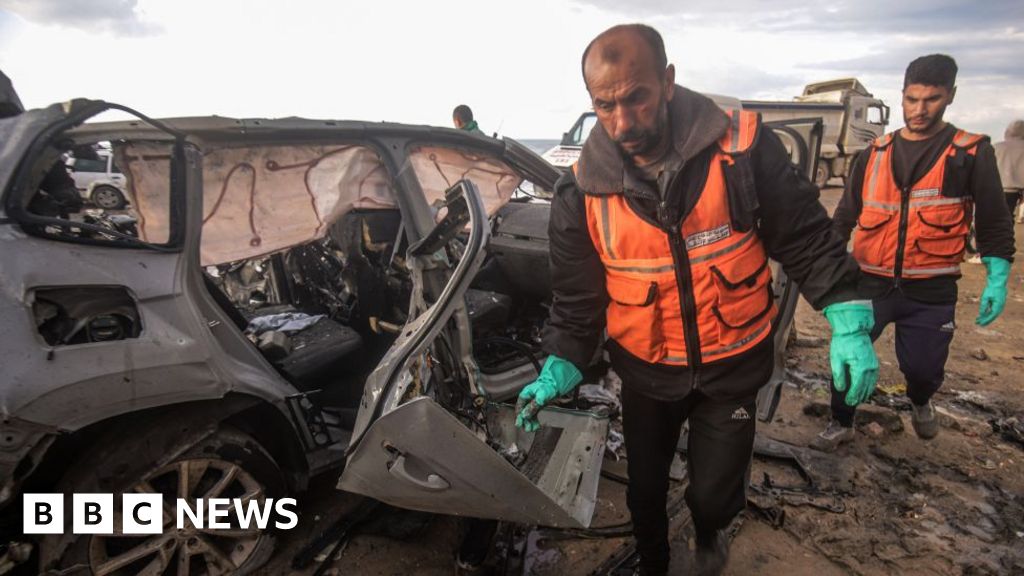
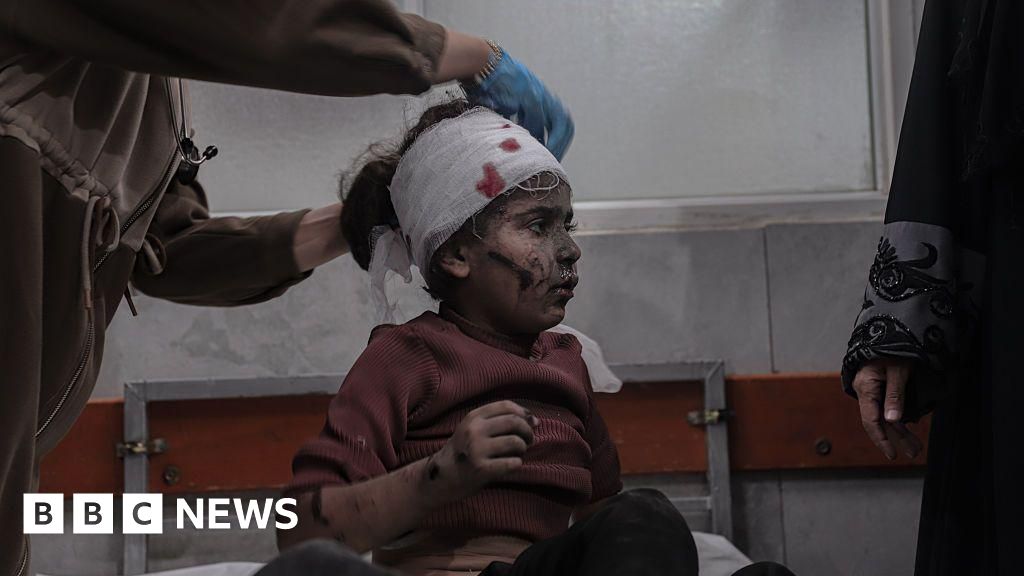
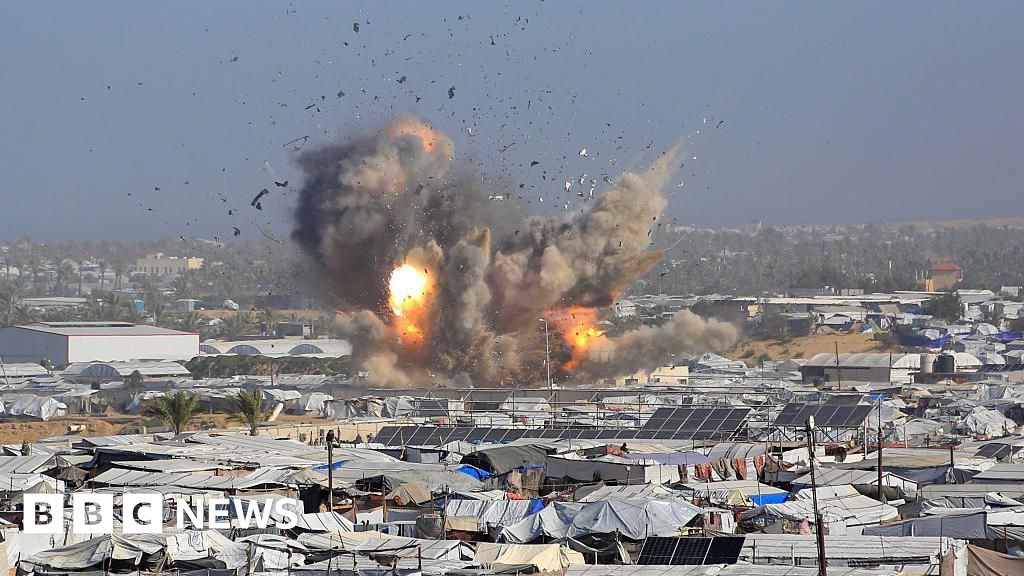
The recent surge of Israeli military operations in Gaza has again highlighted the fragile state of peace in one of the most volatile regions of the world. According to reports, Israeli tank shelling and airstrikes have resulted in at least 21 fatalities, including children and women, underscoring the devastating human toll of ongoing hostilities. In a tragic sequence of events, even medical personnel responding to initial casualties were killed by subsequent strikes, exemplifying the relentless brutality faced by civilians caught in the crossfire. These strikes targeted Gaza City and Khan Younis after an alleged attack on Israeli soldiers by Palestinian gunmen, prompting Israel to justify its defensive actions. Historians and analysts note that these incidents reflect a pattern of escalating violence that significantly complicates diplomatic efforts to establish sustainable peace, especially as the ceasefire remains fragile and frequently violated.

The geopolitical impact of these hostilities extends beyond the immediate borderlands. Israel claims that its military operations are justified, but the continued civilian casualties and destruction of infrastructure in Gaza intensify international concerns regarding human rights and stability. Gaza’s health system is under enormous strain; reports suggest that over 556 Palestinians have been killed since a prior ceasefire—most civilians—while Israeli casualties remain comparatively low. The international community, including human rights groups and UN agencies, warns that the cycle of violence risks igniting broader regional instability. As the United States and European nations call for de-escalation, critics argue that such calls ignore the deeper geopolitical issues—namely, the unresolved status of Gaza’s governance, the Israeli occupation, and the disarmament of Hamas—whose future remains uncertain amid persistent conflict.

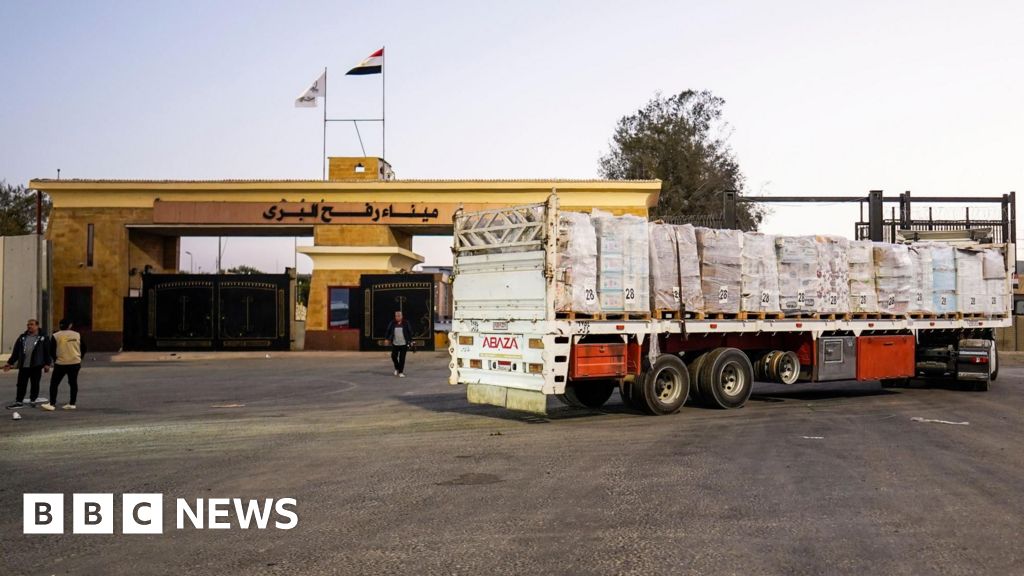
Meanwhile, amid the ongoing violence, a crucial element of the ceasefire—the Rafah border crossing—has faced renewed closures, impeding vital humanitarian aid and medical evacuations for Gaza’s besieged population. Although the crossing partly reopened earlier, Israel has halted all crossings citing security concerns. Reports from sources in Egypt indicate ongoing diplomatic efforts to reopen Rafah; however, the decision underscores the deep mistrust and strategic calculations that continue to undermine peace initiatives. The World Health Organization and Egyptian officials have expressed frustration over the delays, which threaten to exacerbate the humanitarian crisis. As Gaza’s hospitals report waiting patients unable to cross, analysts warn that such restrictions may fuel further resentment and radicalization, making lasting peace even more elusive.

Specialists and regional commentators note that the October ceasefire, brokered under the auspices of U.S. diplomacy and the Trump administration’s plan, has yet to translate into substantive political progress. Key issues—namely the withdrawal of Israeli forces from Gaza’s occupied regions and the disarmament of Hamas—remain unresolved. As violence continues to erupt daily, critics argue these unresolved matters threaten to unravel the fragile peace framework, possibly plunging the region into broader conflict. Historian Robert Kaplan warns that without decisive political action, Gaza is set on a perilous path toward further devastation, its residents condemned to an endless cycle of suffering and strife.

As the conflict spills into another day of violence, the weight of history presses down heavily. The world watches as this small strip of land becomes a crucible where the fates of nations hang in delicate balance. Will diplomacy prevail, or will the lines of conflict deepen into a new and possibly irreparable chapter? The story of Gaza is still being written—its future uncertain, its lessons profound—and the world’s response may ultimately shape the course of history. The echoes of this crisis remind us that beneath the surface of geopolitics lie human beings enduring the consequences of decisions made by global powers, forever etched in the annals of history.
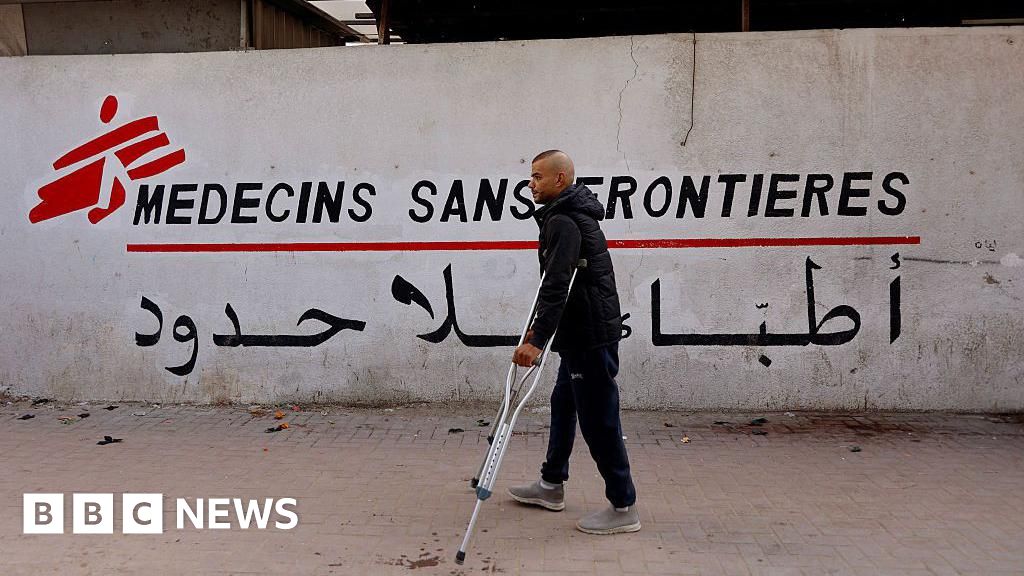
Israel bans MSF from Gaza over staff list refusal

In an era marked by geopolitical upheaval and rising international tensions, the decision by Medical Sans Frontières (MSF) not to disclose its recent operational list underscores the growing complexities faced by humanitarian organizations working in the world’s most volatile regions. Citing safety concerns for its staff, MSF emphasized that sharing detailed operational information could jeopardize the lives of its personnel amidst ongoing conflicts. This stance reflects a broader awareness among NGOs that, in a fractured global landscape, the safety of aid workers increasingly depends on delicate, often clandestine, planning and secure communication channels.

The refusal to publish operational data highlights a critical shift in how aid agencies navigate conflict zones. Analysts note that, since the escalation of violence in regions such as Syria, Yemen, and parts of Africa, aid organizations face unprecedented risks—not only from hostile armed groups but also from collapsing governments and chaotic border controls. The decision by MSF also signals the urgent need for international institutions to reevaluate security protocols and reinforce the safety frameworks for humanitarian missions. Without transparency, however, the international community faces increased difficulty in assessing the scope of humanitarian needs and coordinating effective responses.

Historians and geopolitical analysts warn that these developments have a far-reaching geopolitical impact. As aid organizations retreat into silence, state actors and warring factions may interpret their silence as weakness or disorganization, potentially emboldening further aggression or territorial expansion. Furthermore, the United Nations and other multilateral bodies find themselves caught between the necessity of diplomatic engagement and the realities of dangerous operational environments. The decision by MSF underscores a growing consensus: the safety of aid workers is now an integral part of the larger geopolitical struggle for influence and stability in fragile states.

Veteran analysts warn that these trends could significantly influence future international responses to crises. Noted geopolitical strategist Jonathan Rees emphasizes that the loss of transparency could hinder diplomatic efforts—reducing international pressure on conflict parties to cease hostilities, while encouraging more clandestine and unpredictable violence. As global power dynamics continue to shift, and as nations prioritize national security concerns over international humanitarian commitments, the world stands at a crossroads. The ongoing challenges faced by organizations like MSF serve as a stark reminder: the very fabric of humanitarian work is intertwined with the volatile and often violent realities of contemporary geopolitics.

In the shadow of these unfolding events, history beckons us with a somber warning. As aid agencies grapple with the dangerous landscape of today’s conflicts, the question persists: will the international community rise to secure both the lives of aid workers and the stability of zones torn apart by war? Or will silence become the new language of diplomacy, leaving countless vulnerable populations without aid? The answer, undoubtedly, will further define our era—a chapter written in the blood and resilience of those caught in the crossfire of history’s relentless march forward.

Israeli Airstrikes Smash Gaza, Over 32 Palestinians Reported Killed

In a development that underscores the fragile and volatile nature of Middle Eastern diplomacy, Israel’s military confirmed a series of recent strikes amidst a fragile ceasefire with Hamas. This escalation occurs despite both parties publicly accusing each other of violating the ceasefire agreement, highlighting the ongoing risks of renewed conflict in a region already scarred by decades of instability. The timing of these strikes has raised alarms among global observers who watch the situation with growing concern about potential escalation into broader regional hostilities.

The recent surge in violence occurs at a critical juncture where international mediators, including Egypt and the United Nations, have been exerting diplomatic pressure to solidify a lasting peace. However, analysts from institutions like the Brookings Institution and Chatham House emphasize that the underlying issues—territorial disputes, political divisions, and economic hardships—remain unresolved, making peace fragile and susceptible to breakdown. The ceasefire was initially brokered as a step toward de-escalation, but the continuation of hostilities signals the deep-rooted tensions that continue to threaten regional stability.

The geopolitical impact of these developments extends far beyond the borders of Israel and Palestine. Countries such as Iran, which backs militant groups like Hamas, are closely observing the situation, with many analysts concerned that a renewal of conflicts could ignite wider regional confrontations involving Lebanon and Syria. Additionally, the United States and Russia remain engaged behind the scenes, balancing their strategic interests in the region amidst these flashpoints. The International Crisis Group warns that unresolved conflicts threaten to unravel fragile alliances, creating a geopolitical tinderbox that could ignite broader conflicts.

Historian and Middle Eastern expert Dr. Laura Jensen points out that, “Contemporary conflicts in the region are less about immediate territorial disputes and more about the persistence of identity, ideology, and power dynamics.” She warns that a failure to address the root causes could lead to a cycle of violence that might last generations. International organizations like the United Nations continue to call for restraint, but critics argue that diplomatic efforts often fall short of addressing the structural issues at root. As hostilities flare and peace remains precarious, the world faces a stark reminder of how thin the veneer of stability truly is in such a turbulent sea of history.

As the dust settles after recent military actions, the future of this embattled region hangs in the balance. The conflicting narratives of victory, victimhood, and survival persist, tangled in a complex web of history and politics that shapes the destiny of millions. With each new escalation, the international community is reminded that the choices made today will echo through decades to come. In this unfolding story of conflict and diplomacy, history’s relentless march continues—a powerful reminder that, in the world of geopolitics, peace is often just one misstep away from chaos.

Israel Reopens Gaza Crossings After Confirming Hostage's Body
Israel Reopens Gaza Crossings After Confirming Hostage’s Body

Unfolding Crisis: Israel, Gaza, and the International Stakes

The ongoing turmoil surrounding Gaza and Israel has transitioned into an uncertain period of diplomacy intertwined with military operations. Recent developments reveal that Israel has conditioned the reopening of the key border crossing at Rafah — the critical gateway between Gaza and Egypt — on the retrieval of the remains of Israeli soldier, Master Sgt. Ran Gvili, who has been held captive since the Hamas-led attack of October 7, 2023. According to Israeli authorities, the military has launched focused searches in northern Gaza, including efforts at Gaza City cemeteries, reflecting a broader strategy to solidify leverage over the fragile ceasefire and future negotiations.

This move signifies a turning point in Israel‘s approach to the Gaza conflict, where security concerns have repeatedly overshadowed diplomatic efforts. Prime Minister Benjamin Netanyahu‘s government announced a *limited reopening* of the Rafah crossing for pedestrian traffic, accompanied by comprehensive Israeli inspection mechanisms. Such measures, as reported by Haaretz, include oversight of entry and exit lists and additional screening points along the territory’s Yellow Line, which delineates the area under Israeli control. These stringent controls underscore the prioritization of security over humanitarian access, reflecting the intense pressure on Israeli policymakers amid the ongoing search operations and warfare repercussions.

Global Mediation and the Fragile Peace Process

Meanwhile, international mediators, including U.S. officials led by special envoy Steve Witkoff and Jared Kushner, have intensified diplomatic efforts. Recent meetings with Israel’s leadership signal a push to implement phase two of former President Donald Trump’s peace plan—aiming to establish a new Palestinian government in Gaza, oversee reconstruction, and enforce full demilitarization, including disarmament of Hamas and allied groups. This ambitious agenda remains in jeopardy, as ongoing military operations and deep-seated mistrust threaten to undermine any progress.

The continuation of violence has brought profound humanitarian consequences, with reports of over 71,650 casualties — a figure that highlights the devastating toll on civilians under the Hamas-led military campaign. The Gaza health ministry, controlled by Hamas, provides grim documentation of this human cost, casting a long shadow over the prospects for peace. Such devastation has prompted debates among analysts and historians about whether the cycle of retaliation and blockade can be broken, or if the region is heading toward an inexorable future of conflict.

The Geopolitical Impact and Future Uncertainties

The unfolding events demonstrate how U.S. and European efforts to mediate peace are coupled with realpolitik. The conditional reopening of the Rafah crossing and Israel’s intensified search for Gvili’s remains illustrate a complex negotiation matrix, where security concerns dominate and humanitarian needs are often sidelined. Analysts warn that these military and diplomatic maneuvers could deepen regional instability. Moreover, Egypt’s stance on the border underscores the delicate diplomatic dance, insisting on open movement in both directions to facilitate the return of Palestinians displaced by war. Such demands complicate international efforts and reflect the intricate web of regional interests at stake.

As international organizations, including the United Nations, monitor these developments, historians and geopolitical strategists warn that humanity stands at a crossroads. Will this crisis catalyze meaningful peace, or will it spiral into a prolonged saga of violence and despair? The decisions being made today will echo across generations, shaping the future of the Middle East and testing the resolve of international diplomacy. With each military strike and diplomatic handshake, the weight of history lingers, reminding the world that the path to stability remains fraught with peril and temptation, and that the outcome is still clinging to fragile hope or destructive chaos.

Israel hits top Hamas leader in major Gaza strike

The recent precision strike by Israel targeting a senior Hamas commander in Gaza underscores the ongoing volatility and deeply entrenched conflict in the region. The elimination of Raed Saad, the head of weapons production for Hamas’s military wing, the Qassam Brigades, signifies a calculated escalation by Israeli forces amid heightened tensions following the October 7 attacks, which resulted in over 1,200 deaths and more than 250 hostages taken. The extent of this operation reveals the precise nature of Israel’s military approach, aimed at dismantling Hamas’s leadership structure, yet it also amplifies international concerns regarding the broader humanitarian crisis unfolding in Gaza.

  • In the aftermath, reports from Gaza suggest that multiple casualties resulted from the strike, including Saad’s aide and another lower-ranking official, raising questions about the collateral damage inflicted on civilians.
  • The strike took place within a sensitive border area controlled by Israel, near the so-called Yellow Line, since 10 October, when a shaky US-led ceasefire was established. This fragile peace continues to be tested as violence persists on both sides, with analysts warning of how such targeted killings risk unleashing further cycles of retaliation.
  • Israel’s ongoing efforts to eliminate key Hamas figures, including Saad who had survived multiple prior attempts, illustrates its unwavering resolve to weaken the militant organization’s capabilities. However, critics argue that such tactical moves could undermine the broader geopolitical stability of the region, potentially emboldening hardline factions and complicating diplomatic prospects.

Meanwhile, international organizations and security analysts are closely monitoring how these events shape the ongoing saga of the Palestinian-Israeli conflict. The Biden administration’s support for Israel’s right to defend itself remains firm, even as the humanitarian toll in Gaza mounts to catastrophic levels. The UN and human rights groups continue to voice concerns about the sheer scale of Palestinian casualties—more than 70,000 fatalities reported by Hamas-run health authorities—highlighting the devastating impact on civilians caught amidst military operations. These developments have so far stalled any meaningful progress towards lasting peace, leaving millions in limbo as the specter of war looms large.

Driven by this escalating cycle of violence, the geopolitical landscape shifts once again with the implementation of President Trump’s 20-point peace plan. Its core premise involves disarmament of Hamas, regional de-radicalization, and the establishment of a transitional Palestinian governance under an international “Board of Peace,” overseen by a reconfigured U.S. administration. While many in Israel oppose a Palestinian state, viewing it as a security threat, others see this framework as a potential pathway to stability—if all parties commit to the arduous process of reconciliation. The plan’s future hinges on complex negotiations, with Benjamin Netanyahu set to meet President Trump on 29 December to discuss its prospects, a meeting that could determine whether the region steps toward a long-awaited resolution or descends further into chaos.

As history continues to unfold, analysts warn that the decisions made in these perilous moments will resonate for generations. The fate of Gaza, the resilience of its people, and the security of Israel are all intertwined in a web of geopolitical ambitions and regional loyalties. In this crucible of history, where peace remains elusive, the weight of unresolved conflicts demands not only strategic resolve but visionary leadership—lest the promise of peace be forever overshadowed by the shadows of war.

Israel investigates reports of 3-year-old killed in Gaza by troops

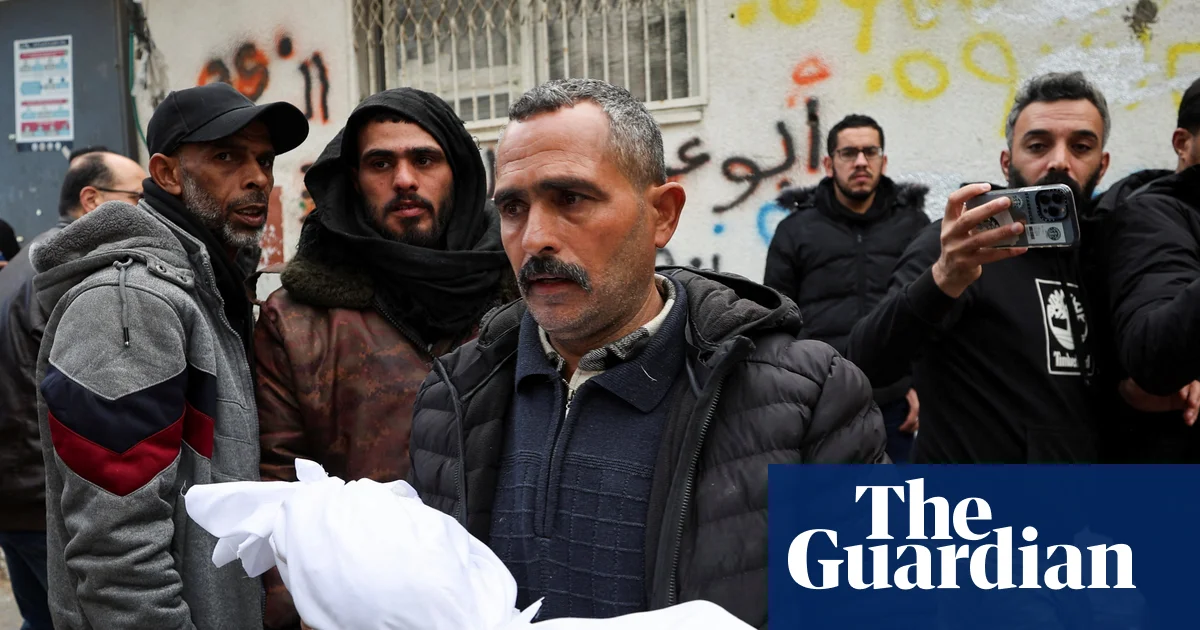
The latest escalation in the long-standing Israeli-Palestinian conflict has sent shockwaves through the international community, illustrating how fragile ceasefires and peace processes remain amid entrenched hostilities. On Sunday, a tragic incident occurred in Gaza, where a three-year-old girl, Ahed Tareq al-Bayouk, lost her life after being shot near her family’s tent in Mawasi, Rafah. Local sources report her bleeding body as another stark reminder of how civilians, especially children, continue to pay the ultimate price amidst the ongoing violence. The Israel Defense Forces claimed they were aware of the incident, yet, without concrete evidence or admission of responsibility, many question whether such tragic episodes are mere collateral damage or indicative of deeper issues. Since a ceasefire in October, over 370 Palestinians have been killed, including more than 140 children, with humanitarian conditions deteriorating rapidly—a situation that international watchdogs like Amnesty International describe as a humanitarian catastrophe.

The incident takes place within the context of the first phase of a US-brokered plan intended to de-escalate tensions and bring some semblance of stability to Gaza. Under this plan, Israeli troops agreed to withdraw behind the so-called Yellow Line, a temporary demarcation zone, and all 20 living and 28 of the deceased hostages taken during the Hamas-led attack on southern Israel in early October have been returned, except for the remains of a slain police officer. These developments, however, mask the deeper layers of uncertainty and distrust that persist. The violence and loss of life have rendered hopes of quick resolution fragile, and international organizations like the UN and WHO warn that medical and humanitarian crises continue to worsen, with thousands of Palestinians in urgent need of evacuation and medical aid denied or delayed due to access restrictions.

Pushes for a broader, comprehensive peace seem increasingly entangled in competing narratives and geopolitical interests. Qatar’s Prime Minister Sheikh Mohammed bin Abdulrahman al-Thani describes the current situation as a “pause” rather than a ceasefire, emphasizing ongoing international efforts to advance toward a second phase. This phase envisions establishing an interim governing authority, deploying an international security force, and disarming Hamas—steps which are critical but also fraught with political and strategic hurdles. Notably, the plan involves the oversight of a Board of Peace, led by former U.S. President Donald Trump, reflecting a significant U.S. interest in shaping the region’s future. The hope is that such measures could open the door to Palestinian self-determination and, ultimately, the recognition of a Palestinian state, an idea championed by many Western leaders as a pathway to lasting peace.

However, the political landscape remains deeply divided. During a recent Jerusalem visit, German Chancellor Friedrich Merz showcased support for the concept of a Palestinian state as a potential means of achieving a “new Middle East”. Conversely, Israeli Prime Minister Benjamin Netanyahu expressed unwavering opposition. He articulated a fundamental concern: that a Palestinian state would be a strategic threat to Israel’s existence, claiming, “the purpose of a Palestinian state is to destroy the one and only Jewish state”. Such stark opposition underscores the profound geopolitical rift that persists, with both leaders signaling readiness to move forward but under vastly different conditions. Netanyahu’s planned discussions with U.S. President Donald Trump in late December could be pivotal, either cementing the next phase of the plan or reasserting Israel’s refusal to budge from its position.

As the region stands on the brink of further upheaval, the weight of history presses upon the present. The unfolding narrative, driven by decisions made in backrooms and corridors of power worldwide, reveals that the journey toward peace is neither linear nor guaranteed. The lives lost, the political divides, and the international stakes form a tragic mosaic—a stark reminder that the fights shaping today’s Middle East will echo through history, with every hope for resolution challenged by the indomitable realities of war, sovereignty, and security. The world waits with bated breath as the story continues to unfold, knowing that the decisions taken today will leave an indelible mark on the pages of history yet to be written.

Israel receives alleged coffin claimed to hold Gaza hostage's body—Hamas stirs tensions
Israel receives alleged coffin claimed to hold Gaza hostage’s body—Hamas stirs tensions

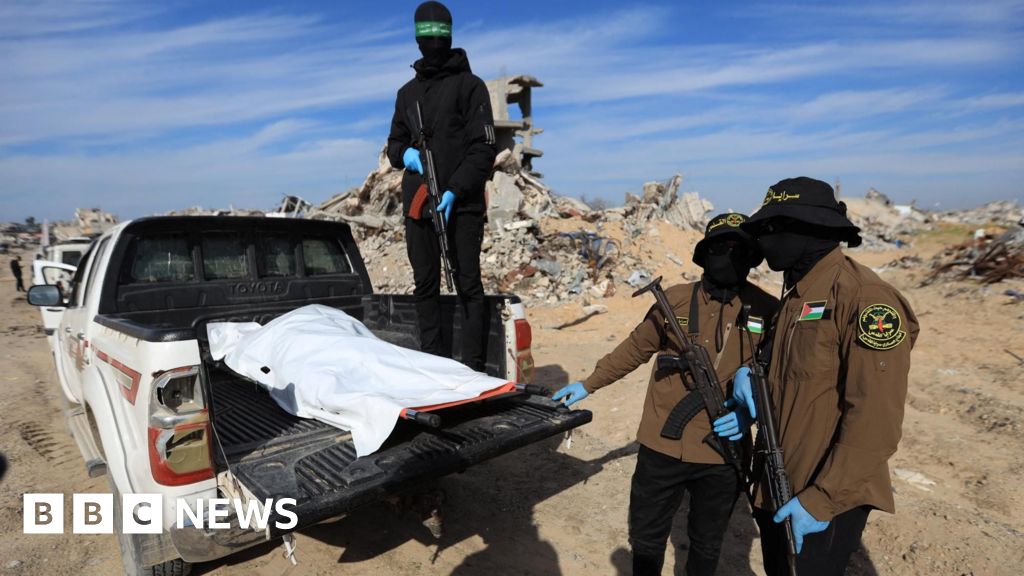
The ongoing crisis in Gaza has once again underscored the complex and deeply entwined web of geopolitical conflicts shaping the modern Middle East. Recent developments reveal a fragile détente coupled with profound human tragedy. Israel has indeed received a coffin via the Red Cross containing the remains of one of the last two Israeli hostages held in Gaza, as confirmed by the Israeli prime minister’s office. This exchange demonstrates both the humanitarian toll and the diplomatic jostling that define this latest chapter of the longstanding conflict. Notably, alongside the reported body, the Israeli authorities will transfer the remains to their National Institute of Forensic Medicine in Tel Aviv for identifications, an essential step in the ongoing negotiations and for future accountability.

Meanwhile, the Palestinian Islamic Jihad (PIJ) announced the discovery of a hostage’s body in northern Gaza hours prior to the handover, further complicating perceptions of progress and cooperation. The situation remains tense, with Israel accusing Hamas of intentionally delaying the return of the remaining bodies, while the latter claims the bodies are simply buried under rubble—highlighting the logistical and strategic struggles on both sides. The two identified victims—Ran Gvili, a 24-year-old Israeli police officer, and Suthisak Rintalak, a 43-year-old Thai agricultural worker—were killed during the attack on southern Israel on 7 October 2023, and their bodies were taken into Gaza’s chaos. This painful exchange exemplifies the wider human cost of the escalation, which has spurred international demand for a resolution that seems increasingly distant amid ongoing hostilities.

The broader US-brokered ceasefire initiated on 10 October aimed to secure the return of all hostage remains and those still held in Gaza, but progress has been slow. The initial agreement called for the release of 20 living Israeli hostages and the repatriation of 28 deceased Israeli and foreign nationals—a promise that, while partially fulfilled, has been overshadowed by delays and accusations. So far, 23 bodies of Israeli victims and three foreign hostages—Thai, Nepalese, and Tanzanian—have been recovered, but many remain unaccounted for. The exchange of bodies for Palestinian remains is a stark reminder of how fragile hope is in a conflict that has claimed over 70,100 lives, as reported by Hamas’s health ministry. Israel maintains that Hamas’s reluctance has bolstered accusations of deliberate obstruction, a claim that fuels the international community’s concerns and complicates efforts to advance President Donald Trump’s second phase Gaza peace plan, which includes governance reforms, troop withdrawals, and disarmament initiatives.

As the conflict inexorably shapes the geopolitical landscape, global powers and analysts are left to interpret the likely repercussions. The failures and delays in repatriations serve as a de facto reflection of the larger political deadlock—an impasse that threatens to ignite further instability in a region already marked by profound divisions. The ongoing tensions are not merely about the immediate humanitarian suffering but also about strategic influence, military power, and the ideological clash between forces vying for dominance in a crucial geopolitical corridor. This unresolved crisis continues to write itself into history, leaving a path of unresolved grievances and unhealed wounds for future generations. It is a poignant reminder that, amid the chaos and bloodshed, the weight of history remains heavy, its next chapters still unwritten but undeniably influenced by every decision made today.

Fundraisers warn: Gaza donations plummet after ceasefire—society risks setbacks

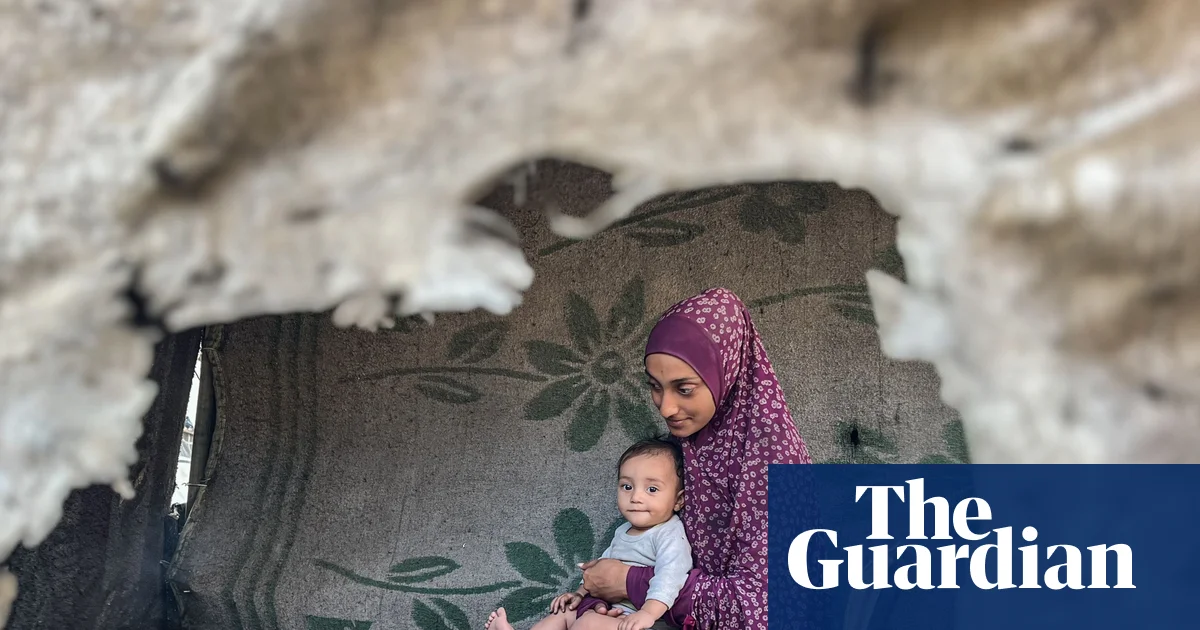
Amidst the lingering shadows of conflict, the plight of families in Gaza has become a stark mirror of how global social and financial support wanes in the face of shifting geopolitical narratives. Despite the ongoing humanitarian crisis—marked by widespread displacement, destroyed infrastructure, and the vulnerable struggle for basic necessities—the steady flow of aid and donations has experienced a disturbing decline. This decline not only jeopardizes immediate survival but also threatens to unravel the social fabric of a community already stretched to its breaking point. The withdrawal of support underscores a broader societal challenge: how international communities prioritize crises and the moral responsibility institutions and individuals bear in times of waning public interest.

Research by social commentators and sociologists warns us that the decline in aid—whether through charitable donations or governmental funding—does more than affect immediate relief efforts; it reverberates through families and communities. As Megan Hall, a volunteer who manages dozens of mutual aid funds for Palestinian families, warns, “mutual aid has kept people alive for two years. And now going into winter, many don’t even have winter clothing or blankets.” This grassroots resilience is often overlooked in public discourse, yet its collapse signifies a breakdown in communal support systems, forcing families to face brutal winters, hunger, and displacement with increasingly limited resources. Denied timely aid, families are pushed onto the brink, their collective trauma magnified by the erosion of hope and community ties.

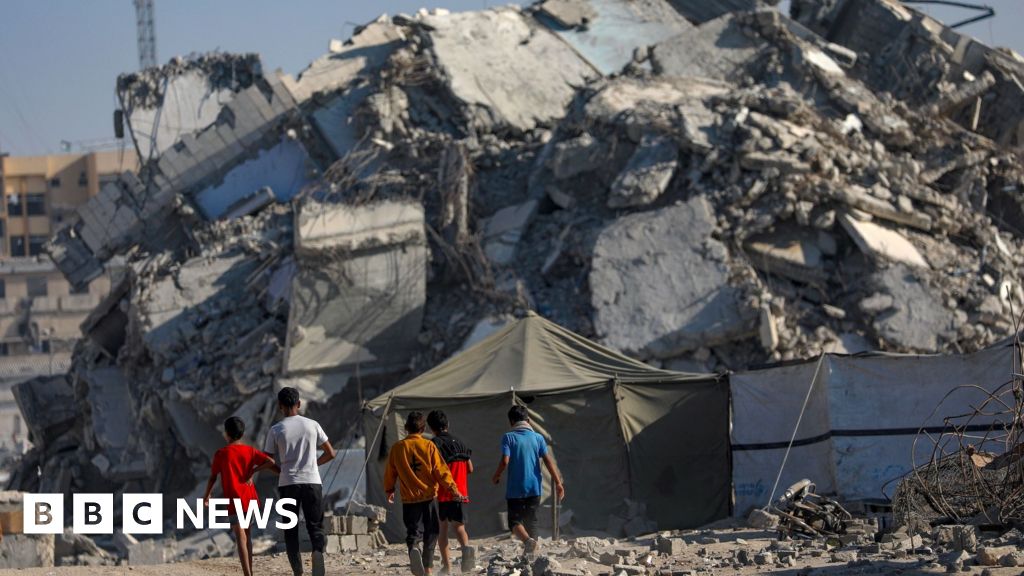
Compounding this crisis is a demographic crisis. Over 70% of Gaza’s population—nearly 1.9 million people—live in conditions where they are exposed to the elements, with infrastructure virtually decimated, and healthcare systems in ruins, according to SARI Global. The displacement and recurrent trauma have degraded communal resilience, especially among the vulnerable. The sociologist Dr. Samuel Hernandez notes, “When social cohesion is damaged—when families are displaced repeatedly—the cycles of despair deepen, and the ability to rebuild disappears.” The fabric of society itself is fraying, as families face the unimaginable: eviction, hunger, and the loss of loved ones—all compounded by the lack of sustained external support.

At its core, this crisis challenges the very essence of society’s moral compass. How can a global community, with all its resources, turn away when faces are hungry, children are cold, and families live in the rubble of their former homes? Fundraisers and humanitarian organizations emphasize that a decline in support does not mean the crisis has ended; rather, it signals a moral failing—a waning sense of shared responsibility. As Oxfam and Save the Children warn, the cold calculus of aid disbursement often ignores the human toll of neglect. The question for society becomes: will we witness the silent erosion of aid and let the suffering of Gaza’s children become another forgotten chapter? Or will we rally to restore support, recognizing that social solidarity is the true measure of moral progress? The challenge before us is not merely one of logistics but a moral choice—to sustain hope amid the ashes and trench the tides of despair. Society’s future depends on this resolve, for in every displaced family, in every child’s trembling breath, lays the reflection of our collective humanity—and a hope that even in darkness, change is possible.

Israeli strikes hit Gaza, killing 25 Palestinians—health officials report

Gaza Crisis Reignites as Violence Escalates

The Gaza Strip has once again become a battleground after recent Israeli strikes resulted in the deaths of at least 25 Palestinians. The Hamas-run health ministry reports that the devastation has struck multiple locations across Gaza, with a particularly tragic attack on a religious endowments building in the eastern Zeitoun neighbourhood, which claimed ten lives, including a woman and a young girl. The strikes, which involved air, drone, and artillery fire, mark a stark escalation in violence after days of relative calm. As images of rubble and fallen children circulate worldwide, the international community faces the grim reality that the ongoing conflict is far from over.

According to Hamas, the escalation was triggered when Israeli forces responded to gunfire from militants in Khan Younis, a southern city where Israel accuses militants of violating the five-week ceasefire agreement. The Israeli military justified its actions by claiming it struck “Hamas terrorist targets,” targeting commanders within the terror organization’s military wing, the Izz al-Din al-Qassam Brigades. Yet, the geopolitical impact of this renewed violence extends beyond Gaza, threatening to destabilize a fragile regional situation. Analysts warn that the cycle of retaliation risks engulfing neighboring states and complicates prospects for a lasting peace agreement. The international community, led by the United Nations, remains divided—while some members endorse specific peace initiatives, others warn that ongoing violence only deepens the already entrenched divisions.

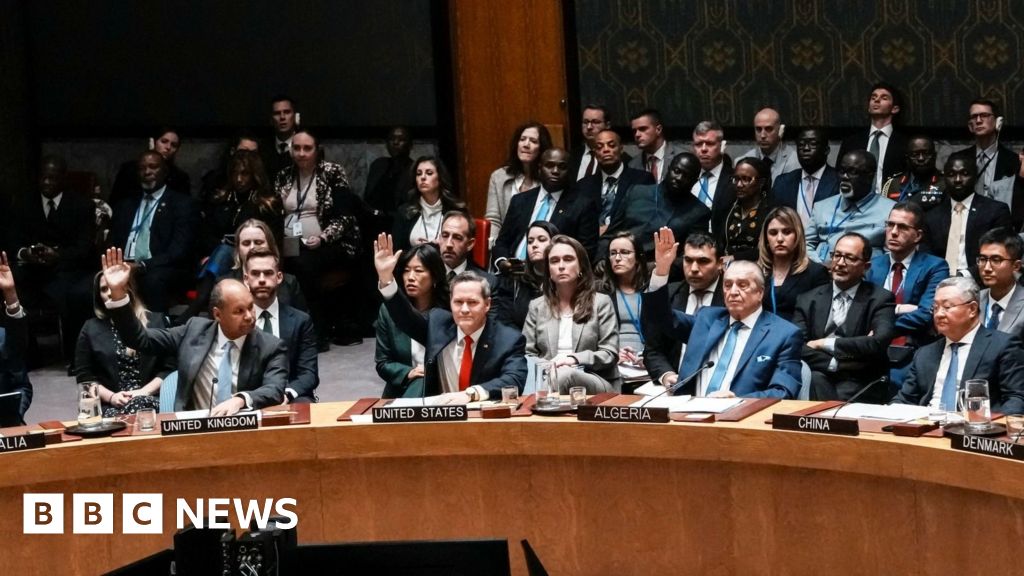
In the wake of this violence, the United Nations Security Council passed a resolution aimed at stabilizing the region. This resolution endorses US President Donald Trump’s recent Gaza peace plan, which envisions the creation of a transitional governance body called the Board of Peace and a temporary International Stabilisation Force. The proclaimed goal is to “demilitarize the Gaza Strip” and pave the way for peace. President Trump hailed the resolution as “a moment of true historic proportion”, framing it as a breakthrough. However, Hamas remains resolute, emphasizing that it will only relinquish its weapons if a Palestinian state is established, framing the conflict as a legitimate act of “resistance” against occupation. Meanwhile, Israel’s ambassador to the UN warns that disarmament is non-negotiable, promising that Israel “will not stop or let up” until Hamas is disarmed entirely. The ongoing hostilities underscore how decisions made in international corridors can have real, devastating consequences on the ground.

The recent flare-up comes against a backdrop of profound loss: over 69,500 lives have been lost in Gaza since the Israeli offensive began, with hundreds more killed in the recent ceasefire period. The Israeli response was triggered by the Hamas-led attack on southern Israel that resulted in approximately 1,200 deaths and over 250 individuals taken hostage. These events underscore the deep-rooted hostility and unresolved grievances that continue to fuel violence. How history judges these decisions—whether as necessary defense or unjust escalation—will shape the future of the region and its people for decades to come.

As the conflict in Gaza persists, the weight of history presses heavily on the present, with each new escalation threatening to plunge the region into yet another cycle of destruction. With global powers divided and regional actors entrenched, the international community faces an urgent choice: pursue diplomatic pathways to peace or witness the ongoing tragedy unfold, chapter by chapter. The unfolding story—the fight for sovereignty, survival, and security—reminds the world that history remains unfinished, and the decisions of today will ripple through generations to come.

UN Security Council Backs Trump's Gaza Strategy, Youths Take Note
UN Security Council Backs Trump’s Gaza Strategy, Youths Take Note

The United Nations Security Council has taken a decisive step by passing a US-drafted resolution endorsing Donald Trump’s 20-point peace plan for Gaza. This resolution, supported by 13 nations including the UK, France, and Somalia, reflects a significant shift in international approach to the ongoing Israeli-Palestinian conflict. The plan’s core involves the deployment of an International Stabilisation Force (ISF), aimed at disarming non-state armed groups, ensuring civilian security, and facilitating economic reconstruction. The US’s strategic push aims at transforming Gaza’s brutal cycle of violence into a “peaceful” rebuilding process, but critics argue that it risks entrenching external influence over Palestinian sovereignty.

However, this move has ignited fierce resistance from Hamas, which categorically rejects the plan, labeling it as a veiled attempt to impose “international guardianship” that violates Palestinian rights. Hamas officials have condemned the deployment of the ISF, alleging it would disarm and weaken their resistance, turning the group into a “party to the conflict” aligned with Israel and its allies. The group’s rejection highlights a fundamental divide—while international actors seek stability, many Palestinians see this effort as eroding their national aspirations. Historians and analysts warn that such external interventions risk further destabilizing Gaza by undermining the Palestinian Authority’s legitimacy, potentially prolonging the cycle of violence.

The resolution’s implications extend beyond immediate security concerns. It introduces a framework for future Palestinian statehood, a notion vehemently opposed by Israel. The inclusion of potential statehood naturally complicates U.S. and regional diplomacy, with Israel emphasizing a rejection of any plans that threaten its dominance over Jerusalem and the West Bank. The Obama-era Arab Peace Initiative—once a beacon for regional reconciliation—seems to be giving way to new, unpredictable dynamics as Arab countries navigate their relationships with Israel and the United States. The geopolitical impact is profound, redefining alliances and strategies across the Middle East.

Meanwhile, the plan has broader consequences for regional stability. The envisaged ISF’s coordination with Israel and Egypt is a calculated attempt to stabilize the borders and rebuild Gaza’s infrastructure, but it also raises questions about sovereignty and the role of foreign troops within Palestinian territories. The deployment of a new Palestinian police force—operating under a U.S.-backed authority for the first time—signals a possible shift in local governance, although Hamas remains firmly opposed, promising to resist what it calls a “foreign occupation.” The ongoing conflict, marked by the recent ceasefire and the tragic toll on civilians—over 69,000 Palestinians reportedly killed—remains a stark reminder of how fragile peace remains in this turbulent region. Diplomats warn that misjudgments or renewed conflicts could plunge Gaza back into chaos, with the weight of history pressing heavily against hopeful prospects for peace.

As the world watches, the unfolding saga in Gaza embodies a complex interplay of ambition, resistance, and international power. The resolution’s passage is a pivotal episode in a story that stretches beyond the borders of the Middle East—one that could either herald a new chapter of cautious stability or accelerate a cycle of conflict that seems unending. The questions remain: will outside forces foster peace, or will they deepen the divide that has long scarred this land? As history continues to unfold, the fate of Gaza hangs in the balance, a stark reminder that peace is often the most fragile of victories in a region still haunted by its turbulent past.

Social Media Auto Publish Powered By : XYZScripts.com