
US Military Overhaul Signals Shift Toward Traditional Values Under New Administration
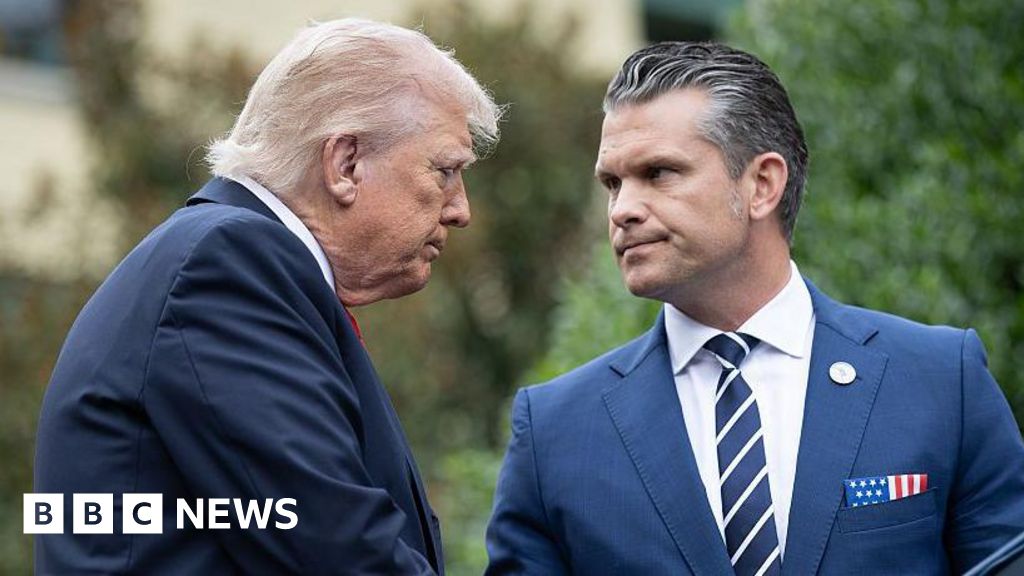
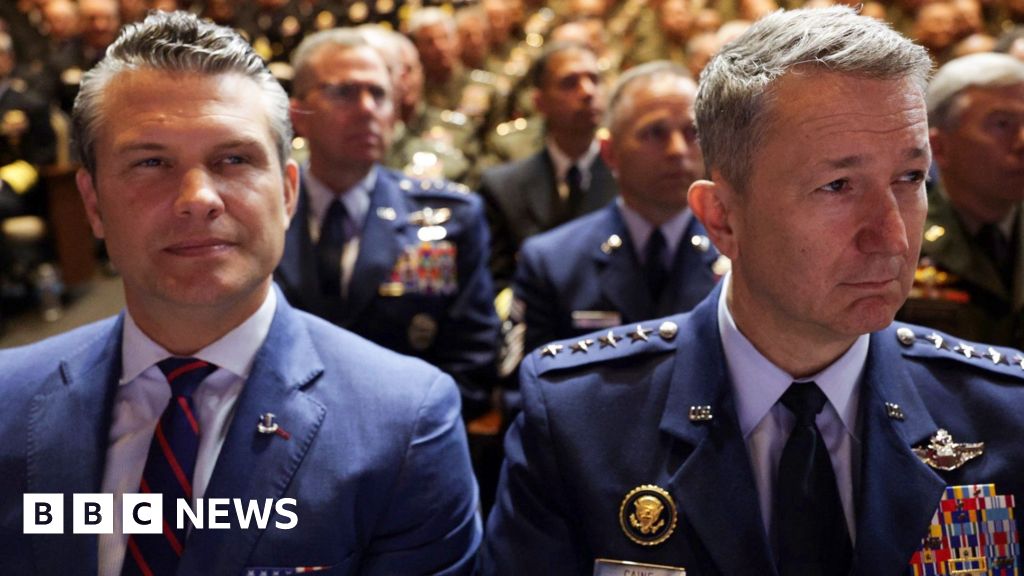
In a striking display of military restructuring, hundreds of US generals and admirals convened this week at the Marine Corps Museum in Quantico, Virginia, marking a rare event that underscores a significant shift in American defense policy. Summoned from their international postings, these senior leaders received a set of deliberate directives from Defense Secretary Pete Hegseth, indicating a deliberate move toward conservative, traditional values within the armed forces. This assembly signals more than just internal discipline; it embodies a broader geopolitical stance that could reshape America’s military posture and its diplomatic interactions worldwide.
The core of these directives revolves around bolstering physical fitness, grooming standards, and a contentious emphasis on returning to “the highest male standard” for combat roles. Such measures appear designed to reinforce a sense of discipline rooted in traditional masculinity, which some analysts argue could be a strategic move to strengthen the military’s fighting spirit amid escalating global tensions. The timing coincides with a presidential address from President Donald Trump, who articulated a desire for an armed forces that embody American strength and resilience. The directives reportedly include stringent new standards, likely transforming recruitment criteria, training, and the internal culture of the US military, with ripple effects expected to influence international perceptions of US military readiness and ideological direction.
This move has ignited debate among international scholars and security experts about its geopolitical implications. Critics warn that emphasizing a return to traditional gender standards and physical requirements may marginalize certain groups and could hinder the diversity and adaptability of the armed forces. Conversely, supporters contend that such measures are vital for restoring discipline and effectiveness, particularly as global rivals like China and Russia demonstrate increased military assertiveness. The shift reflects a broader ideological realignment within the US, which some see as a deliberate effort to reassert American strength by emphasizing traditional notions of masculinity as a core component of military readiness.
Historian and geopolitical analyst Dr. Emily Carter notes that these developments are influenced by a series of mounting challenges that threaten longstanding global stability. “This is not just about discipline; it’s about a strategic culture shift,” she emphasizes, pointing to recent international conflicts and the unpredictable trajectory of global alliances. Until now, the US military’s leadership has emphasized inclusiveness and modernization, but the new directives suggest a purposeful pivot back toward a more rugged, traditional form of military excellence—one that signals a willingness to confront global rivals with renewed confidence. Such decisions, however, also raise questions: how will allies and adversaries perceive this American reassertion? And what are the long-term effects on America’s internal unity and global influence?
As the world watches this transformation unfold, the weight of history looms large. Each decision redefines the battlefield—not only of military conflicts but of international ideology and influence. Major powers are quietly recalibrating their strategies in response, recognizing that the true nature of victory extends beyond battlefield tactics to cultural resilience. Underneath the surface, a global contest whispers —a battle of values that challenges the very fabric of society and determines the future direction of our interconnected world. The unfolding story of the US military’s ideological evolution is a testament to the enduring rivalry between tradition and modernity, where every step taken today echoes across the corridors of history, shaping the destiny of nations yet to come.