Matox News

Truth Over Trends, always!

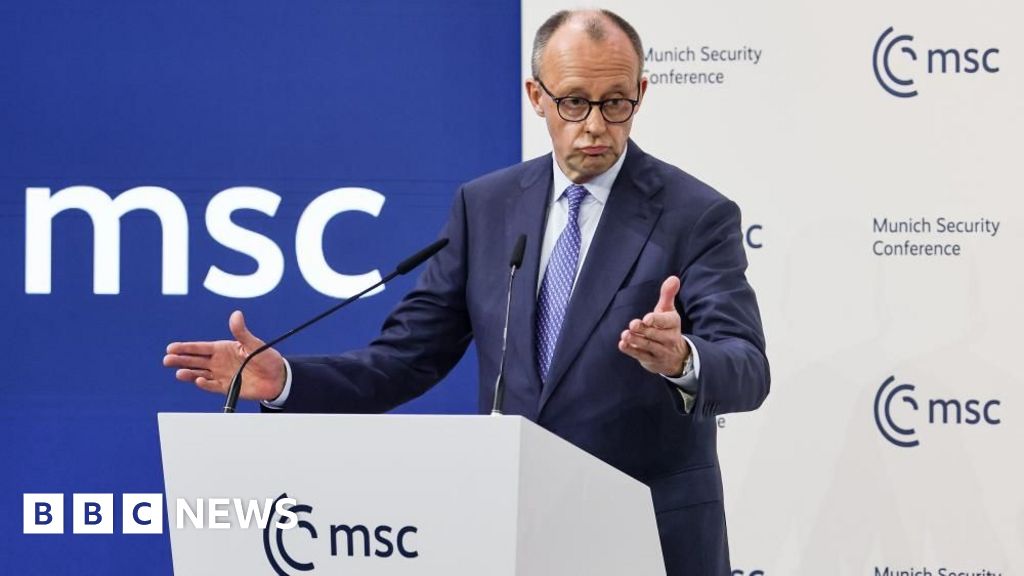
Germany’s Merz warns: Global rules-based system falling apart

In an era marked by shifting alliances and emerging superpower rivalries, the words of German Chancellor Olaf Scholz at the Munich Security Conference resonated with a sobering gravity. Addressing a gathering of global leaders and defense officials, he asserted, “Our freedom is not guaranteed”, underscoring the fragile balance that underpins international stability in the 21st century. This declaration underscores a wider recognition among seasoned analysts and policymakers that conventional notions of security, sovereignty, and diplomatic immunity are being challenged by an evolving landscape dominated by great power competition.

The geopolitical impact of Scholz’s statement hinges on the stark realities of recent events. The resurgence of Russia in its aggressions towards Ukraine, combined with the unpredictable ambitions of China in the Indo-Pacific, have reshaped the global order. International organizations like the United Nations and NATO find themselves navigating a new terrain where traditional alliances are strained, and the risk of escalation grows daily. For many Western nations, the assurances of peace that followed the Cold War are increasingly seen as ephemeral, and the necessity of military readiness and strategic deterrence has returned to the forefront of national security agendas.

Experts such as geopolitical analysts at the International Crisis Group warn that these developments could catalyze a new era of instability, where the battle for influence and resources could ignite conflicts with devastating consequences. Historians of peace and war caution that history often repeats itself when leaders underestimate the fragility of diplomacy, and the current global climate bears chilling similarities to pre-World War times. The decisions made today by governments, from troop deployments to diplomatic negotiations, bear the weight of history. For nations like the United States, the European Union, and Asian regional powers, the challenge lies in maintaining a balance—resisting the urge to retreat into isolationism and instead reinforcing frameworks that can sustain a fragile peace.

As the conference closed with renewed pledges of defense cooperation, the underlying message was clear: freedom is a hard-won commodity in an era where powerful actors seek to reshape the rules in their favor. The path ahead is fraught with peril, yet also brimming with the potential for decisive action that could either preserve the stability of our societies or propel them into chaos. History’s pages continue to turn, and as the world watches, each decision echoes through the corridors of history, reminding us that the struggle for liberty and sovereignty is an ongoing battle, one fought not only with weapons but with resolve and vigilance.”
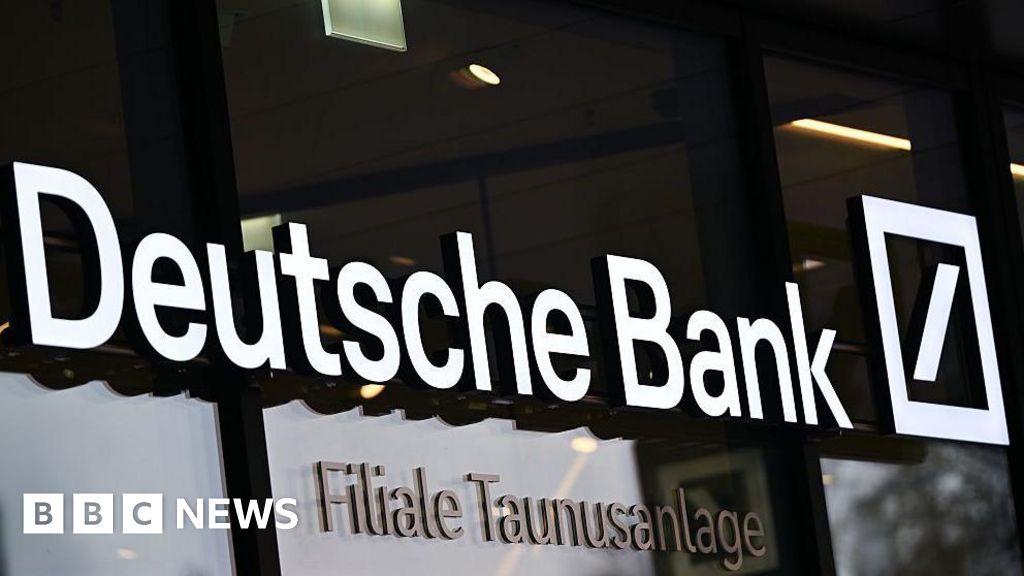
Deutsche Bank offices targeted in money laundering investigation—major disruption for Germany’s financial giant

Germany finds itself at the center of a new wave of scrutiny as officials recently conducted extensive searches in offices across Frankfurt and Berlin. This investigation revolves around what authorities are calling “past business relationships,” a vague yet potentially far-reaching clue into the economic and political fabric of Europe’s largest economy. While details remain scarce, the move signals an increased resolve by German regulators to address issues of transparency and accountability within influential sectors—an effort that has implications well beyond Germany’s borders.

The timing of these searches coincides with heightened geopolitical tensions and fluctuating alliances across Europe. Analysts suggest that such investigations could serve as a lever to scrutinize how certain business dealings—possibly tied to controversial partnerships or regions—may influence national policies or European stability. World observers note that this move also reflects growing concern over the nature of international financial networks and their potential to undermine democratic institutions. Observers point to the importance of this moment, emphasizing that these inquiries are not just domestic affairs—they are part of a broader contest of influence between global powers, where economic ties often mask underlying geopolitical struggles.

European institutions, including the European Commission and agencies specializing in anti-corruption, are closely monitoring the situation. According to international experts, these investigations could open a Pandora’s box, revealing connections that stretch across borders—potentially involving Russian, Chinese, or other foreign entities whose interests challenge Western policies. Such revelations might influence future negotiations on trade, security, and diplomatic relations, especially as Germany seeks to maintain its role as Europe’s economic leader amidst shifting alliances and external pressures. Furthermore, the European Union’s emphasis on scrutinizing corporate practices underscores a broader push towards moral and institutional integrity, which increasingly becomes a battleground in the contest between Western values and authoritarian models.

Historically, the pattern of uncovering hidden dealings within powerful economies has often precipitated significant realignments, warns renowned geopolitical analyst Dr. Jane McAllister. Such investigations, although seemingly procedural, hold the potential to *reshape* the landscape of international influence. As governments scramble to contain or capitalize on these disclosures, the wider societal impact remains profound: questions about accountability, sovereignty, and the true cost of global interconnectedness are laid bare. Meanwhile, several international organizations have issued cautious comments, emphasizing the importance of transparency but also warning against politicized misuse of investigative tools. Yet, the underlying message persists—what is uncovered today may very well determine the course of global history tomorrow.

As the world watches with bated breath, the echoes of this investigation threaten to resonate well beyond the confines of German bureaucracy. The unfolding story becomes a haunting reminder: in an era of intertwined economies and fragile diplomatic ties, history is written not just in treaties or military alliances, but in the quiet, relentless pursuit of truth. The question lingers—how will these revelations shape the future of Europe and the broader international order? The answer remains uncertain, but one thing is clear: the weight of history is still being forged in the shadows of today’s uncoverings.

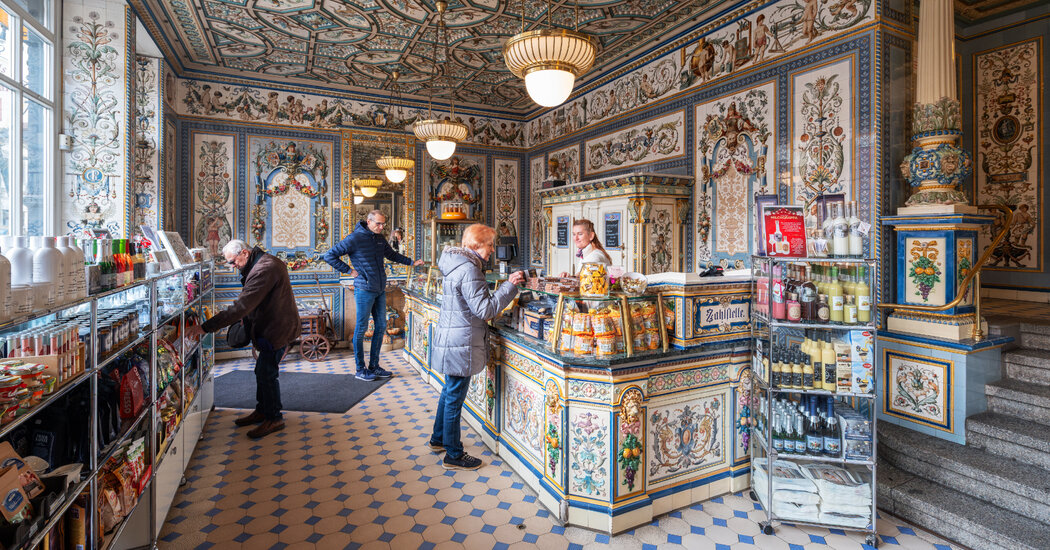
36 Hours in Dresden: Discover the Heart of Germany’s Cultural Heritage

In the heart of Saxony lies Dresden, a city that embodies the profound relationship between culture, identity, and societal continuity. Its historic skyline, lush with restored Baroque architecture, stands as a testament not only to artistic brilliance but also to resilience and the enduring spirit of a people. This city, a crucible where Old Masters like Rembrandt and Canaletto once captured divine beauty, now hosts a vibrant avant-garde movement that demonstrates culture’s ongoing capacity to adapt and evolve. The cultural fabric of Dresden reminds us that history is never distant or detached; it is an intrinsic part of a nation’s soul, shaping its worldview and moral compass.

Walking through Dresden’s streets during the Christmas season, one encounters one of Europe’s oldest and most cherished markets. Here, amid the scent of gingerbread and mulled wine, tradition is not merely preserved; it is reinterpreted. This market, in its timeless aura, echoes a deeper truth articulated by Tocqueville: that democratic societies are rooted in shared cultural practices that foster a sense of collective identity. The celebration of Christmas in Dresden underscores that culture serves as a repository of a community’s values, memories, and hopes for the future. It is a counterbalance to the transient nature of modernity, ensuring that the essence of a people’s story remains alive through symbols, rituals, and shared experiences.

The city’s current cultural scene extends beyond its historical marvels. It is a frontier for modern expressions of artistic innovation, where artists like Gerhard Richter and Anselm Kiefer push boundaries, demonstrating that tradition and modernity can coalesce into a powerful dialogue. This dynamic exemplifies what Ortega y Gasset described as a culture that must \”live through its works,\” heralding an ongoing conversation between the past and present. In this dialogue, culture is not static but a living, breathing entity that anchors society in its roots while propelling it forward. As history teaches us, the true strength of a civilization lies in its capacity to remember and redefine itself in response to the ever-changing currents of time.

Ultimately, Dresden’s enduring charm and cultural vitality remind us that culture is both memory and prophecy. It is memory—a reservoir of traditions, struggles, and triumphs that bind society in shared purpose—and prophecy—a glimpse into what humanity might become when rooted in its most authentic selves. As T.S. Eliot once observed, \”A tradition is an inheritance, and must be a legacy that we care for and pass on.\” Thus, the cultural legacy of Dresden continues to illuminate our path, inspiring a worldview where the origins of our identity serve as the foundation for our aspirations. In the quiet grandeur of its restored facades and bustling markets, there resides a profound reminder: that our culture, like the eternal city itself, is the living archive of human greatness—a prophecy of better days crafted in the mosaic of memory.

Social Media Auto Publish Powered By : XYZScripts.com



