Matox News

Truth Over Trends, always!

Giant tortoises make a comeback on Galápagos after two centuries—nature’s resilience at its best

In an extraordinary turn of ecological restoration, the island’s native giant tortoise population, driven to near extinction by 19th-century sailors, is now witnessing a remarkable revival through the reintroduction of 158 juvenile tortoises. This historic initiative symbolizes more than just environmental rehabilitation; it embodies a nuanced intersection of international interests, conservation efforts, and the shifting power dynamics that shape our global future.

The original decline of the species, primarily caused by overharvesting and habitat disruption during the age of maritime expansion, left a profound ecological void. Now, leading efforts coordinated by international conservation bodies—including the World Wildlife Fund (WWF) and the International Union for Conservation of Nature (IUCN)—are positioning this project as a pivotal milestone in safeguarding endangered species. These initiatives not only aim to restore biodiversity but also to demonstrate the capacity of nations to address environmental crises amid a rapidly changing geopolitical landscape. The involvement of multiple nations underscores a broader acknowledgment: conservation is no longer solely a local endeavor, but a matter of global importance that can influence regional stability.

The geopolitical impact of such environmental projects extends beyond ecological boundaries. Countries involved in funding and facilitating these efforts often use these initiatives as diplomatic tools to bolster relationships and project soft power. Environmental success stories like this serve as tangible proof of a nation’s commitment to global sustainability initiatives, fostering cooperation that can transcend traditional political rivalries. Historians and analysts note that the reintroduction of these creatures signifies a broader trend—where environmental stewardship is increasingly intertwined with modern geopolitical strategies, potentially shaping alliances and rivalries in the decades to come.

Yet, the implications go even deeper. Critics argue that such conservation schemes could be exploited as leverage in international negotiations, or as a facade for broader strategic interests. The reintroduction of species, while hopeful, also raises questions about sovereignty and the extent to which external actors influence local ecosystems and policies. As the community monitors this ongoing effort, international observers remain wary: these ecological victories may soon become tools in a chess game of geopolitical influence, where the vestiges of nature itself serve as pawns in a larger strategic contest.

As history continues to unfold, the fate of the island’s restored tortoise population reflects the enduring conflict—and potential harmony—between human ambition and the natural world. Will this effort prove a genuine step toward ecological resilience, or will it be overshadowed by the shifting tides of power and influence? Only time will tell, but the weight of history lingers, reminding us that the decisions made today could reverberate through generations. In a world where nations vie for dominance amid global crises, even the smallest creatures bear witness to history, quietly nudging us toward a future yet unwritten.
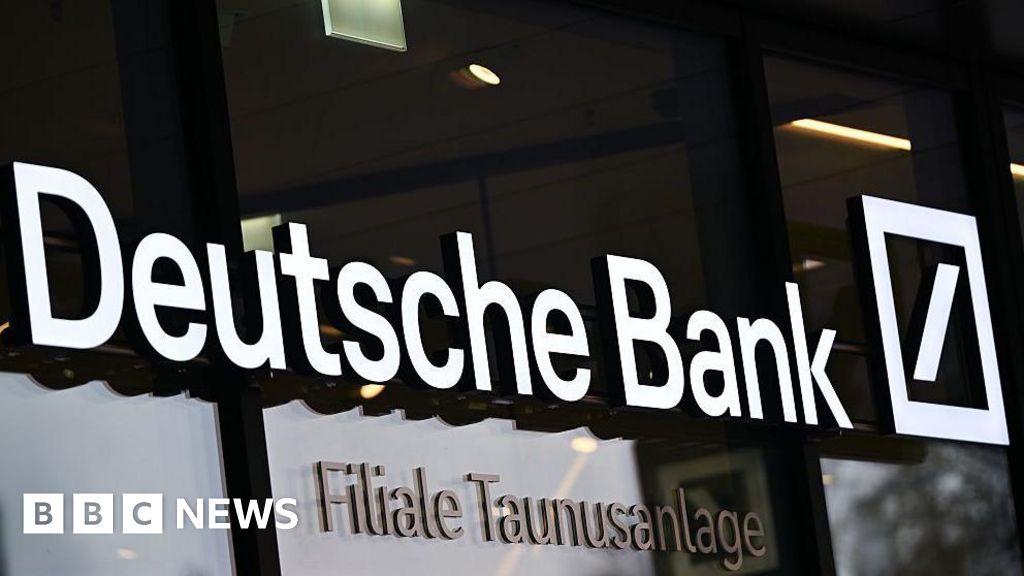

Deutsche Bank offices targeted in money laundering investigation—major disruption for Germany’s financial giant

Germany finds itself at the center of a new wave of scrutiny as officials recently conducted extensive searches in offices across Frankfurt and Berlin. This investigation revolves around what authorities are calling “past business relationships,” a vague yet potentially far-reaching clue into the economic and political fabric of Europe’s largest economy. While details remain scarce, the move signals an increased resolve by German regulators to address issues of transparency and accountability within influential sectors—an effort that has implications well beyond Germany’s borders.

The timing of these searches coincides with heightened geopolitical tensions and fluctuating alliances across Europe. Analysts suggest that such investigations could serve as a lever to scrutinize how certain business dealings—possibly tied to controversial partnerships or regions—may influence national policies or European stability. World observers note that this move also reflects growing concern over the nature of international financial networks and their potential to undermine democratic institutions. Observers point to the importance of this moment, emphasizing that these inquiries are not just domestic affairs—they are part of a broader contest of influence between global powers, where economic ties often mask underlying geopolitical struggles.

European institutions, including the European Commission and agencies specializing in anti-corruption, are closely monitoring the situation. According to international experts, these investigations could open a Pandora’s box, revealing connections that stretch across borders—potentially involving Russian, Chinese, or other foreign entities whose interests challenge Western policies. Such revelations might influence future negotiations on trade, security, and diplomatic relations, especially as Germany seeks to maintain its role as Europe’s economic leader amidst shifting alliances and external pressures. Furthermore, the European Union’s emphasis on scrutinizing corporate practices underscores a broader push towards moral and institutional integrity, which increasingly becomes a battleground in the contest between Western values and authoritarian models.

Historically, the pattern of uncovering hidden dealings within powerful economies has often precipitated significant realignments, warns renowned geopolitical analyst Dr. Jane McAllister. Such investigations, although seemingly procedural, hold the potential to *reshape* the landscape of international influence. As governments scramble to contain or capitalize on these disclosures, the wider societal impact remains profound: questions about accountability, sovereignty, and the true cost of global interconnectedness are laid bare. Meanwhile, several international organizations have issued cautious comments, emphasizing the importance of transparency but also warning against politicized misuse of investigative tools. Yet, the underlying message persists—what is uncovered today may very well determine the course of global history tomorrow.

As the world watches with bated breath, the echoes of this investigation threaten to resonate well beyond the confines of German bureaucracy. The unfolding story becomes a haunting reminder: in an era of intertwined economies and fragile diplomatic ties, history is written not just in treaties or military alliances, but in the quiet, relentless pursuit of truth. The question lingers—how will these revelations shape the future of Europe and the broader international order? The answer remains uncertain, but one thing is clear: the weight of history is still being forged in the shadows of today’s uncoverings.

Netflix set to snag Warner Bros.: The 5 hottest properties joining the streaming giant

Netflix’s $82.7 Billion Power Play: Redefining the Cultural Landscape of Entertainment

In an unprecedented move that’s sending shockwaves through the entertainment industry, Netflix recently announced the acquisition of Warner Bros. for a staggering $82.7 billion. This strategic buyout grants the streaming giant ownership of a vast array of media assets, including legendary film and TV studios, as well as iconic franchises like Harry Potter, DC Comics properties, Game of Thrones, and Looney Tunes. This deal signifies more than just a business maneuver; it marks a pivotal shift in how youth culture consumes and interacts with entertainment, blending nostalgia with emerging digital trends.

One of the most immediate impacts of this acquisition is the consolidation of beloved franchises into a single digital ecosystem. The Harry Potter saga, which has enchanted generations for decades, will now be under Netflix’s umbrella, securing the rights to all eight movies and the upcoming HBO series scheduled for 2027, which continues to stir debate amid J.K. Rowling’s controversial social statements. This move not only promises to revitalize Harry Potter’s cultural footprint but also raises questions about the power dynamics of fandom and cancel culture, as critics and fans alike grapple with the creator’s complex legacy. Meanwhile, the DC Universe and Game of Thrones—with their massive, dedicated audiences—are poised to be reimagined, tested, or expanded on Netflix’s platform, potentially turning the streaming service into the new Iron Throne holder.

The Cultural Resonance of Iconic Franchises

This move is more than just a business strategy; it’s a reflection of the shifting sands of pop culture, where franchises shape social identities. Young viewers now consume content that blurs the lines between entertainment, nostalgia, and social activism—sometimes in conflicting ways. For instance, the Harry Potter series remains a cultural touchstone, but the ongoing controversy surrounding J.K. Rowling’s comments has intensified debates about authenticity versus responsibility in fandom. Similarly, the Game of Thrones universe continues to expand, offering fresh narratives within Westeros that are likely to influence social discourse, identity politics, and fan engagement for years to come.

With this merger, Netflix isn’t just expanding its catalog; it’s redefining the social relevance of these franchises. These stories now serve as platforms for cultural conversation, where issues of representation, legacy, and social responsibility intersect with blockbuster entertainment. Experts like media sociologists suggest that in this era of digital activism, franchises wield substantial social influence, acting as both escapism and catalysts for societal change. The question that looms, however, is whether Netflix can succeed as a steward of these cultural icons—preserving their integrity while also innovating them for new generations.

The Next Chapter in an Evolving Ecosystem

While the acquisition cements Netflix’s status at the top of the streaming hierarchy, it also invites a profound question about the future of entertainment consumption: Will this convergence of old and new media signal a shift toward a more unified cultural experience, or will it intensify competitive fragmentation as other players seek to carve out their own legacy? As Netflix becomes the custodian of these the stories that shaped much of modern youth culture, the next big challenge lies in navigating how to keep these franchises relevant in a rapidly changing digital landscape. Will they serve as enduring cultural touchstones, or will they be co-opted and commercialized to an unsustainable degree?

As the landscape continues to evolve, one thing remains clear: this acquisition is not just a business transaction but a cultural realignment that questions the very future of entertainment, legacy, and social relevance. The next big question for both creators and consumers is whether these iconic stories will be used to foster genuine cultural dialogue or simply become commodities in a relentless pursuit of streaming dominance.

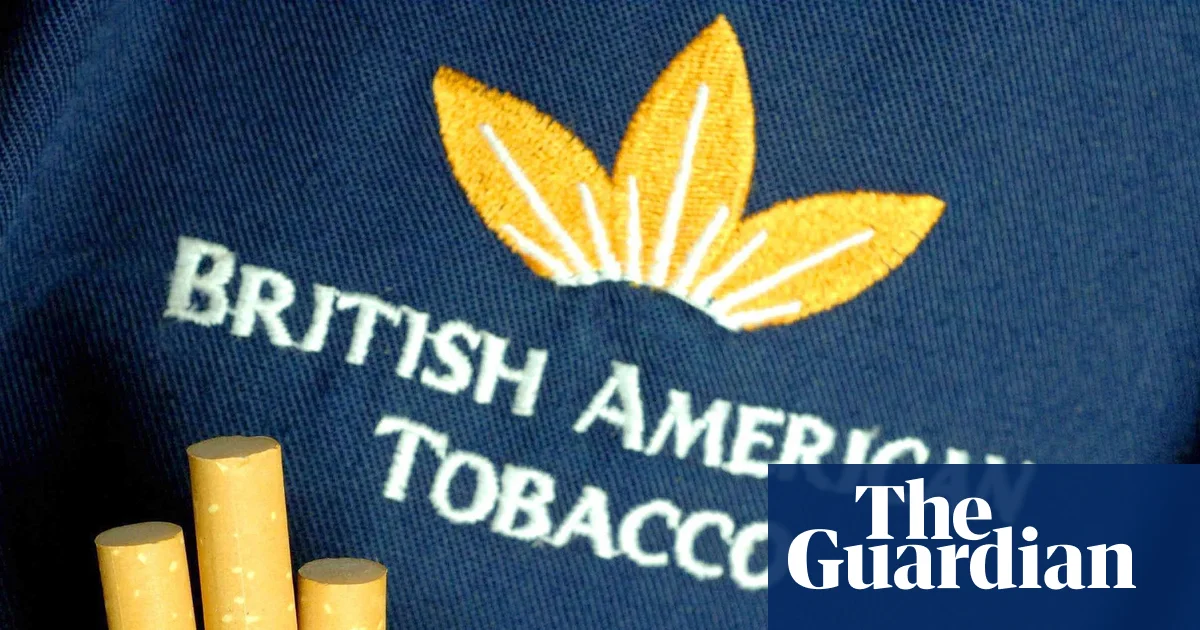
Peer Opposes UK Smoking Ban, Talks Strategy with Relative at Tobacco Giant

Amid mounting debates over public health measures, Britain appears embroiled in a high-stakes chapter of its ongoing battle over tobacco regulation. The recent legislative initiatives, notably the proposed generational smoking ban—making it illegal to sell tobacco to anyone born after 2008—have ignited fierce opposition from powerful industry voices and political interests. While the UK government champions this pioneering policy as a bold step towards a smoke-free future, influential lobbyists and some members of the House of Lords are actively working to dilute or derail it. The involvement of private industry, including ties with British American Tobacco (BAT), highlights how economic interests continue to shape health policy, raising questions about the authenticity of claims to public welfare.

Key figures in the debate, such as Lord Strathcarron, have publicly discussed potential amendments to the legislation, including proposals that would merely raise the legal age to purchase tobacco from 18 to 21—an approach critics argue is a superficial modification that ultimately favors industry continuity. Disturbingly, claims that cigars are “harmless” are backed by industry lobbying, despite extensive academic research indicating the mortality risks of cigar smoking can be comparable to, or even surpass, those of cigarettes. Meanwhile, lobby groups such as Action on World Health, co-founded by controversial figures like Nigel Farage, have surreptitiously targeted policy positions by coordinating with industry insiders and influencing public discourse, often under the guise of promoting “freedom” and “market forces.”

International organizations like WHO have warned that watering down public health measures such as the UK’s generational ban could have ripple effects far beyond the Atlantic. The move to protect young generations from tobacco exposure is seen by analysts as a crucial step in countering a global epidemic—yet, the entrenched influence of Big Tobacco and its political allies threaten to undermine these efforts. Critics highlight that the industry’s resistance is driven less by health concerns and more by efforts to preserve lucrative markets, especially as emerging alternatives such as vaping and nicotine pouches continue to grow in popularity. Such conflicts underscore a broader battle for the soul of public health policy, pitting societal well-being against powerful economic interests that prefer to keep markets open at the expense of lives.

As the legislation’s fate hangs in the balance, the international community watches with bated breath. The outcome of this political skirmish will likely serve as a precedent—either affirming a decisive shift towards proactive health reforms or capitulating to the status quo of corporate influence. The stakes are clear: the decisions made within Westminster’s chambers will not only shape Britain’s health landscape but will also send a resounding message to nations worldwide. Will they follow a path toward radical prevention, or succumb to the influence of industry-backed lobbying aimed at preserving profits over people? The page of history turns swiftly, and the story of this legislation is far from over—its conclusion could mark a turning point in the ongoing global struggle for control over health policies amidst the relentless tide of corporate power.

Social Media Auto Publish Powered By : XYZScripts.com