Matox News

Truth Over Trends, always!

Teen Girls' Self-Identity: Surprising Truths Revealed
Teen Girls’ Self-Identity: Surprising Truths Revealed

In recent years, the decline of youth clubs and community spaces has become a stark reflection of broader societal shifts impacting families, education, and community cohesion. Among the many community institutions affected, netball clubs and dance companies stand out as vital hubs where young girls could express themselves freely, develop leadership skills, and foster social bonds beyond the classroom. These “third spaces”, as sociologists like Ray Oldenburg might describe, serve as essential buffers against the isolating effects of modern life but have been decimated before and during the pandemic. The result is a generation with fewer safe, constructive outlets for physicality, creativity, and emotional expression.

During recent interviews conducted in various communities, a recurring theme emerged: young girls observed a noticeable reduction in opportunities to gather in spaces where they could simply be loud, active, and unencumbered by the scrutiny of external judgment. These spaces provided an environment free from the pressures of social media critics or the judgmental eyes of boys, allowing adolescents to explore their identities without fear of stigma. The loss of such spaces is tangible in their emotional well-being and social development, creating ripples that threaten traditional familial and community bonds, and altering the fabric of our society.

  • Reduced availability of community spaces hampers social skills development and sense of belonging
  • Fewer opportunities for physical activity and creative expression impact youth’s mental health
  • The decline is linked to budget cuts, urbanization, and shifting cultural priorities

Renowned social commentators and historians, such as Dr. Jane Jacobs and cultural critic Christopher Lasch, have long argued that spaces fostering community, physical activity, and cultural participation are essential to a resilient society. Their disappearance raises moral and ethical concerns about the future of societal cohesion and the cultivation of a healthy, engaged youth. As families grapple with the loss of communal anchors, and as schools face increased challenges in providing holistic education, the void left behind threatens to deepen social divides and diminish shared cultural values.

Proposed solutions emphasize the restoration and expansion of community-based programs, with an emphasis on making these spaces accessible and inclusive. Initiatives that integrate physical activity, artistic expression, and community building under the auspices of local governments and private partnerships have shown promise. Such strategies are aimed at working against the tide of social fragmentation and rekindling a sense of shared purpose among youth. Ultimately, the challenge is to reimagine these spaces not just as places for recreation, but as vital institutions that nurture societal values, family stability, and individual development.

As society stands at this crossroads, the question remains: will we recognize the importance of these third spaces and commit to their revival? In doing so, we confront not only the obstacles of funding and urban planning but also the deeper cultural shifts that have deprioritized community engagement. The hope persists—woven into the memories of childhood and the collective desire for a society that fosters resilience through connection. *Because in reclaiming these spaces, society reclaims a part of itself—its soul—and offers its future generations a foundation of hope amid the turbulence.*

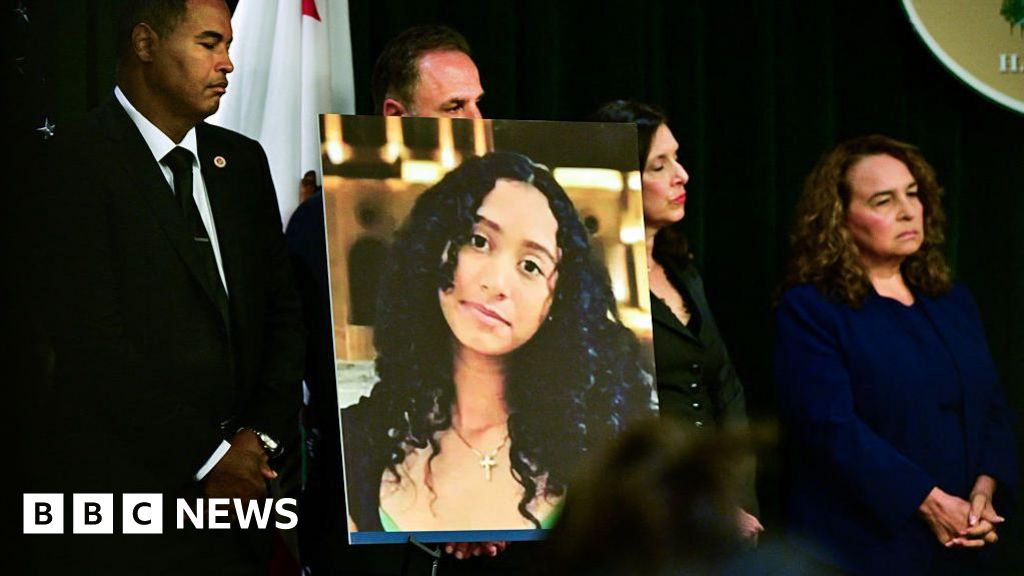
Rising Star D4vd Detained in Teen Girl’s Death Investigation

Seismic Shifts in Global Security: A New Era of Geopolitical Uncertainty

The international landscape is once again at a crossroads, as recent events underscore the fragility of peace and the unpredictable nature of modern geopolitics. The tragic story of Rivas Hernandez, a young girl from Lake Elsinore, California, whose body was discovered nearly 75 miles from her last known whereabouts, highlights how domestic tragedies can ripple across the geopolitical stage. While her personal case remains a local tragedy, it echoes broader themes of societal instability and the underlying vulnerabilities facing nations worldwide. As first-generation children of immigrant parents, her story also underlines the complex social fabric that multinational societies must navigate amidst increasing global tensions.

Within this context, global institutions such as the United Nations and major Western powers find themselves grappling with a shifting balance of influence. Recent decisions—ranging from military interventions to trade negotiations—have significantly impacted international stability. Decisions made in the corridors of power are not isolated; they redefine alliances, provoke rivalries, and sometimes ignite conflicts that threaten entire regions. For example, the escalating tensions in Eastern Europe over Ukraine, and the simmering conflicts in East Asia involving China and Taiwan, are emblematic of a world where traditional borders are no longer the only line of defense. These flashpoints reveal the geopolitical impact of policies driven by national interests, often at the expense of stability and cooperation. Under this new paradigm, nations are forced to navigate a treacherous landscape of alliances and hostilities, with local tragedies serving as stark reminders of what can escalate when diplomatic ties fray.

Esteemed analysts and historians warn that these developments are just the beginning of a **new geopolitical era**—one characterized by unpredictability and high stakes. According to think tanks like the Council on Foreign Relations and strategic consultants, the recent renewed focus on military posturing and economic decoupling signals a shift away from global cooperation towards a more fractured world order. How states handle domestic issues—such as social unrest or crime—can have unintended consequences on international stability, especially when these issues expose vulnerabilities that external adversaries might seek to exploit. The tragic case of Rivas Hernandez is a poignant reminder that societal fissures, if left unaddressed, can undermine national resilience and, by extension, global order.

As global leaders convene for summits and negotiations, they are faced with the stark reality that history is being written on a knife’s edge. Each decision—whether to escalate military commitments, impose sanctions, or pursue diplomatic rapprochement—has ramifications reaching far beyond the immediate horizon. The weight of history presses down upon these moments, as the world witnesses a fragile equilibrium teetering on the brink. The story of a missing girl from California becomes a microcosm of the broader struggle—an unfolding narrative where societal decay, geopolitical rivalry, and international indifference threaten to reshape the world in unforeseen ways. As the shadows lengthen and history continues to unfold, the question remains: will the international community rise to meet the challenge, or will it succumb to the chaos of an uncertain future?

Growing Number of Girls Falling Victim to County Lines Exploitation, Data Reveals

Growing Crisis of County Lines Exploitation Among Girls

Recent statistics reveal a disturbing shift in the demographics of county lines exploitation, highlighting an increase in the number of girls and young women becoming victims of organized criminal networks. Data from Catch22, a leading charity supporting victims of modern slavery and exploitation, shows that these vulnerable girls now comprise 22% of its caseload in 2025—up from just 15% in the previous year. This alarming rise underscores the urgent need for society to recognize and address the gendered dimensions of exploitation that continue to operate under the radar.

Historically, county lines—the practice of drug gangs transporting illicit substances from urban to rural areas—has been stereotypically associated with young males. Yet, experts like sociologist Dr. Jane Matthews argue that this narrow perception obscures the experiences of girls who are groomed into criminal activity through emotional manipulation and social coercion. Such methods often mirror child sexual exploitation, wherein young girls are enticed into what they believe may be romantic relationships, only to find themselves trapped in a cycle of criminal involvement. This gendered understanding hampers recognition and support for girls, leaving them marginalized and disregarded in the fight against modern slavery.

The Hidden Toll on Families and Communities

The social fabric of families and communities bears the brunt of this exploitation. Families often struggle to detect early signs of grooming and manipulation, especially when exploitation occurs via social media platforms such as Snapchat, which gangs increasingly use to target children with additional vulnerabilities. Vulnerable youth—those experiencing mental health issues, substance misuse, or inadequate care arrangements—are more susceptible to grooming tactics, as highlighted by social commentators who warn of the long-term impact on mental health, educational attainment, and social mobility. The trauma inflicted upon victims reverberates beyond individual lives, weakening the resilience of entire communities and straining social support systems designed to protect at-risk youth.

The Government and Police Response: Progress and Challenges

  • In 2025, authorities successfully closed 2,740 county lines, charged 1,657 gang leaders, and seized 961 knives, reflecting a concerted effort to combat these networks.
  • The government plans to invest over £34 million in the county lines programme this year, aiming for greater disruption and victim support.
  • Police forces are prioritizing the disbandment of high-harm gangs, with an evolving approach to keep pace with ever-changing tactics.

However, critics like Marike van Harskamp argue that these efforts must be complemented by a gender-sensitive approach, recognizing that girls often fall through the cracks of current interventions. She emphasizes the necessity of framing county lines exploitation as a form of child abuse—an approach that could foster early intervention, better mental health support, and tailored rehabilitative services for victims. Van Harskamp warns that without addressing the underlying vulnerabilities—such as trauma, social exclusion, and lack of education—these cycles of exploitation will continue to trap future generations in a cycle of despair.

Reflections and Lamentations for Society’s Future

As the societal response evolves, the challenge remains rooted in understanding that these social issues are not isolated incidents but reflective of broader systemic failures—failures that allow exploitation to flourish in the shadows. From homes to schools and community centers, society must foster environments of safety and education, empowering young people with resilience and hope.

In contemplating these struggles, society reaches a poignant crossroads: continue to treat exploitation as an inconvenient flaw, or recognize it as a moral crisis demanding collective action. The hope lies in each community’s capacity to transform awareness into advocacy, in families’ perseverance to protect their children, and in policymakers’ resolve to craft solutions rooted in compassion and justice. Society’s true strength will be measured by its ability to heal these wounded threads and weave a future where no child is left behind in the shadows of exploitation.

Court rejects leniency: Man who killed pregnant girlfriend gets life behind bars, ensuring justice for women and girls

Justice and Social Tensions: The Tragic Toll on Families and Communities

The recent court decision to impose a whole-life order on Shaine March, a man convicted of murdering his pregnant girlfriend, underscores the ongoing societal struggle with social violence and justice. The case, shocking in its brutality, has cast a harsh spotlight on the pervasive danger faced by women within their own homes—an issue that profoundly affects families, education, and communities. Alana Odysseos, a young mother in her early thirties, was tragically killed in her Walthamstow residence while she was in the early stages of pregnancy, leaving behind her children and a community in mourning. Her death illustrates the critical need for society to re-examine how we handle domestic violence and prevent such horrific acts from recurring, especially given the context of her being a victim of a repeated cycle of violence linked to a criminal history that started with her killer’s earlier murder conviction.

Historically, society has grappled with injustices rooted in demographic shifts and cultural tensions that influence how justice is served. Sociology scholar Prof. Jennifer Catlin has argued that cases like March’s reflect deeper social issues, including mental health challenges and systemic failures in rehabilitative justice. March’s prior conviction for a deadly stabbing at a McDonald’s restaurant, followed by his conditional release, exemplifies how the criminal justice system struggles to balance punishment with rehabilitation—often leaving communities vulnerable to repeat offenders. Critics argue that a leniency in sentencing and inadequate management of high-risk offenders exacerbate social divides and undermine public trust. The recent court ruling—a decisive move to replace a 42-year minimum sentence with a whole-life order—signals a call for zero tolerance for perpetrators of the most heinous crimes, especially those impacting vulnerable populations such as pregnant women and children.

For families and communities, these tragedies deepen a sense of vulnerability and mistrust. Odysseos’s mother, Karen Cronin, and her community mourn the loss of a “brilliant mother,” as highlighted by social commentators who emphasize that the human toll extends beyond physical injury to social fabric. As sociologist Dr. Samuel Reynolds notes, “When violence strikes within families, it not only devastates individual lives but also undermines the social cohesion that holds communities together.” The case also elicits calls from political figures for more comprehensive approaches focusing on early intervention and preventative social programs. The need for a societal shift that emphasizes moral responsibility and community resilience is clear—protecting families from preventable tragedies requires more than strict sentences; it demands a renaissance in social values and community engagement.

The path forward, as social analysts assert, must involve addressing the challenges at their root—ranging from mental health support to educational programs that foster empathy and conflict resolution from a young age. The painful reminder of Odysseos’s death compels society to reflect on how social tensions, inadequate justice policies, and cultural shifts influence the safety and fabric of our communities. As society stands at this crossroads, it is essential to remember that behind every statistic is a human story, a family torn asunder, and a community waiting for hope. In a time of profound social upheaval, the true challenge lies in transforming grief into action—building a society where justice does not merely serve punishment but rather functions as a pillar of genuine moral progress. Only through collective effort and unwavering resolve can society hope to heal the divisions that threaten its future and forge a path toward lasting safety and dignity for all its members.

UN Warns: Women and Girls Suffer Most from Global Water Shortages

The Hidden Cost of Water Shortages: A Societal Crisis

Across the globe, women and girls face the harshest consequences of water shortages and inadequate sanitation infrastructure. As the UN has recently highlighted, these issues are not merely environmental—they are deeply societal, affecting the fabric of families, education, and communities. In over 70% of rural households without access to mains water, women are compelled to spend countless hours—up to 250 million hours daily—gathering water. This burden not only erodes their time but also stunts their social and economic development, reinforcing patterns of gender inequality that sociologists like Ann Oakley have long criticized as a societal betrayal of women’s rights.

The climate crisis further worsens these disparities, as rising temperatures disproportionately threaten female-headed households’ incomes while increasing their weekly labor hours. The UN’s recent report underscores how these environmental impacts are intertwined with social issues, causing poorer health outcomes, diminished educational prospects for girls, and greater food insecurity—an insidious cycle that undermines the stability of entire communities. Sociologist Michael Grossman emphasizes that such social determinants of health are critical, with access to basic resources functioning as the foundation of societal resilience.

Access to clean water and sanitation isn’t just a matter of infrastructure; it’s a moral imperative. The World Water Development report reveals a startling lack of gender-disaggregated data, yet the evidence of women’s disadvantages in water access is undeniable. For adolescent girls, limited sanitation options mean missed school, lost employment opportunities, and social exclusion. Meanwhile, fewer than 20% of water utility workers are women, a figure that highlights the ongoing gender gap within essential service sectors. Advocates like Helen Hamilton argue that these disparities fuel gender-based violence and health crises, especially during childbirth, which further debilitates women’s roles within their families and communities. As social norms continue to undervalue women’s contributions, societal progress stalls, and the cycle of inequality deepens.

Addressing this crisis requires concerted efforts from governments and international organizations.

  • Implementing gender-sensitive water management policies
  • Collecting comprehensive, sex-disaggregated data
  • Ensuring equal participation in decision-making processes

These are not just technical solutions—they are moral imperatives that impact the very heart of social justice. As Parvin Ngala and others emphasize, the economic opportunities for women are almost impossible to realize when harmful societal norms exclude them from essential resources. Society’s strength depends on recognizing that **when women have equitable access to water and sanitation, everyone benefits**.

As society stands at a crossroads, these water-related injustices serve as a stark reminder: the path toward a more just and resilient future demands not only technological change but moral awakening. Society must grapple with its own failures and embrace the challenge of transforming its social fabric—so that hope can once again flow freely, like water, nurturing every family and community into a resilient future.

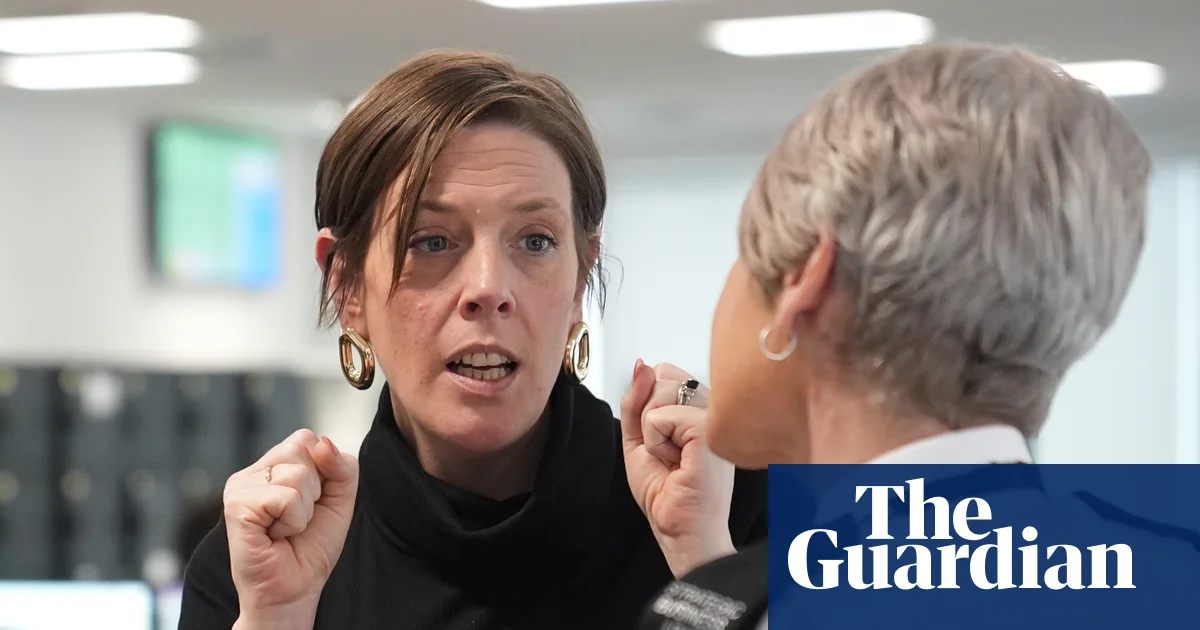
Jess Phillips supports jury bill amid her fight against court delays impacting women and girls

United Kingdom is currently embroiled in a heated debate over proposed reforms to its legal system, exposing broader geopolitical implications regarding justice, governance, and social trust. The contentious courts and tribunals bill, championed by Justice Secretary David Lammy, aims to streamline judicial proceedings by limiting jury trials in favor of judge-only hearings for certain cases. While proponents argue that these measures are essential to reduce an overwhelmed crown court backlog, critics warn they threaten fairness and undermine public confidence—a critical issue at a time when Britain’s international reputation rests on its perceived rule of law.

At the heart of the debate lies a pressing concern: the backlog of cases, which now exceeds 80,000, threatening to delay justice for years—some potentially until 2030. Labour MP Jess Phillips, a vocal critic of the bill, pointed out the serious consequences for victims of gender-based violence. She recounted her personal experience with a case delaying a restraining order breach involving a violent ex-husband, emphasizing how such delays effectively allow criminals and abusers to evade accountability. Phillips and many others, including a coalition of female Labour MPs, warn that the current system’s “attrition” risks leaving victims isolated and offenders free to abuse again, thereby jeopardizing the very fabric of justice and societal safety.

This push for reform is not without controversy. Legal professionals and advocacy groups have branded the initiative as “unpopular, untested, and poorly evidenced,” voicing fears that limiting jury trials could erode trust in the judicial process. The reforms include controversial measures, such as implementing judge-only trials for complex fraud and removing the automatic right to appeal in magistrates’ courts—a move criticized for potentially marginalizing victims and survivors seeking justice. The disagreement echoes broader fault lines across Britain’s political landscape, where backbench revolts threaten to derail the government’s plans, illustrating a profound tension between efficiency and public accountability.

Moreover, critics like British historian Michael Wood and international observers warn that such reforms could have ripple effects beyond national borders. As Britain serves as a hub for legal precedent and global diplomacy, significant changes to its justice system send signals about its commitment to fairness and rule of law. Analogous to contentious judicial reforms in France and Canada, the UK’s reconsideration of jury rights and court procedures could stimulate a reevaluation of judicial independence among allies and adversaries alike, with possible consequences for international relations.

Decisions made now may well shape the future of Britain’s societal cohesion and its standing on the world stage. As the debate continues to unfold within Parliament—a battleground of ideology and interest—the weight of history remains heavy. The outcome will determine not only how justice is served but also how future generations will perceive the balance between security, fairness, and the rule of law. In this moment of upheaval and uncertainty, it becomes clear that the responses to Britain’s legal crisis will echo far beyond Westminster, resonating across borders and shaping the geopolitical landscape for years to come.

Football Empowers Girls to Stand Up Against Forced Marriage

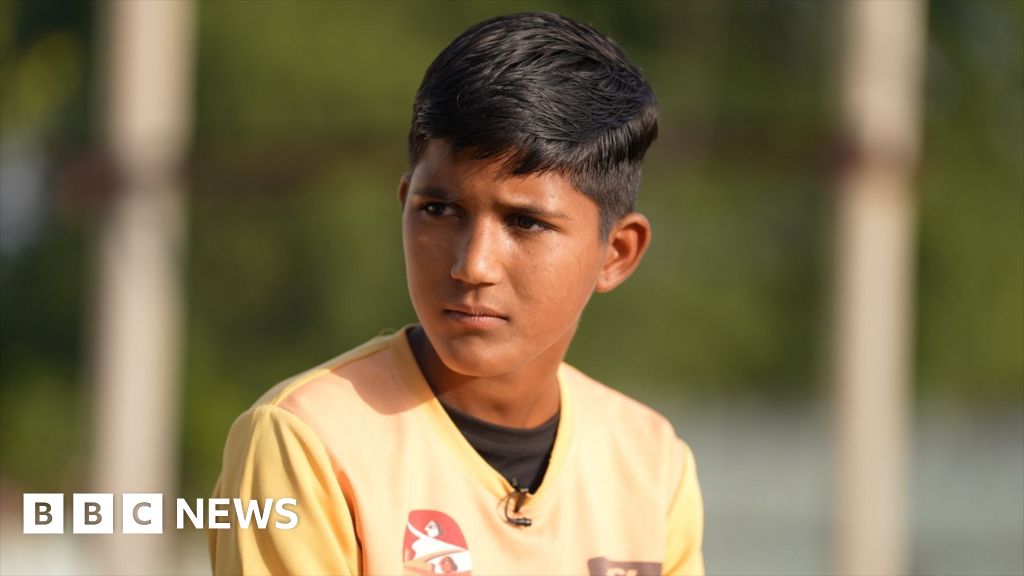
In a quiet Indian village, two sisters stand as poignant symbols of a broader shift underway across numerous rural regions in India. As they talk about how football has transformed their lives and fortified their resolve against child marriage—a deeply entrenched social issue—they reflect a growing wave of grassroots empowerment that challenges traditional norms and influences international discourse. Their story underscores how sport, particularly football, is emerging as a potent tool for social change amid complex cultural landscapes.

The narrative of these sisters highlights a critical aspect of how local initiatives can have far-reaching geopolitical impacts. India, with its vast population and diverse cultures, faces persistent challenges related to child marriage and gender inequality. However, in recent years, NGOs and community leaders have leveraged the universal language of sport to promote education, self-confidence, and gender equality. This grassroots movement resonates with global reports from organizations like the United Nations Population Fund (UNFPA), which acknowledge that empowering girls through education and recreation can significantly reduce child marriage rates. As these sisters participate in football, they embody a microcosm of a broader societal push that could influence policy reforms and change social perceptions across the subcontinent.

Internationally, this evolution reflects a strategic shift where domestic social issues are increasingly linked to larger geopolitical narratives about development and human rights. Nations such as Japan and Australia, which have historically promoted soft power through development aid, now focus on empowering youth, especially girls, as part of their diplomatic agendas. Similarly, global organizations are framing the fight against child marriage as not only a humanitarian issue but also a matter of national security—since the stability of a society hinges on the education and well-being of its future generations. These dynamics underscore the importance of persistent, culturally sensitive interventions which, when successful, can ripple outward and reshape regional dynamics.

Historians and analysts point to the significance of local stories like those of the Indian sisters as key turning points in the international effort to combat harmful traditional practices. They emphasize that such movements often start small but can escalate to influence national policies and international protocols. As India and neighboring countries grapple with these issues, their internal reforms and social awakening could serve as a blueprint for other regions where traditional norms clash with modern aspirations. Meanwhile, global institutions watch carefully, recognizing that shifting societal attitudes in India have the potential to ripple through South Asia, impacting diplomatic relations, development aid, and regional stability.

As the world watches these stories unfold, it becomes increasingly clear that history continues to be written at the grassroots level. The resilience of these young women, driven by passion and hope, signals the dawn of a new era—where individual courage and community initiatives challenge centuries-old norms. The stakes extend beyond cultural boundaries, touching upon the fundamental question of how societies can reconcile tradition with progress. And so, as voices like those of the Indian sisters rise amidst the rural plains, we are reminded that the fabric of global geopolitics is woven with the threads of countless individual stories. In the shadows of traditional villages and the halls of international councils alike, the weight of history hangs heavily, waiting to see whether these sparks of change will ignite a new future or fade into the annals of forgotten struggle.

School opens its doors to girls for the first time in 500 years—historic step toward equality

Educational Institutions and the Shaping of Societal Future

Recent statements from Magdalen College School highlight a growing trend within many elite educational institutions to position themselves as agents of societal enrichment. The school asserts that their initiatives will “enrich” their community “for generations to come,” a sentiment that underscores the evolving role of education as a catalyst for social cohesion and cultural preservation. While this rhetoric may sound benign, it raises profound questions about how contemporary schools influence families, social stratification, and community identity.

Historically, schools have operated as mirrors and molders of social values. Research by prominent sociologists such as Pierre Bourdieu demonstrates that educational settings often serve as gateways to social mobility or, conversely, reinforce existing class distinctions. In regions where educational policies increasingly focus on social enrichment and cultural identity, there is a discernible shift in the fabric of families and communities. These institutions often become focal points for cultural preservation, but they also risk diverting from the core goal of fostering universal access to quality education, potentially reinforcing divisions based on socio-economic backgrounds.

Societal Tensions and Cultural Shifts

The emphasis on “enriching” communities most often involves initiatives tailored toward *specific cultural narratives*. While such efforts aim to celebrate diversity and foster inclusiveness, critics argue they can inadvertently create social tensions and cultural enclaves that fragment homogeneous societal integration. In recent years, social commentators, including sociologist Charles Murray, have warned that a focus on cultural identity may deepen divides rather than bridge gaps, especially when education becomes a battleground for ideological influence.

This phenomenon impacts families profoundly, as parents navigate the complex terrain of cultural affirmations and their implications for their children’s futures. For some, these initiatives reinforce pride and belonging; for others, they evoke concern over the potential marginalization of traditional values or the marginalization of community voices that differ from the dominant cultural narrative. Such shifts influence educational priorities, societal cohesion, and the overall health of our civic fabric.

Addressing the Social Challenges and Building Resilient Communities

  • Inclusion and equity: Schools must strive to balance cultural specificity with universal values to ensure all families feel represented and empowered.
  • Community dialogue: Open, honest conversations between educators, families, and social leaders are essential to navigate cultural shifts and address misconceptions.
  • Educational reform: Policies that emphasize critical thinking, civic education, and character development can help young people appreciate diversity while fostering shared societal bonds.
  • Investment in local communities: Strengthening local institutions and supporting families creates resilient social networks that can withstand societal change.

Sociologists like Amartya Sen emphasize that true societal progress depends on *building social capital*, where families and communities work in harmony to sustain shared values amid diversity. As society grapples with rapid cultural transformations, public discourse must focus on creating inclusive, resilient communities where every child, regardless of background, can thrive within a common social fabric. Only by recognizing the importance of foundational social bonds—those that uphold personal dignity, shared history, and collective hope—can society navigate its present challenges and forge a future grounded in genuine unity and purpose.

In the end, society’s greatest challenge lies not just in reforming institutions but in nurturing a communal heart that values every individual’s journey. As society strides forward, perhaps the most profound promise remains: that through honest engagement and unwavering commitment, hope can blossom anew—transforming societal tensions into opportunities for enduring unity.

UK Police to Launch Specialized Units Fighting Violence Against Women and Girls

Society at a Crossroads: Addressing Violence Against Women and Family Stability

As society faces mounting challenges surrounding gender-based violence and cultural shifts that threaten the fabric of family life, the government in England and Wales is pledging bold reforms. By 2029, all police forces will establish dedicated rape and sexual offences teams, aiming to create specialized units trained to understand offender behavior and improve investigation outcomes. Under the leadership of the Home Office, these initiatives seek to combat the persistence of violence against women and girls (VAWG), a crisis that sociologists argue reflects broader societal failures to safeguard the moral fabric of community life.

This campaign aligns with a greater societal recognition that traditional cultural prejudices and myths often undermine victims and perpetuate cycles of abuse. Critics note that such attitudes fuel familial disintegration and hinder meaningful judicial responses. By focusing on *training officers to recognize ‘rape mythology’* and *problematic cultural issues*, policymakers aim to dismantle societal barriers that dismiss or blame victims, a shift echoed by social commentators who argue for a moral awakening in how communities respond to violence. Yet, the challenges extend beyond policing, as critics highlight that these plans currently lack additional funding, placing strain on already stretched local budgets and risking uneven implementation—a concern raised by the Home Affairs Select Committee.

In tandem with law enforcement reforms, the government plans to introduce domestic abuse protection orders following pilot schemes, targeting various facets of abuse from *economic coercion* to *‘honour’-based violence.* These orders, granted in both civil and criminal courts, symbolize a societal attempt to protect the vulnerable, yet their effectiveness hinges on community enforcement and a collective moral stance. Historically, social commentators like Fiona Williams have argued that family security depends on societal acceptance and moral clarity—elements often compromised in the face of rising familial dislocation and cultural tensions. The need for community-driven, holistic approaches underscores that family stability remains under threat if societal support systems falter.

Despite these initiatives, critics argue that the delay in releasing a comprehensive strategy—initially expected this spring—undermines public confidence. As Karen Bradley pointed out, poor engagement with vital stakeholders and a lack of transparency risk diluting efforts to combat VAWG. This skepticism reflects deeper societal issues of trust and the prioritization of social issues amid political flux. Yet, amid these challenges, there lies a resilient hope that society, through community solidarity and responsible governance, can transcend its divisions. When society grapples with these moral and social dilemmas, it is not just policy that needs reshaping but the very moral compass guiding families and communities—when humanity chooses to strengthen its moral fiber, society begins to heal, and the promise of a safer, more just future becomes attainable.

Coroner: Suffolk School Not to Blame for Girl’s Tragic Death

Society Faces Critical Challenges as Young Lives Are Lost to Social and Mental Health Crises

The tragic death of Georgia Scarff, a talented 16-year-old from Bury St Edmunds, Suffolk, underscores the complex nexus of mental health issues, school safeguarding shortcomings, and broader societal challenges affecting families, education, and communities. While the context surrounding Georgia’s death is individually heartbreaking, it also reflects systemic flaws that demand urgent societal reflection and action. The circumstances reveal how social issues, when unaddressed, can lead to devastating outcomes for our youth—and by extension, threaten the fabric of our society.

A key element of the tragedy lies in the ineffective safeguarding protocols within Georgia’s school environment. Despite an established system meant to protect students, a critical lapse occurred when an email from her mother outlining her mental health struggles was not logged on the school’s safeguarding platform. This omission meant that teachers and staff, who might have been able to intervene, remained unaware of Georgia’s vulnerability. Coroner Darren Stewart, in his report, emphasized that such failures in communication could compromise the well-being of children. As sociologists like Dr. Helen Fisher point out, “school safeguarding systems are only as strong as their implementation—and that implementation must be universal and meticulous.” The gap in information sharing serves as a cautionary tale about the importance of robust, technology-enabled safeguarding that ensures no warning signs go unnoticed, especially when young lives hang in the balance.

Further complicating Georgia’s story are broader societal issues such as mental health stigma and demographic pressures faced by well-funded institutions. Despite her evident talents and positive reputation among peers and family—highlighted as a “significantly positive force”—she struggled with feelings of hopelessness rooted in personal loss and academic anxiety. Her family described her as “kind and thoughtful,” passionate about design, technology, and geopolitics, and an accomplished athlete. Yet, her transition into an elite boarding school, where fees can reach £52,000 annually, was marked by difficulties. The emotional toll of adapting and her prior history of trauma, including her father’s tragic death, were overshadowed by societal expectations of resilience and success. This mismatch between societal assumptions and individual mental health needs fosters a social tension whereby young people feel compelled to hide their struggles in environments that are supposed to nurture them.

  • High academic pressure and societal expectations can amplify mental health issues among youth.
  • School safeguarding protocols need more rigorous, technology-driven safeguards to prevent information gaps.
  • Families and communities must foster open, stigma-free dialogue around mental health to better support vulnerable youth.
  • Public policies should prioritize mental health funding and teacher training to recognize early signs of distress.

As social commentator Mark Bauerlein observes, “the society we have built often overlooks the silent suffering of its young, making tragedy an all too familiar outcome.” Georgia’s story is a stark reminder that mental health crises cannot be ignored or minimized, nor can they be treated as solely personal issues. Instead, they are societal issues demanding collective responsibility—a shared moral imperative to reshape our institutions and cultural attitudes. The hope remains that through improved communication, comprehensive support systems, and a societal shift toward genuine empathy and understanding, we can prevent future tragedies and create an environment where young people like Georgia—bright, hopeful, and talented—can realize their potential without the shadow of despair looming over them.

In this society’s reflection on loss, there lies an opportunity—an opening to rebuild and to fortify the bonds that define our communities. For even as the night falls dark with tragedy, the dawn of a more compassionate and robust social fabric glimmers on the horizon. Society’s greatest challenge is not just in acknowledging these wounds, but in tending to them—the hope of transformation whispering softly amid the echoes of those we’ve lost.

Social Media Auto Publish Powered By : XYZScripts.com