Matox News

Truth Over Trends, always!

Top Meta Glasses of 2026: Ray-Ban, Oakley, and the Future of AR Tech

Meta’s Oakley Meta HSTN: Disrupting Wearable Tech Market with Innovation & Disruption

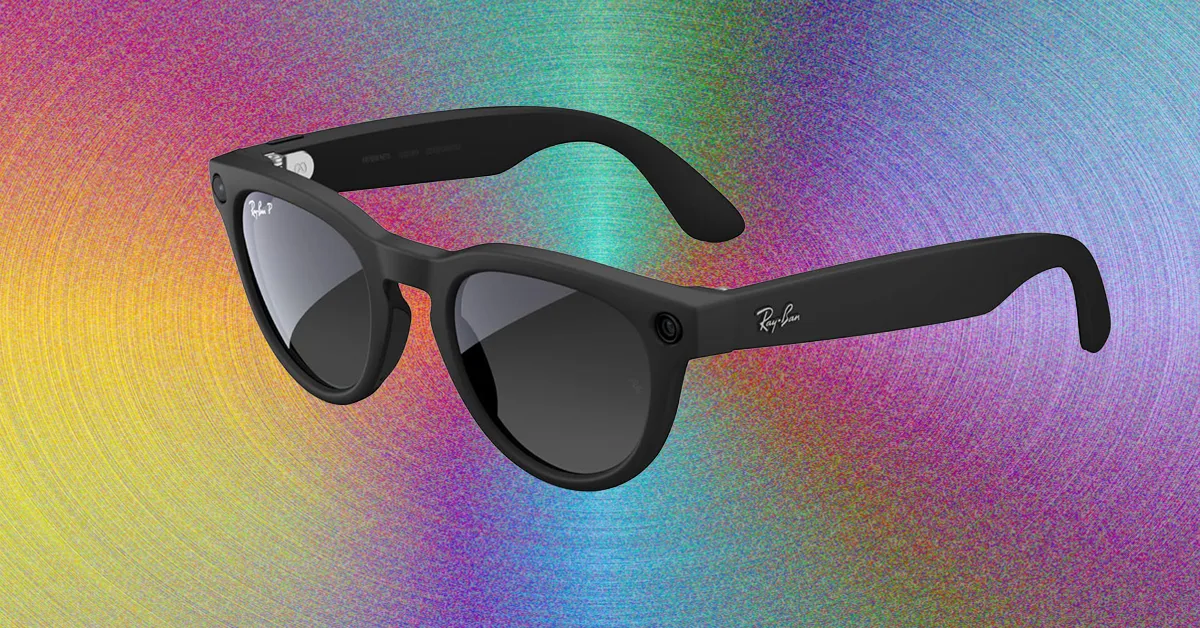
In a bold move that exemplifies the relentless push for innovation in wearable technology, Meta has unveiled a new line of high-performance smart glasses—the Oakley Meta HSTN. These devices are not just another iteration of augmented eyewear; they represent a strategic disruption targeting outdoor enthusiasts, athletes, and social influencers alike. By seamlessly integrating with platforms like Strava and Apple Music, Meta is demonstrating that the future of wearable technology hinges on robust ecosystem integration—an essential for capturing consumer loyalty in an increasingly competitive landscape.

Meta’s move signals a clear industry shift, emphasizing versatility and immersion in outdoor and sports activities. The Oakley Meta Vanguard smart glasses, introduced last year, are designed as multifaceted devices—combining high-end sports sunglasses, workout headphones, and even action cameras. Unlike traditional devices constrained by single-functionality, these glasses embody the ongoing trend of disrupting standalone device markets. Analysts from Gartner emphasize that such convergence of functionalities can redefine consumer expectations, forcing incumbents to innovate or risk obsolescence. The Vanguard’s innovative camera placement—on the bridge of the nose—eliminates fisheye distortion, signaling Meta’s focus on enhanced user experience through technical refinement.

The business implications are significant. As Meta continues to craft devices tailored for athletes, content creators, and influencers, the market approach appears to favor disruption through high-end hardware paired with intelligent AI integration. Features like auto-capture enabled via Garmin watches showcase an emerging trend: smart devices that automate and streamline content creation, empowering users to produce professional-quality material effortlessly. This convergence creates an ecosystem where hardware and AI work symbiotically—a strategy that none of the Big Tech companies previously masterfully executed at this scale. Such innovations threaten traditional camera and audio markets and signal new revenue streams rooted in subscription services, platform lock-in, and data monetization.

Looking forward, industry leaders like Elon Musk and Peter Thiel are watching this evolution closely, recognizing that the integration of AI and hardware is fundamentally transforming consumer behavior and commerce. MIT researchers have highlighted how these disruptions accelerate adoption of AR/VR workflows, with Meta’s advancements setting a new benchmark in wearable tech design and functionality. Time is now for competitors to adapt or face being left behind. As the race for dominance in smart wearables intensifies, the real question is how fast these innovations can scale and integrate into our daily lives—raising both opportunities and urgent calls for strategic agility within the tech sector.

Snap’s AI Glasses Are Back — Ready to Power the Next Gen?

Innovative Leap: Snap‘s AR Glasses Enter a New Era with Qualcomm Partnership

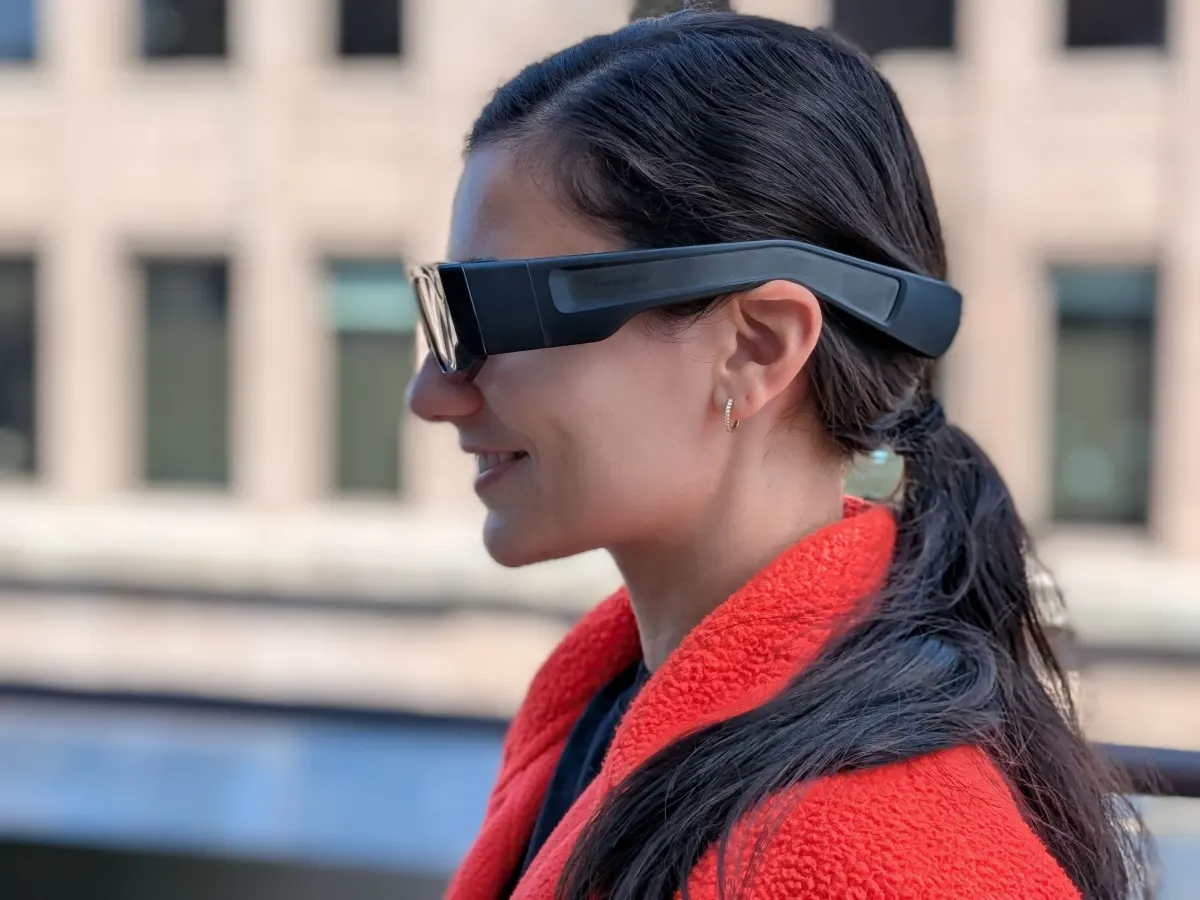
In a move set to disrupt the burgeoning augmented reality (AR) landscape, Snap Inc. has announced a strategic partnership with Qualcomm, signaling a renewed push towards mainstream adoption of its AR glasses, formerly known as Spectacles. The collaboration leverages Qualcomm’s Snapdragon XR platforms, a family of system-on-a-chip solutions optimized for augmented and virtual reality devices. This union underscores the growing importance of hardware-software integration in the pursuit of immersive digital experiences, with industry analysts such as Gartner emphasizing that the next wave of consumer tech will be driven by hardware ecosystem innovation.

The significance of this partnership transcends mere product development; it embodies a broader shift toward **disruption of the traditional tech hierarchy**. Snap’s decision to spin off a dedicated entity for Specs demonstrates a focused approach to capture market share within the rapidly evolving AR sector. The move aligns with trends identified by institutions like MIT’s Media Lab, which highlight that on-device AI and multiuser digital environments represent the core of next-generation wearable computing. Snap aims to capitalize on this, emphasizing its commitment to integrating cutting-edge graphics, AI, and social connectivity into a compact form factor, with expectations that the new Spectacles will redefine user interaction and digital presence.

Market Implications and Future Outlook

The ongoing development of Snap’s AR glasses comes amid increasing competition from giants like Apple, Facebook (Meta), and Google – all investing heavily in wearable AR technology. The company’s pivot towards a developer-centric, iterative approach—having previously limited Spectacles as a consumer product—aims to position Snap as a pioneer in **multiuser AR environments**, essential for the evolution of social media, gaming, and enterprise sectors. Furthermore, Snap’s move anticipates a market that Gartner forecasts will see augmented reality hardware surpass $100 billion in revenue within the next five years, driven by innovation and strategic partnerships.

  • Key features: on-device AI, high-performance graphics, social connectivity capabilities
  • Disruption potential: redefining social interaction, creating new monetization avenues, challenging established tech giants
  • Business milestones: partnership with Qualcomm, focus on developer ecosystem, phased rollout of Spectacles

In the broader industry context, these advancements exemplify a **paradigm shift** where hardware capabilities, powered by Qualcomm’s advanced chipsets, integrate seamlessly with AI and multi-user platforms, fostering a new era of digital interaction. Elon Musk’s ventures into Neuralink and Peter Thiel’s investments in emerging tech bolster the narrative that disruption is accelerating at an exponential rate. Companies that prioritize **innovation and agile ecosystem development** will likely dominate the next decade’s AR landscape.

As Snap accelerates towards the upcoming release of its Spectacles, the industry faces an urgent call to action: **staying ahead in this rapidly evolving ecosystem demands relentless innovation and strategic partnerships**. The race to shape the future of immersive tech is intensifying, and those who lead today’s breakthroughs will determine the digital topography of tomorrow. With this partnership, Snap reinvigorates its ambitions, signaling that **the future belongs to those who dare to disrupt and redefine reality itself**.

AI Device Plan Leaks: Smart Glasses and Earbuds on the Horizon for the Youthful Tech Crowd

London’s Nothing Eyes Disruption with Upcoming Smart Glasses Launch

The smartphone and audio gear startup Nothing, renowned for its sleek design and innovative approach, is gearing up to revolutionize wearable technology with the imminent release of its first pair of smart glasses. According to Bloomberg, the company plans to debut these devices as early as next year, positioning itself to shake up the market once again. While initial resistance from CEO and co-founder Carl Pei was evident—initially dismissing smart glasses as a niche—the company’s strategic pivot reflects a broader industry trend: hardware companies must innovate with AI and multi-device ecosystems to stay competitive.

The move toward integrated wearables is further underscored by Nothing’s upcoming release of AI-enhanced earbuds, slated for later this year. This aligns with Pei’s renewed vision to diversify beyond traditional smartphones and audio products, embedding AI deeply into Nothing’s hardware and software architecture. Historically, industry leaders like Apple and Google have set the precedent for multi-device ecosystems—Now, emerging players like Nothing are looking to disrupt this paradigm by combining accessible design with cutting-edge AI capabilities. This approach taps into consumer demand for seamless, AI-driven experiences, transforming ordinary devices into intuitive, context-aware tools.

Strategic innovation in hardware and disruptive AI functionalities are critical themes anticipated to define the cutting edge in consumer technology. Companies that fail to adapt risk obsolescence, warned Gartner analysts in their recent reports, emphasizing the accelerating pace of disruption brought about by AI integration in everyday devices. As Nothing explores the frontier of AI-powered mini apps and smart accessories, the industry is witnessing a decisive shift: hardware is becoming the new software battleground. Industry insiders note that the company’s recent launch of AI tools for creating mini apps exemplifies its innovation momentum. Such features could unlock new revenue streams and elevate user engagement, forcing established giants and startups alike to rethink their own strategies.

Looking forward, experts like Elon Musk and Peter Thiel emphasize the urgency for businesses to adopt AI-driven hardware to unlock disruption at scale. With Nothing demonstrating a clear roadmap—combining sleek hardware, sophisticated AI, and multi-window ecosystems—the industry is on the cusp of a new era. The market shift toward integrated, AI-enabled wearables signals a competitive landscape where speed, innovation, and agility will determine winner-takes-all dominance. As competitors scramble to innovate, the next 12-24 months will be critical for organizations seeking to carve out their niche in the evolving tech ecosystem. Those that embrace AI-driven hardware acceleration and multi-device synergy will not only survive but lead the charge into the future of consumer electronics.

Apple shifts focus from lighter Vision Pro to prioritize smarter glasses for the future

Apple Accelerates Smart Glasses Development Amid Strategic Industry Shifts

In a bold move signaling its strategic pivot toward augmented reality and AI-driven wearables, Apple is intensifying its development efforts on next-generation smart glasses, potentially disrupting current market leaders such as Meta with its Ray-Ban and Oakley smart eyewear. Reports from Bloomberg indicate that Apple has shelved plans for a lighter, less ambitious Vision Pro headset in order to focus on a more versatile smart glasses platform. This decision underscores a broader industry trend where immersive AR hardware takes precedence over traditional VR headsets, emphasizing innovation driven by AI integration and user-centric design.

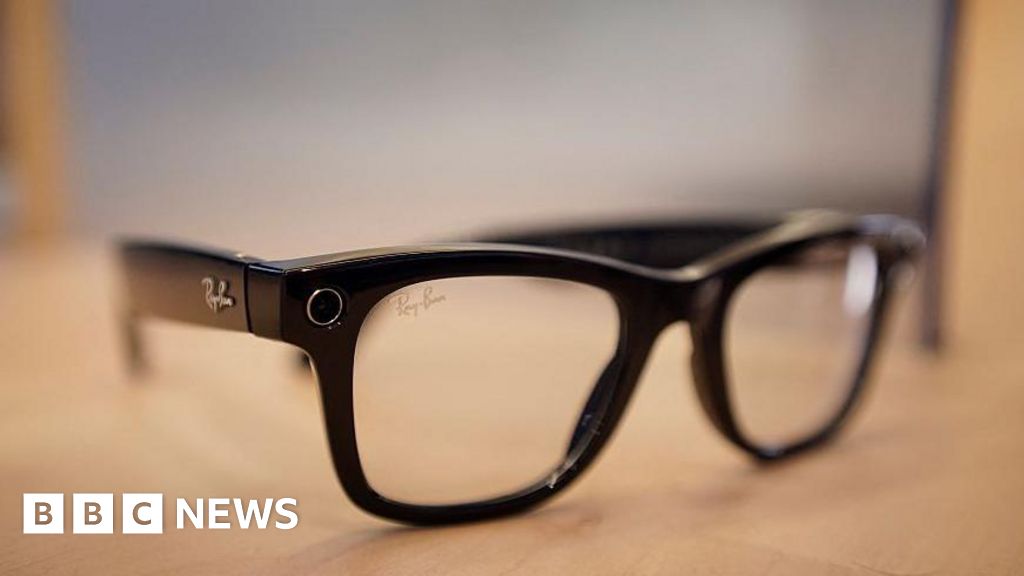
According to industry insiders, Apple’s new glasses will feature multiple models, including at least one with a display capable of challenging Meta’s Ray-Ban Display. The glasses are expected to include speakers, cameras, and multiple style options, with a heavy reliance on voice interaction and AI. Early prototypes suggest a strategic focus on seamless, hands-free operation, leaving behind the bulky headsets of past generations. Notably, Apple is also developing a dedicated chip to power these devices, a move previously highlighted by Bloomberg as part of its larger push for specialized hardware that enhances performance and energy efficiency.\nThis emphasis on custom silicon aligns with insights from market analysts at Gartner, who highlight that hardware specialization is a key driver of disruptors in the wearable tech space. Competition from Meta, which has already integrated AR features into its glasses, shows that Apple aims to leapfrog with superior hardware capabilities and software integration.

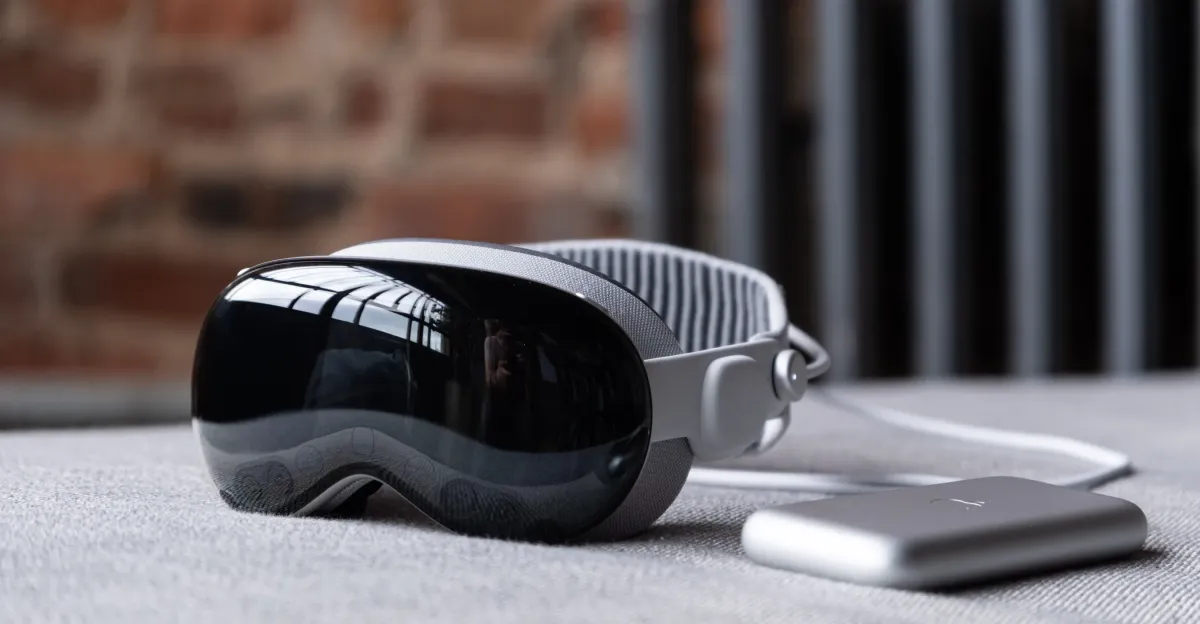
Meanwhile, Apple’s abandonment of plans for a lighter Vision Pro headset in favor of heavier, more feature-rich glasses hints at industry-wide shifts in consumer preferences. Reports suggest a “modest refresh” of the Vision Pro is still on the horizon, potentially launching as early as the end of this year, but overall focus is hastening toward AR glasses that incorporate AI and augmented reality in everyday life. This pivot further signifies a market in flux, where augmented reality’s disruption potential could redefine the fundamental engagement models in tech, from entertainment to enterprise applications. Regulatory filings recently uncovered point toward a new iteration of the Vision Pro, indicating Apple’s continued commitment to both VR and AR markets. Yet, experts like Peter Thiel warn that “the path of robust, AI-driven wearables is fraught with technical and regulatory challenges,” emphasizing the urgency for tech firms to innovate aggressively and stay ahead of the curve or risk obsolescence.

Looking ahead, the thriving smart glasses market is poised for explosive growth, driven by innovations in AI, hardware specialization, and user experience. As Apple doubles down on this frontier, industry observers recognize that disruption is imminent. Companies that fail to develop compelling, integrated AR wearables risk falling behind in a landscape increasingly dominated by AI-driven ecosystems. The next half-decade promises to be a pivotal period where innovation, strategic vision, and market agility will determine the leaders of the next generation of technology—a future where immersive, AI-enhanced wearables could become as ubiquitous as smartphones today. Time is of the essence—those who lead now will shape the trajectory of tech for decades to come.

Social Media Auto Publish Powered By : XYZScripts.com