Matox News

Truth Over Trends, always!

BBC Concedes Some Concerns Over Bob Vylan's Glastonbury Performance
BBC Concedes Some Concerns Over Bob Vylan’s Glastonbury Performance

The International Echoes of Cultural and Political Controversy: A Step into the Turbulent World of Global Power Dynamics

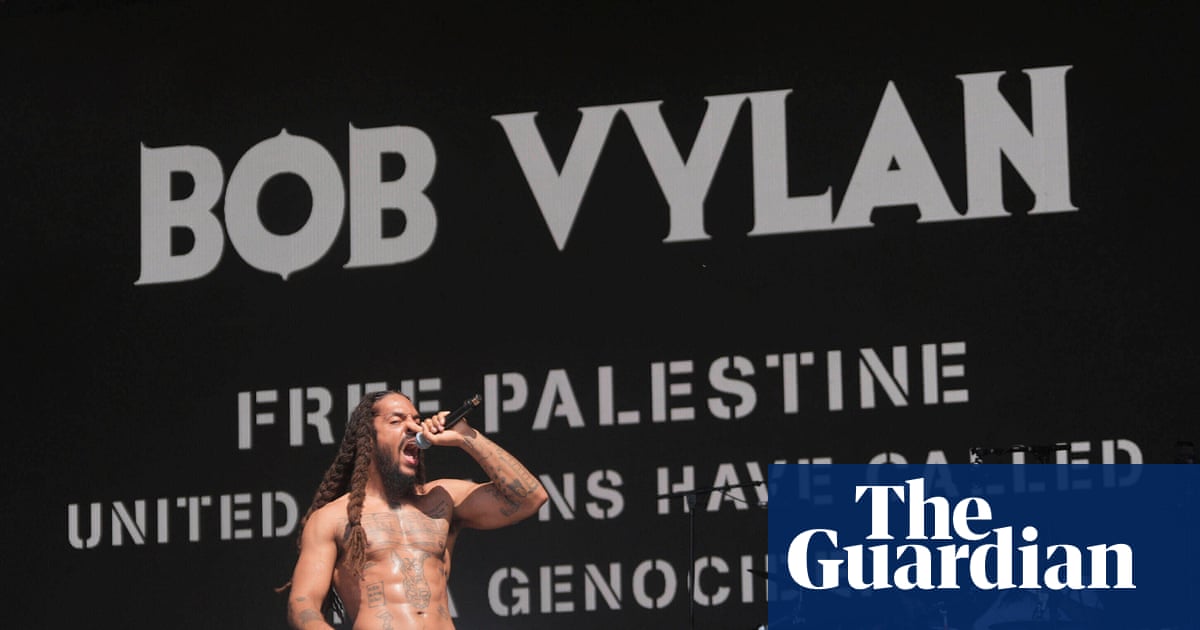
In a striking display of how cultural conflicts serve as battlegrounds for geopolitical influence, the incident involving the punk duo Bob Vylan at this year’s Glastonbury Festival has ignited debates well beyond the music scene. The BBC, a symbol of Western multimedia authority, faced a backlash for streaming the performance where incendiary statements such as “death to the IDF” and “free, free Palestine” were made by frontman Bobby Vylan. The broadcaster’s executive complaints unit justified their controversial decision by citing the potential for harm and offence. However, critics argue it exemplifies how Western institutions are increasingly caught in a clash of values — balancing free expression against the rising tide of identity politics and ideological influence.

The geopolitical impact of this controversy extends beyond the boundaries of Britain’s cultural landscape. Historians and analysts recognize that moves by entertainment industries and media organizations serve as soft power instruments, shaping global perceptions of conflicts like the Israeli-Palestinian crisis. Some experts warn that such incidents reflect a broader narrative war, where Western responses are scrutinized for perceived biases or capitulation to social activism. For instance, the BBC’s decision to remove the performance from its on-demand services and declare it a “high-risk” event signals a cautious approach that could influence how future conflicts are portrayed internationally. This response underscores a burgeoning tendency among Western institutions to treat entertainment content as part of the larger geopolitics of ideological narratives.

Moreover, the ripple effects of Bob Vylan’s statements include consequences for international diplomacy. The band’s US visas were revoked, a tangible repercussion illustrating how entertainment and politics are entwined in the current global era. The revocation not only hampers their ability to perform abroad but also signals a preemptive stance by authorities to curb what they deem provocative or potentially inflammatory. Such actions exemplify a wider effort by governments and agencies to control the spread of narratives they perceive as destabilizing or threatening to national security interests, particularly in an era where social media and global streaming serve as battlegrounds for ideological influence.

In the broader context, the controversy surrounding Bob Vylan illustrates how societal debates over free speech, national identity, and international allegiances are shaping the new global order. International organizations, such as the United Nations, have acknowledged the complex and often contentious nature of conflicts like Palestine, but the ways in which nations and cultures respond domestically and abroad reveal underlying tensions inherent to global leadership. As the West grapples with its identity and values amidst a shifting geopolitical landscape, the unfolding fallout from this incident will serve as a stark reminder that the lines between cultural expression and political conflict are increasingly blurred, and the weight of history still enshrouds this turbulent era.

BBC Approves Certain Complaints Over Bob Vylan’s Glastonbury Performance, Sparking Youth Dialogue

The recent controversy surrounding the British punk duo Bob Vylan at Glastonbury serves as a stark reminder of how deeply culture remains intertwined with the very fabric of societal identity and historical memory. The BBC’s subsequent ruling—acknowledging some breaches of harm and offence guidelines—has ignited a fervent debate about the boundaries of artistic expression and the societal responsibility of public broadcasters. Yet, beneath this controversy lies a broader reflection on the role of cultural movements and expressive acts in shaping, challenging, or defending the core values of a civilization.

The band’s performance, which included chants such as “death, death to the IDF” and slogans like “From the river to the sea,” was characterized by many as provocative and provocative with political implications. Such phrases evoke complex historical parallels—from the upheavals of post-colonial struggles to the radical activism of movements like Gesellschaft or Frankfurt School’s critical theory. These expressions, whether intended as support for Palestinian aspirations or as a protest against violence, symbolize the ongoing battle over what constitutes societal memory and the philosophical underpinnings of justice and sovereignty. Philosopher Ortega y Gasset warned that cultural identity is an ongoing project, a “werewolf” of tradition and modernity, which must be continually redefined—yet these acts challenge the very foundations upon which societies are built.

Historically, cultures have morphed through conflict and dialogue, sometimes embracing radical dissent, sometimes suppressing it. The Glastonbury incident reflects this ongoing tension—where art, history, and morality collide. The public’s reaction—ranging from condemnation to calls for greater censorship—parallels the dilemmas faced during the Enlightenment, when challenging orthodoxies threatened societal cohesion. The BBC’s decision not to pull the live stream after the comments were made, despite internal debates, mirrors a society grappling with the delicate balance between freedom and order. As T.S. Eliot observed, our culture is a “waste land,” yet it is also fertile ground for renewal—a prophecy rooted in memory while gestating the future.

Ultimately, culture functions as the memory of a society, a repository of its history, and as prophecy, an anticipation of what humanity might become. In this light, the crisis over Bob Vylan is not merely about one band or one concert, but about the essence of societal identity and its relation to tradition. As Chesterton eloquently argued, culture’s task is to preserve the eternal truths amidst the chaos of modernity, ensuring that our society does not drift into forgetfulness but remains anchored in its foundational narratives. Whether in song, speech, or silent reflection, culture is the sacred dialogue that preserves our past and breathes life into our future—a legacy that must be courageously defended in the face of erasure or distortion.

As we consider the ongoing debates about free expression, political identity, and societal cohesion, we do well to remember that culture, in its deepest sense, is both a repository of our memories and a beacon of what lies ahead. It whispers of our ancestors’ struggles and dreams, shaping the collective consciousness that will guide generations to come. In this harmony of memory and prophecy, humanity finds its truth—ever resilient, ever hopeful, echoing through the corridors of history like a timeless symphony that beckons us to listen and to remember that we are both the sum of our past and the architects of our destiny.

Social Media Auto Publish Powered By : XYZScripts.com



