Matox News

Truth Over Trends, always!

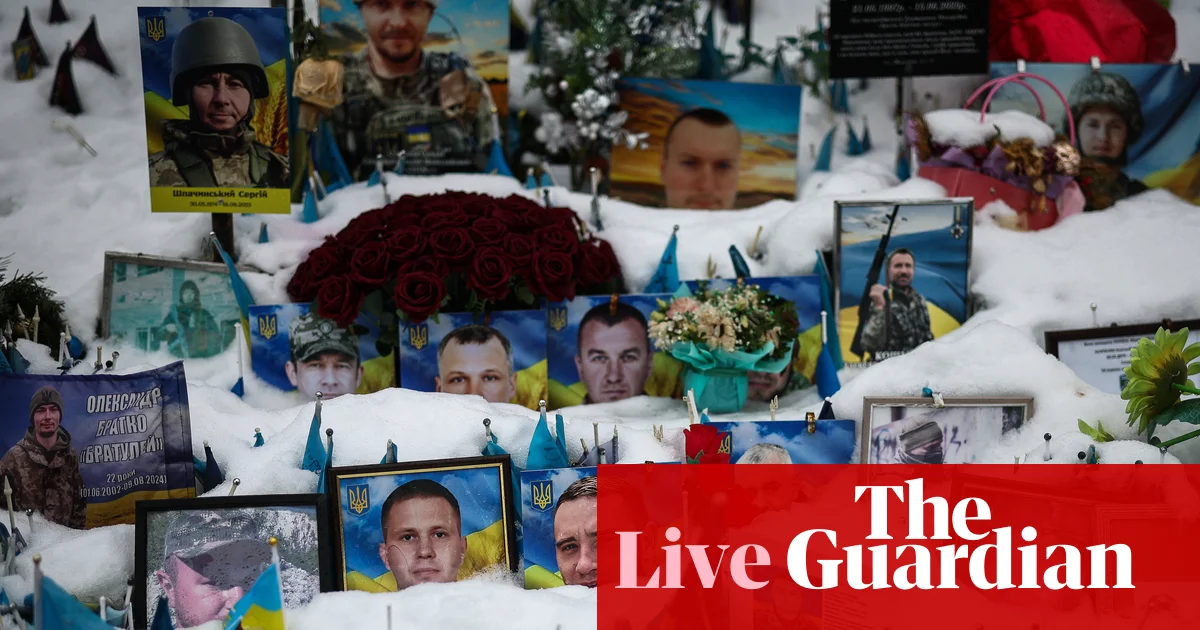
Four Years Later: Zelenskyy States Putin’s Goals Remain Unmet—Europe Updates | Ukraine

Four Years of Conflict: The Evolving Geopolitics of Russia’s Invasion of Ukraine

As Ukraine marks its fourth year of fierce resistance against Russia‘s full-scale invasion, the global community observes a pivotal moment in what has become the defining conflict of the 21st century. Beginning on February 24, 2022, when Russian forces sought to seize the country within mere days, the war has morphed into a protracted struggle that continues to reshape geopolitical alliances and challenge international norms. Despite efforts to rally support and impose sanctions, the conflict remains unresolved, revealing profound fissures within Western-led coalitions and exposing vulnerabilities in diplomatic strategies.

The Ukrainian people, under the steadfast leadership of Volodymyr Zelenskyy, have consistently underscored their resilience and unwavering commitment to sovereignty. In his recent address, Zelenskyy reflected on the enduring spirit of Ukraine, emphasizing that “we have defended our independence, we have not lost our statehood; Putin has not achieved his goals.” Such declarations serve as a stark reminder that, despite relentless aggression and substantial losses, Ukraine has maintained its national identity and territorial integrity. Historians and analysts underscore this narrative as a testament to the resilience of post-Cold War Europe’s most prominent democracy under siege, illustrating how a nation’s united front can withstand even the most formidable foes.

Yet, the geopolitical impact extends far beyond Ukraine’s borders. The ongoing conflict continues to test the cohesion and resolve of NATO and the European Union. Recently, Mark Rutte, NATO’s Secretary General, and Ursula von der Leyen, President of the European Commission, prepared to honor Ukraine’s bravery by convening in Kyiv and via video links. However, controversy has surfaced over the EU’s inability to present a united front: Hungary’s Viktor Orbán vetoed a new set of sanctions aimed at intensifying pressure on Russia over separate disputes involving oil transit through Ukraine. International organizations like the EU face critical scrutiny, as this political sabotage underscores internal divisions that threaten to undermine the collective effort to support Ukraine and uphold global stability.

Historical and geopolitical analysts warn that such divisions could be a turning point—that if Western alliances falter, the balance of power in Eurasia could be permanently altered. The war’s broader implications include the realignment of global influence, renewed tensions in Eastern Europe, and a warning that failure to sustain unified pressure may embolden Russia and other revisionist powers. Meanwhile, the clandestine efforts of allied intelligence agencies, notably the CIA and MI6, to intercept Putin’s plans prior to the invasion reveal a complex web of intelligence failures and miscalculations. Shaun Walker’s investigative reporting sheds light on how Western intelligence underestimated the Russian president’s intentions, highlighting the dangerous costs of complacency in an era where information wars are as critical as military ones.

As history continues to unfold, the unresolved tensions and unresolved conflicts stake their claim on the future of Europe and beyond. The voices from Kyiv, Brussels, and Washington echo with warnings of what might come if the present momentum diminishes. The city of Kyiv itself, bearing signs of resilience like the symbolic “Bravery Made in Ukraine,” stands as a testament to the unyielding human spirit amid the chaos of war—yet, the shadows of discord within Western alliances threaten to cast long-term consequences that could reshape continents. For now, the world holds its breath—watching as the pages of history are written, one day at a time, in the blood and hope of nations fighting for sovereignty and peace—and knowing full well, that this story is far from over.
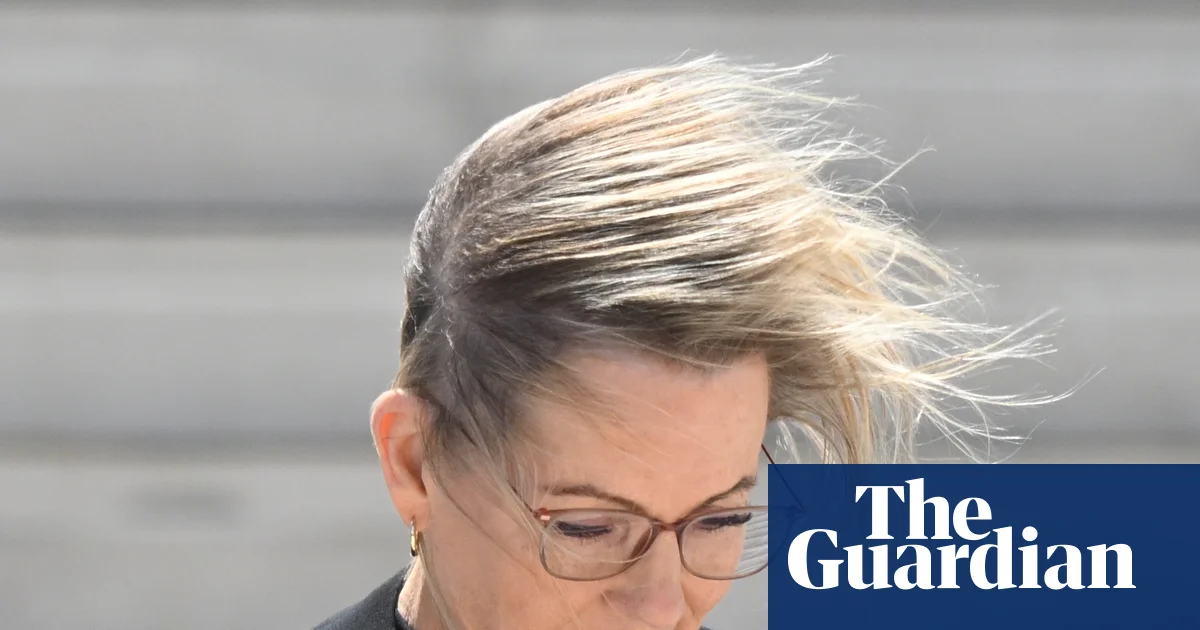

Liberals Drop Emissions Goals, But Ley Sees Net Zero as Still Possible Win | Australia News

Australia’s Climate Pivot: A Shift that Reshapes Global Emissions Commitments

In a move that reverberates beyond the shores of Australia, the federal opposition unveils plans to significantly alter its stance on climate change commitments, raising questions about geopolitical impact and the future of international climate cooperation. The decision to abandon legislated net zero by 2050 targets, once a cornerstone of global climate diplomacy under the Paris Agreement, signals a potential turning point in how nations approach their responsibilities amidst a climate crisis that refuses to pause.

The ruling Labor government’s push for deep emissions cuts faces opposition from the Liberal Party and its partner, the National Party. As Sussan Ley confidently defends the move as a means to prioritize energy abundance and the support for nuclear power, the international community watches with concern. The decision to sideline the legally binding targets while still claiming adherence to the Paris Agreement sets the stage for a potential breach of obligations, risking diplomatic fallout with entities like the United Nations Framework Convention on Climate Change (UNFCCC). Analysts warn that such a shift could undermine Australia’s credibility, tarnishing its reputation as a responsible global player and prompting other nations to reconsider their own commitments under the treaty.

Politics Over Climate: A Dangerous Precedence

  • Despite promises to hold onto the Paris commitments, the Coalition’s plan to scrap legislated emissions targets threatens to disrupt global efforts aimed at limiting temperature rise to 1.5°C. This divergence fuels concerns among experts and international observers, as the global community has relied on the consistency of national policies to craft effective climate strategies.
  • Historians and climate analysts highlight that such backsliding could encourage a wave of similar decisions by other countries, eroding the progress made since the signing of the 2015 Paris Agreement. The Climate Action Tracker reports that more than 145 nations are considering or have set net zero emissions targets, making Australia’s retreat a critical juncture that could ripple through global efforts.
  • The PM Anthony Albanese openly criticizes the Coalition’s stance, framing it as a rejection of climate science itself. Such rhetoric underscores how internal political dynamics can distort international obligations, potentially emboldening others to pursue similar strategies that prioritize economy over environment, with security and regional stability at risk.

Implications for Global Governance and the Future of Climate Negotiations

By choosing to reframe the climate debate around energy security and economic growth, Australia is shaping a precedent that may weaken future international negotiations. The United Nations and other multilateral institutions emphasize that compliance and transparency are central to global climate governance—something that could be compromised if major emitters abandon long-term targets. Experts warn that such shifts could signal to the world that commitments are negotiable, potentially unraveling years of diplomatic progress.

Specialists, including climate scientists and international relations scholars, gaze apprehensively at the unfolding events, recognizing that history is watching. As the global climate clock continues to tick toward catastrophic points of no return, the decisions made by Australia and its allies today could well set the stage for a future where the line between climate ambition and political expediency becomes irrevocably blurred. The story of this decision is still writing itself, and the weight of history now hangs heavy on its next chapters.

Social Media Auto Publish Powered By : XYZScripts.com


