Matox News

Truth Over Trends, always!

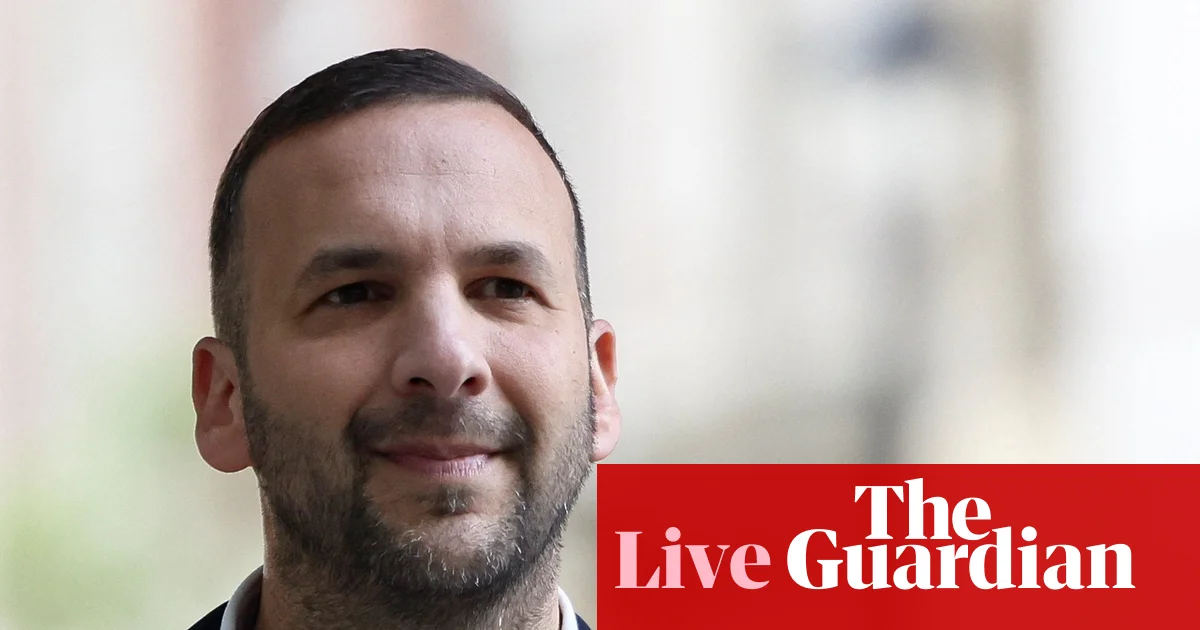
Minister calls Polanski unfit to lead party after Golders Green tweet

UK Politics Turmoil Sparks International Concerns as New Attack Highlights Rising Tensions

The recent political storm in the United Kingdom underscores the volatile intersection of local governance, public safety, and international perceptions. At the heart of this controversy is Zack Polanski, a prominent figure within the Green Party, whose retweet of a social media post attacking police conduct during the Golders Green attack has ignited fierce debate. The retweet, which alleged that officers violently kicked a mentally ill man while incapacitated—without comment—prompted swift condemnation from government officials and law enforcement authorities. The disgusting incident prompted the transport secretary, Heidi Alexander, to publicly state that Polanski was “not fit to lead a political party,” exemplifying the deep political divide on law and order issues amidst a rising tide of antisemitic violence.”

Rising Violence and the International Geopolitical Ripple Effect

  • Just days after the attack, the UK’s terror threat level surged to severe, signaling an urgent need for heightened security measures, especially for Jewish communities targeted in recent assaults.
  • The suspect, Essa Suleiman, 45, was charged with multiple counts of attempted murder after stabbing two Jewish men—an act that has been classified by security experts as *domestic terrorism*, catalyzed by the current wave of antisemitism in the UK.
  • In response, the government announced plans to allocate additional funding for the protection of Jewish communities and to expand authority over hate preachers, yet critics argue that the measures are insufficient given the scale of recent violence.

International organizations and political analysts warn that persistent instability within the UK’s political landscape could have ripple effects well beyond its borders. The European Union, along with NATO allies, closely monitor such incidents, fearing that internal fractures may embolden radical groups or destabilize regional alliances. Notably, several international historians have pointed out that the UK’s current crisis echoes the political turbulence of past decades—serving as a stark reminder of how domestic unrest can influence global geopolitics. As the UK grapples with this surge in violence, the United States and other Western powers observe cautiously, understanding that the outcome of this internal chaos could shape future diplomatic and security strategies.

International Leaders and the Future of Stability

Leaders worldwide have issued mixed reactions—some calling for calm and resilience, others voicing concern over the potential for a wider destabilization. The European Commission has urged the UK government to intensify anti-hate initiatives, emphasizing that rising domestic tensions threaten to undermine broader international stability. Meanwhile, geopolitical analysts observe that the UK’s internal battles over law, security, and identity are emblematic of larger global shifts—where societal fractures echo across continents, fueling debates over sovereignty, multiculturalism, and security cooperation.

Yet amid this turbulence, the weight of history looms. As historians caution, how the UK manages this crisis may define the trajectory of its political identity for generations to come. The decisions taken today—whether to double down on security or to seek unity—will write the next chapter in a story that is still very much unfolding, one that could alter the course of national and international affairs. The world watches as the legacy of recent actions forms a narrative of resilience, division, and perhaps, unforeseen transformation—reminding us that in the theatre of history, the present is often a prelude to profound change.
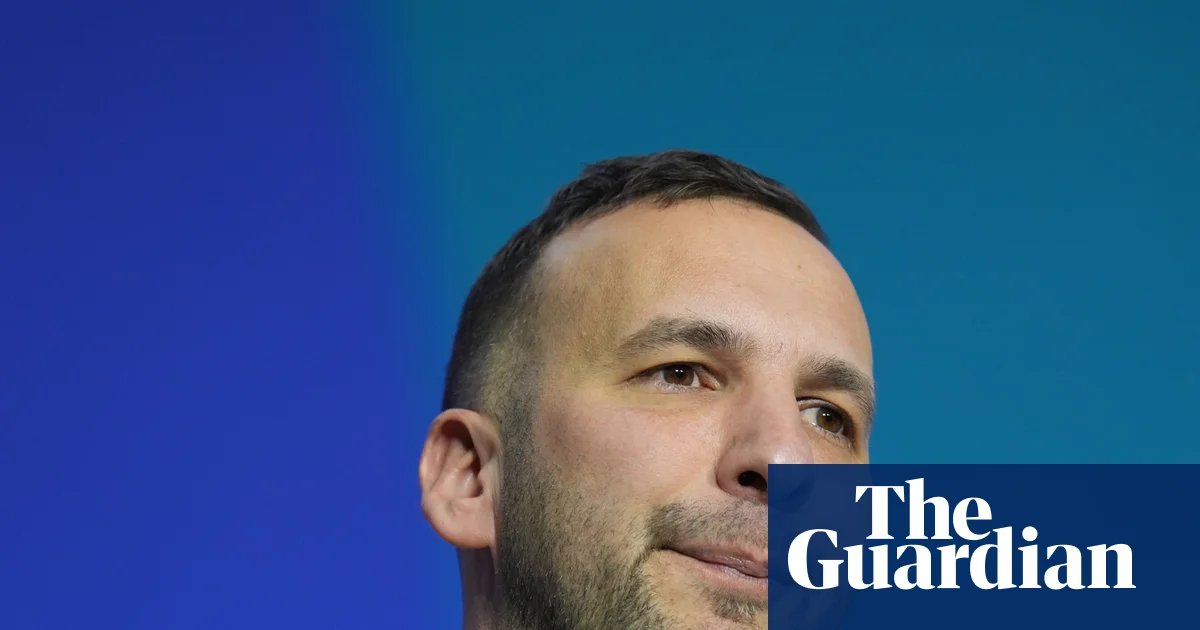
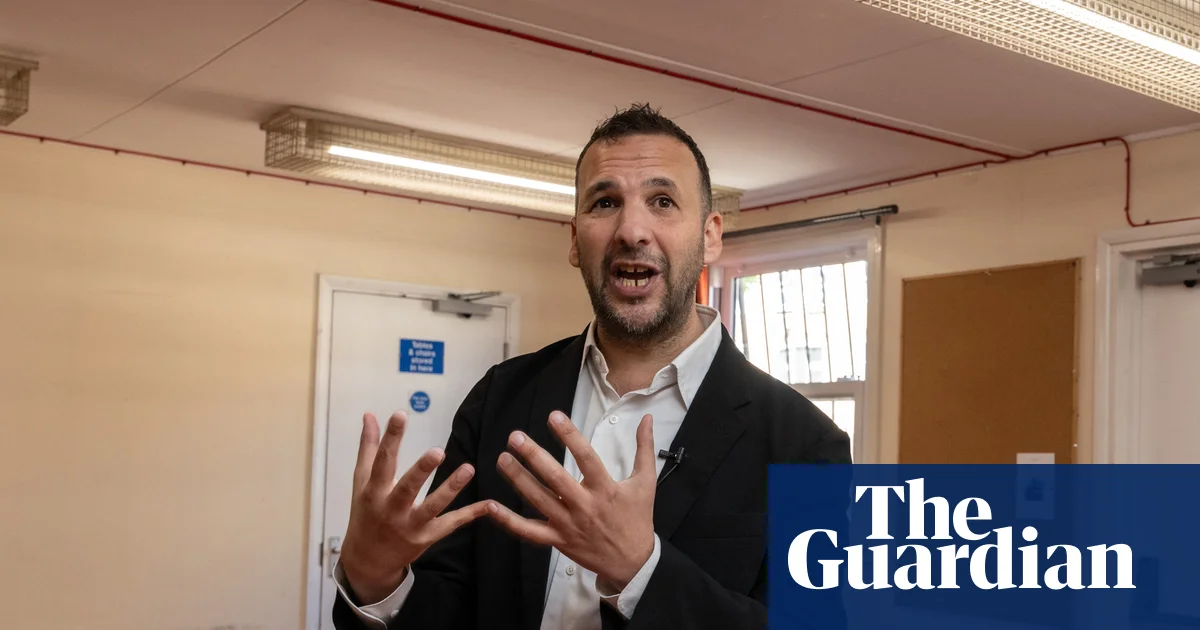
Keir Starmer slams Zack Polanski for sharing post criticizing police over Golders Green stabbings | Zack Polanski

In an unfolding incident from London, recent events spotlight the delicate balance between law enforcement, political leadership, and societal tensions that resonate far beyond the British Isles. The controversy erupted following a police operation involving the arrest of a suspect, captured on police footage that has since been the subject of heated debate. While Metropolitan Police officials praised their officers for acting under extreme pressure to prevent potential catastrophe, critics have claimed that the police response was excessive and even violent. The point of contention underscores the critical importance of operational judgment during emergency responses, a reality that carries significant geopolitical implications.

Prominent political figures, including UK Prime Minister Rishi Sunak and opposition leader Keir Starmer, have engaged in this debate, with Starmer defending the police’s decisions based on the information available at that moment. Starmer’s comments, emphasizing the plausible threat of a bomb from the suspect’s rucksack, reveal how national security considerations often drive rapid law enforcement actions, especially in an era fraught with terrorism concerns. Conversely, critics, led by zack Polanski, a political figure under scrutiny, questioned the police’s conduct and accused officers of brutality—comments swiftly rebutted by Mark Rowley, the police commissioner, who described the officers as “nothing short of extraordinary.” His defense reflects an urgent call to safeguard public confidence in law enforcement, especially amid rising threats to societal cohesion.

This national debate is unfolding against a backdrop of sharper geopolitical concerns, notably a surge in **antisemitic incidents** across the United Kingdom. The Director of Public Prosecutions, Stephen Parkinson, issued a stern warning about the rise of hate crimes, echoing fears that extremist ideologies threaten the very fabric of society. His affirmations highlight how internally contentious issues, like police conduct and hate crimes, can influence international perceptions—especially within a broader context of global struggles against extremism and intolerance. Countries watching from across Europe and North America interpret such developments as indicators of societal fragility, while international organizations, including the European Union, scrutinize how democracies respond to challenges manifesting within their borders. These crises act as a stark reminder that the decisions made in the UK today echo in the corridors of power worldwide.

Adding fuel to the flames are recent violent incidents involving mental health crises and hate-fueled violence, as seen with the charging of Essa Suleiman for attempted murders during knife attacks in London. Such events underline the intertwined issues of societal safety and political stability, with analysts warning that neglecting these critical challenges could lead to wider unrest and a shift in global power dynamics. Historically, nations have stumbled when internal divisions deepen under the weight of unresolved societal tensions, and the UK’s current trajectory sparks concern among international observers about potential repercussions for alliances, trade, and security cooperation.

As London’s streets echo with protests, debates, and the weight of the law, the broader story remains unresolved—an ongoing chapter in a narrative that shapes the future of democratic resilience. With global powers watching, the decisions taken here will define whether these turbulent waters lead to reform and renewal or further descent into chaos. In a world on the brink of new conflicts and alliances, the history being written in this moment reminds us that the course of nations often hinges on how they handle their internal crises—those that test their ideals, their law, and their collective resolve.

Met Chief Warns Zack Polanski’s Attack Criticism Could Chill Justice in Golders Green

London’s recent incident involving a stabbing in Golders Green has reignited concerns over security, antisemitism, and political stances amid heightened tensions across Europe and beyond. A 45-year-old suspect was subdued by police after stabbing two Jewish individuals, an act now under investigation as terrorism. This event underscores the volatile environment in major Western cities, where local security issues ripple into broader ideological and geopolitical debates.

The Metropolitan police quickly responded, arresting the suspect and describing the situation as a clear threat to public safety. Police utilized a stun gun to neutralize the suspect and have since been engaged in discussions with the Crown Prosecution Service about pressing terrorism charges. Such incidents reflect a disturbing trend of targeted violence against minority communities, especially in regions where geopolitical tensions and domestic radicalism collide. However, what has drawn international attention is the politicized response to the police action—particularly the Green party leader Zack Polanski, who retweeted a controversial post alleging misconduct by police officers at the scene.

The retweet, which accused officers of “repeatedly and violently kicking a mentally ill man,” was quickly challenged by London’s police commissioner, Mark Rowley. In a stark warning, he stated that such “inaccurate and misinformed commentary” could have a “chilling effect,” comparing the role of police officers to that of frontline defenders against terrorism. His letter calls for solidarity from political leaders across the spectrum and a united front against antisemitism, emphasizing that public figures should lead by condemning violence and lowering societal tensions. In an era where political narratives can influence security policies and social cohesion, such exchanges serve as a microcosm of larger global struggles.

The incident’s fallout—initially local but rapidly internationalized—has highlighted the ongoing challenge facing Western democracies: balancing civil liberties with security. Analysts warn that politicized narratives surrounding law enforcement actions risk undermining public trust, especially among vulnerable minority groups. The international community, including European security agencies and international human rights organizations, are observing these events as a litmus test for the resilience of democratic institutions amid rising extremism. These organizations emphasize the importance of protecting both public security and free expression, even amidst heated debates.

Meanwhile, this episode underscores a critical moment for Western societies—a reality that decisions made in London, Washington, Berlin, and beyond reverberate across continents. The uncertain political climate is ripe with challenges: rising nationalist sentiments, threats from radical ideologies, and the influence of global conflicts. As historians and geopolitical analysts warn, the capacity for nations to effectively confront these threats while maintaining democratic principles will determine whether society can emerge resilient or fractured. The weight of history presses upon current leaders; each choice echoes in the future until, perhaps, a new chapter is forged—one of unity amidst chaos.

Social Media Auto Publish Powered By : XYZScripts.com



