Matox News

Truth Over Trends, always!

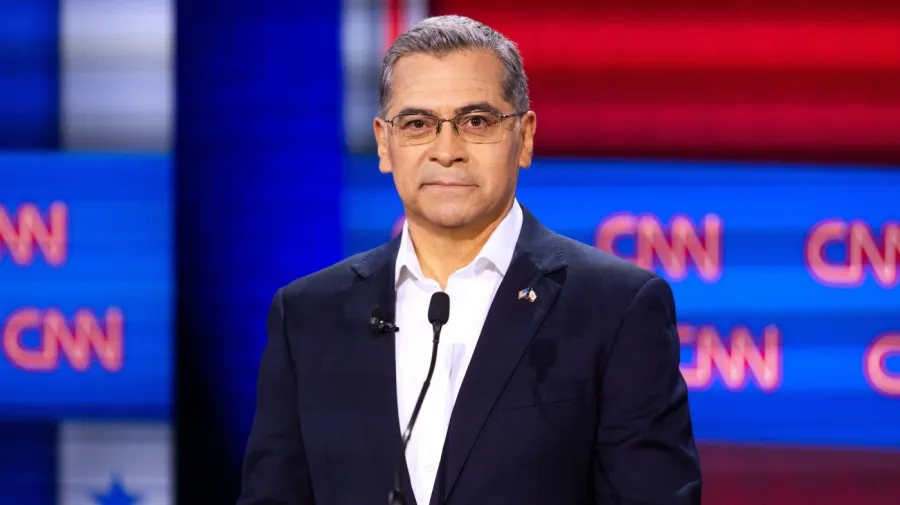
California GOP hopefuls target Becerra during heated debate

Amidst the tumultuous landscape of California politics, a fierce power struggle is emerging as candidates vie to shape the Golden State’s destiny. The recent gubernatorial debate, ignited by the looming exit of Gavin Newsom due to term limits, revealed a political arena rife with strategic maneuvers and ideological clashes. At the center stands Xavier Becerra, the former Health and Human Services Secretary, whose surge to frontrunner status underscores a seismic shift within the Democratic echelon of the state. Candidates seized upon Becerra’s rising prominence to underscore divergent visions for California’s future, each advocating policies rooted in their own interpretation of progress and authority.

The contest reflects a broader struggle over who holds the power to dictate policy and influence the everyday lives of Californians. With the exit of Eric Swalwell, a congressman whose departure has further unsettled the political landscape, the race has pivoted on not just individual charisma but on ideological allegiance. These elections serve as a battleground where fundamental questions about governance, economic reform, and social policy are fiercely debated. Candidates are positioning themselves as the custodians of either tradition or change, weighing the importance of state sovereignty against federal influence, especially in a state often perceived as a barometer of national political trends.

This intra-party strife exposes a deeper conflict over the direction of American liberalism. Powerful figures and constitutional experts point to historical parallels, observing how California’s political upheaval echoes past battles over state autonomy and federal overreach. The contest reflects a microcosm of the national ideological schism—between the desire for radical transformation and cautious reform—each camp eager to carve its legacy into the annals of history. The ultimate outcome hinges on who can wield influence over the state’s legislative machinery, shaping policies that influence everything from public health to economic vitality. The stakes imply not just a fight for office, but for the very soul of Californian governance.

As these political machinations unfold, it becomes increasingly evident: politics is less about personal ambition and more about the grand narrative of power and influence. The decisions made and policies enacted are instrumentally linked to the people’s fate—either safeguarding their liberties or extending the reach of government authority. In the grand theater of public life, each campaign, debate, and legislative push plays into a larger story of struggle for control over the future. The contestants are not merely vying for votes but for the mantle of leadership that will determine California’s—and by extension, America’s—course. In this relentless pursuit of power, history reminds us that those who command policy influence the very fabric of society, etching their will into the annals of time. Ultimately, it is the decisions of these political actors that write the next chapter of the nation’s destiny—an epic where the stakes are nothing less than the soul of a state and the future of the republic itself.
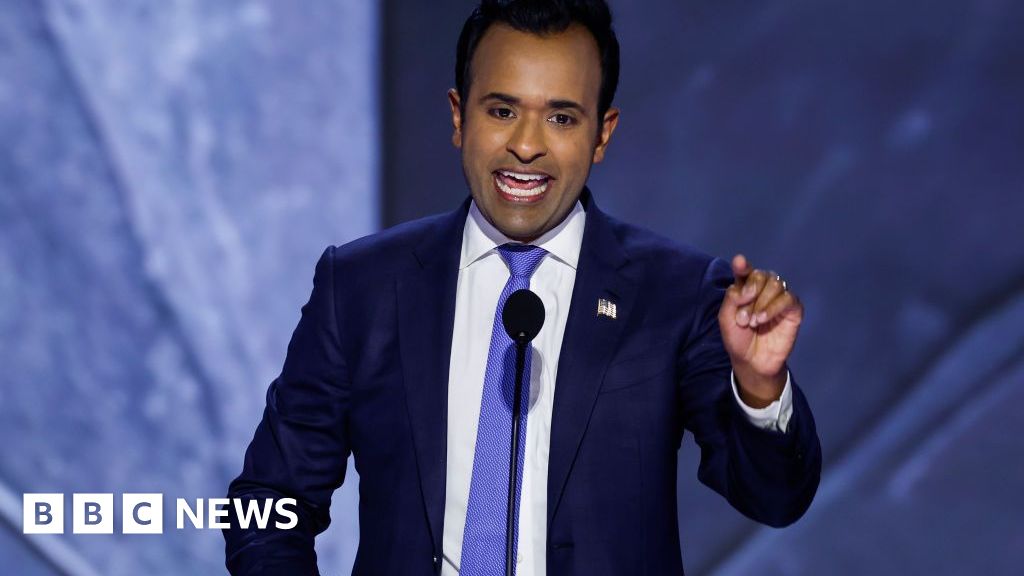
Vivek Ramaswamy Clinches GOP Nomination for Ohio Governor—A Bold New Voice for Young Conservatives

In an extraordinary development on the international stage, the recent political discourse surrounding the COVID-19 pandemic has revealed deeper underlying tensions between leaders and their nations’ responses. A prominent figure, actively participating in a high-profile race, has been vocal in criticizing the state’s response to the crisis, particularly pointing fingers at the policies implemented under the Democrat nominee in the United States. This stance resonates with a broader nationalist and conservative movement that questions the effectiveness of what they deem are overly cautious or politically motivated pandemic strategies.

The critique has resonated beyond domestic borders, inviting reactions from international observers and policymakers. Many analysts argue that the geopolitical impact of such external criticisms plays into a shifting narrative—one that questions established Western leadership with a blend of skepticism and strategic opportunism. Historically, leaders who adopt an adversarial stance during moments of crisis often seek to bolster their national dominance and appeal to populist sentiments, thus altering the global power balance. This, analysts suggest, could embolden other states to pursue more aggressive or independent foreign policies, potentially disrupting long-standing alliances and treaties.

  • The criticism of COVID-19 responses from influential international figures accelerates debates on public health sovereignty versus international cooperation, thereby complicating efforts to build cohesive pandemic strategies.
  • Nation-states are increasingly scrutinized for their handling of the health crisis, which directly influences international trust and economic stability.
  • Organizations such as the World Health Organization face renewed calls for accountability, amid accusations that political bias has undermined their credibility in guiding global responses.

As tensions mount, the intersection of domestic politics and global challenges comes sharply into focus. Historians and political analysts warn that these conflicts over pandemic management are only the latest chapter in a broader contest for influence in a multipolar world. The decisions of today shape the tapestry of history being woven for future generations. How nations navigate this critical juncture—balancing sovereignty with collective responsibility—will determine the trajectory of international stability and conflict for decades to come. The landscape of global politics remains an unpredictable battlefield, with each announcement and critique echoing through the halls of history—reminding the world that the era of upheaval we are witnessing is far from over, and the true impact of today’s decisions will be measured by the echoes they leave behind.

GOP Faces Uncertain Future After Trump’s Controversial Reckoning

Recent developments in American politics underscore a defining moment where power struggles and ideological battles continue to shape the nation’s future. While Donald Trump remains a formidable figure in the political arena, evidence suggests that the majority of Americans have grown increasingly opposed to his policies. This shift in public sentiment signals a crucial turning point, one that will influence the ongoing contest between traditional conservatism and progressive reform. The political landscape is effectively a chessboard where each move reverberates through the fabric of American society, influencing policy outcomes and the lives of citizens.

At the center of this turbulent scene are Trump’s policies, which many perceive as divisive and out of step with evolving societal values. His approach to immigration, economic management, and national identity has sparked fierce debates, setting the stage for a broader power struggle. Political theorists like Carl Schmitt have long articulated how such conflicts are inherent to democratic systems, as decision-making is often driven by sovereignty—the ultimate authority to decide. In this context, the rejection of Trump’s policies by a significant demographic underscores a shift towards a preference for policies perceived as more inclusive or aligned with contemporary values. Yet, this does not necessarily signal an outright rejection of all conservative ideals but rather an evolution within the ideological spectrum, with younger voters, in particular, advocating for reforms that challenge the traditional power structures.

The contemporary political contest is further complicated by the push for constitutional reforms and judicial decisions that shape the limits of presidential authority and legislative scope. Legislative bodies and courts wield their power to check or expand executive influence, often resulting in intense power struggles where outcomes directly impact the day-to-day lives of Americans. For example, recent court rulings have challenged executive orders or legislative agendas, illustrating how constitutional law remains a battleground for competing visions of governance. Political analysts often draw parallels to historic moments such as the New Deal era, where judicial activism and presidential authority clashed, ultimately transforming the role of government in American life. Today, such conflicts underscore the importance of constitutional adherence and the unpredictable nature of political power—transforming the abstract struggle for control into tangible reforms that shape the nation’s destiny.

Ultimately, the political stage is a battleground for **how decisions made today** will echo through generations. The shifting allegiances and ideological battles reveal that the future of American governance hinges on the strategic positioning of power and policies. As the nation continues to grapple with divisive issues, it becomes clear that politics is not merely about immediate gains but about the long arc of history. Leaders and citizens alike are engaged in a tense struggle to write the chapters of tomorrow, understanding that in this arena, power is the pen—guiding the narrative of a nation standing at the crossroads of tradition and transformation. The question remains: who will ink the pages of America’s future—the champions of progress or the custodians of enduring principles? In the end, it is where the true fight for destiny unfolds, each decision a stroke on the vast canvas of history.

GOP Pressure Grows on Kristi Noem to Step Down

In a stark demonstration of internal political fractures, the recent turmoil surrounding U.S. Homeland Security Secretary Kristi Noem has reverberated across the American political landscape and sent ripples into the broader geopolitical arena. This mounting controversy, precipitated by the tragic death of Alex Pretti in Minneapolis, underscores a crucial void in the U.S. domestic security apparatus. Top House Democrats have openly called for Noem’s removal, threatening impeachment proceedings amidst escalating concerns over border security and law enforcement conduct. The potential dismissals bear not just national but international significance, exposing profound chasms within the world’s most powerful democracy about the principle of sovereignty and internal stability.

While President Trump publicly supports Noem, claiming that the border is “totally secure,” many Republican senators now voice skepticism. Figures such as Thom Tillis and Murkowski argue that her conduct is “disqualifying,” reflecting a faction within the GOP that questions the current direction of homeland security policy. Yet, amid these internal conflicts, the execution of policy—particularly on immigration enforcement—becomes a clear battleground with international consequences. Critics argue that overly aggressive enforcement, especially when combined with inadequate oversight, fosters internal chaos and societal division. Prominent voices like John Fetterman and Elizabeth Warren emphasize that the death of Pretti symbolizes a broader failure to uphold human dignity and maintain order at national borders, framing the issue as a moral and strategic crisis.

In the global context, the U.S. border crisis and internal security disputes influence countries worldwide, especially in the Americas, where migration flows and regional stability are intertwined. International analysts warn that instability within the U.S. government could weaken America’s standing as a defender of global order, embolden adversaries, and destabilize neighboring nations. Outcomes at home — such as the potential shutdown of government departments or the impeachment of a cabinet secretary— are not isolated events but signals that America’s leadership is oscillating on the brink of disarray, inviting questions about future commitments to international security and peace. History, as noted by strategic experts, warns that political upheaval in Washington often precedes eras of diplomatic retreat or reckless miscalculation on the world stage.

The unfolding drama over Noem’s future encapsulates a larger narrative: the struggle between security and liberty, law and order, set against a backdrop of international scrutiny. As the international community watches, the possibility of impeachment and internal chaos casts a long shadow over U.S. credibility. The decisive moments ahead will test whether the nation can reconcile its political divisions or spiral further into disarray at a critical juncture in history. As the dust begins to settle, the world will remain vigilant — for in this history is still being written, and the fate of countless lives hinges on the choices made within the halls of power.

Greens: GOP Lawmakers Mock Trump Behind His Back

US Political Divisions Deepen: Republicans’ Shift Toward Trump and the Implications for Global Stability

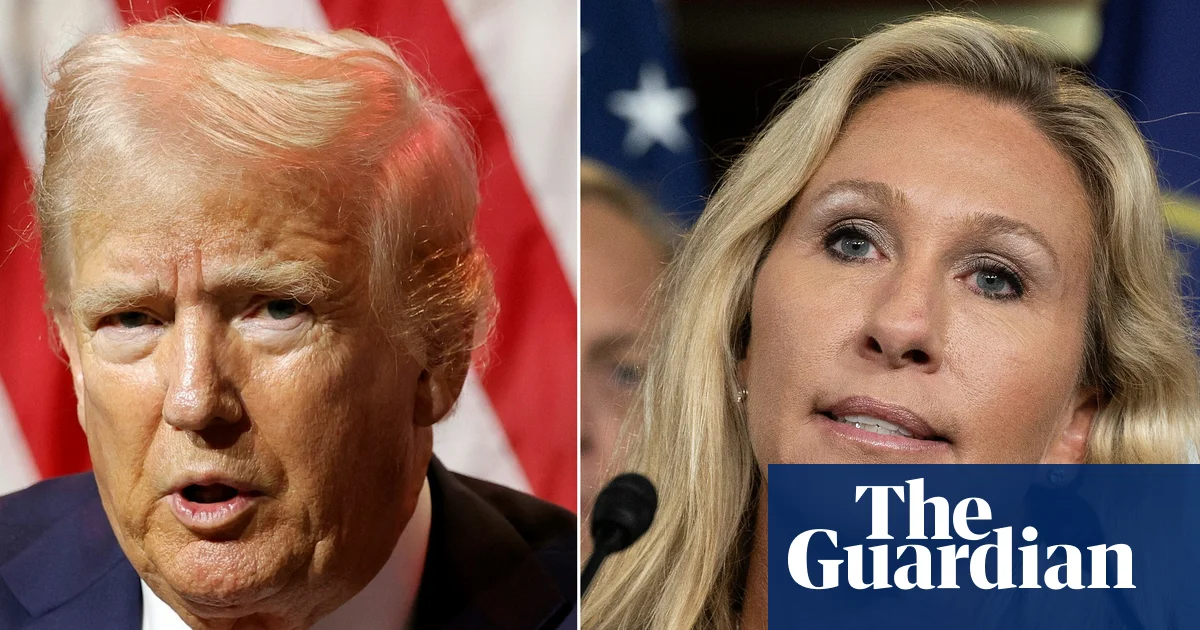
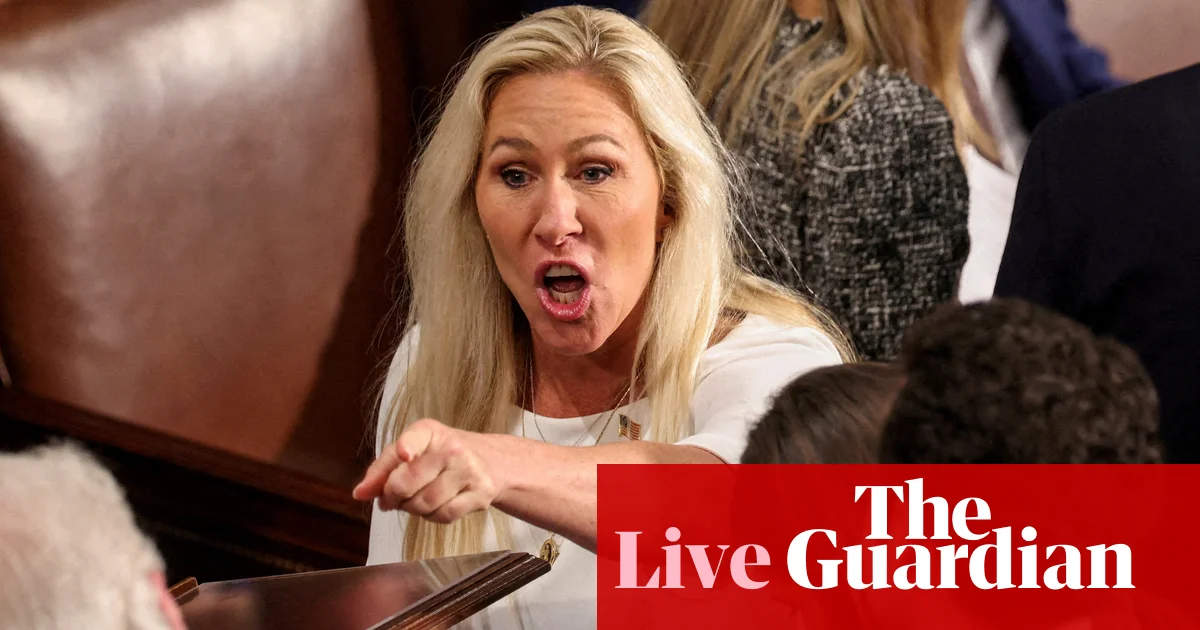
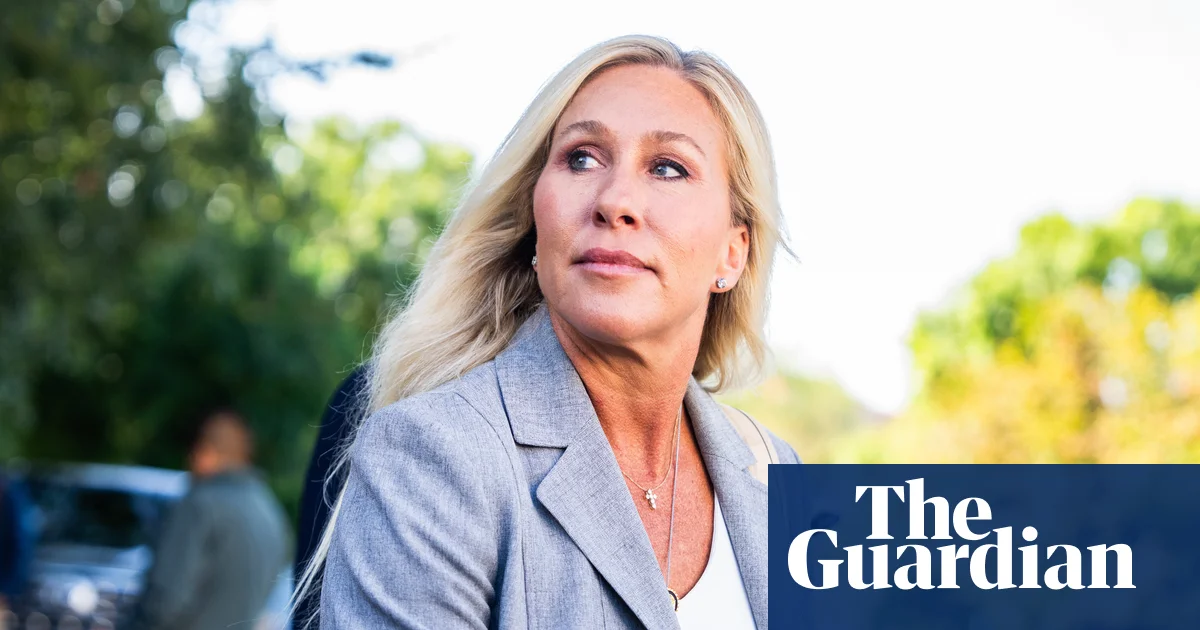
The current state of American politics reveals a startling transformation: what was once mockery and disdain within Congress has now become unwavering support for former President Donald Trump. As evidenced by recent remarks from outgoing GOP House member Marjorie Taylor Greene, many Republican colleagues who previously mocked Trump’s rhetoric and policies have, upon securing their party’s 2024 presidential nomination, pivoted to overtly endorse him. This shift underscores a deeper apprehension among American elites to challenge Trump’s sway—fearing backlash from his dedicated base and social media dominance. Such an internal party realignment portends significant geopolitical impact, as the United States prepares for a presidential race that may consolidate its most contentious, populist elements.

Greene’s disclosures about threats and intimidation reveal the volatile and violent nature of current U.S. political discourse. She reports hundreds of threats directed both from the political left and right, including personal attacks amid controversies over her stance on Jeffrey Epstein’s victims. These allegations have become tangled in the broader narrative of Elites versus populists, fueling polarization that extends beyond American borders. Historians like F. H. Buckley warn that such internal fracturing risks undermining America’s international credibility—especially as allies and adversaries watch to see if the U.S. remains a stable beacon of democracy or succumbs to internal chaos.

Global Context: The Rise of Populist Nationalism and Its Ripple Effects

The ongoing political turmoil in Washington holds profound implications for the international order. As Europe and Asia analyze the events surrounding Trump’s resurgence, concerns grow over the potential reemergence of America’s unilateralism and disregard for traditional alliances. The United Nations and other transnational organizations have issued cautious statements, emphasizing the importance of strong democratic institutions. Meanwhile, analysts suggest that if America’s internal conflict escalates, it might embolden authoritative regimes globally—precisely what many globalists seek to avoid amid rising geopolitical conflicts in Eastern Europe, the Indo-Pacific, and the Middle East.

The geopolitical impact of this American political schism cannot be overstated. If the U.S. swings further into populism and internal instability, it risks losing its moral authority and strategic edge—potentially destabilizing alliances and emboldening adversaries like China and Russia. According to recent reports from the International Crisis Group, sustained American chaos could provide a fertile ground for geopolitical shifts that threaten the stability of entire regions. The outcome rests on whether American leaders can contain internal divisions or if those divisions evolve into a broader crisis that redraws the global power hierarchy.

History in the Making: The Future of Democracy and International Stability

As this chapter of American politics unfolds, historians and international observers understand that the course of the United States will shape the fates of nations worldwide. The confrontations, threats, and shifting allegiances in Washington reflect a broader struggle—one that echoes through the corridors of power in capitals across the globe. The narrative remains unwritten, yet its potential to alter the fabric of international stability teeters on the brink. Will the U.S. emerge united and resilient, or will it succumb to the chaos of a fractured democracy—turning the pages of history into a warning for generations to come?

Only time will tell, but the weight of current events is undeniable. The story of America’s internal struggles no longer remains isolated; it is now a precursor to a new chapter in global history—one where alliances are tested, ideologies clash, and the fate of democracy itself hangs in the balance.

Former House Speaker Warns Greene’s Departure Signals GOP Warning Sign for Future Success

The recent upheavals on Capitol Hill and the evolving international diplomacy around the Ukraine conflict underscore a tumultuous chapter in U.S. and global geopolitics. As Marjorie Taylor Greene abruptly resigned from her congressional seat, analysts highlight this as a critical indicator—an emblem of the escalating internal crises within the GOP. Her departure signals a broader pattern of instability, with over twenty-two House Republicans already announcing retirements or plans to forgo re-election next year. Such mass withdrawals depict a party on the brink, fractured by internal divisions and teetering amidst impending electoral battles, which could fundamentally reshape America’s political landscape.

Beyond domestic upheavals, the international chessboard remains equally volatile. The Kremlin has confirmed that Steve Witkoff will return to Moscow next week, hinting at renewed efforts to broker peace in Ukraine. This follows reports of a leaked recording in which Witkoff advised Russia’s Yuri Ushakov on how to pitch a peace deal to Donald Trump. The recording reveals a hands-on diplomatic approach—one that many experts interpret as a testament to the fragile and complex negotiations underway. Furthermore, the US has rolled out a markedly concessionary peace plan, aimed at appeasing Russia and European stakeholders, but it risks further entrenching divisions, especially if those compromises undermine Ukrainian sovereignty.

The geopolitical impact of these intertwined developments is profound.

  • On one side, the U.S. appears to be shifting towards a more pragmatic, yet controversial stance, risking accusations of appeasement amid its support for Ukraine.
  • On the other, Russia’s diplomatic overtures—guided by a perceived desire to leverage the US’s internal discord—highlight Moscow’s strategic patience and its ongoing ambitions to weaken Western unity.
  • Within America, the Republican Party’s internal turmoil and leadership struggles threaten to weaken the United States’ global influence, particularly just as adversaries like China and Russia recalibrate their own geopolitical strategies.

International organizations and military analysts warn that decisions made in these critical moments will resonate through history, shaping the future of Western dominance and extending the shadows of conflict into the coming decades. As experts like prominent historians observe, the current period bears the hallmarks of a historic turning point—one where internal discord, diplomatic machinations, and strategic negotiations collide with unpredictable outcomes. The choices of today could either solidify a new era of resilience or usher in a perilous downslide into escalating conflict and chaos.

Indeed, as history unfurls its latest chapter, one cannot help but consider the weight of the decisions being made—in Capitol Hill, in Moscow, and amidst the Kremlin’s corridors of power. The tipping point may be just beyond the horizon, and the next move in this high-stakes game will determine the course of the world’s future, leaving us all to wonder: in this new epoch of geopolitical upheaval, what will be written into the annals of history, and what will be swept aside in the relentless tide of change? The stakes are clear—they are nothing less than the destiny of nations and the legacy we leave behind.

Trump plans White House gathering with GOP senators amid shutdown and construction chaos

In a landscape defined by relentless internal strife and mounting geopolitical challenges, the actions of the United States under President Donald Trump continue to reverberate across the global stage. Recent developments reveal a nation embroiled in constitutional crises, military deployments, and economic confrontations, which threaten to reshape the international order.

The internal chaos reached a new peak as the US government extended its longest shutdown in history into its 21st day, with no resolution in sight. As the Senate repeatedly failed to pass a funding resolution, millions of federal workers and critical services remain disrupted. Prominent Republican figures, such as House Speaker Mike Johnson, defend the shutdown as a strategic move against Democratic opposition—particularly over healthcare policy. Meanwhile, grassroots protests erupt nationwide, pressuring lawmakers and fueling political polarization. Many analysts view this as a critical turning point—a test of the resilience of American institutions amid turbulent times.

Amid the domestic turmoil, President Trump has taken decisive steps with undeniable geopolitical impact. Construction crews have begun demolishing parts of the White House East Wing to make way for a $250 million ballroom, stirring widespread controversy. Critics decry the renovation as a blatant indulgence at a time of national crisis, while opponents argue it symbolizes a deeper neglect of national priorities. Trump’s active engagement in this internal renovation underscores a broader trend—the consolidation of power and the spectacle of showmanship, often at odds with the global responsibilities the U.S. bears.

  • In a legal victory that further consolidates his authority, Trump’s administration secured a ruling allowing federal troops to deploy to Portland, Oregon, amidst ongoing protests.
  • Oregon’s governor, Tina Kotek, has called on the courts to review this decision, emphasizing concerns over federal overreach and the erosion of local sovereignty.
  • The tensions escalate as the Ninth Circuit Court of Appeals considers whether to rehear the case, a move that could broaden the legal framework permitting federal intervention in domestic protests—a concerning precedent with long-lasting consequences for civil liberties.
  • Simultaneously, in a disturbing display of partisan divergence, figures like James Comey seek to dismiss serious charges, exemplifying the judiciary’s partisan battleground and stripping away the veneer of legal impartiality.

Amidst these developments, international reactions are shaping the new geopolitical landscape. Trump’s endorsement of the AUKUS pact with Australia and PM Anthony Albanese signals a strategic pivot in alliance politics. The deal, emphasizing nuclear submarine cooperation and critical mineral exports—especially aligned against China’s tightening grip—underscores the shift toward militarized diplomacy and economic brinkmanship. While Trump praises Albanese’s leadership, behind closed doors, American military and diplomatic officials are reportedly seeking to clarify ambiguities in the controversial nuclear deal, reflecting an era of high-stakes stratagems.

Across the Atlantic and Eurasia, the postponement of President Trump’s planned Budapest summit with Vladimir Putin hints at mounting tensions with Russia—an indicator of how internal instability in America cascades outward, destabilizing international diplomacy. As nations watch with a mixture of skepticism and trepidation, the world faces an uncertain future where the decisions made within American borders echo across continents, sparking new alliances, rivalries, and conflicts—destined to influence the course of global history.

In this epoch of uncertainty, historians and international analysts warn that the choices made by U.S. leaders today will either sustain or fracture the fragile global order. As the nation faces unprecedented internal battles, the wheels of history continue to turn—often unnoticed by the masses—yet undeniably shaping the future of nations and societies alike. The unfolding drama remains a stark reminder that beneath the spectacle of power, the course of history is written with the ink of decisive, often tumultuous, action—a story still being authored, with humanity’s future hanging in the balance.

Greene slams GOP, calls Congress’ men ‘weak’—youth voice on the rise

As the United States grapples with an internal political crisis, the world watches with keen interest. The ongoing government shutdown, now entering its third week, reveals a deeper fissure within the Republican Party. Among the most outspoken critics is far-right congresswoman Marjorie Taylor Greene, who has increasingly distanced herself from her party’s establishment, accusing her colleagues of being “weak” in the face of pressing national issues. Her outspoken stance raises alarms about how intra-party divisions might influence U.S. foreign policy and geopolitical stability. With President Biden’s administration and the GOP at odds over fiscal priorities, the consensus is that America’s internal discord weakens its global standing and strategic leverage.

Greene’s rhetoric underscores a pattern where America’s internal strife begins to echo onto the international stage, affecting negotiations and alliances. Her call to remove the 60-vote filibuster and her alignment with Democrat proposals for healthcare subsidies are signals of a fractured Republican base. Such divisions complicate the nation’s ability to present a unified front in critical international negotiations. Analysts warn that the U.S. political tumult risks emboldening rivals like China and Russia, who thrive in moments of American weakness and disarray. Historians like F. Lee Bailey emphasize that weakness in political resolve has historically led to a decline in superpower influence, and with America’s internal struggles, global hegemony remains under threat.

Meanwhile, Greene’s focus on transparency regarding high-profile figures like Jeffrey Epstein complicates the narrative further. Her push for releasing classified files on Epstein’s case—despite resistance from House leadership and Trump loyalists—demonstrates how internal disputes are entwined with questions of justice and accountability. Her claim that Republican women are being sidelined for challenging mainstream GOP leadership exposes a broader debate about gender dynamics in American politics. This infighting not only undermines party cohesion but can have long-lasting repercussions on U.S. diplomatic credibility. As international organizations analyze the fallout, the consensus is that such fragmentation diminishes the United States’ capacity to shape global narratives and forge strategic partnerships.

The geopolitical impact of these domestic upheavals is profound. With Congressional leaders embroiled in internal power struggles, America’s global commitments and partnerships hang in the balance. The world is left to wonder whether the nation’s internal divisions will lead to a power vacuum, inviting increased influence from adversaries. Meanwhile, allies watching Washington’s turmoil question whether the U.S. remains a reliable leader. The unfolding narrative remains a stark warning: a nation divided from within cannot project strength beyond its borders. As history continues to unfurl on the global stage, the future of American leadership remains uncertain, and the weight of upcoming decisions may well determine the course of the 21st century’s geopolitical order, leaving the world to ponder whether this chapter will herald a new era of decline or resilience.

Social Media Auto Publish Powered By : XYZScripts.com