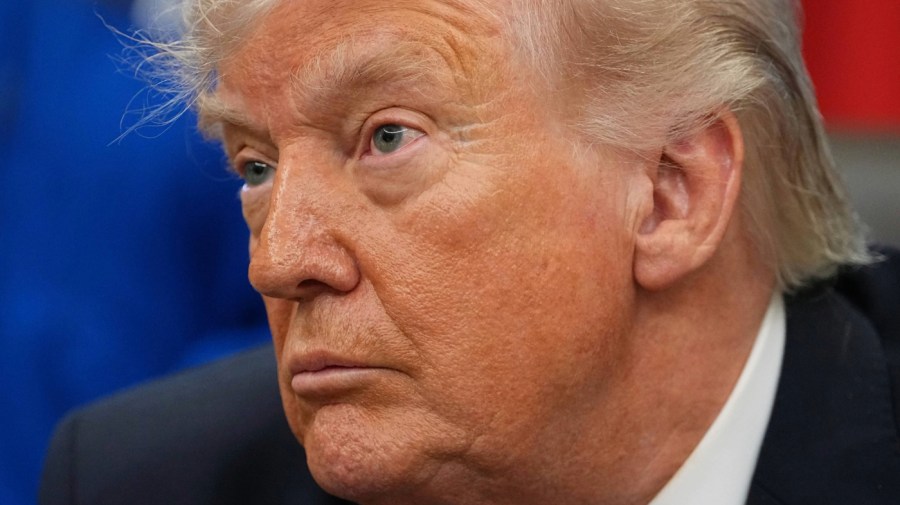
Recent developments in American politics underscore a defining moment where power struggles and ideological battles continue to shape the nation’s future. While Donald Trump remains a formidable figure in the political arena, evidence suggests that the majority of Americans have grown increasingly opposed to his policies. This shift in public sentiment signals a crucial turning point, one that will influence the ongoing contest between traditional conservatism and progressive reform. The political landscape is effectively a chessboard where each move reverberates through the fabric of American society, influencing policy outcomes and the lives of citizens.
At the center of this turbulent scene are Trump’s policies, which many perceive as divisive and out of step with evolving societal values. His approach to immigration, economic management, and national identity has sparked fierce debates, setting the stage for a broader power struggle. Political theorists like Carl Schmitt have long articulated how such conflicts are inherent to democratic systems, as decision-making is often driven by sovereignty—the ultimate authority to decide. In this context, the rejection of Trump’s policies by a significant demographic underscores a shift towards a preference for policies perceived as more inclusive or aligned with contemporary values. Yet, this does not necessarily signal an outright rejection of all conservative ideals but rather an evolution within the ideological spectrum, with younger voters, in particular, advocating for reforms that challenge the traditional power structures.
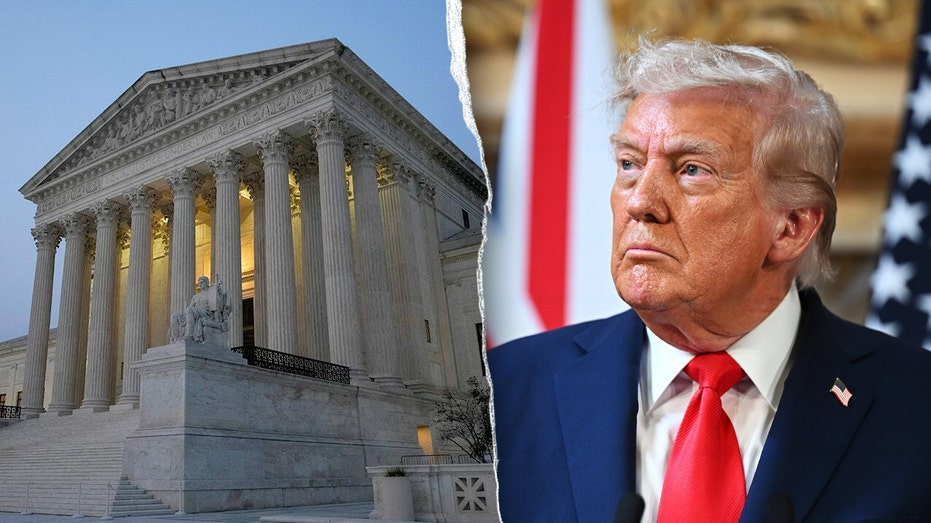
The contemporary political contest is further complicated by the push for constitutional reforms and judicial decisions that shape the limits of presidential authority and legislative scope. Legislative bodies and courts wield their power to check or expand executive influence, often resulting in intense power struggles where outcomes directly impact the day-to-day lives of Americans. For example, recent court rulings have challenged executive orders or legislative agendas, illustrating how constitutional law remains a battleground for competing visions of governance. Political analysts often draw parallels to historic moments such as the New Deal era, where judicial activism and presidential authority clashed, ultimately transforming the role of government in American life. Today, such conflicts underscore the importance of constitutional adherence and the unpredictable nature of political power—transforming the abstract struggle for control into tangible reforms that shape the nation’s destiny.
Ultimately, the political stage is a battleground for **how decisions made today** will echo through generations. The shifting allegiances and ideological battles reveal that the future of American governance hinges on the strategic positioning of power and policies. As the nation continues to grapple with divisive issues, it becomes clear that politics is not merely about immediate gains but about the long arc of history. Leaders and citizens alike are engaged in a tense struggle to write the chapters of tomorrow, understanding that in this arena, power is the pen—guiding the narrative of a nation standing at the crossroads of tradition and transformation. The question remains: who will ink the pages of America’s future—the champions of progress or the custodians of enduring principles? In the end, it is where the true fight for destiny unfolds, each decision a stroke on the vast canvas of history.