Matox News

Truth Over Trends, always!

US government stalls as Senate blocks bipartisan bills—shutdown looms in 2025

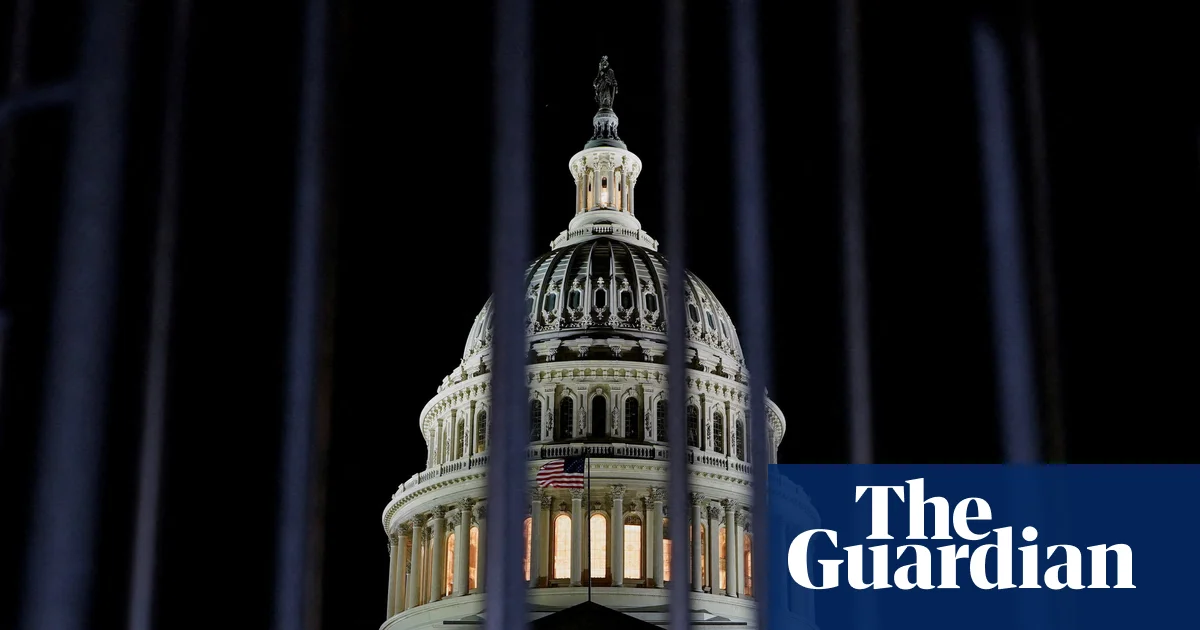
The ongoing deadlock in Washington underscores the escalating crisis within America’s political arena, with the nation witnessing its first government shutdown since 2018. The failure to pass a bipartisan budget has thrust the United States into uncharted territory, revealing the profound schisms that threaten not only domestic stability but also the country’s standing on the global stage. The refusal of Senate Republicans to accept a Democratic-led funding bill, coupled with persistent opposition from the GOP-controlled House of Representatives, exposes a political impasse that analysts warn could have lasting geopolitical repercussions. In this volatile climate, the decision to halt government functions risks ripple effects beyond American borders, influencing international perceptions of U.S. stability and leadership.

At the core of this standoff lies a broader battle over domestic policy priorities—from healthcare to fiscal responsibility—meticulously dissected by thinkers such as history professor John Williams, who argue that these legislative struggles are emblematic of a deeper decline in bipartisan consensus. The Democratic Party insists on extending Affordable Care Act subsidies and reversing recent Medicaid cuts, projecting an image of defending the middle and vulnerable classes. Conversely, Republicans portray their opposition as safeguarding national interests from a supposed leftist overreach. Analysts warn that such inflexibility reinforces a cycle of American political dysfunction, which could embolden foreign adversaries and weaken U.S. influence. While some voices, like Senate Majority Leader John Thune, call for negotiation, the reality remains stark: the nation stands at a critical juncture where internal discord could erode the broader geopolitical order.

International observers, including officials from NATO and the United Nations, scrutinize America’s internal strife, recognizing that political stability in the world’s superpower directly impacts global security. The US may be distracted by its internal conflicts, but its adversaries, such as China and Russia, are watching closely, sensing opportunities to exploit perceived American weakness. The specter of a protracted shutdown threatens to undermine the global economic recovery, given the likelihood of delayed decisions on trade and security matters. “This chaos demonstrates how fragile American governance has become,” warns international political analyst Maria Chen. As millions of federal workers face layoffs, the international community is left to contemplate: how long can a nation grounded in democratic ideals sustain its capacity for leadership in such turbulent waters?

The weight of history looms large, as past shutdowns serve as cautionary tales illustrating the dangers of partisan brinkmanship. Figures like Ted Cruz dismiss the current crisis as a “temper tantrum” destined for capitulation, but experts warn that each iteration entrenches a cycle of political calamity. The unfolding drama’s ultimate toll—furloughed workers, strained social services, and damaged credibility—poses consequences that will outlive current administrations. As scholars monitor this unfolding saga, the narrative remains clear: the decisions made today are carving the geopolitical map of tomorrow. The world watches with bated breath, with the future of America and its role on the world stage hanging in the balance, as the pages of history continue to turn, rewriting the story of a nation struggling to find unity amidst division.

Here’s a rewritten headline in a moderate right-wing, youth-oriented lifestyle news tone: “What’s Behind the Possible US Government Shutdown? Here’s What You Need to Know—and When It Could Happen”

Unveiling the Turmoil: The Potential US Government Shutdown and Its Impact on Personal Well-being

In a nation often heralded as the pinnacle of economic and political power, the looming threat of a US government shutdown demands more than just political analysis—it calls for a reflection on how such upheavals influence everyday life, personal well-being, and our collective resilience. As Congress grapples with partisan disagreements over budget provisions, the possibility of a shutdown signals a stark reminder of how intertwined political stability is with individual health, leisure, and the pursuit of a lifestyle aligned with values of autonomy and fiscal responsibility. Historically, shutdowns are not anomalies but recurring patterns—yet their recurrence continues to challenge the American psyche, especially among the youth who aspire to carve out vibrant, independent lives amidst shifting political tides.

The core issue fueling the current crisis revolves around heated debates over healthcare and social safety nets, with Democrats pushing to extend tax credits and Medicaid provisions, and Republicans advocating for expenditure cuts aimed at reducing the size of government. This dissonance underscores a broader cultural shift towards personal responsibility and limited government interference. For young Americans seeking freedom in their careers or personal pursuits, prolonged shutdowns threaten to introduce uncertainty into daily routines—delaying travel, freezing certain government services, and creating financial insecurities. The potential halt of non-essential services juxtaposed with the continued operation of law enforcement and border protection paints a nuanced picture: some facets of national life remain steady, yet the ripple effects of a shutdown ripple into social and economic domains, affecting everything from travel plans to mental health.

What makes this period even more compelling is how the White House’s stance diverges from past shutdowns, with officials seemingly comfortable with extended government pauses that echo the Trump administration’s aggressive spending cuts. Such an approach raises the question: are we witnessing a strategic use of government shutdowns as a mechanism for accelerating reform? For the young generation yearning for income stability and meaningful engagement with their communities, the prospect of a shutdown signifies a test of resilience. Will they adapt to an environment where government functions such as social security and Medicare continue, but with potential delays—and perhaps a partisan atmosphere that fosters uncertainty rather than unity? Understanding these shifts is vital for those hungry for a lifestyle rooted in self-reliance and proactive engagement.

In essence, the American experience with shutdowns encapsulates a broader narrative—a push-pull between individual liberty and collective governance. As history shows, these episodes, though often brief, leave lasting impressions on national productivity and individual morale. For the aspiring young adult, the key takeaway is clear: embracing a lifestyle of preparedness, financial literacy, and personal health during turbulent political times can turn potential chaos into an opportunity for empowerment. With each shutdown, there is a chance to reevaluate personal goals, prioritize wellness, and anchor oneself in values of independent thought and resilience. The journey through such periods may be fraught with uncertainty, but it also offers a canvas to build a life that reflects unwavering commitment to oneself—integrating wellness, ambition, and the unwavering pursuit of liberty as fundamental rights worth defending and nurturing every day.

“Power to the People: Why Limited Government Matters for Millennials”

For millennials navigating a rapidly evolving world, the principle of limited government remains a crucial safeguard against erosion of personal freedoms and economic vitality. While debates about the role of government persist, evidence suggests that excessive regulation and intrusive state intervention can hinder innovation, stifle entrepreneurship, and undermine individual responsibility—values that resonate deeply within the younger generations seeking a more dynamic, self-reliant future. Critics of expansive government powers often evoke the insights of Friedrich Hayek, who warned that a concentration of authority risks creating a dependency cycle detrimental to personal empowerment and economic freedom.

Supporters of limited government argue that free markets catalyze the most efficient allocation of resources, fostering a climate where millennials can thrive as creators, disruptors, and entrepreneurs.

  • The reduction of bureaucratic red tape
  • The emphasis on individual liberties over collective mandates
  • The decentralization of political authority to empower local communities

are seen as vital steps in cultivating an environment where youthful ambition can flourish. Historical analysis from economists like Milton Friedman underscores that less government intervention often correlates with greater economic growth, a critical consideration for a generation battling student debt, housing crises, and unemployment. As such, a leaner government structure aligns with millennial aspirations for personal sovereignty and economic opportunity.

Beyond economics, limited government also plays a pivotal role in safeguarding individual rights. When the state overreaches, it risks infringing on privacy, free speech, and personal autonomy—cornerstones of a free society. Many young adults witness firsthand the consequences when governments extend their reach into everyday life, from escalating surveillance to overregulation of digital spaces. Prominent voices like Senator Rand Paul emphasize that a government that governs least empowers citizens to make their own choices, preserving the moral and civil liberties essential for a flourishing democracy. For millennials, this is not merely a preference but a moral imperative: the preservation of their future freedom hinges on a political ethos that respects private sector innovation over state control.

As society stands at a crossroads, the call for power to the people echoes louder than ever. The burden of shaping tomorrow insists that authority remains rooted in the individual and local communities, rather than distant bureaucracies. Analysts suggest that a shift toward limited government not only preserves liberties but reinvigorates civic engagement and accountability, fostering a resilient social fabric. The debate fuels a rising movement that refuses to accept mediocrity enforced by monolithic institutions, advocating instead for a reinvigoration of the entrepreneurial spirit and personal agency. The future of millennials—our stewards of this world—may hinge on whether they can uphold the age-old truth that true power resides within each person, waiting quietly for the moment to ignite a revolution of freedom and self-determination. When the dawn of this future arrives, it will carry with it the silent promise that history’s greatest civilizations were never built on the weight of unlimited government but on the unwavering strength of the people’s resolve—those who, with unwavering faith, believe that in the delicate balance of power, liberty must always be their guiding star.

Social Media Auto Publish Powered By : XYZScripts.com