Matox News

Truth Over Trends, always!

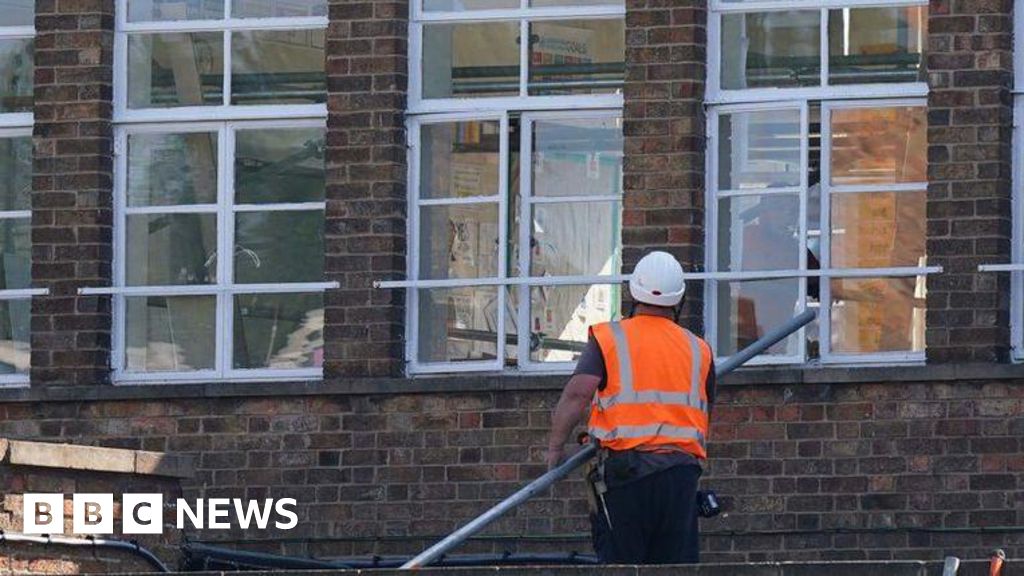
Government vows to remove RAAC from schools by 2029 to safeguard future generations

Rising School Safety Crisis Sparks National Debate on Social Responsibility

Across England, a pressing social issue threatens the foundations of our educational system and, consequently, the future of our families and communities. The alarming presence of reinforced autoclaved aerated concrete (Raac) within school buildings has resulted in the closure of 70 schools in Essex alone, forcing students into temporary classrooms and disrupting the continuity of education. These structural concerns, rooted in post-World War II economic choices, expose deeper issues of longstanding neglect and underinvestment. As social commentators warn, this is a stark reminder of how public resources meant for maintenance have been chronically underfunded, leaving vital infrastructure vulnerable and our children unsafe.

The government has pledged to eliminate Raac from all affected institutions by 2029, a timeframe viewed by critics as overly ambitious and morally troubling. Education Minister Josh McAllister announced that every school containing Raac would either be completely rebuilt or undergo extensive remediation. However, experts like Prof. Chris Goodier from Loughborough University underline that each building must be individually inspected to guarantee safety, emphasizing how years of deferred maintenance have compounded the crisis. This systemic neglect highlights a broader societal failure: neglecting the safety and well-being of future generations in favor of short-term fiscal prudence, which ultimately costs lives and hampers community cohesion.

The social repercussions of this crisis extend beyond structural safety. Families are being torn apart as parents grapple with the reality of their children learning in makeshift classrooms or being kept at home amid safety concerns. The instability jeopardizes not only academic progress but also the emotional and moral fabric of communities. Local authorities are under immense pressure to accelerate repairs, with figures such as Mark Francois claiming that most schools could have foundations stabilized “if enough resources were committed.” Yet, the underlying challenge remains: how to reconcile the urgent need for restoring educational infrastructure with the societal tendency to underfund essential services, thus perpetuating cycles of neglect that weaken societal resilience.

While the Conservative government vows to eradicate Raac within this decade, critics like the Liberal Democrats argue that delay constitutes a form of social betrayal. They call for emergency action and increased public investment to swiftly remove these hazardous materials. Meanwhile, organizations such as the Association of School and College Leaders urge a long-term strategy—one that goes beyond quick fixes and addresses the root causes of underfunding. As the debate unfolds, the overarching moral question endures: do we prioritize our children’s safety today or continue to gamble with their futures in the name of fiscal austerity?

The challenge of remaking a society that neglects its most vulnerable is immense, yet not insurmountable. With societal recognition that public safety and investment in infrastructure are moral imperatives, there lies hope for a renewed collective resolve. As society stands at this crossroads, it is vital to reflect on the power of community action and political will—reminding us that safeguarding our children’s schools is not merely about bricks and mortar, but about building a society where safety and dignity are universal. Perhaps, in the silent classrooms waiting for renewal, there exists a quiet promise: that society’s true strength is measured not by its wealth, but by its willingness to nurture and protect its future—including its youngest, most vulnerable members, and the families that depend on them.

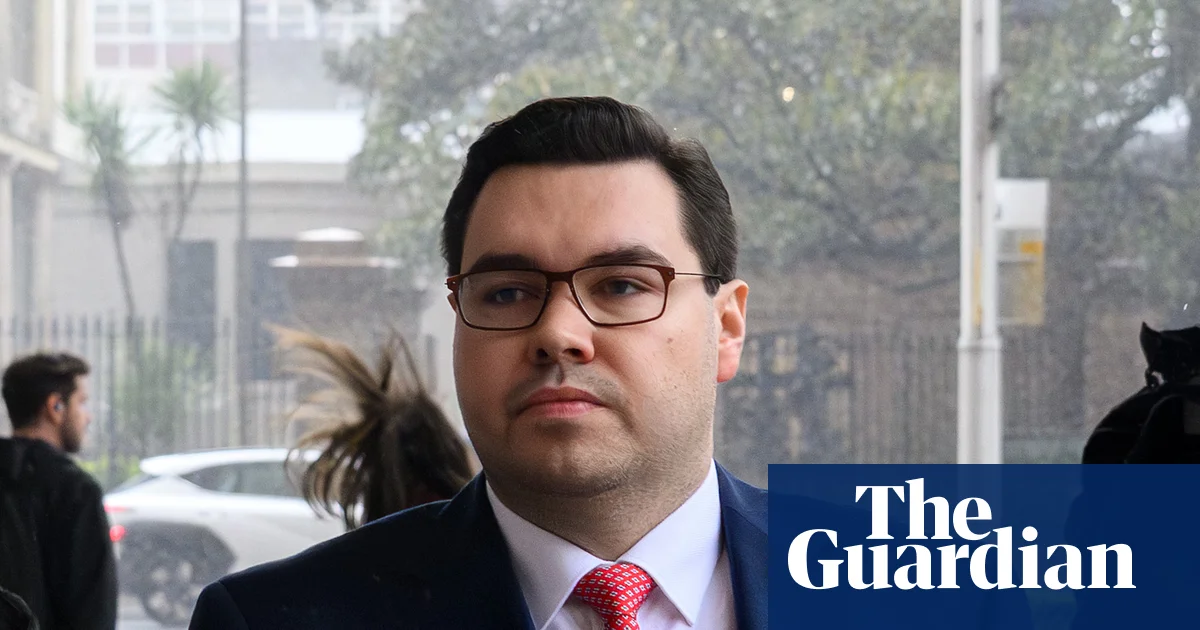
Bruce Lehrmann claims government should pay legal costs for anti-corruption raid over 'James Bond-style' claims in NSW
Bruce Lehrmann claims government should pay legal costs for anti-corruption raid over ‘James Bond-style’ claims in NSW

The Echoes of Domestic Turmoil and Their Global Geopolitical Impact

In a narrative increasingly becoming common in Western democracies, the domestic legal battles of disgraced political figures are now spilling beyond national borders, shedding light on how internal governance issues ripple out with far-reaching consequences. The recent case of Bruce Lehrmann, a sacked political staffer embroiled in scandal in Australia, exemplifies this trend. His legal disputes—centered on accusations of misappropriating sensitive documents related to French submarine deals—are more than a matter of local justice; they are a reflection of the unstable political terrain that the Indo-Pacific region now navigates.

Amid ongoing investigations, Lehrmann’s unresolved dispute over government funding for legal representation highlights how fragile political institutions have become. Justice Brigitte Markovic’s decision to order mediation by December 1st emphasizes a strategic attempt to avoid prolonged legal conflicts that could undermine public confidence in government processes. Yet, the underlying issues—such as Lehrmann’s claims of being denied funding despite assurances—highlight a broader crisis of transparency and accountability, both domestically and in the context of international perceptions of Australia. Analysts warn that such internal fissures risk eroding the trust in democratic institutions and complicate Australia’s diplomatic posture, especially in a strategic environment dominated by the United States, China, and Russia.

Adding an international dimension, Lehrmann’s legal saga is intertwined with other sensitive issues like his accusations involving his colleague, Brittany Higgins. The case touches on deeper concerns about political accountability and the handling of power within Parliament. While Lehrmann has dismissed allegations of rape—which are yet to be conclusively tested in a criminal court—the 2024 ruling by Justice Michael Lee finding the claims probable on the balance of probabilities escalates into a broader debate about justice, credibility, and the rule of law in Australia. His appeal against a defamation loss signals how these domestic issues could influence regional perceptions of legal integrity and policy stability.

From an international perspective, the distraction of internal scandals serves as a cautionary tale for European and Asian policymakers alike, emphasizing how domestic discontent can be exploited by external actors to weaken alliances. It raises questions about the geopolitical ramifications—particularly as China and Russia continue to scrutinize Western democracies’ internal divisions. Institutions like the European Union and ASEAN are watching closely, cognizant that internal instability can undermine collective security and influence regional rivalries.

Indeed, the Lehrmann case is a microcosm of a larger, tempestuous global landscape where internal power struggles and legal disputes may seem isolated but are in fact part of a wider narrative. These unfolding domestic dramas expose the vulnerabilities within democratic systems, which external powers are eager to observe and analyze. As historians and security analysts warn, the way nations handle these internal conflicts will determine their geopolitical fate in an era marked by strategic rivalry and shifting alliances. With history’s pen whirling, the story of Lehrmann and similar figures remains an enduring testament to the fragile fabric of modern democracies—threads that, if broken, could unravel the very global order upon which the future depends.

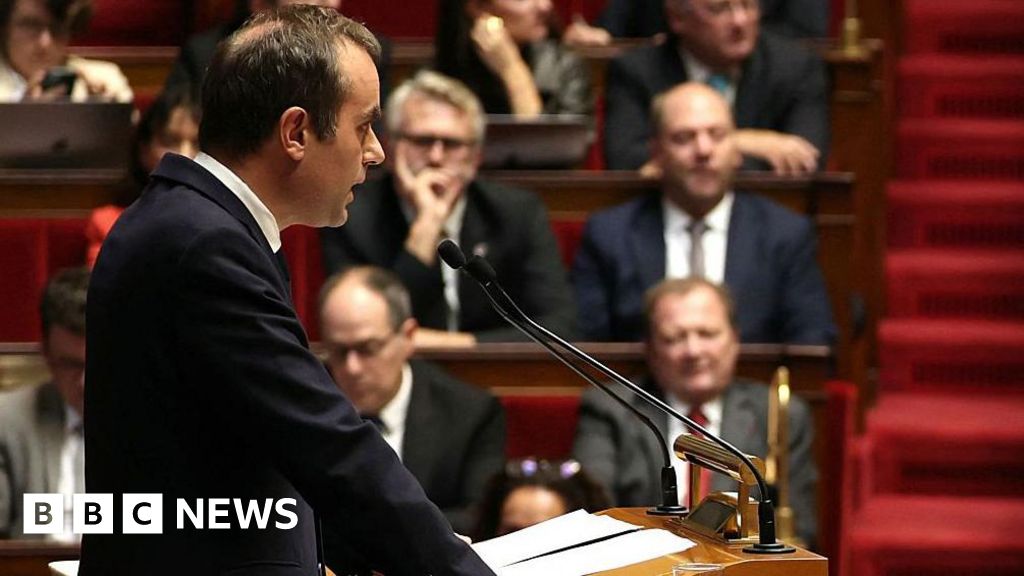
French PM Supports Suspending Macron's Pension Reform to Save Government
French PM Supports Suspending Macron’s Pension Reform to Save Government

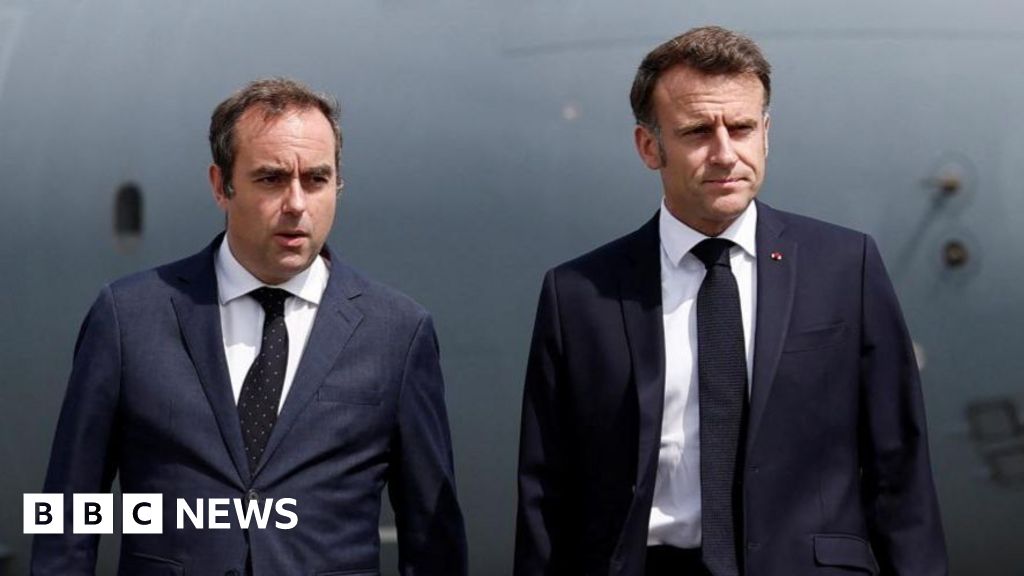
In a dramatic turn of events, France finds itself at a crossroads as Prime Minister Sébastien Lecornu signals a potential halt to the contentious 2023 pension reforms. These reforms, which sought to increase the retirement age from 62 to 64, were heralded as a cornerstone of President Emmanuel Macron’s second term, symbolizing his push for economic modernization amid staunch opposition. However, recent political instability threatens to unravel Macron’s agenda, raising questions about the future trajectory of French domestic policy and its ripple effects across Europe and beyond.

The move to suspend the reforms, announced by Lecornu amidst looming votes of no-confidence, underscores the fragile consensus within France’s political landscape. With the government’s survival hanging in the balance, opposition parties—particularly the far-left and far-right—are pressing for parliamentary elections, demanding a fundamental reset to the nation’s leadership. The Socialists, signaling a willingness to cooperate, insist that any support hinges on a *full and immediate suspension* of the pension changes—a stance that puts Macron’s reforms in direct jeopardy. As analysts highlight, this standoff is more than mere policy disagreement; it reflects a broader crisis of legitimacy and public trust, with some framing it as a symbolic ‘wound on democracy.’

This domestic turmoil occurs amidst the broader context of Europe’s economic challenges. France’s looming €3.4 trillion debt—representing roughly 114% of its GDP—positions it dangerously close to the edge of fiscal stability, with debts rivaling those of Greece and Italy. The austerity measures necessary to fund such debt are politically sensitive, especially when paired with social discontent. According to prominent European financial analysts, the potential suspension of pension reforms and the ensuing economic concessions could further strain the nation’s budget, with Lecornu estimating a €400 million deficit cost in 2026 and a staggering €1.8 billion loss in 2027. These figures underscore the delicate balancing act faced by the government and highlight the geopolitical impact of fiscal policy decisions—decisions that will define France’s stability in a multipolar world.

Beyond France’s borders, the repercussions of this political upheaval reverberate across Europe and the transatlantic alliance. European institutions, watching a key member state teeter, are concerned about the erosion of policy continuity and stability. The scenario echoes historic moments of crisis during Europe’s debt struggles, where internal political fragility threatened the cohesion of the eurozone. Meanwhile, international organizations such as the IMF and the European Central Bank have issued warnings that prolonged instability in France could hinder economic recovery and strategic cooperation. As vaunted historians and geopolitical strategists reflect, these events are a vivid illustration of how fragile the fabric of democracy can be—even in nations that see themselves as pillars of stability. With France’s future hanging in the balance, the unfolding crisis is no less than a testament to the fierce contest between tradition and reform, sovereignty and supranational influence.

Ultimately, the coming days may well be remembered as a pivotal chapter in the history of Europe, a moment when the continent’s enduring power was challenged by internal discord and external pressures. Will France emerge from this crisis with renewed resolve or succumb to the weight of its accumulated fears? As the nation grapples with its destiny, it leaves the world watching, uncertain if this is the dawn of a new era or the death knell of a proud republic in flux—an unfolding drama etched into the annals of history.

Trump vows military pay despite government shutdown—stand strong for America's defenders
Trump vows military pay despite government shutdown—stand strong for America’s defenders

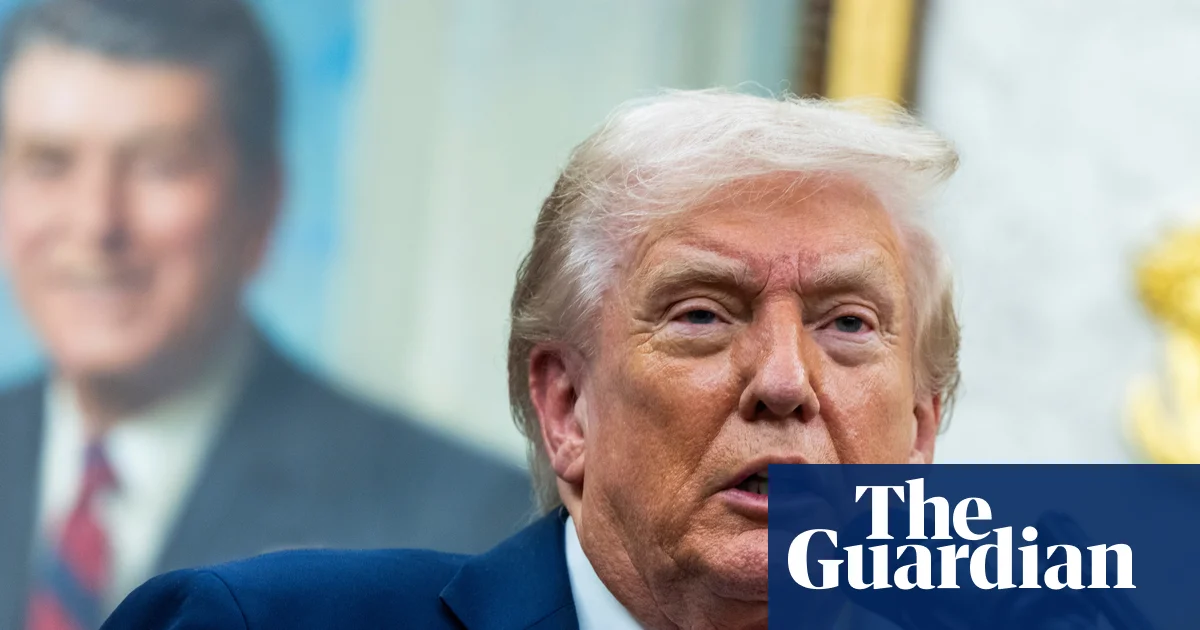
The recent federal government shutdown in the United States marks a pivotal moment in American politics, revealing the underlying fissures between the executive branch and Congress. President Donald Trump claimed on Saturday that he had devised a plan to pay US military personnel despite the shutdown, instructing his defense secretary, Pete Hegseth, to release funds and ensure active-duty troops receive their paychecks. This move underscores how leadership attempts to navigate a fractured legislative landscape, seeking to leverage executive authority to mitigate immediate fallout but risking broader constitutional and geopolitical consequences. As the shutdown extends into its second week, the impact on national security and international reputation becomes increasingly profound, revealing how internal discord can influence a nation’s global standing.

Established by partisan impasse, the shutdown has already begun to exert tangible effects, furloughing over 750,000 federal employees and delaying paychecks for more than 1.3 million military personnel. Historically, such shutdowns have exposed vulnerabilities in the U.S. federal system, with expert analysts highlighting the danger of prolonged stalemates on the country’s ability to project power and maintain stability. During the 2018-2019 impasse, broad legal protections ensured that federal workers received back pay once operations resumed; however, the current crisis flags a broader erosion of political comity. The Senate, still deadlocked over legislation to reopen government services, has seen Democrats, led by Chuck Schumer, confidently oppose efforts by the White House to bypass congressional approval—highlighting ideological divides that threaten to deepen and embolden partisan disputes.

The geopolitical impact of internal U.S. conflicts cannot be underestimated. While the world watches a superpower embroiled in internal strife, other nations are recalibrating their strategies, aware that American credibility hinges on the stability of its institutions. US foreign policy and military commitments risk disruption if ongoing discord hampers decision-making or operational capacity. Critics warn that such crises weaken America’s global deterrence and embolden adversaries, reminding allied nations of vulnerabilities inherent in its political system. International organizations and strategic analysts warn that continued instability could shift the balance of geopolitical power, emboldening rival powers like China and Russia to test U.S. resolve in key regions across Asia, the Middle East, and Eastern Europe. The tumult in Washington thus echoes far beyond borders, illustrating how internal political dynamics directly shape external security realities.

History’s lens makes clear that moments of internal crisis often serve as turning points with lasting consequences. Though President Trump’s administration seeks to utilize executive authority to assert control, experts warn of the dangers of such unilateral measures in a fragile democratic fabric. Scholars and international observers caution that persistent dysfunction threatens long-term stability and exposes vulnerabilities that adversaries may exploit. As the nation teeters on the brink of a precipice, the decisions taken today will echo through history, revealing whether the United States can withstand internal discord or falter, revealing cracks in its global dominance. In this unfolding narrative, the weight of history hangs heavy, foreshadowing a future shaped as much by internal betrayal as by external challenges—an uncertain chapter for a superpower still grappling to define its destiny amidst the chaos of its own making.

White House plans layoffs as federal shutdown drags into third week—America’s government at risk

U.S. Government Shutdown: A Crisis with Far-Reaching Geopolitical Ramifications

The recent announcement by the White House of federal layoffs exemplifies a pivotal moment in America’s internal crisis. As the government persists through a third week of shutdown, the decision to initiate a reduction-in-force (\RIF) process signals not only domestic instability but also a potential shift in international influence and security stability. While officials remain opaque about affected departments, the impact resonates across essential sectors such as cybersecurity, food safety, and public safety — critical pillars that hold the foundation of both economic strength and geopolitical standing.

Analysts herald this situation as more than just a partisan squabble; it underscores a deeper erosion of trust and stability in the U.S. political system. Historically, such gridlock hampers America’s ability to project power and maintain its alliances. The union leaders’ condemnation, claiming these layoffs are “illegal” and “devastating,” encapsulates a wider ripple effect that transcends national borders. Uncertainty regarding the federal workforce’s future directly threatens America’s capacity for rapid response and diplomatic leverage, especially at a time when global rivals like China and Russia continue their strategic pursuits, often exploiting American domestic vulnerabilities.

Domestic Political Standoff: How Decisions within Washington Shape the Future

The core of the crisis stems from a deadlock between Republican and Democratic leaders over funding. The GOP’s insistence on a narrow funding proposal, coupled with Democratic demands for social policy safeguards, exemplifies the legislative impasse. This standoff doesn’t merely threaten the livelihoods of federal workers; it jeopardizes the U.S.’s ability to uphold international commitments and operational readiness. The refusal to reconcile these differences jeopardizes the paycheck of 700,000 federal employees and continues to erode public confidence in government institutions. Historically, protracted shutdowns have spurred unpredictable geopolitical consequences, as internal weakness invites external adversaries to test American resolve and commitment.

With the Senate functioning as a choke point—requiring at least 60 votes to pass legislation—the situation intensifies. The Democratic opposition’s demands for extending health subsidies and safeguarding public media echo broader societal divisions. Experts like Max Stier warn that such internal disarray hampers essential services, from air traffic control to veteran care, strengthening the narrative that America’s internal vulnerabilities are exposing weaknesses to the world. Strategists globally perceive that ongoing chaos at home could significantly diminish America’s leadership during critical moments, hampering future diplomacy and military coordination.

The Unfolding Narrative of Discontent and Power

As the crisis deepens, the public and military faces an uncertain future; many service members and federal workers are on the brink of missing multiple paychecks. This internal strife carries a stark warning: how political decisions ripple outward, threatening societal stability and international standing. The government, historically a symbol of strength and resilience, now appears fractured, as legal battles erupt over the legality of firings and layoffs. According to recent reports by organizations like the Center for American Progress, the timing and extent of these layoffs are constrained by complex legalities, yet the administration’s threats persist, casting a long shadow over the nation’s internal cohesion.

The precise weight of this internal crisis extends far beyond the borders of the United States. With traditional allies watching cautiously and rivals such as China and Russia eager to exploit perceived weaknesses, the global geopolitical chessboard shifts ominously. The parallels with past moments of American internal discord serve as a stark reminder: history often records the passage of internal chaos as a prelude to broader international recalibration. As the final pages of this chapter remain unwritten, the world braces for the next move—aware that the true impact of Washington’s turmoil may well define the global order for generations to come.

Air Safety Workers Feel the Heat as Shutdown Drags On

Cracks in the Sky: FAA Staffing Shortfalls and System Disruptions Signal Urgent Need for Technological Disruption

The recent turmoil within the United States’ aviation infrastructure has underscored a stark reality: our current air traffic management systems are ill-equipped to handle modern challenges. From the catastrophic January commercial airline incident, which marked the worst in decades, to widespread staffing shortfalls and technological glitches at key airports, industry analysts are sounding alarms. As agencies face cumulative cuts and operational setbacks, the imperative for disruptive innovation becomes undeniable. Leaders like Elon Musk and MIT researchers have long championed the transition from legacy systems to AI-driven automation, recognizing that technological stagnation risks jeopardizing safety and business efficiency.

The crisis extends beyond mere staffing issues; it exposes systemic vulnerabilities that threaten the future of aviation safety.

  • Short-term furloughs impacting 11,300 employees contribute to delays in system repairs and response times.
  • Recent technology failures at major hubs like Newark Airport highlight outdated infrastructure unable to cope with escalating demands.
  • Government shutdowns add political gridlock to operational chaos, creating a perfect storm for disruption.

Experts warn that without rapid adoption of next-gen solutions, the industry could face catastrophic failures reminiscent of early aviation tragedies but on a digital scale—a clear call for innovation-driven disruption. The business implications are profound: reduced efficiency, mounting costs, and increased safety risks could erode public trust, providing fertile ground for insurgent startups and tech giants aiming to redefine airspace management.

Forward-thinking companies, especially those pioneering artificial intelligence, automation, and decentralized control systems, stand at the forefront of this transformation. Industry analysts such as Gartner emphasize the potential of integrating AI and machine learning into ATC systems, promising safer and more efficient operations. Disruptors like Lilium and Volocopter push urban air mobility solutions that could redefine short-haul travel. Meanwhile, mainstream tech giants with aviation ambitions—think Google’s Wing and Tesla’s advances in battery tech—are positioning themselves as critical players in this new era. The opportunity to overhaul a decades-old infrastructure presents a window for entrepreneurs and investors to accelerate rapid development, but the clock is ticking. Without urgent intervention, the risk of falling further behind international competitors—and even risking safety—grows exponentially.

In conclusion, the ongoing difficulties within the U.S. air traffic control ecosystem serve as a resounding wake-up call. The convergence of technological obsolescence, resource scarcity, and political inertia demands a bold strategy rooted in innovation and disruption. Industry leaders, policymakers, and tech innovators must recognize that the future of safe, reliable air travel hinges on revolutionary change—before the skies become too congested or unsafe to manage conventionally. As Peter Thiel once warned, “The capture of key industries by bureaucracies breeds stagnation.” It is now imperative that industry actors seize this moment to forge a new frontier in aviation technology—one that guarantees safety, efficiency, and industry leadership in the decades to come. The urgency is clear: the sky is not the limit; it is the battleground for the next wave of technological supremacy.

IRS to Lay Off Half Its Staff Amid Government Shutdown—A Wake-Up Call for Fiscal Responsibility

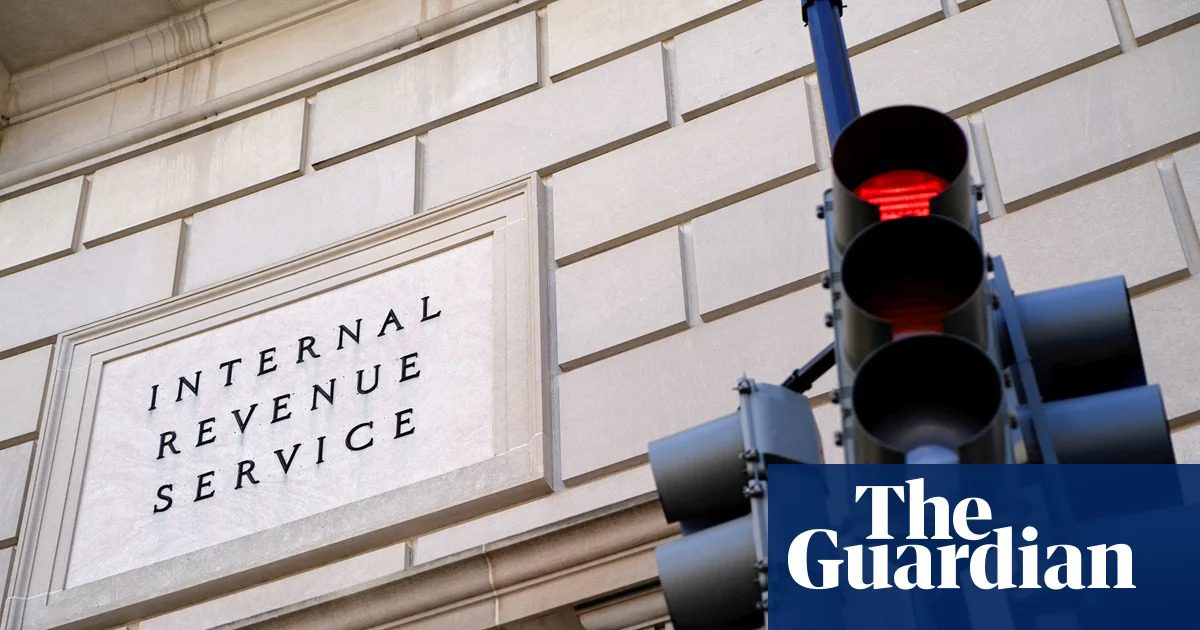
The United States continues to grapple with a prolonged government shutdown, an event that once again exposes the fragility of its bureaucratic machinery and signals potentially more profound repercussions on the global stage. As the Internal Revenue Service (IRS) announces it will furlough nearly 34,000 employees — approximately 53.6% of its workforce — the ripple effects are felt not only within domestic borders but across international economic networks. With vital tax enforcement and financial oversight hamstrung, analysts warn that global financial markets and diplomatic relations could become increasingly volatile.

The decision by the IRS comes amidst a broader political standoff in Washington over budget allocations, which has forced the federal government into a shutdown scenario. This internal crisis intensifies questions about the stability of American governance at a time when the nation’s geopolitical influence appears to be waning. The furlough, effective from October 8, leaves only about 39,870 employees working, as the agency warns of potentially increased delays in tax processing, enforcement, and taxpayer assistance. For an economy that claims to be the world’s financial nucleus, such disruptions underscore how internal political discord can weaken global standing.

International institutions and foreign governments are closely monitoring the fallout. The International Monetary Fund and World Bank have issued cautious statements, emphasizing that the United States’ political gridlock fosters **uncertainty** that could hinder emerging markets and global trade agreements. With the U.S. fiscal posture appearing increasingly unstable, countries dependent on dollar reserves and international commerce face mounting risks. Meanwhile, critics within global geopolitics warn that ongoing internal chaos may embolden adversaries, fueling narratives that America’s capacity to lead on the world stage is compromised.

  • A day after the furlough announcement, a White House memo suggested that furloughed federal employees, including those in the IRS, might not receive back pay, contradicting the protections established by the *Government Employee Fair Treatment Act of 2019*. Such conflicting signals intensify fears of escalating internal discord, which could serve as a strategic advantage for geopolitical rivals like China and Russia.
  • Historians point out that previous shutdowns have historically exposed the vulnerabilities in the American political system, but this instance’s broader economic implications are far more significant in an interconnected era where national security, trade, and diplomacy are inseparable.

As the crisis deepens, the global community watches intently. The echoes of internal strife in America serve as a sober reminder that the decisions made within the corridors of power resonate far beyond national borders. With each day that the government remains paralyzed, the world witnesses a chapter of internal disarray threatening to reshape the geopolitical landscape itself — a narrative still being written in the shadow of a nation that once stood as an unmatched superpower. History’s judgment, waiting patiently at the crossroads, will weigh heavily on those who choose to ignore the signs of an empire in peril, as the unfolding story bears the weight of the future.

French Prime Minister Lecornu steps down after brief tenure, signaling shifts in government leadership

France finds itself once again in the throes of political chaos, as ongoing instability threatens not only its internal governance but also its geopolitical stability within the European Union. The recent resignation of Prime Minister Sébastien Lecornu, after a mere 26 days in office, underscores the fractured state of French politics. His departure marks the third prime minister to fall since December 2022, highlighting a pattern of elite infighting that has destabilized the nation at a time when the global balance of power demands clarity and decisive leadership. The turmoil intensifies as Macron’s government faces mounting pressure from an increasingly polarized parliament, which has failed to produce a workable consensus on economic reforms or national security policy.

  • France’s political leadership has been rocked by a series of short-lived governments, including Michel Barnier’s tenure, which collapsed within three months after a no-confidence vote. The root cause can be traced to the unprecedentedly divided parliament, born out of Macron’s call for snap elections after a humiliating European Parliament defeat. Instead of producing a stable majority, these elections resulted in a hung parliament, with ideological wedges deeply entrenched. The resulting political deadlock threatens to hamper efforts to address France’s pressing economic challenges, including a staggering national debt that now exceeds €50,000 per citizen, and a deficit of 5.8% of GDP in 2024. These figures position France dangerously close to the fiscal precipice, making political stability an urgent matter for the European bloc as well.

Analysts like John Roberts, a senior European affairs commentator, argue that France’s political instability not only hampers its domestic policy but also has profound geopolitical implications. An unstable France can embolden adversaries such as Russia and China, who are actively seeking to exploit divisions within NATO and the EU. Historically, French leadership has played a crucial role in shaping European policy, especially on security and economic integration; yet, with the current carousel of governments, how long can France maintain its position as a pillar of stability in Europe? Past commentators warn that the ongoing chaos could lead to a further erosion of confidence among allies and partners.

At the heart of the crisis lies a fundamental question: How will Macron navigate this storm? With public sentiment fraying and calls for early elections echoing across political factions—particularly from the hard-right and left-wing opponents—Macron faces a stark choice. Some sources suggest he may dissolve the National Assembly, risking a fresh electoral wave that could reshape French politics for years. The potential victory of Marine Le Pen’s populist forces would dramatically shift the European landscape, challenging the mainstream consensus and reaffirming a nationalist, sovereignty-centered approach. Among global institutions, concerns are mounting over Macron’s capacity to stabilize the country while safeguarding European unity amidst these turbulent developments.

As history watches from the sidelines, the question remains whether France’s current turmoil is a transient phase or a harbinger of deeper systemic crisi. With every failed government, the stakes rise—every decision made in Paris echoes across the continent and beyond. The unfolding drama leaves international observers contemplating not just France’s future, but the broader trajectory of Western civilization, whose core values are now tested by internal discord. Even as Macron contemplates his next move, the relentless tide of history presses forward, inscribing yet another chapter of uncertainty into the fabric of a Europe that once stood as a bastion of stability. A single moment of decisive leadership, or the lack thereof, could determine which direction the continent will take—towards renewal or further decay—while the weight of history continues to hang heavy in the air.

Andrej Babiš Relaunches Government Talks with Czech Parties

Rallying for Power: Czech Republic’s Political Future in Flux

In a critical moment of European politics, Andrej Babiš, the billionaire populist and former prime minister, is maneuvering through the intricate parliamentary landscape of the Czech Republic. Following the recent elections, Babiš’s ANO party emerged as the largest bloc, capturing 34.5% of the vote—an impressive victory that nonetheless fell short of an outright majority in the 200-member parliament. This electoral outcome underscores the persistent divide within Czech society, where populist sentiments and traditional European values collide amid the ongoing reshuffling of the continent’s political order. With opposition parties ruling out coalition with ANO, Babiš’s task becomes a high-stakes game of diplomacy and political brinkmanship involving fringe right-wing groups such as SPD and the Motorists.

As President Petr Pavel holds meetings with party leaders, the broader geopolitical impact becomes increasingly evident. Pavel has signaled his intent to steer the nation in a “pro-western direction” and uphold the core democratic institutions that it shares with the European Union and NATO. Importantly, Pavel’s stance reflects a strategic counter to the populist rhetoric of Babiš, who has publicly vowed to oppose EU migration policies and green initiatives, advocating instead for a more nationalist, sovereignty-focused approach. This impending power struggle is pivotal not just for the Czech Republic but for the stability of the EU, especially considering the recent comments from European factions and the warnings from international analysts about how domestic politics can influence EU cohesion.

The international community remains vigilant as Babiš seeks to solidify his position. European far-right leaders like Orbán of Hungary and Marine Le Pen of France have rushed to praise Babiš, framing his success as a broader surge of patriotic parties across Europe. This wave of nationalism risks further fracturing the European project, especially if Babiš manages to form a government that echoes anti-EU sentiment—despite his repeated protests of being “pro-European” and “pro-Nato.” The analysts from the European Parliament and think tanks warn that such alliances could threaten the unity of the bloc, challenging its collective response to external threats and migration crises.

According to historians and geopolitical analysts, the future of Czech politics could significantly reshape regional alliances and influence EU strategy. The possible emergence of a minority government supported by fringe right-wing parties may destabilize Czech deliverables on European and Atlantic commitments. The risks extend beyond domestic politics; a shift towards more nationalist, Eurosceptic policies could embolden similar movements in neighboring states, fostering uncertainty in a critical corner of Europe. As the nation’s leaders scramble for power, the corridors of European influence are echoing with cautionary warnings. This internal clash, rooted in contrasting visions for national sovereignty versus European integration, signals a tense prelude to what could be a defining chapter for Czech society and its role within the broader international order.

This unfolding drama is more than a local political saga; it is a microcosm of the ongoing battle over the soul of Europe. The decisions made in Prague will reverberate across continents, testing the resilience of alliances and the resolve of democratic institutions. As history continues to unfold with the weight of consequence, the world watches—standing at the precipice of change, where the future is forged not just in elections but in the enduring struggles over identity, sovereignty, and the path of nations on the global stage.

Trump Admin Flags ‘Radical Left’ on Government Sites to Wake Up Youth

Political Blame Game Intensifies Amid Federal Government Shutdown

The recent federal government shutdown has become more than just a political event; it signals a potential shift in how public sector narratives are shaped through digital platforms. As Congress remains deadlocked on crucial funding legislation, Senate and House leaders have taken to digital banners on prominent federal websites—such as the US Department of Agriculture and the Department of the Treasury—explicitly blaming the opposition for the crisis. This unprecedented move illustrates a new arena of political disruption, where government communication becomes a direct battleground for public sentiment and accountability.

Leading into this political chaos, industry analysts observe that such digital activism can have profound implications beyond mere messaging. The visible blame game not only stokes partisan divides but also demonstrates a deeper evolution in government communication strategies—leveraging branding and narrative control similar to high-stakes corporate campaigns. Experts at MIT and analysts across the tech industry warn that this approach might set new standards for how government transparency and crisis management are handled, potentially leading to increased politicization of digital infrastructure.

While some federal sites, like the White House, highlight the ongoing shutdown through timers and status updates, others, such as the State Department and the Federal Communications Commission, adopt more neutral stances, simply noting that www updates have been paused. This patchwork of communication reveals a broader industry trend—digital messaging tactics are evolving amidst political upheaval, forcing both government agencies and private sector firms to reconsider how crises are presented online.

From an innovation standpoint, organizations are now experimenting with interactive banners, real-time updates, and even targeted messaging—a shift driven by a new wave of digital disruption.

  • Adoption of emergency communication APIs
  • Leveraging AI-powered chatbots for real-time engagement and clarification
  • Enhanced data analytics for understanding public sentiment and misinformation flow

The disruption signals a future where digital advocacy tools could become standard in crisis scenarios, transforming government agencies into realtime conversational platforms.

The business implications are significant, as cybersecurity firms and digital strategists scramble to develop resilient communication layers capable of withstanding political attacks. Disruption in this space raises urgent questions about data integrity, bias, and the potential weaponization of digital platforms—especially with the rise of AI-driven misinformation campaigns. Industry pioneers such as Palantir, IBM Watson, and emerging startups are racing to unify crisis communication systems that blend technological innovation with strategic agility. Such advancements are critical as governments and organizations face increasing demands for transparency, accountability, and rapid response capabilities in an era defined by information warfare.

As the shutdown persists and political factions continue to use digital banners as battlegrounds, technology leaders and policymakers must recognize that this is more than a temporary disruption—it is a harbinger of future conflicts over digital trust and information sovereignty. Looking ahead, the fusion of disruptive tech, innovative communication platforms, and strategic disruption will dominate the landscape, demanding urgency from stakeholders to lead with agility and foresight. Failure to adapt risks not only operational setbacks but also the erosion of public trust in institutions—a challenge that will shape the next era of digital governance and civic engagement.

Social Media Auto Publish Powered By : XYZScripts.com