Matox News

Truth Over Trends, always!

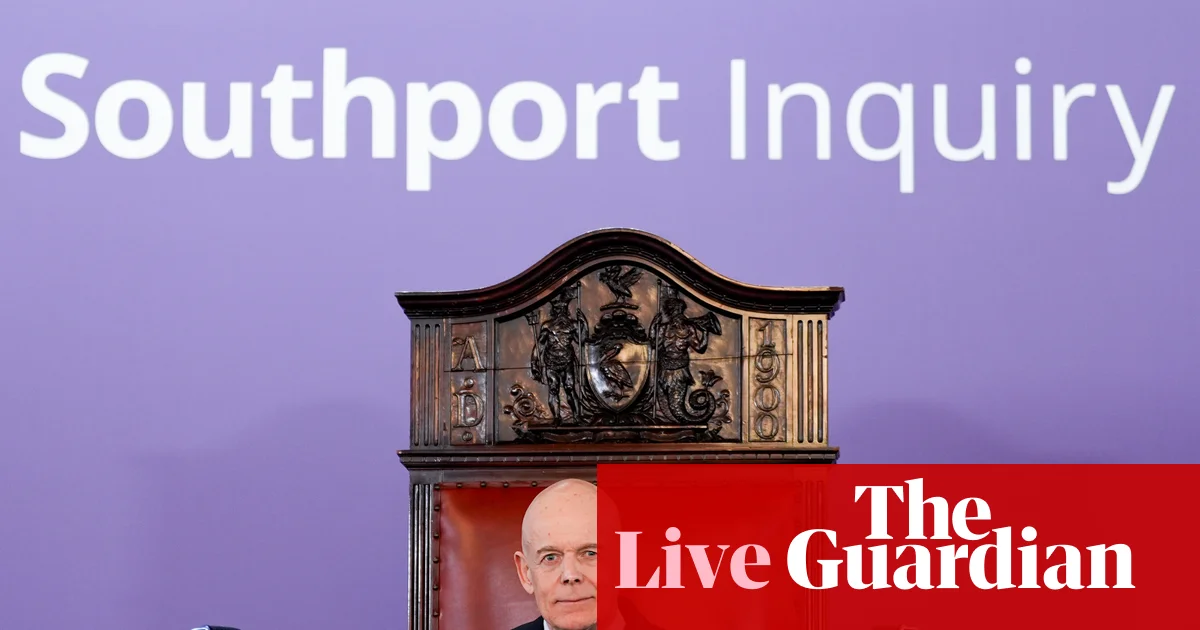
Southport Attack: Govt Agencies’ Failures Spark Outrage — Live Updates

In an era marked by escalating international tensions and growing societal unrest, recent revelations from the United Kingdom regarding a devastating attack have sent shockwaves through global consciousness. A comprehensive report, led by Sir Adrian Fulford, has exposed catastrophic failures across multiple agencies—failures so profound that they enabled a young man’s deadly rampage at a youth activity in Southport. This tragedy, far from an isolated incident, exposes a recurring pattern of institutional neglect and irresponsible parenting that threatens to destabilize the social fabric of societies worldwide.

The inquiry, which meticulously scrutinized the cascade of events leading up to the attack, pointedly condemns a “culture of passing the buck,” urging urgent reforms. Analysts warn that such systemic dysfunction not only endangers innocent lives but also jeopardizes the credibility of international institutions tasked with safeguarding their populations. The report highlights how, despite numerous warning signs, combined failures in social care, mental health, and counter-terrorism agencies created a perfect storm—one that culminated in the tragic loss of innocent children, including six-year-old Bebe King and nine-year-old Alice da Silva Aguiar. The geopolitical impact of this failure resonates beyond Britain, underscoring the critical need for international cooperation to overhaul counter-radicalization protocols.

Many esteemed experts and international organizations have expressed concern over the troubling parallels in other nations. Historians remind us that history’s darkest moments often stem from collective inaction—when governments neglect early warning signals or dismiss warning signs as insignificant. Moreover, the inquiry’s stark findings echo warnings from global security analysts who argue that the “missed opportunities” in the UK reflect broader vulnerabilities entrenched across Western democracies. The refusal of agencies to accept responsibility and the superficial treatment of complex cases only deepen the crisis, making it imperative that nations reassess their approaches. How the UK responds—whether with genuine accountability and reform or continued complacency—will shape the trajectory of societal resilience or collapse.

As the world looks on, history writes itself anew—at a crossroads where decisions could either forge a path to renewal or deepen the chasms of chaos. The political leaders, military strategists, and civil society actors now face the defining challenge: to confront their failures head-on with transparency and resolve. The weight of this unfolding narrative is heavy, for it tests the very foundations of justice and societal trust. In this dark hour, the question remains: will humanity learn from its mistakes, or are we destined to repeat the tragedies of the past? The echoes of Southport’s lessons will reverberate through history’s corridors—an enduring reminder that neglect and fear of accountability threaten to undo the progress of generations.

Australia News: Govt Launches Campaign to Cut Fuel Use Amid Ongoing Supply Crisis

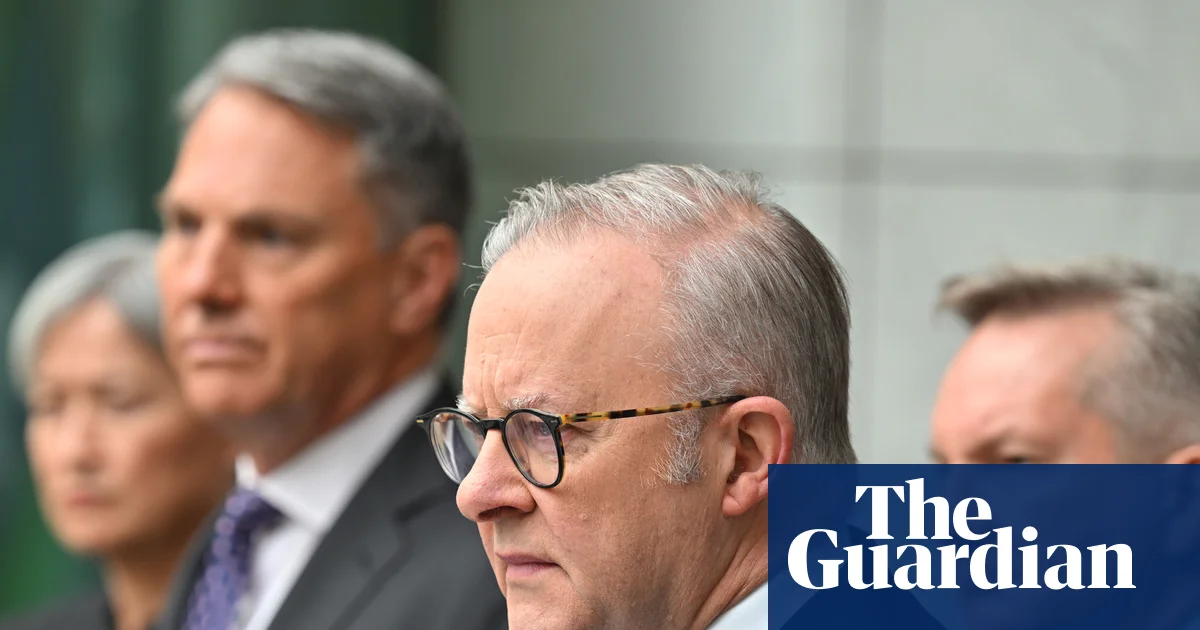
As the world grapples with ongoing disruptions to global supply chains, **energy security** has become an increasingly critical issue. Australia, a nation heavily dependent on imported fuel, has recently taken strategic steps to mitigate the potential fallout from these unprecedented challenges. The Australian government has launched a nationwide advertising campaign aimed at encouraging its citizens to reduce fuel consumption amidst persistent shortages. This initiative underscores the broader dilemma facing nations worldwide: balancing immediate energy needs with long-term geopolitical stability. Federal officials, including Transport and Infrastructure Minister Catherine King, emphasize the importance of public cooperation in navigating these turbulent times, while highlighting the delicate interplay between national policies and global supply dynamics.

In a move that signals Australia’s intent to diversify its fuel sources and safeguard its energy supplies, Prime Minister Anthony Albanese recently negotiated a bilateral agreement with Singapore. This pact seeks to ensure mutual access to fuel supplies, a strategic maneuver aimed at reducing reliance on unstable regional logistics and geopolitical chokepoints. However, experts warn that this isn’t a quick fix. Energy Minister Chris Bowen warns of a *“long tail”* of supply disruptions—meaning the ripple effects of the conflict in the Middle East, particularly the ongoing instability in the region’s oil-producing territories, may linger well beyond the immediate crisis. This foresight highlights the interconnectedness of global oil markets and the vulnerability of nations significantly dependent on imports.

From an international perspective, analysts view Australia’s approach as a microcosm of what many nations are forced to confront: how to maintain economic stability and societal wellbeing amid uncertain geopolitical tensions. The global energy crisis has become a crucial flashpoint, especially as OPEC nations and other key producers make unpredictable decisions affecting supply and prices. Several international organizations, such as the International Energy Agency, have issued warnings about the risk of prolonged instability, urging nations to bolster strategic reserves and explore alternative energy sources. Nonetheless, the reality remains stark: the decisions made today—whether to diversify supply routes or to incentivize domestic production—will shape the geopolitical landscape for decades.

Historians and analysts alike recognize that energy conflicts often serve as catalysts for larger geopolitical shifts. As nations scramble to protect their interests, new alliances are forged, and old rivalries are reignited. The current global supply chain crisis and the response of individual countries illustrate a broader truth: in an era of interconnected vulnerabilities, decisions made in Canberra, Washington, or Beijing resonate far beyond their borders and contribute to a sweeping story of strategic recalibration. This fragile balance of power and resource has the potential to ignite conflicts, alter alliances, or even redefine notions of sovereignty. As history continues to unfold, one thing remains certain—the weight of this new age of energy diplomacy will be felt for generations, shaping the geopolitics of the 21st century with every critical decision.

Labor MPs Concerned as Albanese Govt Ignores US-Israel Iran Strikes

In a development that underscores the escalating geopolitical tensions across the Middle East and beyond, Australiafinds itself embroiled in a complex web of international allegiances and strategic decisions. Just days after U.S. and Israel initiated their bombing campaign against Iran—a move that many international legal experts, including United Nations officials, label as a breach of the UN Charter—the Albanese government swiftly voiced unreserved support. This move has ignited criticism both domestically and abroad, highlighting a broader debate over Australia’s shifting role in global conflicts and the consequences of aligning too closely with Western military interventions.

The support materialized in an official statement issued by Prime Minister Anthony Albanese, Foreign Minister Penny Wong, and Defense Minister Richard Marles just hours after the strikes—a stark contrast to previous incidents, such as last year’s Iranian nuclear site bombings, where Australia’s endorsement was delayed by nearly a day. This rapid alignment with U.S. and Israeli narratives, emphasizing Iran’s alleged nuclear ambitions and regional destabilization, raises significant questions over Australia’s commitment to international law and its reputation as a nation that values sovereignty and diplomacy. The decision has also exposed internal divisions: while top-tier ministers publicly support the strikes, factions within Labor, especially its left, have expressed concerns about the reckless escalation and Australia’s potential unwitting involvement in a broader regional conflict.

As the conflict spreads, Australia announced it would send a specialist surveillance aircraft and stocks of air-to-air missiles to assist the United Arab Emirates in defending against retaliatory Iranian attacks. Meanwhile, there is clear evidence that sections within Australia’s political landscape are growing restless. Grassroots groups, such as Labor Against War, have criticized the government’s stance as a grave divergence from the party’s traditional principles of anti-war policy. They argue that supporting illegal acts of aggression contradicts the party’s historic opposition to the 2003 invasion of Iraq—a stance rooted in safeguarding autonomy from U.S. military adventurism and defending international law. The debate underscores an emerging rift between factions, as Labor navigates the dangerous waters of international intervention and national sovereignty.

At the international level, analysts warn that these decisions could have long-term geopolitical repercussions. Many experts, including those from global think tanks and international law organizations, caution that support for aggressive military strikes risks further destabilizing a volatile region. The United Nations continues to grapple with the legal legitimacy of the attack, with voices like UN special rapporteur Ben Saul arguing that such strikes flout the core principles of peace and security enshrined in the UN Charter. Yet, the alliance between Washington, Jerusalem, and their allies—who portray the strikes as pre-emptive measures—may set a dangerous precedent, encouraging global powers to bypass diplomatic channels and resort to military solutions. As nations watch, the fallout from these decisions could shape the contours of international politics for generations, leaving a legacy of interventionism that future generations might regret as profoundly as those history now commemorates.

With the world at a crossroads, history appears poised to record whether it is witnessing a turning point driven by principles or manipulated by power. The unfolding chapter of this crisis, written amid political disputes and international condemnations, will undoubtedly influence the geopolitical landscape. As the shadows lengthen across the Middle East and the ripple effects reach every continent, one truth remains clear: the choices made today are etching the contours of tomorrow’s history. Whether justice or folly prevails, the weight of global responsibility presses harder with each passing moment—leaving the world to wonder if the dawn of a new, perilous era has truly arrived, or if this is merely another chapter in humanity’s ongoing struggle to find peace amid chaos.

Senate Approves Deal to End Historic Govt Shutdown

Breaking News: US Government Shutdown Ends After Historic 40-Day Stalemate

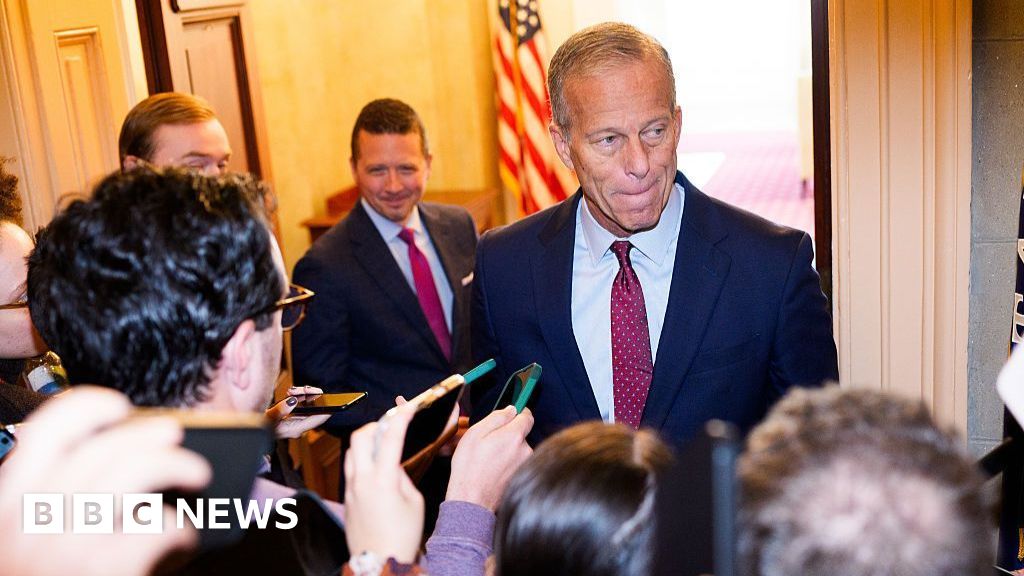
The prolonged shutdown of the United States government — the longest in history — has finally come to a tentative close, signaling a potential shift in the country’s political landscape. After intense negotiations over the weekend, Senate Majority Leader John Thune and a coalition of senators from both sides reached an agreement to temporarily fund federal operations. This deal, receiving a narrow majority vote, is seen as the first tangible step toward resolving the impasse that has left roughly 1.4 million federal employees unpaid and critical services suspended since October 1. The impact on everyday Americans has been profound: essential food assistance, air travel safety, and other services have been hamstrung by partisan gridlock, exposing the fragility of America’s political system.

Despite broad bipartisan support for ending the deadlock, the deal has exposed deep divisions within the Democratic and Republican parties. The agreement, which requires further approval from the House of Representatives, includes crucial provisions such as a vote scheduled for December to extend healthcare subsidies—an issue fiercely contested by Democrats. Analysts warn that unresolved healthcare crises and mounting debt threaten to send the nation tumbling back into turmoil. High-profile Democrats, including Chuck Schumer, have publicly criticized the deal for lacking substantive measures to address the broader healthcare crisis gripping millions of Americans. Meanwhile, Republican leaders emphasize this as a victory for pragmatic governance but acknowledge that the fight over long-term solutions remains unresolved.

Geopolitical Impact and How Decisions Shape Societies

The resolution of the shutdown underscores a critical lesson for international observers: in an era of mounting global challenges—climate change, economic instability, and shifting alliances—the internal stability of a superpower like the US is paramount. Historians warn that continuous political deadlock weakens America’s ability to project influence abroad and undermines confidence in its leadership. According to analysis from the Council on Foreign Relations, unsettled domestic politics can embolden rivals such as China and Russia, threatening the global balance of power.

Furthermore, domestic decisions regarding budget and policy priorities ripple globally, shaping markets and geopolitics alike. As European nations and Asia-Pacific countries monitor Washington’s commitments, the possibility of recurring shutdowns casts a shadow over future diplomatic negotiations. The rise of multilaterals and bilateral agreements cannot compensate for the unpredictability emanating from Washington’s Capitol Hill—a lesson learned painfully by allies and adversaries alike. Some international analysts warn that a weakened US could leave vacuum spaces that rival powers are already positioning to fill.

The Road Ahead: From Short-Term Relief to Long-Term Stability

While today’s agreement halts the immediate crisis, the underlying issues remain unresolved. Seasoned political analysts suggest that the real fight begins now, with debates over long-term fiscal responsibility and healthcare reform looming large. The Debt Ceiling, the rising national debt, and the future of social programs pose fundamental questions that threaten to ignite the next political firestorm. The coming weeks will test whether bipartisan cooperation is merely a temporary lull or the start of genuine reform.

This chapter in American history may be closing, but the story remains far from over. As the world watches with bated breath, the unfolding saga of governance—filled with negotiations, betrayals, breakthroughs—continues to write itself in history’s bleak yet hopeful pages. The weight of what is to come rests now on the fragile bridges of compromise that lawmakers attempt to build, for the turbulent currents of change threaten to sweep away the landmarks of the past.

Social Media Auto Publish Powered By : XYZScripts.com