
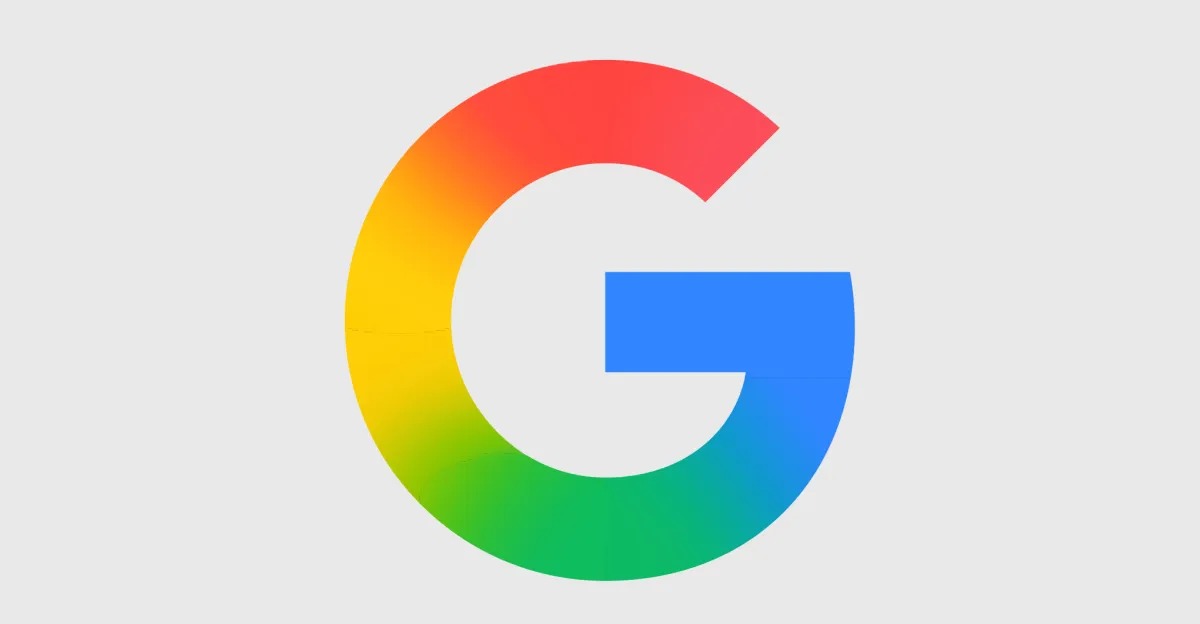

Google Unveils Gradient Redesign, Signaling Innovation and Industry Disruption
In a decisive move toward visual innovation, Google has begun to roll out a new set of icons characterized by a fresh gradient design that emphasizes a softer, more vibrant aesthetic. Since late 2025, the tech giant’s transition from the traditional flat, uniform circle icons to more dynamic, colorful gradients marks a significant departure from established UI norms. Recent images obtained by 9to5Google reveal a consistent update across Google’s app ecosystem, including Gmail, Gemini, Photos, Maps, and others. This visual overhaul aligns with the company’s broader strategy to integrate AI-powered features, captured in the subtle but impactful overhaul of the Google G logo.
Disruption Driven by Design Innovation
This transition represents more than just aesthetic change; it exemplifies industry-wide disruption driven by design trends that favor playfulness, vibrancy, and user engagement. Google’s move away from the late-2010s flat UI towards a more expressive, gradient-rich palette echoes recent design paradigms popularized by Android’s Material You design language, which advocates for system-wide personalization and emotional connection through UI.
- Gradients with pastel transitions enhance user engagement, making interfaces feel more approachable and emotionally resonant.
- Shift from portrait to landscape layout in apps like Sheets and Slides reflects an adaptive response to evolving content consumption patterns, particularly in mobile and hybrid work environments.
- Incorporation of AI features subtly embedded within the new visual identity suggests Google’s prioritization of AI as a core driver of innovation.
Industry analysts from institutions like Gartner and MIT have highlighted this visual evolution as a critical component of Google’s larger disruption strategy. “Look for these UI changes to set a new standard, pressing competitors to reconsider their own interface designs and feature sets,” states Dr. Sophie Lee, a leading UX researcher. Indeed, Google’s seamless integration of AI signals a strategic intent to elevate user interaction through elevated visual cues, fostering greater adoption and retention.
Business Implications and Future Trajectory
The implications for business models are profound. The new icons and UI transitions are a signal of Google’s ongoing push toward AI-infused productivity tools, aiming to cement its dominance in the digital workspace. By embracing vibrant, playful, and more expressive design language, Google aims to appeal to a youthful demographic increasingly engaged with dynamic, social, and innovative interfaces. This shift will challenge both legacy tech companies and emerging disruptors to innovate faster or risk losing relevance.
Future updates are expected to enhance the integration of AI across Google’s entire suite, creating a more holistic, disruptive ecosystem that prioritizes user experience while optimizing for technological advancements. Industry experts warn that such rapid UI evolutions could precipitate a paradigm shift in app design standards, with potential ripple effects across the entire tech landscape.
As the market heads into this exciting new phase, stakeholders must recognize the urgency of adapting to these visual and functional innovations. Google is not merely updating aesthetics; it’s laying the groundwork for the next era of intelligent, user-centric computing—a future where disruption is the new norm and those who innovate fastest will undoubtedly shape the industry’s trajectory in the years ahead.







