Matox News

Truth Over Trends, always!

Her Father's Gaza War Grave Destroyed by Israel: Aussie Military Woman Seeks Justice and Truth
Her Father’s Gaza War Grave Destroyed by Israel: Aussie Military Woman Seeks Justice and Truth

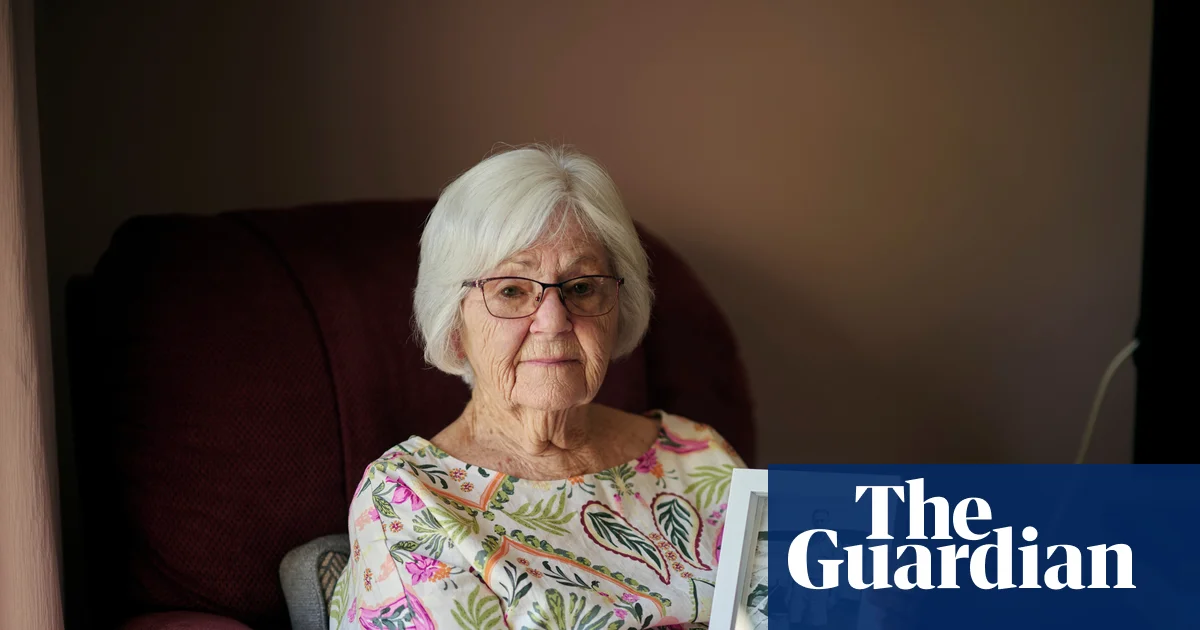
The ongoing conflict in Gaza has once again underscored the devastating consequences of regional instability on historical and national memory. Recent satellite imagery reveals significant damage and possible destruction of the Gaza War Cemetery, where Australian soldiers from World War II are buried. The mutilation of these graves, reportedly caused by the Israel Defense Forces (IDF) during military operations, has stirred a global outcry, especially among families of the fallen and nations who hold those sacrifices sacred. Wilma Spence, among many, mourns the apparent obliteration of her father’s grave—an act she perceives as a profound disrespect to those who served and died for freedom.

This incident exemplifies how international conflicts are not contained solely within theatres of war but have profound effects on societal memory and diplomatic relations. The IDF’s justification—that graves were destroyed to address “underground terrorist infrastructure”—fails to quell skepticism among international observers and veteran communities. The Commonwealth War Graves Commission has expressed concern over the damage, with experts warning that the full extent of destruction may take years to repair. Such actions, analysts argue, threaten to rewrite history and undermine the moral authority of nations committed to safeguarding their war dead—especially when these graves symbolize sacrifice amid the chaos of global confrontation.

The geopolitical impact of these incidents extends beyond grief. Regional powers like Israel are engaging in complex military operations that often blur the lines between combatant and civilian zones, raising questions about international accountability. The diplomatic fallout influences alliances, aid policies, and international perceptions of legitimacy. The withdrawal or destruction of war graves challenges the notion of respect for tradition and international law, igniting debates on how contemporary military actions should reconcile with historical memory. Experts from institutions like The International Crisis Group warn that such acts may fuel resentment and be exploited by proxy groups, jeopardizing prospects for lasting peace in the region.

Meanwhile, families of the fallen, such as Wilma’s, highlight the broader social consequences. The loss of grave sites not only erases physical symbols of heroism but also scars collective memory and national identity. Wilma’s persistent efforts—writing to government officials and demanding accountability—illustrate the ongoing struggle of societies to reconcile military necessity with moral obligation. As President Isaac Herzog of Israel prepares to visit Australia amidst rising tensions, the question remains: will world leaders uphold their responsibilities to preserve history, or will the tides of warfare continue to wash away the foundations of collective remembrance?

The future of international diplomacy hinges on how these controversies are addressed. Will international organizations step in to enforce respect for war graves, or will regional and global powers prioritize strategic interests over historical dignity? The unfolding narrative leaves an indelible mark, emphasizing that in a world fraught with conflict, history—whether in the form of graves or memories—is both a heritage and a battleground. As witnesses like Wilma watch their ancestors’ resting places vanish, the weight of history presses heavily on the present, casting a shadow over the promise of peace and remembrance. The story of the Gaza war cemetery is not merely about physical destruction; it is a stark reminder that the consequences of war resonate across generations, shaping the destiny of nations and the moral fabric of humanity itself.”

Jennifer Lawrence Addresses Gaza: “What’s Happening Constitutes a Grave Genocide”

In the midst of today’s tumultuous cultural landscape, the words of Jennifer Lawrence serve as a reminder that art and society are profoundly intertwined — that they are, in essence, mirrors and molders of our collective identity. As she boldly addressed the Israeli offense in Gaza, calling it “no less than a genocide,” Lawrence ventures beyond the superficial to confront the enduring moral questions that define a civilization. Her candidness underscores what critics like Ortega y Gasset have long argued: that culture is both the expression and the foundation of a society’s soul. In this, her voice becomes an act of cultural resistance, asserting that art is not merely entertainment but a vital form of truth-telling and moral engagement. It is this conviction that elevates the artist from mere creator to custodian of civilization’s memory, challenging us to look deeper into the currents shaping our world.

During her discourse at the San Sebastián film festival, Lawrence also touched upon the perilous state of free speech and the pervasive loss of respect in American political dialogue. Her comments highlight an often-overlooked cultural phenomenon: the war over narratives, the battles over what is remembered, and what is silenced. Philosophers like Tocqueville have observed that democracies are fragile not merely because of political division but because of the erosion of shared cultural values and the attack on individual moral agency. Today, as entertainment figures like Lawrence push back against the rising tide of censorship—exemplified by the recent pledge of over 4,000 Hollywood insiders to boycott Israeli institutions —they remind us that culture is the battlefield of identity and morality. This moral stand is rooted in a broader fight to safeguard our ingrained traditions, to ensure that the memory of our civilization remains resilient amid the shifting sands of modern ideologies.

Furthermore, Lawrence’s emphasis on responsibility within the cultural sphere echoes Chesterton’s assertion that “Art is the signature of man,” an enduring testament to the human spirit’s desire for meaning amidst chaos. Her vigilance against the normalization of dishonesty in politics underscores the importance of maintaining a moral compass through art and cultural expression. As history reveals, from the classical ideals of ancient Greece to the Renaissance’s renewal of humanism, society’s identity is preserved through its stories, its shared symbols, and its collective memory. The cultural battles we face are not merely about words or works of art—they are about the very soul of our society, our tradition, and our future. Truly, as T.S. Eliot suggests, if we understand our history as a poetic process, then each act of cultural resistance is a step towards the realization that humanity moves forward through remembering and reimagining.

In the end, culture emerges as both memory and prophecy: the memory of our ancestors’ victories and sacrifices and the prophecy of a civilization yet to come. The powerful images of art and the compelling stories told through film, music, and literature become a living record of who we are and who we might become. As Lawrence prepares to accept her honorary award, she reminds us that beneath the noise of modern conflicts lies the enduring truth—our culture, with all its beauty and brutality, is the living, breathing testament to human hope and resilience. And thus, as we ponder our roots and our future, let us remember that culture is both a mirror of humanity’s past and a lantern guiding us into the uncharted realm of human possibility—forever reminding us that, in the words of Eliot, “the only hope is to rediscover the poetry of ourselves.”

Social Media Auto Publish Powered By : XYZScripts.com



