Matox News

Truth Over Trends, always!

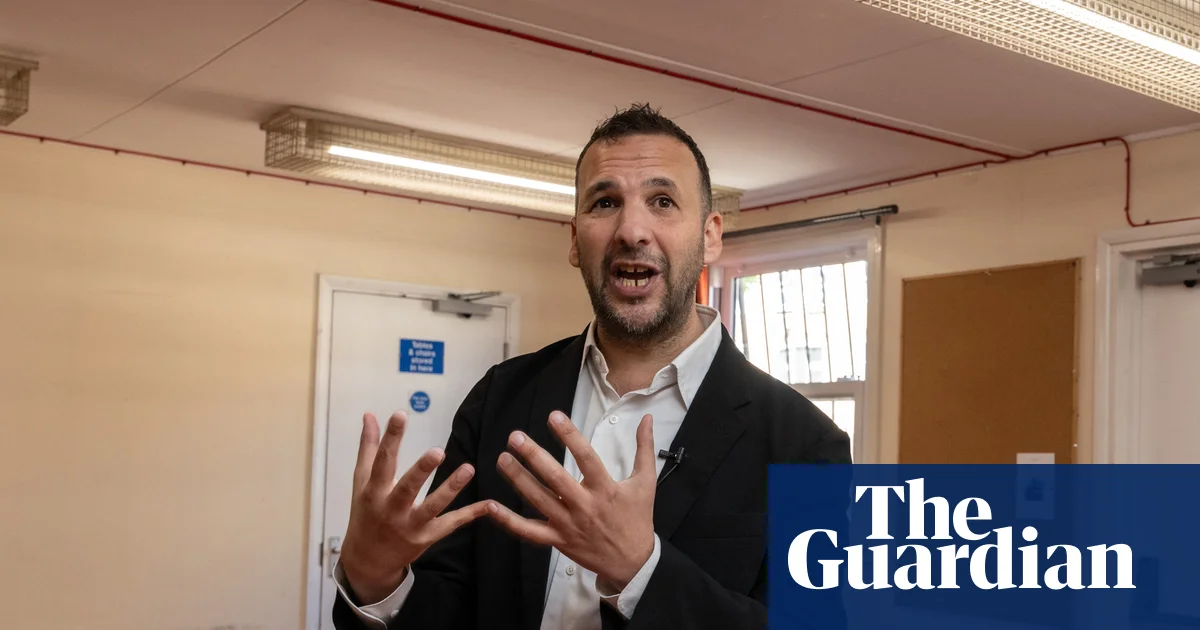
Green candidate hits London streets after arrest over alleged anti-Semitism allegations

The Green Party Scandal Sparks Political Turmoil Amid Global Shifts

In recent weeks, a controversy involving Green Party candidates in London has escalated into a reflection of larger international concerns about political integrity and extremism. The arrest of Sabine Mairey and Saiqa Ali on charges related to alleged antisemitic social media posts underscores a troubling phenomenon that transcends local politics and raises questions about the effectiveness of political parties international. As Britain grapples with internal divisions, analysts fear that such incidents may amplify existing geopolitical tensions, particularly in a world increasingly fractured by ideological conflicts.

  • Following their arrests, the Green Party faced severe criticism from political opponents, with Labour accusing the party’s leadership of lax oversight and tolerance for extremism.
  • A significant point of concern was the apparent contradiction between the party’s internal rules—whose provisions explicitly prohibit candidates under investigation from campaigning—and Mairey’s visible participation in local events after her arrest.
  • International organizations, such as the United Nations and European Union, have expressed ongoing worries about rising extremism and anti-Semitism within democratic institutions, warnings that such incidents threaten to undermine already fragile alliances.

The Geopolitical Impact of Internal Political Crises

For Britain and its alliances, the scandal feeds into a broader narrative of moral decline and political instability, which global leaders observe with concern. European analysts, including historians like David Runciman, argue that internal conflicts within parties serve as a barometer for wider societal health, hinting at vulnerabilities ripe for exploitation by hostile foreign powers. This is especially pertinent as Russia and China continue to exploit social fissures to weaken Western democracies, casting doubt on Britain’s ability to maintain a unified front in international diplomacy.

The incident also intensifies debates about freedom of speech and political accountability. Critics point out that the backlash against the Green Party exemplifies how identity politics can become a double-edged sword, fueling division rather than promoting unity. Meanwhile, international institutions warn that the erosion of social cohesion in countries like Britain creates a fertile ground for extremist movements to flourish, jeopardizing the stability of the transatlantic alliance.

How Decisions in London Shape Global Dynamics

Although the incident involves local governance, its repercussions reach far beyond London. The decision by the Labour Party and Green Party to confront or tolerate such behavior could influence neighboring European nations and allies across the Atlantic. The case serves as a reminder of the ongoing struggle for values-based governance in an era where identity-based conflicts threaten to undermine centuries-old alliances. As politicians and analysts debate the appropriate response, the shadows of history’s darkest chapters—including intolerance and extremism—loom large over the current political landscape.

In the closing moments of this unfolding drama, the question remains: will the nations of the West recognize the critical importance of defending their core values—freedom, tolerance, and integrity—or will internal divisions deepen, paving the way for a new era of discord and chaos? As history continues to pen its next chapter, the weight of these decisions will resonate through generations, shaping the future of liberal democracies amid an increasingly volatile international arena.
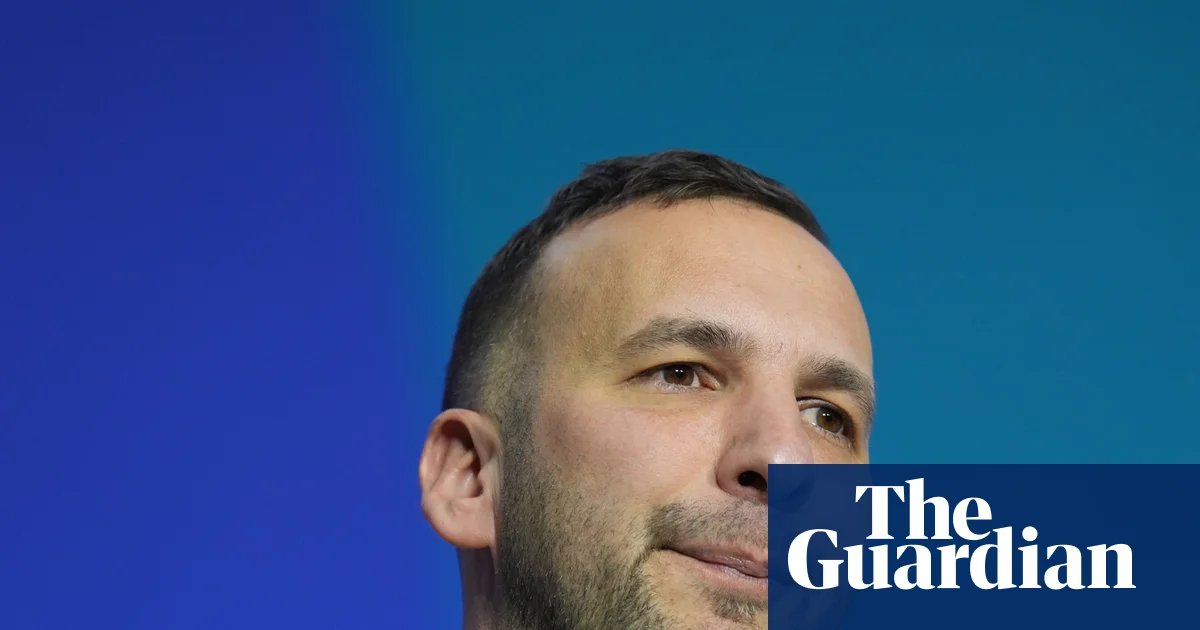
Minister calls Polanski unfit to lead party after Golders Green tweet

UK Politics Turmoil Sparks International Concerns as New Attack Highlights Rising Tensions

The recent political storm in the United Kingdom underscores the volatile intersection of local governance, public safety, and international perceptions. At the heart of this controversy is Zack Polanski, a prominent figure within the Green Party, whose retweet of a social media post attacking police conduct during the Golders Green attack has ignited fierce debate. The retweet, which alleged that officers violently kicked a mentally ill man while incapacitated—without comment—prompted swift condemnation from government officials and law enforcement authorities. The disgusting incident prompted the transport secretary, Heidi Alexander, to publicly state that Polanski was “not fit to lead a political party,” exemplifying the deep political divide on law and order issues amidst a rising tide of antisemitic violence.”

Rising Violence and the International Geopolitical Ripple Effect

  • Just days after the attack, the UK’s terror threat level surged to severe, signaling an urgent need for heightened security measures, especially for Jewish communities targeted in recent assaults.
  • The suspect, Essa Suleiman, 45, was charged with multiple counts of attempted murder after stabbing two Jewish men—an act that has been classified by security experts as *domestic terrorism*, catalyzed by the current wave of antisemitism in the UK.
  • In response, the government announced plans to allocate additional funding for the protection of Jewish communities and to expand authority over hate preachers, yet critics argue that the measures are insufficient given the scale of recent violence.

International organizations and political analysts warn that persistent instability within the UK’s political landscape could have ripple effects well beyond its borders. The European Union, along with NATO allies, closely monitor such incidents, fearing that internal fractures may embolden radical groups or destabilize regional alliances. Notably, several international historians have pointed out that the UK’s current crisis echoes the political turbulence of past decades—serving as a stark reminder of how domestic unrest can influence global geopolitics. As the UK grapples with this surge in violence, the United States and other Western powers observe cautiously, understanding that the outcome of this internal chaos could shape future diplomatic and security strategies.

International Leaders and the Future of Stability

Leaders worldwide have issued mixed reactions—some calling for calm and resilience, others voicing concern over the potential for a wider destabilization. The European Commission has urged the UK government to intensify anti-hate initiatives, emphasizing that rising domestic tensions threaten to undermine broader international stability. Meanwhile, geopolitical analysts observe that the UK’s internal battles over law, security, and identity are emblematic of larger global shifts—where societal fractures echo across continents, fueling debates over sovereignty, multiculturalism, and security cooperation.

Yet amid this turbulence, the weight of history looms. As historians caution, how the UK manages this crisis may define the trajectory of its political identity for generations to come. The decisions taken today—whether to double down on security or to seek unity—will write the next chapter in a story that is still very much unfolding, one that could alter the course of national and international affairs. The world watches as the legacy of recent actions forms a narrative of resilience, division, and perhaps, unforeseen transformation—reminding us that in the theatre of history, the present is often a prelude to profound change.

Keir Starmer slams Zack Polanski for sharing post criticizing police over Golders Green stabbings | Zack Polanski

In an unfolding incident from London, recent events spotlight the delicate balance between law enforcement, political leadership, and societal tensions that resonate far beyond the British Isles. The controversy erupted following a police operation involving the arrest of a suspect, captured on police footage that has since been the subject of heated debate. While Metropolitan Police officials praised their officers for acting under extreme pressure to prevent potential catastrophe, critics have claimed that the police response was excessive and even violent. The point of contention underscores the critical importance of operational judgment during emergency responses, a reality that carries significant geopolitical implications.

Prominent political figures, including UK Prime Minister Rishi Sunak and opposition leader Keir Starmer, have engaged in this debate, with Starmer defending the police’s decisions based on the information available at that moment. Starmer’s comments, emphasizing the plausible threat of a bomb from the suspect’s rucksack, reveal how national security considerations often drive rapid law enforcement actions, especially in an era fraught with terrorism concerns. Conversely, critics, led by zack Polanski, a political figure under scrutiny, questioned the police’s conduct and accused officers of brutality—comments swiftly rebutted by Mark Rowley, the police commissioner, who described the officers as “nothing short of extraordinary.” His defense reflects an urgent call to safeguard public confidence in law enforcement, especially amid rising threats to societal cohesion.

This national debate is unfolding against a backdrop of sharper geopolitical concerns, notably a surge in **antisemitic incidents** across the United Kingdom. The Director of Public Prosecutions, Stephen Parkinson, issued a stern warning about the rise of hate crimes, echoing fears that extremist ideologies threaten the very fabric of society. His affirmations highlight how internally contentious issues, like police conduct and hate crimes, can influence international perceptions—especially within a broader context of global struggles against extremism and intolerance. Countries watching from across Europe and North America interpret such developments as indicators of societal fragility, while international organizations, including the European Union, scrutinize how democracies respond to challenges manifesting within their borders. These crises act as a stark reminder that the decisions made in the UK today echo in the corridors of power worldwide.

Adding fuel to the flames are recent violent incidents involving mental health crises and hate-fueled violence, as seen with the charging of Essa Suleiman for attempted murders during knife attacks in London. Such events underline the intertwined issues of societal safety and political stability, with analysts warning that neglecting these critical challenges could lead to wider unrest and a shift in global power dynamics. Historically, nations have stumbled when internal divisions deepen under the weight of unresolved societal tensions, and the UK’s current trajectory sparks concern among international observers about potential repercussions for alliances, trade, and security cooperation.

As London’s streets echo with protests, debates, and the weight of the law, the broader story remains unresolved—an ongoing chapter in a narrative that shapes the future of democratic resilience. With global powers watching, the decisions taken here will define whether these turbulent waters lead to reform and renewal or further descent into chaos. In a world on the brink of new conflicts and alliances, the history being written in this moment reminds us that the course of nations often hinges on how they handle their internal crises—those that test their ideals, their law, and their collective resolve.

Met Chief Warns Zack Polanski’s Attack Criticism Could Chill Justice in Golders Green

London’s recent incident involving a stabbing in Golders Green has reignited concerns over security, antisemitism, and political stances amid heightened tensions across Europe and beyond. A 45-year-old suspect was subdued by police after stabbing two Jewish individuals, an act now under investigation as terrorism. This event underscores the volatile environment in major Western cities, where local security issues ripple into broader ideological and geopolitical debates.

The Metropolitan police quickly responded, arresting the suspect and describing the situation as a clear threat to public safety. Police utilized a stun gun to neutralize the suspect and have since been engaged in discussions with the Crown Prosecution Service about pressing terrorism charges. Such incidents reflect a disturbing trend of targeted violence against minority communities, especially in regions where geopolitical tensions and domestic radicalism collide. However, what has drawn international attention is the politicized response to the police action—particularly the Green party leader Zack Polanski, who retweeted a controversial post alleging misconduct by police officers at the scene.

The retweet, which accused officers of “repeatedly and violently kicking a mentally ill man,” was quickly challenged by London’s police commissioner, Mark Rowley. In a stark warning, he stated that such “inaccurate and misinformed commentary” could have a “chilling effect,” comparing the role of police officers to that of frontline defenders against terrorism. His letter calls for solidarity from political leaders across the spectrum and a united front against antisemitism, emphasizing that public figures should lead by condemning violence and lowering societal tensions. In an era where political narratives can influence security policies and social cohesion, such exchanges serve as a microcosm of larger global struggles.

The incident’s fallout—initially local but rapidly internationalized—has highlighted the ongoing challenge facing Western democracies: balancing civil liberties with security. Analysts warn that politicized narratives surrounding law enforcement actions risk undermining public trust, especially among vulnerable minority groups. The international community, including European security agencies and international human rights organizations, are observing these events as a litmus test for the resilience of democratic institutions amid rising extremism. These organizations emphasize the importance of protecting both public security and free expression, even amidst heated debates.

Meanwhile, this episode underscores a critical moment for Western societies—a reality that decisions made in London, Washington, Berlin, and beyond reverberate across continents. The uncertain political climate is ripe with challenges: rising nationalist sentiments, threats from radical ideologies, and the influence of global conflicts. As historians and geopolitical analysts warn, the capacity for nations to effectively confront these threats while maintaining democratic principles will determine whether society can emerge resilient or fractured. The weight of history presses upon current leaders; each choice echoes in the future until, perhaps, a new chapter is forged—one of unity amidst chaos.

US Green Beret Caught Betting on Maduro Raid on Polymarket

Emerging Threats in Prediction Markets: Insider Trading and National Security Risks

The recent arrest of Gannon Ken Van Dyke, a master sergeant in the US Army’s Special Operations Command, signals a disruptive moment in the intersection of prediction markets and national security. Charged with using classified government information to profit over $400,000 on Polymarket, Van Dyke’s case exemplifies how innovative financial platforms, once thought to be merely speculative, are increasingly vulnerable to abuse from insiders with privileged data. This incident underscores a breach not only of legal boundaries but also of the fundamental trust that underpins the rapid expansion of decentralized prediction technologies.

Prediction markets like Polymarket have emerged as disruptive tools that challenge traditional forecasting models, offering users a platform to hedge or speculate based on real-world events. These platforms leverage blockchain technology, algorithmic transparency, and market-driven incentives, positioning themselves as the next frontier of financial and information disruption. Yet, as the business implications unfold, concerns about insider trading and security vulnerabilities are mounting, threatening to undermine their legitimacy and regulatory standing. The Forbes-backed prediction platform, which boasts a growing user base, is now under increased scrutiny from federal agencies, notably the Commodity Futures Trading Commission (CFTC), which perceives these platforms as both revolutionary and risky.

This crackdown reflects a broader industry trend: the blurring of lines between trading platforms and national security. As disruptive technologies such as artificial intelligence and blockchain continue to transform data analysis and decision-making, bad actors have exploited these innovations to manipulate outcomes and profit unlawfully. Recent enforcement actions, including Israeli arrests for leaks related to prediction markets, highlight the tangible risks posed by insider information in a zero-trust environment. Experts like MIT researchers warn that without robust safeguards and regulatory frameworks, these platforms risk fueling a new era of covert influence operations and financial misconduct.

The business implications of this dangerous trend are profound. Companies like Kalshi, a direct competitor to Polymarket, have faced fines and regulatory hurdles, revealing the delicate balance between democratized access to information and the potential for abuse. As the prediction market economy matures, investor confidence is at risk, and the potential for market manipulation could deter legitimate users and institutional investors alike. Industry leaders and regulators are now faced with urgent questions: How do you harness the disruptive power of these platforms without opening avenues for insider trading and national security breaches? Gartner analysts emphasize the need for innovative compliance solutions that blend technology with policy, to preserve the integrity of this burgeoning sector.

Looking forward, the geopolitical and technological landscape demands proactive adaptation. As Elon Musk and other tech visionaries advocate for more decentralized and autonomous systems, the necessity for intelligent regulatory frameworks becomes undeniable. The future of prediction markets hinges on their ability to innovate securely, integrating advanced fraud detection, identity verification, and transparent protocols. The coming months will likely see increased government intervention, startup innovation, and high-stakes legal battles that will shape this disruptive industry’s trajectory. The question remains: can the promise of decentralized intelligence be harnessed safely, or will it fall prey to the very abuses it seeks to disrupt? In a world hungry for real-time information, those who navigate this challenge effectively will dictate the future of strategic decision-making and financial innovation for generations to come.

Bill Gates’ nuclear firm scores green light for breakthrough next-gen reactor

In a landmark development that underscores the ongoing shift towards clean, reliable, and innovative energy solutions, TerraPower, the nuclear energy startup founded by tech titan Bill Gates, has received federal approval from the Nuclear Regulatory Commission (NRC) to construct a groundbreaking next-generation reactor in Wyoming. This milestone marks the first time in U.S. history that a commercial-scale, advanced nuclear power plant has secured such a permit, signaling a significant disruption in the national energy landscape. The project is slated for completion by 2030 and redefines the trajectory of nuclear technology, emphasizing safety, efficiency, and sustainability.

The Wyoming plant is positioned at the forefront of disruptive innovation in nuclear engineering. Unlike traditional reactors, TerraPower’s design emphasizes a smaller, more modular approach that aligns with the evolving demands of modern electrical grids under the pressure of burgeoning AI data centers and digital infrastructure. According to industry analysts at Gartner and MIT’s Nuclear Innovation Initiative, this development could catalyze a new wave of nuclear deployment, significantly reducing reliance on fossil fuels and untangling the energy crisis intensified by climate change. With construction expected to conclude within five years, this plant symbolizes a pivotal shift where safe, sustainable nuclear power becomes a core component of national energy strategies.

  • Advanced reactor designs that prioritize safety and waste management efficiency
  • Smaller, faster-to-deploy modules suitable for diverse grid demands
  • Potential to revolutionize clean energy deployment amidst climate and geopolitical pressures

Bill Gates recently articulated the broader implications of this innovation in a 2024 interview with The Verge, emphasizing how nuclear energy’s evolving designs can play a crucial role in combating climate change. “We’re exploring reactors that not only minimize safety concerns but also optimize fuel use and waste handling,” Gates explained, highlighting the importance of disruptive technology in crafting resilient energy systems. This strategic push aligns with market trends that see nuclear power as an indispensable part of the transition away from carbon-heavy sources and toward a more sustainable future. Industry leaders and policymakers globally are watching closely, recognizing that the success of TerraPower’s Wyoming project could establish a new blueprint for business innovation in nuclear energy, opening doors for investors and entrepreneurs eager to capitalize on the clean energy revolution.

Looking ahead, the implications of this development extend far beyond Wyoming’s borders. As governments and private sector players enhance investment in nuclear innovation, the global energy market stands on the brink of a paradigm shift. The race is on to develop smaller, safer, and more adaptable reactors that can integrate seamlessly into complex energy ecosystems, responding swiftly to the demands of AI-driven economies and decentralized grids. The coming decade will undoubtedly be transformative, with the potential to disrupt traditional energy giants and establish new industry titans dedicated to sustainable and disruptive nuclear breakthroughs. The urgency to innovate has never been greater, and TerraPower’s Wyoming project exemplifies the aggressive pursuit of technological advancement essential for shaping a resilient, clean energy future.

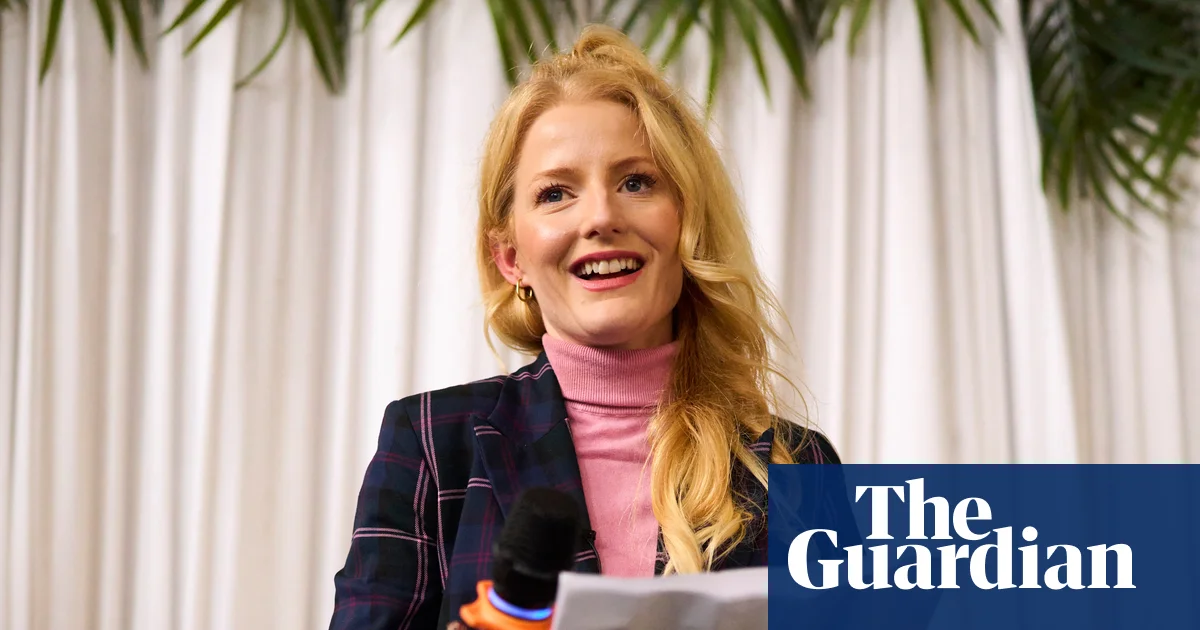
Green Party backs former mayoral hopeful for Gorton and Denton byelections, shifting focus to future leadership

The upcoming byelection in Gorton and Denton has become more than a simple electoral contest; it symbolizes deeper social and cultural shifts within the communities of Greater Manchester. With the Green party selecting Hannah Spencer, a councillor and former mayoral candidate, as their candidate, this race highlights the growing influence of youth-oriented, environmentally-focused politics that challenge traditional party dominance. Spencer’s background as both a community member and trade professional exemplifies a shift towards candidates who embody local roots and diverse experiences, resonating with a population increasingly disillusioned with the status quo.

This race is unfolding amidst a fractured political landscape where social issues—from economic inequality to cultural identity—are shaping voter sentiment. The Labour Party, traditionally dominant in the area, is facing stiff competition from Reform UK and the Greens, each representing contrasting visions for the future of society. Labour’s campaign’s emphasis on experience, rooted in their local and national networks, seeks to appeal to voters who value stability and tradition. In contrast, the Greens, led by Zack Polanski, are framing the contest as a “battle for the soul of the nation”, underscoring a desire among younger voters to push for progressive change and environmental justice. This political clash is not merely about policies but about the cultural identity and moral direction of the community, which is sharply divided along generational and ideological lines.

Social tensions are further exemplified by the Green party’s recent endorsements and their outreach efforts. Backed by groups like the Muslim Vote, their support in a constituency with roughly 30% Muslim constituents signals a conscious effort to address **cultural representation and inclusivity**. Such moves reflect a broader challenge minorities and marginalized groups face worldwide: balancing tradition with the push for social acceptance and political influence. As sociologists like Arjun Appadurai have noted, societies are increasingly fractured along lines of ethnicity and faith, yet also eager for a sense of belonging and agency. The Greens’ emphasis on engaging these communities indicates a recognition that future societal cohesion depends on constructive dialogue and representation, even as it stirs debate about social cohesion versus cultural integration.

The families and communities impacted by this electoral contest face very tangible issues: economic opportunities, social inclusion, and cultural identity. The decline of traditional industries and the threats to local jobs create a backdrop where young families seek new pathways to stability, while cultural tensions can either divide or unite depending on how issues are approached. As historian Eric Hobsbawm warned, societal change often occurs through what he termed “the long 19th century of social upheaval,” reminding us that the societal clarity sought in elections is often the result of ongoing, complex struggles. The choices made in Gorton and Denton will resonate beyond these walls, reflecting the society’s capacity to embrace change and tradition alike.

Ultimately, this byelection underscores a society at a crossroads—facing the call for renewal amidst division. Its outcome will signal not just political shifts but reveal how communities choose to navigate the delicate balance of progress and preservation. As society stands on this precipice, one is left pondering—a society’s greatest hope is not in the absence of conflict but in its willingness to transform conflict into conversation, fear into understanding, and division into unity. Only then can the promise of a society that truly reflects its people be realized, shining a hopeful light on the horizon of future generations.

Waymo Scores Green Light to Expand Deep into Bay Area and SoCal

Waymo’s Autonomous Expansion Signals a New Era in Urban Mobility

Waymo, the front-runner in robotaxi innovation, has announced a major step forward in its autonomous vehicle (AV) deployment strategy. The company has received official approval to operate fully autonomous vehicles across a significantly broader region in California, including key areas like the East Bay, North Bay (Napa/Wine Country), and Sacramento, as well as extending its territory in Southern California from Santa Clarita up to San Diego. This territorial boost not only exemplifies relentless innovation but also underscores the disruptive potential of autonomous mobility to reshape urban transportation paradigms.

While regulatory hurdles remain—since additional permits are required for commercial passenger services—Waymo’s recent expansions demonstrate industry confidence in AV technology. Targeting a mid-2026 launch in San Diego, the company’s strategic timeline aligns with broader industry expectations for large-scale autonomous deployment. This timeline reflects the urgency to capitalize on technological advances, as other players like Tesla, Uber, and emerging startups accelerate their own autonomous initiatives. The push into new markets is further amplified by Waymo’s recent announcements to expand into Minneapolis, New Orleans, and Tampa, alongside plans to eliminate safety drivers in Miami ahead of commercial launch, signaling a paradigm shift in the traditional ride-hailing model.

Business implications of these developments are profound. As disruption accelerates, traditional taxi and ride-sharing industries face existential threats, while new entrants with agile autonomous fleets could dominate urban mobility markets. Major corporations such as Google’s parent company Alphabet (which owns Waymo) are positioning themselves as long-term players, banking on AVs becoming the dominant form of city transit. The deployment of AVs on freeways—now operational in Los Angeles, San Francisco, and Phoenix—further enhances their viability by addressing long-haul efficiency issues, making shared autonomous rides a practical alternative to personal vehicles.

Experts at institutions like Gartner and MIT emphasize that this wave of innovation might redefine business value propositions, emphasizing technological disruption that could make private car ownership less relevant. However, the rapidly evolving regulatory landscape and safety concerns pose risks, especially as the industry grapples with potential safety pitfalls and public acceptance. As Elon Musk and Peter Thiel have long argued, the key to winning the autonomous revolution lies in rigorous testing, robust infrastructure, and a daredevil willingness to challenge conventions.

Looking ahead, the trajectory of Waymo and other autonomous pioneers indicates an urgent race to dominate the mobility landscape. With new markets opening and regulatory frameworks evolving quickly, the next few years promise an unprecedented transformation where innovation and disruption converge to redefine how millions move within urban environments. Investors, policymakers, and tech innovators must stay alert to this impending upheaval—those who adapt swiftly will shape the future of mobility, while laggards risk obsolescence in a rapidly shifting landscape.

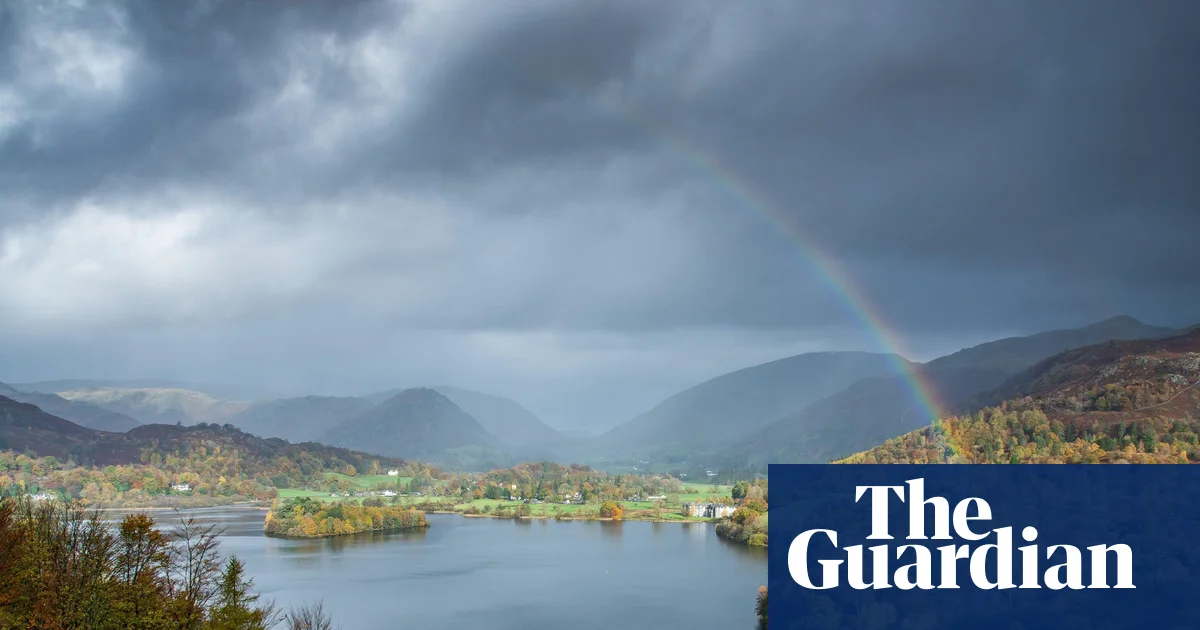
Green groups slam move to weaken protections for English national parks

In a move that has ignited fierce debate across the United Kingdom and raised concerns among environmentalists worldwide, the government is considering revisions to planning laws that could significantly weaken protections for iconic national parks such as Dartmoor and the Lake District. This proposed shift, driven by the Treasury and championed by Chancellor Rachel Reeves, aims to facilitate the construction of 1.5 million new homes and major infrastructure projects, purportedly to plug a £30 billion fiscal gap. However, critics warn that this decision is a “kneejerk bid for growth” that threatens the very essence of the natural heritage cherished by millions and has far-reaching geopolitical impact beyond Britain’s borders.

Originally established by the postwar Labour government under Clement Attlee in 1949, national parks in the UK were designed to conserve natural beauty, wildlife, and cultural heritage while promoting access and recreation. Yet, recent governmental discussions threaten to upend this legacy. A key change being proposed would remove a duty that mandates public authorities to “seek to further” environmental and cultural aims within these protected areas. Critics, including prominent environmental organizations like the RSPB and the Wildlife Trusts, argue that the move is not evidence-based and will accelerate environmental degradation, undermining decades of conservation efforts.

The controversy underscores a broader, global concern: how economic pressure often trumps environmental stewardship. Historians and analysts have long noted that the deliberate creation of national parks was a conscious effort to balance economic development with the preservation of natural landscapes. Now, as international organizations like the United Nations reflect on climate and biodiversity crises, the UK’s potential rollback serves as a warning to other nations contemplating similar relaxations in environmental protections. The decision threatens to diminish Britain’s standing as a global leader in conservation, impacting international reputations and policies aimed at the biodiversity crisis.

  • The UK ranks poorly in European comparisons regarding green space sacrifice to development, with thousands of sites at risk under the new proposals.
  • Over 170 organizations, including major NGOs and conservation groups, have publicly condemned the plans, emphasizing the economic and social value of preserved landscapes, which attract millions of visitors and generate billions in revenue annually.
  • Analysts warn that sacrificing green spaces for short-term economic gains could lead to irreversible damage, affecting public health, climate resilience, and cultural heritage.

As the debate rages in Westminster, international voices caution against complacency. Renowned environmental historian Dr. Emily Howard warns that “history teaches us that once natural landscapes are sacrificed, they rarely recover.” The proposed legal amendments could serve as a precedent, emboldening other nations to prioritize economic growth over environmental integrity, further destabilizing fragile ecosystems on a global scale. The unfolding political drama emphasizes that decision-makers must grapple with a fundamental question: whether the pursuit of immediate economic benefits can justify the erosion of the very natural resources that sustain societies across generations.

The weight of history presses heavily on today’s legislators. The UK’s national parks, born from postwar recovery and a vision of national renewal, now stand at a crossroads. Will future generations inherit a legacy of preservation or a landscape scarred by shortsighted development? As the legislative clock ticks toward a critical vote, the world watches with bated breath. The outcome will not only determine the fate of these treasured lands but will also send a powerful message about the values that shape nations and societies in our tumultuous era. In this moment, history is writing itself, with each decision echoing across borders and time — a testament to the enduring struggle between progress and preservation.

Social Media Auto Publish Powered By : XYZScripts.com