Matox News

Truth Over Trends, always!

AI Breaks New Ground, Matching Human Experts in Language Analysis for the First Time

AI-Driven Breakthrough Challenges Long-Held Beliefs on Language and Reasoning

In a landmark development that could redefine the landscape of artificial intelligence and linguistic analysis, recent research from Gašper Beguš of UC Berkeley and colleagues has demonstrated that large language models (LLMs) possess an unprecedented ability to analyze language with a sophistication previously thought impossible. Challenging the longstanding view propagated by critics such as Noam Chomsky, which claimed that AI models lack genuine reasoning capabilities in language, this breakthrough signals a radical shift in disruption potential across industries relying on natural language processing (NLP).

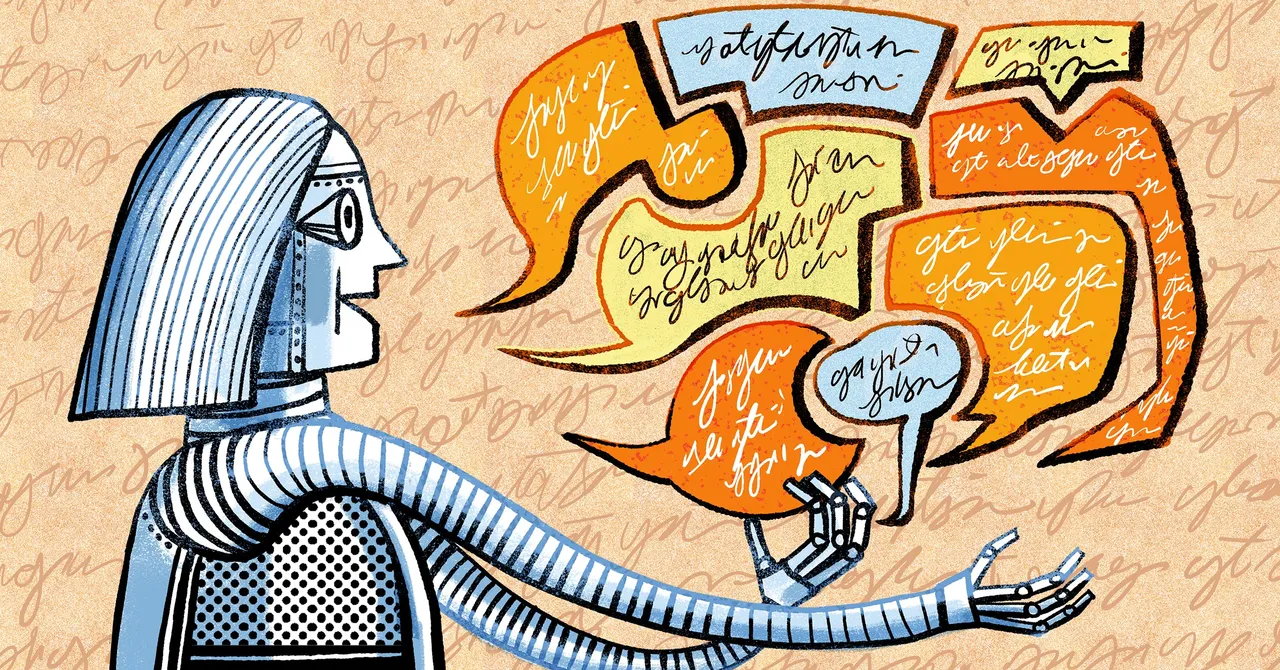
The core of this discovery lies in the models’ ability to understand and manipulate language structures akin to those used in advanced linguistic theory. Researchers subjected several LLMs to a comprehensive linguistic test designed around Chomsky’s Syntactic Structures, focusing on complex features such as recursion and sentence diagramming. Astonishingly, at least one model surpassed expectations by accurately generating tree diagrams, resolving ambiguous meanings, and analyzing deeply nested phrases — feats that had long been considered exclusive to human linguists. This finding is more than a scientific curiosity; it signals that AI systems are rapidly approaching human-like reasoning in language, with profound consequences for innovation and disruption.

Implications for Business and Industry

As AI models achieve an understanding of language comparable to graduate-level linguistics, the implications extend far beyond academia. Industries such as customer service, content moderation, legal analysis, and even advanced AI-driven education are poised for transformation. Companies that harness these capabilities could develop smarter, more intuitive chatbots capable of understanding context and nuance at a human level, disrupting existing tools that rely on keyword matching or superficial comprehension.

  • Enhanced Reasoning: Models can now perform sentence analysis, resolving multiple interpretations simultaneously.
  • Advanced Language Processing: Recursive structures and complex syntax are now within reach.
  • Market Disruption: Traditional NLP tools could be rendered obsolete by models capable of truly understanding language.

Notably, experts such as those from Gartner and MIT’s AI labs have predicted that this evolving capability will accelerate automation across sectors and lead to a paradigm shift in how AI interacts with humans. Such advancements will demand new standards for AI transparency and control, warning of the potential for unchecked automation if not carefully managed.

Future Trajectory and Urgency

The pace of these innovations underscores an urgent need for stakeholders — from policymakers to entrepreneurs — to recognize that the future of AI in language is now being shaped. As Elon Musk and Peter Thiel have repeatedly emphasized, disruption is accelerating at an exponential rate, and remaining complacent could lead to strategic obsolescence. The breakthrough highlighted by Beguš and his team is a testament to how disruptive innovation continues to defy traditional expectations, signaling that the era of AI understanding language at a human level may be closer than anticipated.

With industry giants and startups alike racing to leverage such advancements, competitors who invest early and prioritize innovation will dominate. The question remains: are organizations prepared to navigate the rapidly shifting landscape of AI-powered language technology, or will they be left behind in the wake of transformative disruption? As the industry moves forward, one thing is clear — the race for linguistic mastery in AI has entered a new, exhilarating phase, demanding relentless innovation and strategic foresight.
Transport Secretary warns shutdown could ground US flights to a trickle, sparking concerns for travelers and the economy

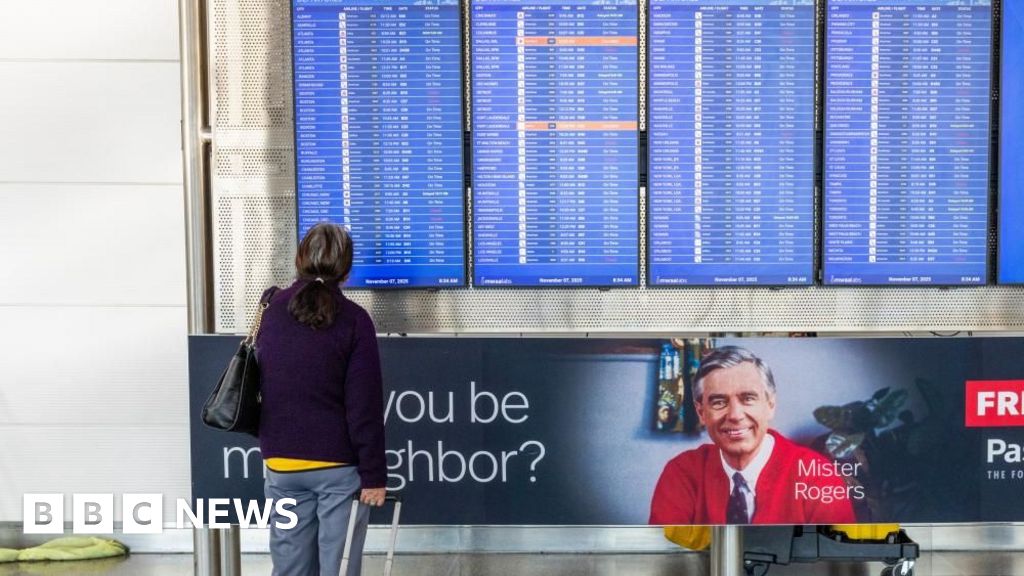
The ongoing US government shutdown has entered its 40th day, marking the longest in American history and sending ripple effects across the socio-economic fabric of the nation. As federal workers face unpaid wages and essential services grind to a halt, the transportation sector bears the brunt of the crisis. Thousands of flights are canceled or delayed daily, with the Federal Aviation Administration (@FAA@) announcing capacity reductions of up to 10% at major airports, such as Newark. These measures are driven by fatigued air traffic controllers, many of whom are working without pay—raising urgent safety concerns and exposing the weaknesses of bureaucratic gridlock.

Analysts and international observers warn that without swift resolution, the impact on the global economy could deepen. Flight delays and cancellations serve as a stark reminder of how domestic political stalemates threaten to destabilize global markets and international travel. US lawmakers are under pressure, with the Senate convening in a rare weekend session, attempting to broker a deal that could temporarily end this impasse. However, the core dispute remains entrenched, with Democrats demanding policy concessions tied to healthcare funding, and Republicans insisting on pure budget measures without additional policy layers. As President Donald Trump proposes redirecting relief funds directly to Americans’ health insurance, global financial markets watch nervously, understanding that timely compromise is paramount to prevent economic contagion.

This crisis highlights the deep fissures in the American political landscape—fissures that have far-reaching geopolitical impact. While Washington grapples with its stalemate, China and Russia observe closely, noting America’s internal divisions and the potential for weakened global influence. The shutdown also reveals the fragility of public trust in democratic institutions, with historians warning that prolonged crises may erode societal resilience and foster disillusionment among youth and working-class Americans. Meanwhile, international organizations like the IMF warn that such internal turmoil could serve as a distraction from pressing global issues, including geopolitical conflicts and economic reforms.

As the hours tick by and the nation stands on the brink of further chaos, the weight of history presses heavily on decision-makers. The words of analysts echo—the prolonged deadlock not only jeopardizes national stability but also threatens to reshape the international order. With each delay, the story of a nation divided unfolds anew, leaving the future tangled in uncertainty and the past whispering warning signs. The question remains: will this chapter in history’s relentless unfolding be resolved in time, or will it become yet another symbol of a lingering, unresolved crisis that stains the legacy of a once-powerful superpower?

US authorities ground cargo plane model following Kentucky crash

US Authorities Ground All MD-11 Cargo Planes Following Kentucky Crash

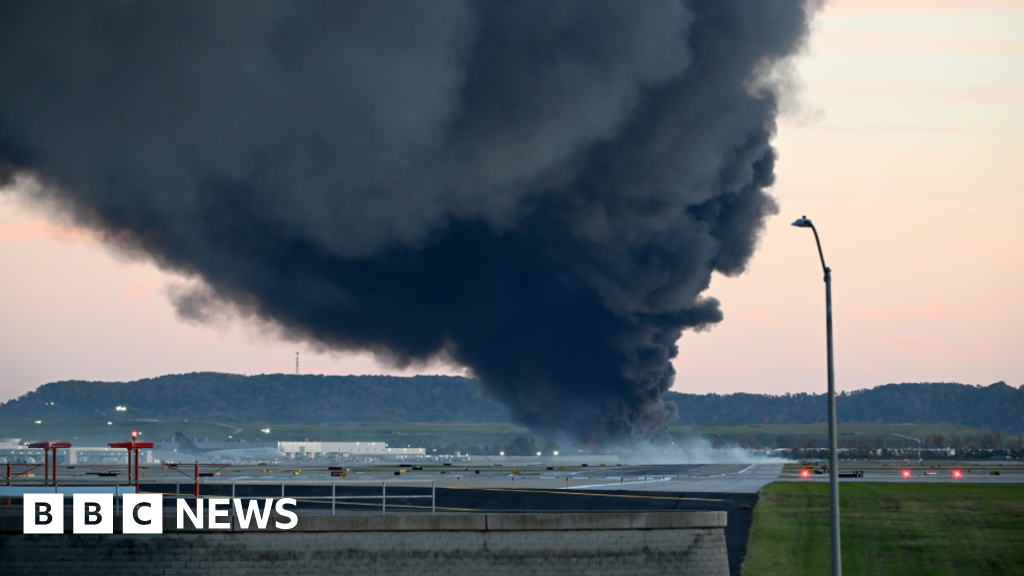
In a decisive move that underscores the fragility of oversight in an increasingly interconnected world, US aviation authorities have ordered immediate grounding of all models of the Boeing MD-11, following a catastrophic accident in Kentucky. The incident involved a UPS cargo plane that, during takeoff, burst into flames and collided with nearby businesses, resulting in 14 fatalities—an event that has sent shockwaves through the international freight industry and beyond. The Federal Aviation Administration (FAA) cited the plane’s left engine catching fire and detaching, compounded by the massive fuel load of 38,000 gallons, which fueled the inferno and made rescue efforts exceedingly perilous. The significance of this event stretches far beyond regional safety concerns—it calls into question the enduring viability of aircraft models still in operation, over three decades after their commercial debut.

Global Security and Trade Chains Hang in the Balance

  • The FAA’s order affects 70 aircraft operated by UPS, FedEx, and Western Global Airlines, with approximately 55 planes actively in service during last week’s operations.
  • The decision arrives amidst growing scrutiny of aging military-grade aircraft still used in civilian contexts, highlighting a broader debate on aircraft longevity, safety standards, and regulatory oversight.
  • International organizations such as the International Civil Aviation Organization (ICAO) have begun reassessing safety protocols for older aircraft across nations, with some analysts warning of potential systemic failures if aging fleets are not properly phased out.

The crash exhibits a disturbing trend: a 34-year-old model, initially designed as a passenger aircraft with Thai Airways, was transferred to cargo operations where it has remained. McDonnell Douglas manufactured the MD-11, which was eventually absorbed by Boeing in 1997; production halted in 2000. Despite being decommissioned from passenger service in 2014, these aircraft still operate in freight roles, reflecting the resilience of older aviation assets but also exposing vulnerabilities in maintenance and safety checks. Many aviation experts argue that the pursuit of profit and efficiency in a hyper-competitive logistics sector has impeded necessary fleet upgrades, risking the safety of crew, communities, and the integrity of logistics infrastructure.

Strategic Implications and Future Risks

As the world’s economies grapple with this incident, the geopolitical impact becomes increasingly evident. The disruption of cargo flights reverberates through global supply chains, affecting everything from pharmaceuticals to critical medical supplies—a realization that how nations manage transportation safety can directly influence international stability. Though US companies have assured the public that contingency plans are in motion, the incident raises alarming questions about the adequacy of current regulations and the hidden risks of aging aircraft fleets.

Historian and aviation analyst Dr. Lawrence Adams has warned that this tragedy could mark a turning point in how international regulators address aircraft lifespan and safety standards. International organizations are contemplating tighter controls, but some caution that the time-consuming process of updating fleets could be hindered by economic pressures and geopolitical rivalry. As nations watch this unfolding crisis, they are reminded that the decisions made today about safety, regulation, and technological overhaul will shape their destinies for decades to come.

Amidst the cloud of smoke and irreversible loss, the relentless surge of history presses forward. The crash in Kentucky is more than a tragic accident—it’s a stark warning echoing from the corridors of power, urging humanity to confront the hidden costs of technological obsolescence. As policymakers and industry leaders scramble to respond, the world waits—knowing that some moments in history are not just about the past, but about the choices that will determine the fate of generations yet unborn.

Hurricane Melissa Leaves Devastation in 'Ground Zero'—A Stark Warning for Our Communities
Hurricane Melissa Leaves Devastation in ‘Ground Zero’—A Stark Warning for Our Communities

The recent devastation wrought upon Black River has sent shockwaves across the international community, serving as a stark reminder of the fragile state of stability in our interconnected world. Witnessed firsthand by BBC correspondent Will Grant during an aid helicopter flight, the destruction reveals a landscape scarred by conflict, neglect, and the unpredictable fallout of geopolitical tensions. This tragic event underscores the profound consequences for local populations and the far-reaching ripple effects on regional security.

The core of the crisis lies in a complex web of geopolitical instability, where the strategic interests of major powers intersect with ongoing civil unrest. Analysts emphasize that the devastation is not merely a natural disaster but also a consequence of failed governance and fragile peace agreements. According to reports from international organizations, including the United Nations, this disaster could catalyze a new wave of displacement, human suffering, and diplomatic tensions. Historians warn that such moments often serve as catalysts for broader conflicts, highlighting the importance of swift international cooperation and decisive action.

  • The destruction in Black River exposes underlying vulnerabilities in regional security arrangements.
  • Failed peace initiatives and military interventions have hampered reconstruction efforts.
  • Global institutions are urging immediate humanitarian aid while balancing geopolitical interests.

Furthermore, how nations respond in this critical period may determine future stability or chaos. Many experts assert that the impact of these decisions extends beyond borders, shaping the geopolitical landscape for decades to come. Credible voices like the International Crisis Group warn that ignoring these warnings could lead to prolonged instability, fostered by politicized aid and strategic manipulations. The crisis in Black River stands as a poignant illustration of the ongoing struggle between sovereignty and international intervention—an age-old debate that remains unresolved.

As the world watches, the question remains: will this tragedy galvanize efforts toward genuine peace and reconstruction, or will it be exploited as a pawn amid greater geopolitical games? History shows that moments of profound upheaval often serve as turning points—either for collective resilience or as preludes to further chaos. With each passing day, the weight of history presses down, reminding us that the choices made today will echo through generations, defining the course of nations long into the future. The unfolding story of Black River is still written in real time, and its final chapter has yet to be penned.

Algarve’s youth lean right as Chega gains ground in resort city elections

The southern Portugal region of Algarve is currently at the epicenter of a rapidly evolving political landscape that could reshape the nation’s future and reverberate well beyond its borders. As local elections approach, the surge of the far-right Chega party has become unmistakable, with its aggressive nationalist rhetoric and populist policies striking a chord among disillusioned voters. This electoral rise is not merely a regional phenomenon but a harbinger of what analysts describe as a significant shift in Portugal’s political paradigm, with potential implications for the continent’s broader left-right dynamics. Experts like political commentator Miguel Carvalho warn that this emerging tide could challenge the traditional dominance of center-right parties, placing Portugal on a potentially turbulent trajectory that echoes earlier European populist surges.

The geopolitical impact of this shift extends beyond national borders. As Ventura and his party tap into economic frustrations—particularly around housing and migration—their rhetoric mirrors the nationalist, anti-establishment language sweeping across Europe. The Algarve, famous for its natural beauty and thriving tourism industry, is becoming a testing ground for far-right ideas centered on protectionism, anti-immigration measures, and cultural preservation. The rise of Chega is interpreted by many, including international observers, as a broader attempt to reinvigorate nationalist sentiment amidst ongoing economic insecurity and societal change. Historically, analysts like Dr. Helena Sousa illustrate how these populist movements thrive in regions where economic disparities and social anxieties are most acute, often exploiting fears around migration and cultural identity to build political alliances and power bases.

Decisive international consequences are already apparent. The party’s strategy of leveraging nationalism and populism echoes comparable movements across Europe, from Spain to Hungary, fostering a transnational front of right-wing alliances. Ventura’s frequent visits to Spain and Hungary highlight a deliberate effort to integrate Portugal into this emerging geopolitical coalition. Additionally, the role of global media coverage and social platforms in amplifying party messages has accelerated the spread of this nationalist wave, emboldening similar movements elsewhere. Countries and Democrats worldwide now watch Portugal’s elections as a litmus test—if the far-right gains footholds there, it could spur a domino effect across the European Union, destabilizing current political architectures and challenging the sustainability of liberal democracies. As International Crisis Group warns, the consequences of these shifts may include an increase in regional instability, economic destabilization, and the further polarization of societies.

The unfolding narrative remains tense and unpredictable, with the fate of Portugal’s democracy hanging in the balance. If Ventura’s vision prevails, it signifies more than a local electoral victory; it becomes a chapter in the larger story of a Europe wrestling with its identity and future. These elections will determine whether Portugal remains a bastion of moderate politics or succumbs to the siren call of nationalism. As history continues to unfold, it leaves a profound question for the world: will this wave of populism lead to renewed fortresses of sovereignty and cultural integrity, or will it drown the continent in division and unrest? In a world where geopolitical landscapes are shifting at unprecedented speeds, the decisions made in Albufeira may well echo for generations to come, shaping the destiny of societies and democracies amid the ongoing tumult of the 21st century.

Kimmel stands his ground with bold message to Trump, sending a clear call to the youth and values we hold dear

In the shifting currents of contemporary culture, the significance of art, media, and entertainment extends far beyond mere amusement; they stand as the living pulse of our collective identity. As Ortega y Gasset famously observed, “A society is always as strong as its cultural memory.” Today, figures like Jimmy Kimmel and Robert De Niro serve not only as entertainers but as voices in the ongoing dialogue about truth, freedom, and societal norms. Their confrontations with political figures and institutions highlight a profound truth: culture is both the mirror and the torch of society’s values. This culture—whether it lives in the nuances of late-night monologues or in the underlying principles of national discourse—remains an indelible part of our heritage and a prophecy of our future trajectory.

In recent weeks, Kimmel’s return to television amidst controversy exemplifies the deliberate effort to preserve the space for free speech—an enduring pillar of Western democracy. His refusal to entirely apologize for his comments about Charlie Kirk’s tragic death underscores a vital aspect of cultural resilience. As Chesterton once argued, “The true object of a joke is not to make you laugh, but to make you think.” His bold stance challenges the rising tide of censorship, which some critics argue is fueled by government or corporate interests, seeking to silence dissent under the guise of civility. Kimmel’s critique of the FCC, with humorous yet pointed sketches featuring Hollywood icon Robert De Niro, condemns the misuse of authority and mob tactics that threaten individual expression. This belligerent stand reveals that culture is not static but a battleground—where the preservation of tradition meets the demands of modernity, often at odds with each other.

  • Milestones in cultural battles: From Chesterton’s rallying cry for tradition to Eliot’s recognition of the poet as “the memory of mankind”.
  • Key themes: The importance of historical context, the defense of free speech, and the critical role of cultural icons in shaping societal values.
  • Contemporary reflection: Figures like Kimmel and De Niro epitomize the modern struggle—balancing entertainment, political commentary, and the defense of civil liberties.

Yet amidst these clashes, the essence of culture remains rooted in its dual role as memory and prophecy. It is a repository of our shared past—celebrating heroism, lamenting follies, preserving tradition—and a guidepost for the future, orienting society amid the chaos of change. As Tocqueville noted, “America’s strength lies not only in its institutions, but in the moral fabric woven by its culture.” Today, we stand at a crucial juncture: to uphold the values that forge our identity and prevent the erosion of our civil liberties. Culture, then, is the spiritual inheritance that roots us in history yet propels us towards our destiny. It is both the echo of humanity’s voice through the ages and the prophecy inscribed in the ideals we choose to defend. In this undying dialogue, humankind’s enduring hope rests—a hope that culture will always be both memory and prophecy, guiding us through darkness into the dawn.

Social Media Auto Publish Powered By : XYZScripts.com