
Global Power Play: Iran Warns US of Confrontation Amidst Rising Tensions
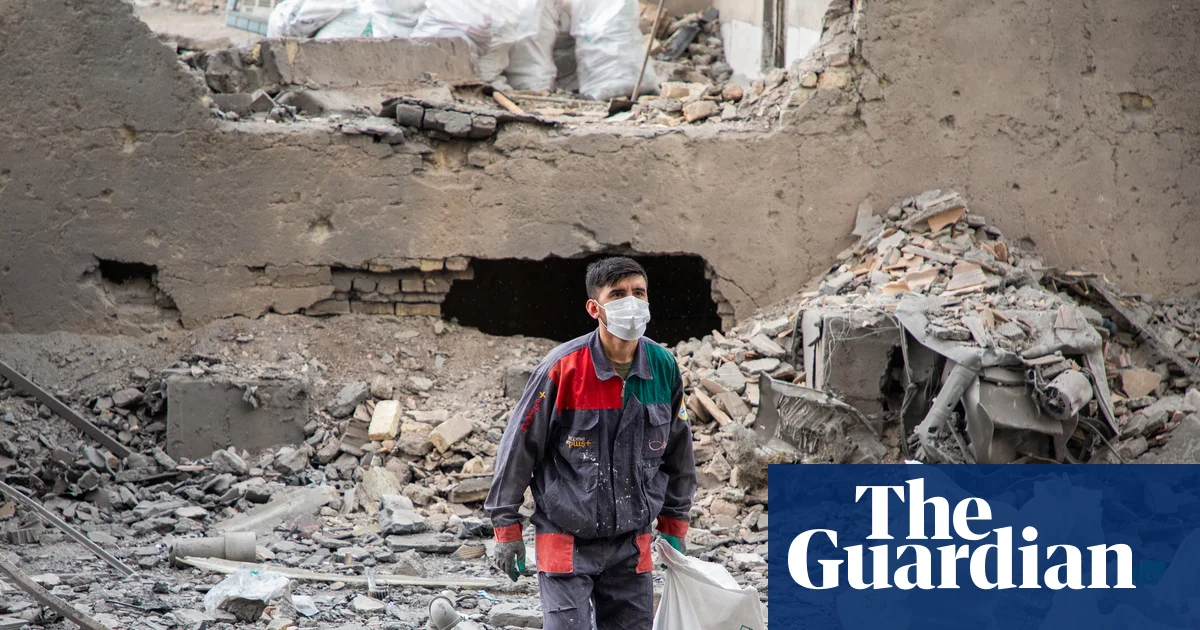
As the international community watches with concern, Iran has issued a stark warning to the United States, revealing that Tehran is prepared for a potential confrontation amidst ongoing conflicts in the Middle East. Marking 30 days since the outbreak of a devastating war, Iranian officials have accused the US of covert military strategizing. Mohammad Bagher Ghalibaf, the speaker of the Iranian parliament, publicly alleged that while the US publicly seeks negotiations, behind closed doors, plans are underway for a ground invasion. Such claims heighten fears of a broader regional war, fueling fears that the current conflict could spiral into a geopolitical powder keg with global repercussions.
This escalation has profound geopolitical impact. Analysts from the International Crisis Group warn that the escalating rhetoric and military posturing threaten to destabilize an already volatile area. Iran’s missile readiness and its warning that it is “waiting for American troops to set them on fire” send a clear message to Washington: any ground encroachment would meet fierce resistance. The leadership’s combative stance appears to be a bid to deter American military ambitions and to reaffirm Iran’s regional influence. This could reshape alliances in the Middle East, rallying some nations to Iran’s cause while others seek to avoid direct confrontation, yet all are aware that the risks of further escalation are deadly for global stability.
US Responses and Global Tensions
Adding fuel to the fire, recent statements by former US President Donald Trump reveal a significant shift in American posture. In an interview with the Financial Times, Trump expressed his willingness to pursue control of Iran’s vital oil resources, stating, “We could take [Kharg Island] very easily.” His explicit mentions of seizing Iran’s oil highlight an aggressive approach that could drastically alter international energy markets and escalate military tensions in the region. The notion of “taking” Iran’s oil is seen by analysts as a turning point that signals a return to a more confrontational US stance, risking conflagration with Tehran and its allies. The geopolitical consequences could include a reshuffling of regional power balances, with oil-rich states reacting to the potential for renewed conflict.
Meanwhile, other narratives are emerging globally. The European Union is under threat as civil liberties groups warn that governments in five member states are “innovatively eroding the rule of law,” raising questions about the resilience of democratic institutions across Europe. The potential for further authoritarian drift in Europe signifies a post-Cold War withdrawal from democracy, which could embolden more aggressive foreign policies and undermine international cooperation. As these internal struggles unfold, they further complicate responses to crises like Iran, illustrating how internal political stability directly influences international security considerations.
Turning Points and the Unfolding Future
In an age where power dynamics swiftly shift, the unfolding narrative around Iran and the US serves as a stark reminder of how history’s pivotal moments are shaped. The aspirations of superpowers to dominate energy resources, combined with ideological clashes and regional ambitions, threaten to ignite a conflict that could drag the world into chaos. As historians emphasize, the decisions made today—whether to pursue diplomacy or escalate military measures—will define the geopolitical landscape for generations. The weight of history presses heavily upon nations; their paths are fraught with peril, and the echoes of this crisis will resonate into the future, shaping global narratives of power and resistance.