Matox News

Truth Over Trends, always!

NSW Government Under Fire: Human Rights Group Probes Racial Discrimination Allegations

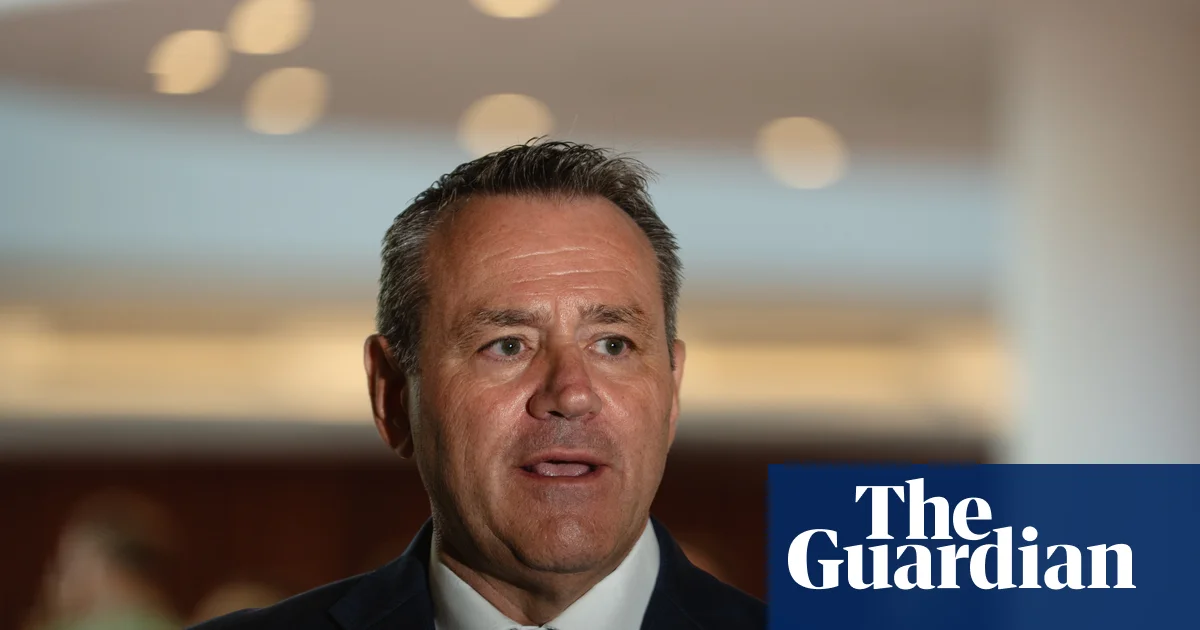
In a developing chapter of Australia’s ongoing struggles with racial and religious tensions, the Australian Human Rights Commission has launched an investigation into allegations of racial discrimination involving the state’s multicultural policy machinery. The complaint, brought forward by the Alliance Against Islamophobia and the Periyar Ambedkar Thoughts Circle of Australia (Patca), targets Steve Kamper, the New South Wales Minister for Multiculturalism, signaling a concerning escalation in internal community disputes with potential geopolitical repercussions. The complaint centers on claims that Kamper and his department failed to properly investigate reports from Muslim and caste-oppressed Hindu groups, raising legitimate questions about the effectiveness of multicultural policy enforcement in a nation increasingly divided along ethnic and religious lines.

Analysts emphasize that this controversy provides a crucial turning point for Australia’s multicultural narrative. The complaint alleges that government agencies not only dismissed the concerns of marginalized groups but also continued to endorse the Hindu Council of Australia’s role within the NSW Faith Affairs Council—an advisory body to the government representing multiple faith communities. This raises the fundamental issue of how state institutions are tasked with managing religious and ethnic pluralism in a landscape increasingly torn by identity politics. Furthermore, the complaint suggests that the department omitted references to caste-based discrimination and Hindu nationalist extremism from official reports—an omission that critics say underscores a dangerous attempt at its marginalization or denial, which could embolden extremists and encourage social fragmentation.

International security analysts warn that such internal disputes within Australia’s diverse communities could have broader geopolitical impact. As nations like China and India continue their strategic maneuvers across the Indo-Pacific, internal cohesion in Western democracies becomes pivotal. Some observers worry that unresolved issues like caste discrimination and religious extremism could fuel social division, making Australia susceptible to external influence or internal destabilization. Historian Dr. Liam Hamilton notes that “the handling of these sensitive issues will not only determine Australia’s internal stability but also influence its diplomatic posture in a volatile regional environment.” The scene reflects a broader challenge for global democracies: how to reconcile diversity with national unity amidst growing geopolitical tensions.

As the debate intensifies, community leaders are warning of deepening divisions, with some Hindu nationalist factions reportedly spreading divisive rhetoric through social media platforms. The Human Rights Commission’s investigation emerges at a critical juncture—an opportunity for Australia to reaffirm its commitment to social cohesion and equal protection under the law. Whether the government chooses to confront these internal fissures head-on or continues its policy of cautious appeasement could determine the future fabric of Australian society. In this unfolding narrative, the weight of history and the contemporary struggle for harmony hang in fragile balance, foreshadowing a future where the nation’s multicultural model may be tested like never before, under the watchful eyes of the world.
Afghan Asylum Seeker Dies in ICE Custody, US Group Blames Authorities

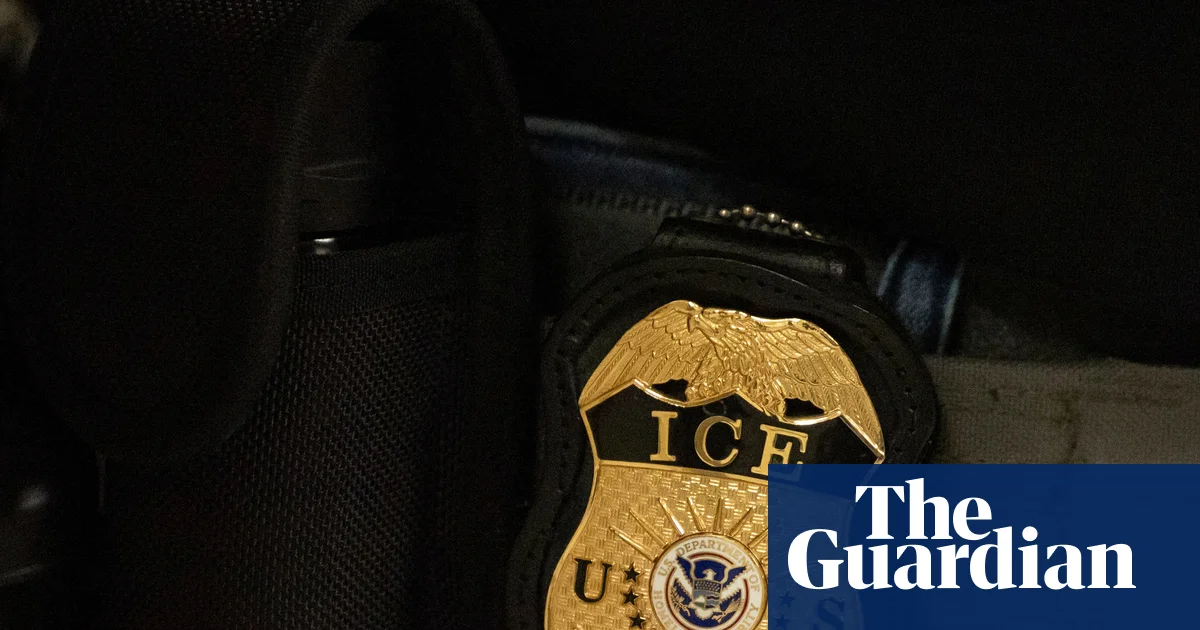
In a stark illustration of the ongoing immigration and border enforcement policies shaping modern geopolitics, the recent death of Mohommad Nazeer Paktyawal, an Afghan immigrant detained by U.S. Immigration and Customs Enforcement (ICE), has sparked renewed debate about the human toll of America’s immigration crackdown. This tragic event underscores the increasingly severe consequences faced by migrants caught in the machinery of US immigration policies, particularly under administrations committed to mass deportations and strict enforcement.

The circumstances surrounding Paktyawal’s death, which occurred less than 24 hours after his detention in Texas, have raised significant concerns. The 41-year-old, a former Afghan special forces soldier evacuated after the fall of Kabul in 2021, was living with his wife and six children in a Dallas suburb while his asylum case was pending. Yet, despite his service and contribution to both Afghanistan and the US, he was detained while taking his children to school, an event that has become alarmingly commonplace amid the Trump-era policies that have seen ICE’s detention numbers skyrocket to record highs—about 68,000 individuals held as of February, according to recent reports. Analysts warn that this escalation in detention practices increases the likelihood of tragic incidents like Paktyawal’s death, highlighting systemic issues within the enforcement apparatus.

ICE’s official statement claimed Paktyawal was being medically monitored after suffering a swollen tongue, and despite attempts at resuscitation, he succumbed to causes yet to be publicly clarified. Critics argue this incident points to more profound flaws, including inadequate medical care and the brutal reality that many detainees face substandard conditions. Human rights organizations and advocacy groups like AfghanEvac have called for immediate investigations, emphasizing that it is highly unusual for a healthy man to die within a day of detention. The broader geopolitical impact of this event is multi-layered: it exemplifies the human cost of immigration policies that often overlook individual stories and fails to balance national security with humanitarian responsibility.

Historically, the US’s approach to Afghan migrants—many of whom served alongside American forces—has become a contested battleground. Under President Joe Biden’s administration, over 70,000 Afghans entered the US through the Operation Allies Welcome program, but recent policy shifts have seen a rollback of temporary protected statuses granted for humanitarian reasons. The withdrawal of protections for around 14,600 Afghans marks a troubling trend, as many face the peril of deportation despite their service and sacrifices. Experts warn that these policies risk fueling instability both domestically and across regions hosting displaced populations, compounding fears of marginalization and societal division.

As the lights of history’s unfolding narrative continue to cast shadows over this tragedy, the death of Mohommad Nazeer Paktyawal serves as a harbinger of deeper issues within the US immigration system. It forces nations and societies to confront a sobering question: at what cost does the pursuit of strict border enforcement come? The international community watches with cautious concern, as policies shaped in Washington ripple outward—affecting the lives of countless individuals and shaping the geopolitical landscape for generations to come. In the echoes of this loss, history presses on, reminding us that beneath the policies and politics lie human stories—stories that demand justice, compassion, and acknowledgment of the profound human toll.

Senegal Enacts Stricter Anti-Gay Laws Amid Rights Group Concerns

Recent warnings from international critics suggest a concerning trajectory where violence and fear are poised to escalate across multiple regions, threatening the fragile stability that many nations have worked decades to establish. Analysts warn that these developments could serve as a turning point, undermining not only regional security but also the foundational principles of equality and non-discrimination. Such concerns are particularly acute among defenders of democratic freedoms, who emphasize that the current geopolitical climate may significantly reverse progress made in human rights over recent years.

In the midst of ongoing conflicts, there is mounting evidence that internal and external pressures are pushing nations toward increased authoritarianism and repression. Top international organizations, including the United Nations, have issued cautious statements pointing out that rising violence often correlates with the suppression of civil liberties. Historically, sharp rises in violence tend to be accompanied by efforts to curtail dissent and marginalize vulnerable populations, thereby eroding the ideals of equality. Some political analysts, referencing historical parallels, warn that when governments prioritize security over individual rights, societal divisions deepen, and the stability they seek to maintain is often betrayed by the very methods deployed to achieve it.

Notably, critics argue that these trends are not isolated but indicative of a broader geopolitical shift. Countries caught between rising authoritarian regimes and global power struggles are increasingly resorting to coercive measures that threaten to destabilize entire regions. Efforts to suppress dissent and silence opposition voices are intensifying, with many nations adopting laws that undermine free media and judicial independence. These actions threaten to undo decades of progress toward inclusive governance. According to observers from the International Crisis Group, such shifts could precipitate regional conflicts, destabilize alliances, and fracture international cooperation, with far-reaching consequences for global peace and security.

Moreover, the erosion of principles of equality and non-discrimination complicates these already tense circumstances. Societies with entrenched divides—be they ethnic, religious, or socio-economic—are particularly vulnerable to the destabilizing impacts of violence and repression. Voices from historians such as Dr. Jonathan Marcus warn that history repeatedly demonstrates how the disavowal of fundamental human rights fuels cycles of violence that can spiral into full-scale upheaval. As nations grapple with these emergent threats, the question remains: how will the international community respond to safeguard the core values of freedom and justice, especially when those values are under assault?

Ultimately, these interconnected dynamics cast a long shadow over the future. The unfolding story of conflict, repression, and the retreat from universal rights is a stark reminder that history is perpetually in the making. Each decision taken—whether to capitulate to fear or uphold justice—will define the course of nations for generations to come. As the world watches on the brink of this tumult, the haunting realization persists: the struggle for peace and liberty is an enduring, often perilous journey, and the choices made today will echo through history’s halls as defining moments of our age.

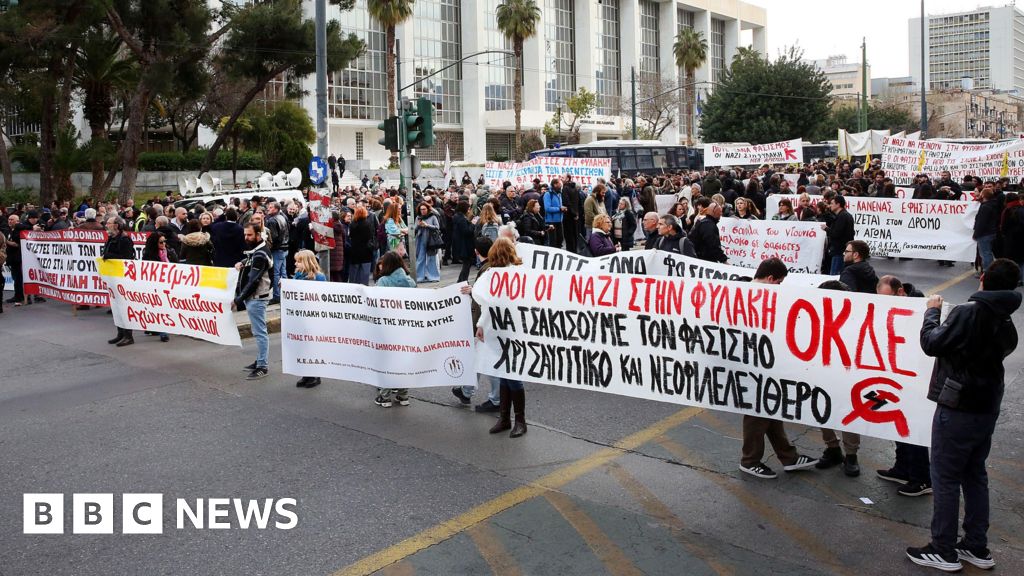
Greek Court Confirms Verdict Against Neo-Nazi Golden Dawn Group

In a significant development within Greece’s** political landscape,** recent judicial proceedings have culminated in the conviction of Nikos Mihaloliakos**,** founder of the now-infamous Golden Dawn party,** alongside several high-ranking officials. This verdict, arriving almost six years after the initial trial, underscores the persistent scrutiny faced by nationalist movements and illuminates the broader ideological battleground shaping modern Europe.

Historical analysts and international observers have long debated the implications of this case, which highlights a troubling resurgence of far-right extremism. The trial’s protracted timeline and eventual verdict reflect the complex interplay between national sovereignty and international pressure. It also brings into focus the delicate balance that European Union and European Court of Justice officials maintain as they address the rise of radicalized political factions. At the heart of this controversy lies a broader question: **How do such judicial findings transform the social fabric and geopolitical strategy of nations embroiled in ideological conflict?**

From a geopolitical perspective, these convictions resonate well beyond Greece’s borders. Historically, the resurgence of nationalist violence threatens to destabilize regional diplomacy and complicate relations with neighboring countries, especially in the volatile Balkan region. The actions taken against figures like Mihaloliakos serve as a stern warning to other extremist groups across Europe, signaling a firm stance from Greek judiciary authorities against the normalization of hate-based politics. As
international organizations such as the United Nations and the OSCE cast an eye over Greece, analysts warn that these legal proceedings could either serve as a blueprint for combatting extremism or, paradoxically, galvanize dissatisfied factions further.

Noted political commentators and historians have noted that Greece’s fight against domestic extremism is intertwined with its geopolitical identity and allegiance within the broader western alliance. The conviction of Mihaloliakos and others echoes similar narratives seen in the European Union’s broader effort to clamp down on ideologies that threaten social cohesion and security. However, critics argue that such legal actions must be accompanied by effective societal measures, lest they become mere symbolic gestures that do little to address underlying grievances and societal divisions. As history has shown, the line between justice and political leverage is razor-thin, and the stakes for Greece are nothing short of historic.

As the shadows of this verdict settle over Athens, the nation finds itself at a crossroads. The echoes of past conflicts and ideological extremes linger, yet the message from the current ruling authorities is clear: **The rule of law must prevail as the safeguard of democracy.** Still, the weight of history is relentless; as Greece continues to grapple with its internal struggles, the world must ponder how the decisions made today will shape future generations. The real test lies ahead—will this judicial victory withstand the storm of societal discord, or will it become a chapter in an ongoing saga of division and conflict? The pages of history are turning, and the story remains unwritten.

Group presses forward with legal challenge against South West Water sewage pollution

In a revealing sign of the rising environmental consciousness among grassroots communities, a legal claim against South West Water has extended across the Devon and Cornwall coastlines, reflecting broader societal frustrations over government and corporate accountability in environmental stewardship. Initially confined to Exmouth, the group legal action now spans towns like Dawlish, Sidmouth, Teignmouth, and Cornwall’s renowned beaches, including Newquay and Penzance. This movement underscores a fundamental shift: ordinary citizens are not willing to accept systemic pollution and neglect, especially when it directly harms their health, livelihoods, and natural heritage. Analysts suggest that this grassroots mobilization could serve as a bellwether for similar movements across Europe, where local populations increasingly demand accountability from authorities and corporations over environmental degradation.

The core of the dispute revolves around the ongoing discharge of raw sewage into cherished coastal waters—an issue that has sparked outrage among residents. According to Leigh Day, a prominent law firm specializing in environmental justice, the claim now includes more than 1,400 individuals impacted by South West Water’s alleged failings. Tina Naldrett, a 62-year-old nurse from Dawlish, vividly captured the emotional toll: “The sea is our heritage and sanctuary, yet I see sanitary products, plastic debris, and foam of effluent floating past—more often than not. Water companies do not own the seas; they are stewards of a shared natural resource, and their actions betray a moral and ethical bankruptcy.” When communities witness the continued pollution, especially during the summer months with beach closures and health warnings, it only fuels the perception that corporate interests supersede ecological sustainability and community welfare.

The criminality of these acts is reinforced by official reports from Ofwat, which in 2024 issued a £24 million enforcement penalty against South West Water. An investigation revealed systemic failures dating back to 2017—failings that have resulted in over half of the company’s treatment plants spilling raw sewage into the environment regularly. The length of 544,429 hours of discharge in just that year alone signifies a disturbing trend: the continued prioritization of cost-cutting and convenience over environmental health and public safety. Experts like environmental historians warn that such incidents reflect broader patterns of regulatory negligence and corporate complacency, which threaten to water down the very safeguards meant to protect natural ecosystems and human communities.

  • The legal action highlights the widespread violation of regulations concerning storm overflows, which should only be used during extraordinary weather events but are reportedly deployed excessively—especially during rainfalls when systems are overwhelmed.
  • The impact extends beyond environmental concerns, disrupting local economies reliant on tourism and recreation, and raising questions about the effectiveness of current environmental frameworks in holding corporations accountable.
  • Community voices, represented by campaigners like Oliver Holland, emphasize that these legal actions are crucial in empowering citizens to push for tangible change and to hold polluters responsible for years of neglect.

As international observers peer into this unfolding domestic crisis, many see it as a microcosm of larger trends in governance, corporate ethics, and civil activism. Historians of environmental law warn that ignoring these grassroots demands risks a future where the natural world is irreparably damaged, and societal trust erodes further. The ripple effects could extend beyond Britain, influencing global debates on corporate responsibility and environmental justice. What is at stake is nothing less than the legacy we leave behind—a question of whether communities will stand together to reclaim their shared inheritance or capitulate to a system that values profit over preservation. As the tides of change rise, the outcome remains uncertain, yet the story of a society grappling with its obligations to nature and future generations continues to unfold with relentless urgency, leaving an indelible mark on history’s scrolls.

Venezuela Releases Dozens of Political Prisoners, Human Rights Group Reports

Venezuela’s Political Prisoner Releases: A Tactical Move Amid Growing International Tensions

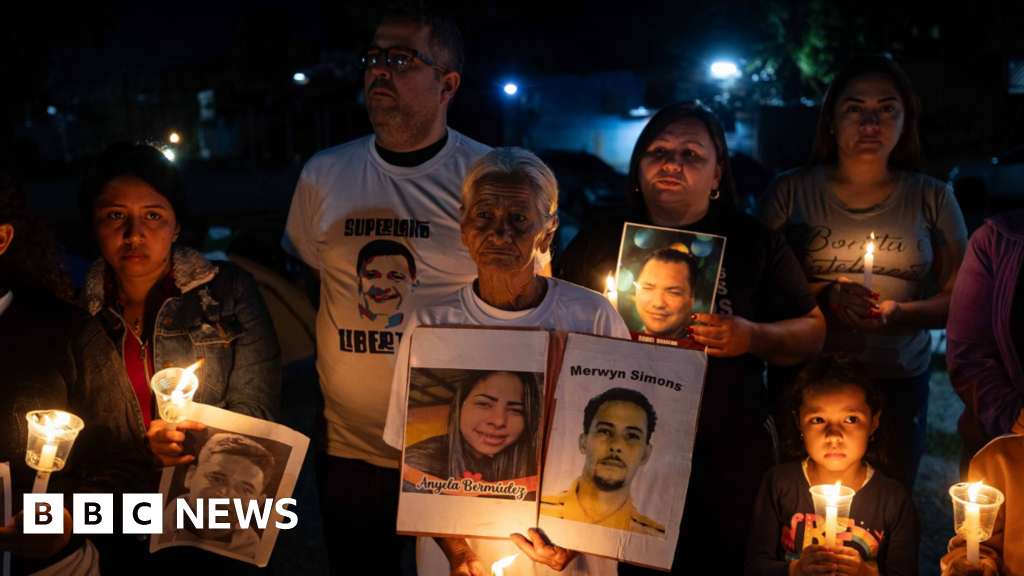
In a striking development that underscores the ongoing geopolitical struggle between the United States and Venezuela, reports indicate that at least 80 political prisoners have been released from captivity. According to a leading Venezuelan human rights organization, these releases are largely attributed to pressure exerted by Washington, which recently seized Venezuelan President Nicolás Maduro in a covert operation in New York and took him to stand trial on drug trafficking charges. This move by the US signals a significant escalation in its approach to Bolívarian politics, aiming to destabilize the Maduro regime and shift regional power dynamics.

Since the drug-trafficking raid, Caracas has been under mounting international scrutiny. Venezuelan interim President Delcy Rodriguez claimed that more than 600 prisoners had been freed—an assertion swiftly contested by Foro Penal, a reputable human rights group, which stated that the figure has likely been inflated. Meanwhile, the group has confirmed the release of 156 political detainees since early January—many of whom remain in limbo without formal charges dropped, effectively barred from speaking publicly. Such measures highlight the Venezuelan government’s ongoing efforts to diffuse internal dissent while managing international image.

Legal limbo and suppression continue to haunt many of those released. Gonzalo Himiob, a lawyer representing Foro Penal, emphasized on social media that the number of freed prisoners might increase as verification continues. This cautious optimism comes amid accusations from human rights activists who contend that the regime’s motivation is less about justice and more about manipulating international perception. The impending phone call between Rodriguez and the United Nations High Commissioner for Human Rights reflects a fraught attempt to legitimize the releases while navigating accusations of political repression. Critics argue that the Venezuelan government has long exploited arrests to silence critics and suppress opposition—especially following the disputed 2024 presidential election, which Maduro claimed victory amid widespread allegations of fraud.

This scenario reveals a delicate geopolitical balancing act. While the US aims to weaken Maduro’s influence, its intervention risks further destabilizing Venezuela—potentially opening the door to greater chaos and regional insecurity. Analysts warn that international pressure could push Caracas to double down on authoritarian measures, using the guise of political openness as a façade for continued repression. Historically, such tactics have created a volatile environment, fostering lawlessness and deepening societal divisions. The situation remains volatile, with the weight of history pressing down; the steps taken today might echo through generations, defining whether Venezuela’s future will be marked by renewed hope or irreversible decline.

Wagner Group Accused of Cold-Blooded Civilian Killings in Mali

Russia’s Shadow War in Mali: A New Era of Geopolitical Uncertainty

The recent escalation of violence in Mali underscores a profound shift in the continent’s geopolitical landscape, illustrating how foreign mercenary groups like Wagner are redefining global influence and regional stability. Since the military junta seized power in 2021—after ousting the democratically elected government—the country has become an arena for international power plays, with Russia emerging as a major player amid a backdrop of chaos and terror. What was once a fragile State struggling with insurgency has transformed into a battleground for competing interests, where human rights abuses are becoming the dark hallmark of Russia’s covert strategy in Africa.

This covert intervention was initially cloaked in the guise of counter-terrorism. However, evidence collected by human rights organizations and the BBC reveals a different reality: a brutal campaign marked by massacres, torture, and lawless violence attributed to Wagner mercenaries. Testimonies from survivors like Ahmed, a displaced shopkeeper, paint a disturbing picture of extrajudicial killings and systematic cruelty. From forcing villagers onto fields to identify supposed jihadists under threat of execution, to executing prisoners in plain sight, Wagner’s tactics are deliberately designed to sow fear, collapse local resistance, and establish Russian influence under the guise of stability. Historians warn that these tactics mirror Cold War-era dirty wars, where proxy armies serve wider geopolitics, often at the expense of human life and sovereignty.

The New Colonialism?

The transition from French to Russian influence in Mali signals a turning point—one that alarms Western allies and international observers. As the European Union and the United States express concern over human rights violations, analysts like Dr. John Morrison, an expert on African geopolitics, underline how Russia’s strategic pivot mirrors a broader global realignment. The mercenary presence consolidates Russia’s position as an alternative power to Western nations, countering the fading influence of colonial-era actors. The African Union and think tanks warn that this shift risks entrenching authoritarianism and prolonging conflict, with Mali’s sovereignty increasingly undermined by foreign military actors who operate beyond the reach of international law.

Despite Wagner’s official withdrawal announced in June 2023, reports indicate that its operatives have subtly persisted within the framework of Africa Corps, under Russia’s defense apparatus. The Timbuktu Institute estimates that over 70% of Africa Corps fighters are former Wagner members, inheriting a legacy of atrocities that threaten to destabilize entire regions. While some early indicators hint at a reduction in mass atrocities, organizations like ACLED warn that violence persists, cloaked in a veneer of fragile peace—signaling that, in geopolitical terms, the true war is not in the open but in the shadows.

Society in the Crossfire

For ordinary Malians, especially the nomadic Tuareg and Arab communities, the consequences are devastating. Refugees fleeing to camps in M’berra in neighboring Mauritania describe a climate of terror inflicted by Wagner operatives. Accounts of torture, summary executions, and threats of violence highlight how these mercenaries—initially described as “counter-insurgency”—have become agents of chaos. When history assesses the 21st century, it will remember this period as one when foreign powers exploited fragile states, turning them into theatres of human suffering and geopolitical contest.

As the world watches, the true impact extends beyond Mali’s borders: a continent destabilized, societies fractured, and a global order challenged. Decisions made in the corridors of power—whether to authorize, ignore, or confront these mercenaries—will determine whether Mali remains a sovereign nation or succumbs to a new form of imperial influence. The stories emerging from these conflict zones serve as stark warnings of the human toll exacted when geopolitics displaces human dignity, urging global citizens and policymakers alike to confront the reality that history’s pen continues to write our collective future amidst shadows of conflict and lawlessness. The outcome remains unwritten, but the weight of this unfolding chapter presses heavy upon the conscience of the international community—an unresolved story of power, pain, and the price of sovereignty.

US Carrier Group Heads to Latin America, Strengthening Regional Presence

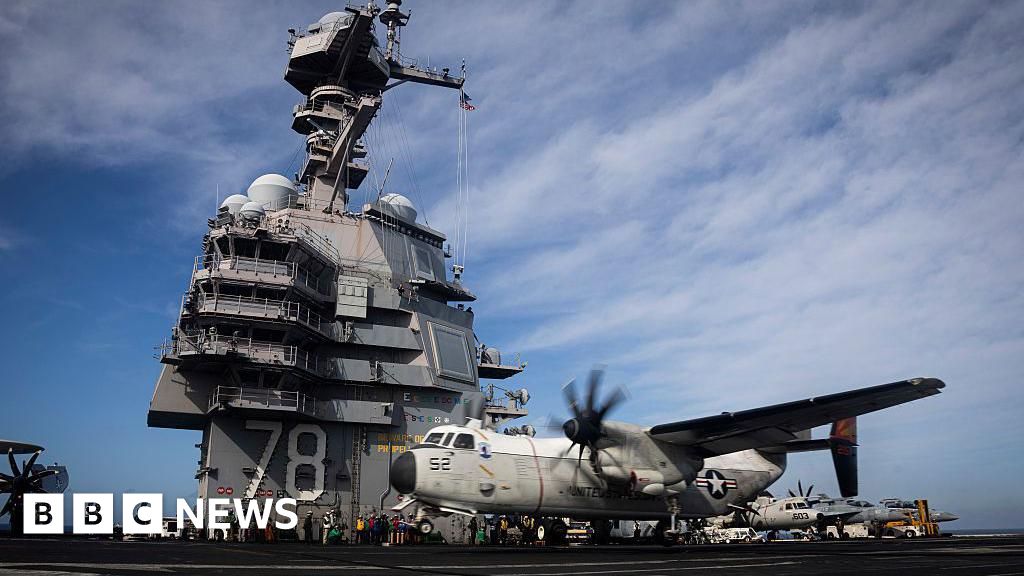
The recent deployment of a formidable US naval strike force to the Caribbean signals a significant escalation of America’s military posture in Latin America. Led by the USS Gerald R Ford, the world’s most advanced aircraft carrier, this deployment underscores Washington’s commitment to asserting its dominance in a region increasingly targeted by both illegal trafficking and political crises. The inclusion of guided-missile destroyers and a nuclear submarine among other vessels marks the largest US military presence in Latin America in decades, signaling a strategic pivot that many analysts argue is designed to control regional instability and assert influence amidst rising geopolitical competition.

According to Pentagon officials, this deployment aims to bolster capabilities to “detect, monitor, and disrupt illicit activities,” specifically targeting narcotics trafficking networks and criminal enterprises. However, critics and international observers warn that these operations are more than mere anti-drug initiatives; they are part of broader efforts to contain and influence the political landscape of the region, particularly in Venezuela and Colombia. Venezuelan President Nicolas Maduro and his government have long accused the US of attempting to provoke regime change under the guise of fighting crime, labeling US actions as “fabricated crises” meant to destabilize their socialist government. Such accusations highlight how military maneuvers are often intertwined with political motives, affecting the stability and sovereignty of regional nations.

Indeed, this intensified military presence comes at a time of heightened tension and ongoing conflicts. The US has conducted at least 19 strikes against alleged drug boats in the Caribbean and eastern Pacific, killing over 76 individuals. While the Trump administration defended these as necessary actions to prevent drug flow into the United States, many regional leaders and human rights groups have raised alarms over possible violations of human rights and due process. The escalation has also strained relations with Colombia and Venezuela, where governments have voiced concern over sovereignty infringements and the potential for these actions to provoke broader regional destabilization. Such developments are carefully scrutinized by historians and international bodies, who warn that unchecked military escalation risks igniting conflicts that could spiral beyond diplomatic control.

Some analysts suggest that these demonstrations of force are not just about regional security but also part of how international powers shift influence amidst a changing global order. The deployment coincides with rising power competition involving China and Russia, both of whom are expanding their footholds across Latin America. This move by the US can be viewed as an attempt to reassert dominance and contain the growing influence of rival powers in a strategic corridor vital for maritime trade and regional stability. History teaches us that such military gamesmanship often precedes larger conflicts or systemic shifts, with the region serving as a critical battlefield for influence between major global actors.

As the international community watches with cautious concern, the true impact of this military build-up remains uncertain. The coming weeks and months will reveal whether these show-of-force tactics will stabilize or exacerbate the ongoing crises across Latin America. The weight of history presses heavily on today’s decisions, with the specter of future conflict hanging in the balance. As the world’s eyes remain fixed on the Caribbean and beyond, one thing is clear: the unfolding geopolitical chess match is shaping the future of nations and societies, potentially rewriting the regional order for generations to come.

Israel receives purported Hamas coffin with Gaza hostage's body, says group
Israel receives purported Hamas coffin with Gaza hostage’s body, says group

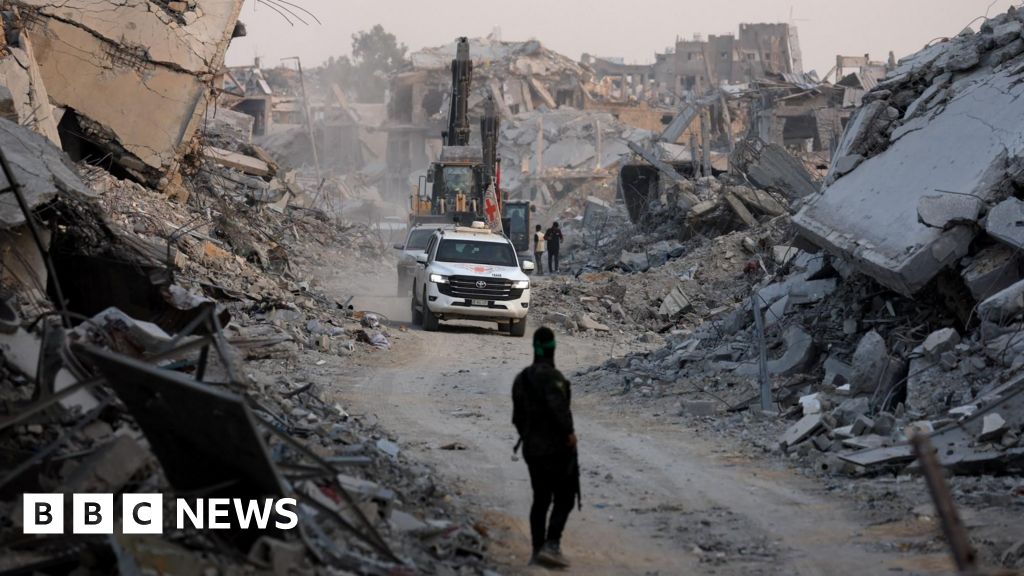
The ongoing conflict between Israel and Hamas has entered a new, unsettling chapter as recent developments reveal the grim reality of war’s toll on human lives and geopolitical stability. Reports confirm that Israel has received a coffin via the Red Cross, ostensibly containing the remains of a hostage believed to be deceased, according to the Israeli prime minister’s office. This development underscores the fragile progress—or lack thereof—in the broader context of the ceasefire agreement mediated by the United States, which aimed to de-escalate the violent escalation that began with Hamas’s brutal attack on Israel in early October. The transfer of remains to Tel Aviv’s National Centre of Forensic Medicine signifies an ongoing quest for accountability amid an environment riddled with mistrust and political motives that complicate recovery efforts.

Hamas’s military wing claimed to have recovered the body of an Israeli soldier in Gaza’s eastern Shejaiya neighborhood—an area still under __territorial control of Israeli forces__. Israel, on its part, accuses Hamas of intentionally delaying the return of hostages, both dead and alive, despite commitments made during the US-brokered ceasefire. The agreement stipulated that Hamas would release 20 remaining hostages and return 28 others within 72 hours—a promise that remains unfulfilled, fuelling accusations of bad faith. The complex negotiations reflect how these diplomatic efforts are deeply intertwined with the legacy of ongoing conflict, where each side contends over images of humanity and the perceptions of moral responsibility.

While Israel successfully secured the release of all its civilian hostages on 13 October in exchange for 250 Palestinian prisoners and 1,718 detainees in Gaza, the situation remains volatile. Israel has also handed over the bodies of 270 Palestinians, including those of two foreign hostages—one from Thailand and another from Nepal—in a grim exchange that highlights the human cost of this entrenched confrontation. The death toll on Gaza’s side exceeds 68,800, according to Gaza’s Hamas-run health ministry, underscoring the catastrophic scale of the ongoing military campaign. Historians and analysts warn that these levels of casualties could irrevocably shift regional dynamics, sowing deep-seated resentment that might seep into generations.

In this chaotic mosaic of international crisis, the geopolitical impact is clear: the conflict’s escalation threatens to destabilize broader regional alliances, challenge global diplomatic efforts, and threaten the fragile balance of Middle Eastern peace. Israel’s military actions have provoked condemnation but also garnered support from key allies, reaffirming its defensive stance. Conversely, Hamas’s rhetoric continues to galvanize its supporters, asserting that their actions are acts of resistance against occupation and oppression. As military strikes ripple into northern Gaza, with reports of civilians killed in areas like Jabalia, the world witnesses the horrifying human cost of unresolved conflicts that have persisted for decades. In the shadow of this unfolding tragedy, international observers ponder whether the tide of chaos can be stemmed, or if this chapter will become only the latest in a long and tragic saga of regional destabilization. The pages of history are still being written, and the world holds its breath before the inevitable next act of this enduring conflict.

K-pop group fails to win legal fight against agency, raising questions about artists' rights
K-pop group fails to win legal fight against agency, raising questions about artists’ rights

The recent legal confrontation involving South Korean K-pop sensation NewJeans and their agency, Ador, has sent ripples through the global entertainment landscape, spotlighting the underlying power dynamics within South Korea’s burgeoning cultural export. The notorious court decision, which upheld the validity of the group’s contractual commitments until 2029, underscores a broader trend of entrenched corporate control over artists that raises questions about the autonomy of creative talents in modern geopolitics and economics.

In a move that defies the normative expectations of artist-initiated rebellion, the Seoul Central District Court dismissed the group’s plea for contract termination, emphasizing the legal binding nature of their agreement. The dispute emerged amid allegations of mistreatment and manipulation by the agency, a scenario that echoes narratives from other big markets where corporate giants—such as America’s Hollywood or Japan’s idol businesses—hold disproportionate sway over their talents. Yet, what makes this case extraordinary is its potential to influence how nations strategize cultural diplomacy and the international community perceives Asian entertainment industries as geopolitical tools.

Analysts note that Hybe, South Korea’s largest entertainment conglomerate, operates not merely as a label, but as a soft power behemoth, shaping not only music charts but also international perceptions of Korea’s cultural economy. The case reveals a complex web of influence extending beyond the stage, affecting how governments and trade partners approach intellectual property rights and artist protections. The international community, including organizations like UNESCO and WIPO, is increasingly scrutinizing such disputes, recognizing their impact on cultural stewardship and legal sovereignty.

Furthermore, the fallout from this legal battle extends well beyond South Korea’s borders. The burgeoning global influence of K-pop—despite its cultural allure—faces challenges from internal power struggles that threaten to undermine its soft power agenda. This incident, with new Jeans asserting their desire to break free from entrenched corporate control, potentially signals a shift—a desire among young artists worldwide to assert their independence in an industry historically rooted in hierarchical, top-down directives. The international community watches intently as these developments unfold, understanding that these disputes reflect broader societal tensions over **autonomy, fairness, and the global governance of cultural industries**.

As the legal proceedings continue and NewJeans plans to appeal the court’s decision, history remains at a critical juncture. The story of this talented group and their battle against corporate giants echoes an enduring narrative: the struggle for autonomy against an overbearing system. This is a decisive moment in which the world’s eyes are drawn to how nations will adapt their geopolitical strategies to harness or curb the influence of cultural juggernauts. The outcome will not only shape the future of South Korea’s entertainment industry but also serve as a benchmark for how societies everywhere can balance the allure of soft power with the protection of individual rights—an ongoing saga that continues to unfold amidst the relentless march of history’s tide.

Social Media Auto Publish Powered By : XYZScripts.com