
Matox News

Truth Over Trends, always!

Ben Smee, Guardian Australia, scores Queensland Journalist of the Year — a win for fearless reporting

Investigative Journalism Shines a Light on Human Rights Violations in Australia

Recently, Guardian Australia and SBS journalists garnered significant attention at Queensland’s prestigious media awards, the Clarions, securing the coveted Journalist of the Year accolade. Their groundbreaking investigation, “In the Box: Inside the Isolation Cells where Australian Kids are Imprisoned,” not only captivated public interest but also exposed alarming conditions faced by vulnerable children in Queensland police custody. This journalism exemplifies the crucial role media play in holding governments accountable and exposing systemic failures that threaten societal values. The investigation’s detailed footage and extensive research shed light on children as young as 11 held in tiny, freezing cells designed for adult detainees, often with no access to basic necessities such as toilets or bedding. Such revelations have ignited a debate that transcends national borders, highlighting how human rights abuses can quietly persist under the guise of law enforcement.

The geopolitical impact of this investigative work goes beyond national borders, emphasizing the importance of transparency and accountability in governance—principles fundamental to stable societies worldwide. Experts and international watchdogs have long warned against the normalization of systemic mistreatment of marginalized groups, especially in institutions intended for public safety. The exposure of these conditions in Queensland has prompted calls for reform from advocates across the globe who argue that such practices undermine not only human dignity but also the legitimacy of state authority. International organizations, including UN human rights agencies, continuously monitor similar issues elsewhere, and the Australian case reasserts the need for comprehensive oversight mechanisms that prevent the escalation of systemic violence. As analysts suggest, the decisions made today in Queensland could influence reforms in comparable jurisdictions worldwide, reinforcing the fact that unchecked power fosters environments where human rights can be easily trampled.

Within the broader context of international shifts in public accountability, this case underscores a turning point—an era where investigative journalism is serving as a vital check against governmental overreach. Historians of media and policy highlight that such stories can catalyze meaningful reform, forcing authorities to face their shortcomings amid mounting public pressure. The awards attributed to Smee’s work exemplify how dedicated reporting can shape societal perceptions and influence policy change. The judges commended the investigation for its compelling storytelling and meticulous research, which not only illuminated the plight of detained children but also showcased the enduring importance of fearless journalism in safeguarding democratic principles. As such, the case from Queensland stands as a stark reminder: the weight of history is still being written, with citizens and journalists alike playing pivotal roles in shaping the future of justice and human rights.

As the world watches, the revelations from Australia serve as a powerful narrative illustrating that justice is a continuous struggle against complacency. The ongoing debate over child detention policies echoes across continents, stirring international pressure for reform. Ultimately, this story reminds us that the decisions governments make in the shadows today may either protect or doom future generations. In a world where power can easily corrupt, the vigilant watchdogs of truth ensure that history remembers the lessons learned—however painful they may be.
From The Descendants to Gina: Guardian Australia Leads Walkley Nominations in Youth-Focused Awards

In an era marked by geopolitical upheavals and complex international conflicts, the significance of investigative journalism continues to grow—serving as a vital check against abuses of power and informing societies navigating turbulent shifts. Recently, Guardian Australia demonstrated its commitment to this critical pursuit by earning four nominations at the 70th annual Walkley Awards for excellence in journalism, highlighting a broader global trend where fearless reporting is increasingly essential. These nominations, particularly in categories exploring Indigenous affairs, prison conditions, and economic influence, underscore the vital role media plays in exposing uncomfortable truths that challenge official narratives and hold governments and corporations accountable.

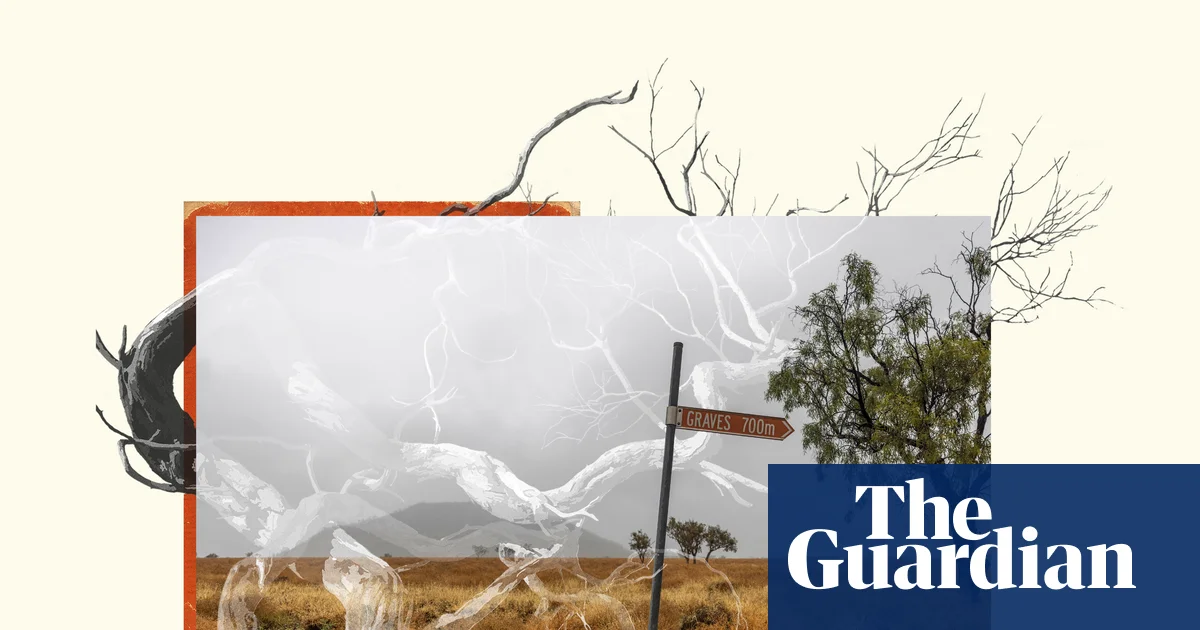
Among the distinguished entries was The Descendants project, a multi-part series examining Australia’s dark history from both sides of its frontier, built on the foundations of their 2019 award-winning work The Killing Times. Led by Lorena Allam, a former Editor of Indigenous Affairs now a professor at UTS, the series used innovative data visuals and interactive storytelling to probe the deeply personal and often traumatic process of truth-telling. Such initiatives shine a spotlight on how historical injustices and contemporary policies intertwine, affecting both indigenous populations and national identity. Analysts at the Australian Strategic Policy Institute note that this form of journalism not only informs but also shapes national discourse—potentially steering policy reforms or sparking public dialogue on reconciliation.

Similarly, the series Fatal Inaction exposed a tragic pattern of neglect within Australia’s prison system, where 57 inmates have died by hanging in 19 facilities despite clear warnings and repeated recommendations for reforms stemming from the 1991 royal commission into Aboriginal deaths in custody. Crisis investigations led by Christopher Knaus and Ariel Bogle reveal that authorities knew about these hanging points yet failed to act, reflecting broader systemic failures. Such revelations come at a precarious time when global human rights organizations emphasize the importance of prison reform and accountability, with the United Nations warning that neglect and inaction in detention facilities often catalyze social unrest and undermine rule of law.

The reach of Guardian Australia’s investigative efforts extends even into realms of economic influence, illustrated by their nomination in the podcast category for Gina: Power, Privilege and Influence. The series, explored by senior journalist Sarah Martin, dissected the life and ambitions of Australia’s wealthiest individual, Gina Rinehart. Analytically, this narrative reveals the powerful role elite economic actors play within national and global markets, and how their influence might tilt policy decisions in favor of corporate interests over societal wellbeing. Echoing concerns expressed by international economists, such as those at the International Monetary Fund, these stories underscore how concentrated wealth can accelerate inequalities and destabilize democratic institutions if left unchecked.

As the global landscape continues to shift with the ongoing U.S.-China rivalry, Russia’s military endeavors, and regional conflicts in the Middle East and elsewhere, the impact of investigative journalism cannot be overstated. Historians like Timothy Snyder warn that without vigilant scrutiny, authoritarian tendencies may flourish under the guise of stability, eroding liberties and fostering societal divisions. International organizations such as the United Nations stress that the free press is the backbone of resilient democracies, especially in times of crisis. Guardian Australia’s recognition serves as a reminder that, even amid the chaos and uncertainty, the beacon of truth-telling remains a profound weapon—one capable of shaping history’s course, for better or worse. The coming months will reveal whether these journalistic standouts will inspire change, or if the forces opposing transparency will silence these stories—and thus, the truth—once again. Until then, the weight of history presses on, reminding us that the fight for accountability and justice is as urgent as ever, echoing through the corridors of power and into the consciousness of future generations.

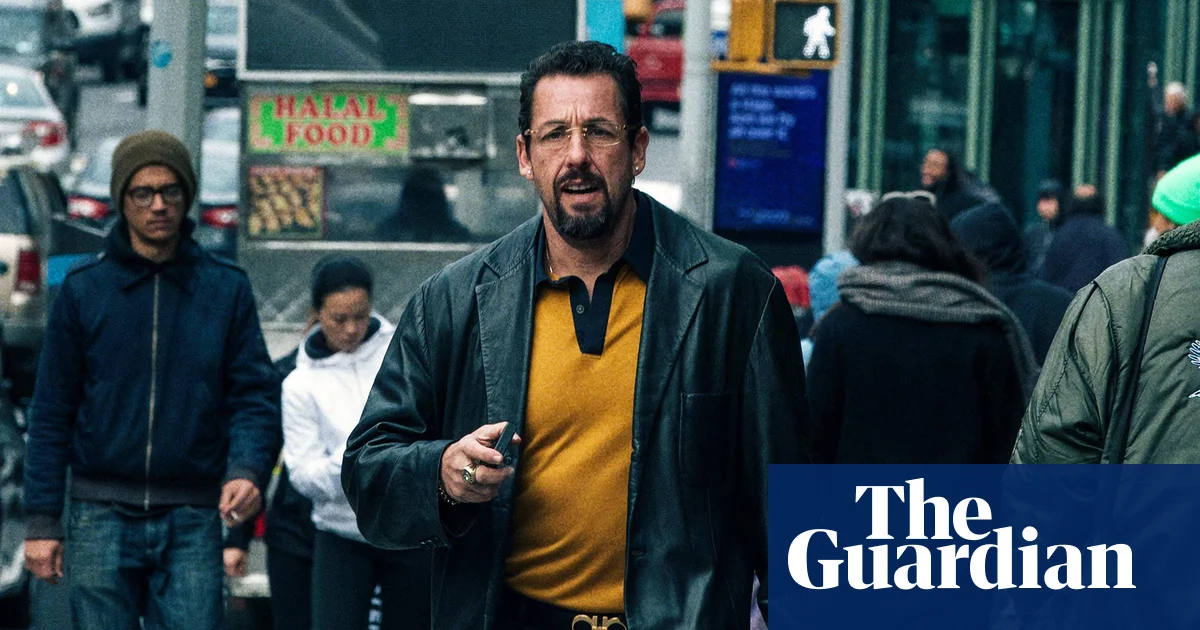
Guardian Critics Share Their Most Challenging Films: A Youthful Perspective on the Stressful Side of Cinema

At the heart of culture lies an unbreakable thread that weaves together identity, tradition, and the fabric of society itself. From the grandeur of classical art to the visceral immediacy of contemporary cinema, cultural artifacts serve as both mirrors and prophecies—illuminating who we are and hinting at who we might become. The films discussed above—ranging from psychological thrillers to biting social commentaries—demonstrate that our cinematic choices are not mere entertainment but vital expressions of our collective consciousness. They echo the philosophical observations of Ortega y Gasset, who believed that *”Man is the measure of all things,”* emphasizing that our cultural pursuits reveal the contours of our soul and the values we uphold.

Take, for example, the visceral intensity of Fall. This psychological thriller, with its breathtaking portrayal of human courage and fear, underscores that the confrontation with our limits is a quintessential human endeavor. In the film, the act of climbing a decommissioned tower becomes a metaphor—a daring ascent into the depths of one’s psyche and resilience. Such stories remind us that the pursuit of challenge and danger is intertwined with the human spirit’s quest for meaning. Films like these serve as echoes of a tradition that celebrates daring, endurance, and the rediscovery of self in adversity, reinforcing the belief that our culture’s greatest stories are about the human capacity to confront and triumph over chaos.

Equally powerful is Gaslight, a film that has transcended its theatrical origins to give us the modern idiom of emotional manipulation. The villain Gregory’s slow erosion of Paula’s sanity symbolizes the cultural awareness of psychological abuse and societal power dynamics. This cinematic masterpiece reminds us that the resilience of the human mind—embodied in Bergman’s electrical performance—remains a vital pillar of societal stability. As Tocqueville observed about democratic societies, the vigilance of individuals against tyranny—be it political, social, or psychological—is the foundation upon which free societies are built. Films like Gaslight serve as cultural warnings, shaping our moral consciousness and guiding us in recognizing and resisting the insidious erosion of truth and integrity, both within and beyond the personal realm.

Within this tapestry of dark and demanding stories, we find The Vanishing, a haunting reflection on loss and the unanswerable questions that haunt human existence. Its capacity to induce profound trauma underscores the importance of narrative as a vessel of collective memory. As Chesterton noted, “Poetry will remind us that life is real, that reality is strange,” and cinema—particularly thrillers like Sluizer’s masterwork—becomes an arena where reality’s strangeness manifests, forcing viewers to grapple with the abyss. This confrontation is not nihilistic but affirming: it illuminates the depths of human vulnerability and the enduring hope that, even in our darkest moments, we bear the capacity for remembrance and renewal.

Ultimately, these films demonstrate that culture is neither static nor purposeless. It is memorial and prophetic: a record of humanity’s collective memory and a guidepost for its future. As we navigate a world increasingly defined by chaos and instant gratification, cinema remains a vital cultural language—a language that speaks, warns, and inspires. The lessons embedded within these stories remind us that the essence of culture is the eternal dialogue between memory and prophecy, echoing through the ages and shaping the destiny of human society. For in the grand theater of history, we are both the spectators and the playwrights, crafting a narrative that is at once a reflection of what was and a prophecy of what is yet to come—a testament to the enduring resilience of the human spirit, written in images, in stories, and in the collective memory of humanity itself.

Social Media Auto Publish Powered By : XYZScripts.com



