Matox News

Truth Over Trends, always!

Sali Hughes Reveals Her Top Hero Skincare Picks for 2025—Your Essential Beauty Guide for the Next Generation

Among the biggest breakthroughs in contemporary skincare this year is undeniably the Korean wave. Brands like Beauty of Joseon, Dr Althea, and Innisfree have captured a younger demographic eager for hydrated, youthful, glassy skin. This shift isn’t just about aesthetics; it embodies a cultural push towards kind and gentle skincare that emphasizes health, simplicity, and affordability. Influencers, YouTubers, and TikTok beauty gurus have amplified this trend, transforming Korean skincare into a social *movement* that challenges traditional standards and even disrupts established luxury skincare markets.

This new wave of beauty obsession is rooted in a broader societal craving for *authenticity* and *self-care that’s accessible*. Take the buzz around Beauty of Joseon’s Relief Sun Rice + Probiotics SPF50+: a product that merges effective sun protection with cultural significance, celebrating Korea’s rich heritage while pushing forward innovative yet affordable skincare. The product’s success underscores a societal shift: young consumers are favoring brands that combine heritage, efficacy, and value—rejecting overpriced, overly complex formulations in favor of straightforward, well-triggered solutions that can be part of daily life. According to sociologists studying Gen Z and millennial habits, this trend demonstrates a desire for products that reflect a smarter, more conscious approach to beauty—one rooted in provenance, science, and honest pricing.

Perhaps most notable is the disruption” caused by brands like The Ordinary. Its £13.50 GF 15% Solution anti-ageing serum has publicly shamed luxury brands charging over £200 for similar technology. This savvy positioning not only democratizes skincare but also speaks to a cultural shift: the younger generation prioritizes transparency and value. Top influencers and dermatologists praise such products as perfect for sensitive skin, paving the way for a new standard that questions the old hierarchies of skincare and beauty. It’s more than a trend; it’s a movement towards empowered, informed consumers demanding honesty and efficacy in their daily routines.

As mineral sunscreens like Sunsolve MD reclaim shelves worldwide, the future of sun protection looks distinctly modern and consumer-first. The rise of elegant, makeup-friendly zinc-oxide formulations indicates a societal desire for convenience without compromise. The anticipated UK launch of INN Beauty Project’s Mineral Sun Glow, a favored US product, exemplifies how a cultural shift towards accessible, high-performance SPF is gaining momentum, especially among youth seeking protection that seamlessly integrates into their aesthetic. This forebodes a future where effective, stylish, and affordable skincare becomes a non-negotiable staple.

In the end, the question facing the beauty industry is no longer merely about product innovation—it’s about understanding the social heart of these changes. As society’s values continue to evolve, will brands adapt to this new era of *authenticity, transparency, and affordability*, or will they risk being left behind in a cultural revolution driven by the youth’s demand for meaningful, accessible beauty? Only time will tell, but one thing is clear: this Korean-inspired shift is redefining what it means to truly care for your skin—and perhaps, for society itself.
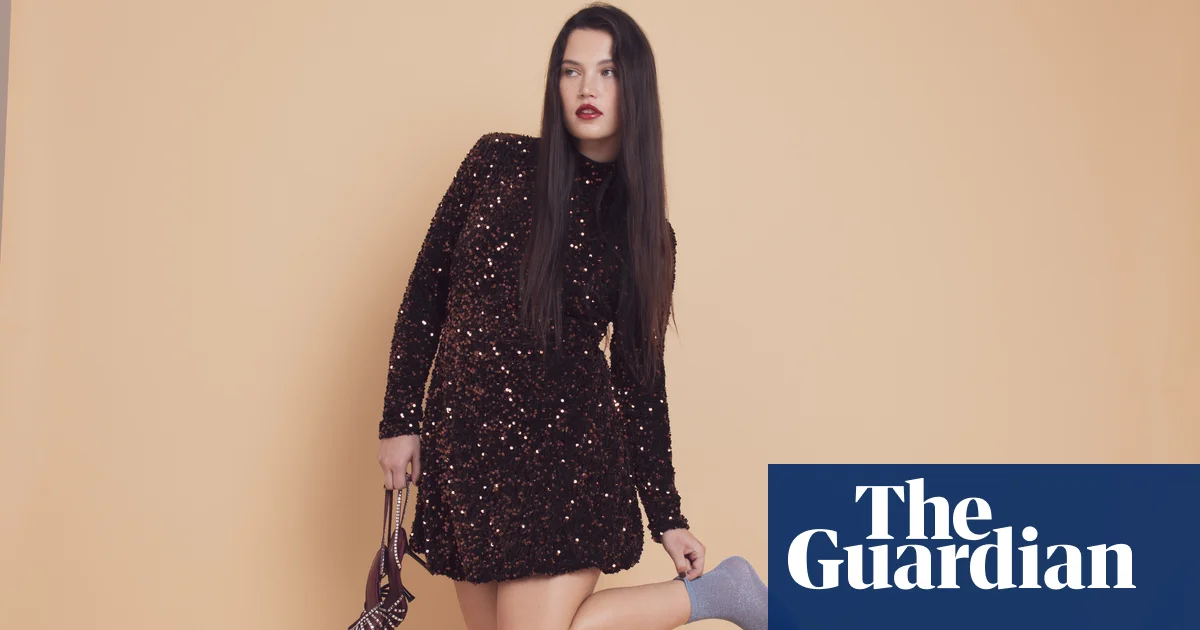

Jess Cartner-Morley Takes the Lead: This Holiday, Dress to Impress — Your Ultimate Christmas Style Guide

Festive Fashion Trends Reflect Societal Shifts: The Future of Christmas Style

As the holiday lights flicker on and the aroma of turkey sandwiches in Pret become our seasonal soundtrack, a cultural transformation in Christmas fashion is quietly taking hold. It’s clear that this year’s festive dressing is more than just glitz and glamour; it embodies a broader *societal shift* towards authenticity, self-expression, and a reconsideration of traditional social norms. Influencers and fashion analysts alike are signaling that what we wear during this season is now a mirror of larger cultural currents—an outward expression of our *social relevance* and personal identity in an ever-evolving society.

At the heart of this trend lies a surprisingly liberated approach to holiday fashion. Gone are the days when party attire strictly adhered to the unspoken rules of modesty or expectations of sophistication through brand-new outfits. Instead, there’s a palpable emphasis on upcycling, vintage pieces, and sartorial boldness. Wearing something pre-loved or reimagined from your own wardrobe is now a flex — a statement that challenges consumerism and celebrates individuality. Fashion experts note that this embrace of a *more sustainable and authentic* aesthetic directly responds to the *social relevance* of environmental concerns among younger generations, who see fashion as a form of social activism rather than mere trend-following.

In the realm of party presence, the *new etiquette* champions ingenuity over conformity. Influencers such as Imogen May showcase outfits that turn the dial up on typical festive decor with sequined dresses, bold accessories, and playful socks that blend nostalgia with a modern edge. Dress, £110, from Albaray, and Heels from River Island exemplify how elevated eclecticism is shaping this year’s holiday wardrobe. The key takeaway? Clothing is now a deliberate act of *self-definition* rather than blind conformity. This shift underscores a *social relevance* where fashion becomes a tool of empowerment, especially among youth who seek to carve out their place in a cultural landscape that increasingly values authenticity over tradition.

As we peer into the future, the big question remains: could this *cultural shift in festive dress* be the catalyst for a broader societal movement? Will our holiday wardrobes become less about following worn-out traditions and more about **owning your style** unapologetically — not just during Christmas, but year-round? Sociologists and fashion commentators are debating whether this trend signals a new era where dress codes are less prescribed and more personalized, or if it’s merely a temporary revolt against outdated norms. What seems certain is that as the boundaries of societal expectation continue to blur, the next big question might be: **Are we witnessing the emergence of a new cultural paradigm—one where self-expression in fashion is the ultimate measure of social relevance?** Only time will tell, but one thing is clear: the future of festive fashion is about much more than just glitter — it’s about redefining who we are in every stitch and sequin.

Discover the Essential Book of 2025: Let Us Guide Your Next Read

In an era saturated with transient distractions and fleeting impressions, culture remains the vital anchor of collective identity, a vessel that preserves our past and propels us toward the future. Literature, in particular, embodies this persistent dialogue between memory and prophecy. As Ortega y Gasset observed, our cultural existence is a “collective autobiography,” woven through stories, traditions, and artistic expressions that define who we are. This is particularly salient today, as young audiences navigate the complex landscape of modernity, seeking roots amid rapid change and ideological turbulence.

The cultural canon serves as the repository of our values and ideals, yet it is not static; it evolves by engaging with contemporary realities and reinterpreting age-old narratives. Movements like Romanticism and Modernism once challenged conventional notions, opening space for individualism, freedom, and spiritual inquiry—elements that continue to resonate in the fabric of national and personal identity. Today, social critics and thinkers like Chesterton have emphasized how culture is fundamentally a moral language, illuminating the virtues of tradition while defending them against nihilistic tendencies. For youthful minds, literature becomes both a mirror reflecting societal standards and a torch guiding future aspirations.

Historically, the link between cultural expression and societal structure can be viewed through the lens of Tocqueville, who lamented that democracy’s embrace of equality risked eroding the aristocratic virtues of excellence and distinction. Yet, in the modern revival of cultural classics—be it in literature, film, or visual arts—we witness an ongoing debate about what constitutes authentic tradition. The rediscovery of works like Chesterton’s essays or Eliot’s poetry reminds us that cultural heritage is not merely the preservation of relics but an active dialogue that molds our worldview. For the young, engaging with this heritage is an act of rebellion and reverence—a recognition that culture is both memory and prophecy.

As we stand at the crossroads of history’s vast archive, the poetic fabric of culture whispers of human hopes and fears—its stories echo in the collective memory while illuminating the path forward. For in culture’s ongoing symphony, each generation contributes a stanza, weaving continuity with innovation. It is a testament to humanity’s enduring quest: to remember who we are, while willing ourselves toward what we might become. Ultimately, culture is the soul’s script—a script that continues to write its crescendo through the ages, reminding us that we are both heirs and architects of an eternal narrative, destined to craft meaning from the threads of memory and the aspirations of prophecy.

Style Guide: How to Rock a Plaid Shirt and Make It Your Own

In an era where fast fashion often dominates, timeless pieces are making a surprising comeback—and one of the most unexpected stars is the lumberjack shirt. Traditionally associated with rugged outdoor work and classic Americana, this plaid staple has been transformed into a high-fashion streetwear must-have. Top influencers and trendsetting youth are now pairing it with unconventional textures like leather, velvet, or faux fur, turning what was once considered workwear into a bold statement of individuality and cultural commentary.

This resurgence isn’t merely about aesthetics; it reflects a deeper shift in societal attitudes toward masculinity, authenticity, and the value of tradition in a digital age. Sociologists note that the lumberjack shirt’s reintegration into trendy wardrobes underscores a desire among youth to reconnect with perceived simplicity and strength amidst the chaos of modern life. Influencers such as Hypebeast and Fashion Nova ambassadors are responsible for popularizing these layered, textured looks, emphasizing a rebellious yet nostalgic vibe that appeals to a generation seeking authenticity in a curated world.

Moreover, the cultural impact extends beyond mere fashion. It signifies a broader rebellion against fast-paced, disposable trends. The durability and longevity associated with the lumberjack shirt embody values that resonate with young consumers questioning the environmental and social costs of their consumption. Fashion analyst Sarah Jacobs explains that this trend embodies a *“return to craftsmanship and authenticity,”* connecting societal identity with the revival of past virtues cloaked in urban style.

  • Pulling heritage into contemporary settings
  • Encouraging sustainable and thoughtful fashion choices
  • Challenging the speed and short-lived nature of current trends

However, the narrative isn’t without controversy. Some critics argue that the lumberjack shirt’s mainstream success risks diluting its cultural roots, transforming a symbol of rugged independence into just another commercial commodity. Yet, regardless of whether this trend endures or fades, it raises a vital question: what’s next for youth-driven cultural expression in fashion? As the boundaries between streetwear, heritage, and high fashion continue to blur, one thing remains clear—this surge of authenticity-oriented style has tapped into fundamental social undercurrents, perhaps hinting at a broader cultural desire for meaningful, lasting symbolism in a disposable age. The next big question isn’t just about style but about what our clothing choices say about the society we’re shaping for tomorrow.

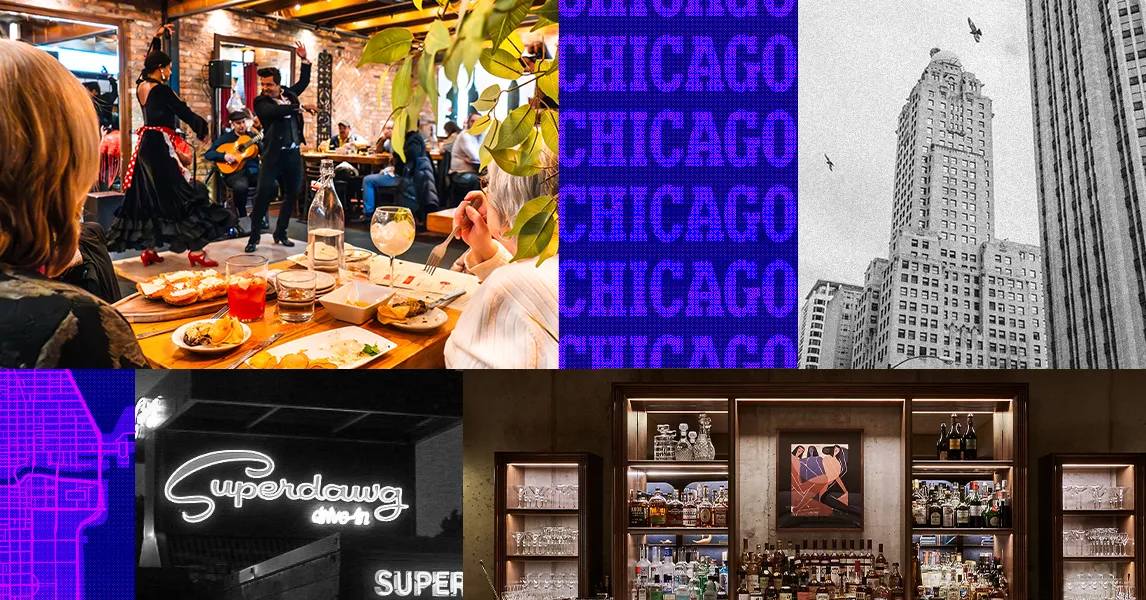
Chicago Biz Guide 2025: What Young Professionals Need to Know

Chicago’s Tech Scene: Innovation, Disruption & Business Opportunities

The Windy City, long revered for its cultural and economic vibrancy, is cementing its position as a formidable hub for technological innovation and industry disruption. This shift is driven by a new wave of startups, established giants investing heavily, and forward-thinking institutions like MIT emphasizing practical applications that reshape traditional markets. As global tech giants and local startups converge, Chicago is transforming from a traditional industrial city into a dynamic playground for digital revolution, especially impacting sectors such as fintech, AI, and urban mobility.

Major companies such as Google and Microsoft are expanding their presence in Chicago, leveraging the city’s rich talent pool and strategic location. Meanwhile, emerging players, fueled by innovative startups and venture capital flow, are disrupting legacy industries with AI-driven solutions, autonomous vehicle projects, and scalable fintech platforms. Industry analysts, including Gartner and Boston Dynamics, highlight Chicago’s growing reputation for disruptive innovation within urban infrastructure and enterprise SaaS. The integration of smart city technologies, such as IoT-enabled transportation systems, is poised to redefine urban planning and citizen engagement—aligning perfectly with the city’s commitment to cutting-edge development.

Additionally, Chicago’s flexible co-working spaces, like Art/Work Coworking and Deskpass, exemplify the evolving ecosystem that empowers developers, entrepreneurs, and remote-first teams. These hubs promote a culture of agility and innovation necessary to stay ahead amid rapid market shifts, offering amenities such as fast Wi-Fi, modular meeting rooms, rooftop terraces, and creative labs. Such environments challenge conventional corporate office models, fostering a new business paradigm of decentralization and mobility. This trend underscores the industry’s recognition that adaptive workspaces are foundational to sustained innovation in the post-pandemic era.

  • Emerging tech sectors in Chicago include AI, fintech, and smart city ecosystems.
  • Global giants are expanding local investments, highlighting the city’s strategic importance.
  • Innovative coworking spaces are shaping the future of remote and hybrid work models.
  • City infrastructure is being transformed through IoT and urban mobility projects, attracting investment.

In this climate of relentless disruption, industry leaders like Elon Musk and Peter Thiel underscore the imperative for entrepreneurs and corporations to prioritize innovation and agility. The future of Chicago’s tech economy hinges on its capacity to build infrastructure that supports not only business growth but also societal progress. With China and Silicon Valley racing ahead in key domains, Chicago’s rise signals a pivotal moment—an urgent call for stakeholders to leverage emerging technologies, attract top talent, and sustain competitive advantage. The city’s trajectory suggests that those who invest early in this ecosystem will shape the next generation of urban living, work, and commerce, ultimately dictating the pace of global technological evolution.

As industry watchers anticipate further breakthroughs, the stakes couldn’t be higher. Chicago’s strategic investments in innovation infrastructure and comprehensive tech initiatives are setting a blueprint for others worldwide. With disruptive forces accelerating and market incentives amplifying, the window for bold action is now. For entrepreneurs, investors, and policymakers, ignoring this emerging wave could mean falling behind in an era where disruption is the new status quo. The future of urban innovation is unfolding in real time—those who move swiftly will lead the charge into a smarter, more connected tomorrow.

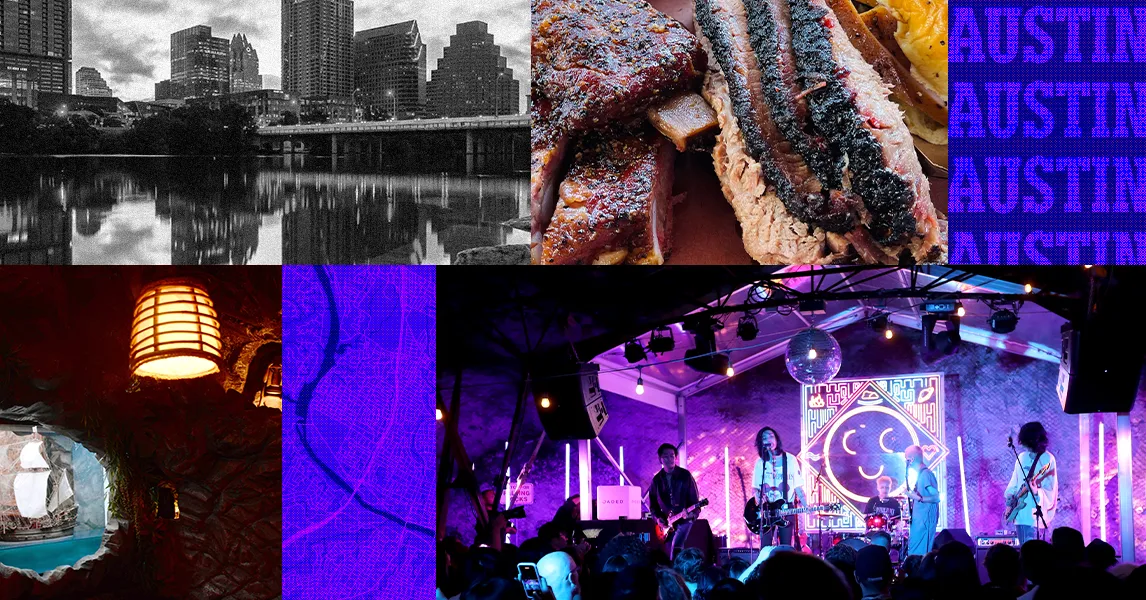
Austin Business Tips for 2025: Young Pros’ Guide to Getting It Done

Innovating the Heart of Texas: Austin’s Tech Scene Sparks Disruption and Business Transformation

Once renowned for its eclectic music and cultural vibrancy, Austin is rapidly transforming into a powerhouse of technological innovation and entrepreneurial disruption. The city’s evolution from the “Silicon Hills” to a central hub of startup activity exemplifies industry shift towards tech-driven urban economies. As major players like Big Tech and innovative startups converge, this epicenter encapsulates how disruptive technologies are reshaping business landscapes and redefining the future of work and commerce.

At the core of Austin’s burgeoning tech ecosystem are its creative co-working spaces, incubators, and a thriving network of entrepreneurs who embody the spirit of fast-paced innovation. Resources like Austin Coworking and Deskpass exemplify this shift, offering flexibility and fostering community among young, ambitious professionals. These platforms are not merely about workspace—they symbolize a broader paradigm shift in how the next generation of tech talent collaborates and innovates. Industry analysts from Gartner highlight that adaptability in work environments and access to agile resources are pivotal for startups aiming to disrupt traditional industries and attract top talent.

Equally notable is Austin’s vibrant hospitality and lifestyle scene, which caters to a new class of digital entrepreneurs and remote workers. Iconic hotels like The Otis and Omni Hotel blend comfort with innovation, offering amenities tailored to the needs of tech-savvy visitors. Concurrently, Austin’s food scene—characterized by legendary BBQ joints like Terry Black’s—demonstrates how local businesses are embracing disruption through online ordering, unique culinary twists, and a focus on experiential dining. This symbiotic relationship between tech and lifestyle underscores a market shift towards a digitally connected, experience-driven economy with enormous implications for business models across sectors.

Moreover, Austin’s brewing and beverage industry, featuring innovative venues like Breakside and local breweries, reinforces the city’s stance on disruptive consumer experiences. These establishments integrate cutting-edge brewing techniques with community-centric outdoor spaces, reflecting how traditional industries are leveraging technology and creative marketing to capture a new generation of consumers. Forward-looking firms such as Breakside focus on crushable lagers and West Coast-style IPAs, exemplifying how brands are embracing innovation at both product and experiential levels, which is critical for maintaining competitive advantage in a crowded market.

From a strategic perspective, this trend signals a broader industry transformation driven by emerging technologies like AI, IoT, and data analytics. Entrepreneur peter Thiel and MIT’s research underscore that early adoption of disruptive innovations is essential for startups to leapfrog established competitors. As Austin continues to attract top-tier talent and investment, the urgency to harness these technologies accelerates, promising a future where disruption is not optional but imperative for survival.

Looking ahead, Austin’s transformation offers a compelling template for other cities aiming to compete in the 21st century economy. The rapid integration of innovation into every facet of urban life—from coworking hubs and hospitality to lifestyle and food—underscores the importance of agility, adaptation, and bold experimentation. Entrepreneurs, investors, and industry leaders must recognize that the race for domination in the tech-driven future is already underway, and those who leverage this momentum today will shape the world of tomorrow with unprecedented velocity and impact.

From Adventure to I Do: She Met Her Dream Guide and Got Engaged in Just Two Weeks

Living Beyond Limits: A Journey of Love, Self-Discovery, and Resilience

In a world increasingly embracing *_the shifting tides of lifestyle and self-discovery_*, stories that challenge societal expectations serve as vibrant reminders of our capacity to forge new paths. Rachel Décoste’s transformative journey from Ottawa to West Africa exemplifies how stepping outside conventional boundaries can lead to profound personal impact. Her adventure, rooted in a heritage rediscovery and the pursuit of authentic connection, underscores an empowering message: it is never too late to embrace change, love, or to realign one’s purpose.

Rachel’s story intertwines her genealogical awakening with an unanticipated romance, unfolding against the rich backdrop of Benin. As a Canadian daughter of Haitian immigrants, she had long carried a sense of ancestral longing. Through a DNA test, she discovered roots in Senegal, Ivory Coast, Togo, Ghana, and Benin—places brimming with history and resilience. According to wellness experts like Dr. Mark Hyman, engaging with one’s ancestry can serve as a catalyst for *personal renewal and emotional healing*. Rachel’s emotional voyage, from the port city of Cotonou to the sacred sites of Ouidah, became a pilgrimage not only through space but within herself, reminding us that _our roots nourish the soil of our future_.

This trip of self-awareness soon blossomed into a story of unexpected love—a narrative fueled by trust, chance encounters, and cultural exchange. Rachel’s spontaneous decision to hop onto a local motorcycle with Honoré Orogbo, a Beninese entrepreneur, epitomizes the essence of seizing the moment. The modest act of accepting a ride forged a connection that defied societal norms, revealing a timeless truth: life’s most extraordinary moments often occur outside the comfort zone. Their journey, filled with heartfelt conversations in markets and sacred sites, led to a shared understanding that love transcends borders and, remarkably, reshapes destinies.

Among community, travel, and personal growth, the story also demonstrates that *a life most fully lived* requires courage. Rachel’s decision to leave her career and life in Washington DC, and Honoré’s willingness to face the uncertainties of immigration, showcase the power of following one’s authentic intuition. As cultural philosopher Alain de Botton suggests, embracing *the unpredictability of life* can open doors to newfound purpose and joy. Their eventual union, culminating in a Canadian wedding despite prior challenges, reflects a shared resolution that life’s true richness lies in *the connections we cultivate and the brave choices we make*.

Key Insights for the Aspiring Explorer

  • Seek your roots; understanding your ancestry can evoke profound emotional and spiritual renewal.
  • Embrace spontaneity; opportunities for growth often arrive in moments of uncertainty.
  • Follow your heart boldly; authentic love and purpose often require stepping beyond societal expectations.
  • Prioritize true connections over societal norms—relationships rooted in understanding and respect can transcend physical and cultural divides.

Rachel’s odyssey is a testament to the resilience of the human spirit and the transformative power of embracing life’s unpredictable journey. Her story, sparked by a simple DNA test and sustained by chance encounters, highlights that Living an authentic life is about daring to chase what truly matters. As she prepares to publish her memoir—a reflection of her journey of self and ancestry—she embodies a compelling call to action: to trust your instinct, pursue your purpose, and embrace the possibility that your most extraordinary chapter is yet to come.

Social Media Auto Publish Powered By : XYZScripts.com