Matox News

Truth Over Trends, always!

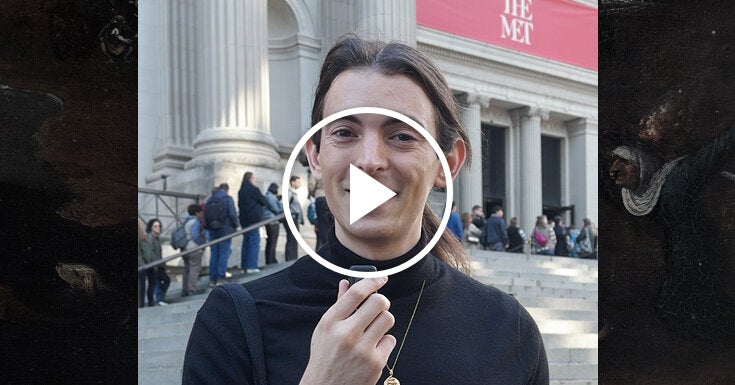
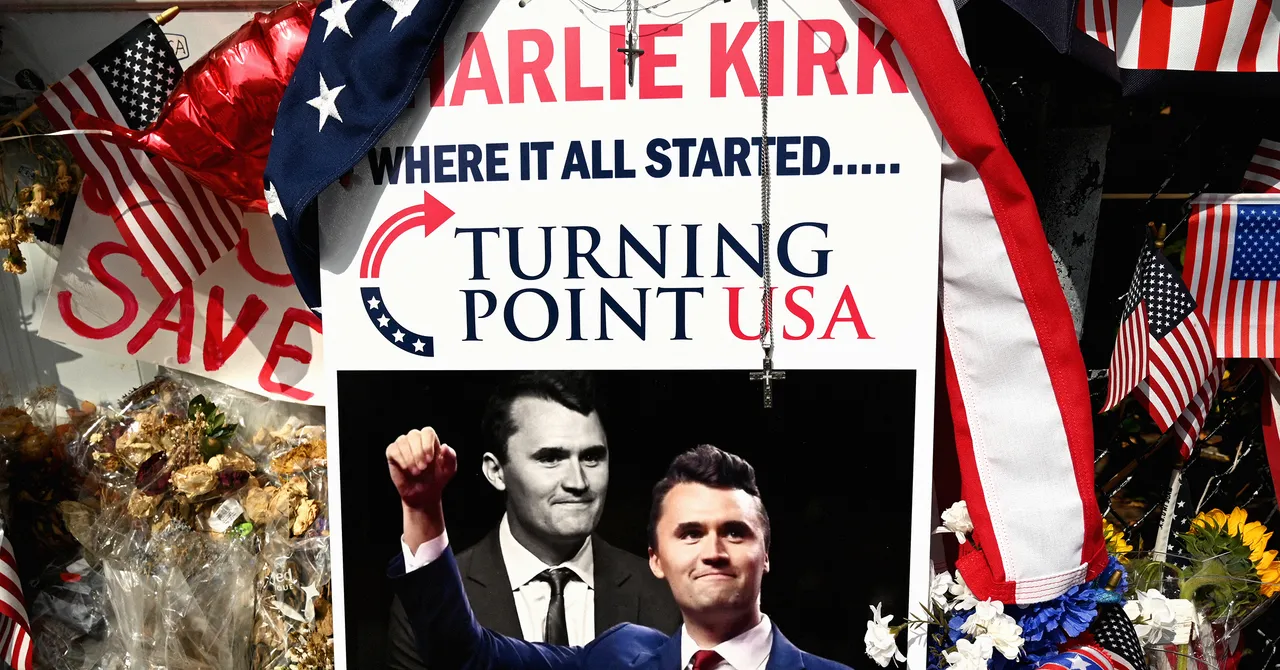
Teachers Face Threats After MAGA Claims Over Halloween Costumes Mocking Charlie Kirk

Disruptive Social Media Campaign Ushers in New Challenges for Educational Privacy and Political Discourse

In a stark illustration of the rapid evolution of information warfare, a recent incident involving a high school in Arizona underscores the profound business implications and societal disruption driven by social media’s power to amplify misinformation. The controversy originated when Turning Point USA (TPUSA) spokesperson Charlie Kirk was falsely associated with an innocent Halloween costume worn by teachers, sparking viral outrage. The incident exemplifies how disruptive platforms like X (formerly Twitter) have become conduits for rapid-spread misinformation that can threaten personal safety and reputation on an unprecedented scale.

The incident reveals a pivotal challenge confronting educators and businesses: the ability of malicious actors to weaponize social media for mass psychological operations that threaten privacy, safety, and trust. In this case, an image of teachers in bloodied T-shirts was wrongly interpreted, leading to doxxing, targeted online harassment, and even death threats—an unsettling reminder that the digital landscape’s regulatory and ethical frameworks are lagging far behind technological capabilities. The impact extends beyond individual rights, striking at the core of institutional stability and public confidence in grassroots institutions like education systems.

The incident also signals a burgeoning market for advanced content verification technologies, with industry leaders like Gartner emphasizing that the future of digital trust hinges on automated fact-checking and AI-enabled content moderation. These solutions are critical for preventing similar disruptions at scale, as disinformation campaigns grow more sophisticated. For instance, AI-based image analysis and network tracing mechanics could be employed to preempt false narratives, but such innovations require significant investment and legal safeguards, given the privacy concerns involved.

  • Emerging tools are capable of identifying manipulated images and videos quickly
  • Automated alerts can notify stakeholders of potential misinformation spikes
  • Legal and ethical frameworks remain underdeveloped, risking misuse or overreach

Furthermore, the incident underscores the necessity for businesses, educational institutions, and policymakers to reevaluate their engagement with social media. The disruption also presents an opportunity: those who develop and implement cutting-edge verification and safety technologies could become essential partners in safeguarding digital spaces. Pioneering entities like MIT’s Media Lab are exploring such solutions, recognizing that true innovation in this realm is crucial for maintaining integrity in digital communication. As these technologies mature, they could serve as the foundation for a new era where truth prevails over misinformation, transforming the social media landscape into a more resilient, trustworthy environment.

Looking ahead, this incident serves as a clarion call for all stakeholders to urgently invest in disruption-resistant technology and foster a culture of digital responsibility. Rapid technological advancements—ranging from blockchain-based verification systems to AI-driven content analysis—are poised to redefine how truth is maintained in an age overwhelmed by data. The coming decade is critical: failing to adapt could mean allowing malicious actors to shape perceptions, destabilize institutions, and influence societal outcomes. As Elon Musk and Peter Thiel have often emphasized, the future belongs to those pioneering disruptive, innovative solutions that can turn the tide against digital chaos and misinformation. Strategic foresight and swift technological deployment will determine who leads this new digital frontier—those who act now will shape the foundations of a more secure, transparent digital world.
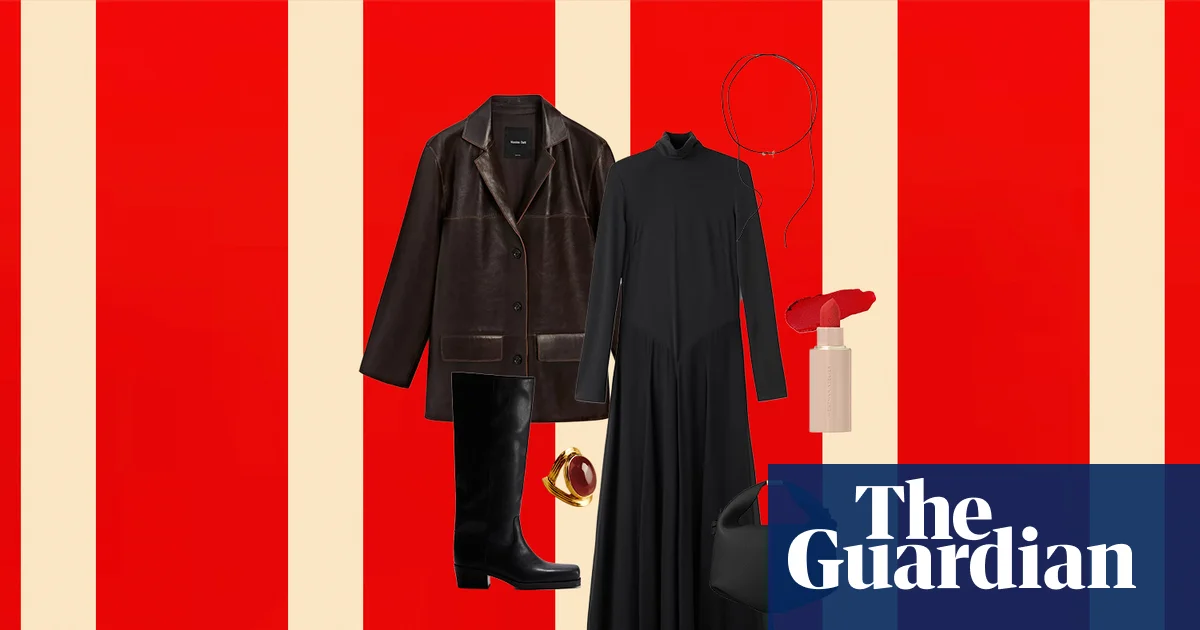
Back in Black: Top Trendy Picks for Halloween Styleēm

As Halloween approaches, a phenomena is sweeping through the youth fashion scene: the embrace of an all-black dress code characterized by sumptuous velvets, vampy accessories, and a deliberately moody aesthetic. This trend isn’t just about costumes—it’s a cultural movement that reflects a broader shift towards embracing the darker side of style and identity. Fashion influencers and trend forecasters alike are noting how young adults are straying from the traditional flamboyance of bright colors or playful patterns, instead making a statement with gothic-inspired ensembles that exude sophistication and rebellion simultaneously.

At the heart of this trend is a desire for authentic self-expression. Social media platforms such as Instagram and TikTok are flooded with videos and photos showcasing (often curated) looks that combine luxurious velvets, daringly vampy accessories, and a minimalist but impactful palette of black. Notable influencers like Hailey Bieber and Alyssa Bailey have publicly embraced this aesthetic, thereby fueling its mainstream appeal. Experts in youth sociology argue that this shift signifies a move away from superficial trends and toward a more layered, even provocative, form of self-representation that resonates with a generation eager to challenge societal norms.

From a cultural impact perspective, this dark fashion trend reflects more than surface style; it signals a broader social relevance. The rise of goth chic among young people mirrors a desire to explore complex emotions and identity facets that society often sidelines. Fashion analyst Lisa Morgan suggests that this movement is akin to a “modern rite of passage,” where the act of dressing in sumptuous Velvets and vampy accessories becomes a form of self-empowerment. Moreover, the aesthetic’s occult connotations and mystique resonate with a generation that’s increasingly interested in individuality and personal narratives, often expressed through DeFi, gaming, and other digital realms where dark, rebellious themes are both celebrated and commodified.

Looking ahead, the question remains: is this just a seasonal Halloween surge or a lasting cultural shift? As the trend gains momentum, some sociologists suggest it could redefine mainstream fashion norms, pushing society toward a more accepting attitude towards alternative identities. Meanwhile, brands are taking note—luxury houses like Alexander McQueen and Rick Owens are increasingly integrating gothic elements into their collections, signaling that this isn’t a passing fad but a potentially permanent fixture in youth-driven style. The future of fashion may very well involve a deeper engagement with themes of darkness and power, raising an intriguing question: will society at large begin to see the allure of the “dark aesthetic” as not just a trend, but a reflection of a broader cultural awakening? It’s a provocative thought that challenges us to ask whether the next frontier of style will be defined by what we hide in plain sight, and what that reveals about the shifting landscape of youth identity and societal norms.

Unearthing History: A Captivating Haunted Tour Through the Met Museum

In a world increasingly shaped by fleeting trends and superficial diversions, the deep currents of cultural memory and tradition serve as our guiding constellations—reminding us that to understand ourselves, we must delve into the artifacts of our shared past. As Zachary Small and his team take us on a haunting tour through The Metropolitan Museum of Art—highlighting artworks that evoke fear, fascination, and the darker aspects of human nature—the significance of culture as both a reflection and a shaper of identity becomes unmistakable. It is through such visceral encounters with the artifacts of previous civilizations, with their sometimes grotesque or mysterious representations, that we come to see culture not merely as entertainment, but as the pulse of tradition and society.

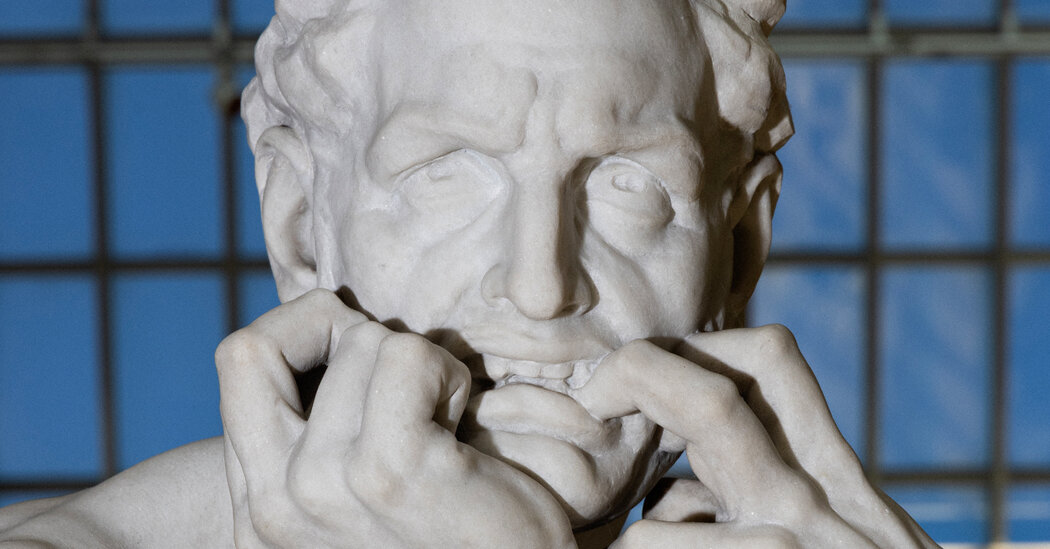
Indeed, the artworks featured—including a decapitation platter and a sculpture rumored to depict a cannibal—serve as visceral reminders of the moral and spiritual dilemmas that have haunted humanity across epochs. As the philosopher Ortega y Gasset might suggest, culture is the possession of a society’s collective memory—an ongoing dialogue with its own history. These artifacts, perhaps unsettling to modern sensibilities, anchor us in a worldview where the boundaries of morality, the fears of the unknown, and the boundaries of human capability are laid bare. Such nightmarish visions challenge us to reflect on our current society’s fragile veneer, revealing beneath it a tapestry woven with both beauty and terror, remembrance and prophecy.

Furthermore, in the context of a society often criticized for its loss of roots, these artworks stand as milestones of traditional expression—reminders that culture is integral to the formation of societal identity. As Tocqueville observed, democracy’s greatest challenge lies in maintaining a shared sense of cultural continuity—when the collective memory of the past diminishes, the community itself risks disintegration. Here, the arts become a bulwark against cultural amnesia, preserving essential facets of our moral and aesthetic identity. They forge a link between the past and the future, anchoring new generations in their inherited values while warning of the consequences of neglect.

In the final analysis, culture is both memory and prophecy. It acts as a mirror reflecting the deepest fears and aspirations of humanity, from the grotesque to the sublime. As T.S. Eliot famously remarked, “The past is never dead; it’s not even past.” Our cultural artifacts, whether frightening or beautiful, serve as silent orator—guiding us through the corridors of history and into the unknown future. In these haunted treasures of the museum, we find a silent promise: that understanding our cultural roots grants us the strength to shape tomorrow, to transcend mere survival, and to forge a society rooted in the resilient memory of what we once were and what we might yet become. Culture, in the end, remains our human prophecy—a testament to the enduring soul of mankind.

Got a Trendy Halloween Costume Idea? Check Out Your Own Wardrobe’s Hideaway! | Fashion

As the spooky season approaches, a fascinating cultural shift is unfolding in the realm of Halloween festivities. Traditionalists may still be rummaging through boxes for that dusty, decade-old costume, but a new wave of trend-savvy youth is redefining what it means to celebrate. Halloween has transitioned from a night of simple fun to a playground of creative expression, fueled by social media influencers, trendsetters, and the rising obsession with “in-the-know” cultural nods. This generation isn’t just dressing up for the night; they are making statement looks with effortless, last-minute touches that scream trend consciousness.

Leading the charge are the so-called cultural high achievers—from A-list celebrities like Kim Kardashian and Heidi Klum to innovative artists like Janelle Monáe. These icons spend weeks curated their costumes, leveraging platforms like Pinterest and Instagram to craft intricate, highly conceptual outfits. Their obsession isn’t just about costumes but about crafting a narrative that resonates with ever-evolving cultural moments. This influence trickles down to mainstream youth, who now see Halloween as an opportunity to join the conversation on societal trends, pop culture, and political commentary through their fashion choices. The result is a holiday that’s less about candy and more about cultural cachet — a kind of Halloween “manifesto” where costumes are loaded with meaning, parody, or insider references.

However, not everyone is investing hours or dollars into elaborate ensembles. Instead, a new subset of trend-hunters is embracing the art of the “stolen idea”. Inspired by recent headlines—like the daring Louvre jewel theft or viral crime stories—youth are assembling quick, punchy costumes that shout social relevance. For example, donning a hi-vis vest and piling on jewelry from their own collection transforms into an instant costume mimicking the infamous €76m jewel thieves, blending satire with social commentary. It’s a clever way of turning viral stories into wearable, relatable statements. Sociologists like Dr. Emily Chen argue this reflects a broader societal shift: we’re increasingly defining our identities through rapid commentary on media phenomena, where humor and irony are primary tools for social engagement.

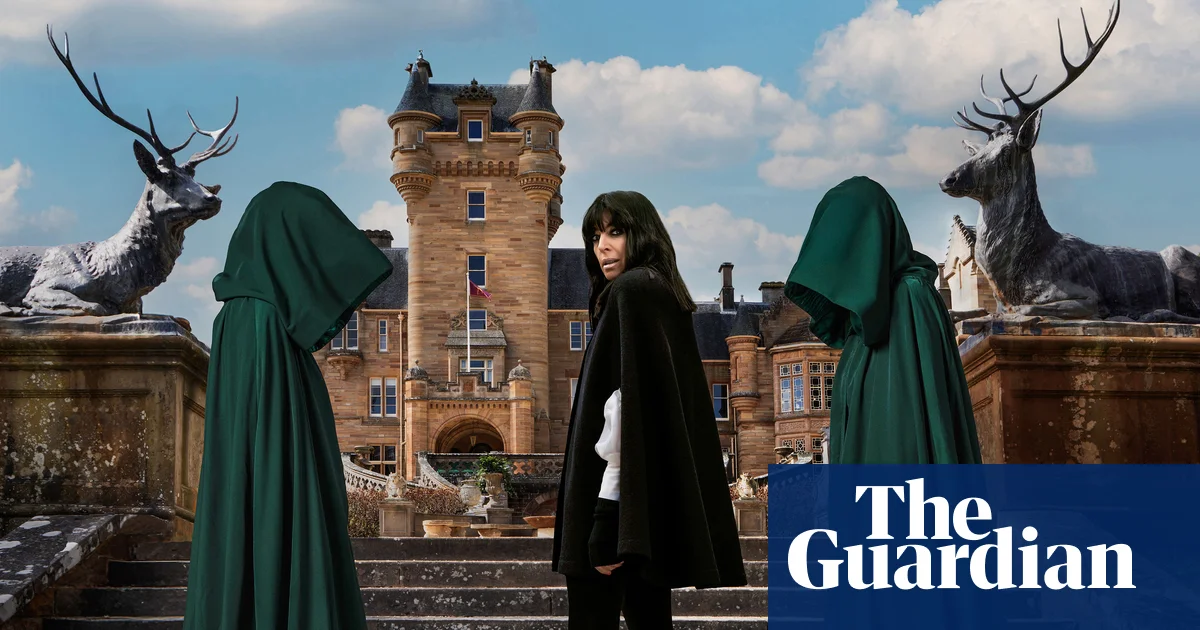
This trend isn’t just about aesthetics; it’s reshaping the social fabric of Halloween. As influencers like Claudia Winkleman showcase DIY accessories—snipping old gloves or layering eye makeup—young people are redefining what it means to participate authentically. The iconic “incognito mode”— Leo DiCaprio’s face-covering at a Venice wedding—embodies this desire to balance social spectacle with a curated sense of mystery, pushing the boundaries of traditional costume conventions. Meanwhile, comfort and humor reign supreme with options like wrapping oneself in a sleeping bag as a “Demon Hunter” or going retro with 2000s-inspired fashion staples—think boat shoes and baggy jeans—reminding us that even throwbacks can amplify current cultural conversations.

Ultimately, the next question we should be asking is whether this rapid, socially charged approach to Halloween costumes signals a deeper shift in youth culture. Are we witnessing the emergence of a new form of digital-era storytelling—where costumes serve as semiotic short-cuts and social commentary—destined to influence fashion, media, and social activism beyond October 31? As trends continue to evolve at breakneck speed, one thing is clear: Halloween’s cultural impact extends far beyond candy and costume contests. This is a reflection of a generation that’s increasingly savvy, strategic, and willing to use their appearance as a canvas for expressing complex societal narratives. The next big challenge? Deciphering how far this desire for meaningful, quick-witted self-expression can take us in shaping tomorrow’s cultural landscape.

Shelby Oaks Review – Disappointing Halloween Horror Fails to Deliver Frights

In the modern age, culture serves as a vital—the very foundation—of societal identity and tradition. Yet, today we witness a troubling decline in the artistic and cultural standards that once fostered genuine community and ennobled the human spirit. The recent batch of horror films airing in the shadow of Halloween exemplifies this trend: franchises like Black Phone 2 and Shelby Oaks are emblematic of a cultural landscape increasingly dominated by superficiality and the superficial chase of cheap shocks. Instead of cultivating the rich tapestry of tradition or elevating society’s moral and aesthetic horizons, these productions reflect a descent into mediocrity, where the artistic is sacrificed on the altar of spectacle and profit.

This cultural malaise echoes underscored warnings from philosophers like José Ortega y Gasset, who lamented the crisis of mass entertainment diluting human excellence. The decline from genuine artistic endeavor to formulaic imitation—cloaked under the guise of innovation—is a sign of a society losing touch with its deeper roots. We can compare the current cultural decline to a kind of cultural amnesia, a forgetting of the traditions that once unified communities and inspired moral virtue. Instead of fostering stories that challenge the soul or elevate the mind, Hollywood now panders to fleeting trends, often producing films that are hurried, unoriginal, and devoid of the philosophical weight that once characterized Gothic or Romantic art.

This phenomenon is not confined to the film industry alone. It pervades the digital landscape, where YouTube creators like Chris Stuckmann attempt to carve their space within a fractured cultural framework. His debut feature, a low-budget horror film that tries to capitalize on genre tropes and online appeal, falls short of authentic storytelling, revealing the peril of a culture increasingly content with surface-level entertainment. Conversely, creators like Curry Barker, who successfully transitioned from humble beginnings to refined cinematic art, demonstrate that true cultural progress demands a mastery of craft and a reverence for tradition. As Chesterton argued, “Art is the signature of man,” linking cultural vitality directly to the moral and aesthetic cultivation of society.

In the face of this erosion, it is essential to recognize that culture is more than mere entertainment; it is the living memory of a civilization’s virtues, struggles, and aspirations. It should serve as both a mirror and a prophecy, reflecting the best of humanity and guiding us toward a future rooted in the enduring truths of our shared history. To heed the insights of T.S. Eliot—that “the past makes us, not in the sense of mere history but as a living tradition”—is to understand that our cultural endeavors forge the very fabric of society. In doing so, culture reveals the dual nature of humanity: a repository of memory, yet also a prophetic voice pointing towards human potential, calling us to remember the nobility of our ancestors and to forge a future that honors that nobility.

Ultimately, culture remains the sacred language of human authenticity—a symphony woven from the echoes of the past and the visions of what is yet to come. As we stand at the crossroads of this cultural moment, let us remember that true art and tradition are the torchbearers illuminating the way through the darkness toward a horizon where human greatness is rekindled, and the soul of society endures—resilient, rooted, and renewed in the eternal poetry of human existence.

The Met’s Top 20 Most Provocative Artworks: Test Your Eye and Discover the Unseen

As the shadows lengthen and October’s chill sets in, the Metropolitan Museum of Art reveals a different face—a spectral gallery of the human psyche’s darkest corners. Traditionally regarded as a temple of aesthetic marvels—shimmering Impressionist landscapes, delicate kimonos, and marble gods—the museum during Halloween transforms into a haunted hall of echoes, where art acts as a mirror to mankind’s deepest anxieties. Here, with centuries of artworks ranging from ancient relics to modern horrors, we witness how culture is far more than mere decoration; it is the vessel carrying the profound stories of saints and sinners, myths and monsters, that define our identity and societal fabric.

Human history, as noted by thinkers like Tocqueville, is woven with the threads of shared symbols and collective memories—elements that affirm cohesion and continuity in the face of chaos. The artworks uncovered during this dark season serve as symbols of a universal truth: that culture, at its core, is both memoria and prophecy. The haunting images of medieval saints battling demonic forces or classical sculptures depicting menacing mythical beasts become more than relics—they become reflections of our own inner struggles and societal fears. As Chesterton argued, the true function of art is to reveal the moral order amidst disorder. These macabre masterpieces, in their spectral silence, uphold an unyielding vigilance, testifying to a civilization’s resilience against modern nihilism.

Philosophers like Ortega y Gasset have long emphasized that a society’s vitality depends on its cultural foundations. When the shift from tradition to chaos threatens our collective stability, it is art—especially the “haunted” works of the past—that anchors us. These artworks, echoing through the corridors of time, tell stories of moral daring, of the perennial struggle between good and evil, and remind us that our cultural inheritance is a sacred trust—an ongoing dialogue between memory and aspiration. The museum’s spectral turn during October becomes a reminder: that culture is neither static nor dead but a living, breathing entity infused with our collective hopes and fears, illuminating the path of human destiny.

So, as we wander through this labyrinth of shadows, let us remember that culture is both the memory of our ancestors and the prophecy of our future. In the ghostly silence of these haunted halls, art whispers that humanity’s greatest legacy is not merely what we create, but what we preserve—our moral compass, our shared stories, and our hope for coming dawn. Indeed, in contemplating these spectral artworks, we are invited to see ourselves anew—an eternal dialogue of the soul, where the echoes of the past forge the promise of tomorrow, and the memory of humanity’s darkness reveals the luminous potential of its light.

Catalonia town bans Black Cat adoptions this Halloween, citing safety concerns

Shadows of Tradition and Modern Morality: The Black Cat Ban in Terrassa

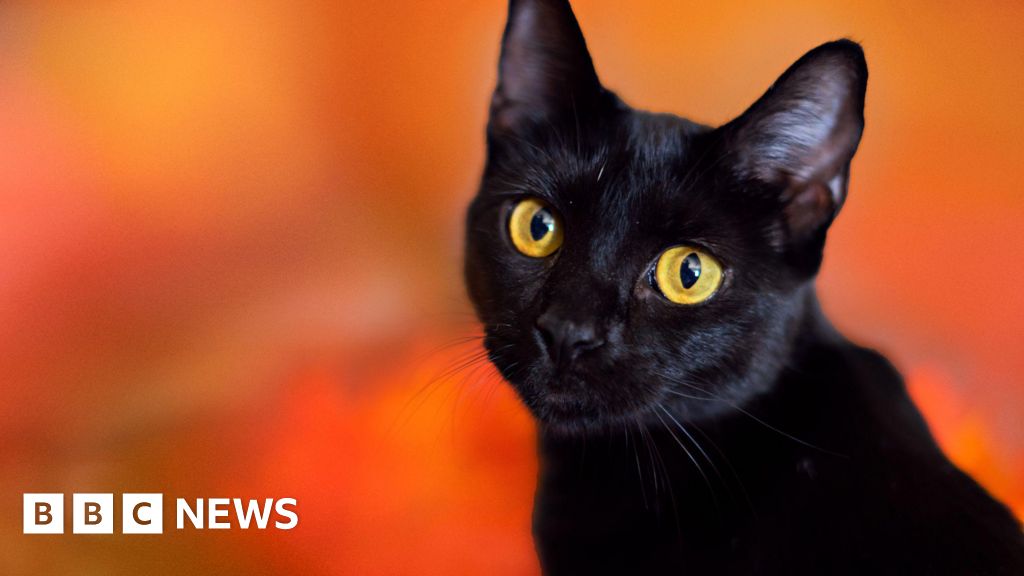
In a world increasingly attuned to the nuances of culture, animal welfare, and security, Terrassa, a historic town in Catalonia, has taken a controversial step that underscores the global tension between tradition and modern-day safety concerns. The town’s decision to temporarily ban the adoption of black cats during Halloween—set to last from October 6 to November 10—has sparked debates that reach far beyond its provincial borders. This measure, justified by local authorities as a safeguard against potential ritualistic abuse, embodies a broader societal shift where concerns for animal welfare increasingly influence policy-making amid fears of exploitation.

While Terrassa’s city council reports no local record of cruelty toward black cats, the decision aligns with a rising wave of precautionary policies motivated by incidents elsewhere—an approach reinforced by warnings from international animal rights organizations. European and Western communities have long associated black cats with superstitions rooted in witchcraft and misfortune, yet in many other cultures, such as in Japan and Egypt, these animals symbolize prosperity and good luck. The contrasting symbolism underscores how cultural perceptions can influence policy decisions that, ostensibly, aim to protect animals but also reflect societal fears and prejudices. Prominent historians and analysts suggest that such actions are frequently reactions to heightened societal anxieties, especially amid cultural shifts emphasizing safety and morality over centuries-old traditions.

Geopolitical Impact and Society’s Response to Cultural Shifts

The black cat ban in Terrassa could be viewed as emblematic of a larger global trend in which local authorities adapt policies based on perceived threats—whether they stem from cultural misunderstandings or real incidents—meanwhile influencing international standards. Such measures might appear minor, but they carry significant geopolitical implications. When a European town adopts an anti-\u201crituals\u201d stance without evidence of actual abuse, it adds to the narrative of a continent increasingly cautious—or perhaps afraid—of its own cultural rituals and symbols. Analysts warn that this could set a precedent, encouraging other jurisdictions to implement similar restrictive policies rooted in moral panic rather than factual crime rates.

Organizations like the World Animal Protection have expressed concerns about such bans, emphasizing that they often obscure deeper societal issues of superstition and misinformation. Yet, the decision’s impact on society reaches beyond animal welfare, touching on broader matters of cultural identity, immigration, and the ongoing clash between tradition and modern modernization. This is a reflection of how international communities are increasingly caught in debates where security and morality are prioritized over cultural diversity and historical significance. Political commentators argue that such measures, while temporary on the surface, could deepen divisions within Europe, particularly amid the continent’s ongoing struggle with multicultural integration and societal cohesion.

Yesterday’s Traditions, Today’s Fear: The Unfolding Tale of Cultural Evolution

As Terrassa‘s measures take hold, history will record whether this is a fleeting precaution or a sign of deeper societal transformation. The city’s decision to restrict animal adoptions during Halloween, though presented as an “extra precaution,” hints at a broader narrative echoed across borders: the ongoing effort to reconcile age-old cultural symbols with modern moral standards in an interconnected world. International organizations monitor these shifts, warning that too often, fear-driven policies obscure genuine cultural exchange and risk marginalizing traditions that have defined societies for centuries.

Indeed, as history continues to unfold, the world stands at a crossroads—where decisions on seemingly minor issues like the fate of black cats embody the profound tensions shaping the future of cultural identity, security, and morality. This is not just about animals or superstition; it is about how societies choose to navigate the complex dance between honoring the past and protecting the present, with the specter of history hovering in the background as an unyielding witness to all that is lost and gained in the march forward.

Challenge Your Knowledge: Iconic Horror Novels That Made the Leap to the Screen

As we consider the enduring legacy of literature and its vital transformation through adaptation, we are reminded of the profound relationship between art, identity, and society. In an age increasingly dominated by visual spectacle, movies, television, and theatrical renditions serve not merely as entertainment but as modern reflections of our collective soul. This process echoes the timeless insights of Ortega y Gasset, who observed that culture is both a mirror and a blueprint—offering us an image of who we were and a prophecy of who we might become. Whether through the Gothic gloom of H.P. Lovecraft or the chilling fundamentals of Stephen King, horror adaptations showcase the cultural fears and moral preoccupations that define civilizations, illustrating that even in fear, there is a reflection of our deepest truths.

Throughout history, cultural shifts have often been heralded by the stories we tell each other. The transition of literary works into visually compelling media often signals a society’s evolving relationship with its history and ideals. Gothic horror, for instance, with its roots in romanticism and enlightenment fears, has morphed into a mirror for contemporary anxieties—be it the terrors of the digital age or the moral darkness lurking behind modern facades. As C.S. Lewis pointed out, art’s role is to luminate the shadows cast by human frailty; any successful adaptation manages to keep that moral tension alive, engaging new generations with questions that are as old as the human condition itself. The power of film and television to reanimate these stories reminds us that culture is less static than we often think—it is a living, breathing dialogue between memory and prophecy.

The importance of adapting works of literature into visual storytelling lies in its ability to preserve tradition while constantly rekindling societal debate. Just as the Renaissance rediscovered classical knowledge and Tocqueville warned about the tyranny of democratic equality eroding individual greatness, contemporary cultural adaptations serve as a counterbalance; they keep alive a sense of wonder and moral complexity. These stories are not just entertainment—they are the cornerstone of our cultural identity, lending purpose and continuity amid the chaos of change. By reimagining stories of darkness and light, society navigates its fears while reaffirming its aspirations, reminding us that our cultural memory is a fertile ground where history’s lessons bloom anew.

As the currents of history flow onward, the role of culture as memory and prophecy becomes ever clearer. It is both the echo of what humankind has endured and the blueprint of what might yet come to pass. The writings that become films, the stories that transform into plays—these are the threads with which we weave the fabric of our civilization. Culture, in all its forms, bears witness to the eternal human quest for meaning—to understand the shadows and to illuminate the dawn. In this delicate dance of remembrance and anticipation, we find that our shared stories are neither relics nor mere predictions but the very essence of our ongoing human journey.’

Social Media Auto Publish Powered By : XYZScripts.com