Matox News

Truth Over Trends, always!

Australia under threat: Andrew Hastie warns US alliance’s decline, Sri Lankan hackers target Aussie funds

Geopolitical Shifts in Australia and Sri Lanka: The Rising Tide of Sovereignty and Security

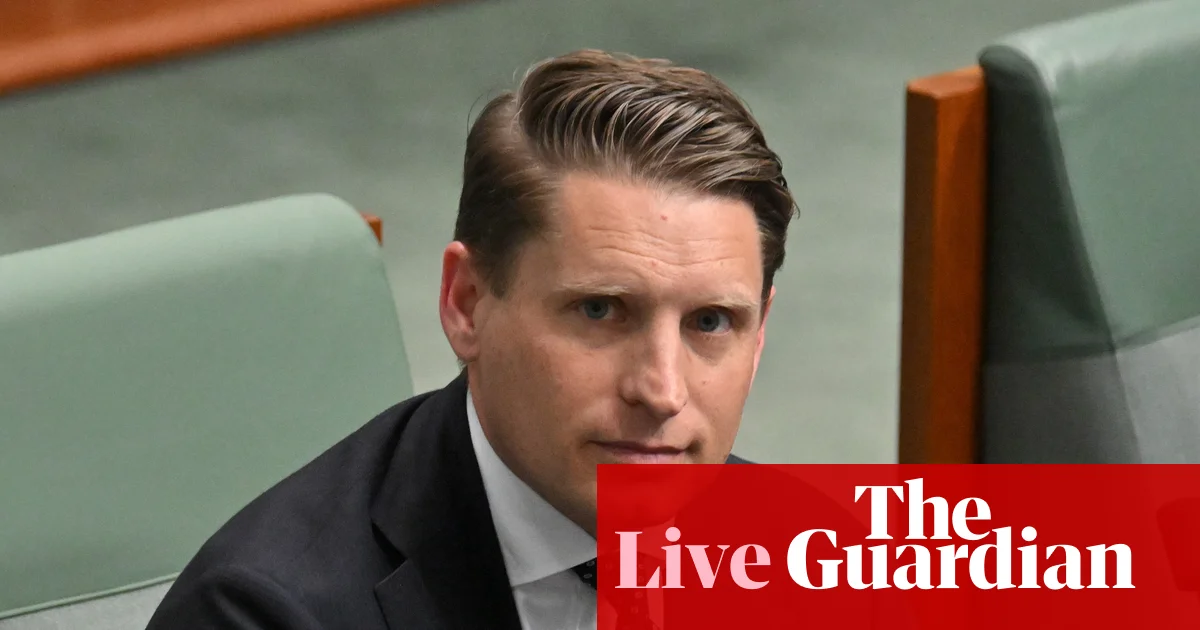
Amidst a rapidly transforming international landscape, Australia is confronting a crucial juncture in its national sovereignty, with influential voices warning that its traditional alliance with the United States may be undermining its strategic independence. Prominent Australian figures like Andrew Hastie, a leading member of the opposition, have openly criticized the bipartisan consensus that has deepened reliance on U.S. military and diplomatic support. In a speech at the Robert Menzies Institute in Melbourne, Hastie emphasized that this reliance has “eroded Australia’s sovereign capability,” particularly its defense industry, which is vital for maintaining independent hard power. As analysts within international organizations warn, such trends threaten the long-term security and autonomy of nations that, until now, have depended heavily on U.S. backing.

Hastie’s outspoken critique signals an awakening among young populations and nationalists who see the necessity of recalibrating alliances to safeguard sovereignty. He advocates for rebuilding Australia’s defense infrastructure and industrial capacity, asserting that “if ANZUS is going to continue for another 75 years, we need to invest in our industrial base and our defence force.” This stance is markedly different from the cautious optimism of traditional allies; instead, it calls for proactive measures to restore strategic independence. Historians like Paul Kennedy warn that over-dependence on superpower alliances can be “strategic trade-offs,” leading to deindustrialization, weakened hard power, and societal vulnerabilities — risks that are increasingly pressing as global conflicts intensify.

Meanwhile, across the Indian Ocean, Sri Lanka faces its own formidable geopolitical dilemma. The country, still recovering from the 2022 debt crisis, has become a battleground for cyber and financial vulnerabilities. Recent reports indicate that hackers infiltrated the Sri Lankan finance ministry’s systems, siphoning off approximately US$2.5 million — funds owed as debt repayment to Australia. This breach underscores how fragile national security has become amid economic turmoil, with Colombo defaulting on external debt exceeding US$46 billion. The theft, the most significant ever from a Sri Lankan state institution, highlights how international financial dependencies can be exploited in asymmetric threats, jeopardizing diplomatic commitments. Experts cite the situation as a warning of how cyber warfare and economic destabilization can dismantle international trust and financial stability.

  • The theft of funds destined for debt repayment illustrates the vulnerabilities emerging from Sri Lanka’s post-crisis recovery efforts.
  • Australian officials have committed support, emphasizing their readiness to assist in investigating the breach.
  • This cyber incident, alongside ongoing sovereign debt challenges, exemplifies the new frontier of international conflict where cyber and financial warfare are paramount.

As these developments unfold, the international community must grapple with a shifting balance of power, where nations are increasingly questioning the efficacy of traditional alliances. While U.S.-led security arrangements have historically provided a shield for regional stability, the past decade has revealed cracks in this approach, with emerging nations asserting their sovereign priorities and resilience. The narrative of this moment is still being written, with young leaders like Hastie urging a reevaluation that prioritizes national industries, autonomy, and strategic foresight. The interconnected web of cyber threats, economic dependencies, and military alliances underscores a truth — that how nations choose to navigate these perilous waters will determine the course of history for generations to come. As history’s pen continues to carve new chapters, the world watches closely — for it is in these decisive moments that the tide of power truly shifts, shaping a future that remains uncertain yet fundamentally responsive to the choices made today.
Australia Politics Live: Telcos Hit Harder But Liberals Must Move Beyond Howard Era, Hastie Warns

The recent developments in Australia’s national politics and policy landscape highlight the significant geopolitical impact of domestic decisions on regional stability and international perceptions. The Australian government’s move to escalate fines for telecommunications companies failing to connect users to the emergency triple zero service, now set at $30 million, underscores a notable shift towards reinforcing critical infrastructure accountability. This regulation, driven by bipartisan support from Labor and Coalition members, marks a clear message that corporate negligence in essential services will not be tolerated. As analysts from the International Institute for Strategic Studies observe, such measures reflect Australia’s intent to project strength and resilience, especially as it faces regional challenges and global scrutiny over public safety standards.

Simultaneously, the Australian Parliament has taken steps to increase transparency in telecommunications outages by mandating companies to maintain a public register of network disruptions that are updated in real-time. This proactive move follows the September outage incident involving Optus, which exposed vulnerabilities in Australia’s emergency response network. The decision to require ongoing transparency can be viewed as part of a broader strategy to bolster public confidence not only domestically but also in Australia’s role as a regional leader in digital infrastructure. This initiative signals a clear posture: the government prioritizes sovereignty over critical communications, ensuring that international partners and allies see Australia as committed to public safety and technological sovereignty. The U.S.-based National Security Council comments that such transparency measures may serve as a template for other nations seeking to safeguard their own emergency networks against cyber threats and operational failures.

At the same time, internal political struggles continue to shape the nation’s trajectory. Barnaby Joyce, a veteran figure in Australia’s conservative ranks, has indicated he will consider his political future over the upcoming summer, with speculation swirling over his potential joining of One Nation. Meanwhile, fellow nationalist figure Andrew Hastie has voiced warnings that the Liberal party can no longer navigate the political landscape by *living in the Howard era*. These internal debates carry profound geopolitical consequences—a fractured conservative bloc may weaken Australia’s stance on strategically vital issues such as climate policy and regional alliances. As political analyst Dr. Liu Zhang from Beijing’s Institute for International Studies notes, a divided Australian government could undermine the nation’s ability to act decisively on the international stage, particularly amid rising regional tensions with China and the Indo-Pacific.

Furthermore, these internal tensions, intertwined with the ongoing debate about Net Zero emissions, demonstrate how national policy decisions echo across borders. The Labor government’s firm stance on higher penalties for telcos and increased transparency reflects a broader push to demonstrate international credibility—particularly in the face of global climate commitments and regional security pacts. What remains at stake is not merely Australia’s domestic policy but its global standing as a stable, responsible actor in an increasingly uncertain international order. As global institutions like the United Nations scrutinize national commitments, the resolve—or wavering—of Australian leaders in such foundational issues will unavoidably influence regional trust and assertiveness. The course of these domestic struggles, political choices, and policy decisions are chapters in a larger narrative—the story of a nation navigating the tumultuous waters of a shifting geopolitical landscape, the outcome of which will shape history in ways yet to unfold, leaving the world watching with bated breath as Australia writes its next move.

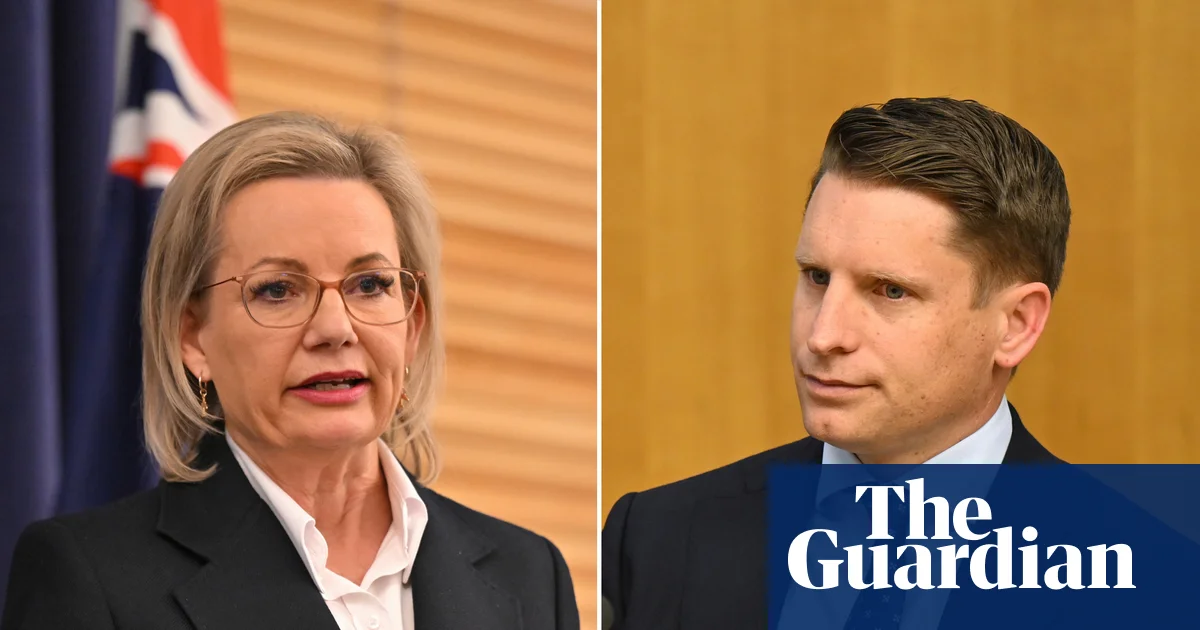
Ley dismisses Hastie’s immigration claims, says daily pressures aren’t caused by migrants | Liberal Party
Hastie: No challenge to Ley’s leadership after stepping down from frontbench

Australia‘s internal political dynamics have taken a sharp turn as figures like Andrew Hastie shift their roles within the Liberal party amidst ongoing ideological debates. Hastie, a former soldier and rising figure within the party, recently announced his resignation from the shadow cabinet, explicitly citing disagreements over foundational issues like immigration policy. While denying any immediate ambition to challenge Sussan Ley for party leadership, Hastie’s move signals a broader ideological reconfiguration that could influence Australia’s domestic and foreign policy orientations.

This internal reordering occurs during a period of significant political turbulence, with debate intensifying over issues such as immigration, energy, and national sovereignty. Hastie advocates for a more nationalist stance, emphasizing “Australia-first” policies that closely align with a growing global trend of national populism. As he professes to maintain his political agenda from the backbench, his actions extend beyond party politics, reflecting a persistent push against what some see as bureaucratic complacency and a response to the frustrations of traditional conservative voters. The ongoing ideological schism within the Australian Liberal party echoes the wider shifts witnessed in Western democracies, where traditional parties are grappling with populist insurgencies and redefining their national commitments.

International organizations and analysts have observed these developments with caution, highlighting the potential repercussions for regional stability. Experts worry that rising nationalist sentiments in Australia could influence its foreign policy calculus, especially in the Indo-Pacific region where competition among major powers such as China and the United States remains intense. The geopolitical impact is multifaceted: increased internal focus on sovereignty and immigration could result in a more independent Australian stance, perhaps limiting alignment with Western allies if domestic pressures favor a more insular approach. Historians of national populism note that such shifts often reshape a country’s external relations—either by hardening its resolve to prioritize sovereignty or by inviting diplomatic recalibrations under the influence of populist inclinations.

  • The internal schism within Australia’s Liberal party underscores a wider contest over national identity, with factions vying for influence amid a fractured political landscape.
  • Hastie’s advocacy for a more restrictive immigration policy aligns with similar trends across Western democracies, fueling debates over multiculturalism and sovereignty.
  • The decision by party leaders to shift responsibilities to the backbench signals a possible strategic realignment, which could embolden nationalist voices in Australian politics.

As the world watches, the Australian chapter of this ideological evolution takes on profound significance. The choices made in Canberra have ramifications well beyond national borders, shaping how emerging democracies respond to the pressures of globalization, migration, and regional power dynamics. The actions of recently reshuffled figures like Hastie serve as a stark reminder: the fabric of a nation’s future is often woven in moments of internal division, sowing seeds that can alter the course of history. With a federal election on the horizon and shifts in strategic allegiance underway, the global order stands on the cusp of a new era, as Australia charts its path through the storms of internal upheaval and international consequence — a true battleground of ideas where the outcome may define the geopolitical landscape for decades to come.

Social Media Auto Publish Powered By : XYZScripts.com



