Matox News

Truth Over Trends, always!

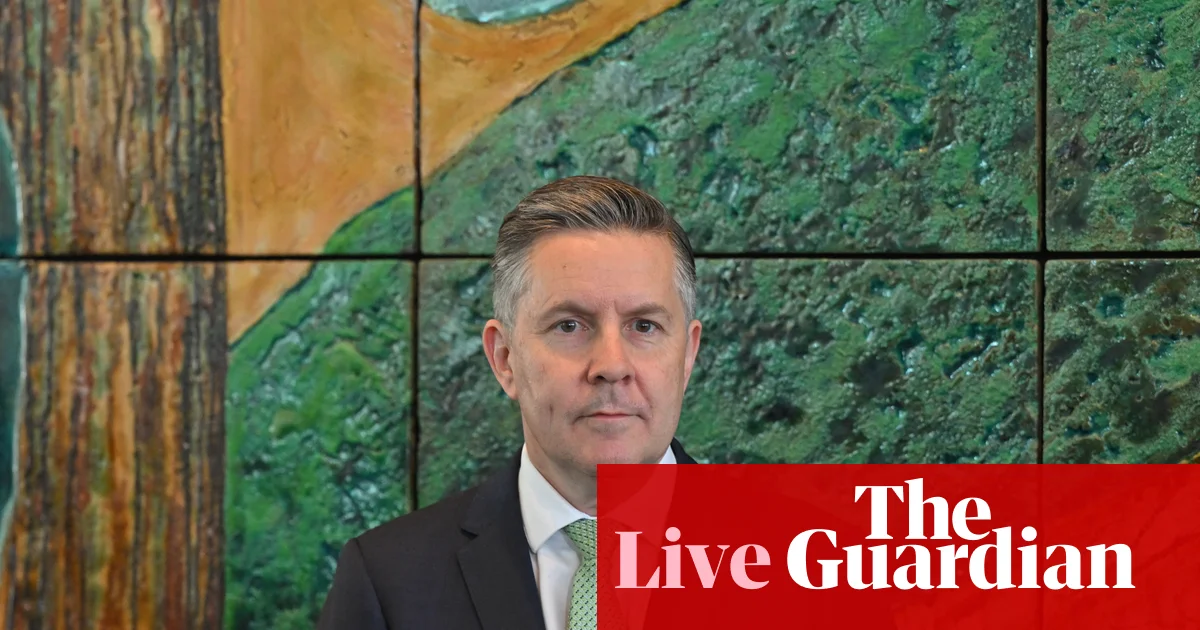
Australia Faces Key Fight Over State Health Funding, Teen’s Body Found After Blue Mountains Camping

As the global landscape reels with shifting alliances and rising tensions, Australia finds itself at a pivotal crossroads, where internal politics threaten to ripple across the world stage. In the midst of negotiations over critical national issues such as health funding, aged care, and gun control, decision-makers in Canberra are making choices that could redefine Australia’s geopolitical stance for decades to come. Recent reports highlight a flurry of activity in the National Cabinet, as leaders grapple with a complex web of domestic challenges that hold profound implications beyond their borders.

The ongoing negotiations over the health funding deal underscore a larger theme of national sovereignty and resilience. Prime Minister Anthony Albanese and his cabinet are under pressure to secure an agreement that balances fiscal responsibility with the urgent needs of Australia’s health system. The proposed delay in launching new programs, such as the autism intervention under the NDIS, signifies an attempt to buy time in a climate of fiscal strain and political brinkmanship. Such decisions, analysts argue, reflect a broader strategic calculus that may influence Australia’s role in regional security and economic stability, especially as rival powers like China and Russia continue to expand their influence in the Indo-Pacific.

Meanwhile, the alarm over aged care shortages and misuse of funding reveals underlying tensions within Australian society that echo wider global concerns about social stability and human rights. Reports of prolonged wait times—up to 245 days for in-home care—highlight the failure to meet basic societal obligations, sparking sharp criticism from opposition parties and international observers alike. The scandal surrounding the unauthorized use of restrictive practices against NDIS participants exposes a severe failure in safeguarding vulnerable populations, a crisis that echoes similar issues in various Western nations. These domestic failures threaten to undermine Australia’s diplomatic standing, as allies and adversaries alike scrutinize how internal policies shape its commitments to international standards.

Furthermore, the debate surrounding the federal government’s approaching gun buyback scheme exposes the delicate balance of sovereignty and security. Albanese’s push for a comprehensive program costing hundreds of millions faces resistance from regions like Queensland and the Northern Territory, complicating efforts to present a unified front on national security. This internal discord risks emboldening international actors who interpret Australia’s divisiveness as a sign of political fragility—an unintended signal in an era of rising geopolitical instability. As historians warn, such internal divisions could weaken Australia’s capacity to act decisively in regional conflicts and global crises, thereby fostering a perception of vacillation at a time when strong leadership is desperately needed.

Every decision in Canberra resonates beyond its shores, shaping the very fabric of international diplomacy and conflict. Nations watch closely as Australia contends with internal crises that threaten to spill over and influence regional power dynamics. From escalating health crises to security gambits, the choices made by Australia’s leadership may well determine whether the continent remains a pillar of stability or succumbs to internal discord that invites opportunism from rivals. The weight of history presses heavily upon this nation, whose trajectory now hinges on the resolve to prioritize national interests in a world teetering on the edge of chaos. The unfolding saga remains a stark reminder: in the theater of geopolitics, the stakes have never been higher, and the future is written in the decisions of today.
Newsom taps ex-CDC insiders to shape California’s new health defense system

California Reinvents Public Health in a Society Divided

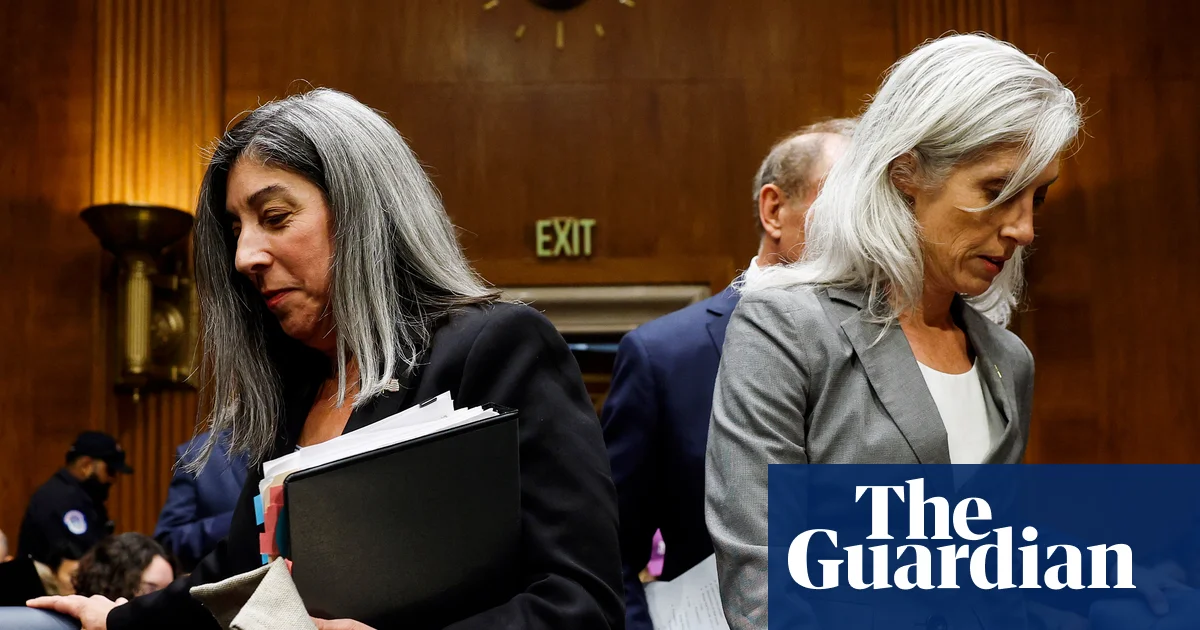
In a decisive move emblematic of an evolving cultural shift towards scientific innovation, California’s governor Gavin Newsom has appointed two prominent former Centers for Disease Control and Prevention (CDC) officials to lead a new state initiative aimed at modernizing public health infrastructure. This initiative, known as the Public Health Network Innovation Exchange (PHNIX), seeks to bridge the divide between scientific integrity and societal trust—a challenge that resonates deeply within communities grappling with misinformation, vaccine skepticism, and the erosion of shared moral consensus. Sociologists like Richard Sennett warn that societal cohesion hinges on **trust in human institutions**, yet current social tensions threaten to fracture the fabric that holds families, education systems, and communities together.

The appointment of Dr. Susan Monarez and Dr. Debra Houry highlights California’s stance amid national debates on public health policy, particularly in the wake of conflicts with the Trump administration. Monarez, who was dismissed from her CDC leadership role less than a month into her tenure after refusing to step down, clashed with the prior administration over vaccine policy, demonstrating a broader societal tension over individual rights versus government mandates. Both Monarez and Houry voiced concerns before Congress about vaccine agendas under secretary Robert F Kennedy Jr., emphasizing the importance of *trustworthy, science-based health policies* in preserving public safety. This effort underscores a societal acknowledgment that families and communities rely on transparent leadership to navigate the moral dilemmas of modern health crises.

According to Newsom, PHNIX aims to _“bring together the best science, tools, and minds to _advance public health,”_ reinforcing the significance of **technological innovation** and **information infrastructure** in restoring societal confidence. Yet, beneath this progressive veneer lies a deeper question about how social issues like vaccine skepticism impact family health, educational stability, and community cohesion. As sociologist Charles Murray argues, societal strength depends on shared moral values that foster **trust in scientific expertise**—a principle now under scrutiny in an era marked by misinformation and cultural polarization. These social tensions threaten to destabilize the very fabric that sustains societal order, from school classrooms to neighborhood streets.

At its core, California’s bold strategic shift signals a societal effort to reclaim integrity in a fractured social landscape. As Newsom positions California as a bastion of scientific resistance against what he perceives as federal overreach, communities are placed at a crossroads—either embracing a future rooted in evidence-based policies or succumbing to the path of division and distrust. The challenge for families and youth alike is profound: how to cultivate a society where science serves as a moral anchor in a world of shifting cultural norms. As history warns us, societies that ignore this delicate balance risk unraveling their social cohesion. Yet, dreams of societal renewal also persist, nurtured by the hope that through unwavering commitment to truth and stability, communities can emerge stronger—ready to forge a future where trust is restored, and society’s moral compass is reoriented toward unity.

Fact-Check: Viral Social Media Claim About Health Benefits is Misleading

Fact-Checking Trump’s Claims on Economy and Investment

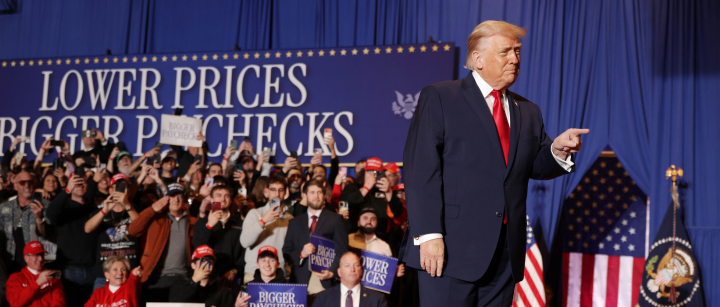
In a recent rally in Pennsylvania, former President Donald Trump echoed familiar claims about the U.S. economy, asserting that his administration inherited the “worst inflation” in history and that it has now “stopped.” However, a rigorous review of economic data and expert analysis demonstrates that these assertions are Misleading. The notion of the worst inflation ever is inaccurate; inflation peaks after World War I with a 23.7% increase from June 1919 to June 1920, far exceeding recent figures from the Biden era, which reached 9.1% in June 2022. Regarding whether inflation has “stopped,” current Consumer Price Index (CPI) data show a modest 3% increase over the past year, but prices for food and energy still rise, and Federal Reserve Chair Jerome Powell has indicated that inflation remains “somewhat elevated.”

Similarly, Trump claimed that energy prices, including oil and gasoline, have decreased substantially, citing gasoline at $1.99 in some states. This assertion is only partially accurate. Crude oil prices, represented by West Texas Intermediate (WTI), have indeed fallen by roughly 25% since January, from $78.56 to about $59, according to the Energy Information Administration (EIA). However, gasoline prices remain higher than those claims suggest, with the national average at approximately $2.94 per gallon—still significantly above the $1.99 per gallon figure Trump cited. While some individual gas stations might offer prices close to $1.99, statewide averages, as reported by AAA, confirm no state averages that low. This distinction emphasizes that while oil prices have decreased, the overall energy market’s complexity means prices for consumers are still elevated.

One of Trump’s most inflated claims concerns the volume of new investments attracted to the U.S. economy. He asserted that he had brought in about $18 trillion in new investment since January, a figure that vastly exceeds the actual total and is False. The White House’s official webpage states the total is approximately $9.6 trillion as of December 10, 2024. Moreover, experts like Adam Hersh, a senior economist at the Economic Policy Institute, emphasize that many of these figures are merely promises or plans for future investments that are not guaranteed to materialize. Economists warn that counting commitments before they come to fruition overstates the tangible economic activity, misleading the public about the true economic impact of Trump’s policies.

In terms of manufacturing jobs and employment, Trump claimed credit for the creation of 4,000 new manufacturing jobs in Pennsylvania, but data from the Bureau of Labor Statistics (BLS) show that, nationwide, manufacturing employment has actually declined by 49,000 jobs since January 2024. Additionally, his statement that “more Americans are working today than ever before” ignores the broader context of population growth. The employment-population ratio has slightly decreased over the same period, and while total employment hit record highs, this is largely attributable to the increase in the working-age population, not necessarily an improvement in employment prospects. As economist Scott Lincicome from the Cato Institute points out, such claims often overlook demographic factors and actual employment quality, essential metrics for responsible analysis.

Conclusion

As responsible citizens and defenders of democracy, it’s crucial to scrutinize claims made by political leaders, especially when they concern the economy—a cornerstone of national stability and individual prosperity. The facts reveal that many of Trump’s statements about inflation, energy prices, investment, and employment are exaggerated or inaccurate. Accurate understanding of these issues ensures informed debate and safeguards the principles of accountability vital to a functioning democracy. Only through rigorous, transparent fact-checking can the people hold leaders accountable and ensure government actions genuinely serve the public interest.

Australia News Live: Butler Faces Off Over Health Funding as Silvagni Premieres in Court

In a world marked by escalating geopolitical tensions and internal crises, Australia finds itself navigating a complex landscape that reflects broader international trends. From domestic legal controversies to regional environmental threats, the nation’s current trajectory illustrates how decisions at the government level can ripple through society with profound consequences. At the heart of these unfolding stories lies a template of the interconnectedness of global and domestic issues, revealing that the fabric of international stability is woven as much from internal disputes as from geopolitical confrontations.

Recently, the conviction of Tom Silvagni, the son of AFL legend Stephen Silvagni, for two counts of rape has ignited intense public debate. Initially shielded by suppression orders Protecting his identity, the lifting of these restrictions underscores a Â*shift toward transparency*Â in managing high-profile criminal cases. However, the repercussions extend beyond personal culpability, illustrating how the public exposure of individuals involved in sensitive crimes influences societal trust and legal accountability. Historians and legal analysts warn that such cases sit at a turning point, reflecting a societal preference for openness, yet risking mental health deterioration among those implicated. Moreover, this domestic incident echoes the broader global discourse on transparency and justice, highlighting how national narratives can mirror worldwide struggles for accountability.

Simultaneously, the ongoing health funding standoff between the federal government and state leaders exemplifies a uncertain path toward a united policy framework. Minister Mark Butler has expressed hope that an additional $20 billion in hospital funding will facilitate an agreement before the holiday season. Yet, the implications extend beyond mere budget negotiations. As advocates for aged care and public health warn that shortages and staffing crises threaten societal well-being, this debate exemplifies how internal policies directly impact public safety and social cohesion. International health organizations, including the World Health Organization, caution that such divergences in policy and funding exacerbate disparities and threaten social stability, especially during periods of crisis. As history has demonstrated, unresolved domestic disputes tend to enflame regional tensions and open gateways for larger geopolitical struggles, making this current standoff not just a local affair but a beacon of larger systemic challenges.

Meanwhile, environmental concerns, notably the predicted marine heatwave conditions threatening the Great Barrier Reef, underscore the urgent need for international cooperation. As climate change continues to accelerate, Australia’s oceans have recorded their warmest 12 months, leading to recurring mass bleaching events. Analysts warn that the ongoing environmental degradation not only endangers one of the world’s most iconic natural wonders but also jeopardizes the economic and cultural fabric of regional societies that depend on tourism and marine biodiversity. Such ecological crises have the potential to destabilize regional power balances, inviting diplomatic tensions over environmental responsibility and climate policy. The response from the global community remains cautious, with some nations adopting a wait-and-see attitude, others pushing for stringent international measures—**yet the planet’s health hangs precariously in this unresolved tension**.

As history continues to unfurl amid the storm, these stories serve as a stark reminder that the weight of national crises is intertwined with the fate of global stability. From domestic legal upheavals to regional environmental threats, each decision, each crisis, emphasizes that our struggles are never isolated but part of a larger, unfolding narrative. The choices made today—whether in courtrooms, legislatures, or environmental summits—are the pages on which the forthcoming chapters of history are written. Only time will reveal if these fissures foster resilience or fracture the ties that hold the fabric of our shared future.

Australia bans high-dose B6 supplements: What young consumers need to know about their health choices

In today’s society, regulatory adjustments around health supplements reveal broader socio-economic tensions and the balancing act between consumer safety and industry influence. Starting from June 2027, Australia will place tighter restrictions on vitamin B6 products containing more than 50mg per daily dose, moving them behind the pharmacy counter. This regulation, initiated after a comprehensive review by the Therapeutic Goods Administration, underscores a rising concern about peripheral neuropathy—a nerve-damaging condition linked to excessive intake of this common vitamin in supplements. The move highlights the undeniable influence of the supplement industry and societal questions about how such commercialization impacts families and youth-driven communities.

The social repercussions of supplement overuse are especially pronounced among vulnerable populations. Elderly individuals, or those with specific health conditions such as alcohol dependence or autoimmune disorders, may face risks of deficiency, which specialists advise should be managed with professional consultation. Conversely, young consumers frequently ingest multiple B6-rich products—energy drinks, protein powders, vitamin mixes—often unaware of the cumulative danger. As Dr. Evangeline Mantzioris emphasizes, the ubiquity of vitamin B6 in common diets makes deficiency rare, yet overconsumption exists largely because of aggressive marketing tactics. This phenomenon raises concerns about how commercial interests shape youth behaviors and community health standards.

Historically, the societal response to supplement regulation mirrors past gaps between industry influence and public health. Sociologist Dr. Nathaniel Adams notes how government agencies, often swayed by powerful conglomerates, implement measures that span years—such as the five-year delay before restrictions take effect—allowing industry actors to adapt. This careful calibration mirrors societal patterns of compromise that, while necessary, perpetuate debates about trust, transparency, and the moral responsibilities of corporations towards young populations. Meanwhile, these regulations serve as a reminder that family units and community institutions are at the frontline of health advocacy, needing to remain vigilant in educational efforts.

Ultimately, the challenge extends beyond immediate health concerns toward a societal reflection: how do communities nurture resilience in youth amidst commercial pressures? How can families foster informed choices in an age dominated by quick fixes and marketing narratives? As experts like adjunct Associate Prof. Geraldine Moses suggest, patience is paramount—industry negotiations and regulatory changes take time. Still, the hope persists that through community education, transparent regulation, and moral courage, society can realign not just its health policies but its moral compass—ensuring that the well-being of future generations remains a collective priority. With ongoing vigilance and a united effort, society may yet transform these challenges into opportunities for genuine societal renewal, where youth grow up empowered by knowledge and protected by prudence, forging a society where health is a shared moral value rather than a commodity.

Princess of Wales Urges End to Stigma on Addiction and Mental Health

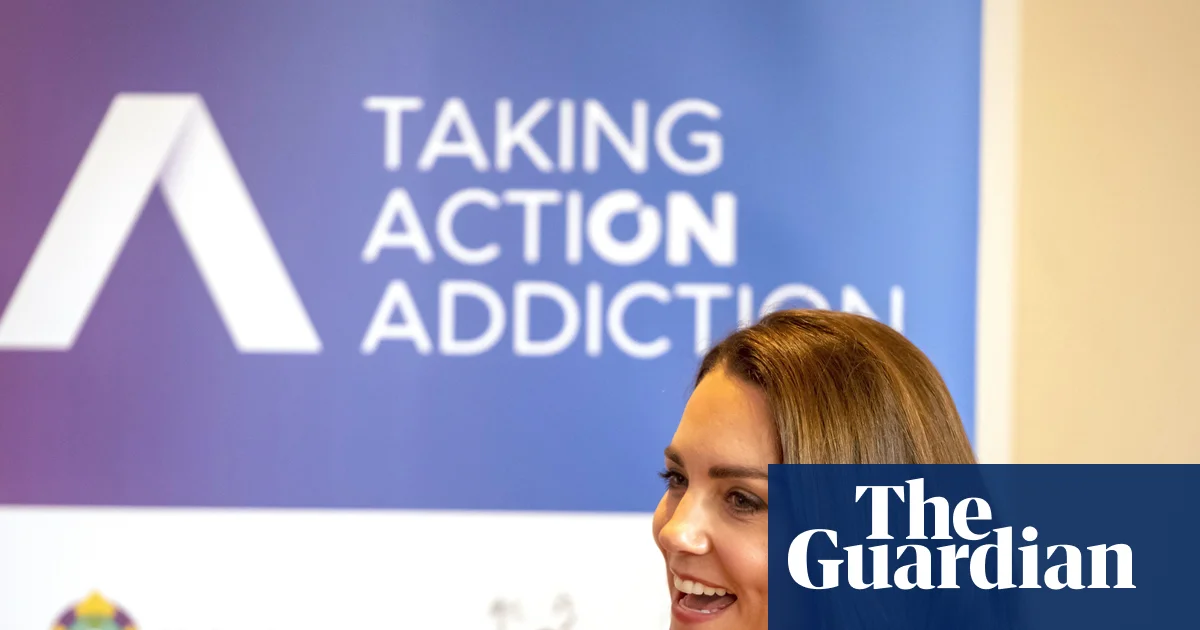
In recent discourse, society’s recognition of addiction as a complex mental health issue is gaining momentum, yet deep-seated stigma continues to hinder progress. The Princess of Wales has called for an urgent recalibration of societal attitudes, emphasizing that addiction is not a moral failing, but a health challenge that requires compassion rather than condemnation. Her appeal highlights the pervasive fear, shame, and judgment that still cloud conversations about substance dependence, alcohol, or gambling, factors that profoundly impact families and communities. When society treats addiction as a moral weakness, it effectively isolates those affected, pushing their struggles behind closed doors and making it impossible for families to seek help.

This societal mindset creates a chain reaction that extends into families and educational institutions. Children grow up in environments where addiction remains taboo, hampering open dialogue and leading to silent suffering. Sociologists like Dr. George Vaillant have long argued that support systems rooted in empathy are crucial in breaking the cycle. The result is a community’s fractured fabric, where misguided judgments contribute to the cycle of despair rather than healing. In fact, a recent Ipsos survey for the Forward Trust revealed that more than half of those questioned either personally experienced addiction or knew someone who did, underscoring the widespread nature of the crisis. Yet, societal responses often lack the necessary support structures to turn empathy into effective action, leaving many vulnerable and underserved.

Furthermore, the social tension surrounding drug and alcohol dependencies reveals itself in an alarming statistic: 81% of respondents believe individuals facing addiction must be treated with understanding and care. This is a pivotal shift from traditional punitive approaches, suggesting a movement toward reforming how society approaches these issues. However, without systemic change—such as expanded mental health services, community-based support, and public education—the cycle persists. Sociologists like Jonathan Heywood have pointed out that addressing addiction at social and policy levels can transform communities, turning neighborhoods from pockets of judgment into havens of hope. It is imperative that educational programs and health policies incorporate these insights to nurture resilience in families and foster a climate of acceptance and support.

While societal attitudes begin to shift, innovative initiatives like the Royal Foundation Centre for Early Childhood’s £100,000 fund illustrate hope for future change. By targeting one of society’s most crucial communication junctures—the family—such programs aim to combat “technoference” and bolster parent-child bonds. These efforts acknowledge that the social fabric is fragile but repairable, and that empowering families through research and resource sharing can lay the groundwork for healthier communities. As society stands at this crossroads, the challenge remains: will we persist in hiding these issues in shadows or illuminate them with understanding and action? Society’s greatest strength lies in its capacity for healing and renewal, reminding us that, amid the chaos, hope for transformation endures—through compassion, through dialogue, and through collective resilience.

Top Air Purifiers of 2025: Coway, AirDoctor, IQAir Lead the Charge

Revolutionizing Air Quality: The Innovative Shift Disrupting Traditional HVAC and Air Purifier Markets

As the world faces an escalating climate crisis and a renewed focus on personal health, the industry of indoor air quality (IAQ) management is experiencing a seismic shift driven by cutting-edge innovations. Companies like Dyson, Blueair, Levoit, and startups like Mila are pioneering technologies that challenge conventional notions of air purification. These developments not only redefine how consumers approach IAQ but also carry profound business implications—disrupting legacy HVAC systems and opening lucrative new markets.

One of the major innovations fueling this disruption is the integration of AI-powered sensors and smart capabilities into compact, aesthetically appealing devices. For example, Mila’s Critter Cuddler employs built-in sensors and app dashboards that automatically adjust operation based on real-time air quality, echoing trends seen in MIT research on personalized environmental control. Meanwhile, Dyson’s Big+Quiet Formaldehyde BP04 employs gases-specific filtration with multi-stage purification, targeting VOCs with unprecedented efficiency. These devices, often featuring disruptive design—like wall-mounted units or minimalistic forms—contest the traditional bulky, noise-intensive models of yesteryear.

Industry Impacts and Market Shifts

  • Market Disruption: The rise of smart, portable units erodes consumer reliance on fixed, large-scale HVAC systems for everyday air quality management. Industry analysts like Gartner suggest this paradigm shift will accelerate as advanced sensors and AI deliver personalized air profiles, enabling real-time responses that legacy systems cannot match.
  • Business Implications: Legacy manufacturers face pressure to innovate or risk obsolescence. New entrants with disruptive technologies attract consumers seeking efficiency, portability, and precision. Companies investing heavily in AI, IoT, and VOC-specific capabilities will hold the competitive edge, much like Elon Musk’s approach to Tesla’s innovation culture.
  • Sustainability and Regulation: Growth in CARB-certified and ozone-compliant models indicates a market responding to tightened regulations and health-conscious consumers. This encourages sustainability — devices like Ikea’s Starkvind are adopting certifications while battling misinformation about filter capabilities.

Challenges and Future Outlook

However, technological **disruption** is not without its hurdles. Many AI-integrated units still grapple with reliability issues, filter saturation misconceptions, and noisy operation. For example, Morento’s Air Purifier faced challenges with sensor auto-regulation, highlighting the need for rigorous testing that goes beyond marketing claims. Meanwhile, some models, like Dyson’s, have functionality gaps—such as oscillation failures—calling for continued innovation. The combined demand for precision, silence, and affordability will dictate which companies succeed in this fiercely competitive space.

Looking ahead, industry leaders recognize the imperative of rapid adaptation. Thinkers like Peter Thiel note that the most disruptive companies will be those that converge innovation with consumer needs—delivering not just cleaner air but transforming indoor environments into personalized, connected ecosystems. As regulations tighten and consumer awareness heightens, the market is poised for an exciting surge of disruptive breakthroughs that will shape the future of healthy living. The race for technological supremacy is on, and those who innovate fastest will dominate the next chapter in indoor air quality management.

Top 5 Posture Correctors to Keep You Sharp in 2025

Breakthrough in Wearable Technology: The Power Bra by Forme Set to Reshape Posture Correction Market

In a compelling demonstration of disruptive innovation, Forme, a forward-thinking health and wellness brand, has launched the Power Bra, a smart wearable designed to improve posture while integrating seamlessly into daily life. Originally conceived by orthopedic surgeon Stephen Liu to aid his mother’s health, the device exemplifies how medical-grade technology can be brought into mainstream fashion. Its debut signals a notable shift towards combining health, tech, and fashion industries in pursuit of personalized, user-friendly health solutions.

This launch is more than just a product debut; it signals significant business implications for established players in the posture correction space and wearable tech ecosystem. Unlike traditional braces or correction devices, the Power Bra leverages advanced materials and ergonomic design for comfort and style, challenging older, less versatile solutions. The device offers sizing from XS to 3XL and cups from A to F, illustrating a strategic move to capture a broad demographic, aligning with trends noted by industry analysts like Gartner focusing on inclusive health tech products. The brand’s recommendation to stretch armholes before use reflects attention to user experience—key for mass adoption in a market increasingly driven by feedback-driven updates.

Innovation at the Forefront of Wearable Tech

The Power Bra encapsulates several technology milestones that mark a significant leap forward in disrupting traditional health wearables. Its design combines orthopedic principles with fashionable aesthetics, opening avenues for wearables to be less stigmatized and more integrated into everyday routines. Experts from MIT highlight that such innovations can transform how consumers approach physical health, positioning technology as not just functional but also an essential lifestyle component.

Its potential business impact is profound. As young, tech-savvy consumers demand smarter, more comfortable, and discreet health solutions, brands like Forme anticipate capturing substantial market share. Moreover, the Power Bra’s success could pave the way for further integration of AI-driven diagnostics, real-time feedback, and machine learning algorithms to tailor posture correction, echoing forecasts by industry leaders like Peter Thiel who emphasize the importance of tech-driven healthcare evolution.

Looking Ahead: The Future of Wearable Healthcare

The launch of the Power Bra signifies a broader trend of disruption in personal health management through wearable innovation. As market leaders and startups alike race to develop next-generation health tech, the focus shifts towards hyper-personalization, comfort, and style. The challenge remains in ensuring affordability and scalability, but the current trajectory indicates an increasingly rapid pace of innovation that could redefine the consumer health industry within the next decade.

To stay ahead in this fast-evolving landscape, companies must leverage emerging technologies, deepen consumer insights, and foster robust partnerships with healthcare providers. The potential to combine AI, IoT, and biomechanics in health wearables opens a new frontier for disruptive wins and business expansion. As noted by industry analysts, those who innovate swiftly and focus on user-centric design will forge the future of health tech—making adaptation not just advantageous but vital.

In sum, the Power Bra exemplifies the transformative power of innovation, signaling an era where health solutions are no longer solely medical but seamlessly integrated into our daily fashion statements. For investors, entrepreneurs, and consumers alike, the message is clear: the future of health tech is now, and rushing to adapt will be essential in capturing the opportunities ahead.

Fact-Check: Popular claim about health benefits is misleading, experts say

Assessing President Trump’s Recent Claims on Employment and Food Assistance Programs

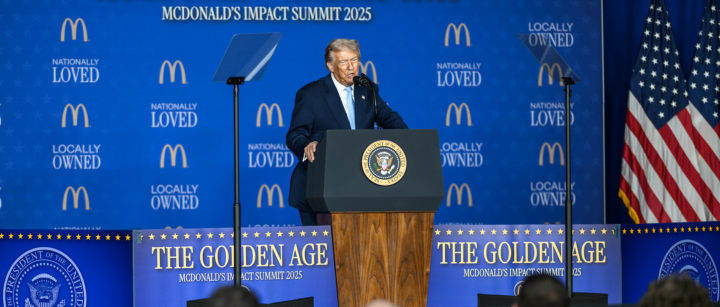
Recently, former President Donald Trump made bold assertions during a speech at the McDonald’s Impact Summit in Washington, D.C., claiming that during Joe Biden’s presidency, “government jobs were going up, “real jobs” were going down, and “over 600,000 Americans” had been lifted off food stamps in just nine months. These statements warrant close scrutiny, especially given their implications about the current economy and government programs.

Private Sector Job Growth and Government Employment

  • Trump’s claim that “real jobs” were decreasing under Biden is misleading. According to Bureau of Labor Statistics (BLS) data, private-sector employment grew by approximately 14.3 million jobs, or about 11.8%, during Biden’s tenure. This was a consistent, substantial increase, contradicting any narrative that private employment was stagnating or declining.
  • Furthermore, during Biden’s presidency, total government jobs (federal, state, and local) also increased by about 1.8 million jobs, equating to an 8.3% rise. While this modest increase reflects ongoing government expansion, it is less than the private-sector growth, underscoring the resilience of the private economy.
  • Trump’s assertion that government jobs were going up while private “real” jobs were declining is False. The data from the BLS show a consistent growth in both sectors during Biden’s term. Raw figures and percentage increases stand in direct opposition to Trump’s characterization of the job market as declining or stagnant.

Analysis of Federal and State Workforce Trends

Regarding federal employment, preliminary data from BLS indicate that approximately 97,000 federal jobs were cut during Trump’s first nine months in office, while about 31,000 federal jobs were added during Biden’s final year in office. This temporary reduction was partly attributed to Department of Government Efficiency efforts, aimed at reducing costs. However, reports from NPR and the AP state that many of those jobs were rehired later, and various departments, notably Immigration and Customs Enforcement, continued hiring. Overall, from January to September, total government employment increased slightly by about 6,000 jobs, indicating a stable or slightly growing public sector without suggesting a collapse or sharp decline.

Food Stamps / SNAP Enrollment Figures

Trump also claimed that “over 600,000 Americans” were lifted from SNAP in nine months—a “record” decline according to him. However, experts and data from the USDA counter this. Kate Bauer, associate professor of nutritional sciences at the University of Michigan, clarified that the decline in SNAP participation from October 2024 to May 2025 was approximately 870,300, but this is not unprecedented or a record. Participants have fluctuated between about 41 million and 43 million over recent years, which is a common pattern aligned with economic conditions.

Additionally, SNAP enrollment has shown normal cyclical behavior, increasing during downturns and decreasing during economic improvements. Dr. Sara Bleich of Harvard’s T.H. Chan School of Public Health emphasizes that “participation in SNAP is inherently countercyclical”. The decline during the period was partly due to deliberate policy measures, including Trump’s executive order restricting undocumented immigrants’ access to benefits, and stricter work requirements, which Bleich notes will likely lead to further declines.

Conclusion: The Importance of Accurate Data

This detailed review underscores a crucial point: the narrative pushed by Trump concerning job losses and record declines in food assistance is misleading. The data indicates that the U.S. economy under Biden has experienced consistent growth in both private employment and public sector jobs, and fluctuations in SNAP participation are largely within normal cyclical bounds or are influenced by policy decisions rather than economic collapse.

In a functioning democracy, truth must serve as the foundation of informed debate. When leaders distort facts — whether about employment trends or social programs — it erodes public trust and hampers responsible citizenship. Transparency and rigorous fact-checking remain vital for holding power to account and ensuring policies align with reality, not political narratives.

Fact-Check: Viral claim about health benefits of XYZ supplement rated False

Fact-Check: Vance’s 2025 Statement on Trump’s Transparency

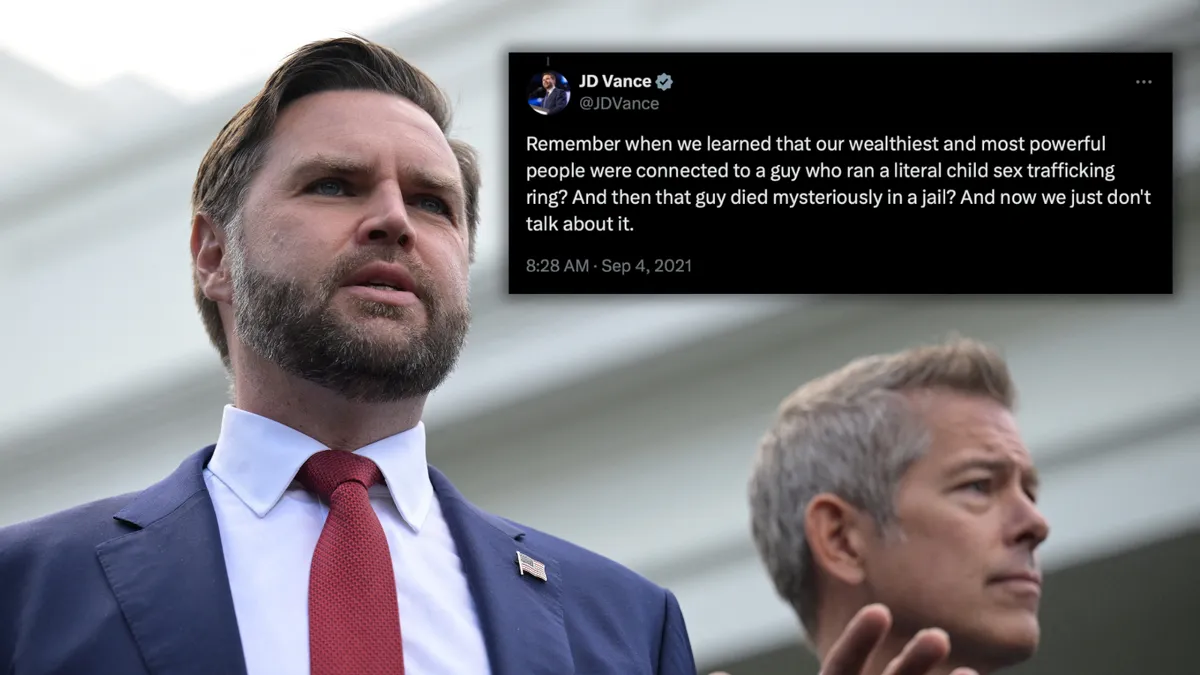
In 2025, after a series of high-profile political developments, Ohio Congressman Jim Vance publicly claimed that former President Donald Trump had “nothing to hide”. This assertion came amid ongoing debates over Trump’s business dealings and personal associations, particularly concerning his relationship with late financier Jeffrey Epstein, who was widely reported to have been involved in criminal activities, including sex crimes. Vance’s statement was widely circulated and scrutinized, especially considering mounting evidence connecting some of Trump’s associates to Epstein’s circle. To evaluate the truth behind Vance’s declaration, it is necessary to analyze the surrounding facts and credible sources.

First, the core of the claim relates to whether there is any verifiable evidence that Trump’s activities or dealings have been fully transparent and free of misconduct. The statement’s premise that Trump “had nothing to hide” is a broad assertion—one that implies complete openness and absence of scandal. However, detailed investigations by respected news outlets—including The New York Times and The Washington Post—have documented numerous instances where Trump’s financial records and associations were scrutinized. Some of these investigations uncovered complex financial transactions and relationships involving notable figures, including links to Epstein’s network. Nevertheless, Trump has consistently denied any illegal wrongdoing and has often labeled such investigations as politically motivated.

Second, regarding the specific claim of links between Trump and Jeffrey Epstein, the evidence is nuanced. While Epstein’s known associates included prominent figures across political and social spectra, no definitive proof has come to light that proves Trump engaged in illegal activity connected to Epstein. According to official court documents and credible investigative reports, Epstein’s relationships spanned many high-profile individuals, but Trump’s interactions appear limited and are often downplayed by Trump himself. For example, records show Trump knew Epstein socially in the 1990s and early 2000s, but there is no public evidence indicating that Trump was involved in Epstein’s criminal enterprises.

Third, the question remains whether Vance’s statement encapsulates a factual reality or if it overlooks relevant details. Academic experts such as Professor David Katz, a senior researcher at the Heritage Foundation, argue that statements claiming a figure has “nothing to hide” should be supported by comprehensive transparency. Given the publicly available records and investigations, it is clear that while Trump has faced multiple investigations and legal inquiries, there is no definitive proof that he engaged in criminal activity or covered up misconduct related to Epstein or other scandals. Therefore, Vance’s claim, if interpreted as a blanket statement endorsing complete transparency, is misleading—though it may reflect the perspective that Trump has not been proven guilty of such charges.

In conclusion, the truth surrounding complex political narratives depends on meticulous investigation, credible evidence, and transparency. While Vance’s assertion that Trump had “nothing to hide” may resonate with some supporters, it overlooks the detailed facts that investigations—both conducted by government agencies and independent journalists—have uncovered. Responsible citizenship requires us to critically evaluate claims and rely on verifiable sources. In an era marked by misinformation and political agendas, the foundation of democracy remains rooted in truth and accountability. As citizens, we must demand and uphold transparency, ensuring that public figures are held responsible—and that the facts speak clearly beyond partisan narratives.

Social Media Auto Publish Powered By : XYZScripts.com