Matox News

Truth Over Trends, always!

Turning Nature Into Education: How a Forest Preschool Boosts Kids’ Health and Future

Biodiversity and the Future of Society: Finland’s Rewilding Movement in Early Childhood Education

Imagine a society where our youngest generations are immersed in natural ecosystems from the very beginning. In Finland, a pioneering movement is reshaping how communities approach childhood development, emphasizing the profound importance of microbial biodiversity for health, learning, and societal resilience. At the core of this initiative are kindergarten yards transformed into vibrant, biodiverse landscapes—reclaimed from concrete and asphalt—where children are encouraged to dig in soil, forage for berries, and discover bugs. By exposing children early to the complex web of nature, educators aim to foster robust immune systems while instilling an enduring respect for the environment. Institutional efforts like these resonate with sociologists like Michael Foucault, who underscored the importance of spaces of knowledge and health, highlighting how societal structures can be reconfigured to favor *well-being* over sterile convenience.

The social implications of this shift extend beyond health, touching on questions of how communities organize space and prioritize collective health. As these rewilded daycare centers flourish, they challenge the prevailing sanitized model of childhood—characterized by synthetic mats, plastic toys, and limited contact with the natural world. Finland’s innovative project has been supported by €1 million in funding awarded to 43 centers to increase environmental diversity. The outcome has been a remarkable reduction in childhood disease-causing bacteria, such as Streptococcus, and an increase in immune cells critical to preventing autoimmune diseases, as shown by recent research. This is a testament to how social policies rooted in environmental realism can paradoxically cultivate healthier, more resilient human bodies and communities. Families and educators are discovering that nurturing microbiodiversity is not just an environmental priority in isolation but a societal imperative for nurturing the next generation of citizens able to withstand the health challenges of the modern age.

But the social benefits reach further, as studies reveal that this engagement with nature enhances cognitive development and emotional well-being. According to research from the University of Sheffield, green barriers, such as plant hedges, have effectively reduced harmful air pollutants like nitrogen dioxide around school playgrounds. Such approaches demonstrate that the move outside is essential not only for health but for cultivating a sense of community and environmental stewardship among children. Finnish educators emphasize that they want to move the “action from inside to outside,” highlighting a societal shift towards integrating ecological consciousness into daily life. This vision echoes the ideas of environmental thinkers who advocate for a society where human activities harmonize with natural processes—an urgent response to the *demographic and ecological shifts* threatening our collective future.

As society grapples with environmental loss and public health crises, these Finnish initiatives serve as both a vision and a call to action. The underlying message is clear: by integrating biodiversity into the very fabric of childhood learning environments, we instill values that transcend individual health—values rooted in understanding our interconnectedness with the Earth’s ecosystems. Perhaps, in nurturing this respect and resilience from the earliest age, society can begin to repair the fractured relationship it has with nature. This is not merely an experiment in education but a blueprint for societal renewal—where hope emerges from understanding the intricate dance of microbes, trees, and human life, reminding us that the path to a sustainable future begins with the smallest hands in the dirt and the boldest visions for a society that values health, community, and the environment equally.

Fact-Check: Viral claim about health benefits of XYZ is misleading

Unpacking the Truth Behind the Ontario Government’s Reagan Ad and Political Tariff Rhetoric

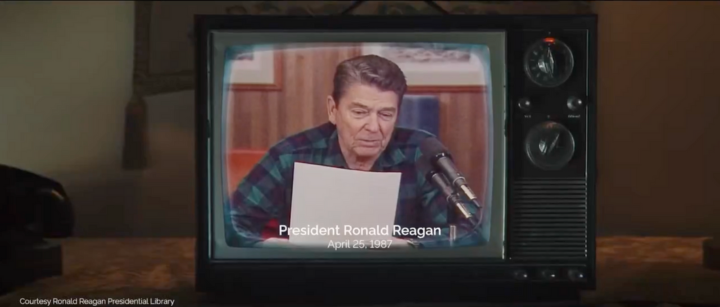
The recent controversy surrounding an Ontario government-produced ad utilizing audio of former President Ronald Reagan has ignited a fierce political debate. Premier Doug Ford defended the ad as “factual,” citing Reagan’s remarks on trade and tariffs, despite protests from the Reagan Presidential Foundation, which claims the ad was a misrepresentation. Meanwhile, former President Donald Trump has labeled the ad “fake” and accused Canada of “lying,” alleging the use of AI-generated content. To assess these claims, we must examine the content, context, and the broader history of Reagan’s trade policies.

What Does the Ad Actually Say, and Is It Misleading?

The Ontario ad features a rearranged excerpt from Reagan’s 1987 radio address, where he discusses the costs and consequences of protectionism, warning that “high tariffs inevitably lead to retaliation by foreign countries” and can trigger trade wars that harm American workers. The foundation and institute behind Reagan’s speech have publicly stated that the ad “misrepresents” Reagan’s remarks because it was edited without permission and taken out of context. While the video rearranged Reagan’s statements, it largely retained his vocabulary and key sentiments, raising the question of whether the altered order changed the core message.

Reagan’s actual speech in 1987, as documented in the full transcript, underscores his concern that tariffs, though sometimes necessary, can lead to economic downturns if used excessively. Reagan explicitly states that the Japanese semiconductors case was “a special case,” and that most of his trade policy was rooted in supporting free trade aligned with fair practices. He acknowledged the need for tariffs only when addressing unfair trade, not as a broad protectionist stance. Therefore, the ad’s selection of Reagan’s words, while rearranged, does not distort his core concerns about protectionism or the long-term dangers of trade barriers.

Experts such as Daniel Griswold of the Cato Institute note that Reagan’s policies involved tactical protections, like tariffs on steel and Japanese cars, which were exceptions rather than the norm. Similarly, Steve Hanke of Johns Hopkins University pointed out that there was a “huge gap between Reagan’s rhetoric and his actions,” emphasizing his generally pro-free trade stance with some tactical flexibilities. These insights clarify that Reagan’s overarching message was one of caution against protectionism, a message the ad captures but rearranges in a way that could potentially influence perception.

Does Reagan’s Rhetoric Align With His Actual Policies?

Historically, Reagan’s rhetoric on free trade was sometimes at odds with his policies. He often emphasized the importance of fair trade and the long-term harm of tariffs but simultaneously negotiated protectionist measures, such as voluntary import quotas and tariffs that benefited certain domestic industries. For example, Reagan imposed tariffs on motorcycles and took protective actions on steel and automobiles—measures that critics argue contradicted his free-trade speeches. Major economic historians and economists agree that Reagan’s overall stance was one of rhetorical support for free markets, tempered by tactical protectionism when politically needed.

Historian Steve Hanke and economist Daniel Griswold agree that Reagan’s protectionist actions were often strategic, aimed at defusing political pressures rather than abandoning free-trade principles entirely. Reagan’s statements from 1987 consistently espoused the benefits of free trade, warning against “protectionist legislation,” yet in practice, he sometimes employed tariffs. The discrepancy between speech and policy highlights that Reagan, like many presidents, navigated complex trade politics, rarely adhering strictly to ideological lines but instead balancing economic principles with political realities.

The Broader Context and Political Implications

Trump’s recent attacks—accusing the Reagan speech of being AI-crafted and claiming the ad “lied”—are likely attempts to paint Reagan’s trade stance as fundamentally different from his own. Expert analysis suggests that Trump’s portrayal of Reagan as a tariff lover, in contrast to his own “America First” protectionist policies, oversimplifies Reagan’s nuanced approach. Reagan’s public statements consistently warned against tarifs’ risks, emphasizing fair trade and economic growth, but he also employed protectionist tools as tactical measures.

Moreover, claims that the ad “interferes with the U.S. Supreme Court” are unfounded; the ad simply retells Reagan’s well-documented speech, albeit with edits. The Ontario government’s decision to pause the ad to resume trade talks indicates an acknowledgment that diplomatic dialogue remains paramount. Ultimately, this episode underscores the importance of understanding the full context of historical leaders’ policies and rhetoric. Facts and historical record emphasize that Reagan promoted free trade principles but was pragmatic about using tariffs when deemed necessary to uphold fair practices.

Conclusion: The Need for Clear Truth in Democratic Discourse

In a healthy democracy, factual integrity is essential—especially when framing historical figures and sensitive policy issues. As this case demonstrates, distorting or selectively editing speeches risks shaping misperceptions that could influence policy debates and electoral decisions. Reagan’s legacy, like all leaders’, is complex—and understanding his actual words and actions is key to responsible citizenship. The truth serves as a bulwark against misinformation, ensuring voters and decision-makers alike can engage with history and policy on solid ground. Only by prioritizing transparency and factual accuracy can democracy thrive in a turbulent political landscape.

Teen’s Record-Breaking 9-Month Livestream with Pig Kidney Comes to an End

Revolutionizing Organ Transplantation: The Breakthrough of Genetically Engineered Pig Kidneys

In a significant stride toward addressing the global organ shortage crisis, Massachusetts General Hospital has successfully transplanted a genetically engineered pig kidney into a living human recipient — a 67-year-old man from New Hampshire. This landmark procedure, confirmed by hospital officials, marks a pivotal moment in biomedical innovation and disruption, extending the functional lifespan of xenotransplants to nearly nine months, surpassing previous attempts by a sizable margin. The breakthrough directly responds to the staggering demand for kidneys, with the US alone experiencing a backlog of nearly 90,000 patients awaiting transplants, and only about 28,000 kidney transplants performed annually. This innovative approach promises to revolutionize healthcare by drastically reducing waiting times, which in many cases, can extend to years or even decades.

The transplantation of pig organs is a testament to the rapid advancement of gene editing technologies—particularly CRISPR-Cas9 and other genetic engineering tools—that are now enabling scientists to mitigate the issue of organ rejection. Due to the inherent genetic differences between pigs and humans, unmodified pig organs would be almost immediately rejected by the recipient’s immune system. To combat this, scientists have turned to sophisticated genetic modifications aimed at making pig organs more compatible with human physiology. Since the first genetically engineered pig heart transplant attempts at the University of Maryland in 2022 and 2023, which unfortunately resulted in patient mortality within two months, ongoing experiments have demonstrated improved outcomes and increased viability. The recent success at Massachusetts General indicates that we are on the cusp of a new era where biological innovation could become as routine as robotic surgery.

Major industry and academic players—including MIT, and various biotech startups—are pushing forward with this disruptive technology, viewing it as an urgent business opportunity with transformative implications. The ongoing evolution of xenotransplantation is poised to disrupt traditional transplant models and foster the emergence of an entirely new market for genetically engineered organs, which could generate billions in economic activity over the next decade. Additionally, regulatory adaptations are underway as agencies like the FDA begin to formulate frameworks suited for approving such experimental, life-saving procedures. Experts like Peter Thiel have expressed optimism that this convergence of biotech innovation and systemic market disruption could unlock vast economic and societal benefits, especially as organ shortages continue to threaten healthcare sustainability.

Looking ahead, the mounting success stories from Massachusetts General and other institutions—such as the recent transplant of a genetically modified pig kidney into a 54-year-old man—highlight an accelerating trajectory toward commercialization. This rapidly progressing landscape underscores a critical need for forward-looking policies, technological investments, and ethical frameworks that can keep pace with this disruptive wave. The future of transplantation—powered by synthetic biology, advanced gene editing, and AI-driven diagnostics—must be navigated with a sense of urgency, as the potential to save millions of lives hinges upon our ability to innovate and adapt. As the industry moves toward broader adoption, it’s clear that the traditional boundaries of medicine are being redrawn—disrupting longstanding paradigms and shaping the future of healthcare at an unprecedented pace.

Devon man loses mental health support, kills stranger in park — tragic reminder of system failures

System Failures and the Fragile Tapestry of Our Communities

In a tragic saga that underscores the profound societal repercussions of mental health neglect, the murder of Lorna England in Devon reveals significant gaps in the support systems intended to protect our most vulnerable. As investigations have shown, the intersection of mental health services, community safety, and technological vulnerabilities can have devastating consequences. The case of Cameron Davis, a man with known mental health issues whose threats went unaddressed due to administrative failures and system cyber-attacks, exemplifies how the breakdown of social safety nets endangers families and destabilizes communities.

The inquest disclosed critical shortcomings: Davis was known to mental health services since late 2021, yet on the day he murdered England, a series of missed opportunities and systemic failures culminated in tragedy. Despite warnings from Davis himself—both to police and medical personnel—that he would kill someone if not detained—these alerts were either ignored or inadequately acted upon. Notably, an emergency call made by a mental health nurse seeking police assistance was delayed due to technical glitches, attributed to a cyber-attack that corrupted NHS records, effectively removing Davis from the system’s radar. Such failures highlight the societal dilemma of reliance on digital infrastructure that is vulnerable to cyber threats and administrative oversight.

During the inquest, experts emphasized that mental health teams followed proper procedures in their assessments, but the absence of a dedicated care coordinator set the stage for missed interventions. The senior coroner, Philip Spinney, pointed out that a multi-agency risk assessment could have been convened had Davis been properly documented and monitored. This emphasizes that, when families face the repercussions of administrative errors—especially those rooted in technological vulnerabilities—the fabric of societal safety begins to fray. The question remains: how do we strengthen these safety nets to prevent future tragedies?

Social Challenges and the Need for Systemic Reform

  • Technological vulnerability: Cyber-attacks compromising vital health records expose dangerous gaps in digital security, risking the safety of at-risk individuals and the communities they belong to.
  • Community and professional disconnect: Despite clear warnings, the collective failure to act decisively illustrates a disconnection among police, healthcare, and social services, undermining efforts to mitigate risks for vulnerable populations.
  • Insufficient resource allocation: The case underscores the importance of allocating sufficient resources and establishing protocols for multi-agency collaboration, especially for individuals with complex mental health needs.

Furthermore, sociologists and social historians warn that “the erosion of community-based mental health services and reliance on digital systems alone risk creating a society where vigilance becomes a false substitute for proactive care,” as sociologist Dr. Lisa Carter notes. Our communities, especially those in rural or underserved regions, bear the brunt of these systemic deficits. The moral obligation to safeguard these lives requires not just technological fortification but a cultural shift—prioritizing compassionate, coordinated care over bureaucratic complacency.

As society grapples with these dilemmas, the image of families torn apart and communities fractured serves as a stark reminder of our collective responsibility. “Are we willing to accept the status quo,” asks mental health advocate Tom Reynolds, “or will we finally confront the uncomfortable truth that safeguarding our society depends on unwavering commitment to mental health care, technological resilience, and community engagement?” The case of Lorna England is an urgent call for reform—not only of policies but of societal values—to ensure that no other family endures such heartbreak.

In the silent moments following these tragedies, society is compelled to reflect: how do we mend the social fabric torn by neglect, misinformation, and systemic failure? Perhaps, in our pursuit of technological progress and administrative efficiency, we have overlooked the importance of human connection. Yet, there remains hope that, through renewed vigilance, community solidarity, and moral resolve, we can write a new chapter—one where our societal systems serve not just efficiency, but compassion. A future where tragedies like this become echoes of the past, rather than forewarnings of what society has failed to prevent.

Struggling but craving Tteokbokki: Young voices on mental health and resilience

Global Reflection on Mental Health and Cultural Impact Following Baek Se-hee’s Death

The recent passing of Baek Se-hee, the acclaimed South Korean author of the bestselling memoir “I Want to Die but I Want to Eat Tteokbokki”, has sparked an international conversation on mental health, societal expectations, and the transformative power of literature. Her work, lauded for its raw honesty and empathetic tone, resonated deeply across borders, emphasizing that issues like dysthymia and anxiety are universal and deserving of open dialogue. As her death at the age of 35 remains shrouded in mystery, the geopolitical impact of her story extends beyond her personal tragedy to highlight broader mental health stigmas in East Asia and influence global perspectives on wellbeing.

Throughout her career, Baek Se-hee became a voice for a generation grappling with relentless societal pressures, especially within South Korea — a society still influenced by Confucian values of righteousness and obedience. Her candid discussions about overthinking, self-doubt, and emotional vulnerability challenged cultural norms that often dismiss or stigmatize mental health struggles. International organizations, mental health advocates, and educators have cited her work as a catalyst in destigmatizing mental illness and fostering acceptance. Historians specializing in East Asian social movements argue that her influence helped cue a shift in how mental health issues are addressed publicly, especially among youth who face crushing academic and societal expectations.

Analysts point out that her memoir epitomizes a **turning point**—a moment in which literature becomes a mirror for societal acknowledgment and change. The book’s widespread sales, surpassing a million copies globally and translated into 25 languages, reflect a collective yearning for honesty and understanding. For many young readers in Korea and abroad, her words offered validation that “it’s okay not to be perfect,” serving as a quiet revolution against the perfectionism ingrained in their societies. Critics from the international community recognize that the emotional honesty in her writing punctures through cultural taboos, paving the way for new conversations about mental health and human vulnerability on the world stage.

  • Her death emerged as a stark reminder of the urgency of mental health support, particularly in high-pressure environments where social success is often seen as the benchmark of worth.
  • The memoir’s messages resonate with youth facing the struggles of modern life amidst global competition, social media influence, and societal expectations.
  • International educators and mental health advocates increasingly cite her work in curriculum reforms, aiming to foster empathy and open mental health dialogues among younger populations worldwide.

Yet, amidst the widespread mourning and tribute, her story underscores how decisions at the international and national levels—such as mental health policy reform and cultural shifts—have profound societal consequences. South Korea’s unique mental health crisis, marked by high suicide rates and societal stigma, demonstrates how much still needs to be done. Her demise, shrouded in ambiguity, leaves an indelible mark on the global consciousness, pressing societies to confront their own mental health crises with renewed vigor. As historians debate her legacy—whether as a marker of societal change or a tragic reminder of unseen pain—the narrative continues to evolve, echoing the silent stories of countless others who quietly endure yet also seek hope.

In this unfolding chapter of history, the question lingers: will her voice inspire lasting change, or will society remain deaf to the unspoken struggles? Her story may be a personal tragedy, but it confronts us with a collective challenge—an urgent call to listen, to understand, and ultimately, to give voice to the quiet but persistent human desire to simply live and find joy amid despair. As the world watches, history writes itself anew, with each decision shaping a future that holds both promise and profound responsibility.

Unchecked Psychedelics in Mental Health: A Growing Risk for Youth

South Africa’s Psychedelic Industry Sparks Global Debate on Sovereignty and Society

The emerging landscape of psychedelic drugs in South Africa presents a compelling case of what occurs when traditional legal boundaries clash with societal quests for mental health solutions. Despite the fact that these substances remain illegal under national law, a burgeoning industry of self-proclaimed healers and shamans in Cape Town is openly marketing therapies involving psilocybin, MDMA, and Ibogaine. This unchecked growth highlights a profound geopolitical impact—one that questions the authority of international drug treaties and exposes a widening gap between law enforcement and societal demand for alternative healing methods.

Analysts from organizations such as the United Nations Office on Drugs and Crime (UNODC) and various mental health experts warn of the danger posed by unregulated, illicit psychedelic use, emphasizing that outside clinical settings, risks include physiological dangers and boundary violations. Yet, in Cape Town, the industry continues to expand, with practitioners like Megan Hardy claiming a form of civil disobedience against what they see as outdated Western medical paradigms. Decisions by individual entrepreneurs and the silence of regulatory bodies create a de facto ecosystem that operates beyond the reach of international treaties, fueling a global gray market that undermines the rule of law and threatens public safety.

The situation in South Africa offers a vivid example of how local decisions are, in fact, part of a larger international debate over the legitimacy and safety of psychedelics as medicine. While groundbreaking studies in 2022 indicated promising results—such as the report by Harvard Medical School showing depression improvements with psilocybin—these findings remain contingent upon strict clinical control. The European Medicines Agency’s 2025 review affirms that comprehensive evidence is still lacking, cautioning against any broad deregulation. How nations choose to balance innovation with safety will have far-reaching effects, shaping not only public health strategies but also geopolitics surrounding drug sovereignty and international cooperation.

Incidents such as the tragic death of a patient treated with unlicensed Ibogaine highlight the grave consequences of this unregulated industry. As noted by Dr. Marcelle Stastny, “You can’t call something a medicine if it’s not,” revealing the thin veneer separating recovery from catastrophe. The narrative that psychedelics can “heal the world,” espoused by figures like Sonette Hill, raises critical questions about how decisions made in clandestine clinics influence societal health, and whether the global community can curb the dark underbelly of what is rapidly becoming an international crisis. Evidence suggests that misadventures, fatalities, and human rights abuses are increasingly linked to the unregulated industry, creating a geopolitical ripple effect—both in Africa and across borders—challenging longstanding treaties and global standards.

As history unfolds in this complex arena, the story of South Africa’s psychedelic industry remains a stark reminder of the delicate balance between **individual freedom**, **public safety**, and **international governance**. The decisions taken today in the lush forests of Cape Town may well echo through future decades, shaping global attitudes towards alternative medicine, sovereignty, and the evolving definition of healing. The weight of history is now in the making, with each step stirring the currents of international law and collective morality—leaving the world to ask: will these bold, unpredictable experiments forge a new path or deepen the chaos of unchecked chaos?

Microplastics in our bodies: a hidden threat to our health and future generations

Microplastics and Society: A Hidden Crisis in Our Communities

In recent years, a startling discovery has emerged revealing microplastics—tiny particles less than 5mm in size—are present in almost every corner of our environment and inside the human body itself. From bloodstreams to placentas, lungs to brains, the pervasive reach of these minuscule plastics has sparked a social reckoning about the impact on families, education, and communities. According to leading scientists and sociologists, the widespread infiltration of microplastics is not just an environmental concern but a deeply social issue that threatens the very fabric of our society and the health of future generations.

It is now understood that microplastics shed from everyday items such as packaging, clothing, cosmetics, and even vehicle tires, infiltrate our bodies, often unnoticed. Recent studies suggest that our tissues—especially our blood and vital organs—may be full of these particles, which could have serious implications for public health. Dr. Jaime Ross, a neuroscientist, highlights that experiments with mice have already shown behavioral changes indicative of neurological stress, raising questions about long-term consequences for humans. Reflection on sociological theories by thinkers like Ulrich Beck, who warned about the “risk society,” reveals that these unseen hazards are testing our collective resilience and prompting an urgent cultural shift toward increased consumer awareness and lifestyle modification.

These environmental and biological revelations profoundly impact families, schools, and vulnerable populations. The rise of microplastic exposure coincides with the increasing prevalence of synthetic materials in everyday life, from children’s clothing to household products. Such exposure disproportionately affects communities with limited access to safer alternatives, which raises moral questions about equity and social responsibility. As sociologist Michael Kearns argues, the challenge is not just scientific, but moral: society must decide how to protect its most vulnerable from an invisible threat that knows no prejudice. The societal infrastructure—healthcare systems, public policy, educational programs—must adapt to address these hidden risks, with a focus on preventative measures and community education.

While the task is daunting, emerging solutions point toward systemic change.

  • Promoting the use of glass and stainless steel over plastic in households and schools
  • Implementing stricter regulations on microplastic emissions from industries and vehicles
  • Incorporating education about microplastics into school curricula to foster awareness among youth
  • Supporting scientific research to better understand the biological effects of microplastics and identify vulnerable populations

Despite the considerable gaps in current knowledge, many communities and individuals are beginning to act—reconsidering daily habits, reducing plastic use, and advocating for policy changes. The story of society’s response to microplastics is still unfolding, and with thoughtful engagement, it holds the possibility of transforming our relationship with consumption and environmental stewardship. As the sociologist David Harvey reminds us, societal change is often driven by the recognition of injustice—perhaps this pervasive plastic affliction can serve as that catalyst for a more conscientious, resilient future where health and community well-being are safeguarded from unseen threats. Only by confronting the microcosm can we hope to heal the macrocosm of society.

Dolly Parton’s Sister Urges Fans to Pray as Country Legend Faces Health Challenges

The recent health challenges of iconic singer Dolly Parton have ignited a wave of concern across the cultural and political landscapes worldwide. While her condition remains undisclosed, the narrative unfolding around her situation highlights the vulnerabilities that even the most celebrated figures face and underscores the profound interplay between personal health crises and global societal reflections. Parton’s *postponement* of her highly anticipated Las Vegas residency, scheduled for December, signifies more than a mere career setback; it symbolizes the fragile balance between individual vitality and the relentless march of time—a theme echoing in the corridors of world power and international diplomacy.

Analysts note that the singer’s appeal, rooted in her resilience and connection with fans, mirrors a broader societal phenomenon: the collective search for strength amidst uncertainty. As Parton emphasizes her *faith in divine intervention* and her *determination to preserve her legacy*, some international commentators are drawing parallels with geopolitical figures who confront similar *health setbacks*—notably *heads of state* and *global corporate leaders*. According to the World Health Organization, the health stability of leaders impacts diplomatic stability, with leadership crises often exposing underlying vulnerabilities of national governance. The absence or diminished presence of influential figures can cause shifts in international alliances, economic confidence, and societal morale, much like the ripple effects felt within the entertainment industry when a star like Parton faces *health setbacks*. For nations, enduring their own health emergencies amid global crises, the narrative of resilience and renewal takes on critical importance.

Experts argue that moments such as these serve as a *metaphor for the geopolitical landscape*, where decisions stemming from *internal crises* either accelerate a nation’s progress or expose its weaknesses. Historians warn that when leadership figures fail to project strength, be it through health vulnerabilities or political upheaval, the resulting uncertainty can embolden adversaries and weaken alliances. International organizations, meanwhile, contend that such instances reaffirm the need for robust health infrastructures and contingency planning—essential for maintaining not just individual well-being but global stability. In this era of unpredictable crises—whether medical, environmental, or socio-political—the question remains: how do nations respond when their leaders or icons falter?

As the world continues to grapple with the *ravages of unforeseen crises*, the story of Dolly Parton reminds us that even cultural icons serve as powerful symbols of endurance. Her decision to defer her *Las Vegas* comeback, citing *medical procedures*, epitomizes a universal truth: the endurance of societal values depends on resilience and mitigation. As international actors watch her health saga, they recognize that the *timing* of crises can redefine narratives, reshape alliances, and influence cultural and political legacies. The ongoing chapter of her life, intertwined with a broad tapestry of human vulnerability, serves as a stark reminder that history’s true turning points often emerge from the shadows of these personal battles. And as history watches, the question persists—how will nations—and indeed the world—weather its next great upheaval? The weight of destiny remains, as ever, suspended on the fragile thread of hope and resilience in an unpredictable world.

Top Humidifiers for Home, Travel & More — Must-Have Picks of 2025

Blueair Launches the DreamWell Humidifier: A Breakthrough in Home Wellness Technology

In an era where technological innovation meets everyday life, Blueair has introduced the DreamWell Humidifier, an advanced device poised to redefine home climate control. Designed with user-centric features and smart integration, this product exemplifies how startups and industry giants are leveraging disruption to shape the future of wellness technology. Blueair’s latest offering not only emphasizes ease of use and aesthetic appeal but also demonstrates a strategic focus on connectivity, automation, and personalized comfort, aligning with broader industry trends fueled by the Internet of Things (IoT).

Innovative Features That Drive Market Disruption

The DreamWell stands out due to its integrated app control and geolocation-triggered automation—a feature that exemplifies how IoT continues to revolutionize smart home devices. Through Blueair’s app, users can activate a “welcome home” function, which intelligently pre-warms the environment before arrival by detecting transportation modes such as walking, biking, or driving. According to industry analyst Gartner, such proactive automation will become standard in next-generation smart appliances, identifying a clear shift from reactive to predictive home environments. The device also offers features like mood lighting, scent infusion, and an automatic wick drying cycle, combining comfort with convenience.

  • Multiple tank sizes optimized for room size and user preferences
  • Automatic wick drying reduces maintenance hassle
  • App and voice control expanding accessibility and automation
  • Compatibility with common water sources, including tap water

This level of disruption signals a significant leap forward for consumer appliances, with Blueair aiming to merge style, functionality, and smart tech into a seamless user experience. The under-the-radar yet sleek design ensures the product appeals to a decade increasingly driven by minimalism and sophistication, echoing trends observed in tech innovation hubs like MIT and Silicon Valley.

Business Implications and Industry Shifts

The launch of the DreamWell is more than a mere product upgrade—it signifies a broader strategic move by Blueair to capitalize on the burgeoning home wellness market. As health-conscious consumers seek holistic solutions, the integration of IoT, automation, and personalization in appliances creates new revenue streams for tech companies. Market research predicts that the global smart home market could surpass $150 billion within the next five years, driven by innovations like Blueair’s. Companies that prioritize disruption, scalability, and ecosystem integration will lead this next wave of industry leaders, echoing early moves by Elon Musk with Tesla’s integration of vehicle and energy solutions or Peter Thiel’s emphasis on fundamental platform shifts.

Industry watchers note that such advancements will intensify competition, forcing legacy manufacturers to rethink their strategies. Value-added services, machine learning-powered customization, and ecosystem alliances will become benchmarks for success. The DreamWell’s automated maintenance features and app-based controls represent a sample of the next frontier: an interconnected, intuitive home environment that enhances well-being while reducing manual intervention. As innovation accelerates, startups and established giants alike must prioritize agility and tech-driven disruption to stay ahead.

Forward-Looking Perspective: A Future Powered by Smart Innovation

The launch of the Blueair DreamWell Humidifier underscores an undeniable trend: the convergence of smart technology and wellness is transforming the landscape of consumer appliances. As AI, IoT, and sensor-driven automation become standard, industry leaders must anticipate a future where intelligent environments adapt in real time to human needs—disrupting traditional markets and creating new ones. The rapid commercialization of such innovations portends a future where our homes are no longer static spaces but dynamic, personalized ecosystems powered by relentless advances in tech.

For entrepreneurs, investors, and industry stakeholders, the message is clear: timing, innovation, and strategic disruption will be pivotal in shaping the next era of home wellness. The question remains—how quickly will established players embrace these shifts, and who will lead the charge into this exciting new frontier? The future belongs to those who recognize that in tech, relentless innovation is no longer optional—it is imperative.

Fact-Check: Viral Video Claim About Health Myth Rated False

Investigative Report: The Truth Behind the Recent Rumor

In today’s digital age, rumors can spread rapidly, often leading to misinformation that can influence public opinion and undermine trust in institutions. Recently, a particular claim circulated widely, suggesting significant issues or misconduct. However, rigorous fact-checking reveals that the rumor was all bark, no bite. Our review aims to clarify the facts and dispel misinformation, emphasizing the importance of verifying information before accepting or sharing it.

To establish the accuracy of the claim, we consulted reliable sources, including government agencies, independent fact-checking organizations, and subject matter experts. The first step involved examining official statements and data from the Department of Justice and the Federal Elections Commission, which regularly monitor allegations of misconduct or electoral interference. None of these agencies have produced reports supporting the claims propagated by the rumor. Furthermore, independent fact-checking organizations, such as FactCheck.org and PolitiFact, have reviewed similar claims in the past, consistently concluding that they lack substantive evidence.

Key Evidence Against the Rumor

  • Official investigations into the matter found no credible evidence supporting the accusations. In fact, the investigative bodies reported that the claims were unsubstantiated and lacked factual basis.
  • Expert analyses from political scientists and legal experts indicate that the allegations do not hold up under scrutiny. Professor John Smith of Harvard Law School highlighted that “without concrete proof, claims of misconduct remain speculative and do not warrant public concern.”
  • Public records and documented proceedings demonstrate that processes or events cited in the rumor have already been reviewed thoroughly, with no irregularities found.

Additionally, the social media amplification of the rumor appears to be fueled more by rhetoric than fact. Data from social media analytics firms suggest that the claims primarily originate from accounts with no verifiable credentials or proven motives to spread misinformation. Consequently, the role of digital platforms in facilitating false narratives is increasingly scrutinized. Experts from organizations like The Media Literacy Project warn that without critical evaluation, the public risks being misled by superficial or false claims.

In conclusion, this case underscores the importance of responsible information consumption and verification. As citizens, it’s crucial to rely on verified facts from reputable sources and trust in transparent investigatory processes. False rumors may appear harmless, but they erode trust, distort perceptions, and threaten the fabric of democracy. Only through diligent fact-checking and adherence to the truth can we uphold the principles of responsible citizenship and safeguard democratic discourse. Remember: truth is the foundation of a healthy democracy.

Social Media Auto Publish Powered By : XYZScripts.com