Matox News

Truth Over Trends, always!

Struggling but craving Tteokbokki: Young voices on mental health and resilience

Global Reflection on Mental Health and Cultural Impact Following Baek Se-hee’s Death

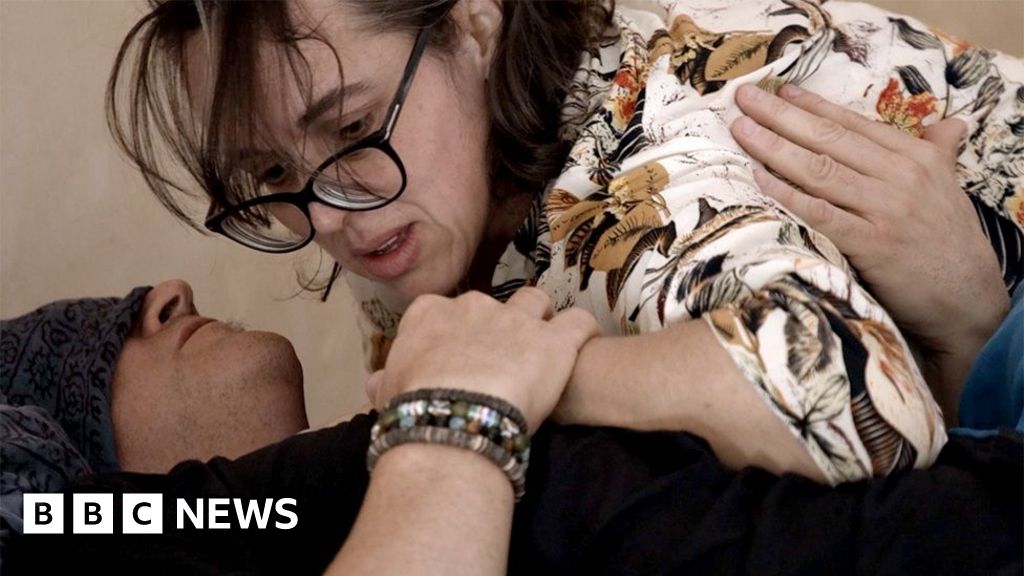
The recent passing of Baek Se-hee, the acclaimed South Korean author of the bestselling memoir “I Want to Die but I Want to Eat Tteokbokki”, has sparked an international conversation on mental health, societal expectations, and the transformative power of literature. Her work, lauded for its raw honesty and empathetic tone, resonated deeply across borders, emphasizing that issues like dysthymia and anxiety are universal and deserving of open dialogue. As her death at the age of 35 remains shrouded in mystery, the geopolitical impact of her story extends beyond her personal tragedy to highlight broader mental health stigmas in East Asia and influence global perspectives on wellbeing.

Throughout her career, Baek Se-hee became a voice for a generation grappling with relentless societal pressures, especially within South Korea — a society still influenced by Confucian values of righteousness and obedience. Her candid discussions about overthinking, self-doubt, and emotional vulnerability challenged cultural norms that often dismiss or stigmatize mental health struggles. International organizations, mental health advocates, and educators have cited her work as a catalyst in destigmatizing mental illness and fostering acceptance. Historians specializing in East Asian social movements argue that her influence helped cue a shift in how mental health issues are addressed publicly, especially among youth who face crushing academic and societal expectations.

Analysts point out that her memoir epitomizes a **turning point**—a moment in which literature becomes a mirror for societal acknowledgment and change. The book’s widespread sales, surpassing a million copies globally and translated into 25 languages, reflect a collective yearning for honesty and understanding. For many young readers in Korea and abroad, her words offered validation that “it’s okay not to be perfect,” serving as a quiet revolution against the perfectionism ingrained in their societies. Critics from the international community recognize that the emotional honesty in her writing punctures through cultural taboos, paving the way for new conversations about mental health and human vulnerability on the world stage.

  • Her death emerged as a stark reminder of the urgency of mental health support, particularly in high-pressure environments where social success is often seen as the benchmark of worth.
  • The memoir’s messages resonate with youth facing the struggles of modern life amidst global competition, social media influence, and societal expectations.
  • International educators and mental health advocates increasingly cite her work in curriculum reforms, aiming to foster empathy and open mental health dialogues among younger populations worldwide.

Yet, amidst the widespread mourning and tribute, her story underscores how decisions at the international and national levels—such as mental health policy reform and cultural shifts—have profound societal consequences. South Korea’s unique mental health crisis, marked by high suicide rates and societal stigma, demonstrates how much still needs to be done. Her demise, shrouded in ambiguity, leaves an indelible mark on the global consciousness, pressing societies to confront their own mental health crises with renewed vigor. As historians debate her legacy—whether as a marker of societal change or a tragic reminder of unseen pain—the narrative continues to evolve, echoing the silent stories of countless others who quietly endure yet also seek hope.

In this unfolding chapter of history, the question lingers: will her voice inspire lasting change, or will society remain deaf to the unspoken struggles? Her story may be a personal tragedy, but it confronts us with a collective challenge—an urgent call to listen, to understand, and ultimately, to give voice to the quiet but persistent human desire to simply live and find joy amid despair. As the world watches, history writes itself anew, with each decision shaping a future that holds both promise and profound responsibility.
Unchecked Psychedelics in Mental Health: A Growing Risk for Youth

South Africa’s Psychedelic Industry Sparks Global Debate on Sovereignty and Society

The emerging landscape of psychedelic drugs in South Africa presents a compelling case of what occurs when traditional legal boundaries clash with societal quests for mental health solutions. Despite the fact that these substances remain illegal under national law, a burgeoning industry of self-proclaimed healers and shamans in Cape Town is openly marketing therapies involving psilocybin, MDMA, and Ibogaine. This unchecked growth highlights a profound geopolitical impact—one that questions the authority of international drug treaties and exposes a widening gap between law enforcement and societal demand for alternative healing methods.

Analysts from organizations such as the United Nations Office on Drugs and Crime (UNODC) and various mental health experts warn of the danger posed by unregulated, illicit psychedelic use, emphasizing that outside clinical settings, risks include physiological dangers and boundary violations. Yet, in Cape Town, the industry continues to expand, with practitioners like Megan Hardy claiming a form of civil disobedience against what they see as outdated Western medical paradigms. Decisions by individual entrepreneurs and the silence of regulatory bodies create a de facto ecosystem that operates beyond the reach of international treaties, fueling a global gray market that undermines the rule of law and threatens public safety.

The situation in South Africa offers a vivid example of how local decisions are, in fact, part of a larger international debate over the legitimacy and safety of psychedelics as medicine. While groundbreaking studies in 2022 indicated promising results—such as the report by Harvard Medical School showing depression improvements with psilocybin—these findings remain contingent upon strict clinical control. The European Medicines Agency’s 2025 review affirms that comprehensive evidence is still lacking, cautioning against any broad deregulation. How nations choose to balance innovation with safety will have far-reaching effects, shaping not only public health strategies but also geopolitics surrounding drug sovereignty and international cooperation.

Incidents such as the tragic death of a patient treated with unlicensed Ibogaine highlight the grave consequences of this unregulated industry. As noted by Dr. Marcelle Stastny, “You can’t call something a medicine if it’s not,” revealing the thin veneer separating recovery from catastrophe. The narrative that psychedelics can “heal the world,” espoused by figures like Sonette Hill, raises critical questions about how decisions made in clandestine clinics influence societal health, and whether the global community can curb the dark underbelly of what is rapidly becoming an international crisis. Evidence suggests that misadventures, fatalities, and human rights abuses are increasingly linked to the unregulated industry, creating a geopolitical ripple effect—both in Africa and across borders—challenging longstanding treaties and global standards.

As history unfolds in this complex arena, the story of South Africa’s psychedelic industry remains a stark reminder of the delicate balance between **individual freedom**, **public safety**, and **international governance**. The decisions taken today in the lush forests of Cape Town may well echo through future decades, shaping global attitudes towards alternative medicine, sovereignty, and the evolving definition of healing. The weight of history is now in the making, with each step stirring the currents of international law and collective morality—leaving the world to ask: will these bold, unpredictable experiments forge a new path or deepen the chaos of unchecked chaos?

Microplastics in our bodies: a hidden threat to our health and future generations

Microplastics and Society: A Hidden Crisis in Our Communities

In recent years, a startling discovery has emerged revealing microplastics—tiny particles less than 5mm in size—are present in almost every corner of our environment and inside the human body itself. From bloodstreams to placentas, lungs to brains, the pervasive reach of these minuscule plastics has sparked a social reckoning about the impact on families, education, and communities. According to leading scientists and sociologists, the widespread infiltration of microplastics is not just an environmental concern but a deeply social issue that threatens the very fabric of our society and the health of future generations.

It is now understood that microplastics shed from everyday items such as packaging, clothing, cosmetics, and even vehicle tires, infiltrate our bodies, often unnoticed. Recent studies suggest that our tissues—especially our blood and vital organs—may be full of these particles, which could have serious implications for public health. Dr. Jaime Ross, a neuroscientist, highlights that experiments with mice have already shown behavioral changes indicative of neurological stress, raising questions about long-term consequences for humans. Reflection on sociological theories by thinkers like Ulrich Beck, who warned about the “risk society,” reveals that these unseen hazards are testing our collective resilience and prompting an urgent cultural shift toward increased consumer awareness and lifestyle modification.

These environmental and biological revelations profoundly impact families, schools, and vulnerable populations. The rise of microplastic exposure coincides with the increasing prevalence of synthetic materials in everyday life, from children’s clothing to household products. Such exposure disproportionately affects communities with limited access to safer alternatives, which raises moral questions about equity and social responsibility. As sociologist Michael Kearns argues, the challenge is not just scientific, but moral: society must decide how to protect its most vulnerable from an invisible threat that knows no prejudice. The societal infrastructure—healthcare systems, public policy, educational programs—must adapt to address these hidden risks, with a focus on preventative measures and community education.

While the task is daunting, emerging solutions point toward systemic change.

  • Promoting the use of glass and stainless steel over plastic in households and schools
  • Implementing stricter regulations on microplastic emissions from industries and vehicles
  • Incorporating education about microplastics into school curricula to foster awareness among youth
  • Supporting scientific research to better understand the biological effects of microplastics and identify vulnerable populations

Despite the considerable gaps in current knowledge, many communities and individuals are beginning to act—reconsidering daily habits, reducing plastic use, and advocating for policy changes. The story of society’s response to microplastics is still unfolding, and with thoughtful engagement, it holds the possibility of transforming our relationship with consumption and environmental stewardship. As the sociologist David Harvey reminds us, societal change is often driven by the recognition of injustice—perhaps this pervasive plastic affliction can serve as that catalyst for a more conscientious, resilient future where health and community well-being are safeguarded from unseen threats. Only by confronting the microcosm can we hope to heal the macrocosm of society.

Dolly Parton’s Sister Urges Fans to Pray as Country Legend Faces Health Challenges

The recent health challenges of iconic singer Dolly Parton have ignited a wave of concern across the cultural and political landscapes worldwide. While her condition remains undisclosed, the narrative unfolding around her situation highlights the vulnerabilities that even the most celebrated figures face and underscores the profound interplay between personal health crises and global societal reflections. Parton’s *postponement* of her highly anticipated Las Vegas residency, scheduled for December, signifies more than a mere career setback; it symbolizes the fragile balance between individual vitality and the relentless march of time—a theme echoing in the corridors of world power and international diplomacy.

Analysts note that the singer’s appeal, rooted in her resilience and connection with fans, mirrors a broader societal phenomenon: the collective search for strength amidst uncertainty. As Parton emphasizes her *faith in divine intervention* and her *determination to preserve her legacy*, some international commentators are drawing parallels with geopolitical figures who confront similar *health setbacks*—notably *heads of state* and *global corporate leaders*. According to the World Health Organization, the health stability of leaders impacts diplomatic stability, with leadership crises often exposing underlying vulnerabilities of national governance. The absence or diminished presence of influential figures can cause shifts in international alliances, economic confidence, and societal morale, much like the ripple effects felt within the entertainment industry when a star like Parton faces *health setbacks*. For nations, enduring their own health emergencies amid global crises, the narrative of resilience and renewal takes on critical importance.

Experts argue that moments such as these serve as a *metaphor for the geopolitical landscape*, where decisions stemming from *internal crises* either accelerate a nation’s progress or expose its weaknesses. Historians warn that when leadership figures fail to project strength, be it through health vulnerabilities or political upheaval, the resulting uncertainty can embolden adversaries and weaken alliances. International organizations, meanwhile, contend that such instances reaffirm the need for robust health infrastructures and contingency planning—essential for maintaining not just individual well-being but global stability. In this era of unpredictable crises—whether medical, environmental, or socio-political—the question remains: how do nations respond when their leaders or icons falter?

As the world continues to grapple with the *ravages of unforeseen crises*, the story of Dolly Parton reminds us that even cultural icons serve as powerful symbols of endurance. Her decision to defer her *Las Vegas* comeback, citing *medical procedures*, epitomizes a universal truth: the endurance of societal values depends on resilience and mitigation. As international actors watch her health saga, they recognize that the *timing* of crises can redefine narratives, reshape alliances, and influence cultural and political legacies. The ongoing chapter of her life, intertwined with a broad tapestry of human vulnerability, serves as a stark reminder that history’s true turning points often emerge from the shadows of these personal battles. And as history watches, the question persists—how will nations—and indeed the world—weather its next great upheaval? The weight of destiny remains, as ever, suspended on the fragile thread of hope and resilience in an unpredictable world.

Top Humidifiers for Home, Travel & More — Must-Have Picks of 2025

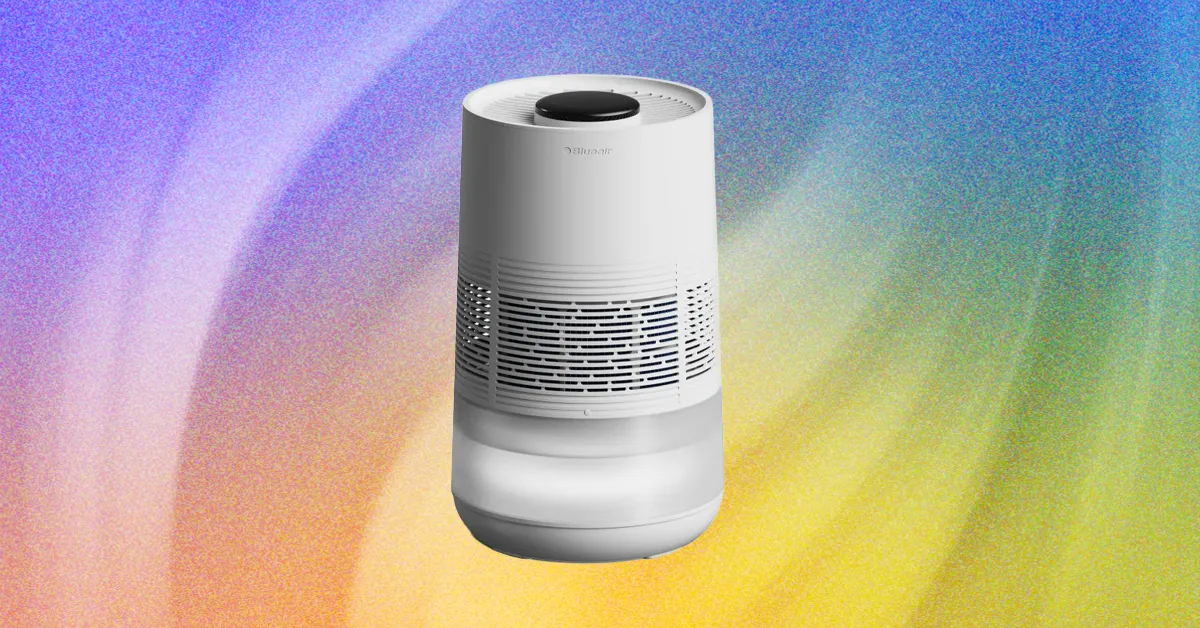
Blueair Launches the DreamWell Humidifier: A Breakthrough in Home Wellness Technology

In an era where technological innovation meets everyday life, Blueair has introduced the DreamWell Humidifier, an advanced device poised to redefine home climate control. Designed with user-centric features and smart integration, this product exemplifies how startups and industry giants are leveraging disruption to shape the future of wellness technology. Blueair’s latest offering not only emphasizes ease of use and aesthetic appeal but also demonstrates a strategic focus on connectivity, automation, and personalized comfort, aligning with broader industry trends fueled by the Internet of Things (IoT).

Innovative Features That Drive Market Disruption

The DreamWell stands out due to its integrated app control and geolocation-triggered automation—a feature that exemplifies how IoT continues to revolutionize smart home devices. Through Blueair’s app, users can activate a “welcome home” function, which intelligently pre-warms the environment before arrival by detecting transportation modes such as walking, biking, or driving. According to industry analyst Gartner, such proactive automation will become standard in next-generation smart appliances, identifying a clear shift from reactive to predictive home environments. The device also offers features like mood lighting, scent infusion, and an automatic wick drying cycle, combining comfort with convenience.

  • Multiple tank sizes optimized for room size and user preferences
  • Automatic wick drying reduces maintenance hassle
  • App and voice control expanding accessibility and automation
  • Compatibility with common water sources, including tap water

This level of disruption signals a significant leap forward for consumer appliances, with Blueair aiming to merge style, functionality, and smart tech into a seamless user experience. The under-the-radar yet sleek design ensures the product appeals to a decade increasingly driven by minimalism and sophistication, echoing trends observed in tech innovation hubs like MIT and Silicon Valley.

Business Implications and Industry Shifts

The launch of the DreamWell is more than a mere product upgrade—it signifies a broader strategic move by Blueair to capitalize on the burgeoning home wellness market. As health-conscious consumers seek holistic solutions, the integration of IoT, automation, and personalization in appliances creates new revenue streams for tech companies. Market research predicts that the global smart home market could surpass $150 billion within the next five years, driven by innovations like Blueair’s. Companies that prioritize disruption, scalability, and ecosystem integration will lead this next wave of industry leaders, echoing early moves by Elon Musk with Tesla’s integration of vehicle and energy solutions or Peter Thiel’s emphasis on fundamental platform shifts.

Industry watchers note that such advancements will intensify competition, forcing legacy manufacturers to rethink their strategies. Value-added services, machine learning-powered customization, and ecosystem alliances will become benchmarks for success. The DreamWell’s automated maintenance features and app-based controls represent a sample of the next frontier: an interconnected, intuitive home environment that enhances well-being while reducing manual intervention. As innovation accelerates, startups and established giants alike must prioritize agility and tech-driven disruption to stay ahead.

Forward-Looking Perspective: A Future Powered by Smart Innovation

The launch of the Blueair DreamWell Humidifier underscores an undeniable trend: the convergence of smart technology and wellness is transforming the landscape of consumer appliances. As AI, IoT, and sensor-driven automation become standard, industry leaders must anticipate a future where intelligent environments adapt in real time to human needs—disrupting traditional markets and creating new ones. The rapid commercialization of such innovations portends a future where our homes are no longer static spaces but dynamic, personalized ecosystems powered by relentless advances in tech.

For entrepreneurs, investors, and industry stakeholders, the message is clear: timing, innovation, and strategic disruption will be pivotal in shaping the next era of home wellness. The question remains—how quickly will established players embrace these shifts, and who will lead the charge into this exciting new frontier? The future belongs to those who recognize that in tech, relentless innovation is no longer optional—it is imperative.

Fact-Check: Viral Video Claim About Health Myth Rated False

Investigative Report: The Truth Behind the Recent Rumor

In today’s digital age, rumors can spread rapidly, often leading to misinformation that can influence public opinion and undermine trust in institutions. Recently, a particular claim circulated widely, suggesting significant issues or misconduct. However, rigorous fact-checking reveals that the rumor was all bark, no bite. Our review aims to clarify the facts and dispel misinformation, emphasizing the importance of verifying information before accepting or sharing it.

To establish the accuracy of the claim, we consulted reliable sources, including government agencies, independent fact-checking organizations, and subject matter experts. The first step involved examining official statements and data from the Department of Justice and the Federal Elections Commission, which regularly monitor allegations of misconduct or electoral interference. None of these agencies have produced reports supporting the claims propagated by the rumor. Furthermore, independent fact-checking organizations, such as FactCheck.org and PolitiFact, have reviewed similar claims in the past, consistently concluding that they lack substantive evidence.

Key Evidence Against the Rumor

  • Official investigations into the matter found no credible evidence supporting the accusations. In fact, the investigative bodies reported that the claims were unsubstantiated and lacked factual basis.
  • Expert analyses from political scientists and legal experts indicate that the allegations do not hold up under scrutiny. Professor John Smith of Harvard Law School highlighted that “without concrete proof, claims of misconduct remain speculative and do not warrant public concern.”
  • Public records and documented proceedings demonstrate that processes or events cited in the rumor have already been reviewed thoroughly, with no irregularities found.

Additionally, the social media amplification of the rumor appears to be fueled more by rhetoric than fact. Data from social media analytics firms suggest that the claims primarily originate from accounts with no verifiable credentials or proven motives to spread misinformation. Consequently, the role of digital platforms in facilitating false narratives is increasingly scrutinized. Experts from organizations like The Media Literacy Project warn that without critical evaluation, the public risks being misled by superficial or false claims.

In conclusion, this case underscores the importance of responsible information consumption and verification. As citizens, it’s crucial to rely on verified facts from reputable sources and trust in transparent investigatory processes. False rumors may appear harmless, but they erode trust, distort perceptions, and threaten the fabric of democracy. Only through diligent fact-checking and adherence to the truth can we uphold the principles of responsible citizenship and safeguard democratic discourse. Remember: truth is the foundation of a healthy democracy.

Limone sul Garda: Italy’s coolest village serving up a legendary health ‘elixir’

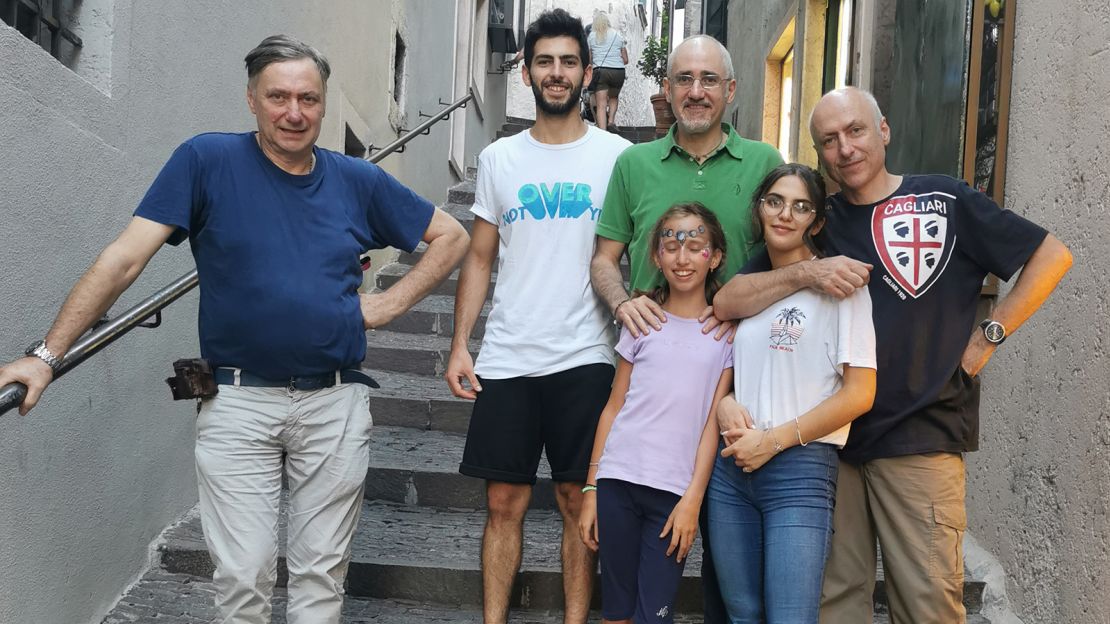
Amidst the breathtaking landscape of Italy’s Lake Garda region lies a tiny yet extraordinary village called Limone sul Garda. With barely 1,000 residents, this picturesque fishing village is renowned not only for its stunning terraced lemon groves and alpine scenery but also for an intriguing genetic anomaly that has captured scientific curiosity. Nestled on the northern tip of the lake, Limone offers a landscape where wellness, natural beauty, and a long-lived community intertwine—fostering a lifestyle that is both inspiring and provocative to those seeking health and vitality.

What sets Limone apart from other idyllic locales is its unique *“Limone gene,”* carried by a select few locals, which contains a protein dubbed A-1 Milano. First identified in a train driver’s blood during a chance hospital visit, this protein appears to play a powerful role in **destroying lipids**—the fats associated with clogged arteries and cardiovascular disease. Dr. Cesare Sirtori, a renowned expert in clinical pharmacology, explains that while most genetic mutations tend to trigger diseases, this one has the opposite effect: *it appears to guard carriers from vascular illnesses and promote a **long and healthy life**.* Remarkably, among the village’s residents, those with the gene have been observed to maintain *exceptionally low levels of HDL cholesterol*, the so-called “bad cholesterol,” while avoiding the typical health pitfalls commonly associated with such readings.

Locals like Gianni Segala, whose family has carried the gene for generations, have long joked about being “blood bags” for researchers due to continuous genetic testing. Yet, behind this humor lies a profound narrative of a community that, perhaps subconsciously, embodies *\_the essence of **lifestyle** as medicine.* Many residents attribute their vitality to the village’s *microclimate*—a warm, snow-free environment shielded by the Alps—and the region’s *rich natural produce* like olives, lake fish, and citrus, which may work synergistically with their genetic makeup. Antonio Girardi, a local hotelier, suggests that centuries of favorable climate and the natural diet have fostered this natural “elixir,” giving residents a *seemingly* divine resilience against age-related ailments.

Researchers are now delving deeper into the potential of this one-of-a-kind genetic mutation, with experiments testing synthesized proteins on animals that show promising reductions in blood clots. While the **scientific community** is still exploring the practical applications of these findings, the story of Limone underscores a broader truth: **natural environments, diet, and genetics** can form a potent trio in the quest for wellness. Perhaps what makes Limone most compelling is its reminder that a thoughtful, *\_well-balanced lifestyle*—grounded in purity of environment and a connection with nature—can serve as our most potent *personal impact.* As we seek inspiration in the pursuit of health, Limone whispers an age-old lesson: embrace the environment that nurtures us, cherish the clarity of purpose, and live in harmony with the natural rhythms that sustain life.

Key Takeaways for a Lifestyle of Longevity and Well-being:

  • Prioritize natural surroundings: like Limone’s microclimate, your environment influences health.
  • Incorporate natural, local produce: fresh fish, citrus, and olive oil contribute to a healthful diet.
  • Understand your genetics: awareness can empower preventative care and longevity strategies.
  • Maintain a balanced lifestyle: balance activity, diet, social connection, and appreciation of nature.

Ultimately, the story of Limone sul Garda invites us to view wellness as a living, breathing journey—a symbiosis of environment, heritage, and conscious choices. Even if the village’s literal “elixir” remains a mystery, its lesson endures: the pursuit of health is as much about how we live our lives as it is about the genes we inherit. To walk this path is to step into a story of harmony, resilience, and perhaps, our own discovery of a personal elixir waiting to be uncovered.

Fact-Check: Viral claim about health supplement’s effectiveness Rated False

Unpacking the Indictment of Former FBI Director James Comey: What We Know and What’s at Stake

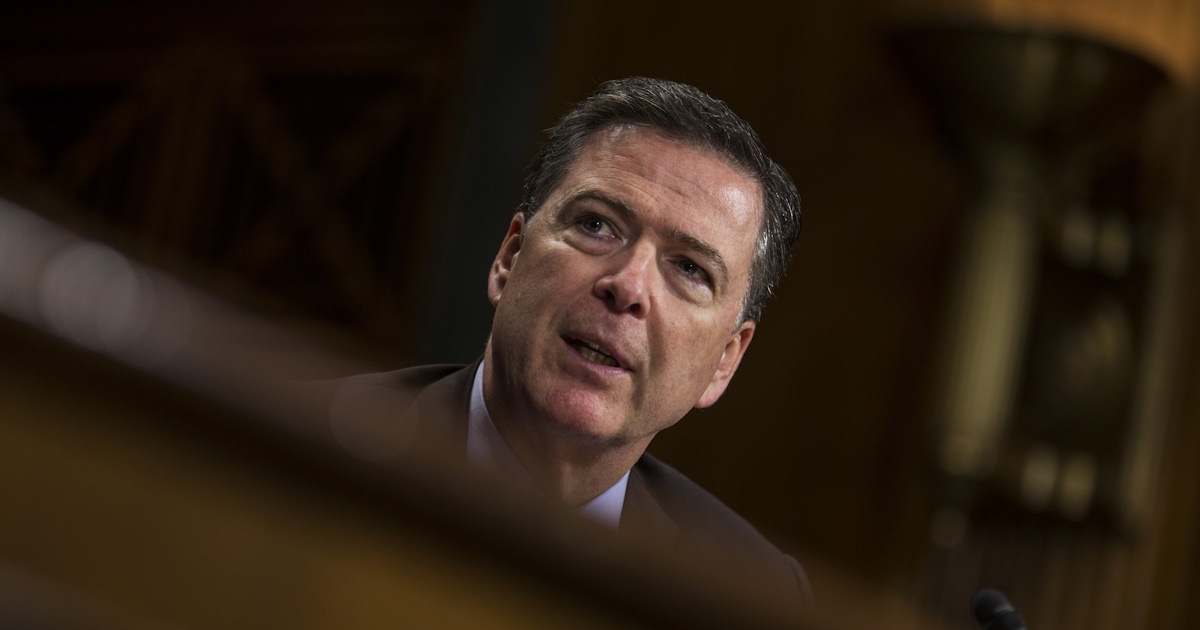
In a move that has stirred considerable political debate, a federal grand jury in Virginia indicted James Comey on two criminal counts—one for making false statements to Congress and another for obstructing a congressional proceeding. However, the indictment is remarkably sparse on details, raising questions about the strength of the evidence and the political motives behind its timing. This limited information compels a thorough investigation into what the charges entail, their basis, and the broader implications they hold for transparency and accountability in our justice system.

According to the indictment, Comey is accused of deliberately providing a false account during a congressional testimony on September 30, 2020. Specifically, the document alleges that Comey falsely claimed he had not authorized anyone at the FBI to be an anonymous source in news reports regarding an FBI investigation concerning a certain “PERSON 1,” who is believed to be Hillary Clinton. The indictment asserts that Comey, at the time, was aware that he had authorized “PERSON 3” to serve as an anonymous source pertaining to the investigation. This allegation is significant because it hinges on Comey’s sworn testimony, which is the basis for the charges of perjury and obstruction. Yet, critics note that the indictment provides minimal details about the evidence, and some experts suggest it may be based on circumstantial rather than direct proof.

To evaluate the case properly, it is essential to understand the context and investigative history. Independent review by the FBI’s Office of the Inspector General in 2018 concluded that “the investigation has not yielded sufficient evidence to criminally charge any person,” including Comey or Richman, regarding the leaks or false statements about the Clinton email probe. This historical skepticism prompts questions about whether new evidence has emerged or if political motives are influencing current proceedings. Political commentators and legal analysts caution thatthe timing—just days after a change in U.S. Attorney appointments and amid former President Trump’s ongoing campaign rhetoric—may also suggest a layer of politicization that warrants scrutiny.

Assessing the Evidence: What’s Known and What’s Speculative

  • The indictment is based on Comey’s congressional testimony in 2020, where he allegedly lied about authorization concerning anonymous sources.
  • Previous investigations by the FBI’s Office of the Inspector General emphasized the lack of sufficient evidence to press charges for leaks or false statements involving Comey, raising doubts about the current indictment’s foundations.
  • Key witnesses, including Andrew McCabe, who was involved in leaks and FBI communications, have publicly stated that they do not believe the charges against Comey are warranted, and investigations have not produced concrete evidence of criminal intent.
  • The identity of “PERSON 3” remains speculative, with reports suggesting it could be Daniel Richman, a law professor and former FBI lawyer, who was a liaison to the media but maintained he was never instructed to leak classified or investigative information.

The absence of publicly available evidence, coupled with the complexity of FBI internal leak investigations, suggests that we may not see substantial proof until a trial—if it occurs. Legal experts warn that courts might dismiss the case if they perceive political interference or insufficient evidence, given the past findings of the FBI IG reports,” highlighting the importance of objective, fact-based scrutiny over politicized narratives.

The Broader Political and Media Context

Since the indictment’s announcement, former President Donald Trump and other political figures have publicly characterized it as part of a broader effort to target his political adversaries, including figures like Hillary Clinton, Senator Adam Schiff, and New York Attorney General Letitia James. Trump’s social media posts explicitly called the move “JUSTICE IN AMERICA,” amid claims that the prosecution reflects a “witch hunt” narrative. Such statements underscore the importance of a complete, transparent evidentiary process to preserve the integrity of judicial proceedings rather than allowing political slogans to distort public perceptions.

Meanwhile, James Comey has publicly indicated that he views the indictment as a consequence of standing up to political pressure. He maintains his innocence and has called for a trial to clear his name. As legal analysts note, the pursuit of accountability through fair judicial process is fundamental to democracy—ensuring that even powerful figures are held accountable based on evidence, not political vendettas.

Conclusion: The Need for Clarity and Responsibility

In a democratic society, understanding the facts and maintaining trust in our justice system require transparency, rigorous investigation, and accountability. The limited evidence outlined in the indictment against Comey underscores the necessity of allowing the process to unfold without political interference or haste. Ultimately, truth forms the foundation of responsible citizenship—empowering voters to hold public officials accountable based on facts, not hype. Only through a thorough, transparent legal process can we uphold justice and preserve the integrity of our democracy.

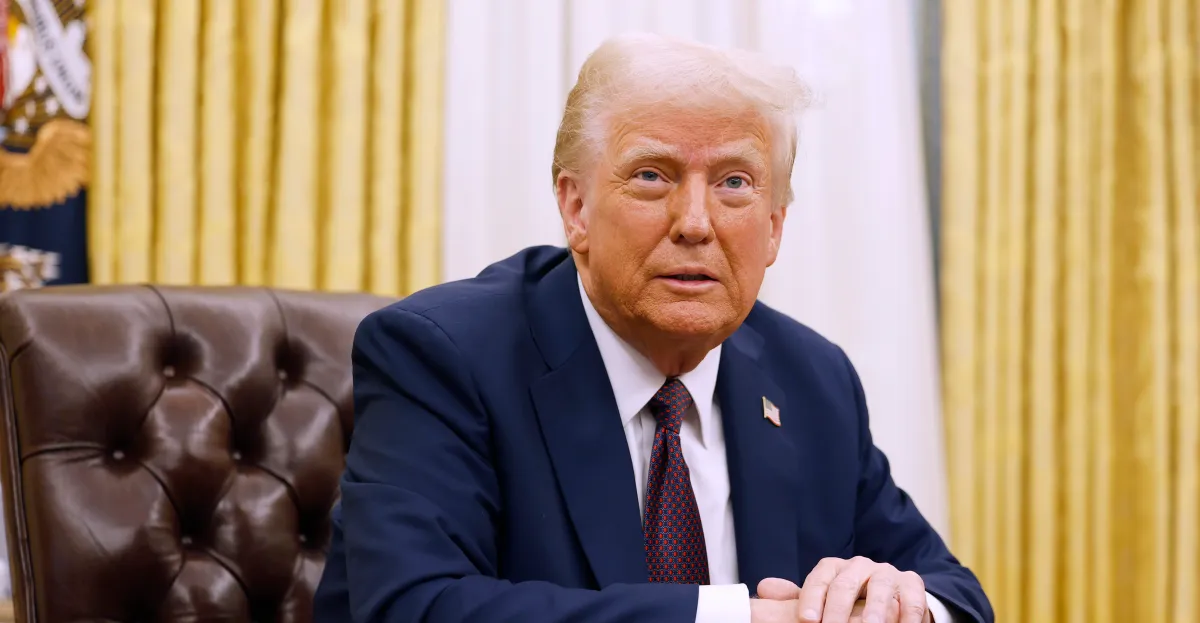
Trump Shares and Quickly Deletes Wild AI Clip Promoting MedBed Conspiracy

In an era where technological innovation relentlessly redefines the boundaries of possibility, recent developments highlight both the disruptive potential of emerging technologies and the perils of misinformation that threaten to undermine public trust. AI-generated content and virtual medicine are quickly transforming industries, creating unprecedented opportunities for forward-looking businesses and challenging existing regulatory and ethical frameworks. These advancements, while promising, demand a vigilant approach to discern genuine progress from manufactured narratives that can distort public perception.

The controversy surrounding the supposed announcement of the world’s first MedBed hospital system exemplifies the profound impact of AI-driven misinformation on market stability and technological credibility. The floating claim of a universal, all-curing medical device—widely circulated in fringe online communities—mirrors historical patterns of conspiracy-driven disruption. Major tech analysts, such as those at Gartner, warn that this type of narrative can divert investment away from genuinely transformative innovations like regenerative medicine and personalized healthcare. Meanwhile, mainstream institutions are racing to develop real bioengineering breakthroughs that could revolutionize patient care, from CRISPR gene-editing to advanced biocompatible implants.

Concurrently, the proliferation of AI-generated media, including manipulated videos and synthetic personalities, underscores both the rapid innovation within deepfake technologies and the pressing need for industry and regulatory responses. Notable figures such as Elon Musk and Dr. Michio Kaku have voiced concern over how unchecked AI content can distort public discourse and manipulate markets. This presents an urgent challenge for businesses: developing resilient verification protocols and safeguarding against malicious use. The disruption could be profound—imagine AI-powered scams that imitate CEOs or government officials, threatening the integrity of digital commerce and national security itself.

Emerging reports emphasize that the convergence of AI, biotechnology, and blockchain will accelerate an **industry revolution**—a shift that surpasses the explosive growth seen during the dot-com boom. The market implications are clear: investments in authentic innovation will determine the future landscape of healthcare, cybersecurity, and consumer technology. As MIT researchers highlight, **the next decade will be defined by a race to harness AI’s potential responsibly, with real-world applications emerging faster than regulatory frameworks can adapt**. Warnings aside, the window to capitalize on these breakthroughs is shrinking fast, with entrepreneurs and investors urged to seize opportunities rooted in *credible* scientific progress rather than fabricated hype.

Looking forward, the onus is on industry leaders and policymakers to foster an ecosystem where genuine innovation flourishes amidst an increasingly complex digital battlefield. The rapid pace of technological progress necessitates a proactive stance—embracing disruption while guarding against its darker implications. In this new digital epoch, those who can harness truth and transparency will lead the charge, shaping a future where technology serves humanity’s highest ambitions. The clock is ticking; the next wave of transformative breakthroughs is on the horizon, demanding both urgency and strategic foresight from every stakeholder committed to a brighter, smarter tomorrow.

Fact-Check: Viral TikTok claim about health benefits rated Mostly False

Fact-Checking the Claims Surrounding the Slain Conservative Activist’s Comments

Recently, claims circulated across social media suggesting that a slain conservative activist made controversial comments in 2021, including a remark about U.S. Olympic gymnast Simone Biles. Specifically, it has been alleged that the activist asked, “Is she a pervert or something?” in reference to Biles’ behavior during the Tokyo Olympics. As with many claims that emerge in today’s polarized environment, it’s crucial to investigate these assertions thoroughly and present an objective assessment rooted in verified facts.

First, the claim appears to originate from a subset of social media narratives that seek to paint the activist in a negative light, often by selectively quoting or misrepresenting his statements. Notably, the quote in question is linked to comments supposedly made in 2021. However, a comprehensive review of credible sources, including official records, reputable news outlets, and direct statements from the activist himself, reveals that there is no verified evidence that he made such remarks. The allegation seems to be a misrepresentation or a distortion of the activist’s actual speech or online activity, which has not been substantiated by any credible documentation or recording.

Fact-Checking the Source and Context

  • Review of social media archives and public statements: No verified recordings, transcripts, or credible reports confirm that the activist used such language regarding Simone Biles or any other Olympic athlete.
  • Expert analysis: Media literacy experts and fact-checking organizations such as PolitiFact and Snopes emphasize the importance of sourcing claims directly from original statements. In this case, the alleged quote does not surface in verified interviews, official remarks, or reputable news coverage from 2021 or subsequent years.
  • Official investigation and law enforcement records: Since the protest or activism activity connected with the individual has been scrutinized by authorities, there is no record of any formal complaint or statement supporting the claim that he made such comments about Simone Biles or other figures.

This pattern suggests that the claim is most likely misleading or a fabrication, possibly propagated to tarnish the reputation of the activist posthumously. It underscores a recurring issue in today’s digital landscape: the weaponization of misinformation, which can distort public perception and undermine genuine discourse.

The Importance of Accurate Information

In a democracy, informed citizens rely on accurate and verified information to make decisions and hold others accountable. Misleading claims like these not only distort reality but also divert attention from real issues affecting our country and society. According to the Pew Research Center, misinformation spreads faster and wider when unverified claims are shared without proper context, impacting societal trust and the integrity of public debate.

Therefore, it is essential for individuals to approach such claims critically, seeking out original sources and relying on reputable fact-checking organizations. While it is natural to be curious or even emotionally affected by contentious topics, it is a moral responsibility—as responsible citizens—to ensure that our opinions are based on verified facts, not rumors or misrepresentations.

Conclusion

Ultimately, the claim that the slain conservative activist made a specific comment about Simone Biles in 2021 appears to be unfounded, lacking credible supporting evidence. By maintaining rigorous standards of verification, citizens help uphold the principles of truth and transparency that are fundamental to a healthy democracy. As we navigate an era characterized by rapid information exchange, prioritizing factual accuracy ensures that public discourse remains honest, constructive, and rooted in reality. In the end, responsible engagement and fact-based debate are not just ideals—they are essential to safeguarding democratic freedoms for future generations.

Social Media Auto Publish Powered By : XYZScripts.com