Matox News

Truth Over Trends, always!

Limone sul Garda: Italy’s coolest village serving up a legendary health ‘elixir’

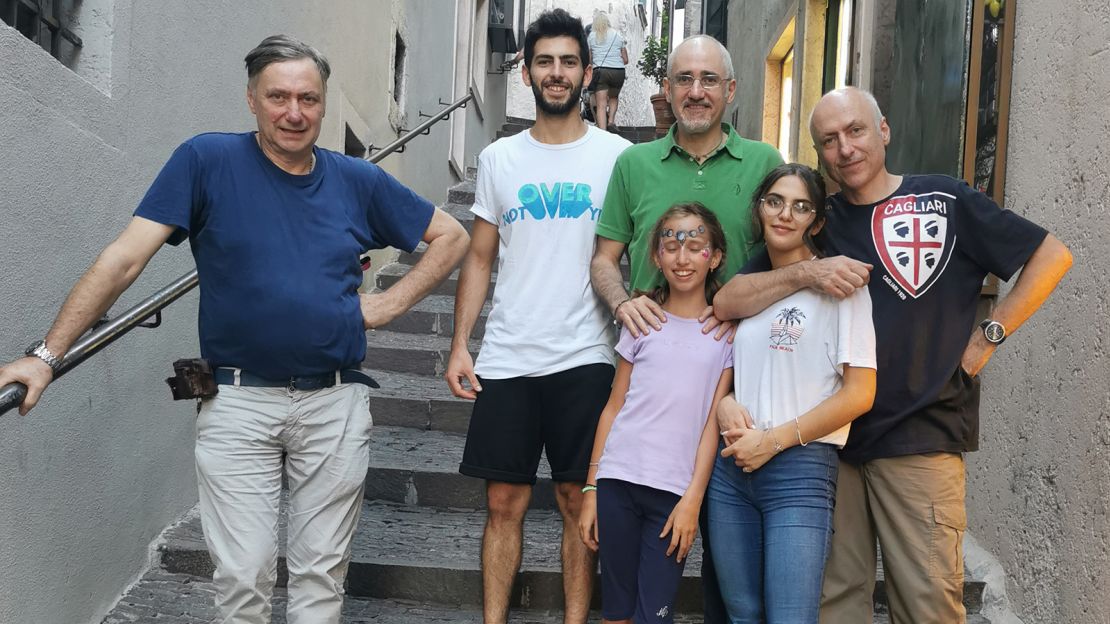
Amidst the breathtaking landscape of Italy’s Lake Garda region lies a tiny yet extraordinary village called Limone sul Garda. With barely 1,000 residents, this picturesque fishing village is renowned not only for its stunning terraced lemon groves and alpine scenery but also for an intriguing genetic anomaly that has captured scientific curiosity. Nestled on the northern tip of the lake, Limone offers a landscape where wellness, natural beauty, and a long-lived community intertwine—fostering a lifestyle that is both inspiring and provocative to those seeking health and vitality.

What sets Limone apart from other idyllic locales is its unique *“Limone gene,”* carried by a select few locals, which contains a protein dubbed A-1 Milano. First identified in a train driver’s blood during a chance hospital visit, this protein appears to play a powerful role in **destroying lipids**—the fats associated with clogged arteries and cardiovascular disease. Dr. Cesare Sirtori, a renowned expert in clinical pharmacology, explains that while most genetic mutations tend to trigger diseases, this one has the opposite effect: *it appears to guard carriers from vascular illnesses and promote a **long and healthy life**.* Remarkably, among the village’s residents, those with the gene have been observed to maintain *exceptionally low levels of HDL cholesterol*, the so-called “bad cholesterol,” while avoiding the typical health pitfalls commonly associated with such readings.

Locals like Gianni Segala, whose family has carried the gene for generations, have long joked about being “blood bags” for researchers due to continuous genetic testing. Yet, behind this humor lies a profound narrative of a community that, perhaps subconsciously, embodies *\_the essence of **lifestyle** as medicine.* Many residents attribute their vitality to the village’s *microclimate*—a warm, snow-free environment shielded by the Alps—and the region’s *rich natural produce* like olives, lake fish, and citrus, which may work synergistically with their genetic makeup. Antonio Girardi, a local hotelier, suggests that centuries of favorable climate and the natural diet have fostered this natural “elixir,” giving residents a *seemingly* divine resilience against age-related ailments.

Researchers are now delving deeper into the potential of this one-of-a-kind genetic mutation, with experiments testing synthesized proteins on animals that show promising reductions in blood clots. While the **scientific community** is still exploring the practical applications of these findings, the story of Limone underscores a broader truth: **natural environments, diet, and genetics** can form a potent trio in the quest for wellness. Perhaps what makes Limone most compelling is its reminder that a thoughtful, *\_well-balanced lifestyle*—grounded in purity of environment and a connection with nature—can serve as our most potent *personal impact.* As we seek inspiration in the pursuit of health, Limone whispers an age-old lesson: embrace the environment that nurtures us, cherish the clarity of purpose, and live in harmony with the natural rhythms that sustain life.

Key Takeaways for a Lifestyle of Longevity and Well-being:

  • Prioritize natural surroundings: like Limone’s microclimate, your environment influences health.
  • Incorporate natural, local produce: fresh fish, citrus, and olive oil contribute to a healthful diet.
  • Understand your genetics: awareness can empower preventative care and longevity strategies.
  • Maintain a balanced lifestyle: balance activity, diet, social connection, and appreciation of nature.

Ultimately, the story of Limone sul Garda invites us to view wellness as a living, breathing journey—a symbiosis of environment, heritage, and conscious choices. Even if the village’s literal “elixir” remains a mystery, its lesson endures: the pursuit of health is as much about how we live our lives as it is about the genes we inherit. To walk this path is to step into a story of harmony, resilience, and perhaps, our own discovery of a personal elixir waiting to be uncovered.

Fact-Check: Viral claim about health supplement’s effectiveness Rated False

Unpacking the Indictment of Former FBI Director James Comey: What We Know and What’s at Stake

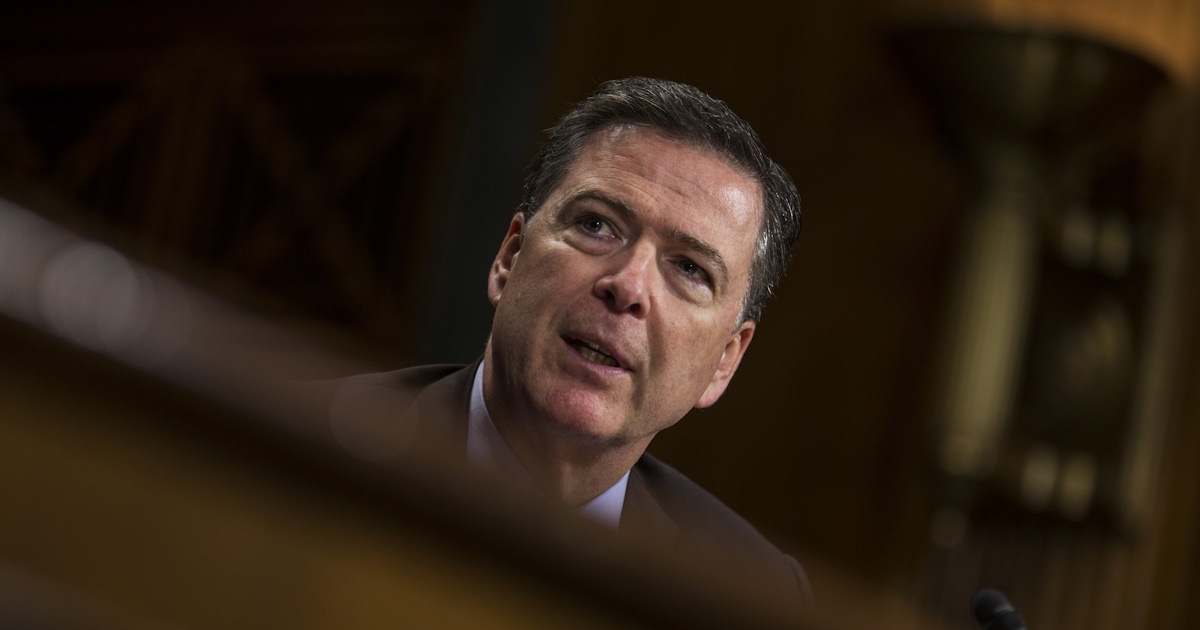
In a move that has stirred considerable political debate, a federal grand jury in Virginia indicted James Comey on two criminal counts—one for making false statements to Congress and another for obstructing a congressional proceeding. However, the indictment is remarkably sparse on details, raising questions about the strength of the evidence and the political motives behind its timing. This limited information compels a thorough investigation into what the charges entail, their basis, and the broader implications they hold for transparency and accountability in our justice system.

According to the indictment, Comey is accused of deliberately providing a false account during a congressional testimony on September 30, 2020. Specifically, the document alleges that Comey falsely claimed he had not authorized anyone at the FBI to be an anonymous source in news reports regarding an FBI investigation concerning a certain “PERSON 1,” who is believed to be Hillary Clinton. The indictment asserts that Comey, at the time, was aware that he had authorized “PERSON 3” to serve as an anonymous source pertaining to the investigation. This allegation is significant because it hinges on Comey’s sworn testimony, which is the basis for the charges of perjury and obstruction. Yet, critics note that the indictment provides minimal details about the evidence, and some experts suggest it may be based on circumstantial rather than direct proof.

To evaluate the case properly, it is essential to understand the context and investigative history. Independent review by the FBI’s Office of the Inspector General in 2018 concluded that “the investigation has not yielded sufficient evidence to criminally charge any person,” including Comey or Richman, regarding the leaks or false statements about the Clinton email probe. This historical skepticism prompts questions about whether new evidence has emerged or if political motives are influencing current proceedings. Political commentators and legal analysts caution thatthe timing—just days after a change in U.S. Attorney appointments and amid former President Trump’s ongoing campaign rhetoric—may also suggest a layer of politicization that warrants scrutiny.

Assessing the Evidence: What’s Known and What’s Speculative

  • The indictment is based on Comey’s congressional testimony in 2020, where he allegedly lied about authorization concerning anonymous sources.
  • Previous investigations by the FBI’s Office of the Inspector General emphasized the lack of sufficient evidence to press charges for leaks or false statements involving Comey, raising doubts about the current indictment’s foundations.
  • Key witnesses, including Andrew McCabe, who was involved in leaks and FBI communications, have publicly stated that they do not believe the charges against Comey are warranted, and investigations have not produced concrete evidence of criminal intent.
  • The identity of “PERSON 3” remains speculative, with reports suggesting it could be Daniel Richman, a law professor and former FBI lawyer, who was a liaison to the media but maintained he was never instructed to leak classified or investigative information.

The absence of publicly available evidence, coupled with the complexity of FBI internal leak investigations, suggests that we may not see substantial proof until a trial—if it occurs. Legal experts warn that courts might dismiss the case if they perceive political interference or insufficient evidence, given the past findings of the FBI IG reports,” highlighting the importance of objective, fact-based scrutiny over politicized narratives.

The Broader Political and Media Context

Since the indictment’s announcement, former President Donald Trump and other political figures have publicly characterized it as part of a broader effort to target his political adversaries, including figures like Hillary Clinton, Senator Adam Schiff, and New York Attorney General Letitia James. Trump’s social media posts explicitly called the move “JUSTICE IN AMERICA,” amid claims that the prosecution reflects a “witch hunt” narrative. Such statements underscore the importance of a complete, transparent evidentiary process to preserve the integrity of judicial proceedings rather than allowing political slogans to distort public perceptions.

Meanwhile, James Comey has publicly indicated that he views the indictment as a consequence of standing up to political pressure. He maintains his innocence and has called for a trial to clear his name. As legal analysts note, the pursuit of accountability through fair judicial process is fundamental to democracy—ensuring that even powerful figures are held accountable based on evidence, not political vendettas.

Conclusion: The Need for Clarity and Responsibility

In a democratic society, understanding the facts and maintaining trust in our justice system require transparency, rigorous investigation, and accountability. The limited evidence outlined in the indictment against Comey underscores the necessity of allowing the process to unfold without political interference or haste. Ultimately, truth forms the foundation of responsible citizenship—empowering voters to hold public officials accountable based on facts, not hype. Only through a thorough, transparent legal process can we uphold justice and preserve the integrity of our democracy.

Trump Shares and Quickly Deletes Wild AI Clip Promoting MedBed Conspiracy

In an era where technological innovation relentlessly redefines the boundaries of possibility, recent developments highlight both the disruptive potential of emerging technologies and the perils of misinformation that threaten to undermine public trust. AI-generated content and virtual medicine are quickly transforming industries, creating unprecedented opportunities for forward-looking businesses and challenging existing regulatory and ethical frameworks. These advancements, while promising, demand a vigilant approach to discern genuine progress from manufactured narratives that can distort public perception.

The controversy surrounding the supposed announcement of the world’s first MedBed hospital system exemplifies the profound impact of AI-driven misinformation on market stability and technological credibility. The floating claim of a universal, all-curing medical device—widely circulated in fringe online communities—mirrors historical patterns of conspiracy-driven disruption. Major tech analysts, such as those at Gartner, warn that this type of narrative can divert investment away from genuinely transformative innovations like regenerative medicine and personalized healthcare. Meanwhile, mainstream institutions are racing to develop real bioengineering breakthroughs that could revolutionize patient care, from CRISPR gene-editing to advanced biocompatible implants.

Concurrently, the proliferation of AI-generated media, including manipulated videos and synthetic personalities, underscores both the rapid innovation within deepfake technologies and the pressing need for industry and regulatory responses. Notable figures such as Elon Musk and Dr. Michio Kaku have voiced concern over how unchecked AI content can distort public discourse and manipulate markets. This presents an urgent challenge for businesses: developing resilient verification protocols and safeguarding against malicious use. The disruption could be profound—imagine AI-powered scams that imitate CEOs or government officials, threatening the integrity of digital commerce and national security itself.

Emerging reports emphasize that the convergence of AI, biotechnology, and blockchain will accelerate an **industry revolution**—a shift that surpasses the explosive growth seen during the dot-com boom. The market implications are clear: investments in authentic innovation will determine the future landscape of healthcare, cybersecurity, and consumer technology. As MIT researchers highlight, **the next decade will be defined by a race to harness AI’s potential responsibly, with real-world applications emerging faster than regulatory frameworks can adapt**. Warnings aside, the window to capitalize on these breakthroughs is shrinking fast, with entrepreneurs and investors urged to seize opportunities rooted in *credible* scientific progress rather than fabricated hype.

Looking forward, the onus is on industry leaders and policymakers to foster an ecosystem where genuine innovation flourishes amidst an increasingly complex digital battlefield. The rapid pace of technological progress necessitates a proactive stance—embracing disruption while guarding against its darker implications. In this new digital epoch, those who can harness truth and transparency will lead the charge, shaping a future where technology serves humanity’s highest ambitions. The clock is ticking; the next wave of transformative breakthroughs is on the horizon, demanding both urgency and strategic foresight from every stakeholder committed to a brighter, smarter tomorrow.

Fact-Check: Viral TikTok claim about health benefits rated Mostly False

Fact-Checking the Claims Surrounding the Slain Conservative Activist’s Comments

Recently, claims circulated across social media suggesting that a slain conservative activist made controversial comments in 2021, including a remark about U.S. Olympic gymnast Simone Biles. Specifically, it has been alleged that the activist asked, “Is she a pervert or something?” in reference to Biles’ behavior during the Tokyo Olympics. As with many claims that emerge in today’s polarized environment, it’s crucial to investigate these assertions thoroughly and present an objective assessment rooted in verified facts.

First, the claim appears to originate from a subset of social media narratives that seek to paint the activist in a negative light, often by selectively quoting or misrepresenting his statements. Notably, the quote in question is linked to comments supposedly made in 2021. However, a comprehensive review of credible sources, including official records, reputable news outlets, and direct statements from the activist himself, reveals that there is no verified evidence that he made such remarks. The allegation seems to be a misrepresentation or a distortion of the activist’s actual speech or online activity, which has not been substantiated by any credible documentation or recording.

Fact-Checking the Source and Context

  • Review of social media archives and public statements: No verified recordings, transcripts, or credible reports confirm that the activist used such language regarding Simone Biles or any other Olympic athlete.
  • Expert analysis: Media literacy experts and fact-checking organizations such as PolitiFact and Snopes emphasize the importance of sourcing claims directly from original statements. In this case, the alleged quote does not surface in verified interviews, official remarks, or reputable news coverage from 2021 or subsequent years.
  • Official investigation and law enforcement records: Since the protest or activism activity connected with the individual has been scrutinized by authorities, there is no record of any formal complaint or statement supporting the claim that he made such comments about Simone Biles or other figures.

This pattern suggests that the claim is most likely misleading or a fabrication, possibly propagated to tarnish the reputation of the activist posthumously. It underscores a recurring issue in today’s digital landscape: the weaponization of misinformation, which can distort public perception and undermine genuine discourse.

The Importance of Accurate Information

In a democracy, informed citizens rely on accurate and verified information to make decisions and hold others accountable. Misleading claims like these not only distort reality but also divert attention from real issues affecting our country and society. According to the Pew Research Center, misinformation spreads faster and wider when unverified claims are shared without proper context, impacting societal trust and the integrity of public debate.

Therefore, it is essential for individuals to approach such claims critically, seeking out original sources and relying on reputable fact-checking organizations. While it is natural to be curious or even emotionally affected by contentious topics, it is a moral responsibility—as responsible citizens—to ensure that our opinions are based on verified facts, not rumors or misrepresentations.

Conclusion

Ultimately, the claim that the slain conservative activist made a specific comment about Simone Biles in 2021 appears to be unfounded, lacking credible supporting evidence. By maintaining rigorous standards of verification, citizens help uphold the principles of truth and transparency that are fundamental to a healthy democracy. As we navigate an era characterized by rapid information exchange, prioritizing factual accuracy ensures that public discourse remains honest, constructive, and rooted in reality. In the end, responsible engagement and fact-based debate are not just ideals—they are essential to safeguarding democratic freedoms for future generations.

Democrats Push Hard on Health Care to Win House Support

Political leaders in confrontation

The Political Arena Prepares for a Confrontation Over Healthcare and Shutdown Politics

As the specter of a looming government shutdown casts a shadow over Washington, the strategic posturing by Democratic leaders signals an unfolding chapter in the ongoing battle for control of the legislative narrative. With the midterm elections approaching in less than a year, Democrats are doubling down on healthcare as their pivotal wedge issue, betting that the political climate is ripe for a decisive confrontation. Historically, healthcare has been a potent rallying cry—while it offers tangible benefits to voters, it also functions as a powerful symbol of ideological divides, exemplified by the Republican triumvirate currently exerting influence over Congress. Democratic strategists believe that any government shutdown efforts by their opponents would serve to galvanize their base and challenge the entrenched Republican posture, which they perceive as fostering inaction and obstruction.

The decision to leverage healthcare as a battleground is rooted in a deep understanding of how voters process political messages. For decades, Democrats have successfully capitalized on healthcare issues to mobilize their base, as seen in the post-Obamacare landscape where health policy remains a rallying point. The impending showdown appears to be less about concrete policy reform and more about staking ideological dominance. Political theorists such as James Madison and John Rawls would observe that such confrontations exemplify the enduring power struggles inherent in constitutional governance—where the scope of government and individual rights collide, shaping the very fabric of society. The Democrats’ gamble is that a government shutdown, framed around their healthcare agenda, will be portrayed as a battle for middle-class security against Republican extremism, thus reversing recent losses and reshaping the electoral map in their favor.

Beneath these strategic calculations lies a core conflict over who holds the moral and constitutional authority. Legal scholars acknowledge that the power struggle is not just about legislative wins but also about who defines the narrative of American health policy. The Democratic push for expanding healthcare access and defending Obamacare aligns with what many see as a broader societal shift—one that favors government intervention and social welfare. Conversely, the Republican insistence on reducing federal influence and empowering states reflects a longstanding tradition rooted in constitutional conservatism and individual liberty. These conflicting visions are more than policy debates; they are the battleground where the destiny of the nation’s social fabric is delineated. The decision to threaten a shutdown over healthcare reflects a strategic assertion of power—where policy becomes a weapon, shaping how millions experience their rights and protections.

Ultimately, the unfolding political drama emphasizes that power struggles are at the heart of American democracy, dictating not only legislative outcomes but also the future character of the nation. As history has demonstrated—through moments like the Civil Rights Movement or the New Deal—whose vision prevails on the political stage often determines the societal trajectory for generations. The current confrontation over healthcare and the threat of shutdown are not merely tactical moves; they are ideological turf battles that will mark the contours of an American identity in crisis. Politics, in essence, is where the very currents of history are written—each decision, each clash of wills sculpting the destiny of a nation poised between tradition and transformation.

Fact-Check: Viral claim about health benefits of supplement rated Mostly False

Investigative Report: Untangling the Viral Claims on Autism and Common Exposures

Amid a flurry of high-profile announcements and social media speculation, the question of what causes autism spectrum disorder (ASD) remains at the forefront of public concern. Recent reports suggest an impending federal review linking autism to environmental factors like Tylenol use during pregnancy and folate deficiencies. But a thorough examination reveals that these claims are often exaggerated or unsupported by current scientific evidence. As responsible citizens, understanding the facts—rather than falling for sensationalized narratives—is vital for safeguarding public health and maintaining trust in our democratic institutions.

Tylenol and Autism: Separating Fact from Fiction

Claimed connections between acetaminophen (Tylenol) use during pregnancy and autism have gained attention in recent discourse. Some reports, including articles from the Wall Street Journal, indicate that the Department of Health and Human Services (HHS) may soon suggest a link, hinting that Tylenol could be a culprit in the rising rates of autism. However, experts like Brian Lee, a professor of epidemiology at Drexel University’s Dornsife School of Public Health, assert that there is no credible scientific evidence to support this claim. Lee emphasizes that the majority of studies conducted so far do not find a causal relationship, and some even point away from Tylenol as a risk factor.

  • Major epidemiological studies have not demonstrated a clear causal link between maternal acetaminophen use and neurodevelopmental disorders, including autism.
  • The Coalition for Autism Scientists, comprising over 250 U.S.-based researchers, states that studies suggesting such a link are “difficult to interpret” because of methodological limitations and confounding factors.
  • Research often relies on retrospective parent surveys that are subject to recall bias and can be influenced by societal fears of vaccines and medications, further muddying conclusions.

Moreover, the FDA and ACOG (American College of Obstetricians and Gynecologists) recommend cautious but not avoidant use of acetaminophen during pregnancy, explicitly warning against untreated fever or pain, which pose their own risks. Dr. Christopher Zahn of ACOG notes that “the current evidence does not support a direct relationship” between acetaminophen and autism, emphasizing that the risks of untreated maternal fever outweigh the unproven risks of medication use.

Folate Deficiency and Autism: The Evidence Is Inconclusive

Similarly, claims about folate deficiency during pregnancy being a cause of autism have circulated but lack definitive scientific backing. Folic acid, a synthetic form of folate, has long been recommended for pregnant women to prevent neural tube defects, a well-established risk factor for birth anomalies. Experts like Dr. Brian Lee reiterate that there is no current evidence linking folic acid supplements to autism prevention or causation. While some preliminary studies suggest a possible connection between maternal folate status and neurodevelopmental outcomes, these are insufficient to alter ongoing medical advice or public health policies.

  • Folic acid supplementation is endorsed by major health authorities, including the CDC and WHO, as a safe and effective measure to prevent neural tube defects.
  • Research exploring a potential link between folate levels and autism remains preliminary; robust, randomized controlled trials are needed.
  • Genetics and broader environmental factors continue to be the primary focus of autism research, underscoring the complexity of the disorder’s causes.

While investigations into other forms of folate, such as folinic acid, are ongoing, experts like David S. Mandell caution that the evidence supporting such treatments for autism symptoms is very weak. Anecdotal reports and small, methodologically flawed studies should not be mistaken for rigorous scientific progress.

Why Accurate Information Matters for Democracy

As these debates unfold, it’s crucial for the public to scrutinize the sources and validity of claims surrounding autism. Misinformation can lead to unnecessary panic, misguided policy, and misplaced fearmongering about common medications and nutrients. Experts consistently remind us that sound science—rooted in carefully conducted research and transparent methodologies—is essential for responsible decision-making. Before jumping to conclusions, policymakers and citizens alike must rely on credible, peer-reviewed studies and avoid succumbing to sensational narratives that distort the truth.

In a democratic society, the pursuit of truth isn’t just an academic exercise—it’s the foundation of informed citizenship. By demanding transparency and evidence in public health debates, we uphold the principles of responsible governance and protect the integrity of scientific inquiry. The facts about Tylenol, folate, and autism are clear: current evidence does not support claims of causation. Recognizing the importance of rigorous science ensures that public health policies serve the best interests of everyone, grounded in reality rather than rumor or conjecture.

Social Media Auto Publish Powered By : XYZScripts.com