Matox News

Truth Over Trends, always!

Youth Likely to Skirt New Healthy Lunch Plans, Pilot Shows

Social Shifts and Challenges in the Realm of School Nutrition

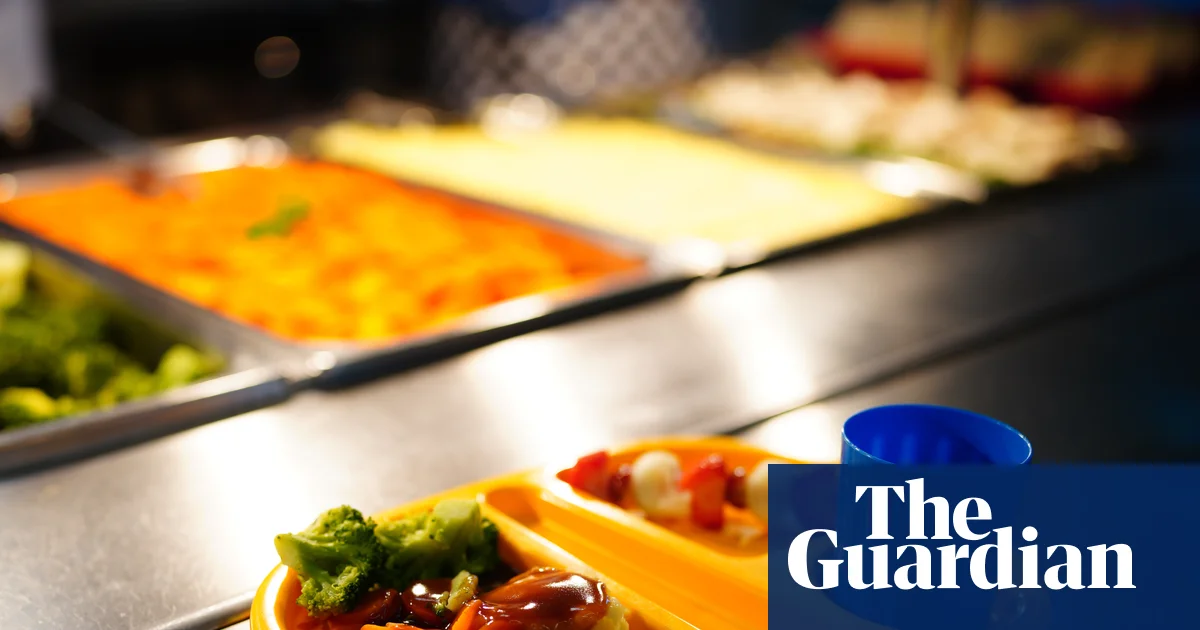
The recent implementation of England’s new school food standards highlights a critical juncture in the ongoing debate over how best to nurture the health and well-being of the nation’s youth. While the government and advocates such as Jamie Oliver and Emma Thompson have championed these reforms for their aims to promote healthier eating habits, initial results from a six-week pilot suggest that the intended benefits may be slipping through the cracks due to unintended social consequences. In a Brighton primary school, a 15% decline in meal uptake has been observed, with many pupils opting for packed lunches featuring crisps and chocolate bars, rather than participating in the revamped, healthier school menu. This trend underscores a larger societal tension: the challenge of balancing nutritional goals with the realities of children’s preferences and family influences.

Experts and caterers warn that this shift could have wider implications for families, educators, and communities. Luke Consiglio, chief executive of The Pantry, emphasizes the importance of understanding the social dynamics at play: “Despite these good intentions, there’s a real risk that this will actually have a negative impact on children’s health.” The data indicates that children may reject healthier options if they perceive them as less appealing. From a sociological perspective, such preferences are deeply rooted in cultural shifts and longstanding dietary habits. Children’s food choices are shaped not only within schools but also by family routines and societal norms, creating a complex web of influence that policy reforms must navigate.

Concurrently, the financial sustainability of school meal programs is under threat. Catering companies such as Philippa Terry’s have raised concerns about the funding disparity within the UK. The current government allocation of just £2.61 per free meal falls significantly short of actual costs, especially when compared to Wales, Scotland, and Northern Ireland, where funding exceeds £3.00. This funding shortfall hampers schools’ ability to deliver nutritious, satisfying meals that meet new standards, risking a cycle of declining meal quality and further drops in participation. As Terry notes, “If children do not enjoy or trust the food, they will opt out, and that will lead to more packed lunches with little to no nutritional value.” The consequences extend beyond individual institutions, threatening the integrity of community cohesion and parental trust in public education’s role as a protector of child health.

At the heart of the debate lies a pressing concern: how can the government ensure compliance and effective implementation? Andy Jolley, a former school governor and campaigner, emphasizes that without proper oversight and dedicated resources, standards will remain aspirational rather than enforced. “It’s positive that action is being taken,” he states, “but unless there’s proper monitoring, the standards will be ignored, and the social issues will persist.” The challenge of monitoring and accountability becomes a mirror of larger questions about societal priorities — whether to invest in the oversight necessary for meaningful reform or to accept superficial changes that fail to address core issues.

In the face of these challenges, some schools are demonstrating that excellence is possible within constraints. Russell Ball, head chef at Pokesdown community primary school, boasts of tripling meal uptake through seasonally sourced, cost-effective cooking methods. His success exemplifies the potential for positive cultural shifts in school nutrition — driven by dedicated educators and a community-focused mindset. As society grapples with how to nourish the young amidst competing demands, it remains essential to recognize that **the true challenge lies not just in food standards but in societal commitment to nurturing resilience, health, and dignity from the ground up.** Perhaps, in the quiet kitchens and bustling classrooms, lies an unspoken hope: that society’s most precious resource, its children, will one day be fed more than just meals — but also the promise of a healthier, more equitable future.

Jones and Grant Bring Austen-Style Romance, Hyping Healthy Early Love

In a period marked by rapid geopolitical realignments, international attention increasingly turns to cultural developments as indicators of societal resilience and ideological shifts. The recent debut of The Other Bennet Sister, a BBC drama starring Ruth Jones and Richard E Grant, exemplifies a broader trend where the arts serve not only as entertainment but as a mirror reflecting contemporary values and tensions. Such productions, particularly from influential outlets like the BBC, do more than entertain—they shape narratives around national identity, history, and cultural continuity, with echoes reaching across the global stage.

Experts argue that cultural exports—be they television dramas, films, or literature—play a pivotal role in shaping international perceptions of a nation’s identity. In an era of soft power conflicts, where economic and military rivalries are well-documented, culture provides a subtler yet potent arena for asserting influence. Historian Dr. Helen MacIntyre notes that the narratives constructed around historical figures and societal archetypes, such as those in classic adaptations, serve to foster a sense of shared history and values. As international institutions like UNESCO emphasize the preservation of cultural heritage, nations are increasingly aware of the importance of controlling their stories—especially those broadcast globally—since they impact diplomatic relations and public perceptions worldwide.

The production of The Other Bennet Sister, based on the beloved Jane Austen universe, symbolizes this dynamic. It demonstrates how the arts continue to be a battleground for ideological influence, subtly aligning cultural narratives with broader political agendas. For many nations, especially those with a keen interest in safeguarding traditional values, such adaptations reaffirm societal identities in the face of rapid modernization and globalism. Conversely, critics warn that exclusive reliance on nostalgia and historical framing can impede progress, reinforcing divisions rather than fostering unity. Analysts observe that these cultural dialogues often serve as prelude scenarios to larger geopolitical contests, where influence within international cultural spheres translates into soft power leverage.

Indeed, international organizations such as the United Nations Educational, Scientific and Cultural Organization (UNESCO) have begun to scrutinize how cultural diplomacy affects diplomatic partnerships and global stability. The role of influential media in shaping perceptions across divided regions underscores a shift where societal narratives directly influence diplomatic standings. While some nations leverage cultural exports to extend influence, others resist foreign narratives that threaten their sovereignty. The ongoing cultural battles, therefore, are not merely about entertainment—they are intertwined with strategic interests that could redefine alliances, social cohesion, and even economic development. As global tensions mount and history continues to unfold, the arts remain a mirror and a battleground for societies seeking to forge their identities amid shifting power dynamics.

In this tense and transformative era, each cultural endeavor echoes with the weight of history and foresight. The fate of nations could very well be shaped by the stories they choose to tell—and how these stories resonate across borders and generations. As world leaders and societies grapple with their postures on the international stage, the enduring question remains: whose narrative will ultimately prevail? One thing is certain—the story of our times is far from finished, and the coming chapters may yet redefine what it means to be a nation in an interconnected and tumultuous world.

Kids hitting the gym: empowering the next generation to stay strong and healthy

The New Wave of Youth Strength Training: Reshaping Society’s Views on Childhood Fitness

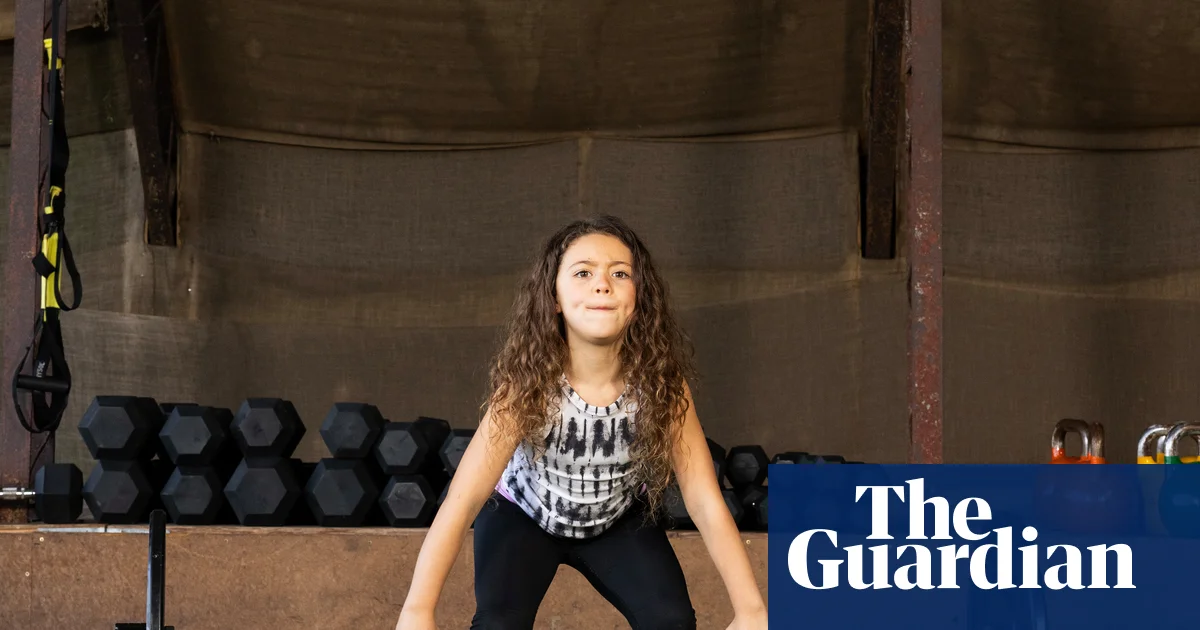
In recent years, a cultural shift has emerged around childhood physical activity, driven by a growing recognition of the benefits of strength training for children and adolescents. Historically, societal wisdom warned against young children engaging in resistance exercises, fearing it could stunt growth or cause injury. However, contemporary research, endorsed by sociologists and medical professionals, challenges these outdated notions, emphasizing that appropriately supervised strength training can foster long-term health, resilience, and even improved social-emotional development within families and communities. This development isn’t just about physical fitness; it reflects a broader transformation in how society perceives youth, strength, and wellbeing.

Families across the socio-economic spectrum are now integrating strength training into their routines. Parents like Eve Stevenson, a former weightlifting champion and personal trainer, are demonstrating that early engagement in resistance exercises cultivates a sense of empowerment and resilience. Despite opposition from some critics who argue that such activities may be unsafe or unnatural for young children, experts like Jon Oliver of Cardiff Metropolitan University clarify that these practices, when supervised by qualified professionals, align closely with national guidelines and scientific consensus. The social impact of these shifts extends beyond individual families, challenging communities to rethink early childhood physical development and the values embedded within youth sports and recreation.

This movement is also fueled by media, with popular shows like Gladiators reborn on screens and captivating young audiences. Such cultural icons reinforce the idea that strength is a virtue accessible to all ages, not just elite athletes. It fosters a narrative where strength training becomes normalized as a wholesome activity, creating social spaces where families bond through shared activity, challenge stereotypes, and build community resilience. Sociologists note that this evolution is shaping a generation that values physical robustness not for aesthetic perfection but as a cornerstone of mental grit and societal contribution.

Despite the positive prospects, challenges remain. Critics voice concerns over early specialization, injuries, and the pressure to excel prematurely, echoing advice to promote broad motor skill development and fun over performance. Nonetheless, the emphasis on safety, proper technique, and fun—endorsed by experts like Morris—aims to ensure these activities bolster families’ social fabric. As larger societal issues such as youth mental health, body image, and social cohesion continue to loom, the focus on inclusive, supervised strength training offers a hopeful pathway. It is an invitation for communities to nurture strength—both physical and moral—and to reimagine childhood as a time of building resilience rather than compliance.

In the end, society stands at a crossroads, balancing tradition with innovation, fear with hope. When families like Stevenson’s or Hawkins’ foster environments where children see fitness as a normal part of life—an outlet for stress, a source of pride—they are sowing seeds of a society that values strength not just for appearance, but for character. As their stories unfold, they remind us that the most profound strength lies in the courage to redefine what childhood and community can be—built on the unshakable foundation of resilience, hope, and the relentless pursuit of a healthier society.

Social Media Auto Publish Powered By : XYZScripts.com