Matox News

Truth Over Trends, always!

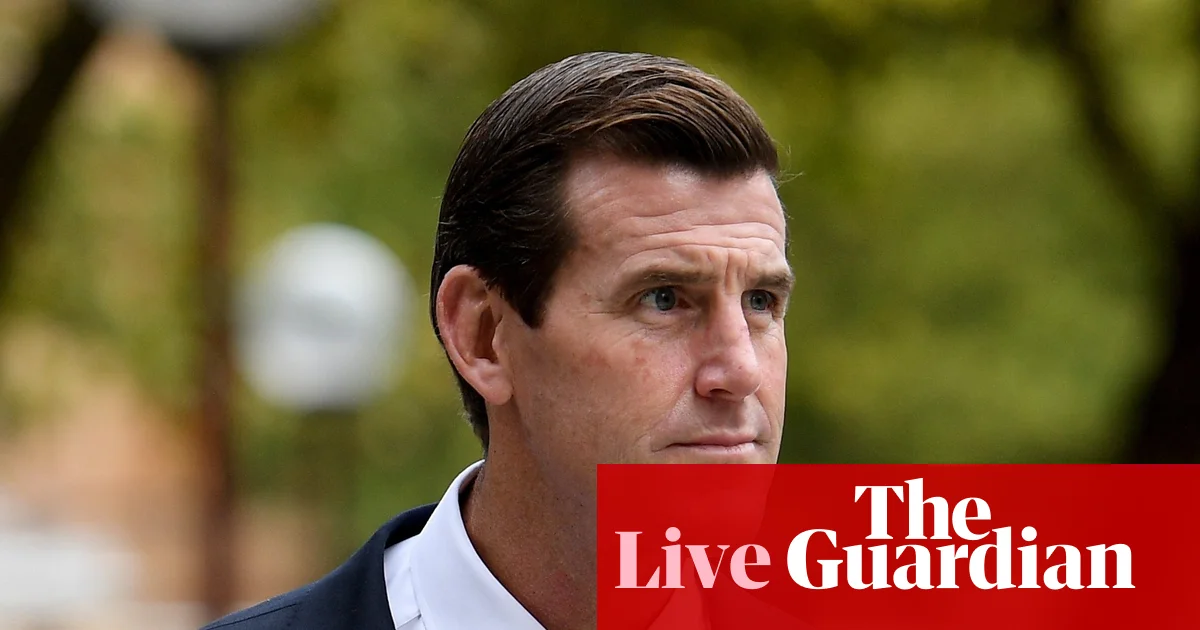
Australia updates: War crimes suspect Ben Roberts-Smith in bail hearing; PM confirms no harsher fuel rules after refinery fire

In a year marked by pivotal geopolitical shifts and domestic upheavals, the international landscape continues to reverberate with profound consequences. Strong leaders and rising nations are increasingly asserting their influence, with decisions made in capitals shaping societies worldwide. Recent developments underscore this reality, as nations grapple with internal crises while vying for supremacy on the global stage. These events serve as a stark reminder that the weight of history is still unfolding, and the decisions of today will echo through future generations.

Across Australia, a nation of both immense natural resources and strategic importance, the government faces significant challenges. The detention and upcoming bail decision for Ben Roberts-Smith, a decorated soldier embroiled in war crime allegations, encapsulate a period of internal conflict and judicial scrutiny. His case draws national attention to issues of military accountability and the societal debate surrounding justice for alleged atrocities committed in Afghanistan. While this legal saga unfolds within Australian borders, it perfectly exemplifies how domestic legal processes are intertwined with international perceptions and diplomatic relations. The outcome could influence Australia’s defense policies and its global standing in addressing war crimes—a matter closely watched by analysts and historians who underscore the importance of accountability in maintaining moral legitimacy.

Simultaneously, the country’s critical fuel infrastructure has been rocked by a fire at the Viva Energy refinery in Corio, Victoria. The blaze, which temporarily reduces petrol and diesel supplies, has ignited fears of escalating energy shortages amid ongoing geopolitical tensions involving the Middle East. The Australian Prime Minister, Anthony Albanese, has reassured the nation that the event will not escalate into harsher fuel restrictions, highlighting the government’s proactive measures to stabilize markets. These include securing extra fuel supplies from regional partners and backing private corporations like BP, which have committed to international investment schemes to boost domestic reserves. Such decisions reflect a broader strategy—one that balances national security with economic resilience, all while navigating global conflicts that threaten regional stability.

International reactions are equally telling. Former U.S. President Donald Trump renewed accusations that Australia had not done enough to support U.S. efforts in the Middle East, casting a shadow over the already tense alliance. America’s role as a geopolitical stabilizer is under scrutiny, particularly as allied nations such as Japan and South Korea ramp up their military spending in response to rising regional threats. Meanwhile, European nations face concerns about the resurgence of classic interstate rivalries with Russia’s renewed assertiveness and China’s expanding influence. International organizations warn that these internal and external disputes threaten to redraw the map of global alliances, pushing nations into new layers of uncertainty. Historians suggest that these conflicts could define the geopolitical narrative of the 21st century, where sovereignty and international power are in a constant state of flux.

As the world stands at this crossroads of history, the decisions made behind closed doors in courts and cabinets today will shape the fabric of societies for decades. The verdict on Ben Roberts-Smith may determine how justice is perceived in military conduct, while energy measures reflect a nation’s resilience amid upheaval. Meanwhile, the dance of diplomacy and accusations between Australia, the U.S., and other powers reveals a fragile international equilibrium—one that could tip into chaos or cohesion depending on the choices of leaders. The unfolding story is a testament to the enduring truth that in the theater of geopolitics, every act echoes in the chambers of history, and the true measure of a nation’s strength lies in how it faces its trials, both close to home and in the shadows of distant conflicts.

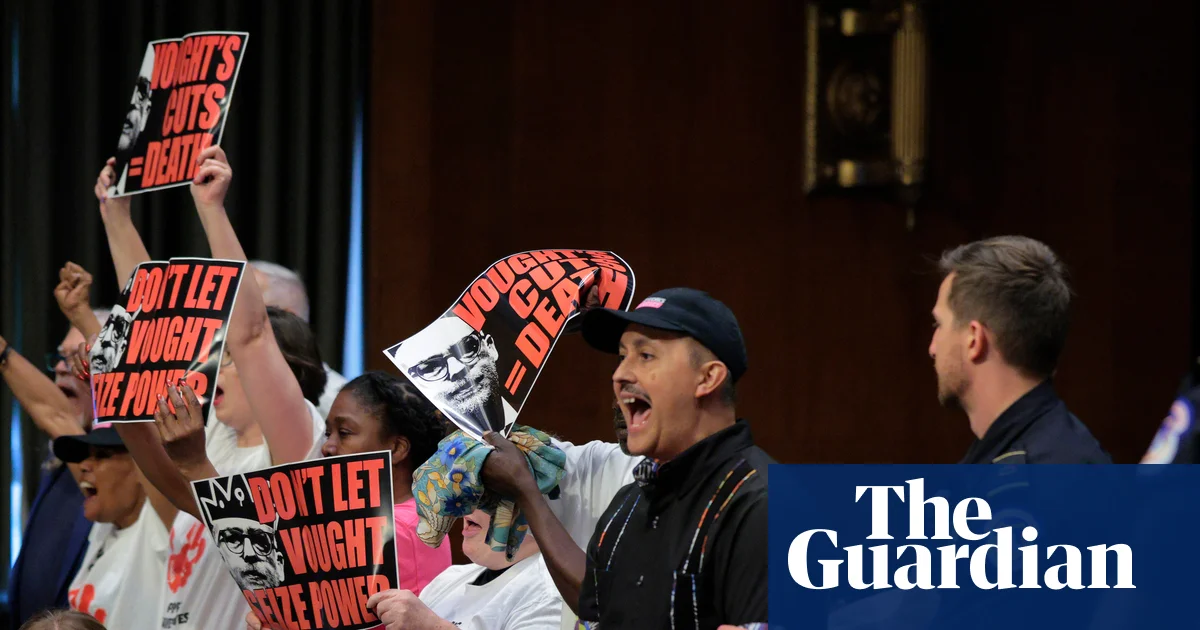
Vought’s Cuts Harm Lives: Activists Disrupt Trump Budget Hearing

The United States, long seen as a global leader in health and development aid, is witnessing a disturbing shift that threatens to reshape its international influence. Recent domestic debates over funding for PEPFAR (President’s Emergency Plan for AIDS Relief) highlight a broader strain within Washington’s foreign policy, raising questions about how much of its power and moral standing the US is willing to sacrifice. Despite bipartisan support in Congress, the Trump administration’s deliberate slashing of aid—particularly the nearly halving of global health spending in the upcoming fiscal year—signals a shift towards prioritizing domestic issues over international commitments. International analysts warn that such decisions weaken not just US credibility but also the entire framework of global health governance, which relies heavily on American leadership and resources.

The controversial move to impede funds for HIV/AIDS programs, which have historically saved millions of lives worldwide, echoes a troubling trend toward austerity in American foreign aid policies. The GAO (Government Accountability Office) recently found that funds intended for PEPFAR are being impounded—an act contrary to the Impoundment Control Act. This bureaucratic maneuver effectively withholds the money despite formal approval by Congress, manifesting a direct challenge to the legislative branch’s authority. Critics, including health organizations and international observers, interpret this as not only a breach of process but also a form of sabotage against one of America’s most successful health initiatives. As historian Michael O’Hara warns, such sustained neglect could irrevocably undermine America’s moral authority in the world’s health crises, encouraging rival nations to fill the void.

  • In the first year of these cuts, an estimated 780,000 lives were lost due to diminished aid, with projections suggesting millions more could succumb if current policies persist.
  • Congress approved funding for PEPFAR at $4.6 billion, yet operational delays and obstruction hinder the actual disbursement of these funds to vital organizations on the ground.
  • The administration’s rejection of the aid—a core element of bipartisan consensus—aligns with a broader pattern of U.S. disengagement from global leadership, especially on issues perceived as foreign policy liabilities.

This retreat has profound geopolitical impact. Newly empowered rivals such as China and Russia are stepping into the vacuum, expanding their influence under the guise of offering aid and strategic partnerships. Their growing presence in Africa, Southeast Asia, and Latin America challenges the traditional dominance of Western-led institutions. Meanwhile, how the U.S. handles its foreign aid policies influences societal perceptions of American promises and commitments abroad. When aid is withheld or politicized, it not only jeopardizes public health but also diminishes trust among emerging nations that have historically looked to the U.S. as a symbol of stability and generosity.

International organizations like the WHO and UNAIDS express concern that such policy shifts could set a dangerous precedent, eroding the global consensus on shared responsibility for health crises. Experts warn that failure to sustain aid efforts risk creating a global environment where poverty, disease, and instability become intertwined, fueling cycles of chaos that threaten regional and international stability. The political struggles inside Washington thus have consequences that extend far beyond borders, shaping the future of international order in unpredictable ways.

As history unfolds in these tense corridors of power, the question remains: will the U.S. restore its commitment and leadership in global health, or will it cede its moral authority to rivals eager to exploit its retreat? The current clash over aid funding is not merely a budgetary dispute but a crucial battleground where the future of American influence and the lives of millions hang in the balance. In the end, the decisions made today will echo through history, dictating whether the U.S. remains a beacon of hope or a shadow on the global stage—a choice with ramifications that extend beyond the immediate and into the very foundation of international stability.

Royal Commission’s First Hearing: Bondi Attack Details Blocked — What They Don’t Want You to Hear

International Reflections on the Bondi Beach Terror Attack and Its Wider Geopolitical Impact

The recent Bondi Beach terror attack in Australia has raised profound questions about security, social cohesion, and societal resilience. As authorities grapple with how to address these challenges, the unfolding narrative emphasizes the delicate balance between justice and the safeguarding of social harmony in a multicultural society. The ongoing royal commission, convened to investigate antisemitism and social cohesion, underscores the importance of confronting internal threats while carefully navigating legal sensitivities, especially given the criminal proceedings against the accused.

The commission’s focus on antisemitism aligns with global concerns about the rise of hate-driven violence, with international organizations like the United Nations warning of the dangerous implications if these prejudices are left unchecked. By adopting the working definition of antisemitism from the International Holocaust Remembrance Alliance, Australia signals a determined effort to recognize and combat this prejudice at its core. Yet, analysts observe that such national inquiries could ripple across the international arena, influencing how countries develop policies on hate speech, extremism, and social cohesion.

The Geopolitical Impact of Internal Security and International Alliances

While the Australian investigation centers on domestic issues, its implications extend far beyond its borders, especially in a world where global terrorism often intersects with international alliances and ideological conflicts. Decisions made in the Melbourne and Sydney corridors of power influence broader geopolitical alliances, especially when considering how allied nations collaborate concerning intelligence sharing and counter-terrorism strategies. As analysts from prominent institutions suggest, the way Australia addresses its social fabric could serve as a model—or warning—to other nations battling rising extremism within their borders.

Further complicating the international landscape is the question of free speech versus hate speech. The commission explicitly states that criticism of Israel‘s policies is not inherently antisemitic, illustrating the nuanced line policymakers walk in balancing protecting religious and ethnic communities with safeguarding important freedoms. This careful calibration indicates how nations must craft delicate diplomatic narratives that align with global human rights standards without infringing upon fundamental liberties. Moreover, the inclusion of an intelligence review, led by former security officials, demonstrates a comprehensive approach that combines domestic law enforcement and international intelligence cooperation in confronting ideological threats.

Societal and Cultural Ramifications

The social consequences of such an incident are profound, particularly for communities targeted by hate. The Jewish community in Australia faces a renewed call to defend its place within a cohesive society. The NSW premier underscores the link between hate speech and violence, emphasizing that “dangerous thoughts lead to dangerous words,” which can ultimately escalate into deeds. This reality prompts a broader international debate about how societies can foster mutual empathy amid rising social divisions.

As historians warn, history shows that unchecked prejudice often blossoms into violence unless actively countered through education, policy, and community outreach. The Royal Commission‘s effort to chart a course toward greater social cohesion could influence global discourses, setting precedents for how nations respond to internal threats. Ultimately, the unfolding tragedy at Bondi Beach serves as a stark reminder: the forces shaping our history are never static, and the fight for a resilient, inclusive society is an ongoing battle—one that could determine the future of civilization itself.

Conclusion: The Weight of History

As the world watches, the decisions made in the coming weeks will echo in the corridors of international power and within the heart of Australian society. The struggle to balance justice, security, and social unity is a reflection of the larger battle facing democracies worldwide — a battle between the forces of division and the enduring hope for harmony. History remains an unwritten story, but with each choice, the narrative of the future is forged — a future where the lessons of today will either serve as warnings or catalysts for a more united world. As one chapter closes, another begins, and the weight of history presses ever more heavily on the shoulders of those who dare to shape it.

Peppa Pig’s hearing loss story could help end society’s stigma on disabilities

Social Dynamics in Education: Embracing Diversity and Inclusion

In recent developments within the realm of special education, the leadership at a school serving the deaf community has emphasized initiatives aimed at fostering greater inclusion and social integration. The head teacher highlighted that certain episodes or activities are designed to help deaf children “not feel so different,” underlining a vital societal shift towards recognizing the importance of empathy, acceptance, and community cohesion. This focus underscores the fundamental understanding that social inclusion within educational settings not only benefits students’ individual development but alsoRipples across families and broader communities, impacting perceptions of diversity.

However, the pursuit of genuine inclusion often exposes the persistent challenges that families and communities face in bridging communication gaps and breaking down societal barriers. Social commentators and sociologists such as Dr. Mariana Ruiz suggest that when schools actively work to diminish feelings of marginalization among students with disabilities, they foster environments where every child can thrive. Nonetheless, such efforts often require significant resource investment, comprehensive training, and cultural sensitivity—elements that are not always adequately addressed. Therefore, the journey towards true inclusion demands a societal commitment to re-evaluate how educational institutions and public services recognize and support the diverse needs of their communities.

Moreover, these initiatives impact not only the students but also ripple into familial structures. The parents of deaf children frequently face social stigmas, misunderstandings, and a lack of adequate support systems. As noted by historian Dr. Robert Clarkson, historical narratives often marginalized deaf culture and undervalued the importance of linguistic and cultural identity. Today, however, a growing recognition of the cultural significance of deafness and sign language is fostering a paradigm shift—one that values differences as strengths rather than deficits. This shift is critical for helping families feel more connected and supported, aspiring towards a society where every family’s story is recognized as an integral thread in the social fabric.

In contemplating these social transformations, it becomes clear that the challenge lies in addressing the structural inequalities and cultural biases that still pervade many aspects of society.

  • Implementing inclusive curricula that validate multiple ways of learning and communicating
  • Training educators to be culturally competent and sensitive to diverse needs
  • Expanding community outreach programs to foster understanding and acceptance
  • Developing policies that ensure equitable access to resources for marginalized groups

These initiatives are essential stepping stones toward creating a society where diversity is celebrated and all children can genuinely feel they belong.

As society continues to grapple with complex issues of identity, communication, and belonging, the enduring question remains: how do we build a collective future where social acceptance replaces exclusion? In the quiet resilience of children learning to navigate their worlds and in the dedicated efforts of educators seeking inclusivity, there lies a spark of hope. Society’s capacity to transform itself—embracing cultural shifts and addressing social tensions—might ultimately forge communities where every voice is heard, and every child’s potential is realized. The dawn of such a future beckons, urging us to reflect on our shared responsibility: to craft a society that values not just tolerance, but genuine understanding and unity.

Top OTC Hearing Aids of 2025: Tested, Trusted, Ready for Action

The rapid evolution of hearing aid technology is disrupting the traditionally conservative healthcare industry, signaling a new era driven by innovation and greater accessibility. The 2022 FDA approval of over-the-counter (OTC) hearing aids marked a pivotal change, democratizing access to auditory assistance and challenging entrenched prescription-based models. Industry analysts, including Gartner and MIT researchers, emphasize that this shift could potentially multiply the market size by breaking down longstanding barriers such as cost and availability, ultimately fostering competition and innovation in the wearable tech space.

Unlike prescription hearing aids, which require extensive audiological testing and personalized fitting, OTC devices are designed for broad use, leveraging app-based self-fitting technologies. This democratization of hearing aid access is not without skepticism — critics from the medical community warn against a one-size-fits-all approach, considering that serious cases of hearing impairment still demand tailored, clinically-driven solutions. Nevertheless, companies like Jabra and Apple, with their recent launches of products like Jabra Enhance Select 300 and AirPods Pro 3, exemplify how industry giants are rapidly integrating disruptive features such as Bluetooth streaming, AI-driven sound calibration, and sleek form factors, creating a cornered market for youthful consumers eager for seamless, multifunctional wearables.

  • Innovation Milestones: Integration of smart features, self-fitting apps, improved sound quality, and discreet designs
  • Business Implications: Expanding consumer base, reduction in entry barriers, and acceleration of R&D investments
  • Market Risks: Consumer safety concerns, regulatory challenges, and the need for industry standards

Experts like Elon Musk and Peter Thiel have long spoken about disruption as a catalyst for growth, and this trend applies vividly here. The entry of tech giants into the hearing aids market indicates a broader movement: wearable health tech is becoming as ubiquitous and essential as smartphones. As Gartner forecasts, the market for smart, connected hearing devices could grow exponentially, driven by innovations in AI, machine learning, and digital health ecosystems. This convergence of technology and healthcare could redefine how industry leaders view competitive advantage, emphasizing agility and user-centric design over traditional clinical fidelity.

However, this rapid innovation also comes with risks and calls for urgent regulatory adaptation. The industry must balance disruption with consumer safety, ensuring new products meet rigorous standards without stifling the nimbleness that startups and giants alike have demonstrated. As the market evolves, companies that can quickly innovate, provide value-driven solutions, and address unmet needs will dominate the landscape. The next two years promise a battleground of technological breakthroughs and strategic moves, emphasizing the necessity for enterprises to act swiftly. For youth-oriented audiences and startups, this trajectory presents unprecedented opportunities to leverage emerging AI, connectivity, and user experience advancements — setting the stage for the next wave of asistive technology that could profoundly impact millions worldwide.

Social Media Auto Publish Powered By : XYZScripts.com