
US Vaccine Debates and Their Geopolitical Impact
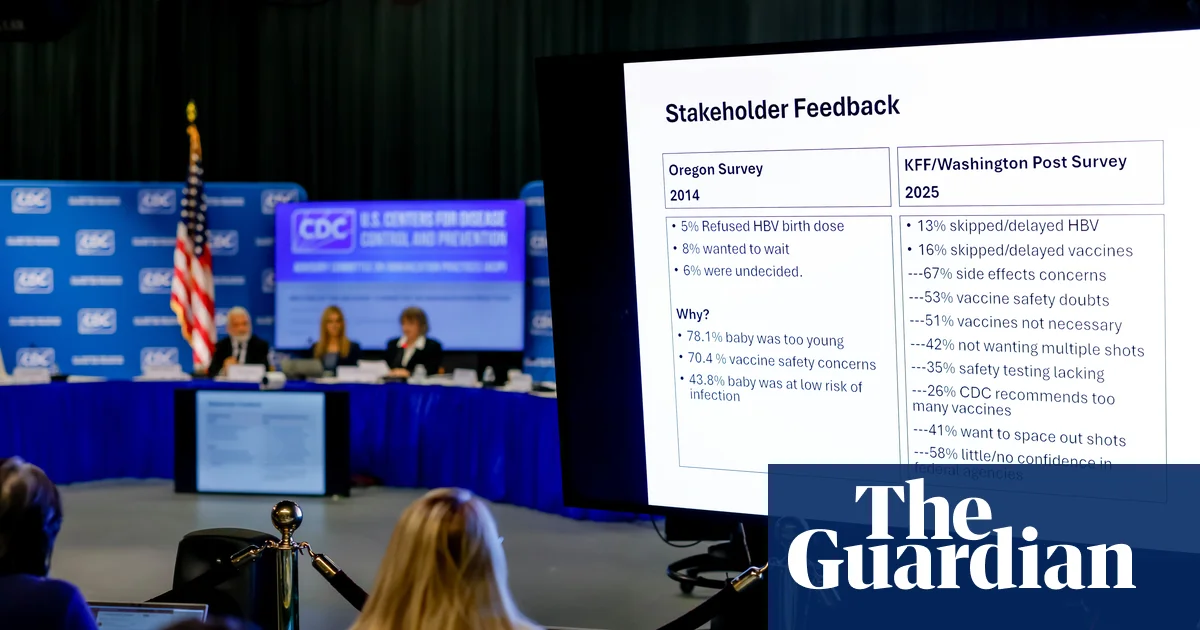
The recent convergence of United States healthcare decisions has underscored a profound shift in the nation’s approach to childhood immunizations. During a contentious meeting of the Advisory Committee on Immunization Practices (ACIP), a pivotal vote was postponed on restricting hepatitis B vaccination for infants. This unprecedented standoff reflected deep divisions that reach beyond domestic health policies, resonating across global health dynamics and geopolitical stability. The decision, or rather its delay, follows a series of recent recommendations that signal a retreat from the consensus historically practiced in vaccine administration, raising alarms about the future health sovereignty of the United States.
Critically, the debate was not rooted in new scientific evidence—no data demonstrating harm from the vaccine was presented—yet it spotlighted ideological rifts. Some members, appointed under controversial political influences, challenged the established safety record of the vaccine, which has protected over 1.4 billion people worldwide for more than three decades. The inclusion of vaccine skeptics within the advisory panels mirrors broader cultural and political tensions, often fueled by figures like Robert F. Kennedy Jr., whose anti-vaccine advocacy has gained notable traction among segments of the American youth. Analysts warn that such associations could erode trust in public health at a crucial juncture, potentially reversing decades of progress in childhood disease prevention.
Implications on National and Global Health Policies
- In recent months, the ACIP has recommended more restrictive guidelines, including limiting access to vaccines for diseases such as measles, mumps, rubella, and chickenpox, echoing a shift that could challenge international childhood health standards.
- This trend is compounded by the resignation of Martin Kulldorff, the former ACIP chair, who transitioned to the U.S. Department of Health and Human Services. His replacement, Kirk Milhoan, a pediatric cardiologist with a record of opposing some COVID-19 vaccination mandates, exemplifies a deliberate move away from scientific consensus and towards political influence.
- World health experts and international organizations have expressed concern over the declining vaccination rates—amid rising vaccine hesitancy and the fallout of the COVID-19 pandemic. The recent surge in measles outbreaks across the U.S. underscores how policy shifts—whether to restrict or promote vaccination—directly influence national and how societies manage emerging health threats.
Historians and public health analysts emphasize that such decisions carry far-reaching geopolitical consequences. Countries worldwide watch as the U.S., a leader in vaccine development, grapples with internal divisions that threaten to weaken collective immunity and global disease control efforts. The focus on vaccine skepticism and political meddling in scientific institutions could redefine the international standing of American health diplomacy. As America navigates this precarious path, the weight of history presses heavily upon its shoulders, with the unfolding narrative of vaccine policies poised to leave an indelible mark on future generations.
In the shadow of these turbulent debates, the capstone remains clear: history continues to be written not just by the decisions of today’s leaders, but by the societal values they choose to uphold. The question remains—will the United States reaffirm its commitment to science and public health, or will it succumb to the divisiveness that threatens to unravel decades of progress? As the world watches with bated breath, the outcome of this internal struggle will undoubtedly shape the global health landscape for generations to come. The pages of history turn, and with them, the very fabric of societal trust and international stability hang in the balance.