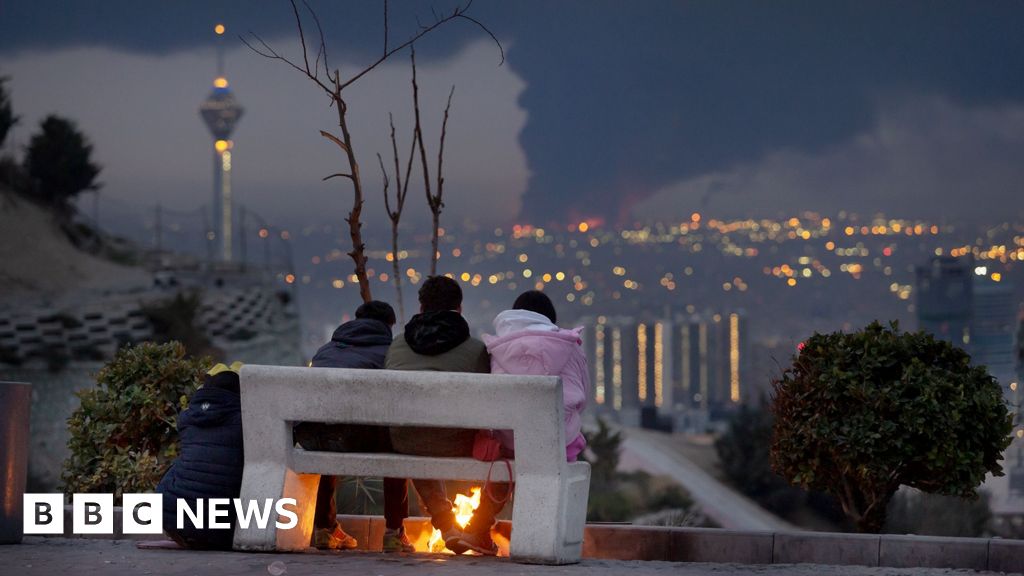

In a development that could redefine regional dynamics and reshape international perceptions, the recent two-week ceasefire between the United States and Iran signals a significant departure from decades of adversarial posturing. This unprecedented diplomatic move, though temporary, reflects shifts in geopolitical calculations driven by both strategic necessity and growing international pressure. As analysts revisit the histories of regional conflicts and the long-standing tensions surrounding Iran’s nuclear ambitions, the potential for a new chapter in Middle Eastern diplomacy emerges, with implications extending well beyond the Persian Gulf.
Many experts argue that the US’s willingness to engage in dialogue — even if just for a brief period — highlights a recognition that traditional military dominance alone cannot resolve complex geopolitical issues. According to seasoned international relations scholars, this pause could serve as a critical stepping stone toward more comprehensive dialogue. The United Nations and regional powers have long called for diplomatic solutions, but the recent move by Washington indicates a possible shift in tone and strategy. By engaging directly with Iran, the US risks altering longstanding alliances, and potentially undermining broader efforts to contain Tehran’s regional influence, but it also opens avenues that could lead to a more balanced order in the Middle East.
Historically, U.S.-Iran relations have been marked by decades of suspicion, sanctions, and intermittent confrontations—each conflict deeply intertwined with the broader strategic contest between the Western bloc and Iran’s desire for regional influence. The breakthrough in initiating a ceasefire could potentially recalibrate reputations and alliances. International analysts, such as those at the International Crisis Group, warn, however, that this is no guarantee of peace; yet, the move emphasizes the importance of diplomacy and negotiation amid persistent fears of escalation. The impact on regional actors—such as Saudi Arabia and Israel—remains uncertain, as they navigate their own fears of being marginalized or caught in the ripples of a shifting strategic landscape.
The geopolitical impact of this unprecedented diplomatic engagement extends far beyond the Middle East. It demonstrates a signal to global powers that traditional military dominance is no longer the sole means to influence outcomes. As such, allies and adversaries alike are compelled to reconsider their own strategies and policy frameworks. Russia and China observe keenly, recognizing that shifts in U.S. tactics could ripple into broader alliances and partnerships, affecting global stability. The World Trade Organization and other multilateral institutions are also likely to watch whether this temporary peace holds—and whether it inspires a more comprehensive approach to international conflict resolution.
In the final analysis, the recent move toward a ceasefire with Iran marks a turning point in history—an event fraught with uncertainty yet brimming with possibility. As diplomatic corridors open and new dialogues commence, the world is left to wonder: is this the dawn of a genuine shift toward peace, or merely a fleeting pause before the next storm? The shadows of history loom large, reminding us that the decisions made today will echo through generations. The unfolding story of this diplomatic gambit has yet to be written, but its pages are already heavy with the weight of countless hopes, fears, and ambitions that could ultimately define the course of global history.