
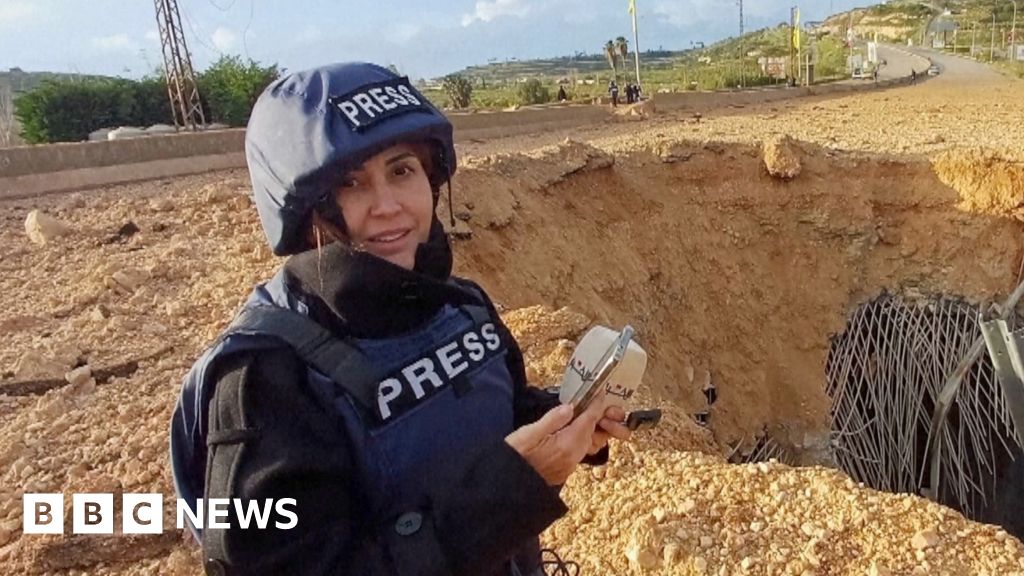

In a significant declaration that underscores the ongoing volatility of the Middle East, Lebanese President Michel Aoun emphasized that safeguarding the nation’s sovereignty remains his paramount objective. Addressing both domestic and international audiences, Aoun articulated that Lebanese negotiators are committed to striving for a comprehensive resolution to the persistent regional conflicts impacting Lebanon. Central to this effort are demands for the cessation of Israeli military operations within Lebanese territory, the withdrawal of Israeli troops, and the urgent release of Lebanese prisoners currently held in Israel. Moreover, Aoun associated these goals with broader national security measures, including deploying Lebanese military units along the volatile border with Israel and initiating reconstruction efforts that aim to stabilize and rebuild war-ravaged regions.
This stance emerges amid heightened tensions and a shifting landscape of regional alliances that are shaping the geopolitical environment of Lebanon and its neighboring countries. The ongoing conflict, rooted in decades of unresolved disputes and intermittent hostilities, regularly draws international concern, notably from The United Nations and other global humanitarian organizations, which warn of the fragile stability of the Lebanese state. While Lebanese officials seek diplomatic avenues, historians and analysts caution that unresolved grievances and external influences threaten to ignite a broader conflict. The region’s history is replete with moments where diplomatic efforts have faltered, resulting in devastating wars and enduring instability.
The geopolitical impact of these developments extends well beyond Lebanon’s borders. As the Lebanese government emphasizes sovereignty and resistance to external threats, regional powers such as Iran and Israel continue to play pivotal roles. They influence outcomes through proxy conflicts, military aid, and covert operations that complicate efforts towards peace. International organizations have called for restraint, but with diplomatic negotiations often overshadowed by military posturing, the potential for escalation remains high. Analysts point out that any permanent resolution hinges on a delicate balance: concessions must be weighed against national sovereignty, security, and regional stability, all under the watchful eyes of global powers vying for influence in an unstable landscape.
As history unfolds, the world watches an intricate dance of diplomacy and power, where each decision leaves a profound mark. Lebanon’s fight for sovereignty is emblematic of a broader struggle—where the echoes of the past collide with the uncertainties of the future. The stakes are immense, not only for the Lebanese people but for the entire Middle East. With every diplomatic twist and turn, the question lingers: will peace finally take root, or are we doomed to repeat the conflicts that have, for generations, torn this region apart? The pages of history are still being written, and their impact will resonate for decades to come, shaping the fates of nations and defining the legacy of this volatile yet strategically vital region.






