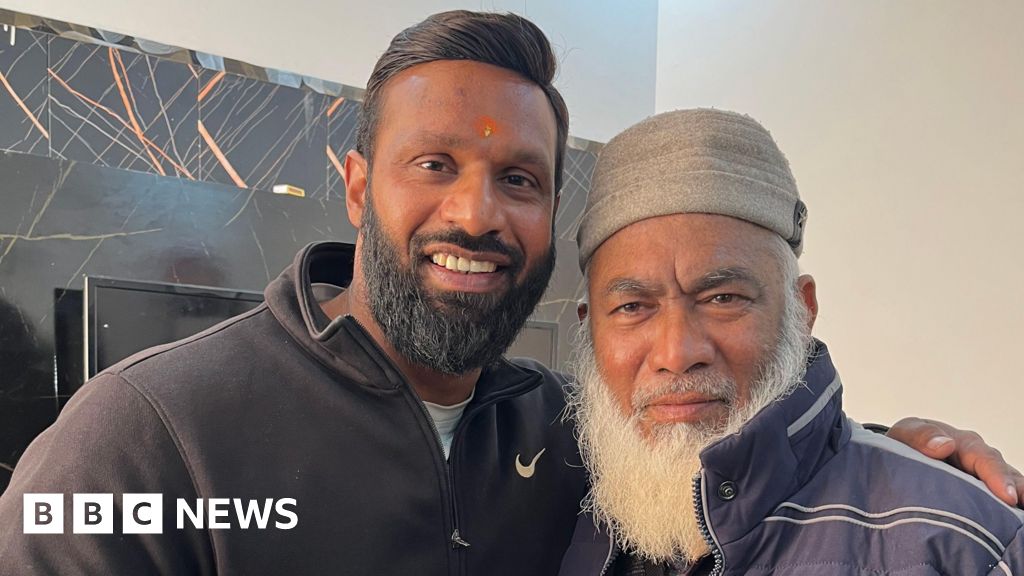

In a striking display of moral courage, Deepak Kumar, an activist and social leader, has publicly confronted rising Hindu vigilante groups in India. His stance, which challenges the growing tide of extremism and lawlessness, is being hailed by many human rights advocates as a rare act of heroism amid an increasingly polarized political landscape. However, this act of defiance has also come with a high cost—Kumar now faces impending death threats from those who see his confrontation as an attack on their ideological worldview. His case underscores the fraught social dynamics within India and illustrates a deeper confrontation over the future of rule of law, national identity, and societal cohesion.
This incident occurs against a backdrop of intense geopolitical shifts, both within South Asia and the broader international arena. Analysts from the International Crisis Group and regional security think tanks warn that hindu nationalist groups are not merely internal threats but have pivotal roles in shaping broader regional stability. Their aggressive tactics have prompted debates about the limits of free expression, religious freedom, and government authority. The government of India, led by Prime Minister Narendra Modi, finds itself at a crossroads—balancing rising nationalist sentiments with global diplomatic pressures to uphold secular principles embodied in the country’s constitution. This delicate balancing act is being closely scrutinized by international organizations such as the United Nations, which continues to assess reports of human rights violations linked to vigilantism.
Historians and geopolitical analysts point out that the decision of individual actors like Kumar to challenge vigilante groups represents a broader resistance to dangerous narratives that threaten the nation’s social fabric. The implications extend beyond India, influencing strategic calculations across the Indian Ocean region and neighboring Pakistan. The underlying warning is clear: allowing unchecked extremist groups to operate could spiral into regional unrest, destabilizing governments, and undermining the very institutions meant to uphold order. It is a testament to the fact that individual acts of bravery can catalyze larger societal debates about the rule of law, collective identity, and national security.
As debates intensify, the international community watches with growing concern. China and Russia have expressed cautious support for India’s internal sovereignty while voicing skepticism about Western criticisms. Meanwhile, the United States and European Union emphasize the importance of protecting minorities and democratic values. The ongoing struggle over these values signifies a pivotal chapter in the global contest for ideological dominance amidst rising nationalist fervor. The choices made now—how India and other nations respond to such challenges—will carve the geopolitical landscape for decades to come. As historians look back, they will see these moments as either turning points towards stability or precursors to further chaos in an increasingly fragile world order.
In the shadow of these turbulent currents, the story of Deepak Kumar becomes more than a single act of heroism—his confrontation marks a crucial point in history, reminding all nations that the fight for justice and social cohesion often begins at the individual level. The world holds its breath, aware that these choices are not isolated but interconnected threads woven into the vast tapestry of global history—where every decision echoes in the corridors of power, and the unfolding narrative leaves us all witnesses to the ongoing battle for the soul of civilization.