Matox News

Truth Over Trends, always!

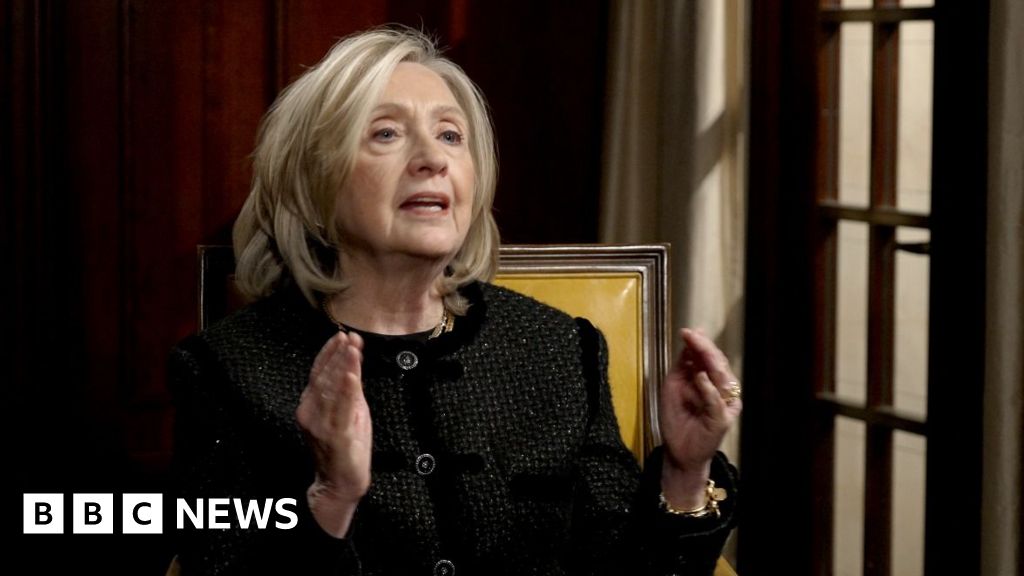
Hillary Clinton Accuses Trump of Covering Up Epstein Files in BBC Interview

The recent disclosures stemming from the Trump Administration’s cooperation with the House Oversight Committee mark a significant pivot in the ongoing quest for transparency surrounding high-profile, yet controversial, figures like Jeffrey Epstein. The White House emphasized that by releasing thousands of pages of documents and calling for further investigations into Epstein’s connections, especially with prominent Democrat figures, the current administration has taken a decisive step toward justice that they argue surpasses previous efforts. This development, however, is far more than a single administration’s move; it signals a shifting landscape in the global power dynamics where information sharing and accountability could potentially redefine diplomatic and internal political strategies across borders.

International analysts and veteran historians are closely scrutinizing these revelations, suggesting that how national governments handle such disclosures will have lasting impacts on their global standing and internal stability. The uncovering of documents associated with Epstein and his network not only exposes a tangled web of elites but also raises questions about state-sponsored accountability in the face of entrenched political and social interests. As Western democracies grapple with internal divisions over transparency and justice, the possibility emerges that longstanding alliances and diplomatic frameworks could be tested or redefined. The US’s deliberate move to cooperate with congressional inquiries underscores a broader strategic intent: to demonstrate a commitment to rule of law and transparency amid a rapidly shifting international atmosphere.

The underlying geopolitical impact of these developments extends well beyond American borders. Countries across the globe are watching as internal US conflicts mirror on the world stage, influencing how nations approach accountability, corruption, and the wielding of power. The United Nations and other global institutions analyze this sequence of events as a potential catalyst for reform in international governance. Meanwhile, Russia, China, and other geopolitical rivals are likely to perceive this transparency drive as a sign of internal fragility within Western democracies—possibilities that could either weaken or reinforce their own narratives of control and repression.

As history continues to unfold, the question remains: will these disclosures trigger a broader crusade for justice and reform, or will they deepen divisions and entrench secrecy? The outcome hinges on whether nations choose to confront uncomfortable truths or dismiss them as mere political theatre. With some experts warning that this is merely the beginning of a new era of informational warfare, the implications for domestic and international stability are profound. The weight of history presses heavily upon the decisions made in this pivotal moment—decisions that will echo through generations and steer the course of global development in ways still uncertain. Truly, we stand at a critical juncture where the pursuit of transparency could either forge a new era of accountability or plunge society further into discord, leaving the future to be written by those bold enough to confront the shadows of the past.
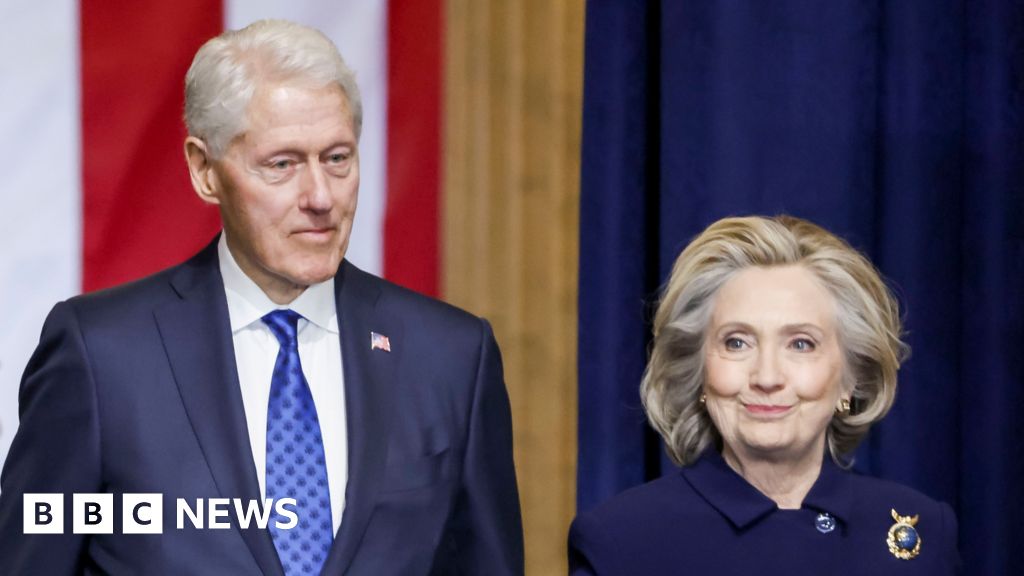

Bill and Hillary Clinton to testify in House Epstein probe

The unfolding saga surrounding the Epstein scandal continues to reverberate across the geopolitical landscape. In a development that underscores the intricate influences of powerful global elites, former US President Bill Clinton and his wife, Hillary Clinton, the former Secretary of State, have agreed to testify in a congressional investigation linked to the late sex offender Jeffrey Epstein. This move not only averts potential contempt of Congress charges but also raises profound questions about the intersection of power, accountability, and international diplomacy.

The Clintons’ decision to cooperate marks a pivotal moment in the ongoing effort to dissect Epstein’s vast network of influence. As key figures with longstanding ties to elite circles, their testimonies are anticipated to provide critical insights into allegations that implicate a broader web of political and financial interests. Experts warn that these revelations could have far-reaching geopolitical implications, especially as they challenge the veneer of Western political integrity. Analysts from international watchdog organizations stress that such disclosures may trigger a chain reaction, exposing other influential figures and prompting calls for systemic reform.

The geopolitical impact of this situation extends beyond American borders. Historically, revelations involving domestic scandals of this magnitude tend to ripple across alliances and diplomatic relations. Global governance hinges on transparency, and when prominent leaders are entangled in such controversies, it fuels debates over sovereignty, judicial independence, and international morality. The Epstein affair has already become a symbol of elite impunity, with critics arguing it exposes the decadence and corruption lurking within global centers of power. As governments respond differently—some seeking to shield themselves with silence, others pushing for accountability—the international community watches intently.

Distinguished historians and analysts warn that the decisions made now could very well serve as a turning point in the ongoing battle for transparency. The controversy highlights the underlying tensions in modern societies where entrenched elites often evade justice, fostering public disillusionment and fueling populist movements. International organizations, including the United Nations and various human rights watchdogs, continue to emphasize that global institutions must uphold the rule of law and resist the corrupting influence of power. Yet, the narrative remains dynamic, with each revelation adding weight to the broader discourse on morality and justice in the 21st century.

Despite the Clinton’s cooperating stance, the shadow of this revelation will linger, shaping the political terrain for years to come. As history watches, the unfolding story of accountability—woven into the larger fabric of geopolitics—is far from over. The tension between transparency and secrecy persists, threatening to redefine international power dynamics and the social contract itself. In this high-stakes chess match of influence and truth, the world remains perched on a precipice, where the decisions of today will echo through the corridors of history, forever shaping the global order of tomorrow.

Social Media Auto Publish Powered By : XYZScripts.com


