Matox News

Truth Over Trends, always!

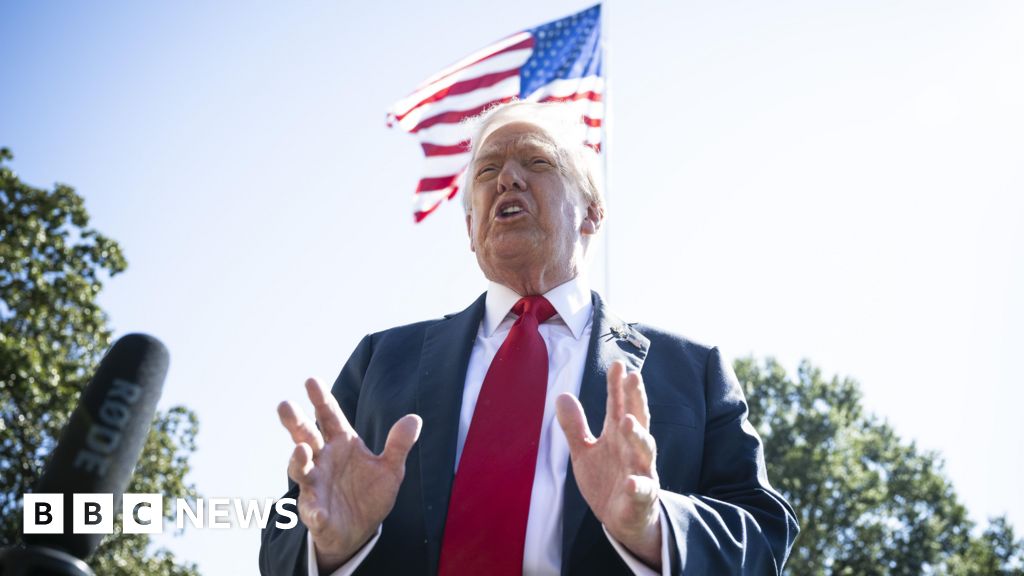
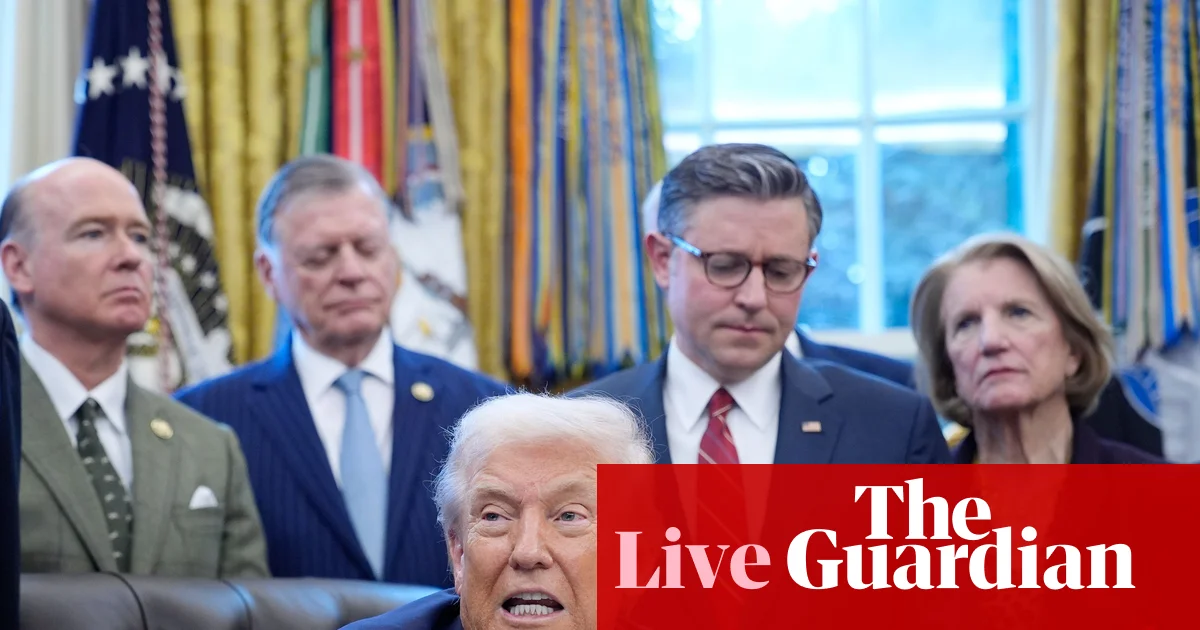
Trump calls Pretti and Good ‘not angels’ as he hints at milder immigration stance — US politics updates

In a tumultuous era marked by shifting alliances and ideological battles, United States actions continue to reshape the global geopolitical landscape. The recent reaffirmation of religious and national values by President Donald Trump at the 74th National Prayer Breakfast underscores a broader ideological push to reinforce traditional faith-based identities amidst a rapidly evolving international order. This event—an annual convergence of political, social, and business elites—serves more than just spiritual purposes; it is a platform where Trump emphasizes his commitment to defending religious freedoms, pushing back against what he characterizes as the divisive policies of the current Biden administration. Analysts argue that such rhetoric aims to rally the conservative base while projecting strength abroad, signaling a deliberate departure from progressive social policies that have faced increasing global scrutiny and resistance.

Beyond the religious rhetoric, American strategy on the world stage reflects a calculated effort to counterbalance China’s rising dominance, especially in critical sectors such as minerals essential for modern weaponry and high-tech industries. The Trump administration’s initiative to establish a critical minerals trading bloc with allies demonstrates its intent to leverage economic and strategic tools to diminish China’s geopolitical influence. This move, supported by tariffs and trade agreements, highlights a concerted effort to safeguard supply chains crucial for electric vehicles, missiles, and cutting-edge defense technology. International organizations, including some from Europe and Asia, are watching these developments closely, recognizing that control over vital resources translates into political leverage—an arena where Great Powers compete fiercely for dominance. Economists warn that this tripwire could solidify a new era of resource nationalism, profoundly affecting society through increased costs and reshaped alliances.

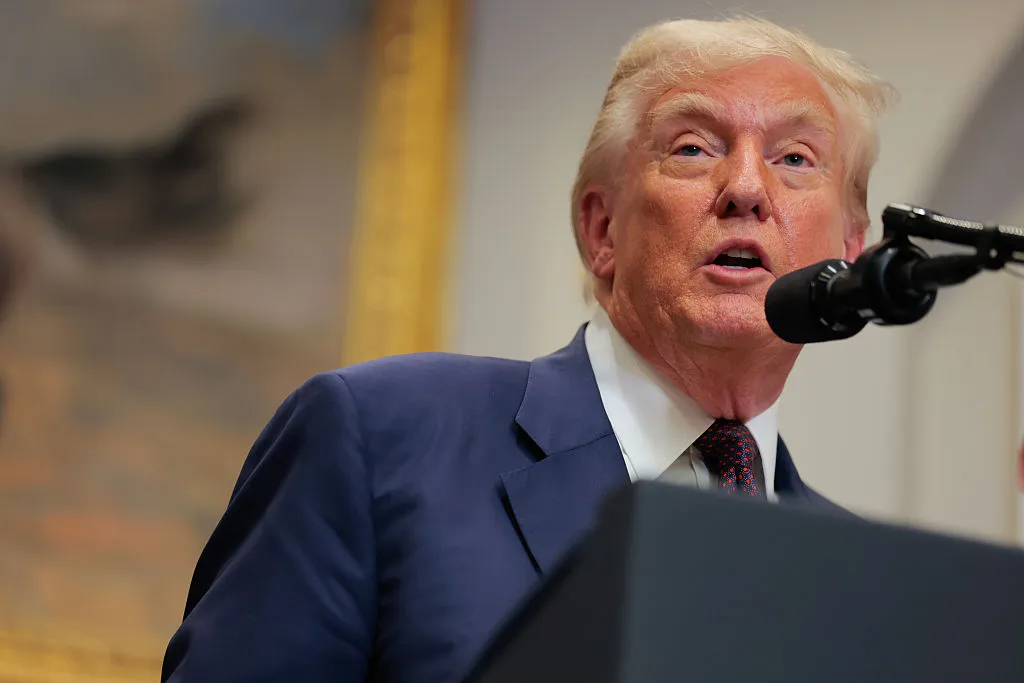
Meanwhile, the internal political dynamics of the United States reveal an ongoing ideological struggle that extends beyond foreign policy. The controversy surrounding immigration enforcement in Minnesota, where ICE agents face opposition from local and national figures, exemplifies the deep societal divide regarding law and order. Recent statements by Donald Trump acknowledging that Renee Good and Alex Pretti were “not angels” but affirming unwavering support for law enforcement, strike a tone of toughness and reassurance to his conservative supporters. Trump’s call for a “softer touch” in immigration enforcement suggests an attempt to balance strict policies with public relations, aiming to preserve his political narrative of law and order—a message that resonates powerfully in a society grappling with safety and national unity. As Senator Chuck Schumer and others demand complete withdrawal of federal agents, the societal tension reveals the fragility of domestic consensus amid international and ideological pressures shaping the nation’s future.

As the world watches, the chessboard of geopolitics continues its relentless advance. Negotiations between Moscow and Kyiv in the shadow of Russian missiles highlight the ongoing \u201cwar of attrition\u201d—a grim reminder that conflicts are no longer confined to battlefield trenches but extend into cyber, economic, and diplomatic realms. Concurrently, the US seeks to form strategic alliances to curb China’s burgeoning influence, while Britain grapples with internal scandals involving past figures linked to Jeffrey Epstein, exposing the persistent scars of political trust and morality. These developments evoke a somber reflection on history—an ongoing saga where decisive decisions today will resonate through generations. The weight of history presses upon every leader in every capital, and the narrative continues to unfold with unpredictable intensity, leaving the global community poised at a crossroads where the future of nations, societies, and values hangs in the balance, teetering on the edge of history’s next great chapter.

Growing hints of rate hike as Australia’s inflation hits 3.8%—what it means for the youth and your wallet

Global Economic Tensions Rise as Australia Faces Inflation Surge

In a definitive sign of mounting economic pressures, Australia announced that its inflation rate accelerated to 3.8% in the year ending December, up from 3.4% the previous month. This uptick underscores a world increasingly wary of inflationary spirals that threaten to destabilize national economies. The latest data from the Australian Bureau of Statistics revealed sharp increases in housing costs, electricity, and consumer goods, putting immense pressure on households and prompting policymakers to consider aggressive monetary tightening.

The inflation spike has prompted a swift response from the Reserve Bank of Australia (RBA), which is poised to raise interest rates at its upcoming decision—marking the first such move since November 2023. According to leading economists, the now elevated inflation figures have shifted expectations, with all four major banks predicting a rate hike. While some analysts, like Adam Boyton of ANZ, suggest this might be a temporary “insurance” measure rather than the start of a series of hikes, the geopolitical impact remains significant. Rising rates in Australia echo broader global trends where countries are grappling with inflation caused by post-pandemic recovery, geopolitical tensions, and policy missteps.”

How Inflation and Policy Shifts Reshape The< u>global economic landscape

  • In Europe, inflation rates are also climbing, forcing the European Central Bank to consider tightening monetary policy—potentially affecting trade and investments worldwide.
  • In North America, the U.S. Federal Reserve has already begun tapering measures, but persistent inflation continues to challenge its strategies.
  • In emerging markets, rising U.S. interest rates have led to capital outflows and currency depreciation, heightening social unrest and economic instability in vulnerable societies.

International organizations like the IMF and World Bank warn that aggressive rate hikes could slow growth and escalate social pressures. Historian and economic analysts emphasize that these decisions carry a long-term legacy, shaping societal stability and geopolitical alliances. With inflation now surpassing the target range of many central banks, the risk of *stagflation*—a combination of stagnant growth and rising prices—is becoming a palpable danger on the horizon. Each policy move ripples through the fabric of global society, affecting jobs, homes, and the basic cost of living for millions.

The Broader Geopolitical Impact

As Australia’s economic incident unfolds, it mirrors a broader pattern of nations recalibrating their monetary stance amidst volatile markets. The decision-making process echoes similar dilemmas faced by global policymakers: balancing inflation control with economic growth. Historian Michael Lewis has pointed out that history frequently demonstrates how overzealous tightening can lead to recession, social unrest, and the redefinition of national power dynamics. Meanwhile, the G20 and G7 continue to monitor these developments, acutely aware that their choices could either safeguard prosperity or plunge societies into chaos.

Global markets reacted swiftly—the Australian dollar briefly surged above U.S.70 cents—highlighting the interconnectedness of competitive currencies, trade, and geopolitical influence. How nations respond to inflation will determine the trajectory of world power balance for decades to come. As the IMF warns of potential slowdown and the World Bank assesses rising debt burdens, a delicate dance unfolds—one that may well decide whether history records this era as a turning point or a descent into prolonged turmoil.

In the end, the ongoing battle against inflation in Australia and across the globe is more than economic numbers; it is a reflection of societal resilience, political will, and the enduring struggle for stability amidst chaos. The decisions taken now—by central banks, governments, and international institutions—are reshaping the landscape of international power, with the shadows of today’s choices stretching long into an uncertain future. The echoes of history remind us: in this fragile balance, the weight of the future rests heavily on what is decided today, and the stories of tomorrow remain unwritten in the unfolding fabric of history.

Labour unveils child poverty plan, hints welfare overhaul needed to cut costs

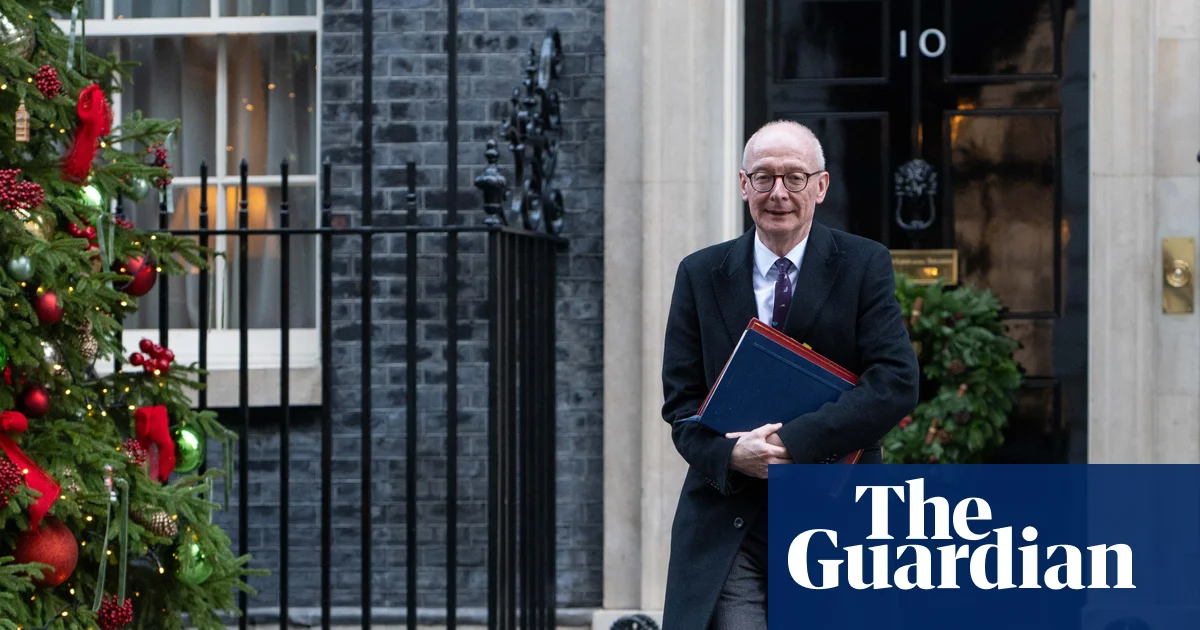
The United Kingdom is currently navigating a critical phase in its social and economic policy landscape, with the government emphasizing reforms aimed at overhauling its existing welfare system. As the Chancellor Rachel Reeves and Work and Pensions Secretary Pat McFadden publicly commit to substantial changes, the overarching goal appears to be a strategic shift towards incentivizing employment, reducing dependency, and addressing entrenched poverty issues. The government’s recent announcement of its new child poverty strategy signals a resolute stance: it is no longer content merely to redistribute wealth but seeks to foster a resilient, self-sufficient society, with an eye on the far-reaching geopolitical implications of economic stability and social cohesion.

This reform agenda includes the notable initiative to end the two-child limit on universal credit—an impactful move estimated to lift approximately 450,000 children out of poverty by 2031. Such measures, which also encompass improvements like better access to affordable essentials, streamlined housing support, and expanded educational nutrition programs, highlight the government’s multifaceted approach to tackling poverty. Political analysts note that these steps are likely driven by a renewed recognition that social stability directly influences Britain’s position on the global stage. Leaders understand that a fractured society, riddled with inequality, destabilizes both internal cohesion and diplomatic credibility in a world increasingly wary of domestic unrest fueled by economic disparity.

Furthermore, the government’s willingness to admit that the existing welfare system is inadequate underscores a broader shift in policy philosophy. As Pat McFadden pointed out, “Reform is happening,” signaling the end of complacency that previously allowed old policies to linger. The ongoing reviews—such as the Timms review on disability benefits and an examination of youth inactivity—are not mere bureaucratic exercises; they represent a concerted effort to recalibrate social support in a way that aligns with the national interest of fostering a productive workforce. This focus on work incentive parallels a global trend seen in U.S. and European policies, where governments increasingly recognize that enabling employment can serve as a potent tool for economic revival, especially in uncertain geopolitical times.

Critics, however, warn that these reforms are being watched closely by international organizations and analysts as a test of Britain’s resolve to balance fiscal responsibility with social justice. The OECD and other economic think tanks are scrutinizing whether the UK’s emphasis on pushing people into work can succeed without exacerbating social divides or overlooking vulnerable populations. The narrative emerging from London echoes a broader international debate: how far should nations go in restructuring welfare systems in pursuit of economic resilience and national security? As historians warn, history demonstrates that neglecting social cohesion during times of reform can lead to long-lasting societal fractures. The question remains whether Britain’s current approach will foster shared prosperity or deepen the fault lines of inequality that threaten to define this era’s social fabric.

As the weight of history continues to press upon these decisions, the unfolding story of Britain’s social policy is no less than a chapter in the larger story of a nation seeking to redefine itself in a turbulent global order. The decisions made today in the corridors of Westminster—shaped by politicians, analysts, and international bodies—will have far-reaching repercussions for decades to come. The coming years will reveal whether this ambitious push for reform will serve as a model of resilience or a cautionary tale of how the forces of social division and political will converge in the shaping of a nation’s destiny. In the shadows of these policies, history quietly waits to record whether Britain will emerge stronger or scarred by its own reforms, as the world watches with bated breath, mindful that the pages of history are still being written.

Trump admin hints it may back off from challenging state AI rules

U.S. Federal Push to Standardize AI Regulation Sparks Industry Debate

The current trajectory of artificial intelligence (AI) regulation in the United States signals a pivotal shift toward centralized oversight, with the Trump administration advocating for a unified federal standard. In a recent social media post, former President Donald Trump emphasized the necessity of moving away from a patchwork of state-level laws, calling for “one Federal Standard” to streamline AI governance. This initiative underscores a major departure from the decentralized regulatory landscape that has characterized the industry, potentially setting a precedent for how innovation will be managed at the national level.

Historically, the idea of a federal approach was rooted in the administration’s earlier legislative attempts, such as the proposed “Big Beautiful Bill,” which included a decade-long ban on state AI regulations—a measure seeking to preempt local restrictions and foster nationwide industry growth. Although this specific measure was ultimately removed by the Senate in a rare bipartisan vote (99-1), the renewed push signals an urgent effort to suppress what industry insiders see as disruptive, often inconsistent, state laws that could stifle technological innovation and market expansion. The move appears to be motivated by fear of regulatory fragmentation impeding the competitive edge of American AI firms against global rivals, particularly China and Europe, which are investing heavily in setting comprehensive AI standards.

Disruption Strategies: Litigation and Funding Leverage

According to reports from CNBC and Reuters, the administration is considering aggressive tactics to enforce federal dominance, including the drafting of an executive order that would create an AI Litigation Task Force. This body would have the authority to challenge state-level AI laws through lawsuits, potentially disrupting local jurisdictions that seek to implement their own regulations. Additionally, the executive order aimed to wield financial influence by threatening to withhold crucial federal broadband funding from states that resist federal standards, a move interpreted as a strategic effort to consolidate control over the AI ecosystem.

  • Milestones: Drafting of executive orders aimed at legal challenges
  • Tools: Federal funding leverage to influence state policies
  • Implications: Disruption of grassroots and local innovation efforts

Such aggressive measures, however, face mounting opposition within Congress and the private sector. Notably, Republican lawmakers—who previously criticized a proposed moratorium on state AI regulation—are wary of overreach and the potential stifling of regional innovation hubs. The political pushback reflects tension between fostering innovation freedom and ensuring national security and ethical standards in AI deployment. Major industry analysts, including those from Gartner, warn that such centralized control may hinder disruptive innovation in emerging AI sectors such as autonomous vehicles, biotech, and cybersecurity tools.

Business Implications and the Future Trajectory

The strategic push for federal AI regulation could reshape the American tech landscape, positioning the United States as a global leader in setting standards—yet risking environmental and entrepreneurial stagnation. Firms based in states wary of federal overreach—like California and Texas—may face increased regulatory uncertainty, potentially forcing relocations or strategic shifts in R&D investments. Behind the scenes, industry giants like OpenAI and Tesla are closely monitoring the legislative environment, knowing that heavy-handed regulation could either hinder innovation or provide clarity that accelerates deployment and commercialization of breakthrough AI products.

The trajectory of AI regulation in the U.S. is emblematic of the broader disruption the industry faces—balancing top-down governance with bottom-up innovation. As political actors and industry leaders scramble to define the rules of the game, the collective impact will determine whether America maintains its technological dominance or surrenders ground to more agile, less regulated competitors. Forward-looking executives, investors, and technologists should be prepared for rapid shifts, driven by policy decisions that could either catalyze or constrain the next wave of AI breakthroughs. With technology advancing at breakneck speed, the window for strategic positioning is narrow, making the next few months critical for shaping the future of AI governance and its business implications.

Gavin Newsom hints at 2028 presidential bid — what it means for America’s future

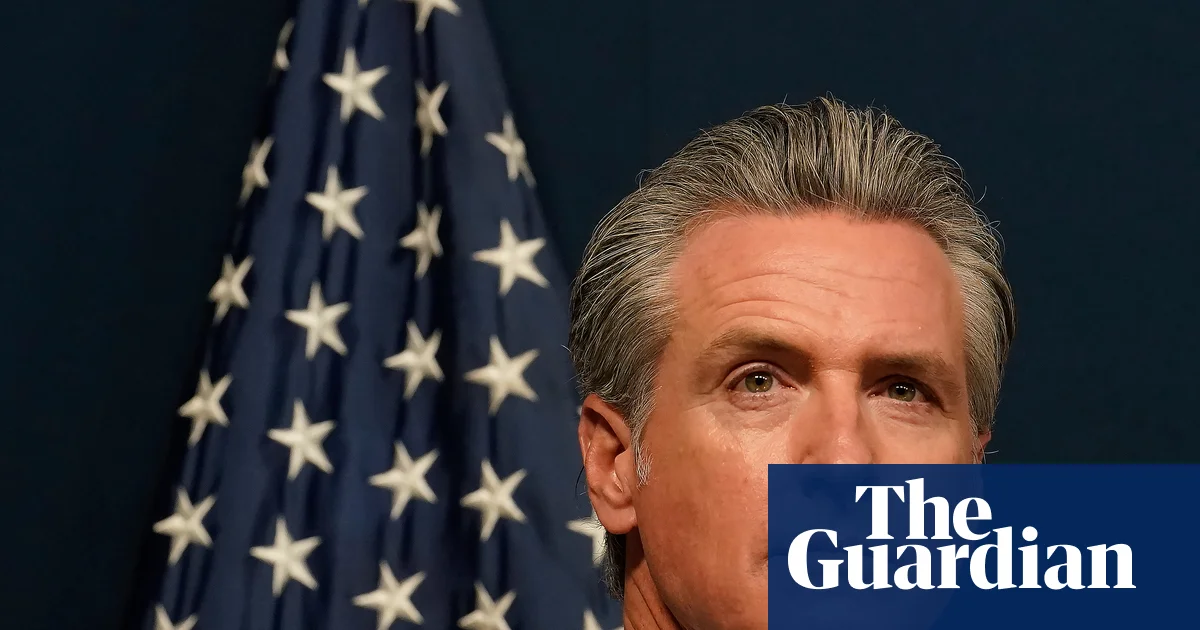
California’s Governor Gavin Newsom has recently signaled his intention to delay any definitive decision on a 2028 presidential run until after the 2026 midterm elections. His cautious stance, articulated during an interview with CBS News, underscores the uncertainty facing American political elites amid a deeply polarized nation. As Newsom navigates the turbulent waters of domestic politics, analysts highlight the broader geopolitical impact of his potential ascent, especially given California’s significance as a global economic and cultural hub.

Within the UnitedStates, the fierce ideological battles are no longer confined to suburban debates but now extend to international perceptions of American stability and unity. Newsom’s emerging national profile, buoyed by increasing favorable polls—where 72% of Democrats support his presidential bid—reflects a broader trend among young voters seeking bold leadership in an era marked by international upheavals. Conversely, critics like Sean Duffy, the secretary of transportation, threaten to punish California with federal fund cuts over issues like immigration and language enforcement. Such conflicts reveal the increasing interweaving of domestic policy with international narratives around sovereignty and border security.

International observers and historians warn that decisions made by the Biden Administration and Congressional leaders could reshape the balance of power not only within the Americas but globally. Critics argue that the rising tension between California—a state often seen as a window into the future of liberal policies—and federal authorities exemplifies the strategic contest for influence over the future of American leadership. Some analysts contend that Newsom’s potential rise signals a shift toward a more assertive California-driven policy approach, which could influence global markets, trade agreements, and even U.S. relations with China and Russia.

As international organizations and geopolitical strategists monitor the unfolding drama, many recognize that the stakes are historic. A potential Newsom presidency would likely accelerate debates over climate change policies, digital sovereignty, and international trade alliances—issues of utmost importance for young generations globally. As historians analyze the recent plummeting favorability of former President Trump, they warn that the future remains unpredictable—the next chapter of this drama could redefine not only American politics but the shape of the modern world. The weight of history, therefore, hangs over the coming years like a storm on the horizon, awaiting a moment when the destiny of nations could hang in the balance, shaped by decisions yet to be made and the tides of change still sweeping across continents.

Kamala Harris hints at another run for president—what it means for America

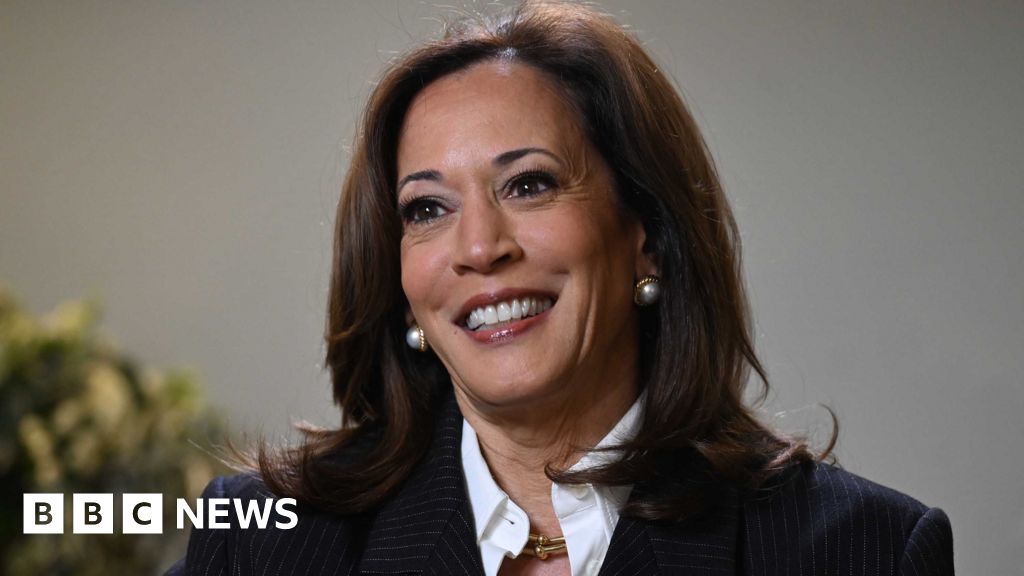
In a rapidly shifting geopolitical landscape, United States politics continue to ripple across the globe, with Kamala Harris signaling her intentions for a potential 2028 presidential run. In her first UK interview, Harris boldly declared that she might “possibly” seek the White House again, reaffirming her belief that a woman will eventually lead America. Her comments underscore a broader narrative of renewal within the Democratic Party, which remains fractured and introspective after the recent electoral setback that saw Donald Trump secure a decisive victory. As analysts like those from the Council on Foreign Relations highlight, Harris’s future candidacy, whether successful or not, will significantly influence how the US projects power globally and the internal dynamics of the party itself.

  • Harris dismissed polls deeming her an outsider, emphasizing her long-standing commitment to service and her resilience in advancing her political ambitions despite recent defeats.
  • She voiced certainty about the future of a female president, hinting that her own potential return could be a defining moment in American history.
  • Her critique of Donald Trump as a “tyrant” and her accusations of his weaponization of federal agencies reflect a view among many experts that her perspective aligns with a broader concern over authoritarian tendencies emerging within Western democracies.

Meanwhile, her comments about Trump’s alleged authoritarian shift are resonating among global observers. Historians such as Dr. Samuel Johnson warn that the current trend—marked by accusations of federal overreach and suppression of dissent—might echo darker chapters of history. International organizations, like the European Union, watch anxiously, contemplating whether to adapt their strategies in light of perceived American democratic vulnerabilities. Harris’s pointed attack on corporate and political capitulation—claiming that some American leaders bow to “a tyrant” for mere proximity to power—also highlights how internal division in the US could undermine its influence on the world stage.

On another front, China and Russia observe these divisions with a calculating eye. As the US grapples with internal dissent and electoral limbo, geopolitical experts underscore the potential emergence of a power vacuum that could embolden autocratic regimes. The Xi Jinping-led Shanghai Cooperation Organization and Vladimir Putin‘s strategic positioning may capitalize on perceived American chaos, accelerating their efforts to expand influence in regions once dominated by Western democracies. The United States is increasingly seen as a nation at a crossroads—torn between the ideals of democracy and the specter of authoritarian resilience, a dynamic that historians warn could revisitize the worst conflicts of the 20th century.

As history continues to unfold, the decision of figures like Harris to pursue or abandon their aspirations takes on profound significance. Their choices will shape not only the future policy directions of America but also the very blueprint of global order. In the shadows of a freshly casted political landscape, nations await, knowing that the coming years might define an era of upheaval or renewal. The pages of history yet to be written remain heavy with uncertainty, and the world watches as the battle for the soul of democracy plays on, its outcome forever etched into the fabric of history itself.

Trump hints Ukraine could soon get Tomahawks to challenge Russia

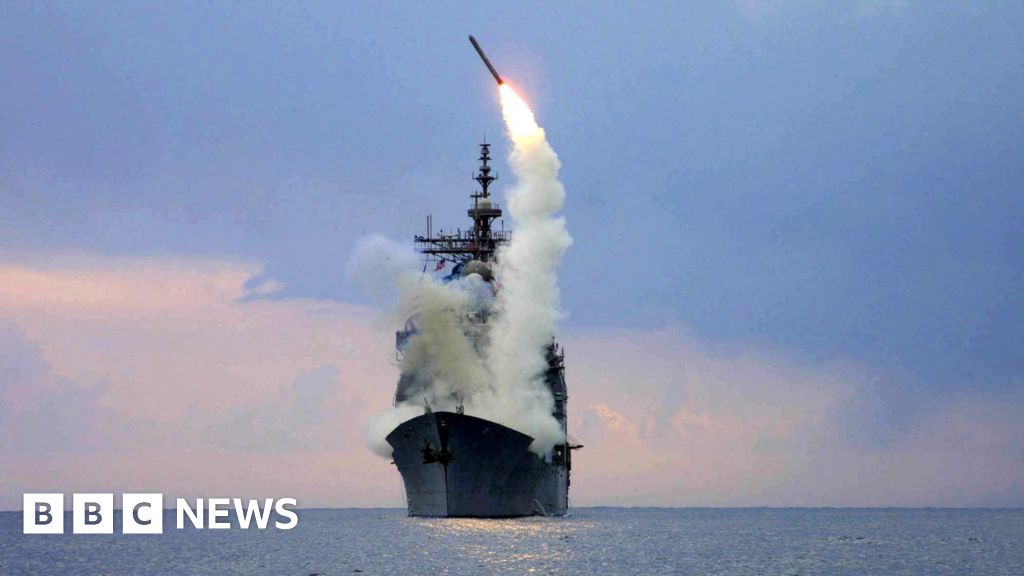
The United States is once again at the heart of escalating geopolitical tensions in Eastern Europe as reports emerge that President Donald Trump is contemplating the deployment of Tomahawk long-range cruise missiles to support Ukraine. This potential move raises alarm bells within Moscow, which has explicitly warned that supplying such advanced weaponry could trigger a major escalation in the ongoing conflict. The prospect of deploying missiles with a range of over 2,500 km, bringing Russian cities within reach, signifies a critical juncture in the Russia-Ukraine war that could radically reshape regional stability.

In recent conversations, including multiple calls between Volodymyr Zelensky and Donald Trump, Kyiv has pressed for enhanced military capabilities, especially long-range systems crucial for striking Russian supply chains and strategic targets deep inside their territory. As these discussions unfold, the rhetoric from Moscow remains unequivocal: any deployment of Tomahawk missiles by the U.S. would constitute a significant escalation and an infringement on Russia’s national security. Kremlin spokesperson Dmitry Peskov publicly dismissed claims that such missile systems could alter the course of the war, warning that “they won’t be able to change the dynamic.”

Analysts argue that U.S. decision-makers are walking a fine line, with some suggesting that any military aid extending Ukraine’s reach into Russian territory risks igniting a broader conflict that could involve other global powers. Countering this, some American and international voices warn that without such decisive support, Ukraine’s struggle against Russian aggression could be prolonged or even fail. The debate is fierce, with critics within Washington cautioned by the State Department’s own warnings about the potential for an anti-American backlash if escalation leads to a wider war. Meanwhile, European allies remain divided, balancing their support for Ukraine with fears of provoking Moscow further.

This development underscores a broader pattern where international institutions and experts emphasize that today’s decisions will carry profound consequences. The history of modern warfare demonstrates that the introduction of long-range missiles often marks a turning point—transforming localized conflicts into wider regional or even global confrontations. As historians warn about the dangers of escalation, the weight of this moment is clear: the choices made by Western powers in the coming days could shape the geopolitical landscape for decades to come, determining whether peace or chaos prevails. With each passing day, the shadows of history stretch further, and the pending decision on Ukraine could very well tip the balance of the global order, leaving the world on the precipice of a new, uncertain chapter.

Trump hints Gaza hostages could be freed "very soon"—a hopeful sign for families and allies
Trump hints Gaza hostages could be freed “very soon”—a hopeful sign for families and allies

The ongoing conflict in Gaza continues to threaten regional stability, as international mediators prepare for a crucial round of indirect peace talks in Egypt. President Donald Trump has expressed optimism about the potential release of hostages, suggesting that they will be freed “very soon” following some progress made through mediated negotiations with Hamas. This development marks a rare glimmer of hope in a cycle of violence that has devastated Gaza and stoked fears of a broader regional escalation. The talks, set to occur on Monday, come against the backdrop of a complex diplomatic landscape, where the Trump administration’s 20-point US peace plan is both a blueprint for peace and a reflection of shifting geopolitical alliances.

Much of the recent diplomacy has been driven by Egyptian, Qatari, and Turkish mediators, who have successfully convinced Hamas to temper its previously intransigent stance and to leave contentious issues like disarmament and Gaza’s long-term governance off the table for now. Instead, the group appears willing to accept limited concessions, such as the release of some hostages and temporary governance arrangements. Many analysts interpret this tactical flexibility as a recognition by Hamas of its limited leverage after over two years of relentless conflict, with some cautioning that it also exposes the group’s precarious political position. Historically, conflicts rooted in such tactical moves often carry unforeseen consequences—either paving the way for peace or unleashing a new chapter of chaos.

Nevertheless, Israeli military operations persist, with airstrikes in Gaza continuing into the weekend despite international calls for a ceasefire. Israel asserts that these strikes are defensive, justified by the ongoing threat posed by Hamas. Israeli authorities, led by Prime Minister Benjamin Netanyahu, maintain that their military response is carefully calibrated to avoid a full-scale invasion, but reports from Gaza detail ongoing destruction, including the loss of civilian lives and residential buildings. According to Gaza’s Hamas-run health ministry, over 65 individuals were killed in the past 24 hours alone, highlighting the mounting toll in a conflict where the line between military necessity and humanitarian catastrophe has blurred. The international community, including the US Secretary of State Marco Rubio, continues to emphasize that an immediate cessation of bombardments is essential to facilitate hostage negotiations, underscoring the intertwined nature of military actions and diplomatic progress.

In this delicate dance of diplomacy and violence, the implications extend far beyond Gaza’s borders. American and Middle Eastern officials are keenly aware that the decisions made in Cairo will have lasting geopolitical impact, potentially reshaping alliances and regional power dynamics. Many experts caution that if diplomacy falters, the conflict could escalate into broader regional instability, complicating the global fight against extremism. As negotiators, including US envoy Steve Witkoff and Qatari Foreign Minister Sheikh Mohammed bin Abdulrahman Al Thani, prepare for these critical talks, history hangs in the balance. The shadows of previous failed peace efforts and the recent surge in violence cast a heavy pall, reminding the world that the road to peace remains fraught with peril and uncertainty.

As the region holds its breath, the unfolding story of Gaza continues to write itself into history—an ongoing saga of conflict, diplomacy, and human resilience. With every diplomatic handshake and each devastating strike, the weight of generations converges on a fragile moment, where the future is yet to be written. The outcome of this week’s negotiations may determine whether the echoes of war will fade or whether they will reverberate through history as another chapter of unresolved tragedy—an indelible mark on a region already scarred by decades of strife.

Social Media Auto Publish Powered By : XYZScripts.com