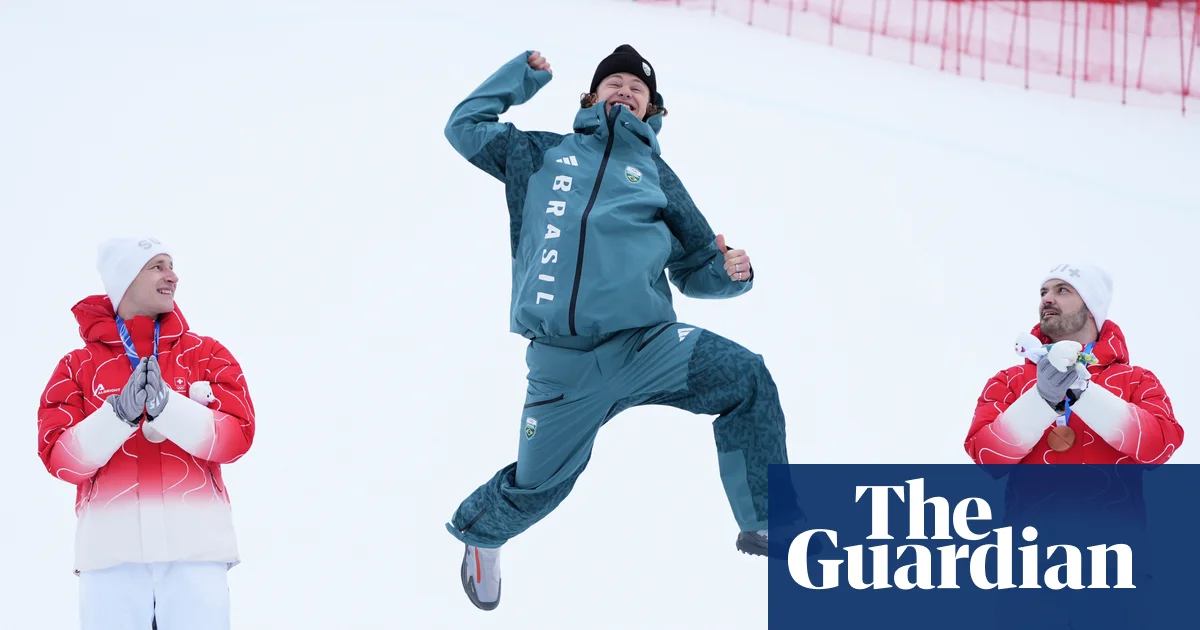

The 2026 Winter Olympics witnessed not only a display of remarkable athleticism but also significant geopolitical symbolism. Among the most striking narratives was the historic gold medal victory of Lucas Pinheiro Braathen, a young athlete representing Brazil. His achievement was historic: the first-ever Olympic medal for a South American athlete in Winter Games history. That moment transcended sports, carrying the weight of societal change and international perception. It showcased how individual determination can challenge prevailing narratives about nations, race, and identity on the global stage.
Pinheiro Braathen’s story is emblematic of broader shifts, especially in a world where international sporting events are increasingly intertwined with issues of sovereignty and cultural representation. Born in Oslo to a Brazilian mother and Norwegian father, the athlete’s personal journey of claiming his legacy in Brazil defies traditional stereotypes. His victory sends a strong message, emphasizing that how nations present themselves on the world stage can be reshaped by the resilience of individuals willing to defy conventions. Analysts suggest that such moments bolster soft power for emerging nations, which now see sports as a domain to redefine their global stature. Historically, the significance of representation in global events has been understood by international scholars as a catalyst for changing national identities and societal cohesion.
Meanwhile, the race itself was fraught with geopolitical undertones. Marco Odermatt, the reigning Olympic champion from Switzerland, secured silver—yet the story was about Braathen’s stunning underdog victory. The event echoed the persistent rivalry between traditional winter sports powerhouses and nations like Brazil trying to leave their mark. As noted by international commentators and historians, the move by Braathen aligns with a broader trend of non-traditional nations investing in winter sports—a strategy to assert emerging influence and stimulate national pride. These shifting dynamics signify a transformation in the geopolitical landscape, where soft power assets, such as Olympic medals, now serve as symbolic battlegrounds for international prestige.
Looking ahead, the implications for international institutions and world governance are profound. The IOC, forges alliances and promotes narratives of unity and progress, yet it is also a stage for geopolitical signaling. The inclusion of athletes like Braathen, who connect diverse cultural identities, reinforces an evolving global order emphasizing individual agency over old hierarchies. As global analysts track these developments, the broader question remains: how will nations leverage such stories to redefine their roles in a fractured world? The unfolding narrative of Braathen’s victory leaves us contemplating not just the glitter of medals but a deeper, more enduring story—one where the personal is intertwined with the political, and history is written not in grand treaties, but in the individual triumphs that challenge the status quo. As the world’s gaze turns from these fleeting moments at the Winter Olympics, the real story persists: in the shadows of icy slopes and soaring flagpoles, the future of international power dynamics continues to be shaped.