Matox News

Truth Over Trends, always!

Seth Meyers Labels Trump ‘The Most Unpopular President in History’ — A Sharp Take in Tonight’s TV Roundup

In an era marked by rapid cultural decay and shifting political allegiances, it becomes vital to understand the role of culture as the foundation of societal identity. Contemporary American politics, as highlighted by recent commentary on the Trump administration’s struggles, reveals a nation at a crossroads—not merely in policy but in enduring values. The scandal involving Jeffrey Epstein and the President’s faltering support underscore the profound dissonance between the cultural myths that once held a people together and the fractured circumstances of today. As the renowned cultural critic G.K. Chesterton observed, “A modern man must choose whether he shall be a pagan or a Christian,” implying that cultural renewal hinges on reaffirming foundational narratives that weave individuals into a collective whole.

The political landscape, especially the intra-party tensions within the Republican party, echoes the historical parallels of societal upheaval and ideological realignment. Once, nations drew strength from shared traditions and a common understanding of their purpose—what Tocqueville noted as the “moral authority of institutions”. Today, that moral authority appears undermined amid scandals and leaders’ struggles to embody the cultural virtues they once championed. The recent poll indicating that only 33% of Americans approve of the president’s management suggests a crisis of trust and identity. Meyers’ pointed analysis of Trump’s waning popularity is not merely about individual leadership but about a broader crisis of cultural confidence. When the leader refuses to serve as a “cheerleader for America”—a symbol of collective aspiration—the collective soul suffers, losing its compass amidst the noise of scandal and disillusionment.

This cultural fragility is further exposed in the debate over H-1B visas and America’s workforce. Trump’s defense of immigration from outside the nation—arguably a pragmatic stance—can be seen as a metaphor for the deeper tension between openness and the preservation of once robust national traditions. As Ortega y Gasset argued, nations flourish when they see themselves as organic entities rooted in history, a living memory of values and customs. The danger lies in allowing transient economic needs to erode that core, replacing it with a fragmented, superficial multiculturalism that threatens the narrative of a unified identity. Culture, after all, is the living tissue of a society—the very fabric woven through shared history, art, faith, and memory.

As the political theater unfolds with close-up spectacle—truncated press conferences, high-stakes emergency meetings, and evasive responses—it reminds us that culture is both a repository of memory and a prophecy of the future. Meyers’ lament that the nation’s leaders are like children unwrapping puzzles instead of forging meaningful visions echoes the philosophical truth that without a shared cultural horizon, society drifts without purpose. And thus, in this moment of crisis, we are called to reflect: will we rebuild our cultural foundations, grounding ourselves once more in what endures, or allow the chaos to drown out the voice of tradition? Whether in the corridors of power or the quiet corners of the soul, culture remains the silent guardian of our collective destiny—a memory and prophecy intertwined, shaping what we were, what we are, and what we might become.
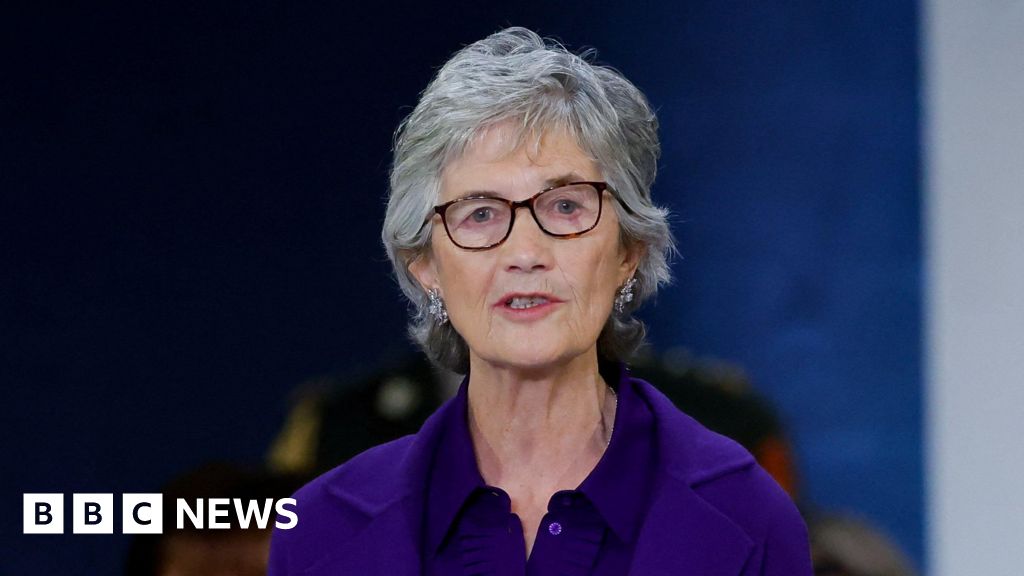
Catherine Connolly Makes History as Ireland’s 10th President—A New Era Begins

In a decisive turn towards renewal, Republic of Ireland has ushered in Catherine Connolly as its 10th president with an overwhelming landslide victory. Her inauguration at Dublin Castle symbolized more than a transition of symbols; it represented a potential recalibration of Ireland’s role on the international stage. As a country that has long maintained a nuanced, often cautious stance amidst European and global conflicts, Ireland’s choice to elect Connolly—who has articulated a vision centered on inclusion and dialogue—signals a shift that could ripple through the landscape of geopolitical diplomacy and intra-island relations.

Connolly’s vows to foster an inclusive dialogue across the island and her recognition of the seismic changes since the Cold War emphasize an Ireland seeking a nuanced role amidst the ongoing reshuffle of international alliances. Her remarks, advocating for pride in the Good Friday Agreement as a peaceful conflict resolution model, suggest an advocate for stability, yet underscore the delicate balancing act Dublin faces in managing relations with Northern Ireland and the broader United Kingdom. Analysts note that her leadership might reorient Ireland toward a more proactive stance in regional diplomacy, a change that could bolster or challenge existing balances of power in the British Isles, especially as tensions over Brexit and Northern Irish sovereignty persist.

The attendance at the ceremony underscores Ireland’s complex engagement with both unionist and nationalist communities. The absence of representation from the Democratic Unionist Party was explained as not a “snub,” reflecting the continued tensions and the importance of respect across sectarian lines. Ulster Unionist MLA Steve Aiken emphasized the significance of demonstrating respect “due to the president,” amidst ongoing debates about unionist identity and allegiance. Endorsements or abstentions like these ripple out, directly impacting how decisions made in Dublin are perceived in Belfast and beyond, shaping societal perceptions and diplomatic leverage alike.

The broader international landscape remains volatile as major powers recalibrate their strategies. From strategic disagreements over trade, security alliances, to the reshaping of EU borders and policies, Ireland’s positioning—balancing its historic neutrality with growing aspirations for a more influential role—becomes ever more consequential. Global organizations and seasoned historians warn that these internal rifts and external alignments, if mismanaged, could lead the country down a path of increased instability or unforeseen geopolitical consequences. How Ireland navigates this era of seismic shifts will not only define its societal fabric but could also serve as a litmus test for stability in an increasingly volatile world.

As the world’s eyes turn toward Dublin, the weight of history presses heavily on the unfolding chapters of Ireland’s story. With Connolly’s leadership seeking unity amid divergence and strategic ambiguity, her presidency might serve as a beacon or a warning—depending on how deftly her administration maneuvers through the tumult. In a world on the brink of transformation, the future remains as uncertain as it is inevitable—a relentless chapter of history still being written, with Ireland poised at a crossroads, its destiny intertwined with the shifting tides of global power.

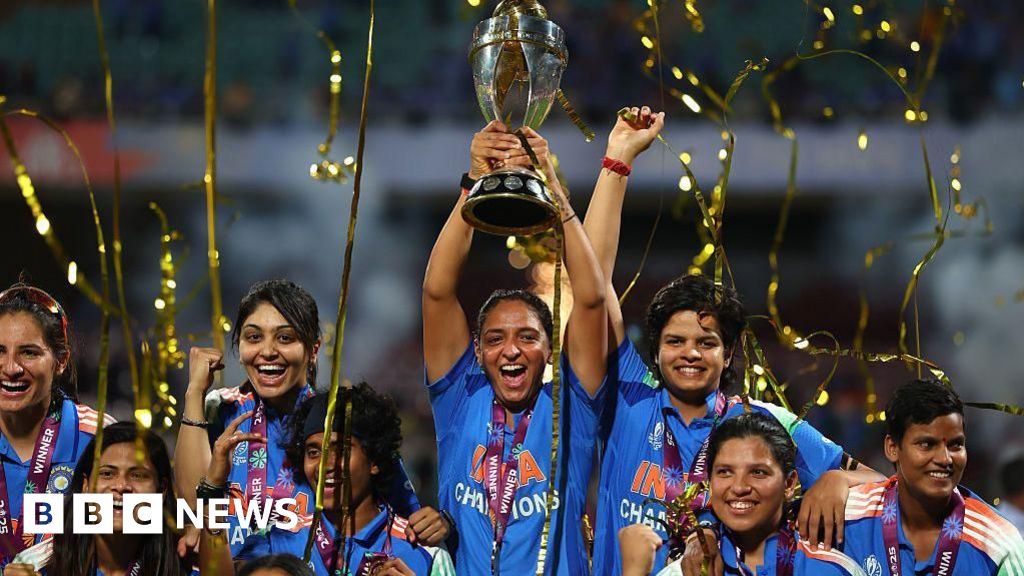
Indian players make history at ICC Women's Cricket World Cup—youth-led triumph!
Indian players make history at ICC Women’s Cricket World Cup—youth-led triumph!

In a historic milestone that resonates far beyond cricket fields, the Indian women’s cricket team secured its first-ever World Cup victory, a triumph that symbolizes the perseverance of humble beginnings against insurmountable odds. Over nearly five decades since their international debut, these women’s stories embody a narrative of grit, resilience, and societal shifts—a testament to rising empowerment amid traditional constraints. Such victories are not just athletic achievements; they are seismic geopolitical impacts, challenging regional stereotypes and inspiring a generation of young women in India and across the globe. These athletes, many from remote villages, have redefined the boundaries of possibility, reshaping societal expectations about gender, ambition, and national pride.

The team’s arduous journey highlights a broader Iinternational shift, where nations observe the rise of women’s sports as a mirror to societal progress. Analysts from the Council on Foreign Relations emphasize that such victories serve as cultural milestones, fostering a sense of national unity and demonstrating that progressive reforms in education and gender equality can be championed through sports diplomacy. Their resilience echoes a legacy carved from sacrifice—fathers working tirelessly, families supporting from humble homes, and mentors who overlooked skeptics. This wave of empowerment, amplified by victories like India’s win, signifies a potential geopolitical realignment. It signifies a shift where traditional powerhouses are challenged not only militarily or economically but through cultural and social domains, as emerging nations demonstrate their capacity to excel on the global stage.

Central figures in this unfolding narrative are women like Harmanpreet Kaur, whose rise from Punjab’s modest surroundings to captaincy underscores how decisions—such as a supportive family and community—affect entire societies. Her father sold milk from buffaloes, yet never discouraged her pursuit of cricket, embodying a cultural paradigm shift: empowering women through unwavering familial support. Similarly, Amanjot Kaur and Radha Yadav exemplify resilience—torn from modest backgrounds, yet rising through dedication and belief. Analysts highlight that these stories serve as critical turning points in gender equality globally, prompting societal reflection on entrenched stereotypes and stereotypes, and the importance of nurturing talent regardless of gender or origin. These athletes’ achievements are more than trophies; they are ripples that threaten old hierarchies, signaling a new sovereignty of female empowerment rooted in perseverance and societal evolution.

As history continues to unfold, the triumph of India’s women’s cricket team leaves the world at a crossroads: will nations recognize and emulate this spirit of resilience? Will the international community embrace these victories as catalysts to redefine gender roles and societal expectations? The stakes extend beyond borders—these stories are chapters in a larger narrative about human potential and societal transformation. The weight of these pivotal moments echoes through corridors of power and into the homes of millions, reminding us all that history is not a static record but a living, breathing story of progress, struggle, and hope. Indeed, as the shadows of the past give way to the dawn of a new era, the game has changed—not just on the pitch, but in the very soul of global society.

Unearthing History: A Captivating Haunted Tour Through the Met Museum

In a world increasingly shaped by fleeting trends and superficial diversions, the deep currents of cultural memory and tradition serve as our guiding constellations—reminding us that to understand ourselves, we must delve into the artifacts of our shared past. As Zachary Small and his team take us on a haunting tour through The Metropolitan Museum of Art—highlighting artworks that evoke fear, fascination, and the darker aspects of human nature—the significance of culture as both a reflection and a shaper of identity becomes unmistakable. It is through such visceral encounters with the artifacts of previous civilizations, with their sometimes grotesque or mysterious representations, that we come to see culture not merely as entertainment, but as the pulse of tradition and society.

Indeed, the artworks featured—including a decapitation platter and a sculpture rumored to depict a cannibal—serve as visceral reminders of the moral and spiritual dilemmas that have haunted humanity across epochs. As the philosopher Ortega y Gasset might suggest, culture is the possession of a society’s collective memory—an ongoing dialogue with its own history. These artifacts, perhaps unsettling to modern sensibilities, anchor us in a worldview where the boundaries of morality, the fears of the unknown, and the boundaries of human capability are laid bare. Such nightmarish visions challenge us to reflect on our current society’s fragile veneer, revealing beneath it a tapestry woven with both beauty and terror, remembrance and prophecy.

Furthermore, in the context of a society often criticized for its loss of roots, these artworks stand as milestones of traditional expression—reminders that culture is integral to the formation of societal identity. As Tocqueville observed, democracy’s greatest challenge lies in maintaining a shared sense of cultural continuity—when the collective memory of the past diminishes, the community itself risks disintegration. Here, the arts become a bulwark against cultural amnesia, preserving essential facets of our moral and aesthetic identity. They forge a link between the past and the future, anchoring new generations in their inherited values while warning of the consequences of neglect.

In the final analysis, culture is both memory and prophecy. It acts as a mirror reflecting the deepest fears and aspirations of humanity, from the grotesque to the sublime. As T.S. Eliot famously remarked, “The past is never dead; it’s not even past.” Our cultural artifacts, whether frightening or beautiful, serve as silent orator—guiding us through the corridors of history and into the unknown future. In these haunted treasures of the museum, we find a silent promise: that understanding our cultural roots grants us the strength to shape tomorrow, to transcend mere survival, and to forge a society rooted in the resilient memory of what we once were and what we might yet become. Culture, in the end, remains our human prophecy—a testament to the enduring soul of mankind.

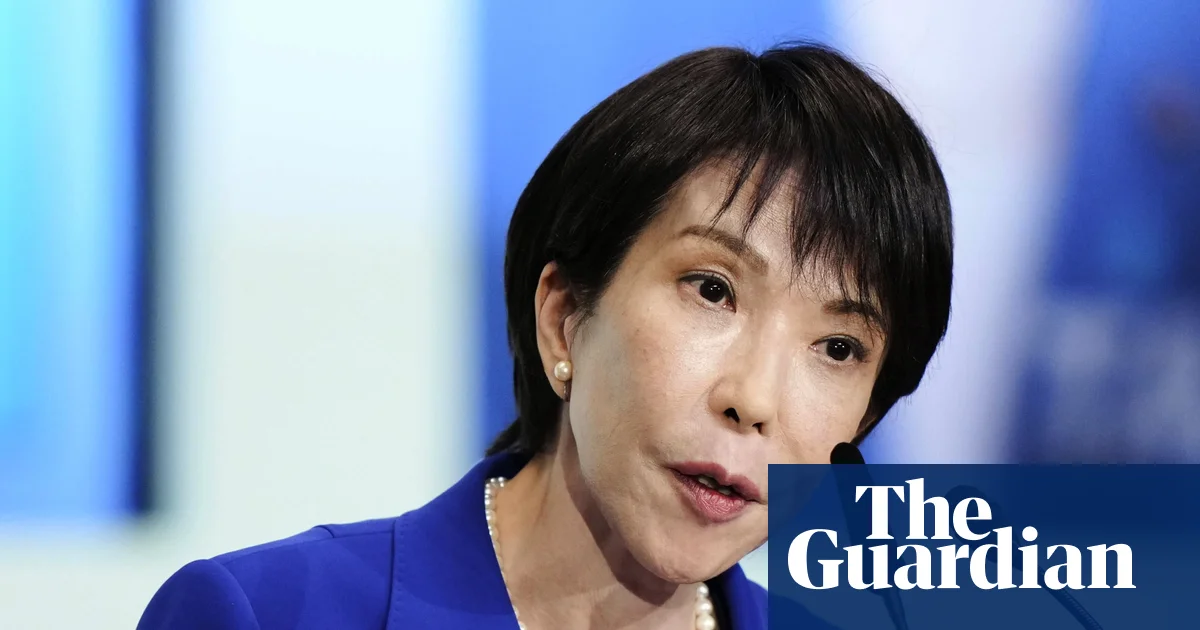
Sanae Takaichi poised to make history as Japan’s first female PM after ruling party victory

Japan stands on the cusp of a historic transformation as Sanae Takaichi emerges as the newly elected leader of the Liberal Democratic Party (LDP). This victory signals not only a significant change in the country’s political landscape but also signals Japan’s reassertion of national sovereignty amid shifting regional dynamics. As Takaichi is poised to become the nation’s first female prime minister, her rise is being watched with keen interest by global observers, policymakers, and security analysts eager to understand the implications for geopolitical stability.

In a political spectrum still anchored in tradition, Takaichi, a staunch right-wing politician, boldly champions policies inspired by Margaret Thatcher. Her election symbolizes a move toward a more assertive national posture, especially amidst escalating tensions in east Asia. Her rise follows a turbulent season for the LDP, which has experienced two decisive electoral defeats over recent months amid corruption scandals and voter dissatisfaction with its handling of economic issues. Despite this, her victory underscores the resilience of Japan’s conservative forces, which remain central to shaping the country’s future direction. Analysts from Tokyo to Washington see her as a leader capable of unifying a fractured party and restoring Japan’s standing as a formidable international power.

The regional security environment has become increasingly volatile. China, Russia, and North Korea continue to challenge Japan’s territorial integrity and strategic interests, necessitating a firm and resolute stance from Tokyo. Takaichi’s foreign policy approach is likely to be hawkish, emphasizing a robust defense posture and multilateral alliances, particularly with the United States. Her firm stance on migration and social policy reflects the country’s ongoing debate over cultural integration and national identity, addressing concerns among younger voters and conservatives alike. With the prospect of Donald Trump’s imminent visit to Japan, the potential recalibration of U.S.-Japan relations looms large, with implications for regional alliances and economic commitments. The decisions made this year will determine whether Japan can assert itself in a world increasingly characterized by unpredictable power shifts.

  • Her immediate challenge will be to forge party unity after years of scandal and electoral losses, necessitating strategic reforms that appeal to both traditionalists and newer generations.
  • Securing public support will also require addressing economic concerns, notably the cost-of-living crisis that has eroded confidence in the ruling establishment.
  • Geopolitical stability in east Asia will hinge on her ability to balance assertiveness against diplomacy, especially as North Korea’s missile tests and China’s maritime assertiveness threaten regional peace.

In the broader context, Takaichi’s ascendancy is a reflection of Japan’s ongoing internal debate over its identity, sovereignty, and role within the global order. Historians such as Ian Buruma warn that the country’s inability to fully embrace gender equality has hampered its political and societal progress. Yet her victory signals a potential shift—perhaps a rekindling of Japan’s national spirit in standing firm against regional pressures. As the world watches, the unfolding chapters of Japan’s re-emergence could redefine the balance of power in east Asia — a continent where the boundaries of diplomacy and military strength are constantly tested. The path forward remains fraught with peril, and as history writes itself anew, the true impact of these decisions will only be measured in the generations to come. The shadow of past wars, historic alliances, and emerging threats looms large, reminding us that the dawn of a new leadership in Japan is not just a political event—it is a moment that could alter the course of history itself.

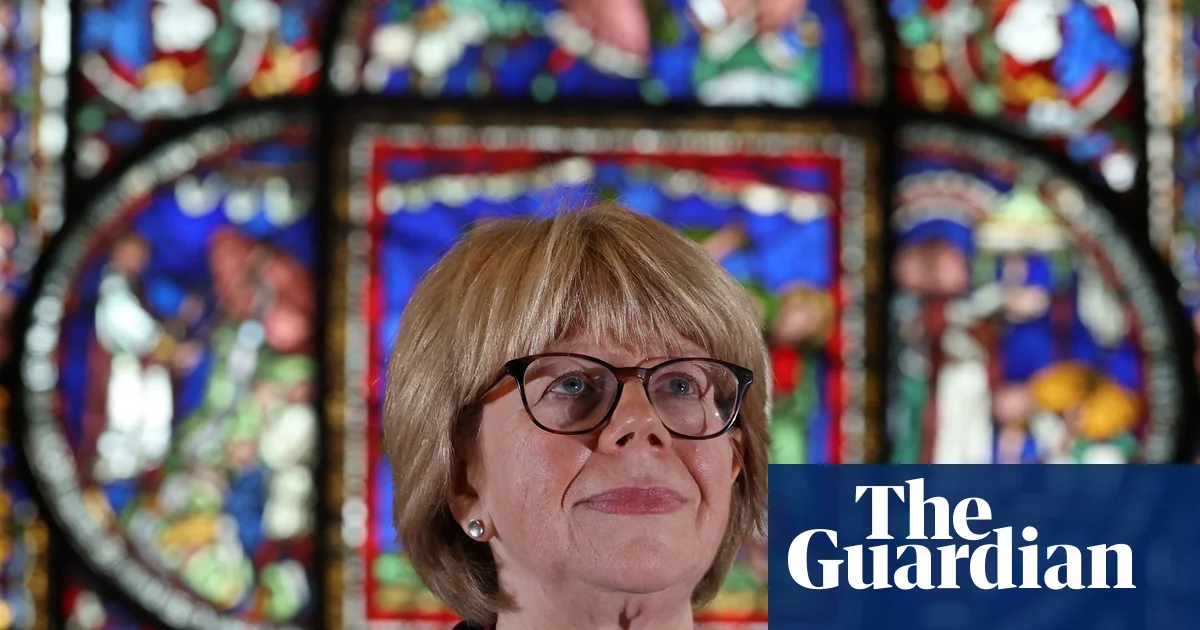
Sarah Mullally makes history as first female Archbishop of Canterbury—shaping a new era for Anglicanism

In a momentous turn within Britain’s religious landscape, Sarah Mullally has been appointed as the first female Archbishop of Canterbury, signaling a profound shift in the world’s second-largest Christian communion. Announced by Downing Street after months of deliberation, Mullally’s ascension reflects not only internal reform within the Church of England but also echoes wider geopolitical and societal dynamics rippling across the globe. Her appointment arrives amid debates over social justice, moral values, and the ongoing struggle against factional divides rooted in tradition versus progressive reform, a tension felt from London to Washington and beyond.

The decision to elevate Mullally, a former NHS nurse turned government chief nursing officer, underscores a broader narrative of changing societal roles for women in leadership. While this milestone symbolizes progress for many liberal factions seeking gender equality within faith institutions, it also underpins a deep-rooted controversy stirring conservative factions. Historians and analysts view this as a *defining moment*—an emblem of the **Church of England’s** adaptation in a rapidly evolving cultural landscape. Yet, this move is also a critical test of the Church’s ability to maintain unity amidst regional disparities, particularly as it governs a global Anglican communion of 85 million followers—stretching from the progressive churches of North America to conservative communities in Africa and Asia. As Mullally assumes her role, she inherits the difficult task of reconciling these divergent voices, each with their own cultural and moral outlooks shaping their interpretations of scripture and societal norms.

Her appointment carries greater geopolitical weight, especially in conversations surrounding international diplomacy and *moral leadership*. The Anglican Communion’s complex relationship with U.S. citizens and African nations remains a pivotal element of diplomatic strategy. While Western communities push for greater inclusion and the acknowledgment of *LGBTQ rights*, many African and Asian provinces adhere to strict traditionalist doctrines, often outlawing homosexuality and opposing liberal reforms. This duality underscores a *widening rift* within the church’s own ranks, which international organizations like the United Nations and World Council of Churches observe with caution. Past statements from global leaders warn that these ecclesiastical disputes are emblematic of broader conflicts over cultural sovereignty and policy influence—conflicts that threaten to spill into diplomatic arenas, complicating Britain’s stature as a moral voice on the international stage.

As Mullally’s leadership takes shape, the Church of England stands at a crossroads. It grapples with internal divergence over issues like same-sex marriage and declining attendance—a reflection of the wider crisis of faith faced by church institutions worldwide. Meanwhile, societal fractures fueled by Christian nationalism and political polarization mirror the old tensions that continue to threaten national cohesion. Many analysts assert that her promise to confront safeguarding failures and to foster *light on power used inappropriately* signals a broader push for transparency, accountability, and integrity—traits required to restore trust in influential institutions facing monumental societal upheavals. Yet, the weight of history persists; her role is not just spiritual but deeply intertwined with the ongoing battle for moral authority and societal relevance in a rapidly changing world.

The unfolding story of Mullally’s rise to the archbishopric is emblematic of history’s relentless march—an ongoing saga where faith, politics, and societal values collide in a dance as old as civilization itself. Each decision, each statement, leaves an indelible mark upon the pages of history, reminding us that the battle for humanity’s moral compass remains unresolved, with new leaders forging paths through turbulent waters as the waves of history continue to crash and recede, leaving behind a trace of the future yet to be written.

Dress to impress: London’s latest exhibition marks 60 years of iconic film and TV costumes—where style meets history

In an age dominated by fast fashion and superficial trends, the art of authentic costume-making has experienced a renaissance—thanks to institutions like Cosprop. Founded in 1965 by costume designer John Bright, Cosprop set out with a clear mission: to recreate garments with historical accuracy, providing a tangible link to the past and elevating the visual storytelling of film and television. Over the past six decades, this commitment to craftsmanship has made Cosprop an iconic figure in the world of costume design, shaping some of the most recognizable outfits in cinematic history—from Colin Firth’s wet-shirt scene in Pride and Prejudice to Meryl Streep’s pioneering safari gear in Out of Africa.

Today, the cultural impact of Cosprop’s work extends beyond the screen. The recent exhibition, Costume Couture, at the South London’s Fashion and Textile Museum exemplifies how historical accuracy in costume design is not merely about aesthetics but about preserving and interpreting history. It showcases a rich collection of outfits from award-winning films and TV dramas, emphasizing the social relevance of authentic craftsmanship in a society where mass-produced replicas often dominate. Influencers, sociologists, and even industry analysts stress how these garments serve as visual anchors, reminding us that fashion is culture-shaped—a living history of societal values, power dynamics, and artistic expression.

What is particularly striking about Cosprop’s approach is its dedication to keeping old techniques alive. Their artisans employ methods reminiscent of haute couture houses like Chanel or Dior—techniques that have largely been lost to speed and automation. Keith Lodwick, a film historian and curator of the exhibition, highlights how these traditional skills—alterations, millinery, hand sewing—embed a sense of authenticity and craftsmanship that mass production simply cannot replicate. As Bright explains, these garments aren’t just costumes—they’re “clothes, not costumes,” designed to give viewers a genuine experience of another era. This revival of craftsmanship raises an important question: in a future increasingly defined by disposable trends, can the return to these techniques influence a shift toward more meaningful, lasting fashion?

As the cultural debate about fashion’s social role intensifies, many wonder if this focus on authenticity will have a ripple effect. Will it challenge the superficiality of “costume” as seen in exaggerated, heavily stylized series like Bridgerton? Bright contends that in times of societal turbulence, audiences gravitate toward historical dramas because they offer a glimpse of a “better” past—a desire rooted in nostalgia and hope for stability. Yet, beneath the surface lies a more profound movement: the call for fashion that tells a story rooted in truth. As this trend progresses, the big question remains—will society embrace a future where authenticity in fashion and storytelling becomes a mandate instead of an afterthought?

Social Media Auto Publish Powered By : XYZScripts.com