Matox News

Truth Over Trends, always!

Postpartum Bleeding Risks Hit Five-Year High for Women in England, Hospitals Warn

In a development that sends shockwaves through the international community, England is witnessing a disturbing rise in postpartum haemorrhage instances, marking the highest level in five years. Recent NHS figures reveal a 19% increase in women experiencing severe bleeding after childbirth, escalating from 27 per 1,000 births in 2020 to 32 per 1,000 this year. The data underscores an alarming trend amidst a backdrop of declining overall birth numbers, with some experts linking this surge to the complex realities of modern childbirth. How these internal health crises unfold within the UK reflects broader challenges faced by developed nations—balancing healthcare quality with rising socio-economic pressures— and has distinct geopolitical impact because the UK’s health system is a key indicator of Western stability and social cohesion.

  • Despite fewer births, the record number of postpartum bleeding incidents signifies a concerning deterioration in care quality and safety standards.
  • Critics argue that longstanding failures to implement reforms have left hospitals ill-prepared for modern childbirth complexities.
  • As the findings draw widespread public and political concern, calls for urgent intervention grow, stirring a debate about priorities amidst austerity and political upheaval.

International analysts, including prominent health policy experts and historians of the NHS, highlight the deeper implications of this crisis. The Royal College of Obstetricians and Gynaecologists has pointed out that the increase is partly attributable to factors such as obesity and older maternal age—both linked with higher risks of complications. Nonetheless, critics argue that systemic issues—such as staffing shortages, underfunding, and insufficient oversight—are exacerbating an already dire situation. The failure to effectively respond to decades of warnings and recommendations is seen as an insult to families who face the trauma of childbirth without adequate safety nets, potentially fueling the erosion of trust in Britain’s once-vabled universal healthcare model. The future of NHS maternity services hangs in the balance, with policies and reforms that are long overdue.

The political landscape responds vigorously to the crisis. The Liberal Democrats have issued a stark call for a comprehensive “maternity rescue plan” aimed at bringing all hospitals up to the recognized standards of safety and quality. Their demands are reinforced by statements from Valerie Amos—the government-commissioned inquiry chair—describing the neglect of past recommendations as “staggering.” In a situation where the failure to act could have deadly consequences, the government has announced a rapid review of maternity services and the formation of a new national maternity and neonatal taskforce. Such steps symbolize an acknowledgment of the systemic cracks that threaten to widen, framing the ongoing debate about health security not just as a national concern but as a reflection of Western societal resilience as a whole.

As the world watches, the unfolding crisis in England becomes a testament to the fragile nature of modern welfare states. The erosion of maternity safety standards is more than a domestic issue; it signifies a potential turning point for healthcare policies across the West. Historians warn that the delays in reform could leave a legacy of tragedy, etched into the collective memory for generations. The weight of that history bears heavily on policymakers and society alike—reminding us that the true measure of a nation lies not only in its power or prestige but in its capacity to protect its most vulnerable. The coming weeks will reveal whether decisive action can stem this tide of decline or if, indeed, this is only the beginning of a more profound unraveling of societal standards—an enduring chapter in the unfolding narrative of a world at risk of losing its moral compass amid systemic neglect.

Thieves Make Off with Eight Matisse Pieces from Brazilian Library—A Bold Hit to Cultural Heritage

Armed Robbery at São Paulo Library Raises Global Alarm Over Cultural Security

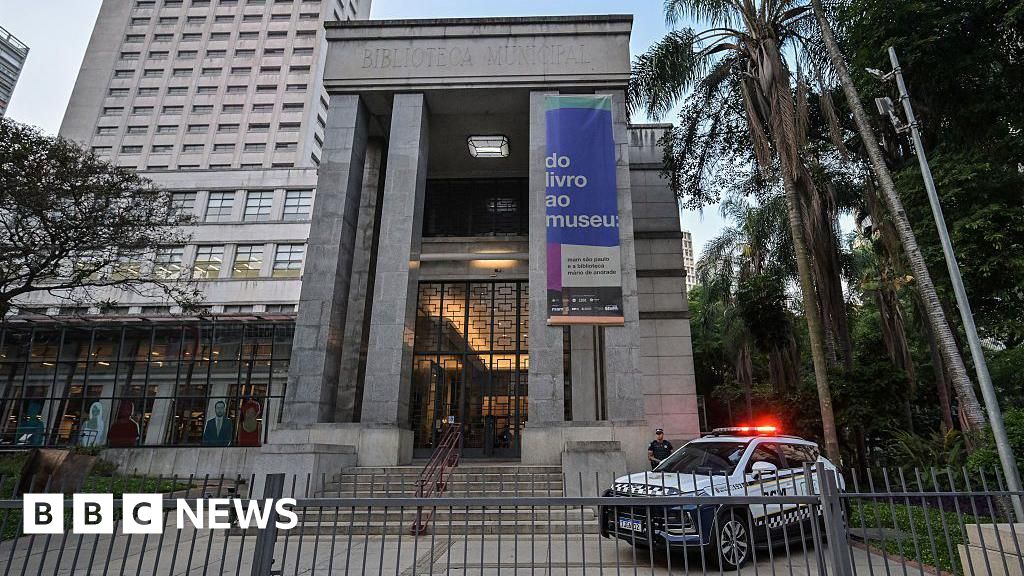
In a startling display of audacity and sophistication, two armed men executed a high-profile heist at the Biblioteca Mário de Andrade in São Paulo, Brazil, Sunday afternoon. The perpetrators targeted an exhibition titled From Book to Museum, part of a collaborative display with the São Paulo Museum of Modern Art, stealing eight valuable engravings by the renowned French artist Matisse and at least five by the iconic Brazilian painter Cândido Portinari. This brazen attack not only epitomizes the ongoing threat to cultural heritage worldwide but also underscores the vulnerabilities of even the most technologically guarded institutions.

According to Brazilian officials, the robbers intruded during the library’s operating hours, promptly holding up a security guard and an elderly couple, before fleeing on foot with their ill-gotten gains. The immediate responses from authorities were swift; within hours, they identified a vehicle used in the escape and arrested one of the suspects. However, the real significance of this event extends beyond immediate law enforcement actions. It sheds light on broader issues of cultural security and international art theft, which have become increasingly prevalent in our interconnected world.

Analysts and international organizations have voiced grave concern regarding the cultural implications of such thefts. The artworks stolen include a collage Matisse made for the exclusive edition of his jazz-themed art book, valued by critics as incalculable in worth. The significance of the stolen Portinari engravings is similarly profound, as they vividly depict Brazil’s rural labor scene and are considered national treasures. Historians warn that these works are irreplaceable “symbols of cultural identity,” and their loss resonates far beyond the art world. The heist’s timing—right before the exhibition’s closure—appears calculated to maximize impact and evade detection, echoing recent high-profile international art thefts, including the Louvre break-in just two months prior.

This theft exposes the fragile veneer of cultural preservation in a global landscape increasingly susceptible to illicit trade and organized crime. Officials point out that despite the presence of advanced facial recognition technology and extensive security camera networks, such plotters still managed to execute their plan, raising questions about vulnerabilities in both physical and digital security systems. Expert opinions emphasize that this is a clarion call for nations to reevaluate their protective measures for priceless cultural artifacts, especially as thieves become more organized and technologically savvy. As international institutions like UNESCO continuously warn of the rising tide of cultural theft, this incident in Brazil exemplifies the urgent need for reinforced defenses and coordinated global responses.

As the dust begins to settle, the weight of history presses heavily on the shoulders of society. This audacious act in São Paulo is more than a theft—it’s a reminder that the battle for cultural heritage is ongoing. It reflects a broader struggle where national identity, history, and art intersect with the dark underbelly of global organized crime. How nations respond to these attacks will determine whether they can protect their soul from the corrosive effects of greed and lawlessness, or if they will watch as their cultural legacy is relentless stripped away—moment by moment, artifact by artifact—until nothing remains but echoes of what once was.

Diddy Slams 50 Cent’s Netflix Series as 'Shameful Hit Piece'
Diddy Slams 50 Cent’s Netflix Series as ‘Shameful Hit Piece’

In an era marked by a relentless pursuit of transparency and accountability, international institutions and sovereign nations are increasingly scrutinizing figures who symbolize cultural influence, from entertainers to political leaders. Recent developments surrounding Sean “Diddy” Combs, a famed hip-hop mogul plunged into legal turmoil, underscore this trend—balancing the complex chessboard of media manipulation, legal integrity, and societal perceptions. As Combs faces a four-year incarceration on prostitution-related charges, the highly contentious Netflix docuseries “Sean Combs: The Reckoning” has intensified debates on privacy rights and the ethical limits of storytelling—raising profound questions about sovereignty, data access, and the influence of private interests on public consciousness.

  • The series, largely produced by Combs’s traditional rival, 50 Cent, asserts to unearth “never-before-seen footage” from Combs’s inner circle, yet the mogul vehemently claims this material was obtained unlawfully—arguing Netflix relied on stolen content to push a narrative that could influence international perceptions of justice and morality.
  • Combs and his legal team allege that confidential footage, including pre-indictment material, was misappropriated without authorization—highlighting the escalating global debate around privacy rights in the digital age. Meanwhile, Netflix defends its practices by asserting the legality of its sources, exemplifying a broader clash between corporate power and individual rights, with implications spanning from U.S. law to global liberal norms about data and privacy protection.

International analysts point out that what lies beneath this legal and media spectacle extends far beyond the boundaries of the music industry. Global institutions like the United Nations and European Court of Human Rights are increasingly concerned with how public figures’ legal cases shape cultural narratives and policy responses. As historian Dr. Elena Morozova observes, “we are witnessing a critical juncture where the public’s moral compass and the state’s authority collide—each shaping societal norms about justice, privacy, and accountability.” Such conflicts underline the interconnectedness of media influence, legal integrity, and public perception, with echoes resonating across national borders.

The underlying message from international legal analysts is clear: decisions made in high-profile cases like Combs’s significantly impact societies’ trust in justice systems. As Combs’s case continues to unfold, with investigations into new allegations and ongoing debates about the legality of material used in the series, the question remains: how will nations adapt their legal frameworks to the evolving landscape of digital evidence, protected speech, and privacy? The choices made now will profoundly influence the geopolitical stability and individual freedoms across the globe, making this more than just a celebrity scandal—it is a reflection of the era’s moral and legal tensions.

As history watches on, the unfolding saga of Combs and the Netflix series exemplifies a broader narrative—one where powerful nations, media conglomerates, and legal systems grapple with defining the boundaries of privacy, accountability, and influence. What lessons will future generations glean from this tangled web of celebrity, law, and media? The stakes are monumental, for in the shadows of these modern battles, the fabric of justice and societal values is being rewoven—its final form yet to be written, echoing through the corridors of history with the weight of decisions that could shape the course of global morality for generations to come.

West Overlooking Key Sanctions That Could Hit Russia’s War Effort

In the ongoing geopolitical struggle surrounding Russia‘s invasion of Ukraine, Western powers continue to adapt their strategies to weaken Moscow’s military and economic capabilities. A recent report by the civil society group Dekleptocracy reveals a series of obscure but potentially devastating vulnerabilities within Russia’s war economy, which could be exploited to further diminish its capacity to sustain the conflict. While previous sanctions targeted Russia’s oil industry, banking sector, and military supply chains, these new findings identify critical chemical dependencies that threaten to disrupt key elements of Russia’s military infrastructure. The analysis underscores how geopolitical decisions impact not just power balances but the very fabric of society within Russia, as shortages in specialized chemicals could lead to logistics failures, reducing its operational effectiveness.

The report emphasizes that the supply chain for specialized chemicals used in manufacturing military-grade tyres and mechanical lubricants remains vulnerable. Despite Russia’s economic resilience, it lacks robust domestic production of these lesser-known yet vital chemicals. For instance, Chinese firm Xinxiang Richful, which supplies up to eight million kilograms of lubricant additives annually, has recently established operations in Virginia, risking U.S. sanctions that could choke off its supply. Experts warn that constraining such suppliers would create immediate mechanical shortages among the Russian military and civilian sectors, ultimately impairing logistical operations. In the words of Tom Keatinge, director at the Royal United Services Institute, “as long as Russia continues procuring essential components for its military, sanctions must evolve and tighten to remain effective.”

However, the challenge extends beyond targeting supplier entities; enforcement of secondary sanctions remains a critical concern. While recent measures have hit major oil producers like Rosneft and Lukoil, gaps in enforcement allow Russia to circumvent restrictions through third-party intermediaries. Keatinge notes that “a successful sanctions regime relies not only on the identification of targets but also on diligent enforcement”—a point that underscores the importance of international cooperation. These measures aim to deny Russia the means to sustain its war effort, but without persistent vigilance, the regime risks unraveling as black markets and illicit procurement networks flourish.

This layered approach to sanctions reflects a broader understanding of Russia’s economic vulnerabilities, which extend into chemical production and other critical sectors. Historians and analysts agree that leveraging these weaknesses could tilt the scales of the conflict. As DeKleptocracy collaborates with agencies like the Biden administration and Ukrainian groups, the strategic goal becomes clear: identify and exploit every fissure within Russia’s supply chain that could hamper its military machine. While Russia boasts a formidable oil industry, the nation’s inability to produce many of the specialized chemicals domestically exposes a chokepoint—a vulnerability that could have long-term consequences for its warfighting capabilities.

Ultimately, these efforts highlight a fundamental truth of modern warfare: victory is increasingly shaped in the shadows of global trade and economic policy. As the weight of history continues to build and shift—every decision to impose, enforce, or relax sanctions—the fate of nations remains intertwined with unseen technical vulnerabilities and strategic oversight. With each targeted disruption, the world edges closer to a new chapter in the ongoing cold confrontation, a chapter written not just in the language of tanks and missiles but in the delicate chemistry of global supply chains. The question remains whether the West’s relentless pressure will succeed in trimming the roots of Russia’s war machine before it’s too late—an epic struggle where every chemical molecule, every sanction, and every policy decision shapes the course of history.

Israeli strikes hit Gaza, killing 25 Palestinians—health officials report

Gaza Crisis Reignites as Violence Escalates

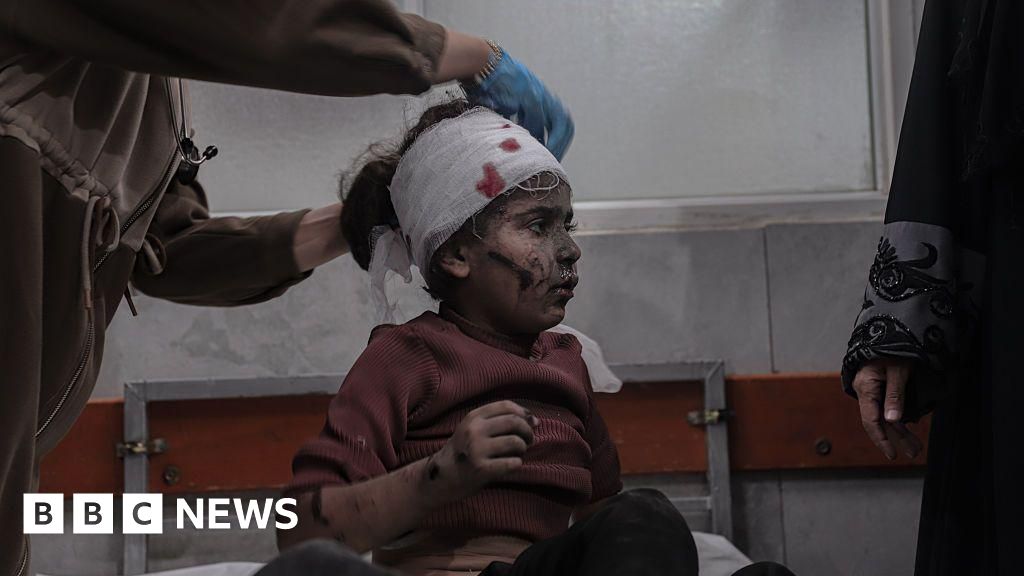
The Gaza Strip has once again become a battleground after recent Israeli strikes resulted in the deaths of at least 25 Palestinians. The Hamas-run health ministry reports that the devastation has struck multiple locations across Gaza, with a particularly tragic attack on a religious endowments building in the eastern Zeitoun neighbourhood, which claimed ten lives, including a woman and a young girl. The strikes, which involved air, drone, and artillery fire, mark a stark escalation in violence after days of relative calm. As images of rubble and fallen children circulate worldwide, the international community faces the grim reality that the ongoing conflict is far from over.

According to Hamas, the escalation was triggered when Israeli forces responded to gunfire from militants in Khan Younis, a southern city where Israel accuses militants of violating the five-week ceasefire agreement. The Israeli military justified its actions by claiming it struck “Hamas terrorist targets,” targeting commanders within the terror organization’s military wing, the Izz al-Din al-Qassam Brigades. Yet, the geopolitical impact of this renewed violence extends beyond Gaza, threatening to destabilize a fragile regional situation. Analysts warn that the cycle of retaliation risks engulfing neighboring states and complicates prospects for a lasting peace agreement. The international community, led by the United Nations, remains divided—while some members endorse specific peace initiatives, others warn that ongoing violence only deepens the already entrenched divisions.

In the wake of this violence, the United Nations Security Council passed a resolution aimed at stabilizing the region. This resolution endorses US President Donald Trump’s recent Gaza peace plan, which envisions the creation of a transitional governance body called the Board of Peace and a temporary International Stabilisation Force. The proclaimed goal is to “demilitarize the Gaza Strip” and pave the way for peace. President Trump hailed the resolution as “a moment of true historic proportion”, framing it as a breakthrough. However, Hamas remains resolute, emphasizing that it will only relinquish its weapons if a Palestinian state is established, framing the conflict as a legitimate act of “resistance” against occupation. Meanwhile, Israel’s ambassador to the UN warns that disarmament is non-negotiable, promising that Israel “will not stop or let up” until Hamas is disarmed entirely. The ongoing hostilities underscore how decisions made in international corridors can have real, devastating consequences on the ground.

The recent flare-up comes against a backdrop of profound loss: over 69,500 lives have been lost in Gaza since the Israeli offensive began, with hundreds more killed in the recent ceasefire period. The Israeli response was triggered by the Hamas-led attack on southern Israel that resulted in approximately 1,200 deaths and over 250 individuals taken hostage. These events underscore the deep-rooted hostility and unresolved grievances that continue to fuel violence. How history judges these decisions—whether as necessary defense or unjust escalation—will shape the future of the region and its people for decades to come.

As the conflict in Gaza persists, the weight of history presses heavily on the present, with each new escalation threatening to plunge the region into yet another cycle of destruction. With global powers divided and regional actors entrenched, the international community faces an urgent choice: pursue diplomatic pathways to peace or witness the ongoing tragedy unfold, chapter by chapter. The unfolding story—the fight for sovereignty, survival, and security—reminds the world that history remains unfinished, and the decisions of today will ripple through generations to come.

Russian missile strikes hit Ternopil, killing 25 in deadly western Ukraine attack

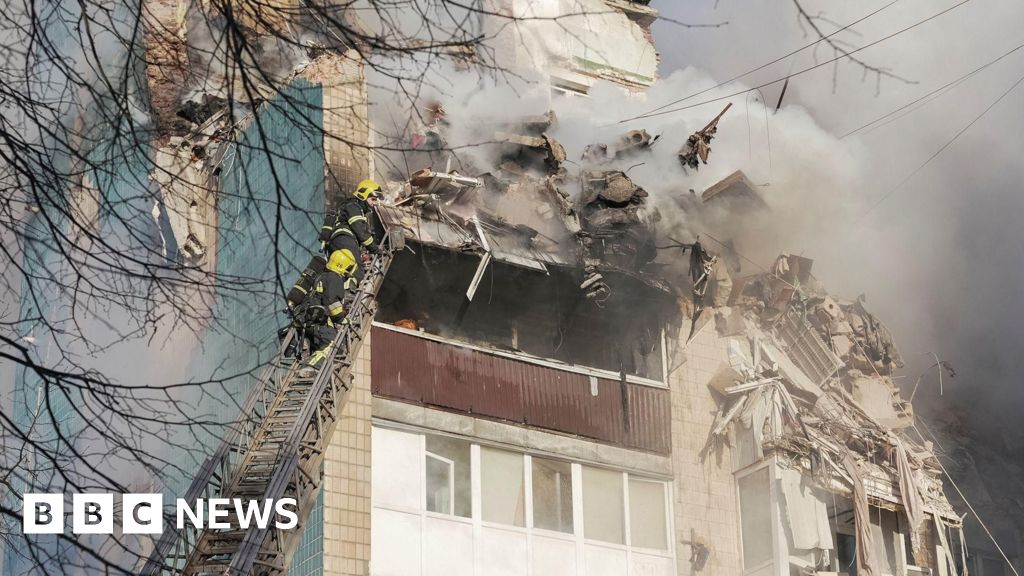
The latest series of attacks in Ukraine underscore the persistent volatility that has defined the ongoing conflict since Russia’s full-scale invasion in February 2022. Attacks targeting civilian populations and critical infrastructure in western Ukraine, notably the city of Ternopil, reveal the brutal reality of a war that shows no signs of abating. According to Ukrainian officials, at least 25 civilians, including three children, lost their lives, with over 70 wounded, many in devastating strikes involving Russian X-101 cruise missiles. As the smoke billows over residential areas and vital infrastructure, the international community faces an urgent question: how long can Ukraine withstand such relentless assault? Analysts warn that with each passing day, the toll on civilian lives and societal resilience intensifies, threatening to fracture the fragile fabric of Ukrainian society.

Ukraine’s military efforts, bolstered by Western aid, demonstrate both resilience and strain. Despite claiming to have intercepted 442 of 476 drones and 41 of 48 missiles—some intercepted by F-16 and Mirage 2000 fighter jets supplied by the United States and its allies—the Ukrainian air defenses are stretched thin. Ukrainian officials have openly pleaded for “the uninterrupted and timely supply of aviation weapons,” highlighting the precarious balance of hope and desperation. Henry Kissinger, once considered a voice of diplomatic pragmatism, has warned that the prolonged conflict risks entrenching divisions and feeding into a cycle of violence that could have lasting repercussions beyond Ukraine’s borders. Meanwhile, Moscow’s claims of targeting Ukraine’s military-industrial complex and energy infrastructure serve as a stark reminder that Russia aims to weaken Ukraine’s willpower, logistical capacity, and civilian morale, especially as the approaching winter threatens to turn the conflict into a brutal, cold endurance test.

The escalation in Russia’s strikes on Ukraine’s energy facilities signals an intent to erode the enemy’s resilience. The recent targeting of critical energy infrastructure in Ivano-Frankivsk and Lviv has resulted in blackouts and rationing, further complicating Ukraine’s ability to sustain the war effort and daily life. As the energy grid becomes increasingly vulnerable, international organizations, including the International Energy Agency, have voiced concern about the mounting costs of war—costs that threaten to reverberate through the economic stability of the entire region. Russia’s Defense Ministry asserts its long-range missile strikes are a reaction to Ukrainian attempts to disrupt Russian territory, including the first publicly acknowledged use of U.S.-supplied Atacms missiles inside Russian borders. This escalation pushes the conflict towards a new phase—one where the boundaries of conventional warfare and proxy assaults become dangerously blurred.

On the diplomatic front, efforts to broker peace are intensifying, but progress remains elusive. President Zelensky’s visit in Ankara for talks with Turkish President Recep Tayyip Erdogan signals a strategic move to seek international mediation, yet prospects for a substantive breakthrough remain limited. Reports suggest that the United States is involved in behind-the-scenes negotiations, with special envoy Steve Witkoff working with Moscow’s Kirill Dmitriev on potential peace initiatives. However, the Kremlin, led by Dmitry Peskov, remains intransigent, declining to send representatives and dismissing rumors of an active peace process. As NATO allies reinforce their support, deploying jets to Poland and increasing military aid, the risk of broader regional destabilization grows. The world watches as Russia’s demands for Ukraine’s neutrality and limits on its military capabilities remain unchanged—an uncompromising stance that prolongs the conflict and threatens to ignite a wider war.

With the upcoming fourth anniversary of the invasion looming, the stage is set for an uncertain future, where history seems poised to judge the choices made on the battlefield and in diplomacy. As civilians endure daily suffering and nations brace for intensified clashes, it becomes increasingly clear that the forces at play are reshaping the geopolitical landscape. The question remains: will diplomacy thaw the frozen conflict, or are we witnessing the birth of a new brutal epoch where history’s penmanship is written in smoke, fire, and the unyielding will of nations forging their own destinies?

Over 1,000 flights grounded as US air traffic disruptions hit second day

The US Government Shutdown: A Crisis of Governance with Far-Reaching Geopolitical Impact

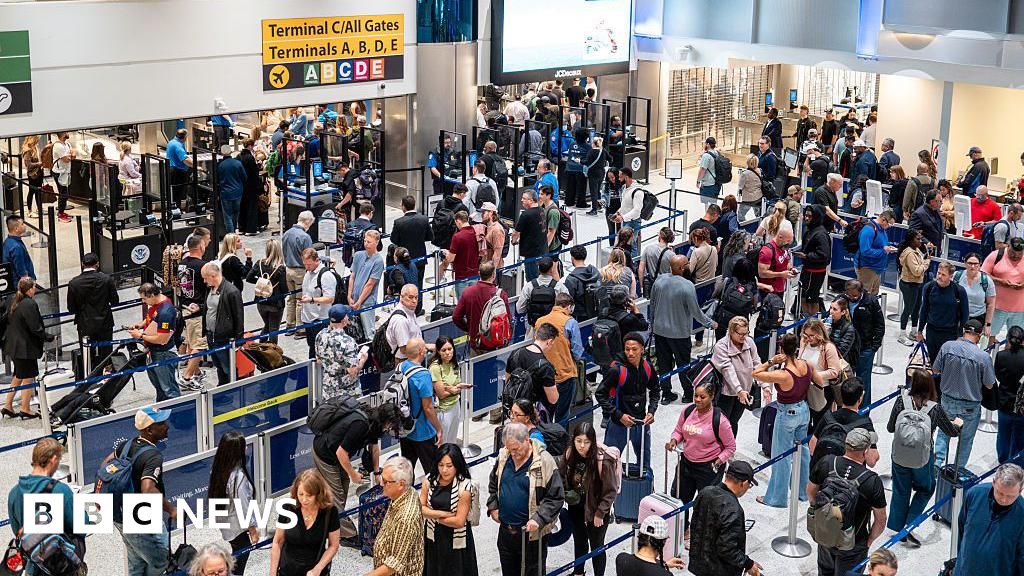
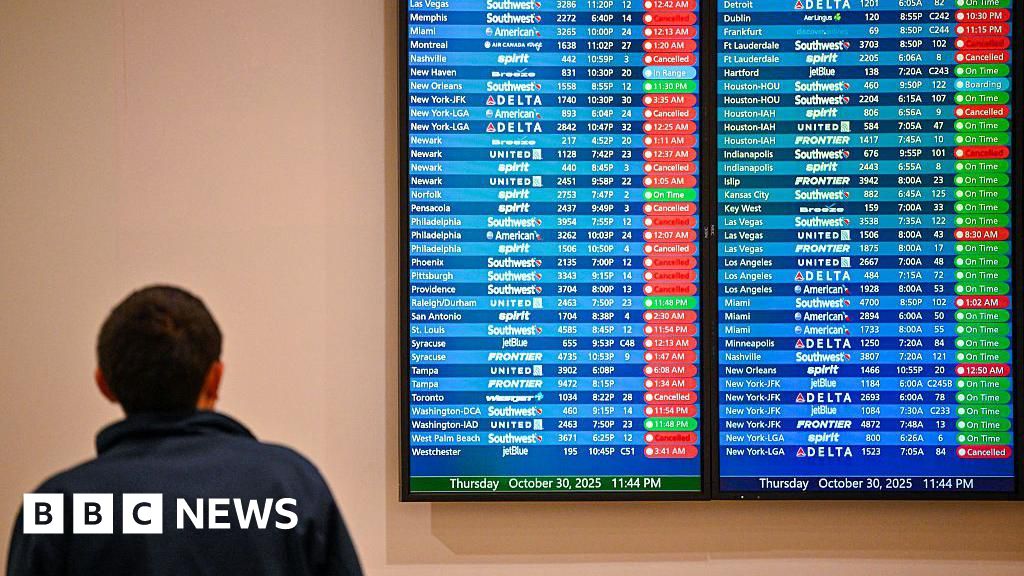
As Washington remains embroiled in an enduring standoff, the longest government shutdown in American history continues to reveal the fragility of its political system. The shutdown, now into its 39th day, has left over 1.4 million federal workers without pay, disrupting vital public services and instigating chaos across the nation’s infrastructure. The impact stretches beyond ordinary Americans—airports, one of the nation’s busiest sectors, are feeling the consequences acutely. Over 1,000 flights to, from, or within the US were canceled last Saturday, with nearly 4,000 more delayed, according to FlightAware. The Federal Aviation Administration (FAA) has mandated reductions in air traffic capacity at 40 of the country’s busiest airports, citing worker fatigue among air traffic controllers working unpaid—highlighting a systemic failure with urgent warnings of safety risks and economic fallout.

The turbulence in the skies is symptomatic of a broader political paralysis that has persisted since the shutdown’s inception on October 1. The impasse between Republicans and Democrats has not only paralyzed legislative progress but also ignited a crisis of confidence in U.S. governance. Lawmakers are at a standstill, with bipartisan negotiations ongoing over the weekend in an effort to resolve the deadlock. Yet, the divergence on key issues, notably funding and border security, underscores a profound division that extends deep into American societal fabric. Analysts from institutions like the Council on Foreign Relations warn that such internal discord diminishes the U.S.’s standing on the international stage, undermining efforts for multilateral cooperation and fueling instability in a hyper-connected world driven by American diplomacy and economic power.

Moreover, the consequences are ripple effects felt far beyond domestic borders. As the world’s preeminent superpower grapples with self-inflicted wounds, rival nations, particularly China and Russia, seize opportunities to widen their geopolitical influence. The disruption of U.S. air travel, along with the general paralysis in federal affairs, signals an erosion of America’s perceived stability and reliability as a global leader. These signs of internal weakness are of acute concern to international observers, with historian Dr. Anne-Marie Slaughter warning that prolonged internal chaos “emboldens adversaries and diminishes the soft power that has historically underpinned U.S. leadership.” The disruption also highlights how political gridlock can rapidly cascade into broader vulnerabilities that threaten allies and global markets alike.

As the crisis deepens, the sharp contrast between ideological factions reveals the daunting challenges of governance in an era marked by polarization. With the Thanksgiving holiday approaching—a period typically associated with unity and tradition—the nation faces an uncertain future. The civic toll extends beyond the immediate economic disruptions; public confidence in the federal government’s ability to manage crises is eroding. The renewed strain on security agencies, including TSA agents and air traffic controllers working unpaid, signifies not only a humanitarian crisis but also a profound failure of leadership at a time when global stability depends on resilient American institutions. The path forward remains clouded, and history watches—a wary eye on a nation caught in the tumult of its own making, its future still unwritten, yet inevitably shaped by decisions made in the storm of political discord. The world waits, as the relentless march of history continues to unfold, leaving behind a legacy defined by internal division and external uncertainty.

First Chance for US to Hit 1.5°C Climate Target, Experts Say

Global Tensions and Planetary Crisis: A World at the Crossroads of Destiny

As climate change continues to pose an existential threat, the geopolitical landscape is increasingly shaped by nations’ responses—or lack thereof. The upcoming COP30 summit in Belém, Brazil, represents a critical juncture where world leaders are expected to reaffirm commitments to the 2015 Paris Agreement. Yet, recent assessments from Climate Analytics reveal that current targets are grossly insufficient, and unless governments worldwide take rapid and concerted action, the goal of limiting global warming to 1.5°C will slip further from reach. The UN Environment Programme’s frightening projection of a 2.3-2.5°C increase underscores an urgent demand: the scaling-up of renewable energy sources and the electrification of sectors such as transport and industry is no longer optional but a moral imperative.

This diplomatic gathering occurs against the backdrop of a key diplomatic development: the United States, under the Trump administration, declining to send high-level representatives to COP30. Such a move signals a worrying retreat from climate leadership from one of the world’s largest emitters, directly impacting the geopolitical impact of climate policy—potentially weakening collective efforts and emboldening deviant national agendas. Experts from the International Renewable Energy Agency warn that these international discordances may unravel hard-won treaties, further exacerbating environmental degradation. Historians and analysts suggest that the failure of global cooperation could be remembered as a preventable crisis—one born from complacency and geopolitical self-interest rather than a genuine commitment to the planet’s future.

Legal Questions and International Power Plays

In stark contrast to the climate crisis, the U.S. Supreme Court is now questioning the legality of the Trump administration’s tariffs imposed through the 1977 International Emergency Economic Powers Act. The case revolves around the core issue of authority: whether the president can unilaterally impose tariffs during a purported national emergency, or whether such decisions must rest with Congress. Even the most conservative justices expressed skepticism, highlighting the fundamental constitutional debate: Who holds the power in shaping trade policy—an executive or the legislature? If the court rules against the White House, it could constrain the administration’s push for aggressive trade policies that have strained relationships with economic partners around the world. The ruling could redefine the scope of presidential authority and significantly influence the global trade landscape with lasting geopolitical impact.

Changing Urban Politics: A New Self-Declared Progressive Wave

Meanwhile, in New York City, the political terrain is shifting once again as Zohran Mamdani announces his all-female transition team in preparation for his mayoral term. Mamdani’s platform reflects a radical vision for urban transformation: rent freezes, free transportation, universal childcare, and city-run grocery stores—funded by taxes on corporations and the wealthy. Yet, these ambitious policies face tangible threats, chiefly from the federal government’s threats to withhold funding under President Trump’s influence. As the city’s budget depends heavily on federal support—approximately $7.4 billion—Mamdani’s efforts could be undermined by national political battles. The outcome of this local race signals a broader ideological clash: a push for progressive policy amidst federal resistance, underscoring how decisions at the top ripple downward, affecting millions of city residents.

Unfolding Crises and the Weight of History

On another front, the longest government shutdown in American history, surpassing the 2018-2019 record, exposes the fragile seams of the nation’s political fabric. The shutdown has left tens of millions of Americans vulnerable: food stamp recipients are receiving only half of their usual benefits, and airline traffic is being reduced, signaling a nation on edge. Reflecting on recent archaeological discoveries, historians note how ancient American civilizations endured climate catastrophes through resilience rather than violence, offering lessons and warnings about the cost of ignoring environmental and social pressures. This convergence of crises—climate, governance, and social upheaval—reminds us that history’s most pivotal moments are often born from neglect and division, and that the choices made today will resonate through generations to come.

As the world stands at a precipice, with unresolved conflicts and fragile alliances, the question remains: will humanity heed the warnings etched into ancient murals and modern reports? Will we unite amid chaos, or will history remember this era as one where the peril was clear, yet action was too little, too late? The ongoing narratives of climate, law, urban policy, and international diplomacy are still being written, leaving us with the understanding that the true measure of our era is not in crisis alone, but in how we respond to it. The shadow of history looms long, and the unfolding chapters await our choices.

Staff shortages from government shutdown hit US airports, causing delays for travelers

The ongoing United States federal government shutdown has precipitated a crisis extending far beyond Capitol Hill, revealing vulnerabilities in America’s critical infrastructure, notably its aviation sector. With nearly 13,000 air traffic controllers working without pay, widespread delays and cancellations have become the new norm at major hubs like Newark Airport. On Sunday morning alone, a ground stop was issued at one of the country’s busiest airports, exemplifying the severity of staffing shortages that threaten both safety and economic stability. According to the Federal Aviation Administration, approximately half of the 30 major US airports are experiencing significant staff deficits, as controllers grapple with the ethical dilemma of working unpaid versus risking safety. This situation underscores a broader systemic failure that has alarmed not just domestic observers but international stakeholders tracking the stability of global air traffic flow.

Officials, including Transportation Secretary Sean Duffy, have issued stark warnings over the potential fallout: “Flights will be canceled across national airspace to ensure safety,” he declared. The FAA has resorted to restricting flight traffic to mitigate risks associated with an overburdened and underpaid workforce operating under extreme stress. Analysts warn that the consequences of this shutdown extend beyond the skies, disrupting commerce, tourism, and international diplomacy. Flight data from Saturday showed over 4,500 delays within the US and more than 500 cancellations, illustrating how delinquent internal governance directly impacts global connectivity. This crisis is unfolding at a pivotal moment, raising urgent questions about the capacity of American institutions to maintain their global leadership role amidst internal chaos.

International organizations and geopolitical analysts emphasize that US stability is crucial to the global balance of power. As the world navigates complex geopolitical shifts, turmoil within the US government sends ripples through alliances and economic networks. Here, the failure of bipartisan negotiations over budget appropriations not only exposes domestic political fragility but also fosters uncertainty for allies and adversaries alike. The inability of lawmakers to compromise, as Democrats demand extensions of tax credits and reversal of Medicaid cuts, highlights a deeper conflict over the nation’s future direction. Many experts warn that such dysfunction, if prolonged, could diminish the nation’s soft power and challenge its role as the world’s economic anchor, fostering an environment where authoritarian regimes might seek to exploit American vulnerabilities to reshape the geopolitical landscape in their favor.

Historians and international analysts warn that this internal chaos could serve as a precursor to larger unravelings, as the US faces rising challenges from rising powers such as China and Russia. The decision-making paralysis at the federal level exemplifies a fragile democracy strained by internal divisions, threatening to weaken the safeguards that underpin global stability. The implications for societies worldwide are profound: economic disruptions cascade into social unrest, migration crises, and a newfound uncertainty about the future. As history continues to be written amidst this chaos, the world watches intently, acutely aware that the unfolding crises in America may well influence the course of global history for decades to come. Will this rising tide of internal disintegration force a reevaluation of American supremacy, or will resilience emerge from the crisis? The answer remains unwritten, but the weight of history presses heavily on today’s shoulders.

Two more hit with charges in Louvre jewelry theft crackdown

Global Implications of the Louvre Heist: Security Failures and Geopolitical Ramifications

The recent audacious theft of priceless jewelery from France’s most iconic cultural institution, the Louvre Museum, has sent shockwaves through the international community. On October 19th, four suspects executed a swift daylight raid, infiltrating one of the world’s most heavily monitored museums. Utilizing a stolen vehicle-mounted lift and a disc cutter, they shattered display cases housing treasures valued at €88 million, including the famous Parure Marie-Amélie diadème, a sapphire-encrusted crown. The incident highlights glaring vulnerabilities in France’s cultural security and signals a broader geopolitical narrative: the erosion of national sovereignty in the face of organized crime and international looting syndicates.

French authorities swiftly responded, charging two additional individuals—one a woman from La Courneuve and a man with a criminal record—raising questions about deep-rooted security lapses. Despite initial optimism about the progress of the investigation, critics within France and abroad have condemned the Louvre’s security measures, revealing critical flaws. For years, concerns about perimeter security and camera placement—particularly in areas where the suspects gained entry—went unaddressed. Culture Minister Rachida Dati admitted that the museum authorities had “gravely underestimated the risks,” promising reforms. The fact that the sole surveillance camera pointed away from the breach indicates a failure in basic security protocols, exacerbated by bureaucratic finger-pointing between the Louvre and the municipal authorities of Paris. The ongoing inquiry underscores a stark lesson: neglect of national treasures invites international criminal syndicates to operate with impunity, risking the erosion of cultural heritage globally.

Underpinning Political and Social Unrest: A Crisis of Confidence

The Louvre heist is emblematic of a deeper crisis brewing across Europe. Many analysts, including European security experts, interpret this event not merely as a robbery but as a symptom of weakened institutions and rising organized crime networks that operate across borders. The incident comes amid heightened tensions surrounding the stability of the European Union and concerns about law enforcement’s capacity to protect national assets. How nations respond to such breaches will shape the future of cultural sovereignty and social cohesion in the continent’s most influential nations.

Several historians note that this event mirrors historical episodes of cultural plunder, where corrupt regimes and unscrupulous traders seized invaluable artifacts, often spilling into international black markets. Modern pundits warn that failing to bolster national security in cultural institutions paves the way for darker forces—organized crime, foreign state actors, and illicit trafficking—to threaten societal stability. International institutions like INTERPOL have emphasized this incident as a wake-up call, urging European governments to reassess their security frameworks. As societies debate budget allocations, critics argue that prioritizing monumental projects like Louvre’s New Renaissance—focused on renovations and expansions—has diverted funds from essential protections. This shift in focus exposes how political misjudgments and misallocated resources can weaken national resilience against external threats and internal vulnerabilities alike.

The Broader Geopolitical Impact: Looting, Security, and International Relations

This theft underscores a significant, potentially destabilizing flaw in the fabric of global security. Though the immediate focus remains on retrieving the stolen items—expected to have already traversed borders—the incident has broader geopolitical implications, as nations grapple with balancing tourism, cultural preservation, and security. France, historically a custodian of Western cultural heritage, finds itself at a crossroads where international cooperation is vital. The theft is likely to embolden organized crime syndicates operating acrossEurope’s porous borders, possibly strengthening alliances with foreign actors seeking to profit from black-market sales.

Most disturbingly, international organizations such as UNESCO have issued warnings that similar high-profile targets could become frequent if corrective measures are not swiftly adopted. The incident also signifies a potential shift in the strategic narrative—where the preservation of cultural assets becomes intertwined with national security. Critics warn that if Western countries continue to underestimate the importance of safeguarding their cultural patrimony, future crises—ranging from theft to outright destruction—could further erode societal resilience and international standing.

As history continues to unfold in this era of uncertainty, the weight of the Louvre heist—once seen as a mere criminal act—now looms large as a stark reminder: in this rapidly changing world, the battle for sovereignty extends beyond borders, security measures, and military might. The story of those stolen jewels remains unfinished, a volatile chapter waiting to be written by governments, criminals, and the relentless tides of history itself. The outcome may well determine whether nations can shield their collective memory from the shadows of lawlessness or succumb to a new age of cultural loss that history will inevitably记得—and judge.

Social Media Auto Publish Powered By : XYZScripts.com