Matox News

Truth Over Trends, always!

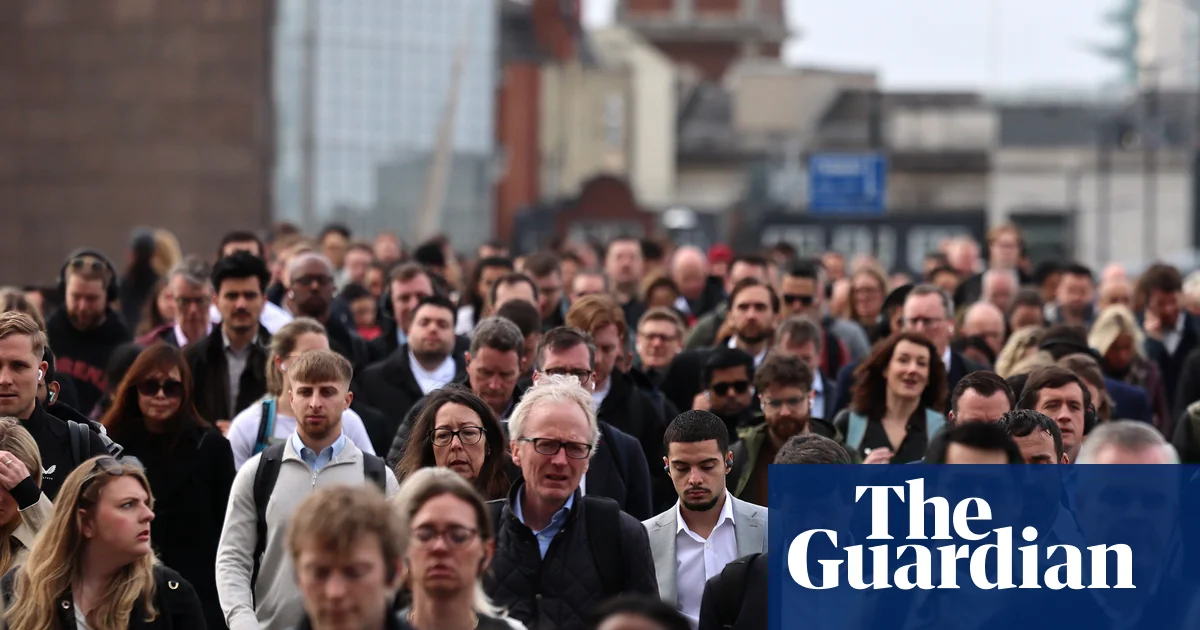
UK workers hit hardest in the rich world as taxes soar, new OECD report reveals

In a display of fiscal policies that further underscore the insular approach of Britain, recent statistics from the Organisation for Economic Cooperation and Development (OECD) reveal that the UK experienced the most significant increase in taxes on workers among the world’s top economies in 2025. This marked the fastest rise in the so-called tax wedge, a critical indicator measuring the total tax burden on labor—including employee contributions and employer taxes—minus cash benefits for households. Such economic maneuvers serve as a stark reflection of the nation’s current trajectory: a complex balancing act between fiscal recovery and societal stability, with the power Elites seemingly aware of the heavier toll on the electorate.

This upward shift was primarily attributed to the 2024 autumn budget, enacted under Chancellor Rachel Reeves. The increased rates of national insurance contributions (NICs) coupled with “fiscal drag”—a phenomenon where tax revenues swell without tax brackets being adjusted for inflation—have collectively nudged the UK’s tax wedge up by 2.45 percentage points to 32.4%. Though still below the OECD average of 35.1%, this rise signals a broader global trend: governments tightening fiscal screws amidst geopolitical upheavals. Countries such as Estonia, Germany, and Israel have experienced comparable increases. Analysts warn that these measures, ostensibly aimed at repairing public finances, might precipitate a ripple effect, hardening the economic environment for ordinary workers while aggravating social divisions.

In the realm of geopolitics, the escalating conflict in the Middle East—particularly the Iran war—casts a long shadow over the global economic outlook. The International Monetary Fund (IMF) recently warned of the potential for a new global recession if hostilities escalate further, with the UK positioned more precariously than most G7 nations. Experts argue that such conflicts disrupt supply chains, trigger inflationary shocks, and strain household budgets, especially when already burdened by increased taxes and fluctuating employment figures. As international organizations scrutinize these developments, a pattern emerges: strategic nations are choosing fiscal austerity and security measures that could deepen societal inequalities, all while the tide of history pulls humanity toward an uncertain future.

Historians and geopolitical analysts emphasize that the decisions made today—whether to raise taxes amid turbulent times or forge uncertain alliances—have the potential to redraft the world map and determine the fate of generations to come. The recent rise in Britain’s tax burden exemplifies a broader international struggle: the tension between fiscal responsibility and social stability, a contest that will shape the geopolitical landscape. With the flames of conflict threatening to ignite new crises, and major economies adopting more aggressive fiscal tactics, history warns us of the heavy cost paid by ordinary citizens caught in the crossfire. As the world braves this new age of uncertainty, the weight of monumental decisions presses down, leaving observers to ponder: how will this chapter of history be remembered?

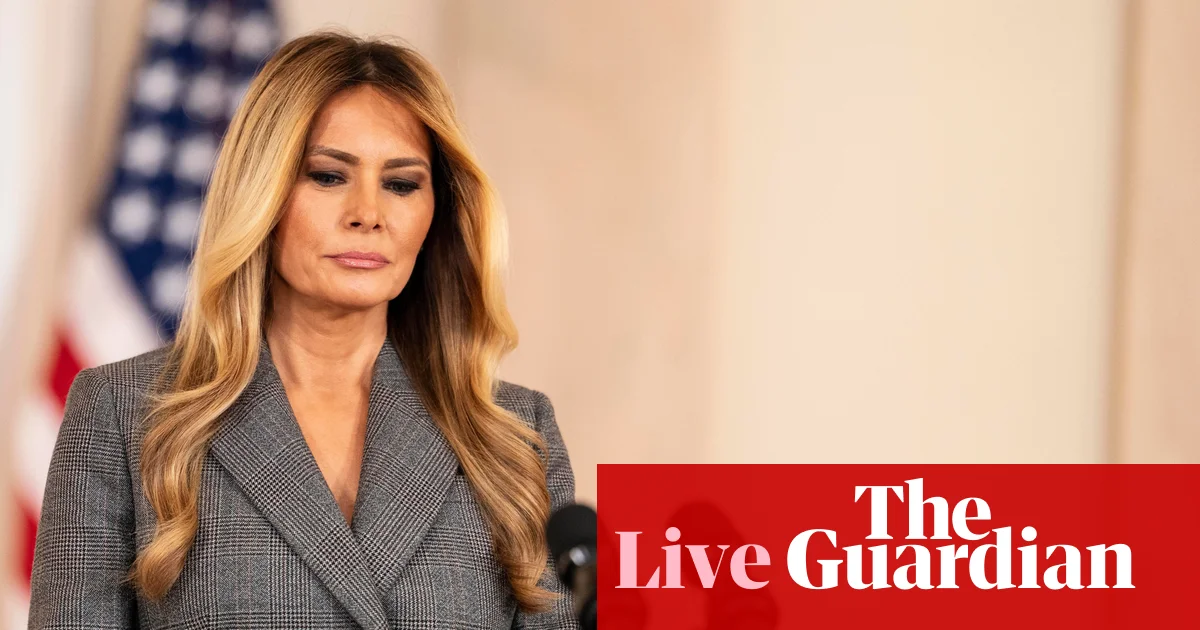
Epstein survivors hit back at Melania Trump’s unexpected remarks—US political drama heats up

Global Geopolitics in Flux: The Power Struggles and International Turning Points of 2026

As the world enters a tumultuous year, a series of high-stakes developments across the globe underscore how pivotal decisions made today will shape the geopolitical landscape for decades to come. From contentious diplomatic negotiations and ideological conflicts to economic upheavals fueled by war, nations are confronting crises that threaten stability and order. The shifting alliances, tense negotiations, and regional tensions highlight the fragile balance of power, with emerging narratives that could rewrite the history books.

In the Middle East, diplomacy is at a crossroads. Israel and Lebanon, two historically adversarial neighbors, are preparing for a first round of talks brokered in Washington. These discussions, primarily aimed at disarming Hezbollah and establishing peace, are complicated by Lebanon’s demand for a ceasefire prior to negotiations, a demand that reflects ongoing Israeli bombardments. The involvement of international mediators, including Yechiel Leiter and Nada Hamadeh Moawad, signals a renewed effort to contain regional escalation. However, with Iran’s role as a key influencer in Lebanon and Israel’s persistent military posturing, the U.S.-led talks serve as a reminder of the inherently volatile nature of Middle East geopolitics. Such negotiations, though lauded as steps toward peace, carry the risk of further destabilization if demands are unmet or if military action resumes.

Meanwhile, in Washington, internal political battles unfold amid rising economic tensions. The latest consumer price index (CPI) reveals a surge in inflation—3.3% over the past year— fueled largely by the ongoing war on Iran and soaring energy prices. Senior Democratic leaders like Elizabeth Warren and Chuck Schumer condemn the Trump administration’s approach, linking aggressive foreign policy shifts to economic destabilization at home. This economic unrest, analysts warn, reflects a broader trend: global conflicts increasingly imperil not only regional stability but also the economic fabric of superpowers. The potential for widespread inflation and market instability raises questions about the resilience of Western economies and the strategic priorities shaping U.S. foreign policy.

Adding to the global theater, Iran remains a focal point of tension. President Donald Trump has publicly declared that Iran’s regime “has no cards” and only survives by virtue of negotiations that favor the U.S. interests. As diplomatic talks in Pakistan loom, Trump’s comments on loading warships with unprecedented firepower underscore a readiness to escalate military confrontations if diplomacy fails. The threat—paired with Iran’s diplomatic ambiguity—illustrates how military threats and negotiations are entwined in a complex dance of power and deterrence. The potential for miscalculation remains high, with regional destabilization possibly igniting wider conflict, as seasoned military analysts warn that a single misstep could spiral into a larger regional war.

On the spiritual front, voices like Pope Leo caution against the destructive power of militarism, preaching that “God does not bless any conflict” and emphasizing dialogue over violence. This spiritual call echoes across religious and secular spheres, highlighting the moral dilemmas inherent in how nations pursue power. As conflicts ripple and alliances shift, the world is increasingly urged to reflect on the true cost of war. The clash of military, diplomatic, and moral imperatives creates a fog of uncertainty, where the future of peace remains precariously balanced against the relentless pursuit of national interests. As history continues to unfold, accumulating crises test the resolve of international institutions and the moral fabric of civilization itself, reminding us that the next chapter remains unwritten—fraught with peril, yet also filled with the possibility for redemption or catastrophe.

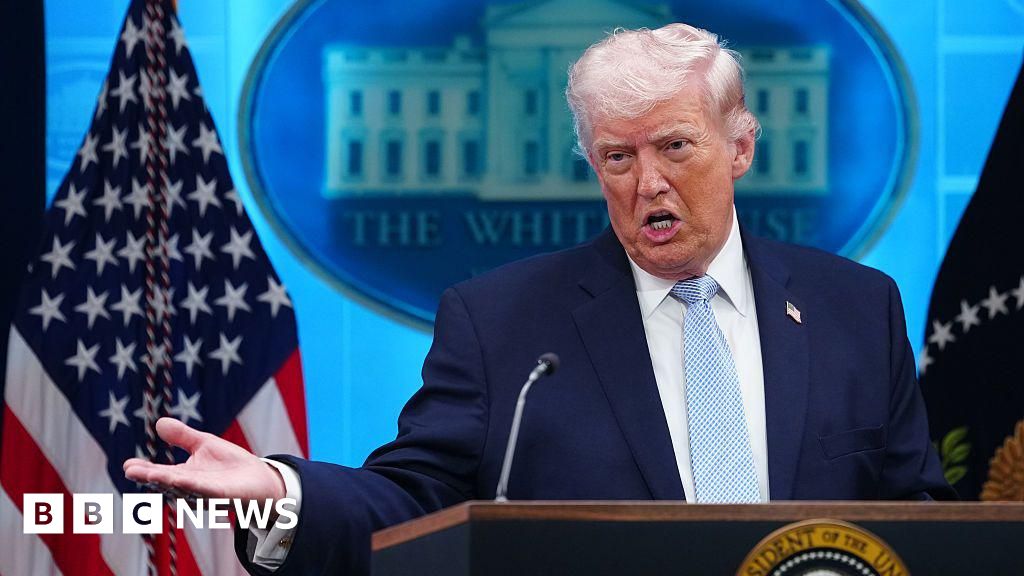
Trump warns Iran: No deal, and we’ll hit back hard in one night

Amid mounting tensions in the Middle East, United States President has issued a stark ultimatum to Tehran, demanding the reopening of the Strait of Hormuz before a crucial deadline on Tuesday. This narrow waterway, a vital artery for global energy supplies, lies at the heart of an escalating geopolitical standoff that could reshape international security and economic stability. The Biden administration’s move underscores a broader strategy to assert dominance in the region while warning that any disruption to this strategic chokepoint could trigger a cascade of consequences worldwide.

The Strait of Hormuz handles approximately 20% of the world’s oil trade, making it indispensable to global energy markets. Its control has long been a point of contention, especially amid Iran’s tense relations with Western powers. Since the US reimposed sanctions and withdrew from the JCPOA (Joint Comprehensive Plan of Action), tensions have soared, with Iran threatening to block the strait in response to American and allied pressures. International analysts warn that a closure—whether intentional or accidental—could spike oil prices, destabilize economies, and ignite broader regional conflicts. The International Energy Agency (IEA) recently cautioned that any disruption here would send shockwaves through global markets, risking a rise in energy costs that could undermine governments and threaten the fragile economic recovery in many nations.

Historically, the control of the Strait of Hormuz has been a flashpoint in regional power struggles. Experts note that the US’s current posture appears aimed at deterring Iran from taking aggressive actions, while simultaneously signaling to Tehran that the West remains steadfast in protecting its interests. Military analysts highlight that the US has increased naval patrols and strategic deployments in the region, signaling a readiness to respond if Iran attempts to close the strait. Meanwhile, Tehran continues to leverage its strategic position, asserting that Western interference and sanctions undermine regional sovereignty. The situation has drawn the attention of international organizations like the United Nations, which have called for restraint and diplomatic engagement to prevent escalation. Yet, with each passing day, the risk of miscalculation increases, and the potential for an all-out conflict looms larger.

Historians and policy experts warn that these tensions are not new but have been accumulating for decades. The decisions made today could set a precedent with far-reaching effects. Scholars like Barry Buzan have argued that control over key maritime choke points is central to modern geopolitics, with the US seeking to maintain influence over strategic waterways while Iran and other regional actors push back to assert their sovereignty. The international community faces a pivotal choice: continue navigating a dangerously fragile status quo or pursue diplomatic paths that could ease tensions. As the US deadline approaches, the world watches with bated breath—every headline, every drone flyby, every command signals the unfolding chapters of history that will define the 21st century. Will cooler heads prevail, or will this be the spark that ignites a broader Middle Eastern conflagration? Only time will tell, but the stakes could not be higher, for every nation, every society, and every future generation.”

Canada’s Biggest Gun Control Push in Decades Fails to Hit the Mark

Canada’s Firearm Ban Sparks International Debate and Reflects Changing Global Dynamics

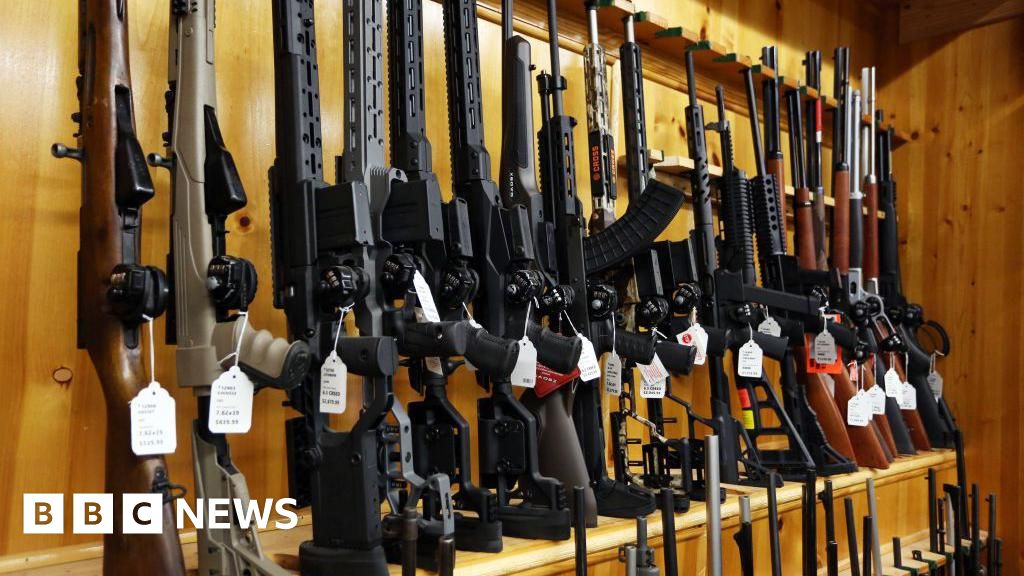
In a significant move that has garnered worldwide attention, Canada has recently announced a comprehensive ban on 2,500 models of “assault-style” firearms. This decision marks a stark evolution in the nation’s approach to gun control and underscores the ongoing struggle between individual rights and societal security. While Canada’s policy aims to reduce violent incidents associated with semi-automatic weapons, critics argue that the initial plan to buy back tens of thousands of these firearms fell short by approximately half, revealing the deep-rooted challenges in implementing such sweeping reforms. This development is more than a domestic affair; it resonates across the international stage, influencing regional security, diplomatic relations, and global debates over gun legislation.

Historian and security analysts highlight that Canada’s move aligns with a broader trend among Western democracies grappling with rising violence and social unrest. The Canadian government contends that such measures are necessary to prevent tragedies similar to those experienced in other countries where uncontrolled firearm proliferation has led to lost lives and lasting trauma. However, critics point out that these policies serve as a reflection of shifting political ideologies and the influence of global liberal agendas, with some analysts suggesting that Canada’s approach is also designed to enhance its diplomatic standing within Commonwealth and international communities that emphasize human rights and social safety. The apparent gap between legislation and enforcement illustrates the complex realities of translating intentions into effective action, particularly when entrenched gun ownership cultures persist.

International observers have taken keen interest in Canada’s firearms policies, viewing them as a microcosm of the wider ideological battles unfolding across the Western world. The United States, amidst its own contentious debates over gun rights and gun control, watches closely, with some analysts warning of the potential for increased cross-border influence and unintended consequences. The United Nations and other global institutions have issued statements about the importance of firearms regulation, yet critics argue that success ultimately depends on national resolve and societal consensus rather than international pressure alone. As geopolitical experts from institutions like the International Crisis Group emphasize, the effectiveness of Canada’s policies will be judged not only by how many firearms are removed but also by how the societal fabric adapts amidst these contentious reforms.

The move also raises important questions regarding how decisions at the national level shape international relations and influence societal stability. Some nations interpret Canada’s efforts as a step toward greater social cohesion and peace, while others see it as a cautionary tale of overreach and failed implementation. The ongoing challenges faced by Canada—partly reflected in the fact that buy-back programs only recouped about half of the targeted firearms—underline the formidable obstacles faced by governments seeking to curtail firearm violence in a deeply divided society. As history continues to unfold, the world bears witness to a pivotal moment: the delicate balance between preserving individual liberty and ensuring collective safety, a dynamic that will test the resilience of sovereignty and social cohesion for generations to come.

In the end, the story of Canada’s firearm policy serves as a stark reminder that the decisions made today are etched into the fabric of history, shaping the course of nations and societies. As the global community watches, the implications of these policies extend far beyond borders—drawing lines in the sand that define the future of security, identity, and sovereignty in a turbulent world. The unfolding chapters suggest that, while laws may change, the struggle to reconcile freedom with safety remains as enduring and profound as ever.

Peacekeepers Hit by Blast in Lebanon: Casualties Reported

In a tragic escalation that underscores the volatility of Middle Eastern geopolitics, two Indonesian nationals lost their lives in Lebanon less than a day after another Indonesian UN peacekeeper was killed in the region. This series of events has sent shockwaves through international security corridors, raising urgent questions about the safety of peacekeeping missions and the stability of Lebanon’s fragile political environment.

The deaths arrive amid a complex backdrop of regional tensions where multiple factions vying for influence continue to destabilize Lebanon. Historically, Lebanon has served as a battleground for external and internal conflicts, often influenced by broader powers such as Iran, Israel, and Turkey. The recent fatalities seem to amplify a concerning pattern of violence that threatens to derail diplomatic efforts aimed at restoring order. Analysts from the International Crisis Group argue that these incidents are a stark reminder of the risks faced by UN peacekeepers operating in a highly unpredictable environment, where local factions rarely shy away from lethal retaliation.

Global institutions such as the United Nations have repeatedly called for increased safety measures and clearer rules of engagement, yet the recurring losses expose loopholes in current strategies. Some veteran diplomats and military analysts warn that the current approach may be insufficient to deter or prevent attacks, urging a reassessment of international peacekeeping policies. The death toll among peacekeepers is not merely a tragic loss but also a symbol of how the decision to deploy forces into conflict zones involves weighing political resilience against human costs, a calculation that remains perilous. From a geopolitical standpoint, the incident underscores how regional conflicts ripple beyond borders, affecting international peace and security.

Over recent years, historians and geopolitical commentators have analyzed Lebanon’s plight as emblematic of a wider systemic decline in Middle Eastern stability. Dr. Alice Perkins, a renowned scholar in Middle Eastern politics, remarks that “the deaths of these peacekeepers are both a symptom and a catalyst—highlighting the perilous state of regional diplomacy and the consequences of external power struggles.” Underlying these tragedies is a complex web of alliances and hostilities that continually undermine efforts to establish sustainable peace. The death of these peacekeepers also resonates as a cautionary tale for nations invested in maintaining order—reminding global actors that intervention carries inherent risks, especially when local factions operate with impunity.

As the international community grapples with these fresh tragedies, the question remains: how can peace be achieved in a region where violence seems cyclical and deeply rooted in history? The deaths of the Indonesian peacekeepers reflect not only on Lebanon’s ongoing instability but also on the broader geopolitical dance involving regional and global powers. History may look back on this moment as a turning point—either as a catalyst for renewed diplomatic efforts or as a harbinger of prolonged chaos—yet the scores of history are yet to be written, and the stakes could not be higher.

Iranian Strikes Hit Gulf, Major Industrial Sites Targeted

Recent developments in the Middle East signal a potentially dangerous escalation in regional conflicts, as reports emerge of attacks targeting critical aluminium production sites in the UAE and Bahrain. Though details remain scarce, the attacks have reportedly injured several individuals, raising serious concerns among international observers about the stability of this volatile region. These actions, likely carried out by non-state actors or covert state-sponsored groups, underscore the fragile security landscape predating ongoing geopolitical confrontations.

Such strikes on industrial infrastructure do more than cause immediate damage—they threaten to destabilize regional economies heavily reliant on energy and industrial export sectors. The attack underscores a broader geopolitical strategy by adversarial factions seeking to undermine the economic resilience of the Gulf Cooperation Council (GCC) countries. Analysts from global think tanks have pointed out that these incidents could be a warning sign of a more aggressive posture from regional rivals, notably Iran, whose influence extends across much of the Middle East. Many experts contend that these attacks are part of an ongoing campaign to weaken the Gulf states’ economic and military stability, thus shifting the regional balance of power.

International organizations and security analysts have voiced mounting concern over the potential for these incidents to spark wider conflict. The United Nations and Middle East Peace Initiative have called for heightened vigilance and diplomatic efforts to de-escalate tensions. Meanwhile, U.S. and European allies have condemned these attacks as provocative acts that threaten regional peace. Yet, critics warn that such condemnations may fall short unless accompanied by substantial diplomatic and strategic responses. Historically, attacks on economic infrastructure have often served as catalysts for larger conflicts — a reminder of the destructive power of unchecked hostilities.

The geopolitical impact of this escalation extends well beyond immediate casualties. As regional powers reassess their military postures, alliances are being tested, and international investments are under threat. The Sunni-led Gulf nations, wary of Iran’s regional ambitions, are likely to respond with increased military preparedness and tighter security measures. Conversely, adversaries might exploit the chaos to pursue asymmetric warfare or covert operations. This delicate balance of power highlights how pivotal decisions made in the coming weeks could shape the geopolitical landscape of the Middle East for years to come. As security alerts rise and diplomatic dialogues falter, the world must confront the sobering reality that these seemingly isolated incidents could serve as catalysts for a broader regional conflagration.

In the end, history reminds us that conflicts of this nature often evolve in unpredictable ways, with consequences that stretch across borders and generations. The recent assaults on Gulf industrial sites are more than just acts of sabotage; they are a stark warning of how fragile peace can be and how vital it is to recognize the interconnectedness of regional stability and global security. As the world watches, the question remains: will these developments usher in a new era of confrontation, or can diplomacy still forge a path toward enduring peace? The weight of history lingers, uncertain of its next chapter.

RBA Raises Rates, Won’t Let Recession Hit Australia, Bullock Warns

The Reserve Bank of Australia has announced a significant increase in its interest rates, signaling a firm stance against persistent inflation amid a backdrop of international turmoil. The central bank lifted the cash rate target to 4.1%, erasing previous relief measures last year, and left room for additional hikes in the future. Michele Bullock, the RBA governor, emphasized that robust employment growth and ongoing consumer spending continue to exert upward pressure on prices. While rising petrol costs contributed to inflationary concerns, Bullock clarified that the primary drivers remain the excess demand within the economy and price volatility linked to Iran’s ongoing conflict.

This decision signals a cautious yet assertive approach by Australia’s monetary authorities, driven by a broader international trend among central banks facing the specter of inflation. Unlike the United States, United Kingdom, and the European Union, which anticipated holding their rates steady, the RBA opted for a rate hike, highlighting Australia’s unique vulnerability to both domestic economic momentum and geopolitical instability. The ongoing war in Iran has aggravated fears of fuel shortages and higher energy costs globally, adding fuel to the inflationary fire. The World Bank and international analysts warn of the potential for the conflict to ripple across markets, amplifying inflationary pressures while complicating policy responses.

The Middle East conflict, particularly the escalation in Iran and the broader regional destabilization, has sharpened the geopolitical stakes. With global crude oil supplies threatened, energy-importing nations like Australia find themselves caught in a tightening vise: inflationary prices rising alongside a resilient labor market. The Australian Treasury and security analysts concur that the developing regional crisis will likely exacerbate inflation, forcing central banks to enact more aggressive monetary tightening. Meanwhile, Jim Chalmers, the Australian treasurer, acknowledged that the regional conflict has worsened inflation challenges, emphasizing ongoing fiscal measures to mitigate household and business impacts. These international shifts underscore the fragility of economic recovery in an era increasingly defined by geopolitical volatility.

Some experts argue that Australia’s rising rates are a warning sign for the global economy — a sign that the era of easy monetary policy is definitively waning. Dr. Brendan Rynne, chief economist at KPMG, warned that economic activity in Australia was already vulnerable before the regional conflict, and recent rate hikes merely accelerate the risks. The narrow vote within the RBA—five in favor of raising rates and four against—illustrates the delicate balancing act policymakers face: curtailening inflation without triggering a recession or soaring unemployment. As history marks a pivotal point, the financial future remains uncertain, yet the heavy hand of geopolitics continues to impact the economic fabric of nations worldwide. The decisions made today will echo through generations, shaping the resilience of societies in a world where the shadows of war threaten to unravel economic stability.

Iran War Could Hit Global Food Supplies, Fertilizer Exec Warns

In a striking warning to the international community, Svein Tore Holsether, CEO of the prominent Norwegian fertiliser giant Yara International, has sounded the alarm over the profound geopolitical impact of the ongoing conflict involving Iran. As the war drags on, it threatens to unleash a cascade of disruptions across the global food system, especially in regions already vulnerable to hunger and economic instability. Holsether’s comments highlight a critical juncture, emphasizing that the conflict’s regional tinderbox status could ignite a worldwide food crisis, if decisive international measures are not swiftly implemented.

The core of the crisis lies in the vital raw materials used in fertiliser production, predominantly sourced from the Gulf region. Since the conflict erupted two weeks ago, prices for key components like urea and ammonia have skyrocketed, with urea soaring from $487 to $700 per tonne. This surge, driven by the blockade of Gulf ports and the turmoil in Iran and Qatar, has slashed supply lines—constituting roughly a third of the world’s urea and a quarter of globally traded ammonia. As Holsether underscores, cutting off these critical supplies could reduce crop yields by up to 50%, jeopardizing the harvests of staples such as potatoes and cereals in Europe and beyond. The economic and nutritional impacts threaten to cascade into a broader famine scenario for impoverished nations, especially in Africa and Asia, where reliance on imported fertiliser is higher.

Adding to the crisis is the skyrocketing price of natural gas, fundamental for synthesizing nitrogen in fertiliser production. Holsether notes that gas prices have increased exponentially, forcing production cuts in key regions like Iran and Qatar while prompting Asian governments to ration supplies. This double impact—limited raw material availability and inflated energy costs—puts the entire global fertiliser industry on a fragile brink. The United Nations and numerous analysts warn that these disruptions are not confined to economic repercussions alone but threaten to dismantle the very fabric of global food security. As international institutions scramble to assess the potential for famine and social unrest, the message from many experts is clear: the world must act quickly before hunger becomes an unmanageable specter in the developing world.

The geopolitical impact of these events extends beyond mere economics, challenging longstanding alliances and regional balances of power. Europe, with its significant purchasing power, may outbid less wealthy nations, exacerbating inequalities and fueling international tensions. Countries like India and South East Asian nations are already considering gas rationing and stockpiling, foreshadowing a potential global scramble for vital resources. The discourse among historians and geopolitical analysts emphasizes a sobering reality: this conflict could reshape international trade and diplomatic relations for decades to come. As the attack on Iran persists, policymakers stand at a crossroads—whether to escalate the conflict or seek pathways toward de-escalation, understanding that the decisions made today will echo in the crises of tomorrow.

As the dust of this geopolitical upheaval begins to settle, if it ever does, history will remember this chapter as a defining moment—one where choices made amid the turmoil could either forge a more resilient global order or plunge humanity into an unanticipated era of scarcity and unrest. The fragile threads that bind global stability are stretching ever thinner, and in the shadows of this unfolding story lies a stark reminder: history’s weight is gathering, and the future remains unwritten—yet every day’s decision shapes the next wave of history’s relentless tide.

Kanye West hit with $140K fine over Malibu mansion renovation dispute

In an era marked by increasing global interconnectedness, personal disputes—such as the recent case involving a handyman demanding $1.7 million from a renowned rapper—may seem localized but carry profound implications for societal norms, economic perceptions, and cultural power dynamics. This particular case underscores a broader trend: the way individual conflicts intersect with global media narratives and influence perceptions of economic justice across borders. As the dispute unfolds, it exemplifies how the ambit of influence held by celebrities and high-profile figures extends far beyond entertainment, shaping societal expectations and, in some instances, inspiring movements that challenge established economic hierarchies.

From an international perspective, the controversy invites reflection on the role of legal systems and societal standards in mediating disputes involving wealthy public figures. Experts such as Harvard law scholars suggest that the case is emblematic of a shifting landscape, where individual claims—whether about unpaid wages, medical expenses, or wrongful termination—are amplified by social media and global news coverage. The dispute not only highlights the veteran issues of worker rights and fair compensation but also illustrates how the rich and famous are scrutinized for their roles in fostering or neglecting societal responsibilities. This case could set a precedent, especially if it garners international attention, potentially influencing how labor disputes are publicly perceived across multiple jurisdictions.

Such disputes are relevant beyond individual cases, impacting the geopolitical and economic fabric of nations. Analysts from the Oslo-based International Labour Organization warn that the spectacle of personal legal battles involving prominent figures can overshadow genuine policy discussions about labor rights worldwide. Historically, some of the most significant shifts—like the establishment of labor protections in the European Union or the US—have come from public pressure around individual grievances, often escalating into larger societal reforms. Moreover, international organizations monitor these incidents to gauge public sentiment about economic justice, which in turn influences diplomatic relations, especially in countries where income inequality remains painfully high. When a person of influence is embroiled in controversy, it can trigger a ripple effect, urging policymakers to address underlying issues like fair pay, labor protections, and corporate accountability on the global stage.

Ultimately, this case exemplifies how personal disputes are rarely isolated. Instead, they weave into the global narrative, shaping perceptions of justice, fairness, and societal values. Historians have long argued that the perils and promises of modern society are etched into these moments—moments when individual conflicts become a reflection of larger tensions. As the world watches this developing story, it leaves us pondering: how will this dispute influence future legal and cultural standards? Will it catalyze meaningful reforms, or will it succumb to superficial celebrity culture? The unfolding conflict, with its roots in everyday grievances, remains a powerful reminder that the threads of history are often woven behind closed doors, waiting to be unraveled by those daring enough to challenge the status quo.

Cocoa farmers in Ghana and Ivory Coast hit hard as chocolate prices tumble

In a decisive move reflecting the shifting landscape of global trade and economic sovereignty, Ghana, one of the world’s leading cocoa producers, has announced a comprehensive set of measures aimed at revitalizing its vital agricultural sector. Historically, Ghana has relied heavily on exporting raw cocoa beans, which are then processed in foreign countries, generating substantial revenue for external economies rather than its own. Recognizing that the health of this sector is intrinsically linked to national wealth, the government’s new policies seek to process more of its cocoa domestically, rather than exporting raw beans for external processing. This strategic pivot underscores a broader trend among emerging nations aiming to maximize value addition and establish greater control over their resource-rich sectors.

This shift responds to both economic pressures and national ambitions, with officials emphasizing that increased local processing will enhance employment, technology transfer, and sustainable growth. The government’s plans include investing in local processing facilities and encouraging foreign investment through favorable policies. Such measures aim to reduce dependency on foreign industries and boost income from higher-value processed products, including chocolate and other derivatives. This approach also aligns with a burgeoning movement among resource-endowed African countries seeking to leverage their natural wealth for long-term economic independence. This move closely follows discussions among international analysts and economic historians who emphasize that resource value chain manipulation often dictates the geopolitical strength of resource-dependent nations. As Dr. John Williams, an economist at the International Monetary Fund, notes, “Countries that control the processing and value addition layers tend to wield greater geopolitical influence.”

However, the decision also signals a potential recalibration of regional and global power dynamics. By processing more domestically, Ghana is challenging established international trade patterns, especially those controlled by multinational corporations based in Europe and North America. Such a shift could disrupt existing supply chains and alter the flow of wealth within the global economy. It also sends a clear message to other resource-dependent nations: sovereignty over your natural assets translates into economic leverage and strategic resilience in an increasingly uncertain geopolitical landscape. Described by some analysts as a form of ‘economic patriotism,’ these policies could inspire further moves among African nations contemplating resource nationalism amidst swelling global tensions.

As history continues to unfold, the international community watches with bated breath. The move by Ghana is more than an economic policy; it is a bold statement on sovereignty and a challenge to the existing global order. With each step towards processing sovereignty, the nation cements its position on the world stage—yet, in the shadow of this burgeoning independence, new risks and rivalries loom. The tide of history is relentless, and as regional powers seek to emulate Ghana’s path, the outcome remains uncertain, leaving the world to ponder: who will control the resource riches of tomorrow, and at what cost to global stability? The story of Ghana’s cocoa revolution is only beginning, and its reverberations threaten to reshape the geopolitical map in ways yet unseen.

Social Media Auto Publish Powered By : XYZScripts.com